```markdown
A Jianghu of 66 Lives: The Phantom Blade Zero Deep-Dive Preview - Read This Before You Take Up the Blade
66 days - how far can one man walk? How many can a swordsman cut down? How much turmoil can a conspiracy sunk at the bottom of the jianghu churn to the surface?
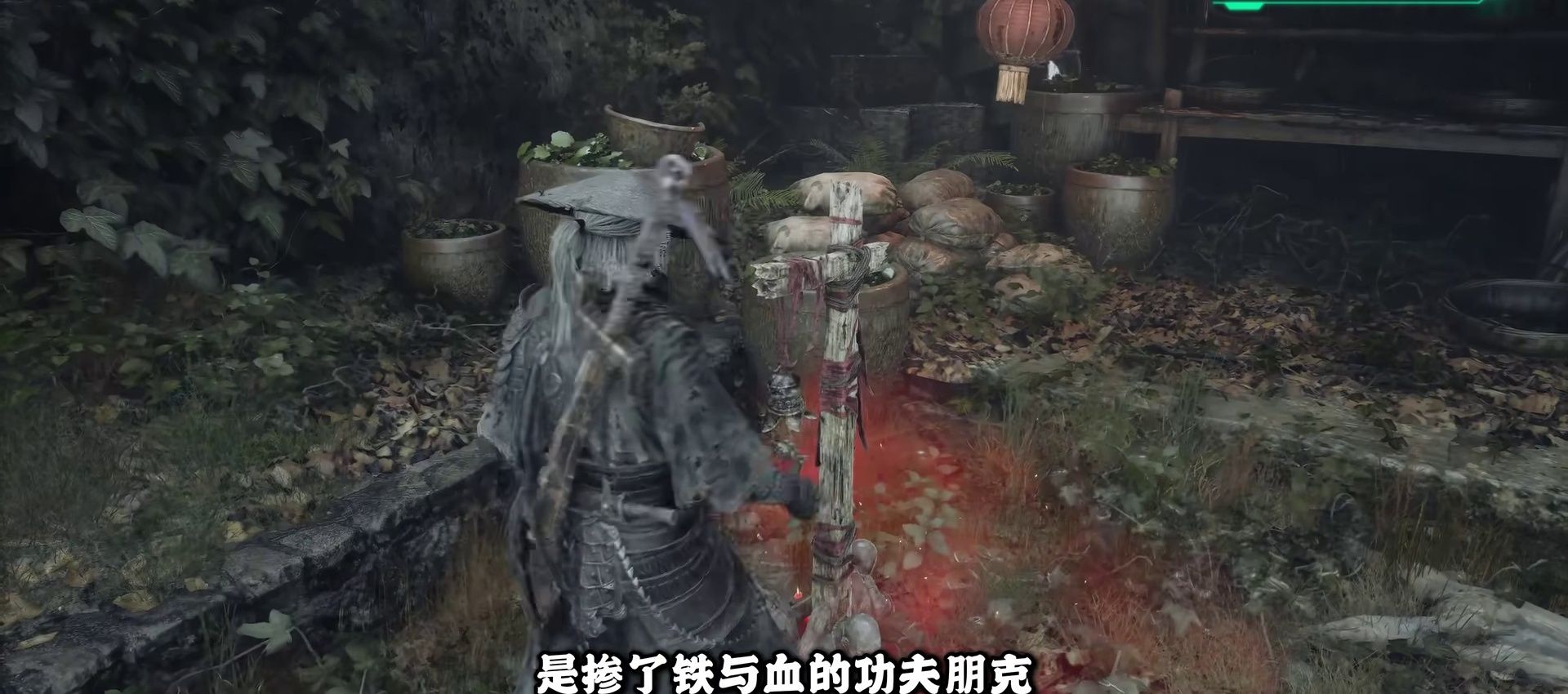
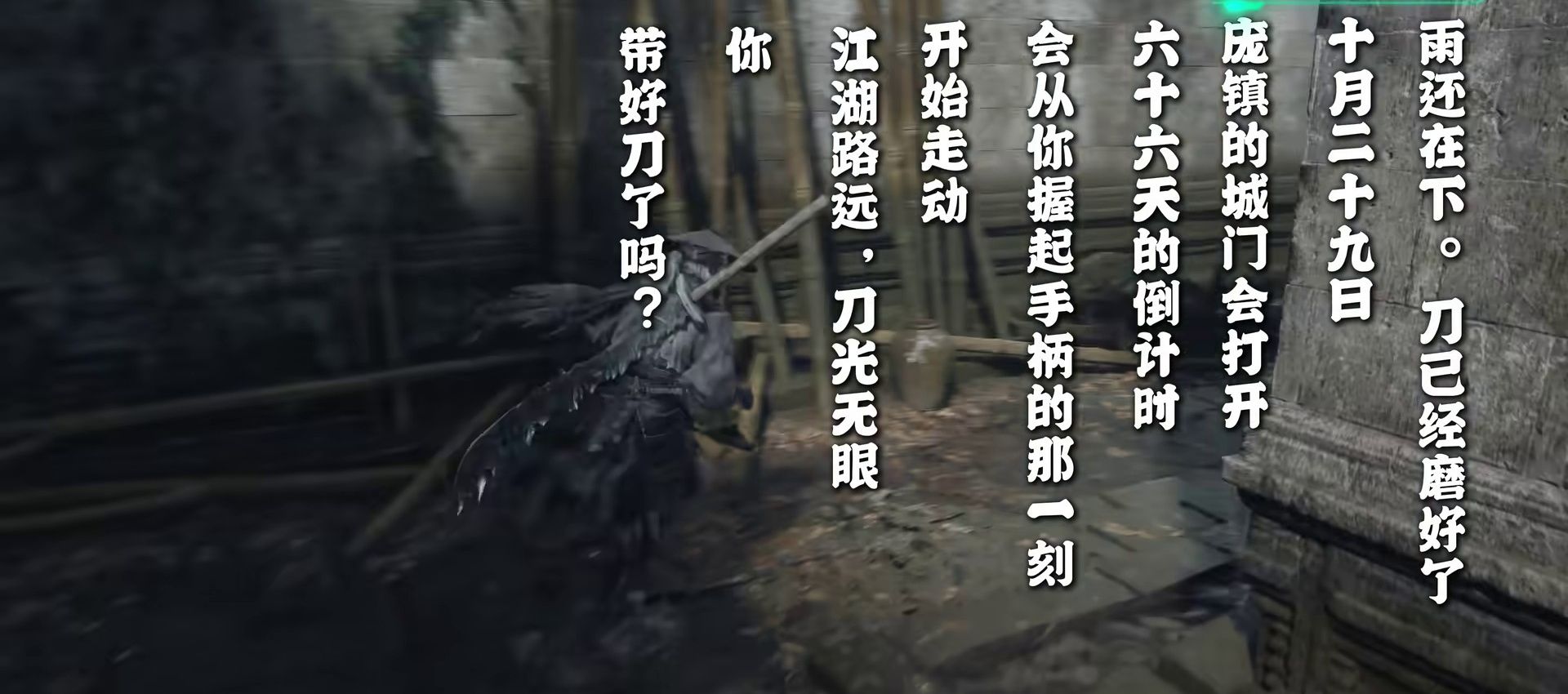
This is the jianghu of Phantom Blade Zero - not a Jiangnan of apricot blossoms and spring rain, not a court where debts of gratitude and vengeance are settled with flourish, but a martial world in its twilight, a strain of kungfunk laced with iron and blood, a cold blade-dream fired in Unreal Engine by S-GAME.
On October 29, 2026, it arrives on PS5 and PC. Before then, dozens of media outlets from home and abroad have already taken up the blade, each walking a stretch of the jianghu in a six-hour closed-door hands-on. Drawing on first-hand experience from the two previous offline playtests, along with the highlights distilled from this round of media sessions, we lay out everything worth knowing before the release - all in one place.
```
Sixty-Six Days, a Chilling Dream of Blades
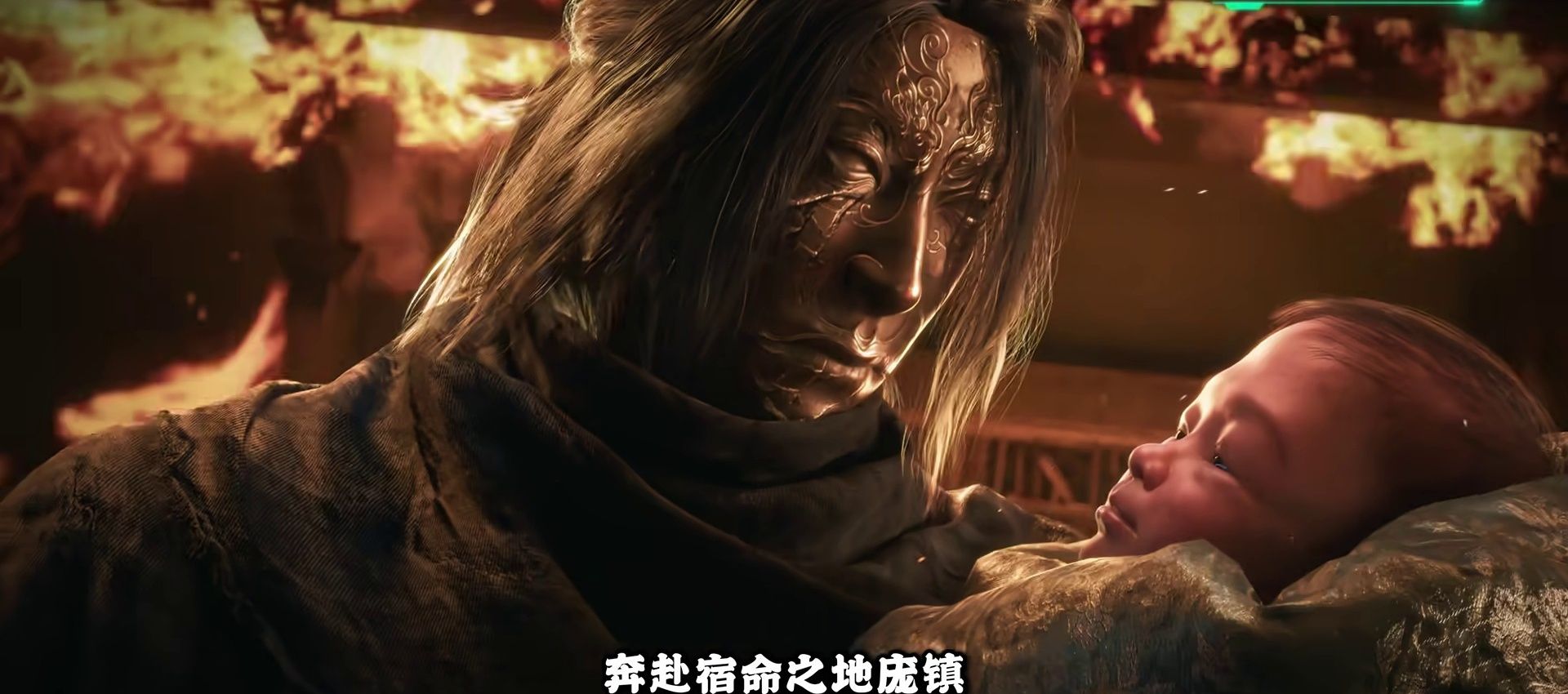
Soul was once the most feared blade of the organization known as "Shadow." A cataclysmic upheaval changed the fate of both him and his sworn brother Zuo Shang: in a fateful duel with Zuo Shang, his heart suffered a grievous wound and his life hung by a thread. At the critical moment, the mysterious physician "Ghost Hand" used a secret art of his own to pull him back from the brink of death - but at a price: Soul has only 66 days left to live.
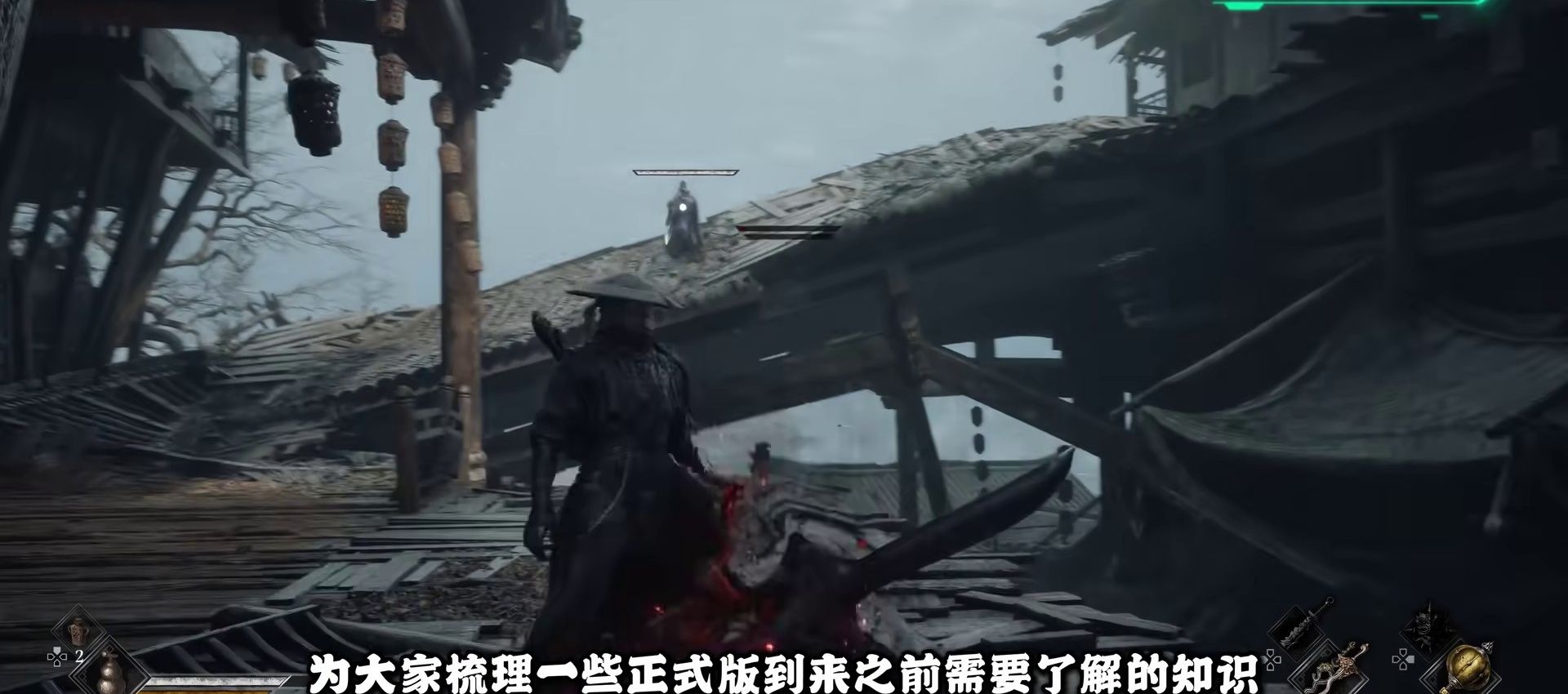
Over the next 66 days, he will flee amid the flash of blades and rains of blood, journeying to the place where destiny awaits to confront his brother of old; before his lamp burns out, he must clear his name, find the antidote, and expose a shocking conspiracy capable of upending the entire martial world.
Upholding the righteous path with his own body and searching for his heart with his own life, in a martial world fallen into disorder and decay - this is the backbone of the main story, yet it is not all the jianghu has to offer. Beyond the main storyline, the density of this jianghu web may well exceed your expectations.
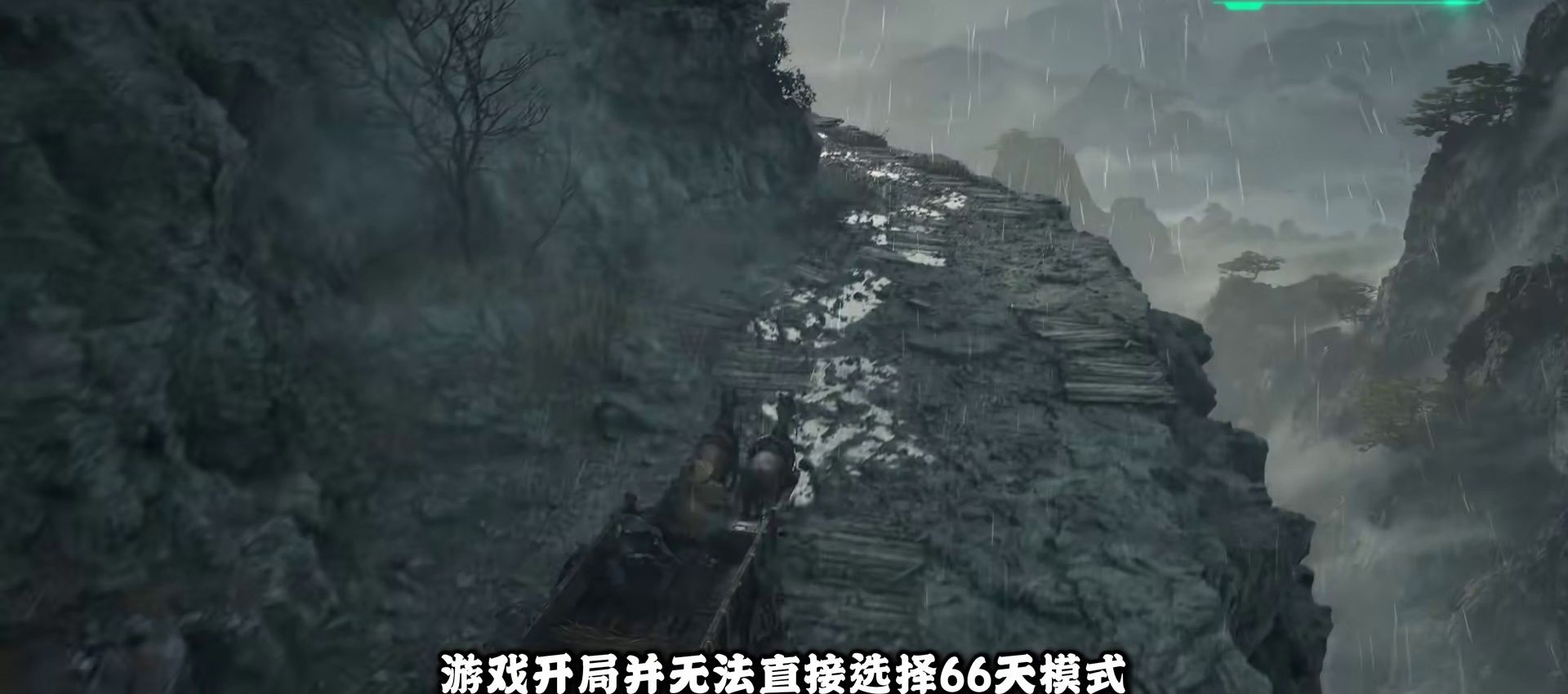
"66 Days" Isn't a Countdown - It's 66 Lives
First, let's clear up the biggest misconception: many people assume "66 Days" is a death countdown looming over your head for the entire game. It isn't - it's a rule exclusive to the game's highest difficulty.
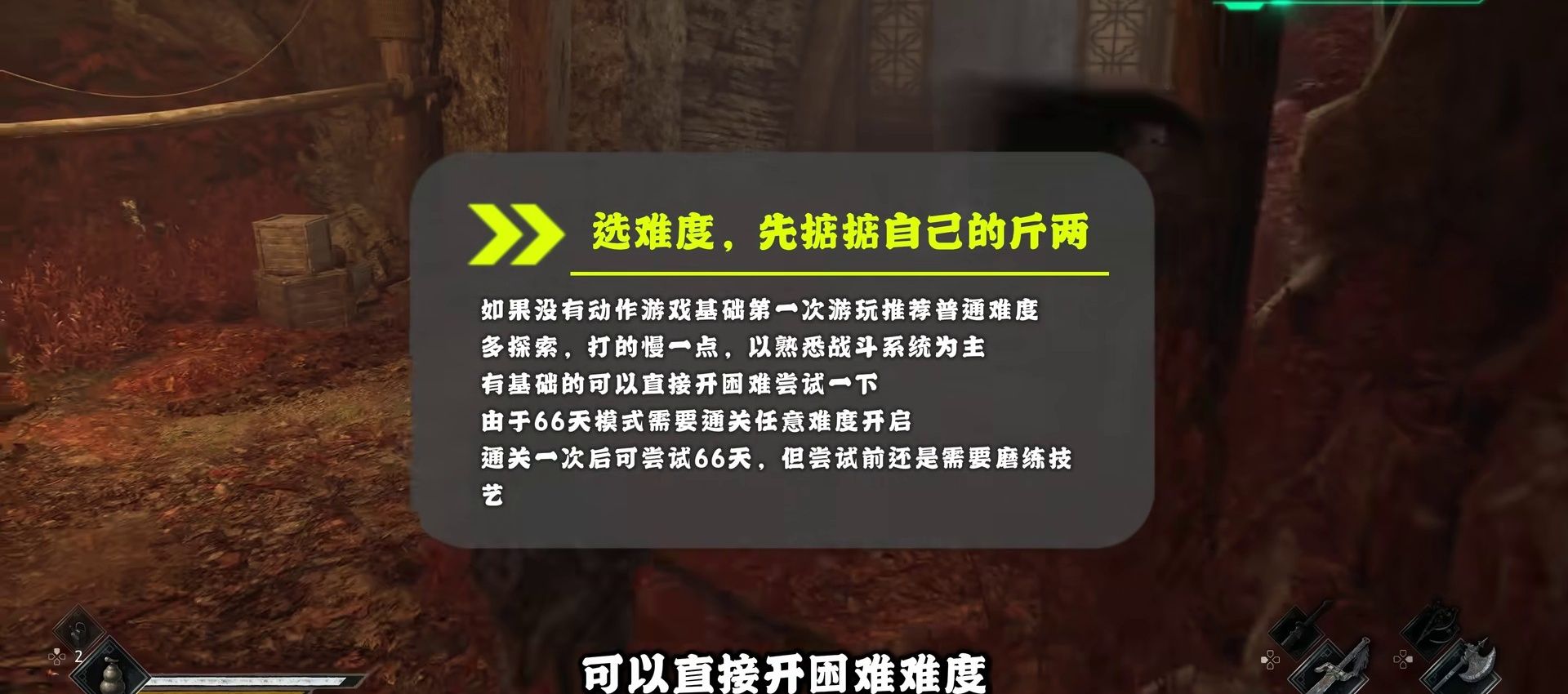
The game currently offers four difficulty settings: Normal, Hard, Expert, and 66 Days. However, 66 Days can't be selected right from the start - it only unlocks after you've cleared the game once on any difficulty. The combat intensity of 66 Days is on par with Expert; the only difference is this: you have just 66 lives.
The real challenge of Expert and 66 Days lies in the fact that bosses learn the moves you rely on most and adapt to counter them. Players must constantly vary their approach mid-fight - the era of one combo to rule them all simply doesn't exist here.
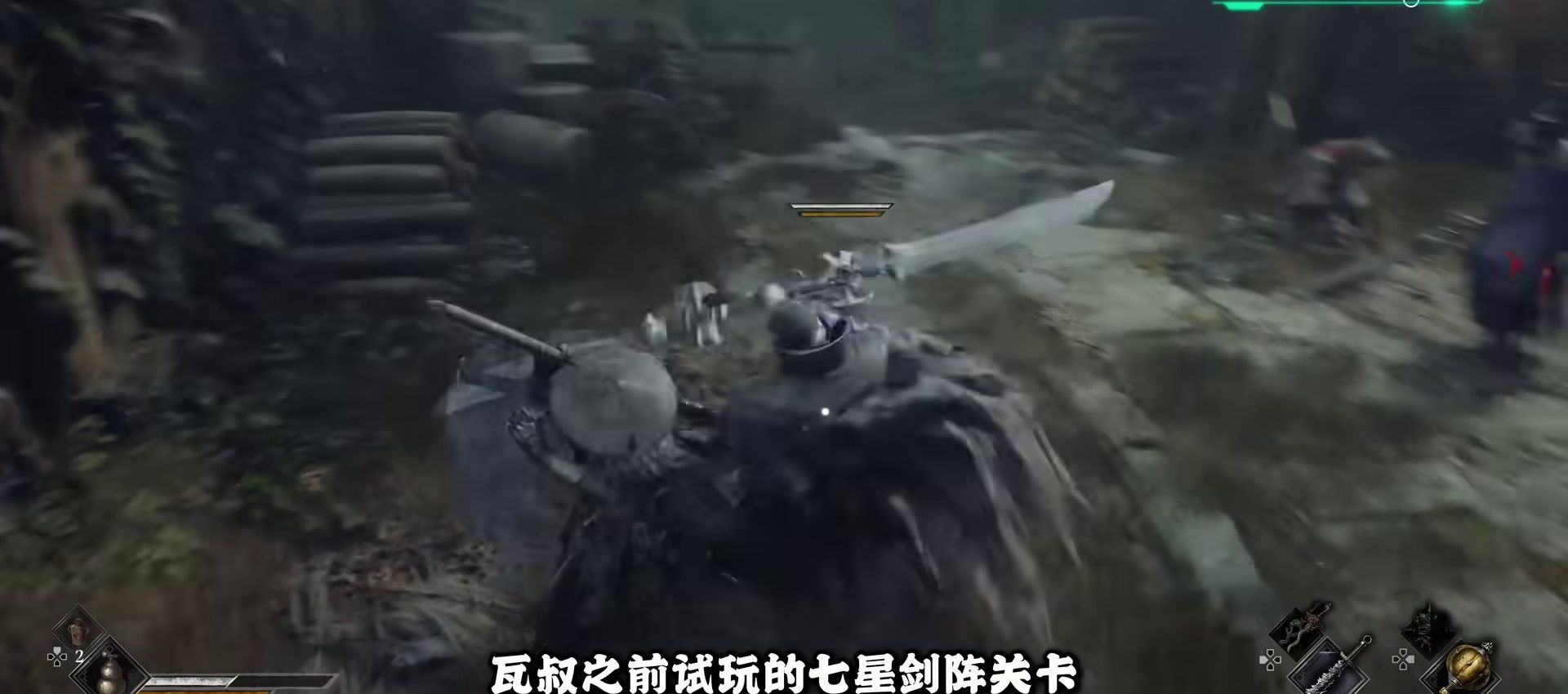
In terms of scale, Phantom Blade Zero features 8 chapters this time around, but even Chapter 1 alone carries serious weight: during the 6-hour media hands-on, the journalists who pushed the deepest only reached roughly 70% exploration completion of the first chapter. Producer Liang Qiwei previously offered this benchmark: experienced players who don't get stuck on bosses can expect a full playthrough to take around 25-30 hours; factoring in full collectible hunting and the time needed to learn the game's systems, the estimate climbs to 50-60 hours.
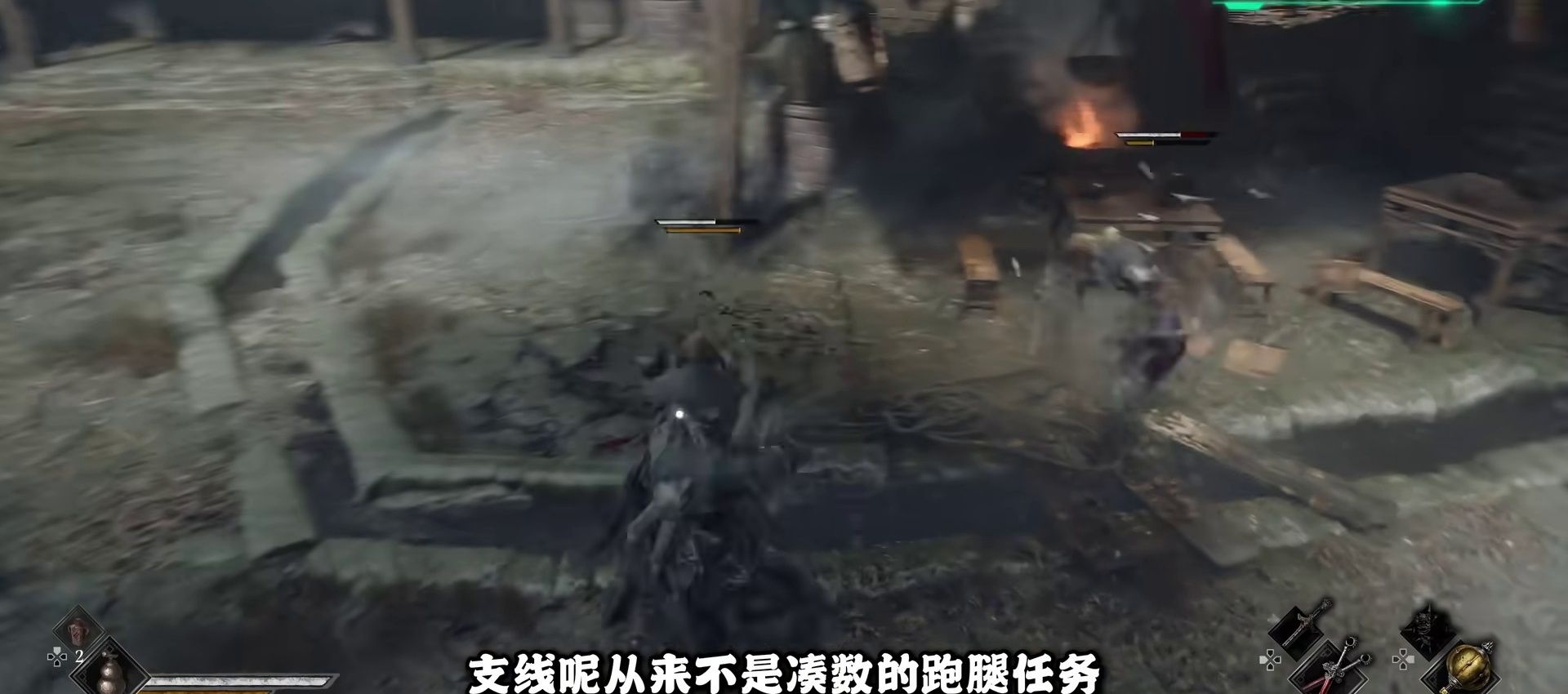
The Dead Will Not Live Again: A Jianghu That Never Respawns
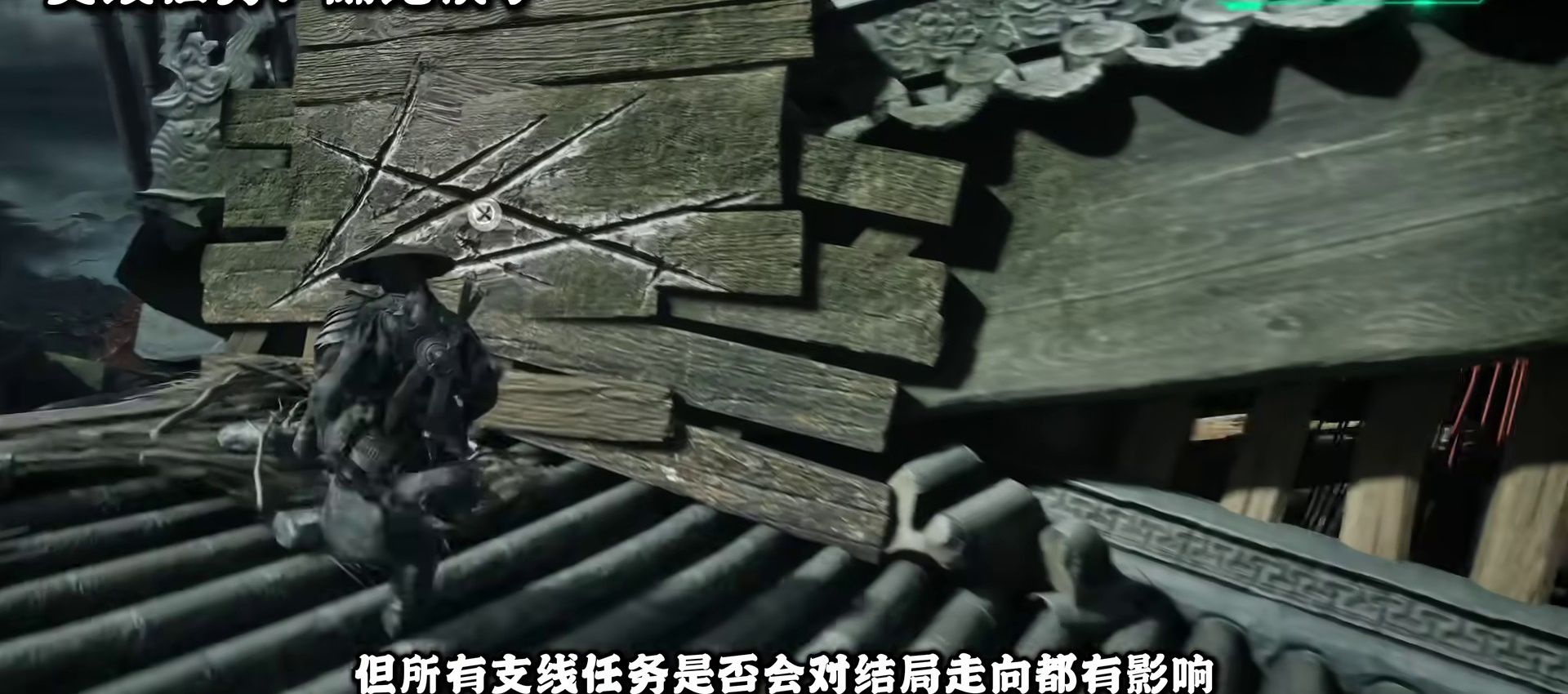
Side quests here are never filler errands. Liang Qiwei has stated explicitly that he doesn't want players wandering meaninglessly across empty stretches of map just to farm resources - this jianghu values density.
A practical tip: pay close attention to the important side quests marked with purple icons. In these quests, you can choose to help most of the people you encounter - they exist to flesh out the worldbuilding, and everyone you meet carries their own obsessions; or you can choose to look the other way and ignore them entirely. The game is confirmed to feature multiple endings, but whether every side quest influences the outcome is something only the full release can verify.
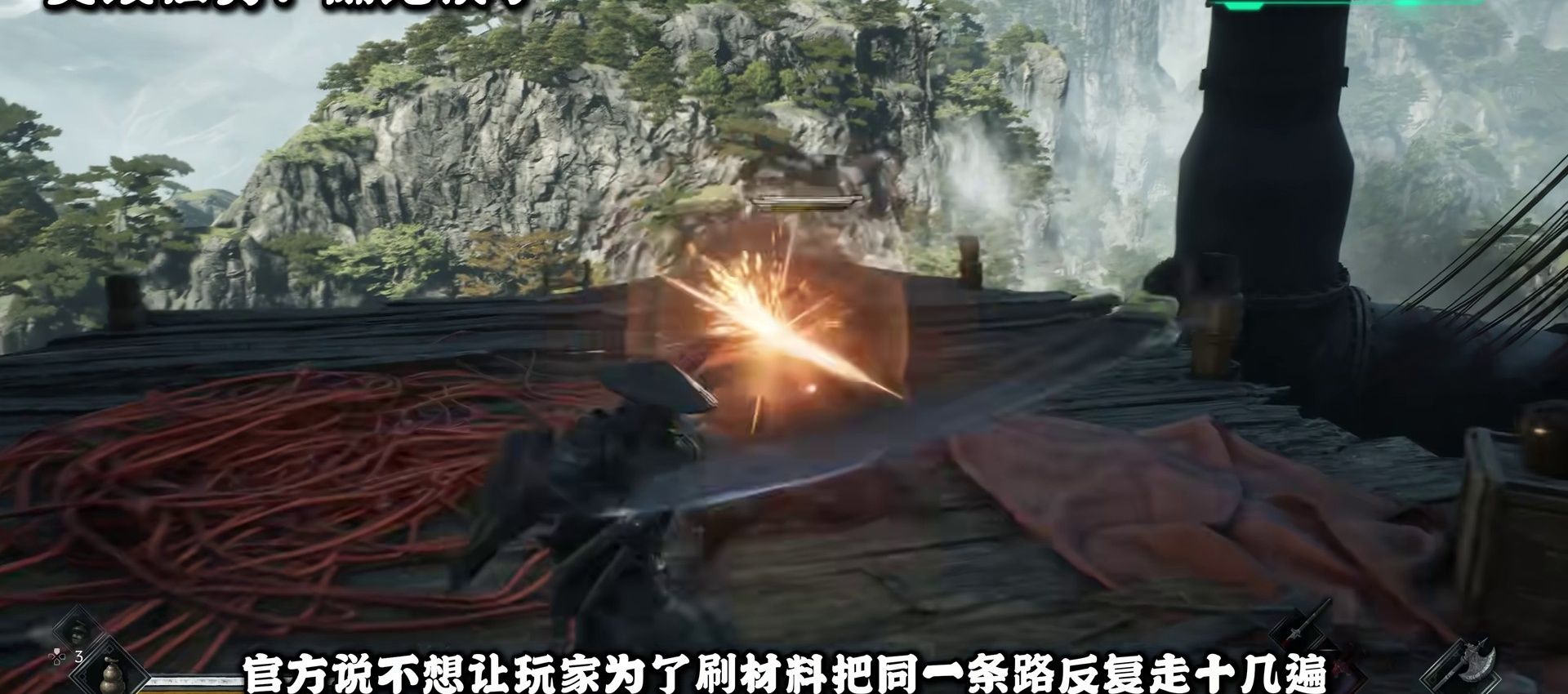
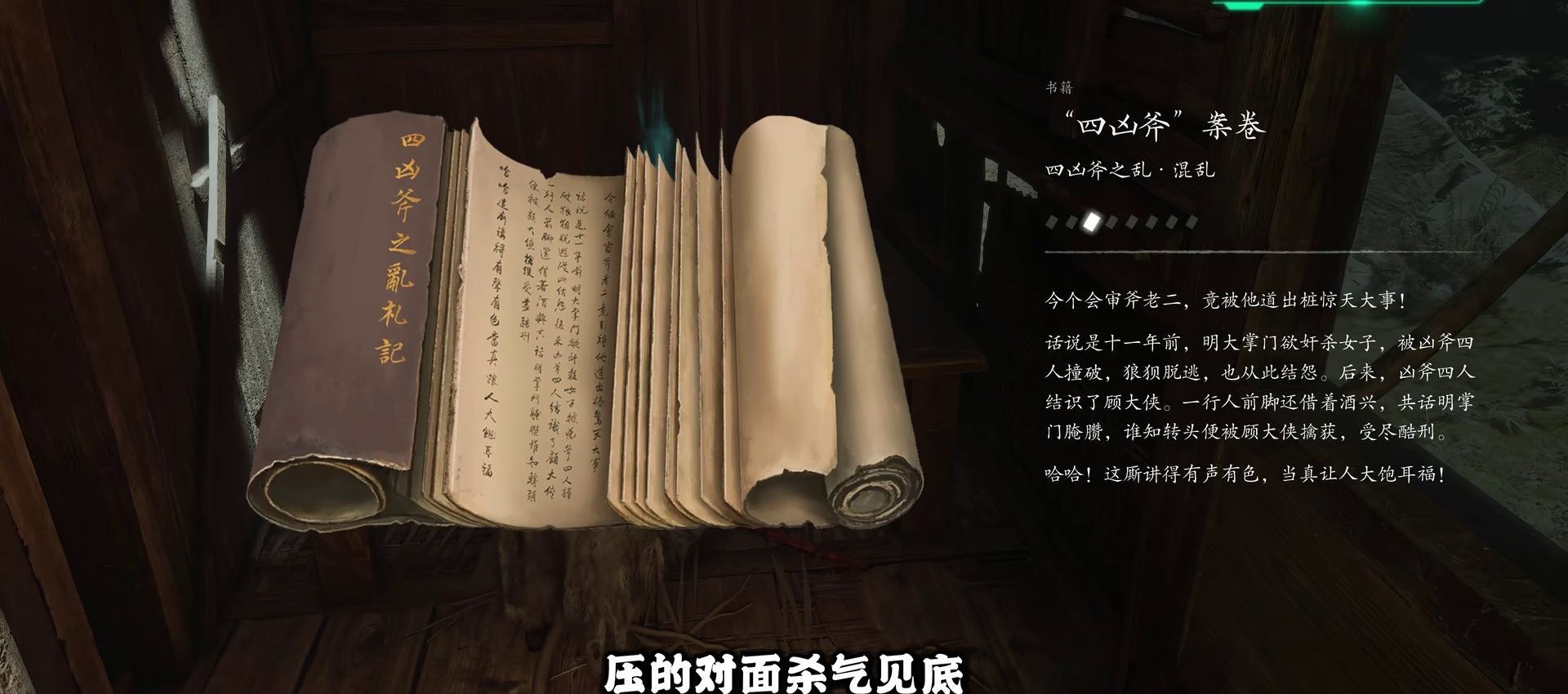
The most intriguing rule of this jianghu: those who have died will not live again. Retrace your steps past an activated checkpoint, and none of the enemies you've killed will respawn. This design fits the game's own lore - in the world of Phantom Blade Zero, once a perilous road has been cleared by Soul, it stays safe; if enemies came back after a "bonfire rest," it would actually make no narrative sense. The developers' stance is equally direct: they don't want players trudging down the same road a dozen times just to farm materials.
Every minute of exploration should carry a full minute's weight.
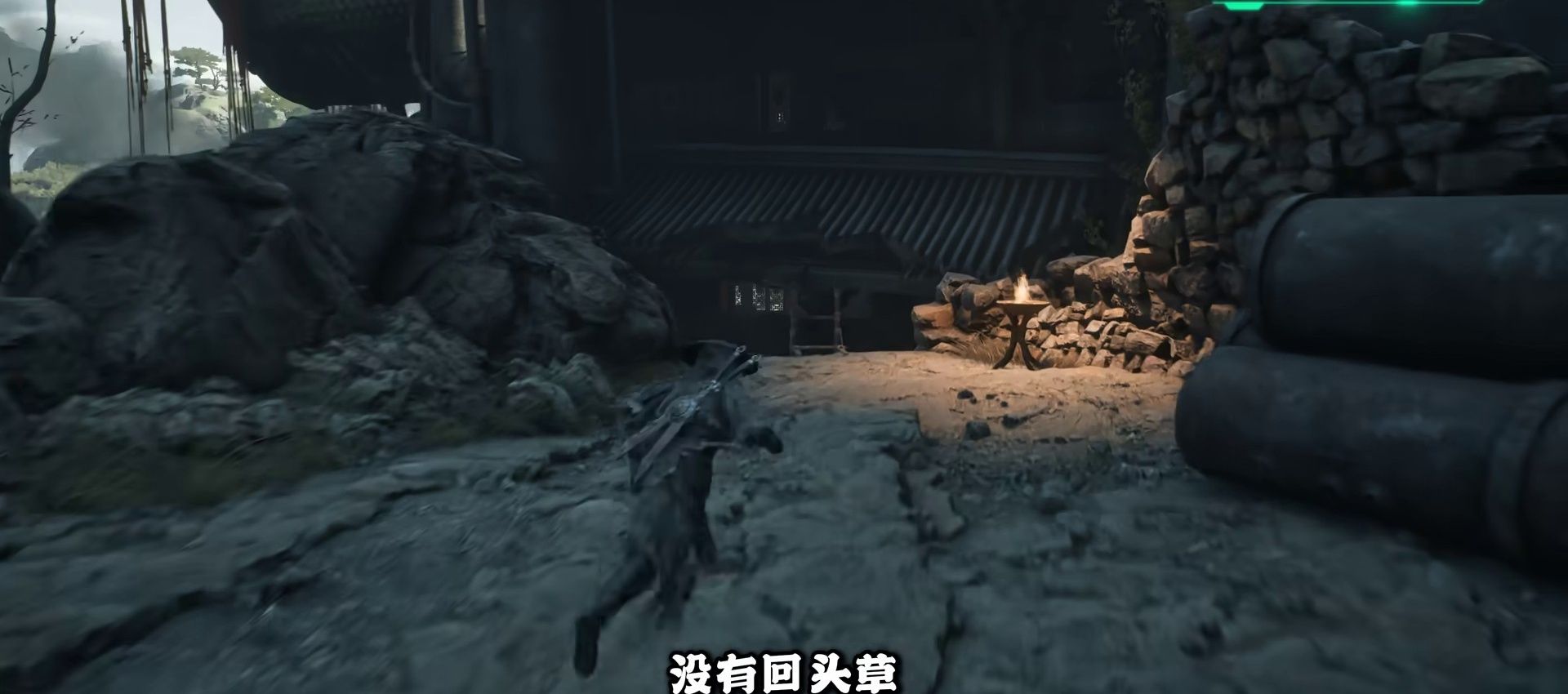
Forging materials and upgrade resources are scattered throughout every level - down deep alleys and along roadsides - and the rewards for exploring are substantial enough: you can find items that raise your maximum health or maximum Killing Intent. Based on the two previous hands-on sessions, exploration isn't particularly demanding, and the map's connectivity is well designed - in the full release, it's worth venturing far and seeing as much as you can. One more reminder: the resources on the map are finite within a single playthrough - once they're used up, they're gone.
Just like the real jianghu - a road traveled is traveled, a person met is met. No retracing your steps, no second chances.
Killing Intent: The Life-or-Death Line That Unites Attack and Defense
The martial arts of the jianghu take a thousand forms, but in the end, it all comes down to a single breath. In Phantom Blade Zero, that breath is called Killing Intent.
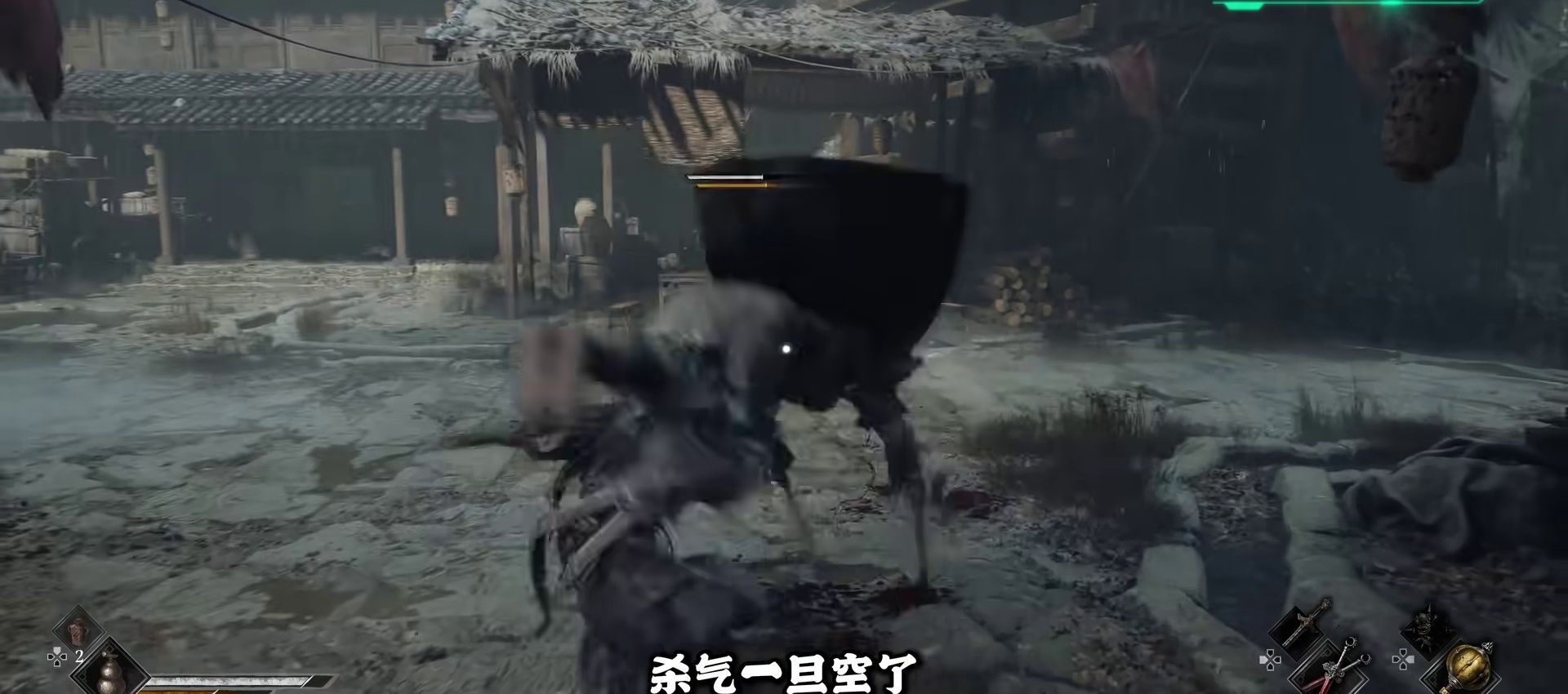
Killing Intent is the root of the entire combat system, and it's what sets this game apart from every other action game out there: it's not a stamina bar, not a rage meter, but a life-or-death line that fuses attack and defense. You have it, and so does the enemy. Heavy attacks and Killing Intent skills consume it, blocking consumes it, and even holding a defensive stance drains it. Once your Killing Intent hits bottom, you become a sitting duck - your guard won't come up, your attacks turn feeble, and taking a hit means a long hitstun, leaving you utterly at the enemy's mercy. Conversely, draining an enemy's Killing Intent to zero means a guard break, and from that moment on, you can carve them up however you please.
Fortunately, normal attacks (light attacks) cost no Killing Intent. So the core principle of this game is exactly what the old veterans of the jianghu say:
Better to lose health than to let your Killing Intent run dry.
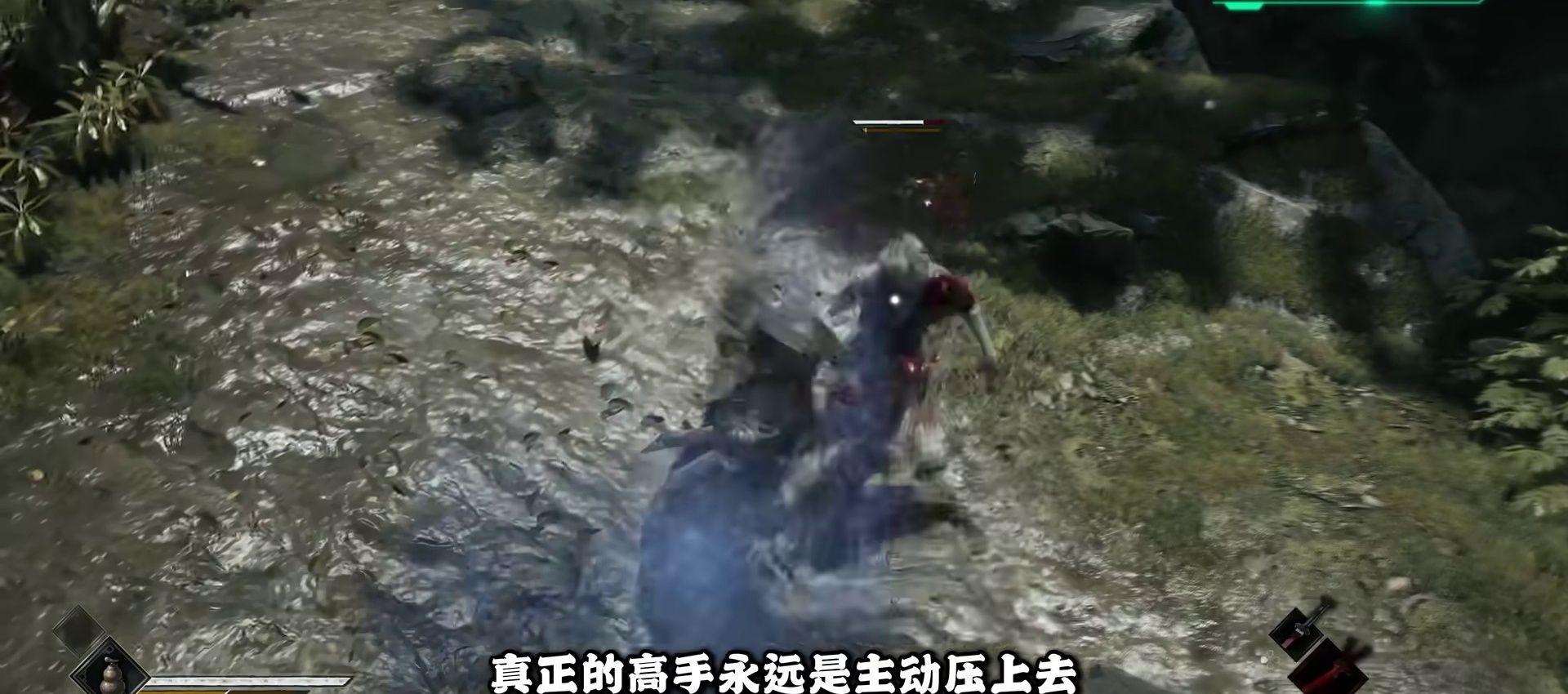
Defense is always passive. Hold block nonstop, and your Killing Intent will drain faster than your opponent's - you'll only die sooner. True masters always press the attack: use combos to force the enemy to block, and swift blade strikes to whittle their Killing Intent away. Seventy percent of a boss's Killing Intent drain should come from proactive offense; defensive counters only make up the remaining thirty.
A fight is never won by waiting - it's won by fighting.
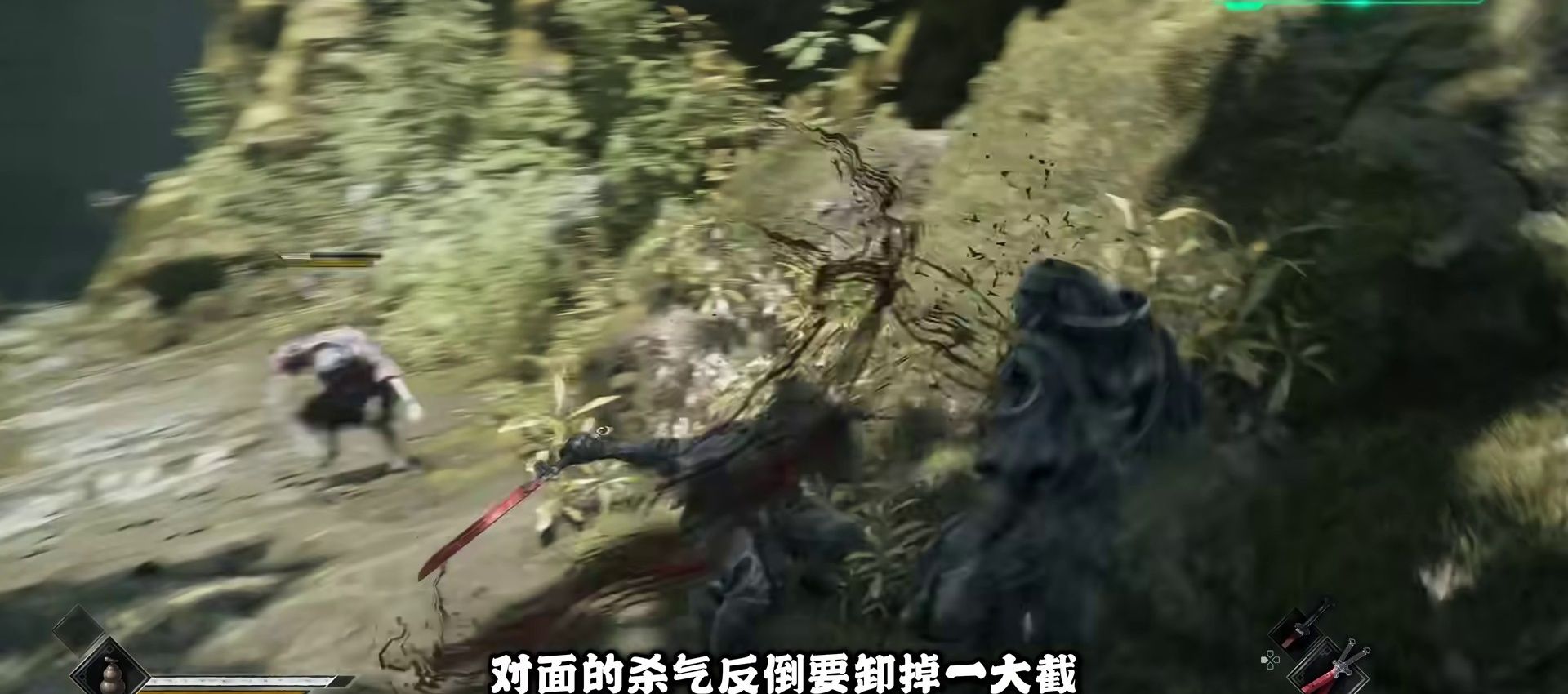
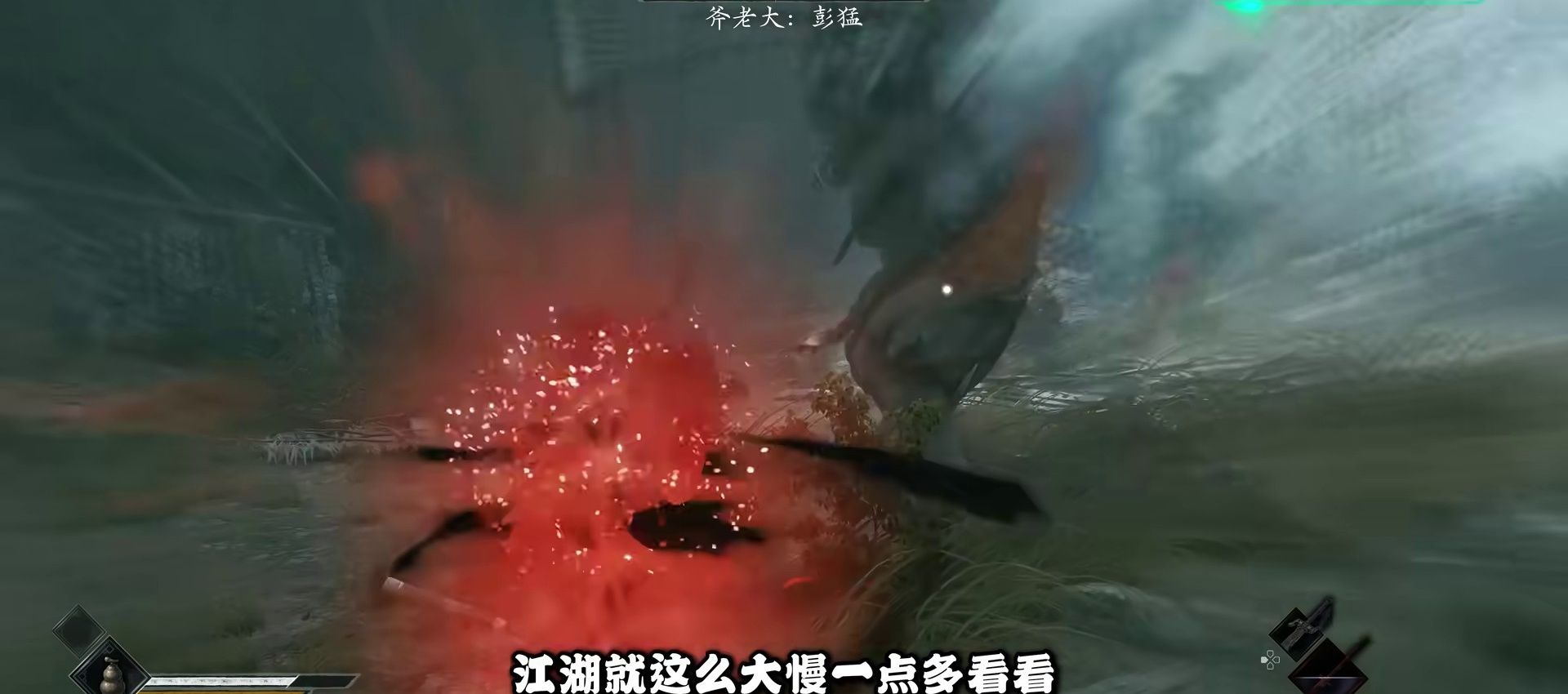
That said, the defensive toolkit is every bit as refined. When the enemy unleashes a blue-glow attack, you can block it: press and hold block the instant the blades clash, and you land a perfect block, triggering a Ghost Step that carries you around behind the enemy - your own Killing Intent untouched, while a hefty chunk of theirs gets stripped away, setting you up for an immediate counter. When the enemy unleashes a red-glow attack, blocking won't work - you have to dodge: nail the timing, and the Ghost Step flashes you into position, one blur of movement and you're already behind your opponent.
Masters Never Stick to One Blade: Thirty-Plus Weapons, Endless Combinations
You can equip two weapons at once, and a single weapon swap instantly refills your Killing Intent to full - but swapping is on a cooldown, so you can't mindlessly spam it to farm free refills. That's why masters never grind away with a single blade from start to finish; instead, they alternate between two weapons to keep the pressure on: pressing the opponent until they can't breathe, draining their Killing Intent to rock bottom, then swapping blades to refill and coming right back with another storm of steel.
The depth of the arsenal is another major source of this game's confidence: over thirty main weapons and twenty-five Shadow Armaments (sub-weapons), with no fixed schools. Favor fast offense? Take the Tang saber, twin short blades, or soft sword for close-quarters brawling, blade flashes chaining together with no visible gap. Favor raw power? Take the crescent glaive or great axe and smash through man and armor alike in a single swing. Favor the treacherous path? Take the soul-chasing chain - sweeping crowds at range, hooking and yanking foes up close, ever-shifting and unpredictable. Every weapon has its own moveset, combo logic, and signature skills; once you unlock Shadow Armaments like the Imperial Bow or Tiger Cannon, you can land finishing blows and whittle down health bars from afar, or break out of encirclements up close.
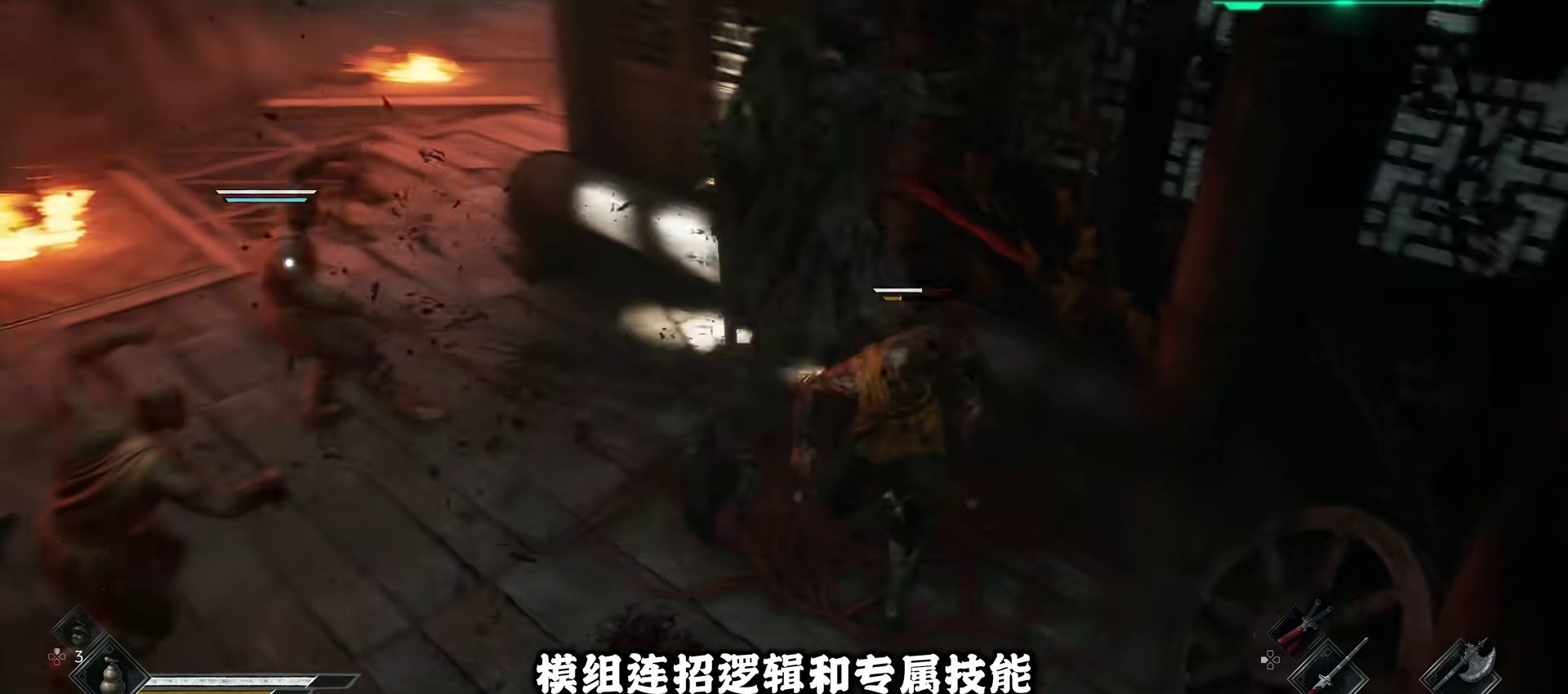
In the six-hour hands-on demo, the press only got to try about ten of these weapons, and that was already enough to produce completely distinct combat styles.
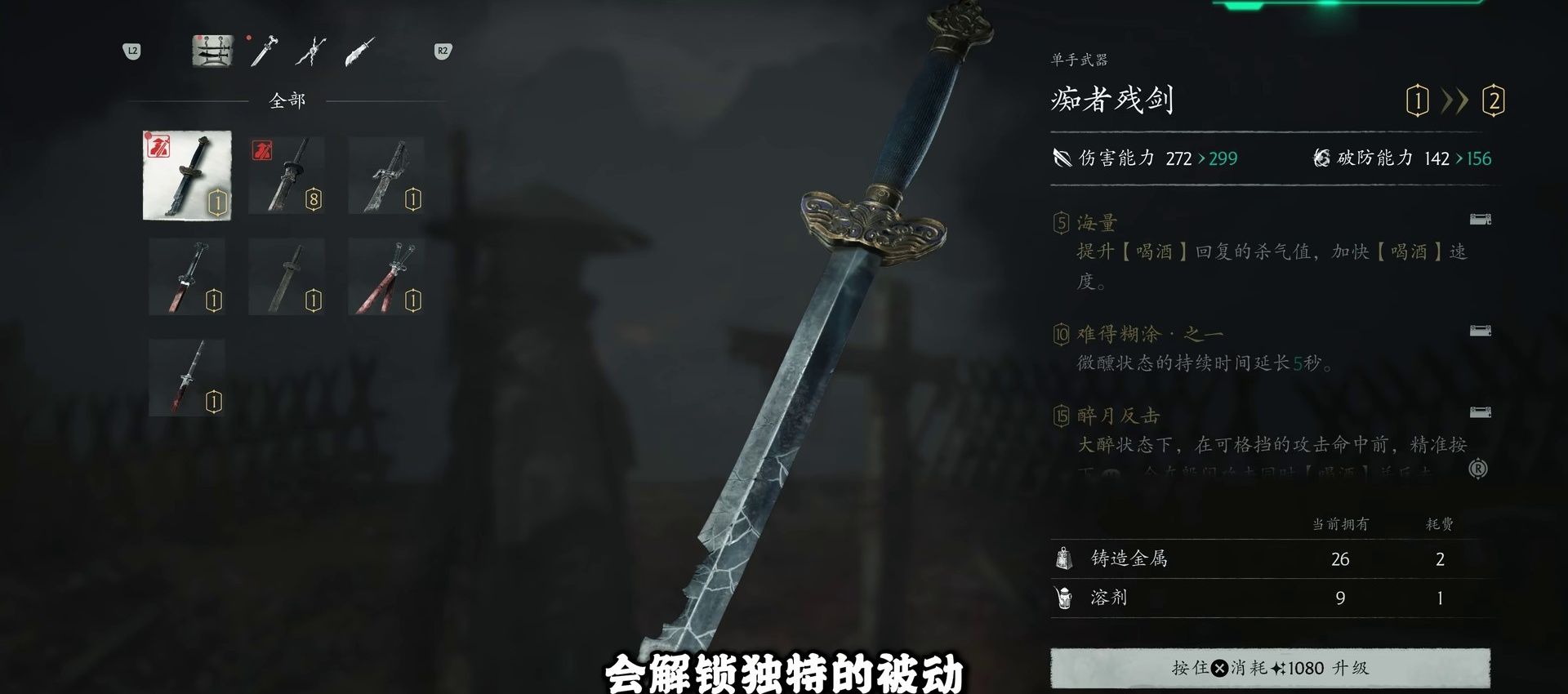
The pacing of weapon acquisition and upgrades is also worth explaining: you collect upgrade materials as you progress, weapon upgrades are performed at checkpoints, and each weapon unlocks a unique passive at levels 5, 15, and 25. Take the demo's core weapon, built around high attack and high counters: fully upgraded, every one of its passives revolves around heavy offense and counterplay - not a single dud among them. Even better, its normal state and special state have completely different attack patterns, looking every bit as cool as a boss. In the full release, there will only be more weapons like this, never fewer.
Fifty Bosses, Not a Single Repeat
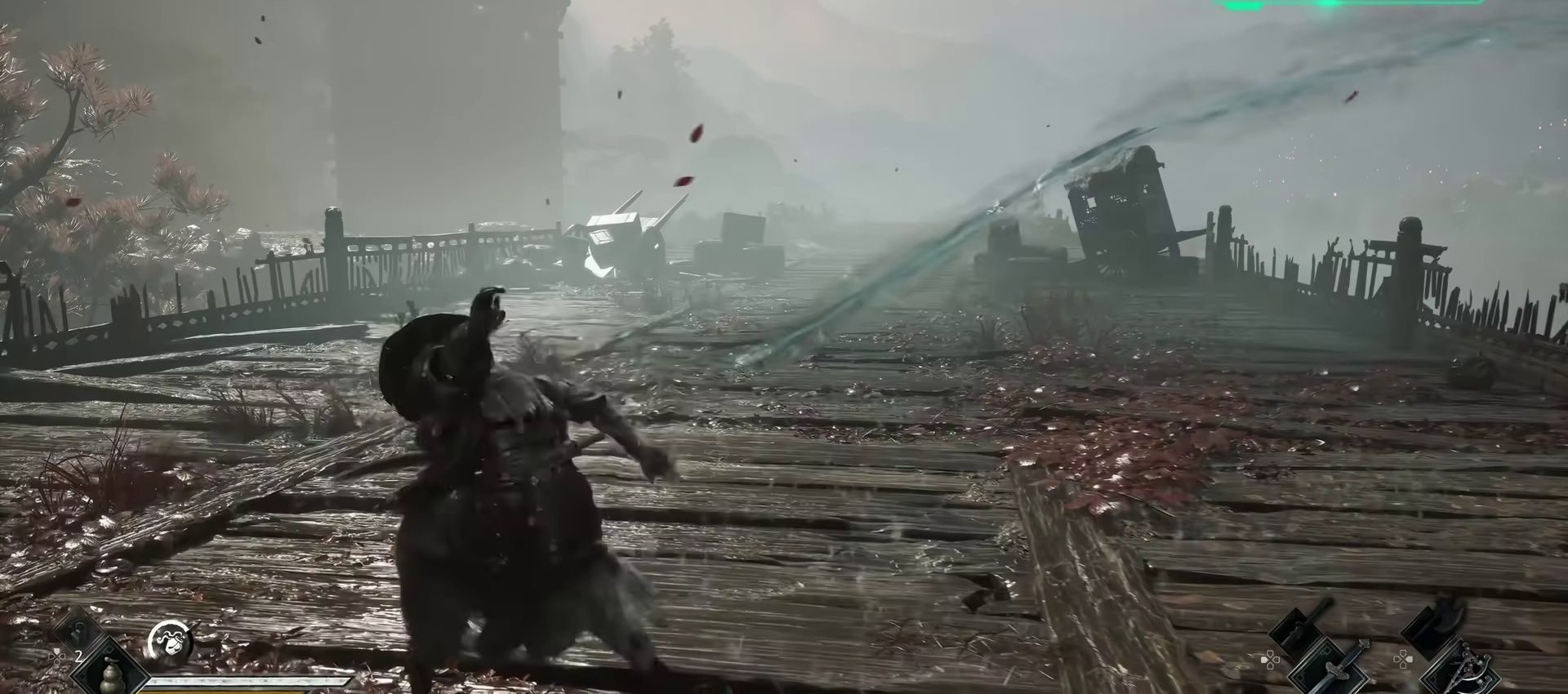
Boss design is this game's true killer move. Based on the information gathered so far, the game features at least fifty bosses, and not a single one is a repeat.
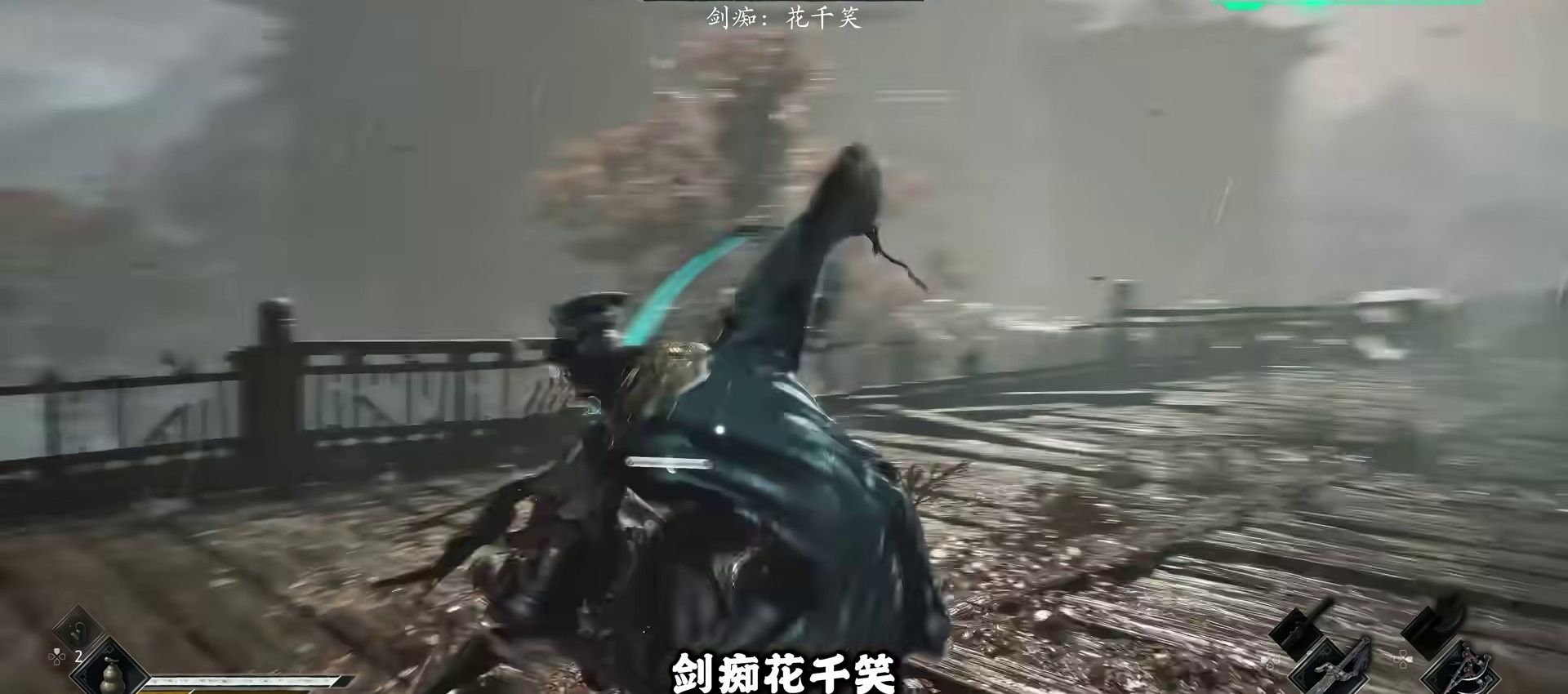
Some favor raw, overwhelming power - every axe swing carries the momentum of a collapsing mountainside, and when you trade blows head-on, everything comes down to nailing the timing of your parries. Others move with blinding speed, their blades flashing like venomous snakes tearing at you, turning the fight into a contest of distance and rhythm. And the sword fanatic "Hua Qianxiao" is supple and boneless, with insidious, entangling moves - one moment of carelessness and you'll be strangled in those coils.
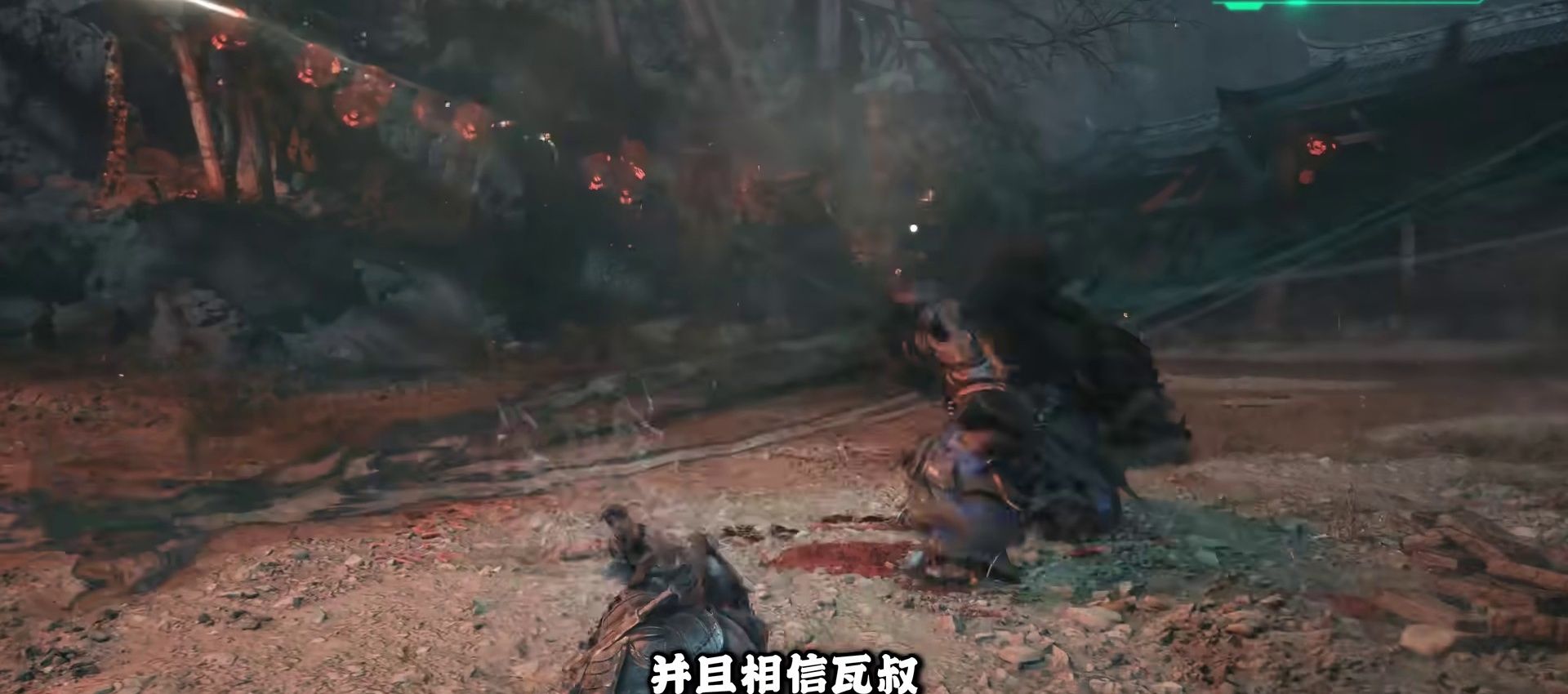
The martial artist makes their entrance amid thundering gongs and drums, the lion head spewing fire serpents - the spectacle is dialed to the max, and so is the unpredictability. This fight tests not just your reflexes but your fundamentals; charge in recklessly, and you'll most likely leave your life behind. As for the grandmaster-level fighter whose motion capture was performed by Donnie Yen, you'll encounter him in the full release as well - and trust us, you won't be meeting him just once.
Three Pieces of Advice Before Entering the Jianghu
A blade too swift cuts its own wielder, and a jianghu too vast is easy to get lost in. Before you formally step into the jianghu, a few words of advice for those about to take up the blade.
First, weigh your own skill before picking a difficulty. Newcomers are advised to start on Normal - play a bit slower, explore a bit more, and that's plenty to get comfortable with the mechanics at your own pace and take in all the scenery. If you're a regular action-game player, you can jump straight into Hard - the rhythm of attack and defense feels just right, and judging from the demo, the overall difficulty isn't particularly high: once you've been through a boss one or two times, you can bring it down smoothly, plus you get to savor the thrill of blade-clash mind games. As for the highest difficulty, 66 Days - if you've already mastered every system in the game inside and out, by all means challenge yourself; but even if you've cleared the game once, don't rush in. Spending more time getting familiar and putting in more practice is the proper way forward.
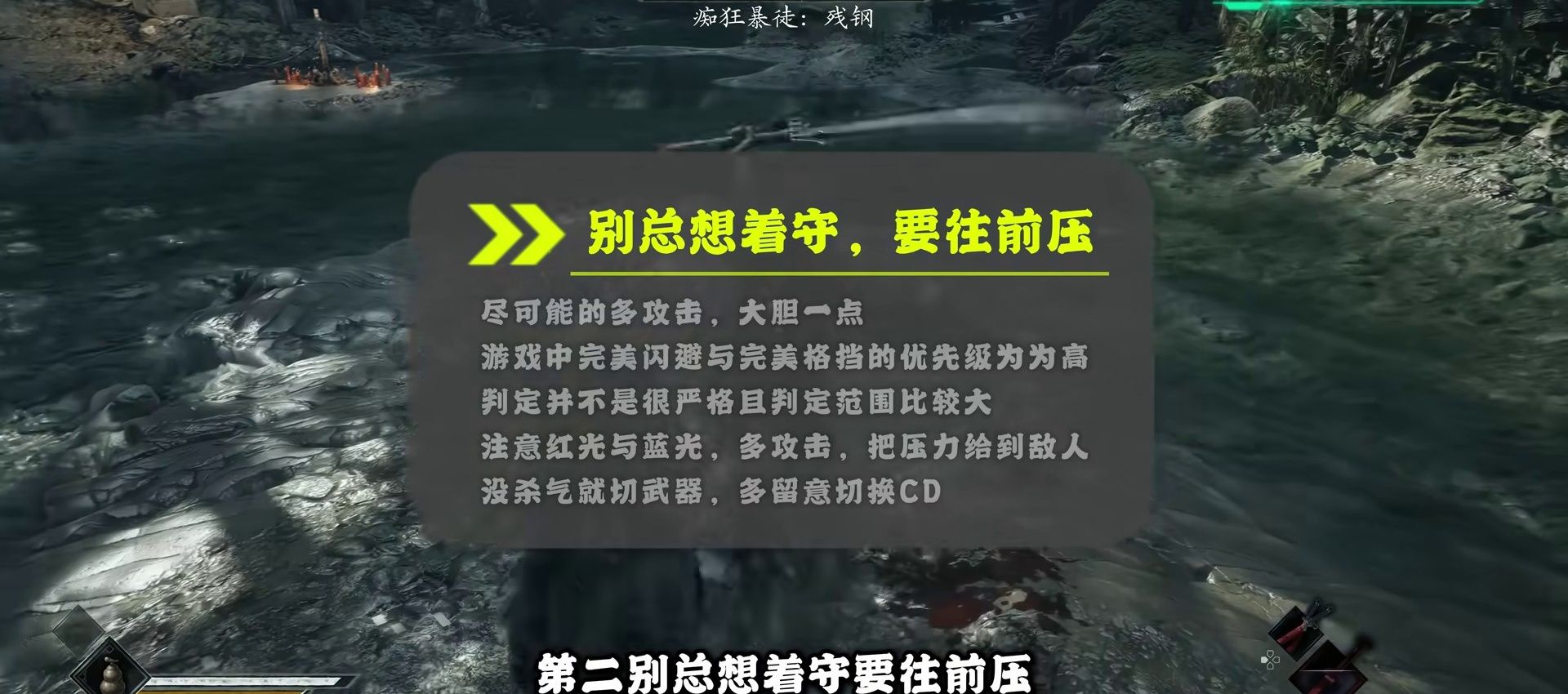
Second, don't just think about defending - press forward. Many action-game players are used to turtling up and waiting for the enemy to show an opening, but that approach doesn't work here: the longer you hold back, the faster your killing intent drains, and once it runs empty, all you can do is take a beating. Stay on the offensive - use combos to force your opponent to block and grind their killing intent down to nothing. Once their guard breaks, it's your turn. Remember the iron rule: better to lose health than to let your killing intent run dry.
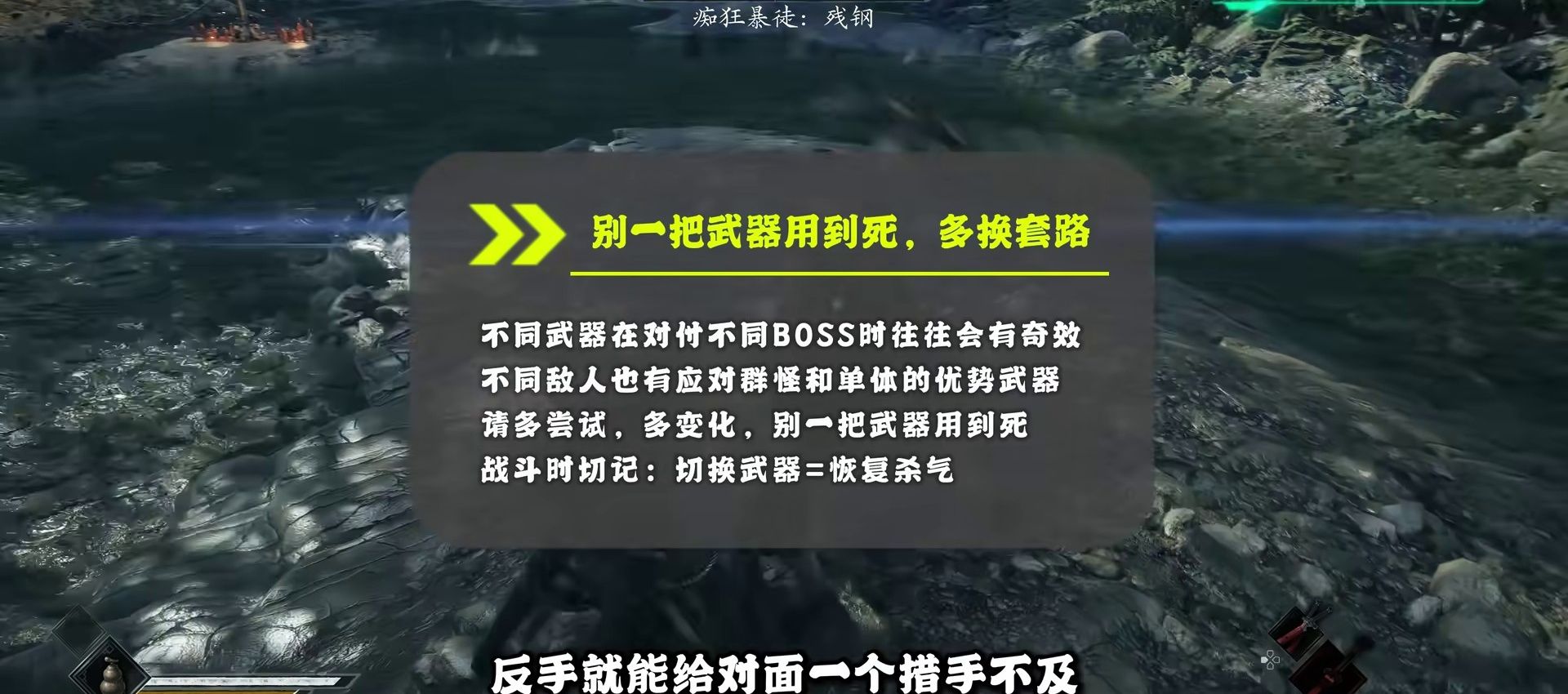
Third, don't ride one weapon to the grave - switch up your playstyle. Weapon swapping is a core mechanic and a lifesaving trick: when your killing intent hits bottom, swap to another weapon and it refills instantly, letting you turn around and catch your opponent off guard. For crowd fights, bring high-efficiency crowd-clearing weapons like dual blades or the chain whip; against heavily armored bosses, pick fast guard-breakers like the great axe or the reclining-moon glaive; and when ranged enemies are plentiful, equip the imperial bow or the tiger cannon - strike first to seize the upper hand.
Top Community Comments
"Trash game - bought it two months ago and never even opened it." (49 upvotes)
Don't scroll away just yet - this is a textbook piece of ironic memeing: the mouth curses "trash game," but the body has been honest and the game is already sitting in the library; the two months unopened are simply because the backlog is too long. This self-deprecating "curse it all you want, buy it anyway" attitude is precisely a microcosm of today's discourse around homegrown single-player games: the attention and the willingness to spend are both right there - what everyone is truly waiting for is the moment the full release shows what it's made of.
"It's best that enemies don't respawn repeatedly. Repeat enemy respawn is the crudest form of gameplay design - to put it bluntly, it's what happens when the producer lacks the ability to match the strength of each area and each wave of enemies to the player's stats at each stage, so players who can't win simply grind respawning enemies to pump their stats." (2 upvotes)
Not many upvotes, but quite possibly the most "knowledgeable" comment in the whole thread. It flips "no enemy respawn" from "anti-player design" into "sophisticated design": the essence of the enemy-respawn mechanic is that it lets players bypass the stats curve through repetitive grinding, whereas Phantom Blade Zero's choice not to respawn enemies effectively forces the dev team to precisely match the strength of every wave of enemies to the player's current point of progression. This lines up with the official statement about "not wanting players to walk the same route a dozen times over" - every minute of exploration should carry the weight of a full minute.
"A compilation of classic quotes: 'Another soulslike,' 'Just a soulslike clone,' 'The hit feedback is terrible,' 'Is ancient-Chinese style all they can do?' 'All flash, no substance,' 'Not as good as Black Myth,' 'Not as good as Ninja Gaiden,' 'Not as good as Sekiro,' 'The visuals look grimy,' 'The UI is hideous,' 'The Chinese dub is cringe,' 'Too hard,' 'Too easy,' 'Trash mobs don't respawn, which slows down leveling,' 'The map feels a bit empty, barely any enemies'..." (72 upvotes, the highest in the entire thread)
The most upvoted comment is a "greatest hits" of negative comments: the OP has rounded up every foreseeable complaint template, from "another soulslike" to "not as good as Black Myth," from "too hard" to "too easy," even bundling in the mutually contradictory "trash mobs don't respawn, which slows down leveling" and "the map feels a bit empty, barely any enemies." This tongue-in-cheek compilation is itself a statement: when "soulslike fatigue" and "not as good as Black Myth" become reflexive one-line dismissals, the space for serious discussion only gets squeezed out.
"You could say this game has little to do with wuxia. Wuxia in our country has never felt like this. Judging from the art, it looks like [fake Chinese style] - to put it bluntly, it's a reskin."
This is the sharpest comment in the thread - and the one most worth answering head-on. It touches on the debate that has followed Phantom Blade Zero since the project was first greenlit: what it set out to make was never the traditional, impressionistic wuxia of apricot blossoms, spring rain, and billowing white robes, but kungfunk laced with iron and blood - a martial world in disorder and decline. Whether this stylization is "neither fish nor fowl" or "a deliberate, self-aware aesthetic choice" is a verdict that, in all likelihood, will only arrive when players grip the blade with their own hands and walk into that world.
Of course, once you strip out the memes and the emotion, the comment section also leaves behind some real issues worth taking seriously: the look of the UI and the healing-drink effects, the texture of the Chinese voice-over lines and their delivery, the "crispness" of how moves chain together, and the pressure of comparisons with Black Myth: Wukong. Much of this is still in flux, and there is room to polish before release - but in the end, an action game's power to persuade is always decided at the moment blades meet.
📌 One-Line Takeaway
Phantom Blade Zero turns "Killing Intent" into a single lifeline where offense and defense are one and the same: in this twilight jianghu where the dead never come back, better to lose health than to let your Killing Intent run dry - only those who press the attack deserve to live to see Day 67.