Better to Play Than to Watch: 3DM Director's In-Depth Hands-On with Phantom Blade Zero - Was IGN's Review Actually Fair?
At a recent behind-closed-doors hands-on interview for Phantom Blade Zero, S-GAME producer Liang Qiwei opened up more than ever before: the game's combat logic, level exploration, and the state of completion of its side quests were all discussed in greater detail than at any previous event. Keep in mind, nearly everything shown publicly up to that point had focused almost entirely on combat gameplay footage - the flashing blades and swordplay are undeniably cool, but once the footage ends, one question always lingered in players' minds: what does this game offer beyond fighting?

This hands-on session happened to answer exactly that question. And the 3DM director who came along for the experience went full throttle after playing, talking all the way from the game's quality to "whether the media is even qualified to review games" - putting that sensitive topic squarely on the table. By his own account, this was already his second visit to the venue: at a previous playtest event at Shougang Park in Shijingshan, he got so absorbed in the fight that the sound effects were loud enough for the drink vendors outside the hall to hear. "The whole playtest out in the plaza blasted the crows right out of the sky."
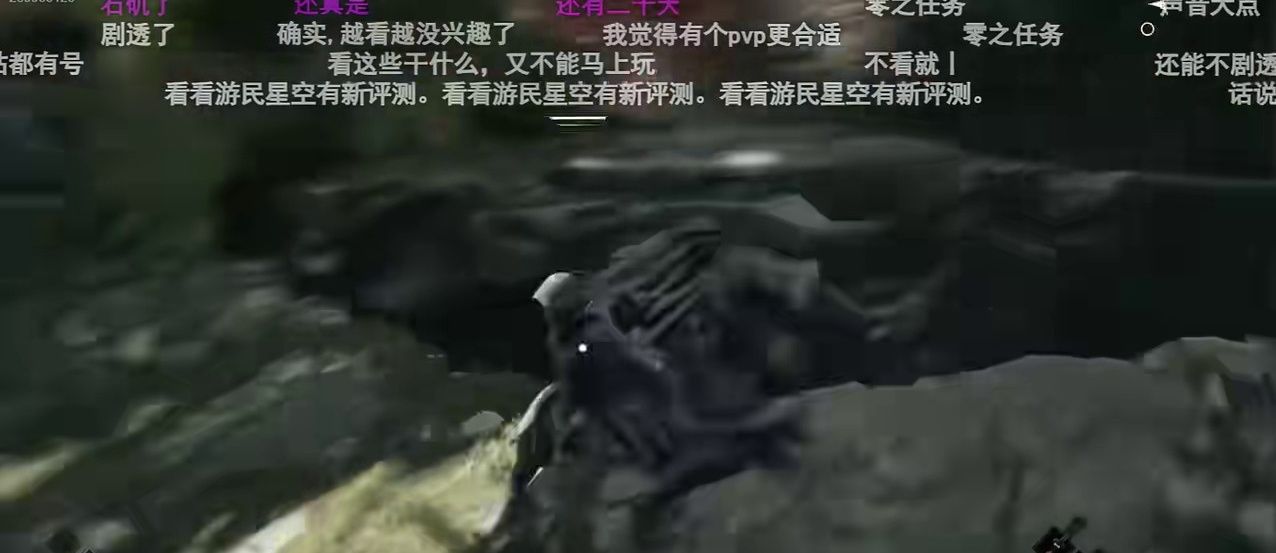
From "Reskinned Fighting Game" to Pyramid: The First Reversal After Going Hands-On
Judging solely from the previously released videos, Phantom Blade Zero could easily be mistaken for "just a fighting game with a new skin" - flashy presentation, a dazzling array of moves, but seemingly nothing left beyond the fighting. That impression gets swiftly overturned once you actually go hands-on.
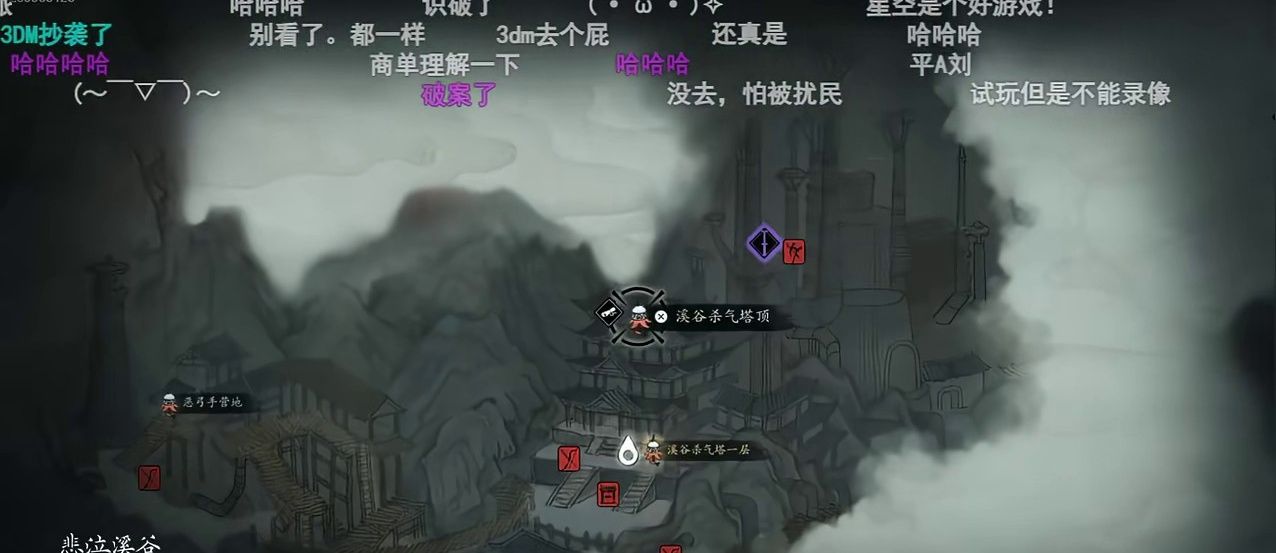
It is, in fact, a complete ARPG framework. The game features a large map, a main storyline, side quests, NPCs, missions, weapon progression, and a wealth of exploration content - the only difference being that the combat incorporates a more aggressive, action-game-leaning design.
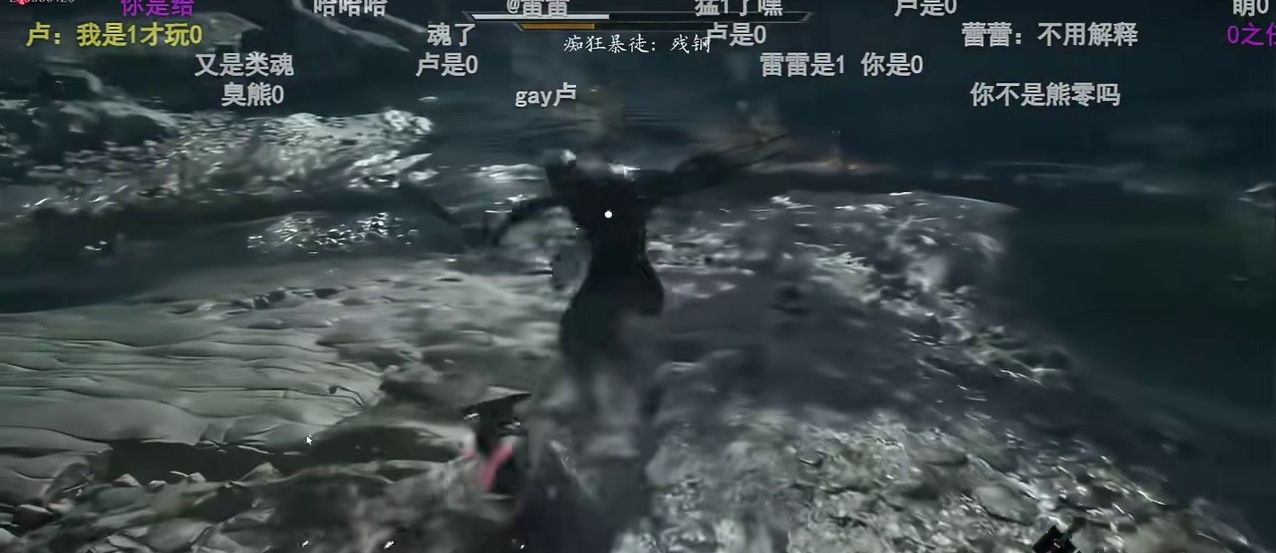
Liang Qiwei even likens the entire game to a pyramid: the base is the overall ARPG framework - map, quests, progression, and exploration; the middle layer is the game design philosophy and multi-layered level design; and the flashy combat that players most easily notice in the current trailers sits at the very top of this pyramid.
This metaphor explains a great deal. The promotional materials show you the tip of the tower because it is the flashiest and the most shareable; but what players will truly "live in" is the base. The team hopes to weave combat, exploration, and progression together into one complete gameplay experience - which is precisely the design starting point Liang Qiwei has emphasized time and again.
Writing coverage and handing out scores based only on the tip of the tower is like rating an entire residential complex after touring nothing but the model unit - not that you can't do it, but the margin of error could be absurdly large. Judging from the feedback on this hands-on session, the game's "overall form" is essentially finished, with a remarkably high level of completion - which probably explains why attitudes among those who have actually held the controller are positive across the board.
Encouraging Aggression: The Yellow Bar, Killing Intent, and Move Pressure
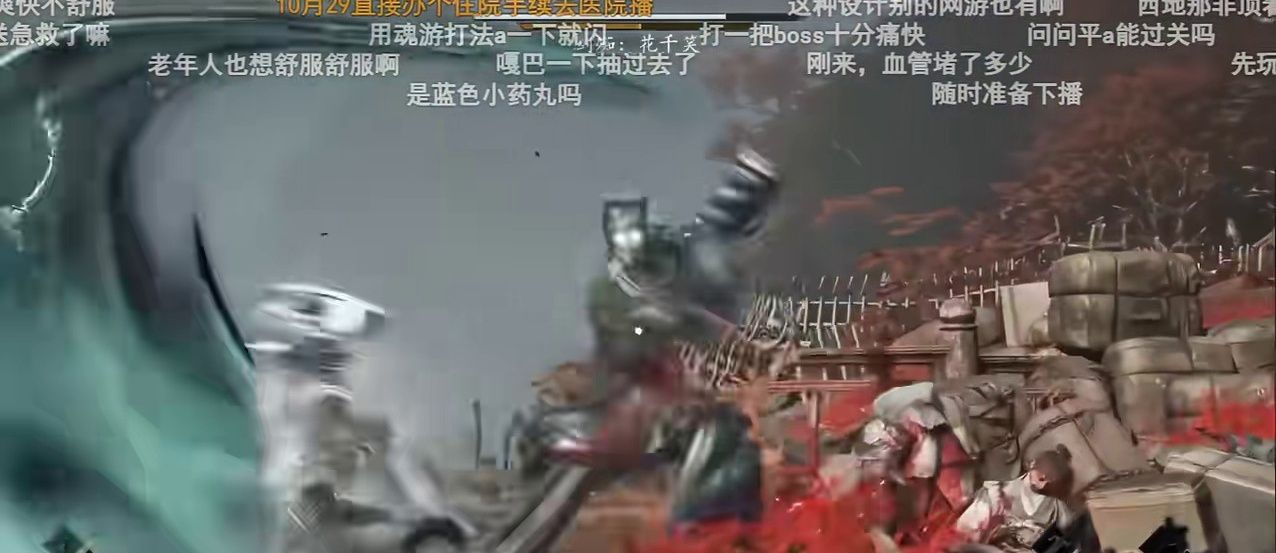
Phantom Blade Zero certainly has defensive tools like block and parry, but the development team has revealed that what the game truly encourages has never been standing still and waiting for enemies to attack - it's all-out aggression.
The core loop isn't complicated: use move pressure to whittle down an enemy's yellow bar (their posture gauge); once it's maxed out, you can finish them off outright. Meanwhile, the Killing Intent consumed by powerful moves in combat likewise has to be sustained through proactive offense and combos. If you want to unleash the big moves, you have to fight ferociously first - the resource design pins players firmly on the offensive end.
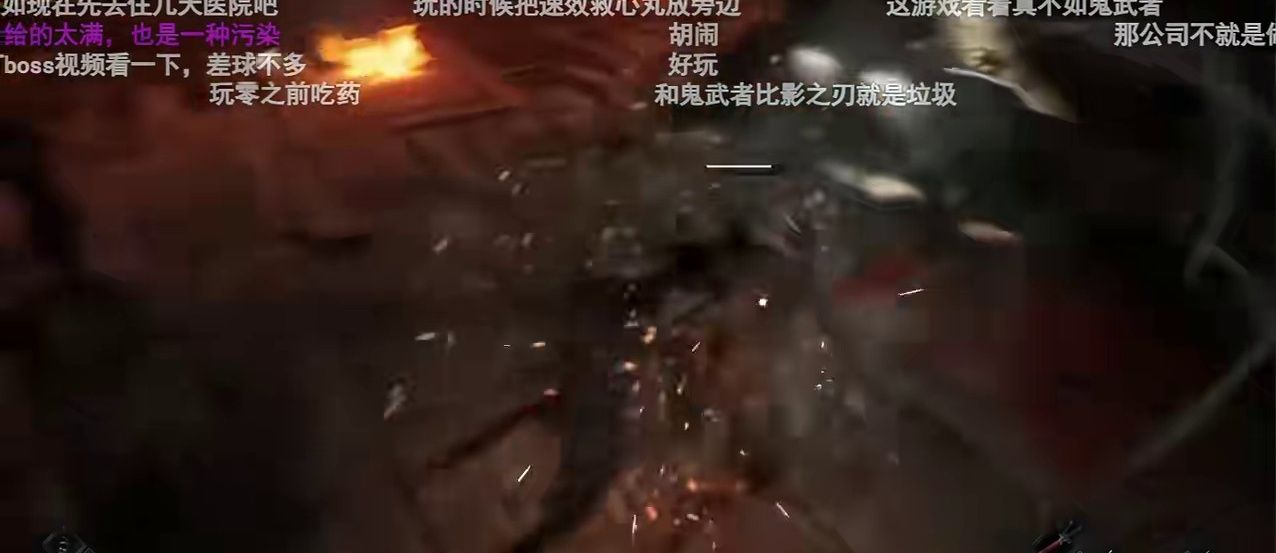
Of course, you can also adopt a more defensive playstyle, slowly grinding enemies down with perfect blocks and parries, but it's noticeably less efficient. The gripes from those who went hands-on were wonderfully vivid:
Relying entirely on perfect blocks and parries to slowly grind things down had me worried my blood pressure couldn't take it - these past two days I've genuinely been afraid I'd end up in the hospital.
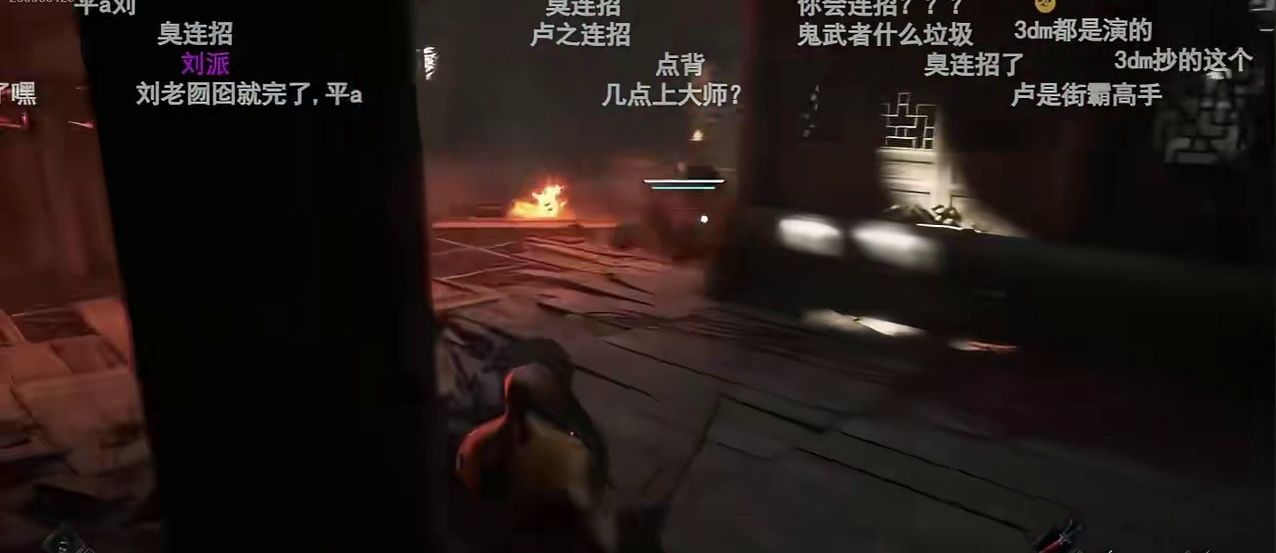
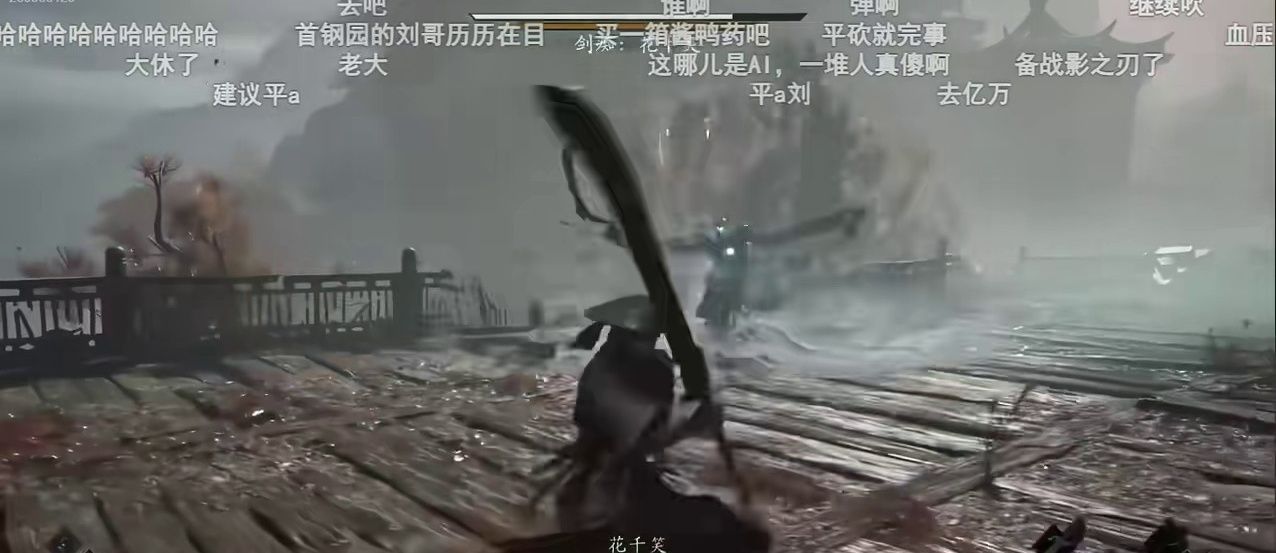
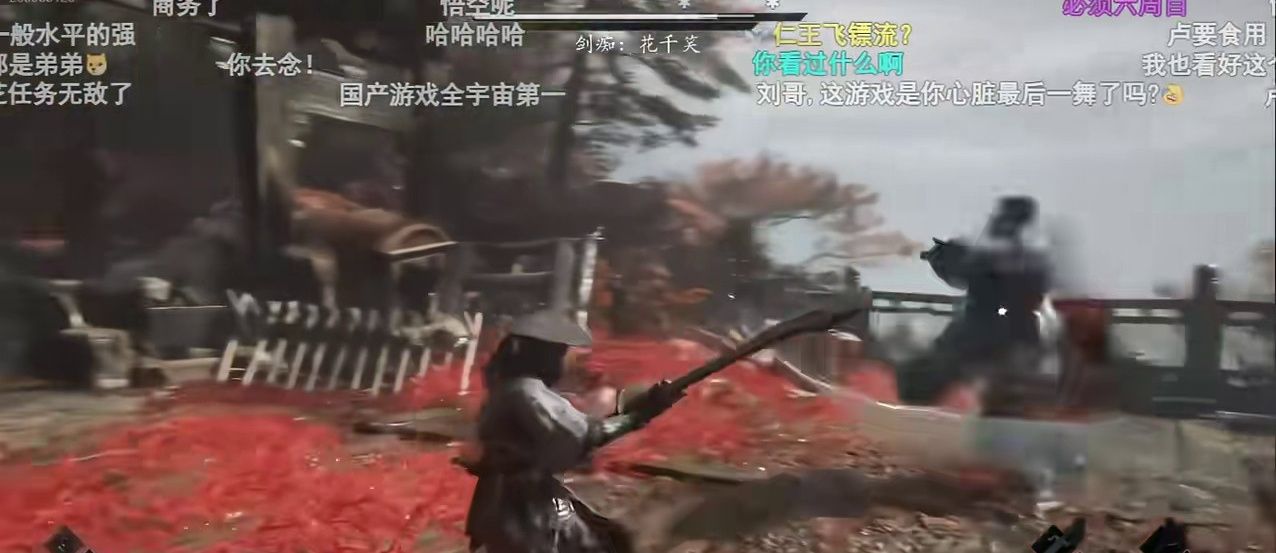
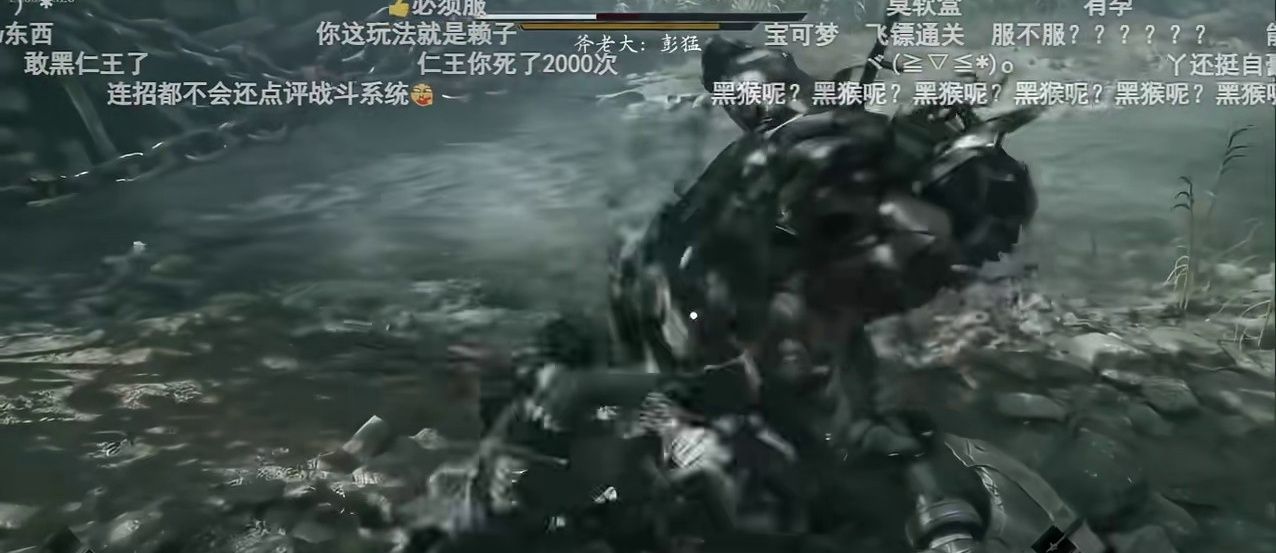
The hands-on gameplay feedback from the demo was equally telling. Facing an enemy wielding a giant axe, the first impression upon picking up the controls was "that axe has some serious poise - it basically never gets interrupted." Thinking a few basic attacks will interrupt its moves? Not a chance. The game uses this kind of design to force you to abandon the conservative "read their moves" mindset, look for an opening to close the distance, and settle things with combo pressure.
So fast-paced, so thrilling. This game feels incredibly satisfying to play, but older folks can't handle it - younger players will get through it far more smoothly.
"Looks Dizzying, Plays Smooth": The Language of Combat, Written into the Visuals
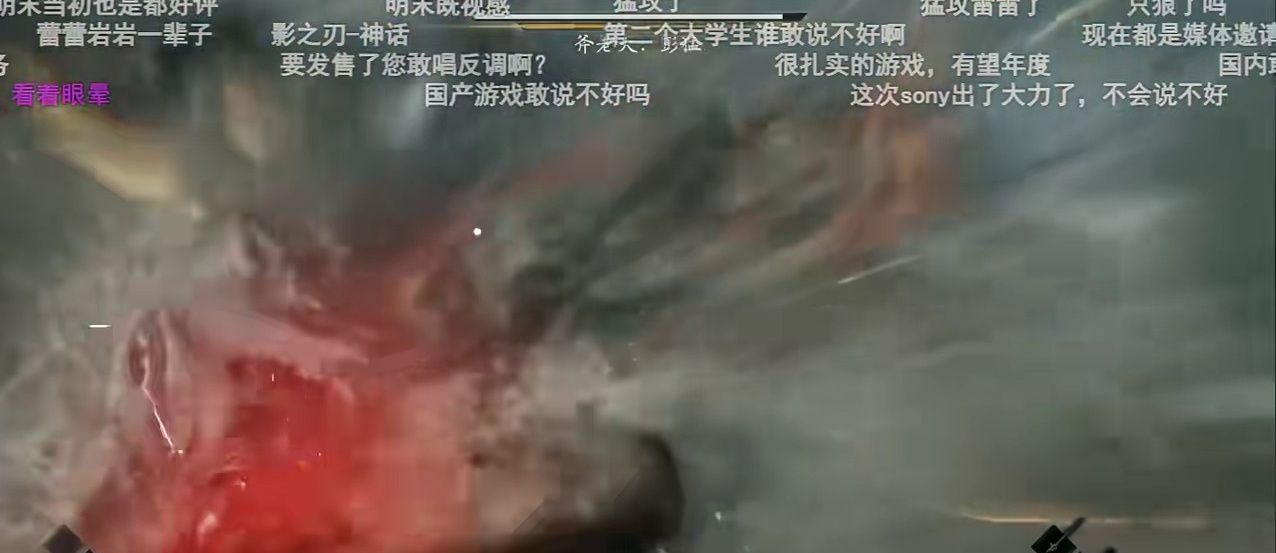
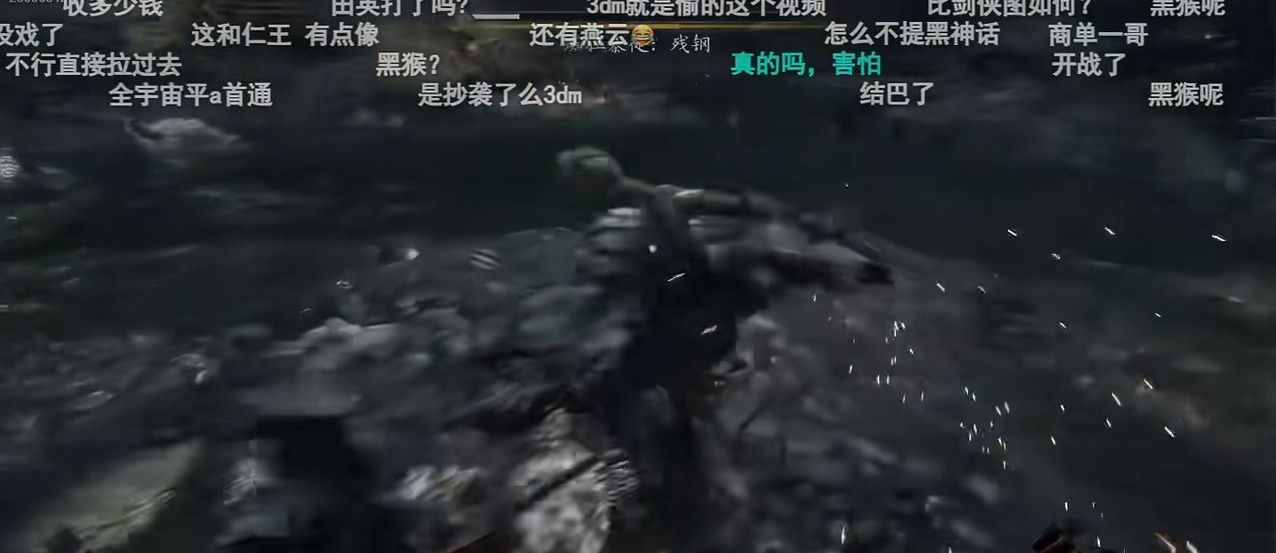
The brilliance of Phantom Blade Zero lies in writing its combat rules directly into its visual language. Take a giant weapon, for instance: from the screen alone, players should be able to tell that this strike is not one to meet head-on with the ordinary weapon in hand. Against enemies that invite aggression, you can trade hits with confidence; against attacks glowing red - lethal strikes - you need instant reactions and instant adjustments. Once you've truly learned the game, every response you put together plays out beautifully.
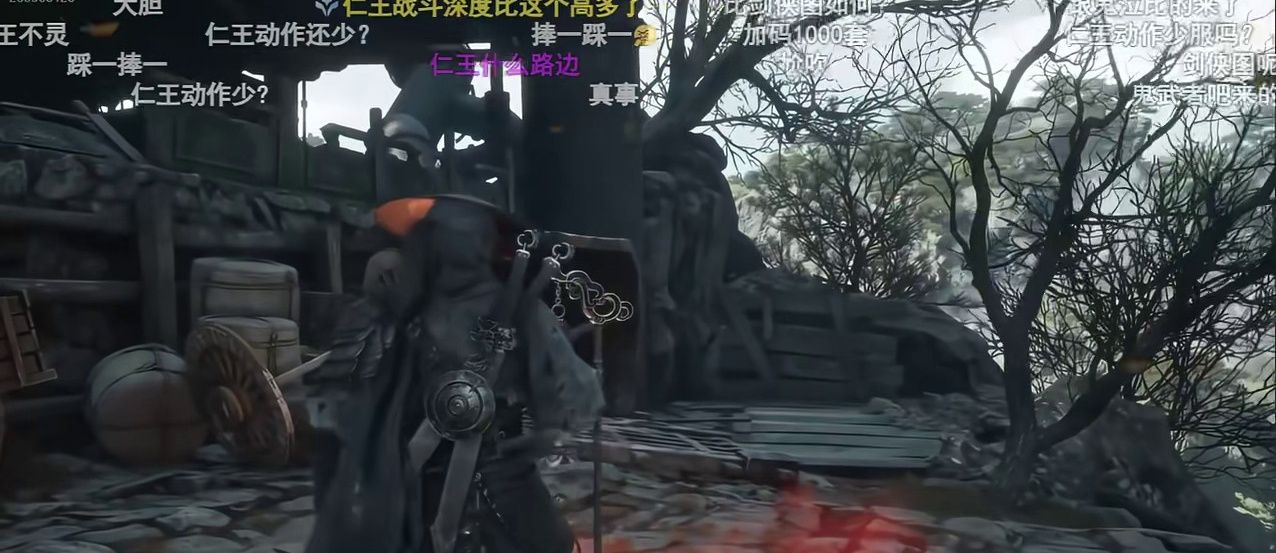
This approach of "conveying rules through visuals" keeps the high-density choreography from devolving into pure chaos. The hands-on players summed it up succinctly:
Looks dizzying, plays smooth.
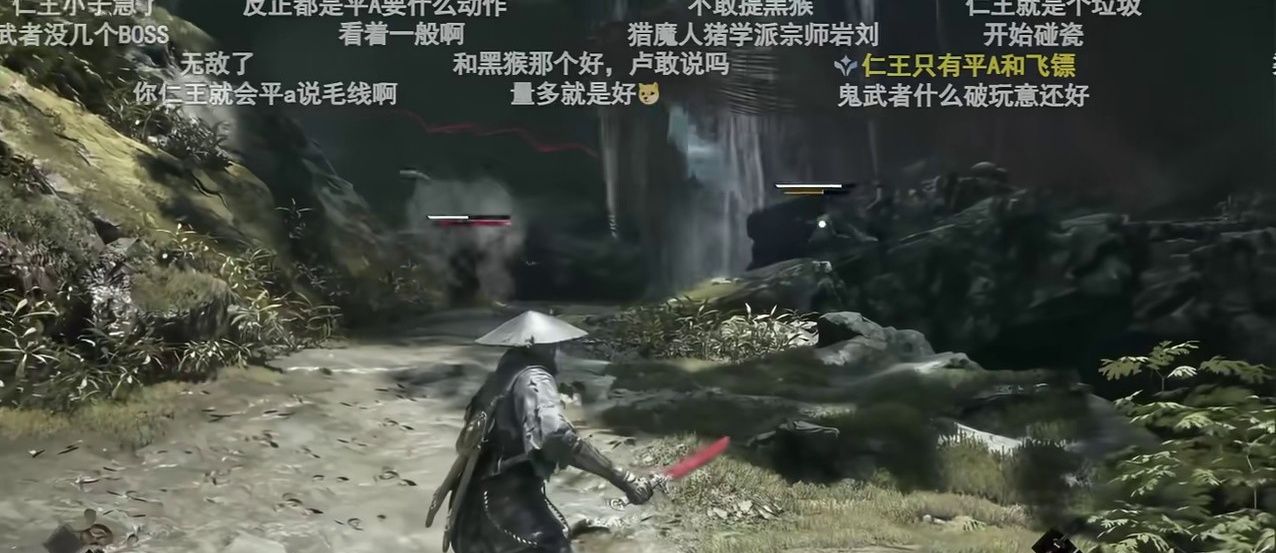
As for the feel of its combos, one hands-on player described it as "a bit like landing combos in Street Fighter" - the links between moves are drilled through practice, not mashed out. More importantly, this system lets players cultivate a style of their own: an offense-oriented path, a personal way of fighting - through progression, you piece it together bit by bit into something that matches your own feel. And once your style truly takes shape, the whole game "all comes together."
The "Overwhelming" Volume of Moves: A Head-to-Head with Nioh, Wo Long, and the Rest
The playtester made no attempt to hide his amazement at the sheer volume of weapon moves: darts can be thrown, hidden blades are in, and the soft sword has "plenty" of moves to boot - and that's "just a small fraction of what's in there." Players can freely configure their own move types, piecing together a moveset that is entirely their own.
When measured against other titles in the genre, his verdict was blunt: Nioh's move types run on the sparse side, Wo Long and its ilk "fall far short," and even the highly anticipated Onimusha offers "far too few" moves; as for Where Winds Meet and the whole crowd of soulslike games, in his view they aren't even in the same weight class on the level of feel.
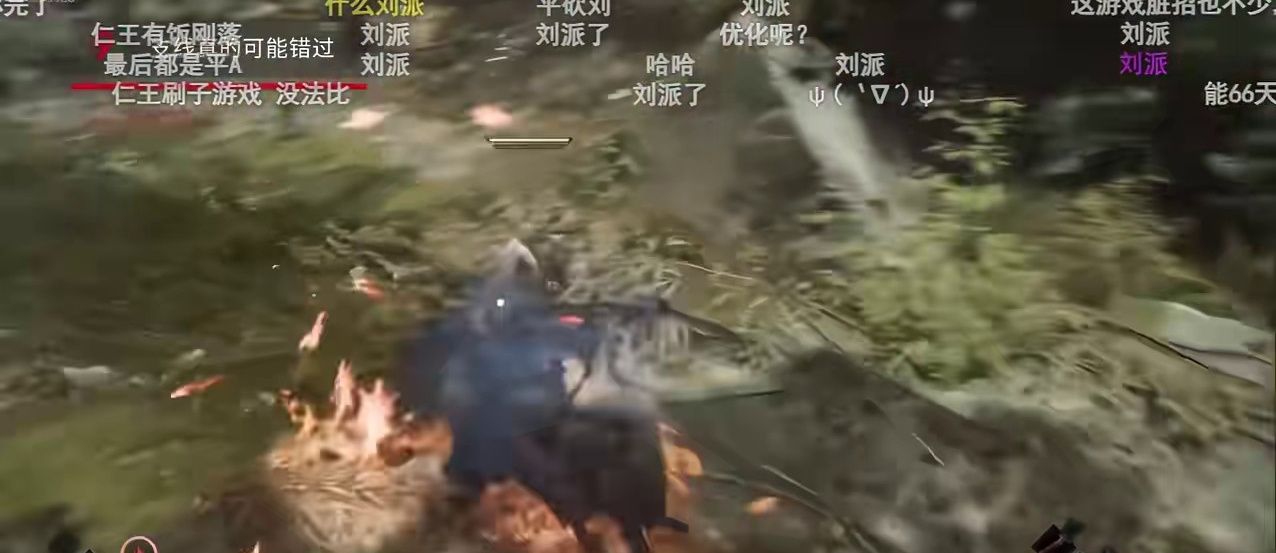
Better than any game you've ever compared it to. Only after you've played it will you realize just how big the gap is.
The claim sounds brash, but the logic is clear: when the game gives you this many moves, every play session feels different. For a title whose core selling point is combat, "low repetitiveness" is just about the hardest currency there is.
Of course, pronouncements like "Nioh and Monster Hunter don't stand a chance against it" are best taken with a grain of salt - that's the excitement ignited by hands-on time, not an argument that belongs in a review score. But as a description of the experience, it sends at least one unmistakable signal: the depth of this game's action system has exceeded many people's expectations.
Side Quests, Hidden Bosses, and Streamlined Map Traversal: The Foundation Is Just as Solid
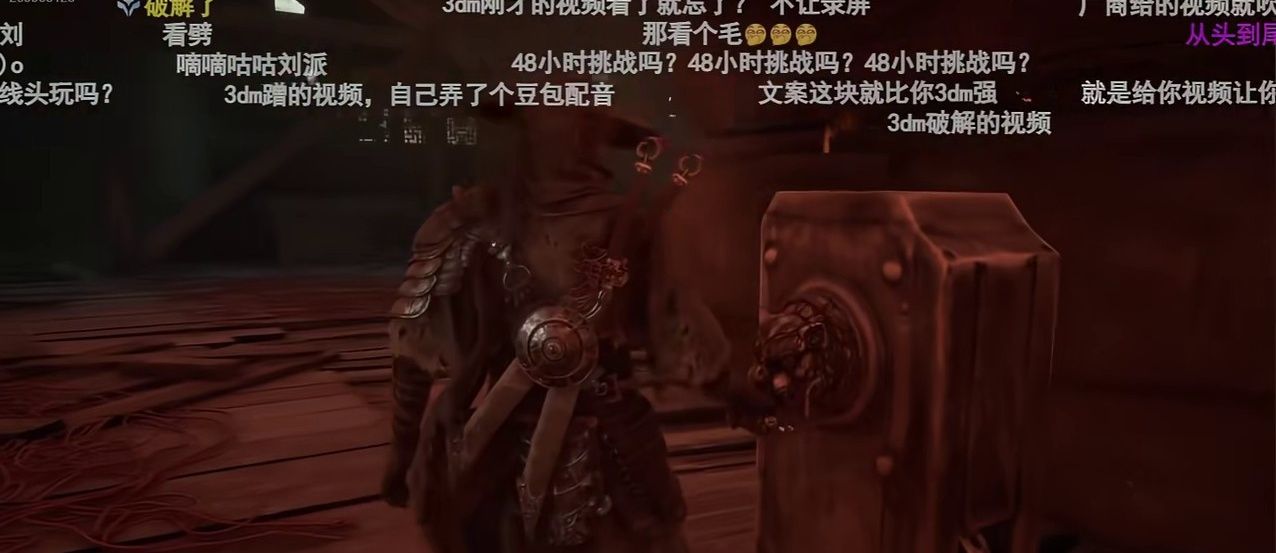
Beyond combat, this hands-on demo also revealed plenty of framework-level information. Side quests, on top of supplying a wealth of lore and fleshing out the world, may even contain hidden bosses - for players who love to dig deep, these are clearly more than simple errand runs.
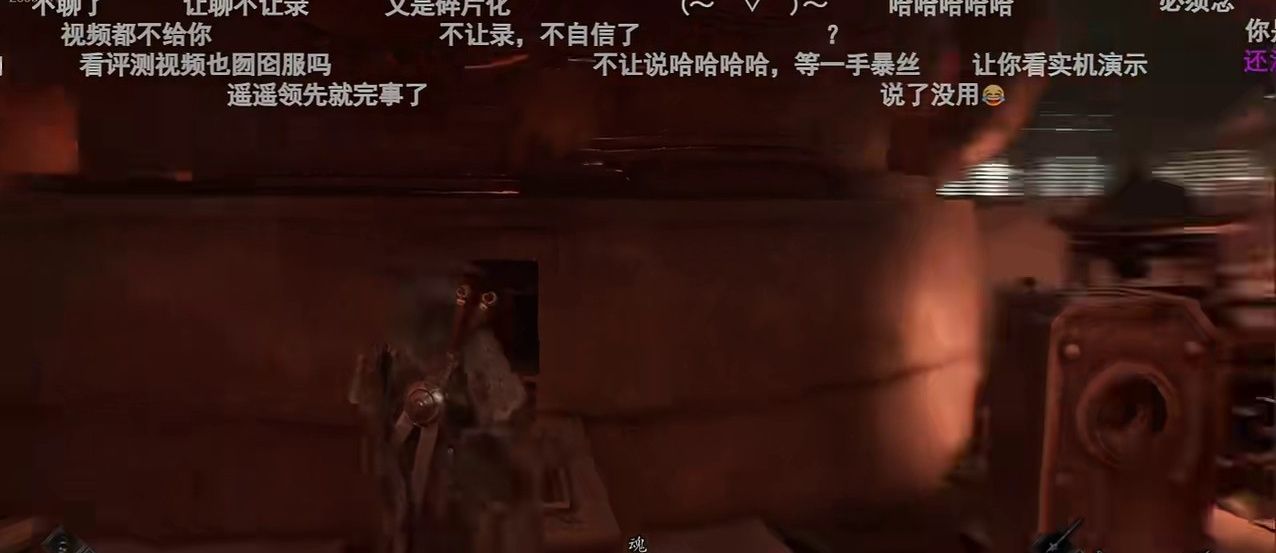
When it comes to traversing the map, the game offers fast travel, letting players teleport to points near their objectives and drastically cutting down on pointless trekking. As for certain special mechanics, the developers candidly admitted that in a first playthrough, players may barely get any use out of them - the team does what's worth doing, but never insists on stuffing every minute of the player's time.
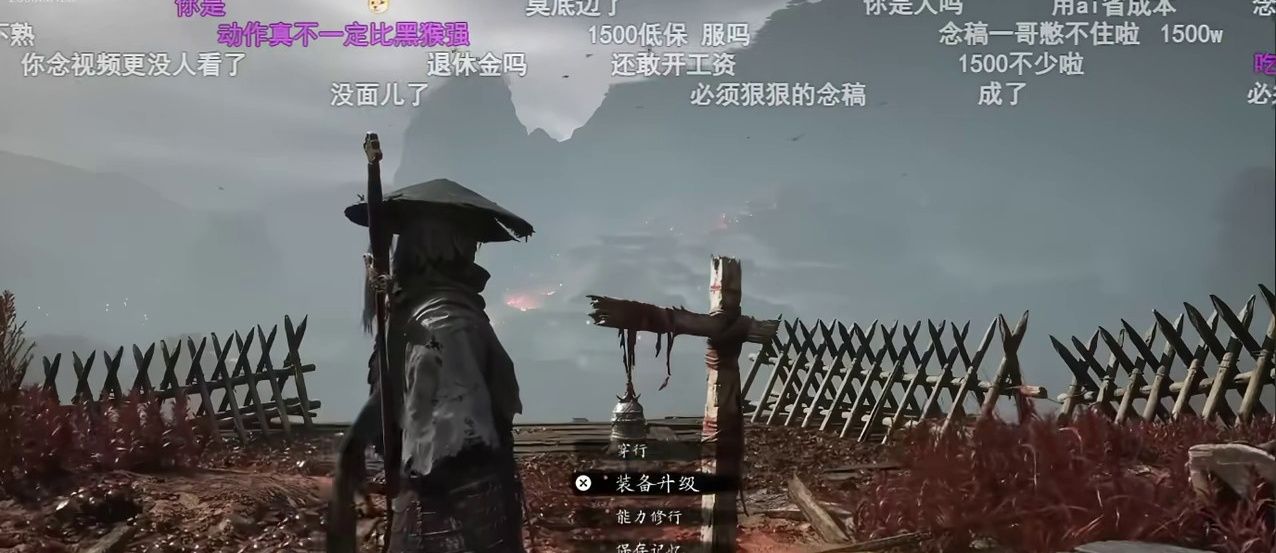
This trade-off philosophy is worth savoring: rather than inflating the map with filler, the budget goes toward genuine content density. And how solidly the framework is built determines how grounded the combat at the tower's peak feels to play.
"Are You All Using the Same Video?": Where Do the Boundaries of Reviewing Lie?
What truly made this hands-on go viral was the director "firing shots" at his industry peers. He noticed that the hands-on content published by some media outlets bore a striking resemblance to 3DM's version, with phrasing that was virtually identical, prompting him to put the question squarely on the table: Did these people ever actually get hands-on time?
His speculation was pointed: some outlets may have received nothing more than a single set of demo footage uniformly supplied by the developer, and then "written their pieces straight off the video." And demo footage has its giveaways -
Every move, the way each attack is thrown, how many hits land - it's all exactly the same. That has to be the footage the developer handed out.
From what he observed, outlets were not treated equally: some were allowed to live-stream their gameplay, while others were barred from recording and given only a single set of video assets; it is also possible that some genuinely did play, but were asked not to speak about it or discuss it. This asymmetry in information channels directly determines how much fluff ends up in the coverage.

This brings us back to that headline-level question: Was IGN's review of Phantom Blade Zero legitimate? The answer may not lie in the three letters "IGN," but in the review process itself - passing judgment on the entire pyramid after seeing only its tip is dangerous, no matter which media outlet does it. For his own part, though, the director offered a decisive endorsement:
I never hype things up. When I say something is good, it's good; when I say it isn't, it is at the very least controversial.

"A Build That Can Beat the Game Is a Good Build": Where the Confidence Comes From
That confidence to "make bold calls" comes from his experience as a veteran player. He brings up his Nioh days again and again: while everyone else ran the mainstream meta, he insisted on working out a shuriken-summoning build of his own - no copying guides, a playstyle purely self-invented. Once he had fully mastered it, even the DLC gave him little trouble, and he cleared it in three or four tries.

In his view, there is a plain truth at the heart of it:
No matter what build you run, if it can take down the boss and get you through the game, it's a good build. Real intelligence means solving problems, not copying someone else's homework.
This passage is less a commentary on Nioh than an explanation of the underlying logic behind how he judges games: respect firsthand experience, respect the hands-on process of solving problems, and stay wary of parroting the crowd. Apply that standard to "footage-based reviews," and his reservations about certain media content become easy to understand. As for whether Phantom Blade Zero can live up to that attitude? At least in his book, the answer has already been written.

Top Community Comments
The comment section looks calm on the surface, but the attitudes within are remarkably nuanced.
@bili_74433624 left the most "tone-setting" remark of all: "The market will give the answer." Taking no sides, picking no fights, and handing the verdict over to post-release sales and word of mouth - this is probably the most pragmatic, level-headed response the onlookers could offer to the question "Is this review fair?"
@Rex_Young, meanwhile, tossed out a single line: "Show me the slash!!!" Three exclamation marks carry almost no information, yet they perfectly capture a state of mind: the slashing in the trailer has already left people starving, and they can't wait to land a few strikes with their own hands. More than any rational analysis, this raw excitement may be the truest popular foundation Phantom Blade Zero has.
@BelovedWifeJiangRuoxian's "[squatting]" represents a third kind of player: pulling up a little folding stool, waiting for an update, waiting for the release, waiting for a chance to go hands-on. Amid a chorus of arguments, quiet patience is an attitude in itself.
📌 One-Line Takeaway
*The true face of Phantom Blade Zero is that of a complete ARPG pyramid - the dazzling combat in its trailers is merely the tip; whether the reviews prove fair will only be settled once the controller truly rests in players' hands.*