Can Phantom Blade Zero Earn a TGA Nomination? Can You Really Get Through 30 Weapons? - Three Soul-Searching Questions for Chinese Action AAA
A single viewer Q&A session surfaced the three hottest topics in Chinese action AAA right now: the odds of a TGA Game of the Year nomination, how much mileage the 30 weapons will actually get, and the never-ending debate over "combat depth." The three questions build on one another, perfectly capturing the opportunities and biases that Phantom Blade Zero - and Chinese single-player games as a whole - face at this very moment.
A Quick Aside First: "Answering Seven's Questions" Is Getting a Revamp
Before getting to the actual questions, the creator first shared some big news about the segment itself: "Answering Seven's Questions" is set to merge with the paid Q&A feature.
The series originally grew out of a Bilibili event from years back - answering 20 questions from viewers, around 2020 or 2021. After producing just one episode, he noticed that viewers absolutely loved asking questions - about games, about everyday life, everything under the sun. But since his main line of work is game commentary, whenever a new game came up for discussion, this series had to take a back seat, and its update schedule was never stable.
Meanwhile, quite a few viewers had been supporting him through Bilibili's paid "Charging" system, and some would take the opportunity to slip in a question while sending their support. So the idea gradually crystallized: why not turn "Answering Seven's Questions" into a subscription-based paid Q&A - once enough questions pile up, they'd be turned into an episode dedicated entirely to the topics viewers care about; subjects that are too explosive or not quite suitable for open discussion could be covered in depth in Charging-exclusive videos; and good topics from everyday comments would still be made into regular commentary videos, with the two tracks kept completely separate.
"For one thing, it looks after the viewers supporting me through Charging; for another, it brings in a bit of extra income for me - you pay, and I provide the emotional value, right?"
He was even more candid about the third reason: if this ecosystem can be made to work, there will be far more room for his commentary content down the line, without being constrained at every turn. "This topic is awkward to touch, that one even more so - say too much and you offend a client, and the sponsorship deals stop coming" - that's the unspoken sore point that every content creator knows all too well.
As for whether the new model will actually work, his attitude is pragmatic: give it a try first, and adjust later if it doesn't. And the quality of the comments for this episode is genuinely high - in his own words, if he really unpacked every one of them, a single episode might not even be enough to cover it all - "we'll just talk for as long as we can."
Can Phantom Blade Zero Get a TGA Nomination? First, Let's Debunk the "Innovation" Argument
The first comment comes from viewer "Tang Jinchuan": Can Phantom Blade Zero get nominated for this year's TGA Game of the Year?
Someone replied beneath it: "GOTY needs innovation - it'd probably be a stretch to even snag Best Action Game."
The content creator's response pulled no punches: That's nonsense.
What innovation does Hades II have? What innovation does Clair Obscur: Expedition 33 have? As for the "turn-based parry" that so many hype to the skies - the parry mechanic itself has been around forever. Dig back through gaming history and you'll find similar designs in plenty of older titles. Surely nobody thinks adding a parry to a turn-based game is something never seen before?
"TGA uses one standard this year and another the next."
In the creator's view, treating "innovation" as a hard threshold for GOTY nominations simply doesn't hold up: TGA's selection process has never had a single consistent yardstick, and the truly competitive Game of the Year candidates have never won on "pioneering gameplay" - they dominate through an overwhelming combination of polish, content volume, and buzz. Predicting nominations with a ruler that drifts year after year is a fool's errand.

On Paper: This Year's Competition Is Already Thinning Out
Setting aside the "innovation debate," what are Phantom Blade Zero's nomination prospects actually looking like? The creator's judgment is clear: Based on what we can see now, the odds are high.
There are three reasons. First, most of this year's major releases have already launched, and the heavyweights left at the table essentially come down to the new Call of Duty and GTA 6. Second, when it comes to reception, Phantom Blade Zero's brand of action gameplay - fast-paced combat with dazzling, stylish moves - is the kind Western players can grasp at a glance and get into more easily. Third, S-GAME and Liang Qiwei now genuinely seem to understand how to cater to Western tastes - how to package the game, how to make public appearances, how to pitch a hardcore action game so that overseas players can easily get into it too. Their playbook is remarkably clear.
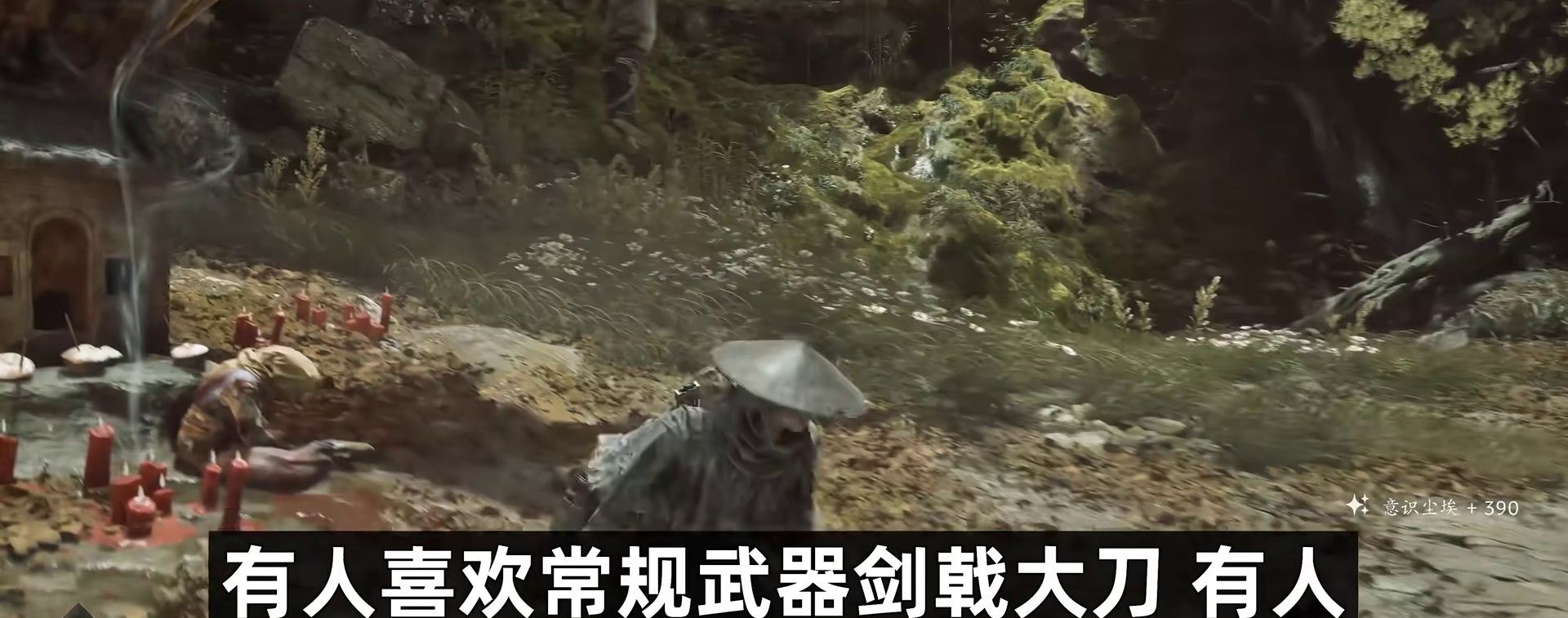
Of course, everything still hinges on the game itself: its quality, and how much buzz it generates. If it makes a big enough splash at launch and the quality holds up, a TGA nomination follows naturally; conversely, if the final product falls flat, no amount of strategizing will matter.
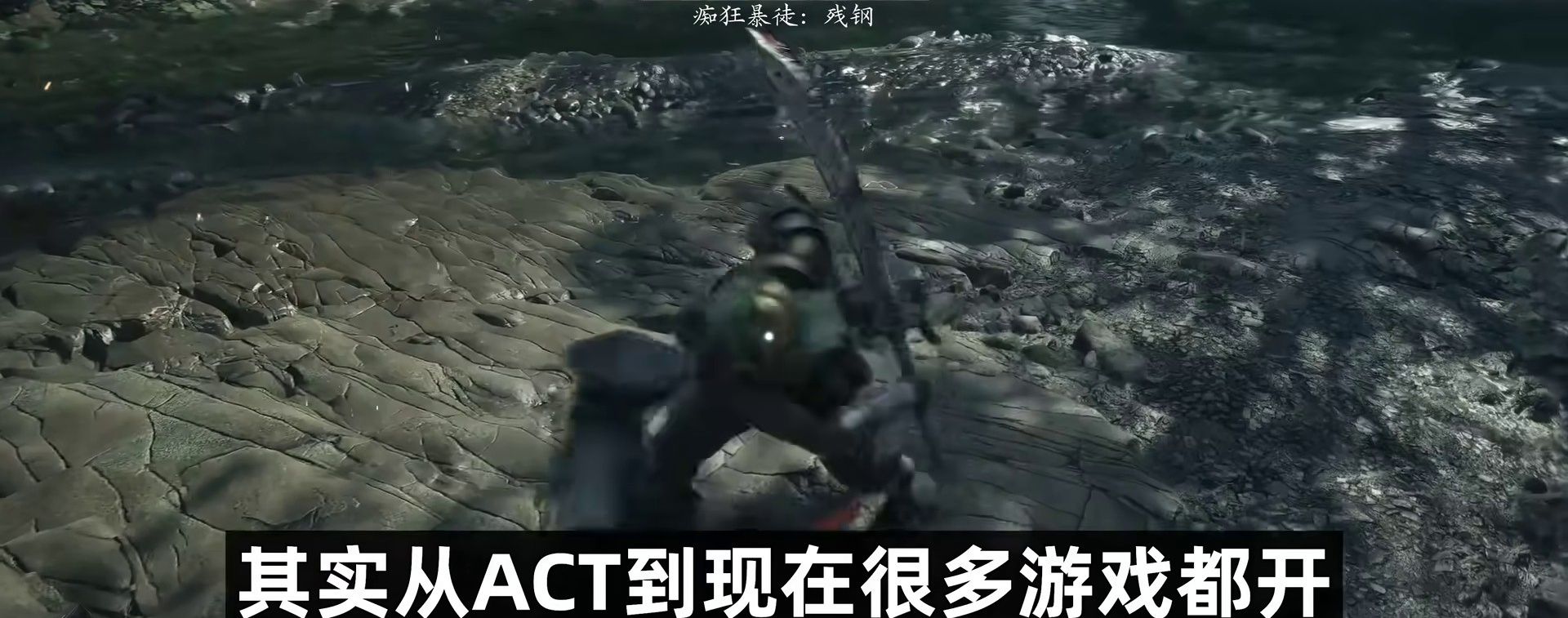
That said, there is one point on which the creator offers a near-certain call: whether or not it lands a Game of the Year nomination, Phantom Blade Zero is very likely a lock for a Best Action Game nomination slot. And for homegrown single-player titles, the very fact that "the odds of a Game of the Year nomination" can now be seriously put on the table for discussion already says something in itself.
30 Main Weapons - Can Average Players Actually Experience Them All?
The second comment comes from a viewer named "Channel Steel, Angle Steel, I-Beam" (a name that sounds like it walked straight out of a building materials market), but the question itself is remarkably well-informed:
Phantom Blade Zero currently features 30 main weapons and 25 sub-weapons. The sub-weapons are fine - they can essentially be understood as item types, with fairly single-purpose functions and strong situational focus, so swapping them out is no big deal. But each main weapon comes with several extra movesets on top of that, plus all sorts of new mechanics that unlock gradually as you level up - can average players really experience all of this content?

The comment also ran the numbers for the dev team: most players' capacity to learn isn't as strong as we'd like to think. In games like this, many players settle on one or two comfortable playstyles and weapons and ride them all the way to the end, too lazy to switch or learn anything new - much like the Black Myth: Wukong players who dodge-roll their way through the entire game. So, is there a risk that the dev team pours tremendous effort into building all these weapons, only for a small fraction of players to ever try them? As for the argument that "you can experience different weapons on NG+ runs," players who actually do multiple playthroughs are a minority in the end anyway.
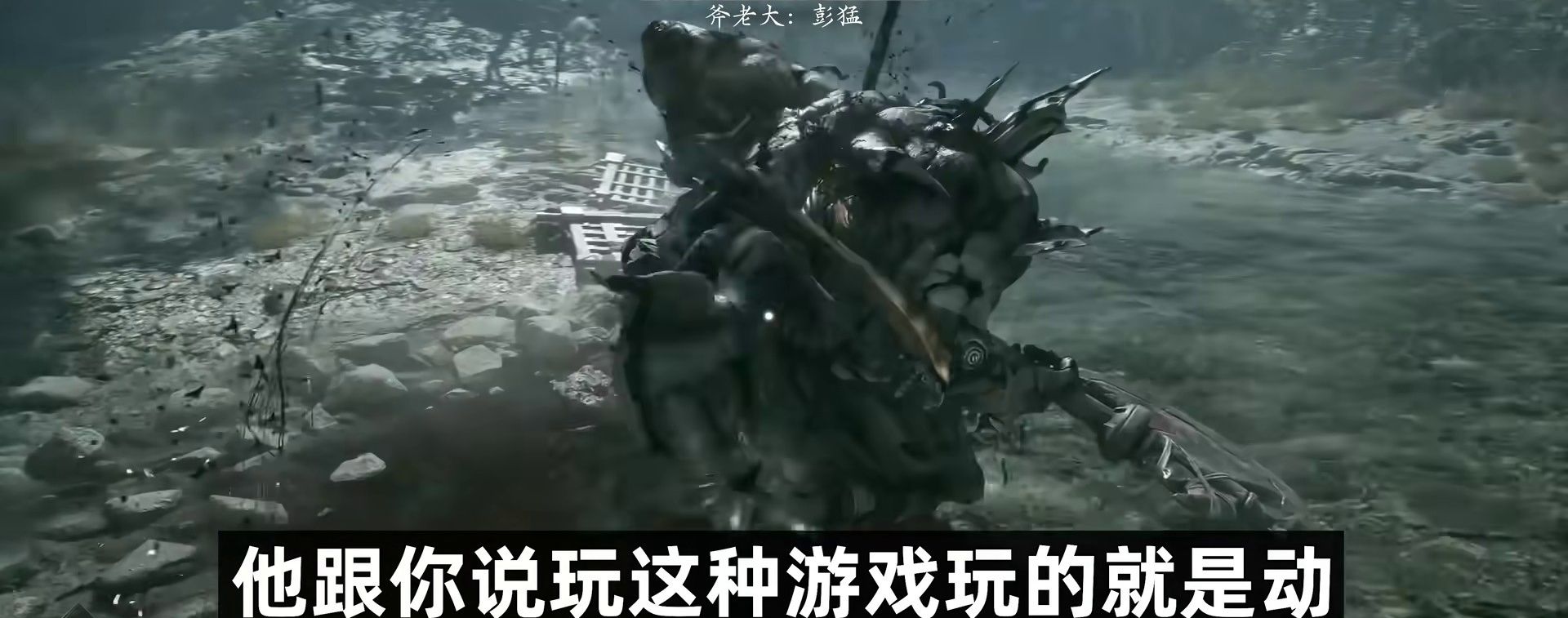
This is, in fact, a classic dilemma that no game built on "stacking content" can escape: if the content gets made but nobody uses it, does all that effort go to waste?
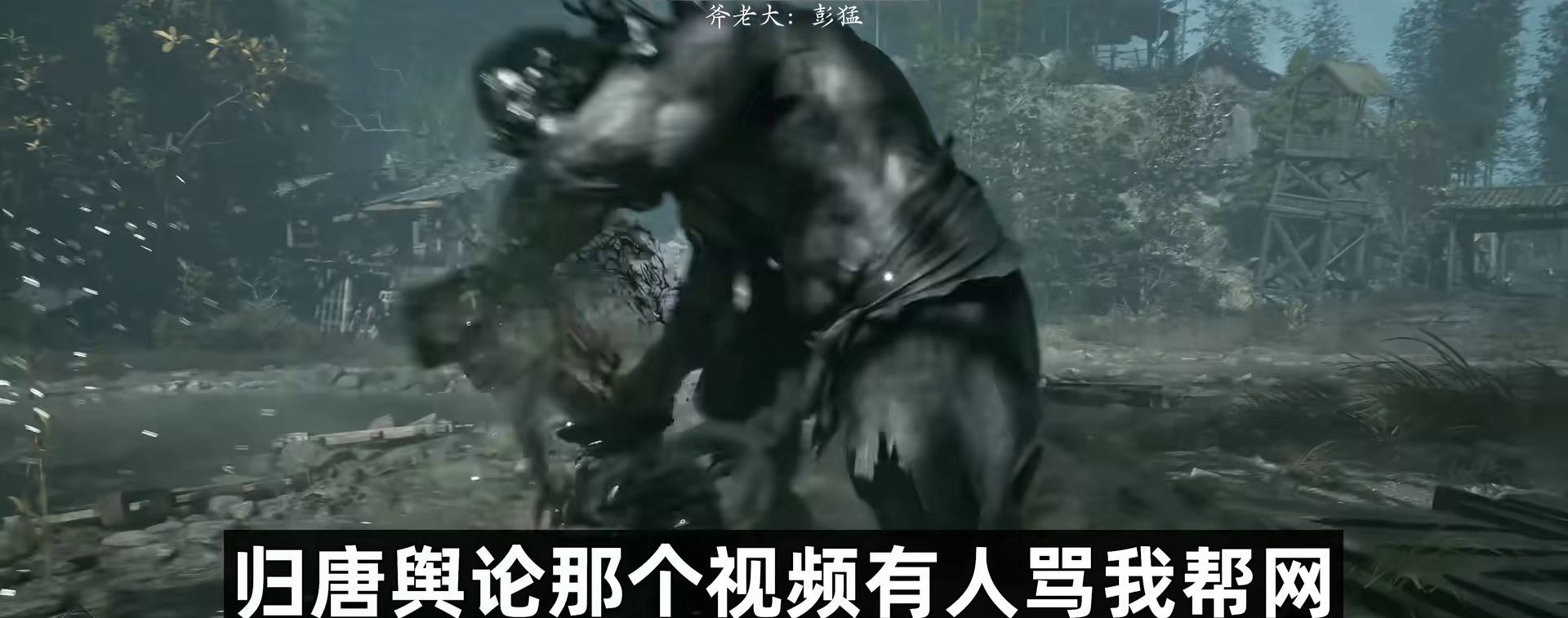
The Base of the Pyramid: Story, Level Design, and Exploration
The content creator's answer began by "correcting the positioning": You've got the positioning of this type of ARPG all wrong.
In games like these, the first layer of the core experience is story, level design, and exploration; the second is progression; and only at the very end comes weapon combat. The "pyramid"-style design hierarchy Phantom Blade Zero has showcased before speaks to exactly this: the base of the pyramid is the mainstream experience built for all players, while the tip is reserved for the combat depth meant for a minority of hardcore players.
"Games like this don't include so many weapons expecting you to master every single one or go out of your way to learn them all."
In other words, the 30 main weapons were never a homework assignment demanding "learn them all," but rather a menu where "there's always one that suits you." Worrying that "they'll build weapons nobody uses" is, at its core, mistaking the menu for an exam paper.
Nioh and Wo Long Already Gave Us the Answer
If we had to draw a comparison, Phantom Blade Zero's approach is much like that of the Nioh and Wo Long series. They include this many weapons precisely to serve as many players' tastes as possible: some like conventional weapons - swords, halberds, broadswords; some like axes, hooks, and tridents; and some favor more exotic picks like twin rings and flying sickles.
An average player only needs to master one or two weapons - once proficient, they can clear the game just fine. Everything beyond that is purely a matter of personal interest: those fascinated by weapon mechanics can keep digging deeper; those who don't want to study them can simply beat the game, feel satisfied, and be done with it. And if Phantom Blade Zero gets a sequel or a third installment down the line, players who have grown comfortable with two weapons and want to try something new will have plenty of chances.
"Games like this don't include so many weapons to test whether a single player has that strong a learning capacity - the point is to serve different player groups whose tastes and skill levels span a wide range."
In fact, from the era of pure action games to the present day, the many titles that pivoted toward ARPGs have all followed the same logic: Players who genuinely enjoy studying action mechanics have always been a minority, which is exactly why studios blend in more RPG elements to attract a broader audience.
What's more, the player base also includes a type of "explorer-type player" - someone who wants to touch everything and try every single weapon. The content creator himself jokes that he's exactly this kind of person. For players like that, 30 main weapons aren't a burden - they're an enormous source of satisfaction for their curiosity. Big-budget games inevitably try to reach as many players as possible within their own space in order to sell more copies - the width of a weapon arsenal is, at its core, the width of its commercial reach.
Brute-Forcing Your Way Through with a Single Weapon Is Just as "Valid"
When it comes to individual players, the content creator's attitude is remarkably laid-back: play whatever you enjoy.
Even if you're not a quick learner, you can brute-force your way to the end with a single weapon, turn the difficulty down to easy, and simply finish the game - and there's nothing wrong with that. If finishing it leaves you feeling satisfied and happy, then for you, it's a good game.
"For individual players, just play whatever you like; for those who want to study the game in depth, there's plenty of room for that kind of analysis too."
And the discoveries hardcore players make through their research get shared as videos, which in turn reach an even wider audience of players. Casual players, theorycrafters, and exploration-focused players each find what they're looking for, and that's how the entire player ecosystem keeps turning. This is also where modern ARPG design shows its maturity: it doesn't demand that everyone become a master - it only asks that everyone can find a playstyle of their own.
"Action Depth Enthusiasts" Are Just "Action Game Old Guard" by Another Name
The third comment comes from a viewer going by "Drifting First Blood": How would you evaluate the "action depth enthusiasts" who have recently popped up all over the Phantom Blade Zero comments section - ask them, and it's always Nioh and Wo Long?
The uploader's answer was level-headed: these people didn't just appear out of nowhere - they've always been around. It's just that back then, they weren't called "action depth enthusiasts"; they were called "action game old guard."
To put it bluntly, this is just one strain of fandom culture. In these people's eyes, only the game they play is the greatest; every other game is trash. Their conversational pattern is an infinite loop: you tell them that today's action games can't rely on depth alone; they tell you depth is king. You tell them that modern action games also need a dash of other elements and rich content; they tell you that as long as a game has depth, it's king. You tell them that some games, for all their depth, still need breadth to reach more players - they can't hear you, because "depth" is the only hammer in their hand.
"It's really just another form of fandom culture: in these people's eyes, only their own game is the greatest, and every other game is garbage."
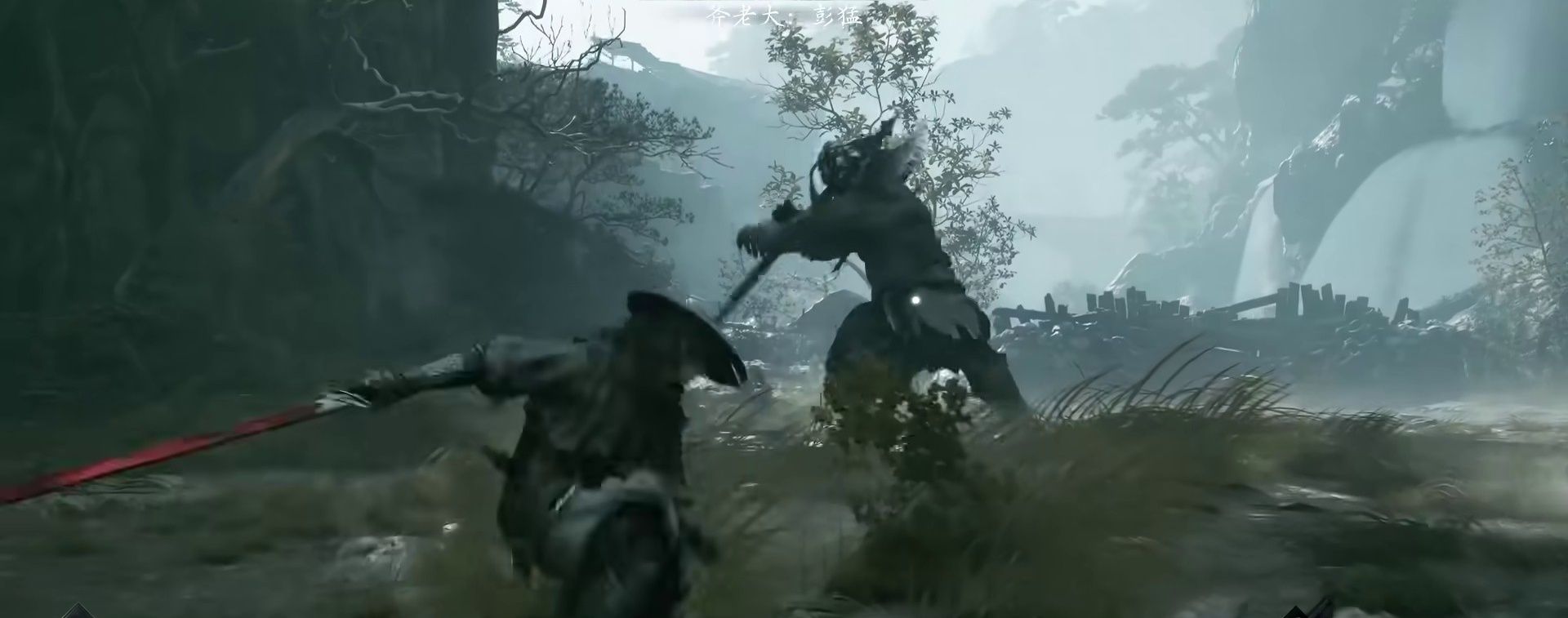
The irony is that Phantom Blade Zero is precisely a game that "combines depth with breadth" - it offers 30 weapons to dig into and master, as well as mass-appeal experiences in story, levels, and exploration. It should have been a feast shared by both camps of players; instead, it became a battleground for endless debate. Judged by Phantom Blade Zero's own "pyramid," depth has always been just the apex, never the whole pyramid; mistaking the apex for the entire structure, and then using it to tear down every other pyramid, is precisely the "old guard's" biggest cognitive blind spot. If action games want a bigger market and more sequels, what they need has never been gatekeeping zealots fenced off in their own enclave, but open design that welcomes more players in.

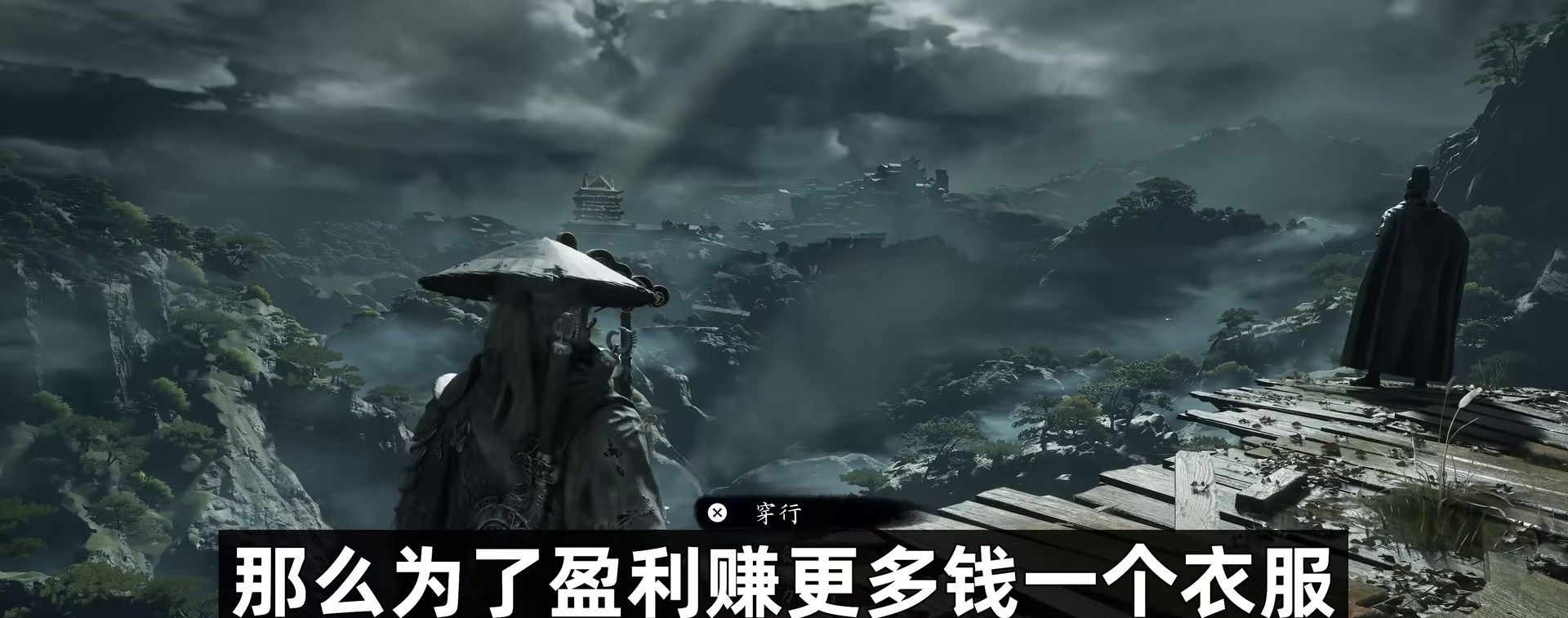
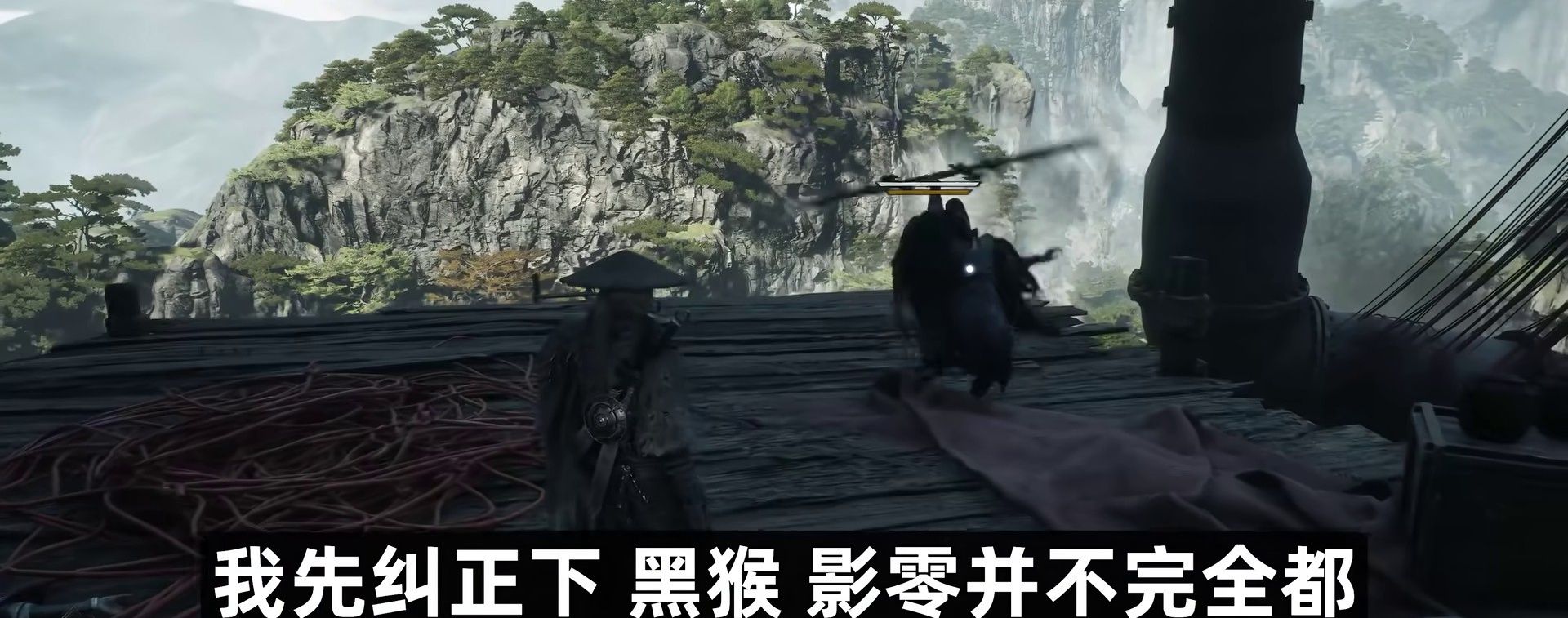
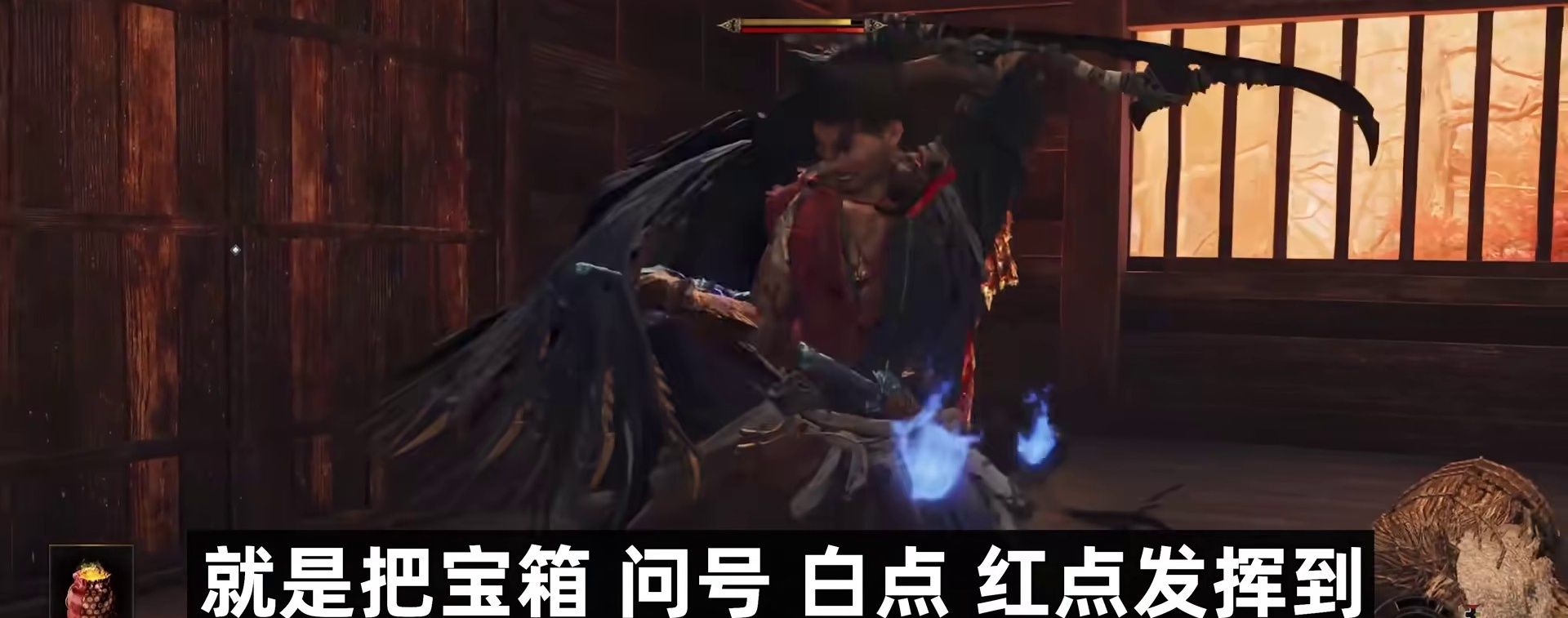
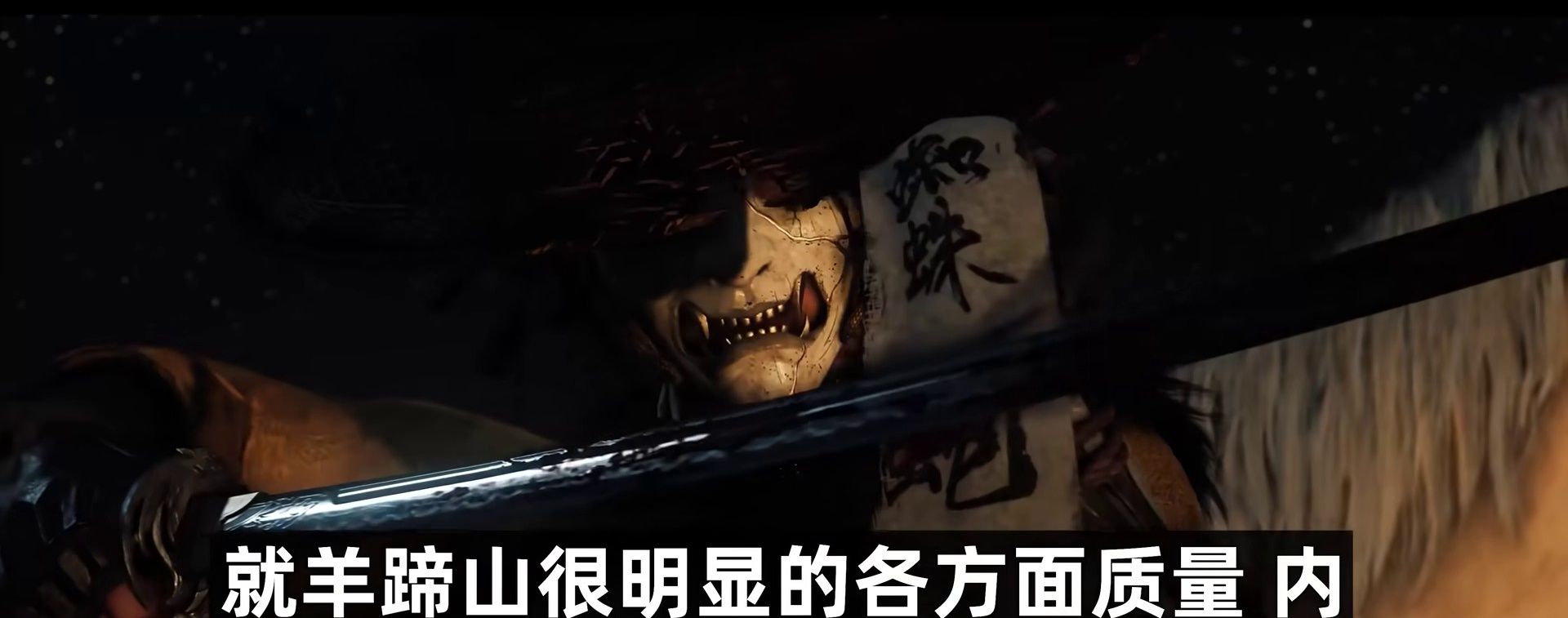
Top Community Comments
This video itself "grew" out of viewer comments. The three featured questions happen to represent the three most typical voices in the discourse surrounding homegrown action AAA titles:
@Tang Jinchuan: Can Phantom Blade Zero get a Game of the Year nomination at this year's TGA? (Reply below: GOTY requires innovation - it'll probably struggle to even take Best Action Game.)
A question paired with a cold-water reply captures the two mindsets within the "award-chasing narrative" around Chinese games: on one side, the hope that homegrown AAA titles can step onto the world podium; on the other, preemptively cooling expectations with "not innovative enough." The creator's response cut straight to the key point - TGA has never had a fixed yardstick for "innovation." Rather than agonizing over the criteria, it makes more sense to look at how many rivals are still left at the table this year.
@Channel Steel, Angle Steel, I-Beam: Phantom Blade Zero currently has 30 main weapons and 25 secondary weapons - can average players really experience all of that content in full? Could it end up that the dev team pours in tremendous effort, only for a small fraction of players to actually try it?
This is a classic concern about "content volume" versus "content utilization," and it's a remarkably well-informed question. But as the creator pointed out, the ARPG positioning means the arsenal is a "menu," not "homework" - the breadth of the content serves the breadth of the player base, rather than demanding that every player finish the entire menu.
@Ups and Downs, First Blood: How do you evaluate the "action depth enthusiasts" who have recently popped up all over the Phantom Blade Zero comments section - ask them anything and the answer is always Nioh and Wo Long?
A microcosm of a fractured community. When a homegrown action game is under the gaze of both "depth purists" and mainstream players at once, debate is inevitable; what truly warrants vigilance is letting fandom-style exclusionary narratives drown out discussion of the game itself.
📌 One-Sentence Summary
Phantom Blade Zero's ambition is to put homegrown action games on TGA's radar, and to let every player find the weapon that truly belongs to them - as for the obsessions of the "action-game old guard," they amount to nothing more than mistaking the tip of the tower for the whole tower.