Dodge the Red, Parry the Blue: A Pre-Release Hands-On with Phantom Blade Zero - This Time, It's Really Solid
Right now, with homegrown action games all charging toward release in a crowded field, Phantom Blade Zero is arguably the one with both hype and suspense dialed up to the max. With a handful of gameplay footage showcases, Liang Qiwei and his studio S-GAME (Lingyoufang) have etched the phrase "Shadow Realm aesthetics" into players' memories. But a showcase is ultimately just a showcase - whether the game itself is truly solid is something only firsthand play can reveal. After an in-depth pre-release hands-on, we can deliver our verdict ahead of time: This time, it's really solid.
Positioning: Breaking Away from the Traditional ACT Formula
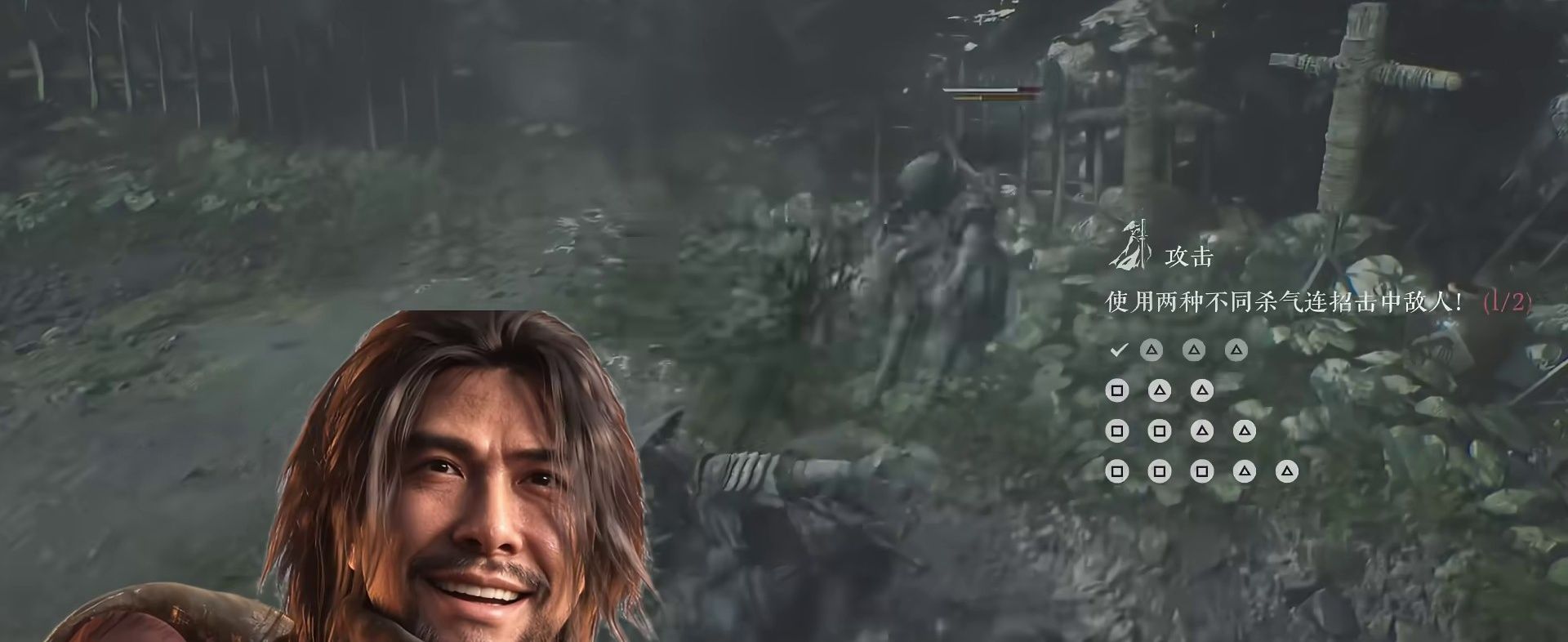
First, a word on where this conclusion comes from. Traditional ARPGs now dominate the lion's share of the action game market, and Phantom Blade Zero likewise steers clear of the traditional ACT path of "command lists that scare players off." Its combat system is built on simple light and heavy attack derivations plus a small set of core buttons - one for attack, one for defense - along with two response cues, red glow and blue glow, keeping the barrier to entry remarkably low.
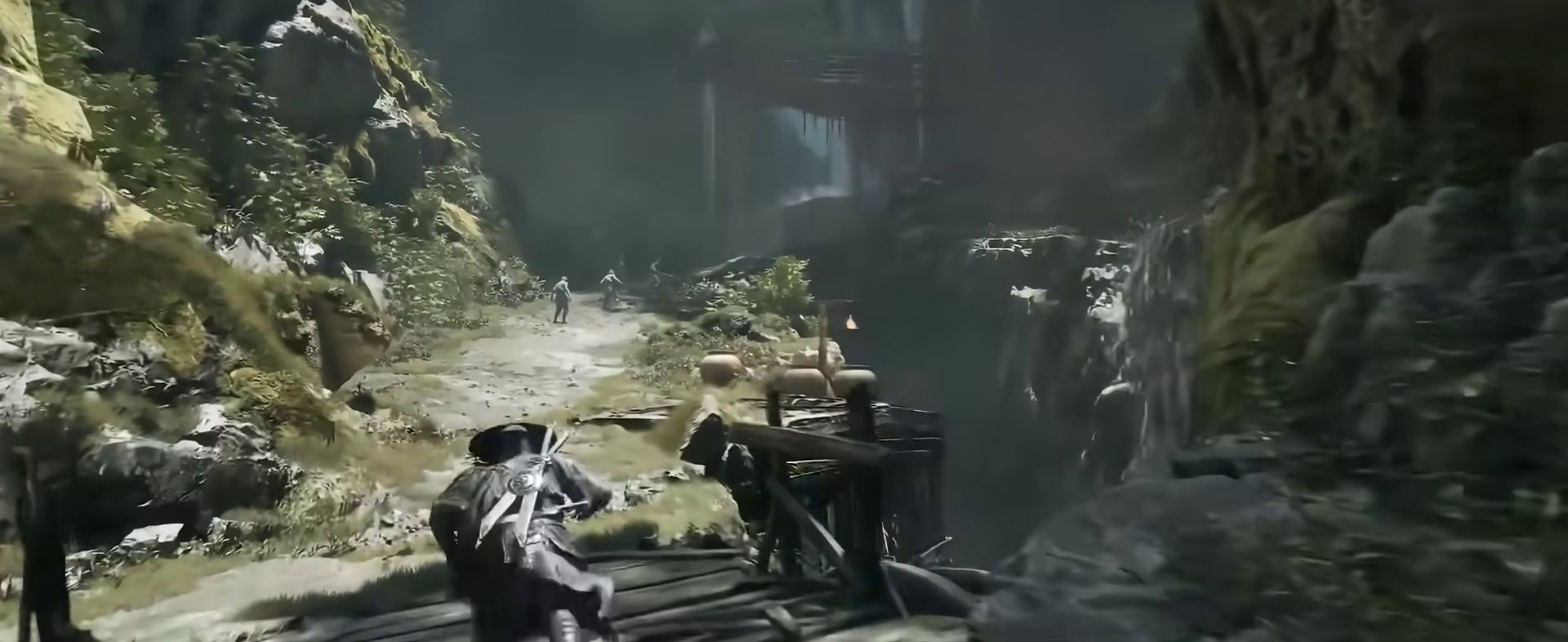
But a low barrier to entry doesn't mean shallow waters. Phantom Blade Zero hides all of its depth in the split-second interplay of attack and defense - and that's precisely what makes it feel most "wuxia": victory or defeat is often decided within one or two lightning-fast beats, rather than by drilling memorized inputs.
Red and Blue Light Signals: The Core of High-Speed Offense-Defense Transitions
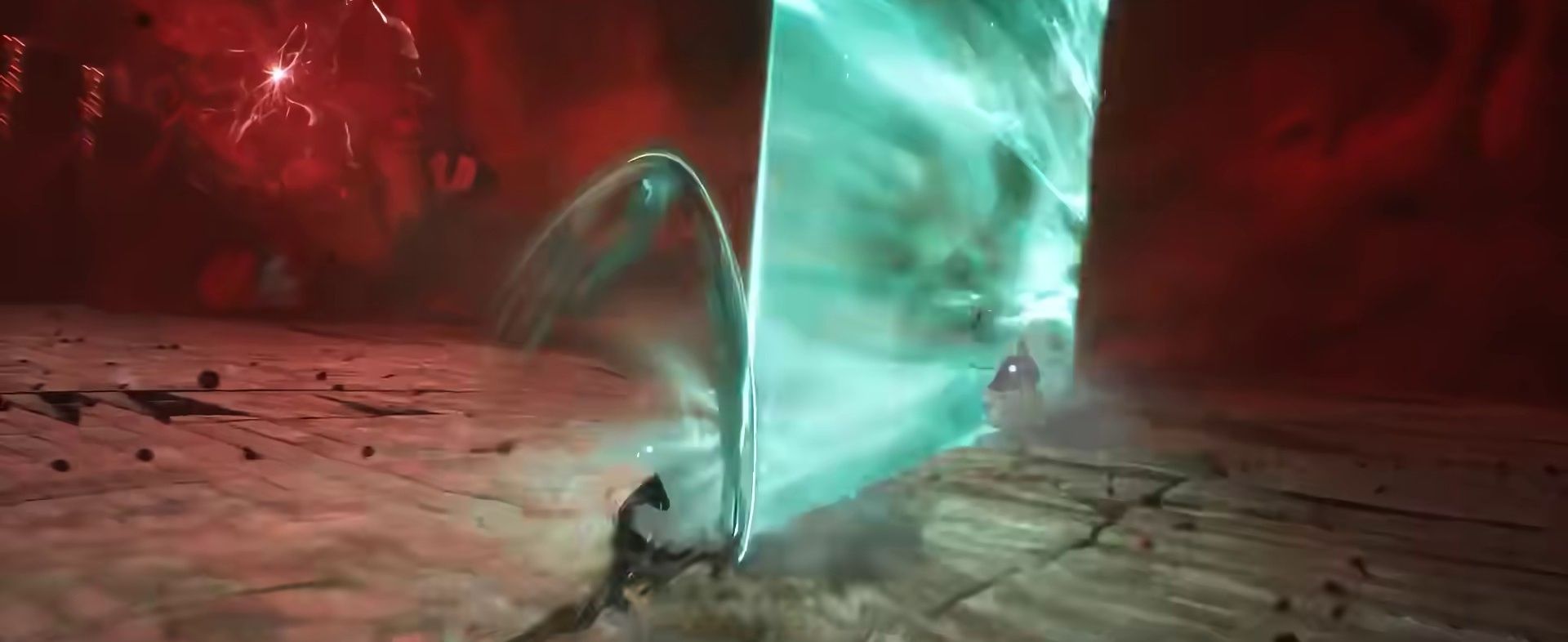
To get specific about the combat loop: when an enemy launches a red light attack, you must dodge; when it launches a blue light attack, you must answer with your guard - and the two signals alternate at high frequency throughout enemy combo strings. The developers clearly don't want players turtling up behind their guard, passively "waiting for the red light" - the entire combat interaction revolves around resource management of the Killing Intent and Momentum bars.
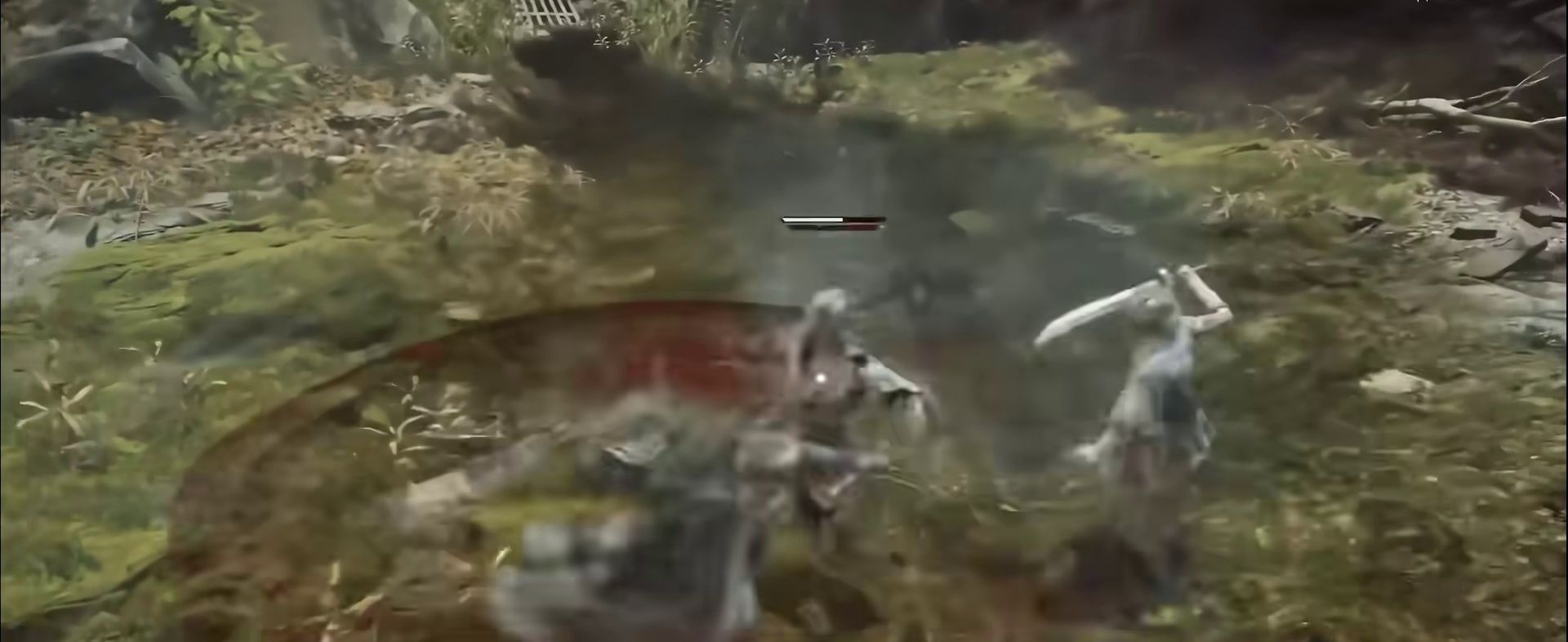
This puts you into a truly distinctive rhythm: unleashing a whirlwind barrage of combos while keeping your eyes locked on the incoming red and blue light signals, flipping from offense to defense - and then countering back from defense into offense - within milliseconds.
Dodge the red, block the blue - with offense-defense transitions taken to the absolute extreme, this is the wuxia combat grammar of Phantom Blade Zero.
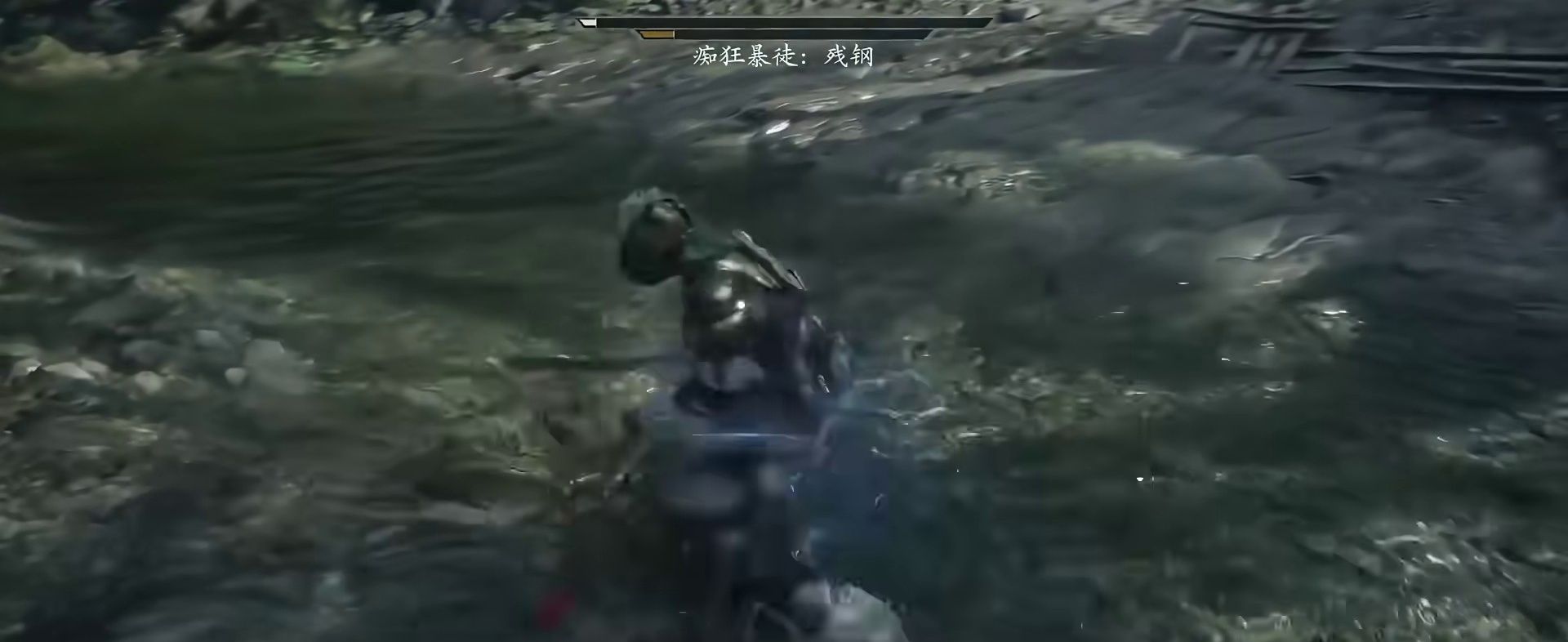
This experience of high-speed offense-defense transitions is something we've hardly ever felt in other homegrown Chinese action games. It doesn't rely on steamrolling enemies with raw stats, nor on slugging it out through health bars; instead, every single interaction forms a clearly defined closed loop of "read the move - respond - get rewarded or punished."
Weapon Builds: Two Primary Weapons Plus an Entire Arsenal
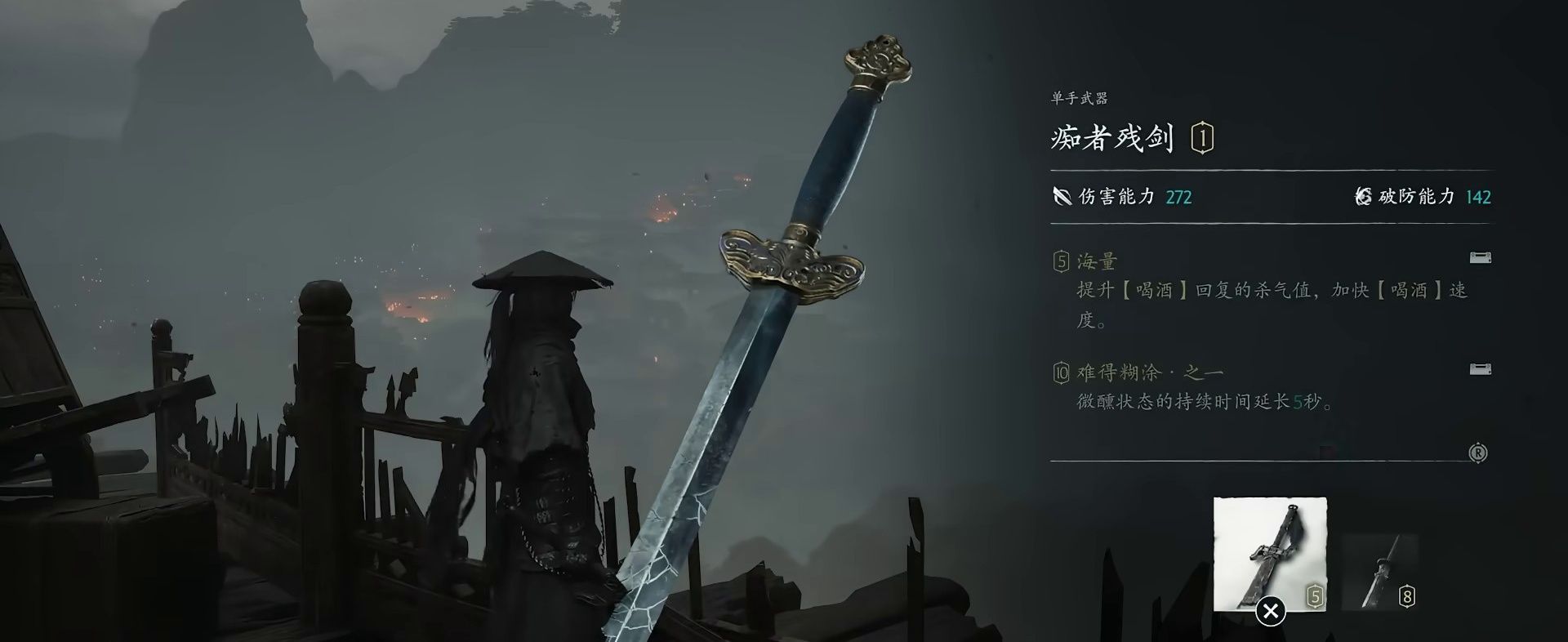
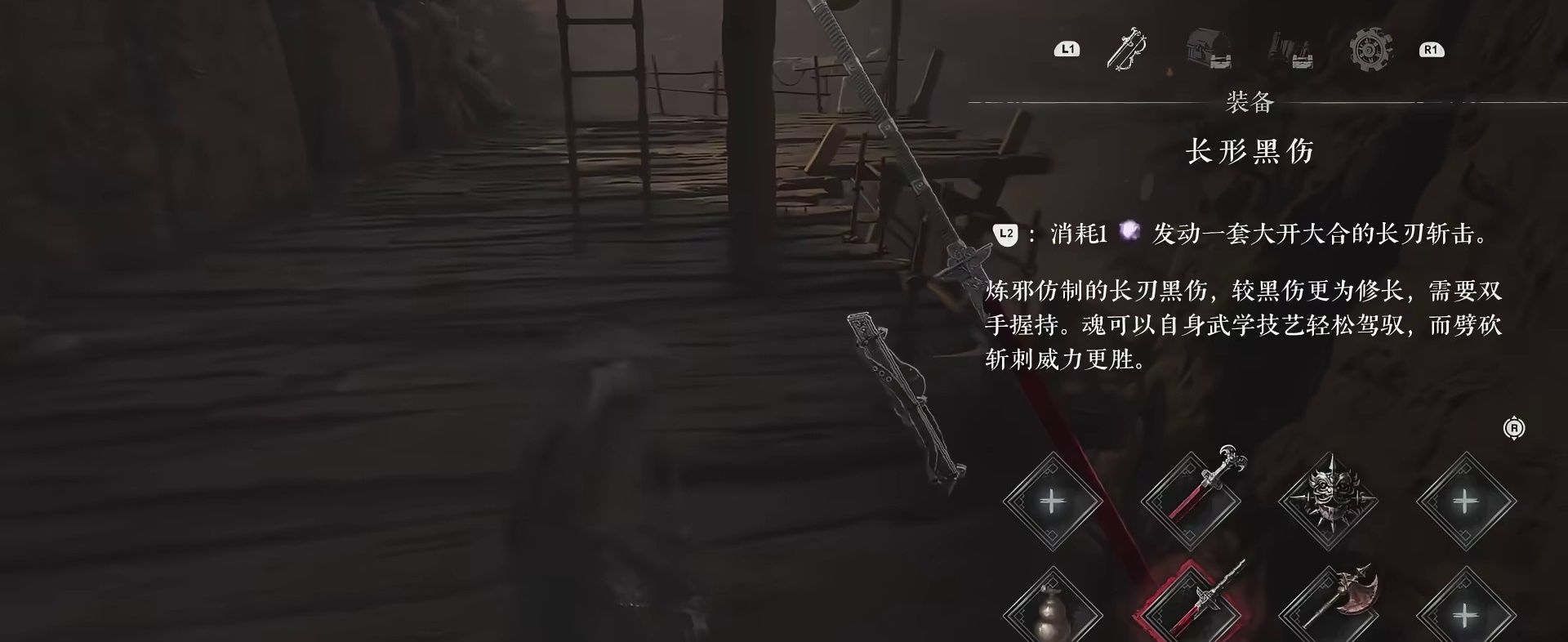
Just as God of War (2018) wouldn't be the same without its build system, Phantom Blade Zero likewise delivers a wealth of weapon build gameplay. The protagonist can carry two primary weapons at once, switching up the feel on the fly to match the flow of combat; on top of that, there's a whole lineup of secondary weapons - flamethrowers, cannons, bows, and more - each one capable of getting you out of some tricky fights.
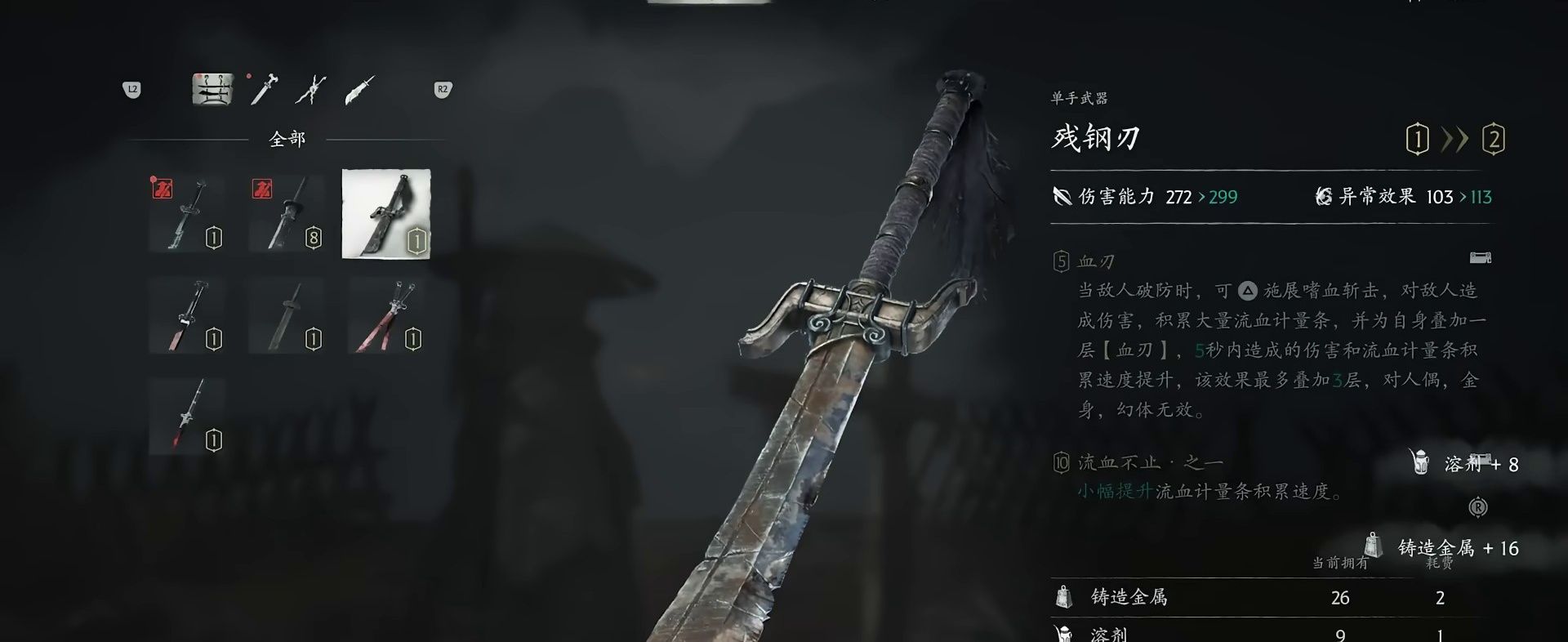
Weapon progression and upgrades consume specific materials, and the distribution of those materials is directly tied to the game's exploration design - which is exactly what we'll be diving into next.
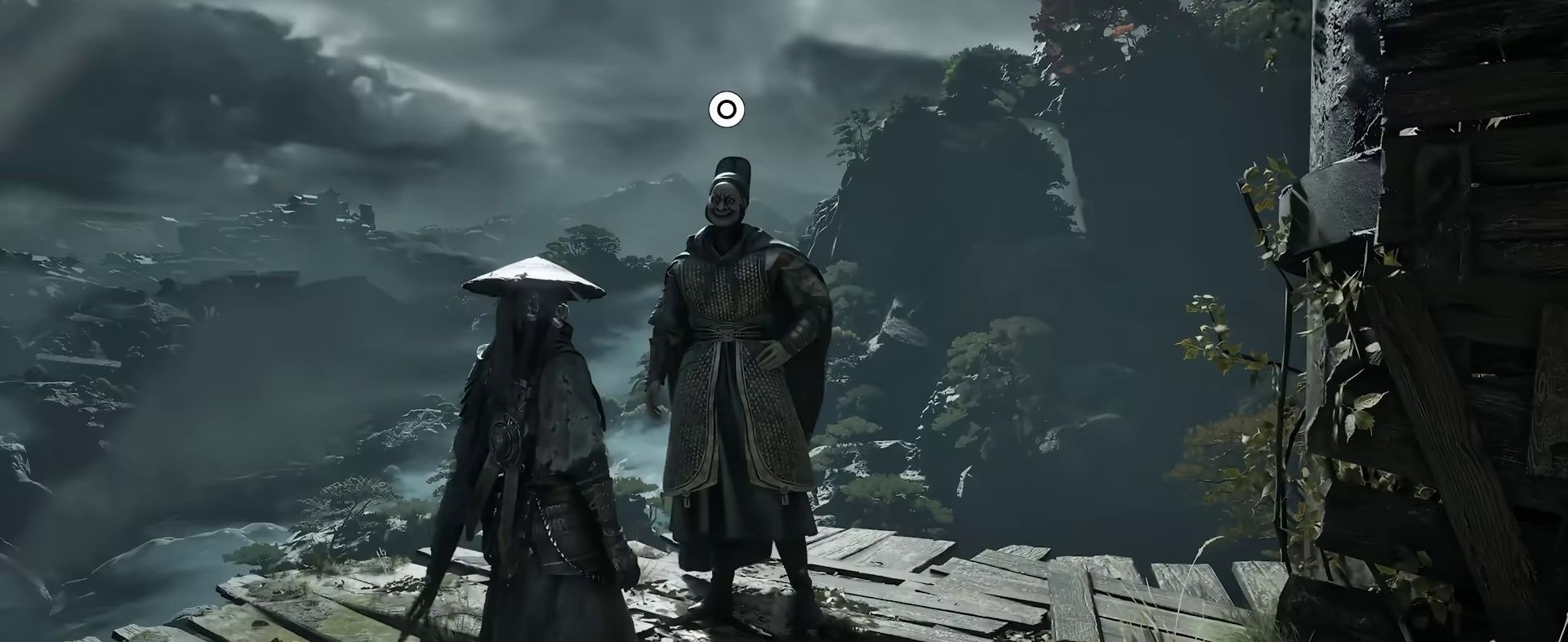
It's worth noting that the performance gap between different weapons is quite pronounced: "switching weapons" isn't just about swapping stats - it's more like adopting an entirely different combat approach. When facing different enemy compositions, the depth of the arsenal genuinely translates into a real diversity of ways to clear the game.
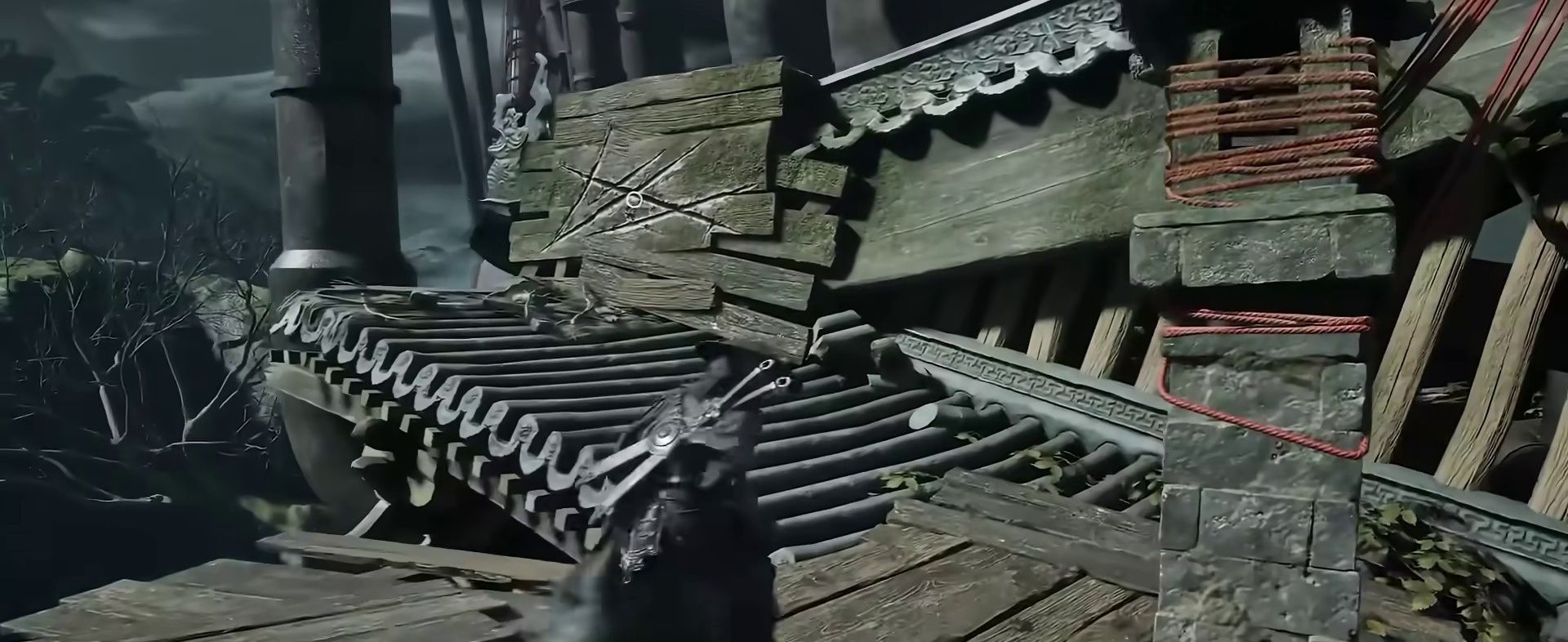
Exploration Design: No Canned Content - No Map Littered with Question Marks
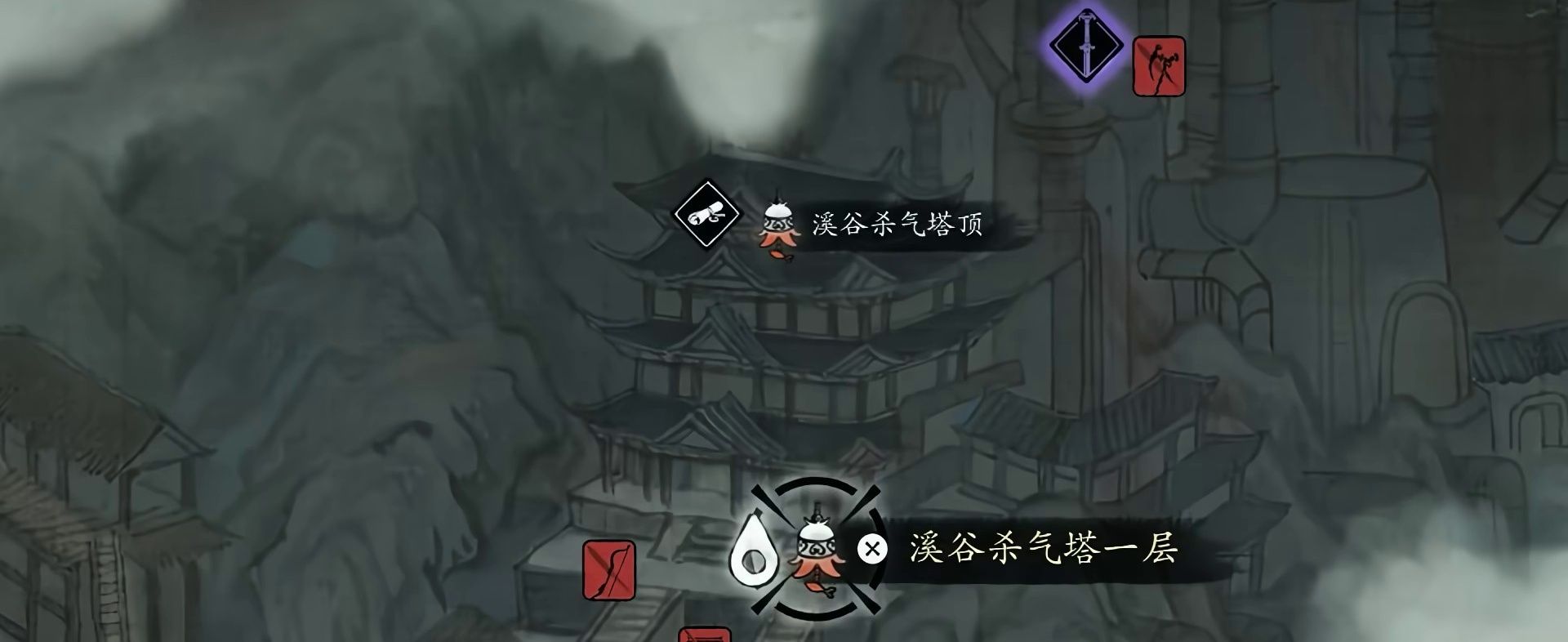
Many players have worried that Phantom Blade Zero might turn into a checklist-style open-world map. In reality, the game only marks a portion of the key side quests and interaction points on the map - and this by no means adds up to the canned experience of a screen full of question marks. You can rest entirely assured on that front.
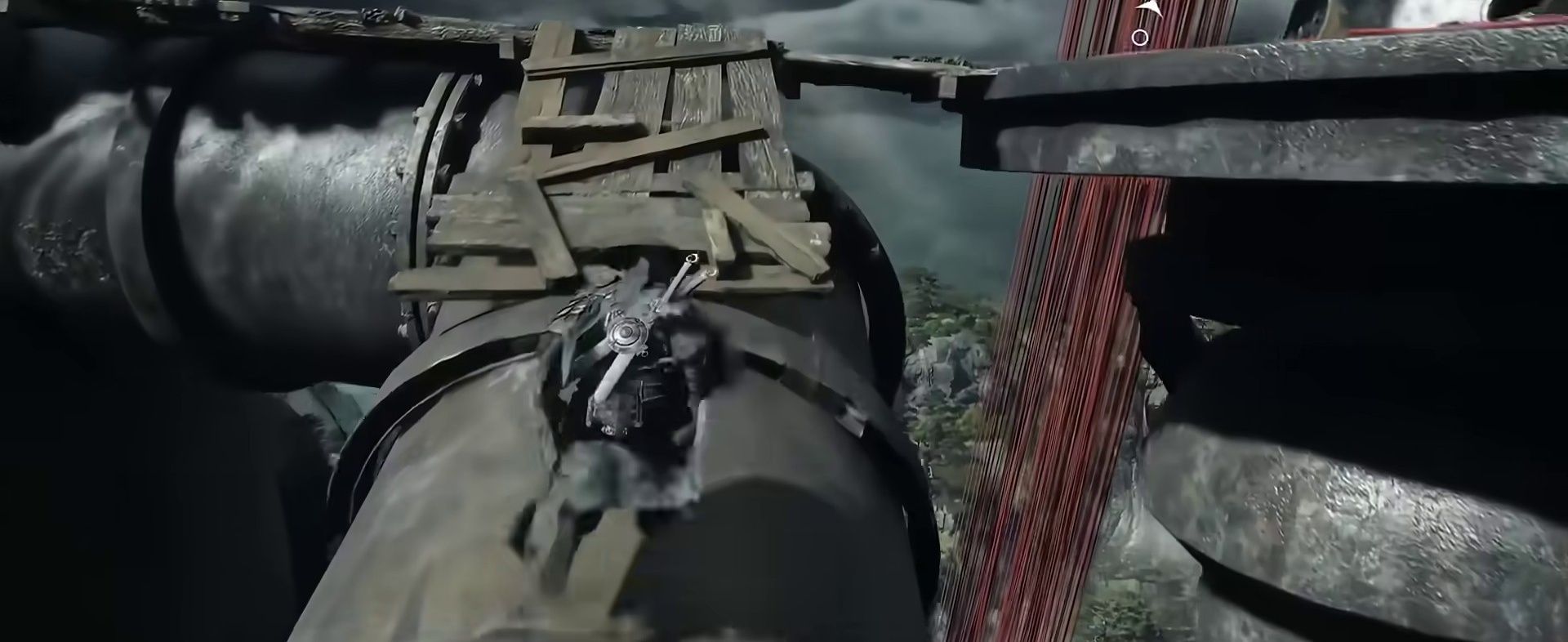
There is a crucial trade-off in the resource design: if you want to collect every weapon and max them all out, the resources provided by the main story alone simply won't cut it. The developers' stance is clear - they want to encourage you to step off the critical path and explore more regions.
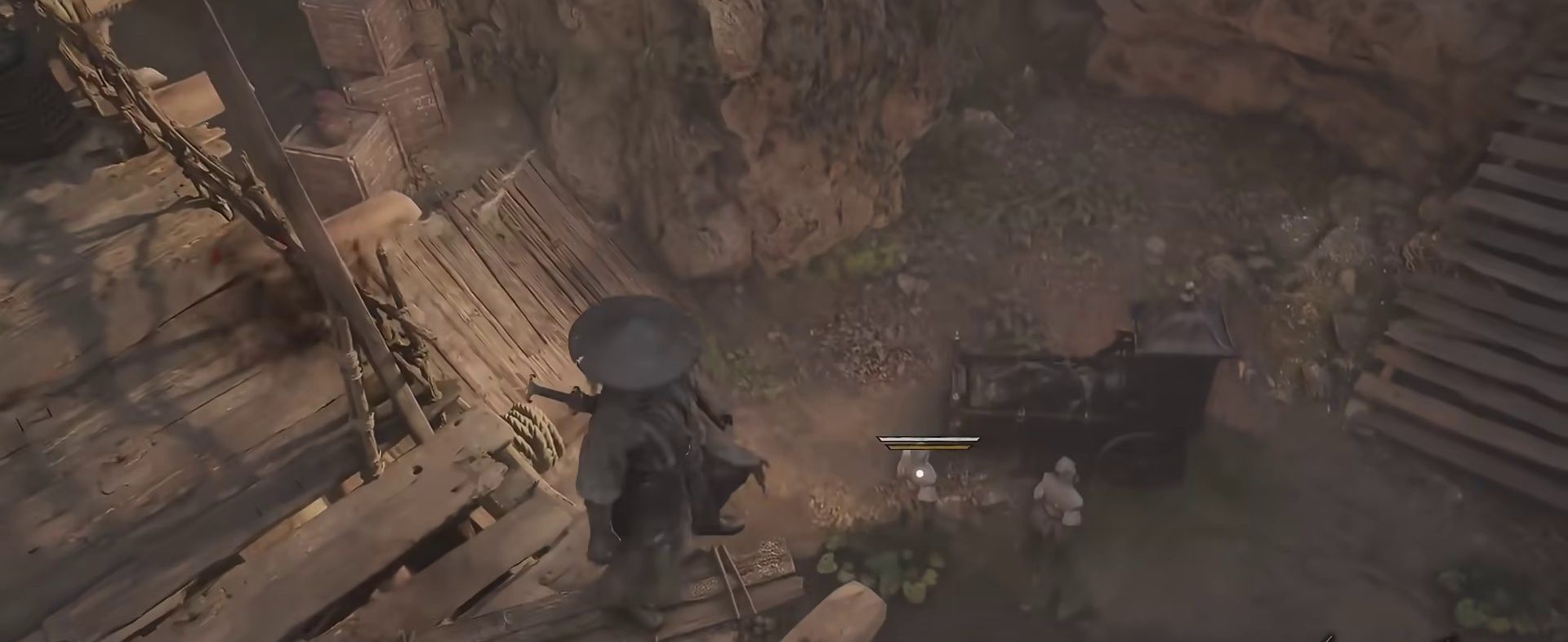
Among these, the key side quests marked in purple deserve special attention: these side quests can determine whether certain NPCs live or die, and may even directly decide whether you obtain a particular weapon. In other words, exploration isn't just about gathering materials - you're taking part in shaping the fate of this jianghu.
Another detail that fits the worldbuilding: to stay true to the setting, the minor enemies along the way do not respawn. Some players may worry about resource income, but the official answer is precisely "venture farther afield" - converting enemy-respawn rewards into exploration rewards, a remarkably healthy design philosophy.
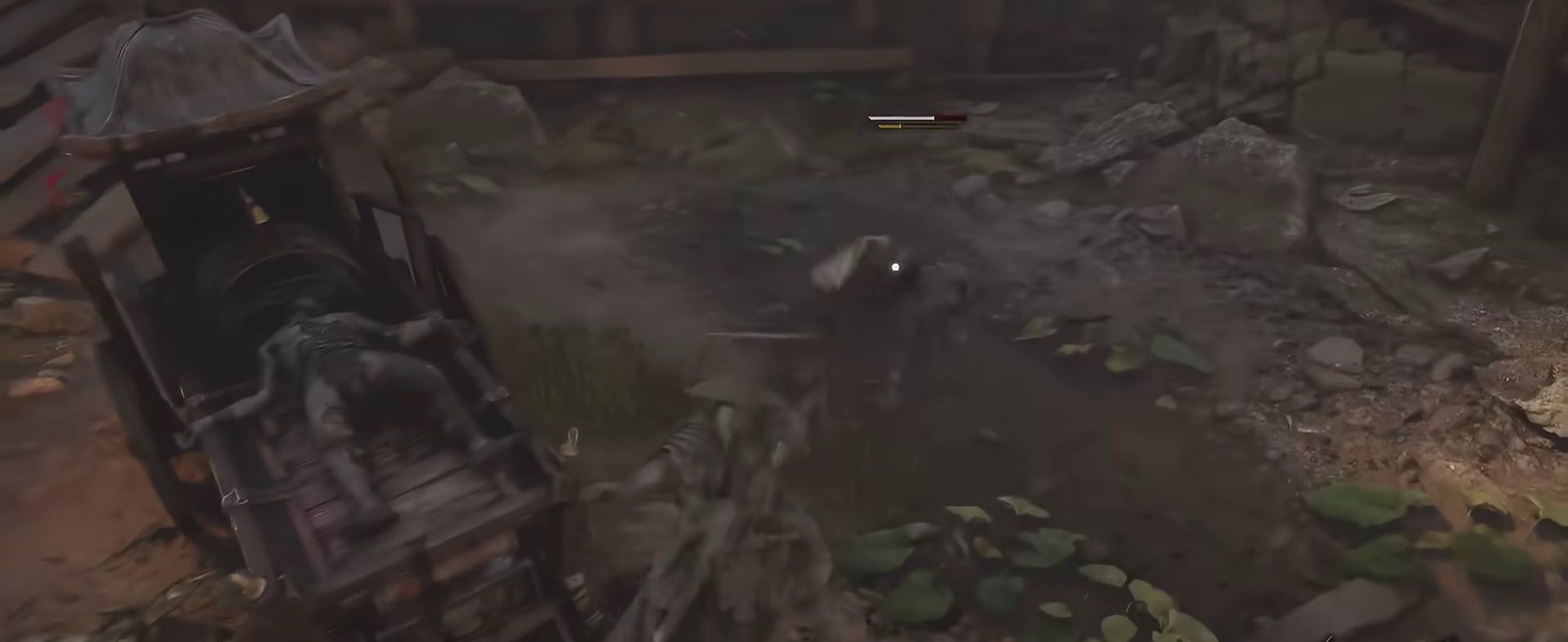
Zero Death Penalty: No Pointless Detours, No Backtracking
In how it delivers feedback for both exploration and combat, Phantom Blade Zero makes an extremely player-friendly decision: a firm no to the death penalty. Defeat costs you no resources, doesn't lower your rating, and - above all - never sends you down meaningless paths or forces you to retrace the same ground.
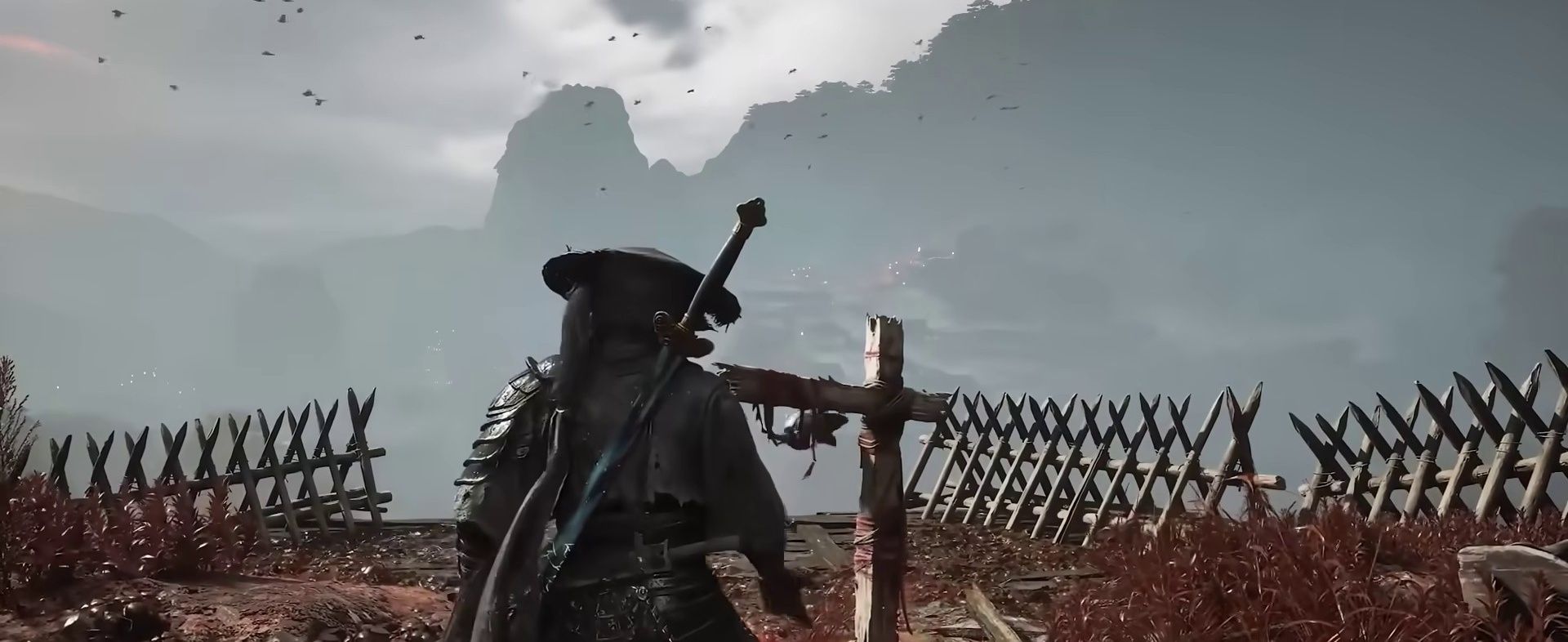
Even against multi-phase bosses, defeat lets you respawn directly in the new phase you had already entered and jump straight back into the fight, instead of restarting from phase one. For an action game, this design is nothing short of generous - it cuts out the exact slice of frustration that drains player enthusiasm the most.
As you traverse the map, red threads will guide you toward Spirit Altars where you can save your progress - the altars also handle weapon upgrades and talent unlocking. Checkpoint, character progression, and talents, three functions in one: your rhythm is never broken, and the flow of exploration carries on.
Pacing: A Linear Opening, with Surprises Hidden in the Sandbox
The early chapters lean toward a linear structure, doling out a series of weapons that each feel distinct to wield and letting you find the right answer for any given situation. Beyond the exhilarating linear maps, the game also sprinkles in a modest amount of sandbox-style content and hidden bosses, leaving plenty of surprises for players who love to scour every corner of the map.
Exploration also periodically rewards you with collectibles in the vein of Devil May Cry's soul stones or Nioh's Kuji-kiri beads, which steadily upgrade the protagonist's health bar, attack power, and Spirit gauge as you make your way through the game - a sense of progression laid directly along the exploration path, rather than stuffed into menus.
For spots that "require a certain late-game ability before you can come back and collect," the game has a built-in safeguard against forgetting: thoughtful markers are placed on the map, and you can check at any time whether the abilities you currently have will let you reach and collect them. It's a small detail, but one that effectively spares you the classic agony of "I know there was something there, but I can't for the life of me remember where."
Mid-Game Variations: Mechanics, Builds, and the Limits of "Six Fingers"
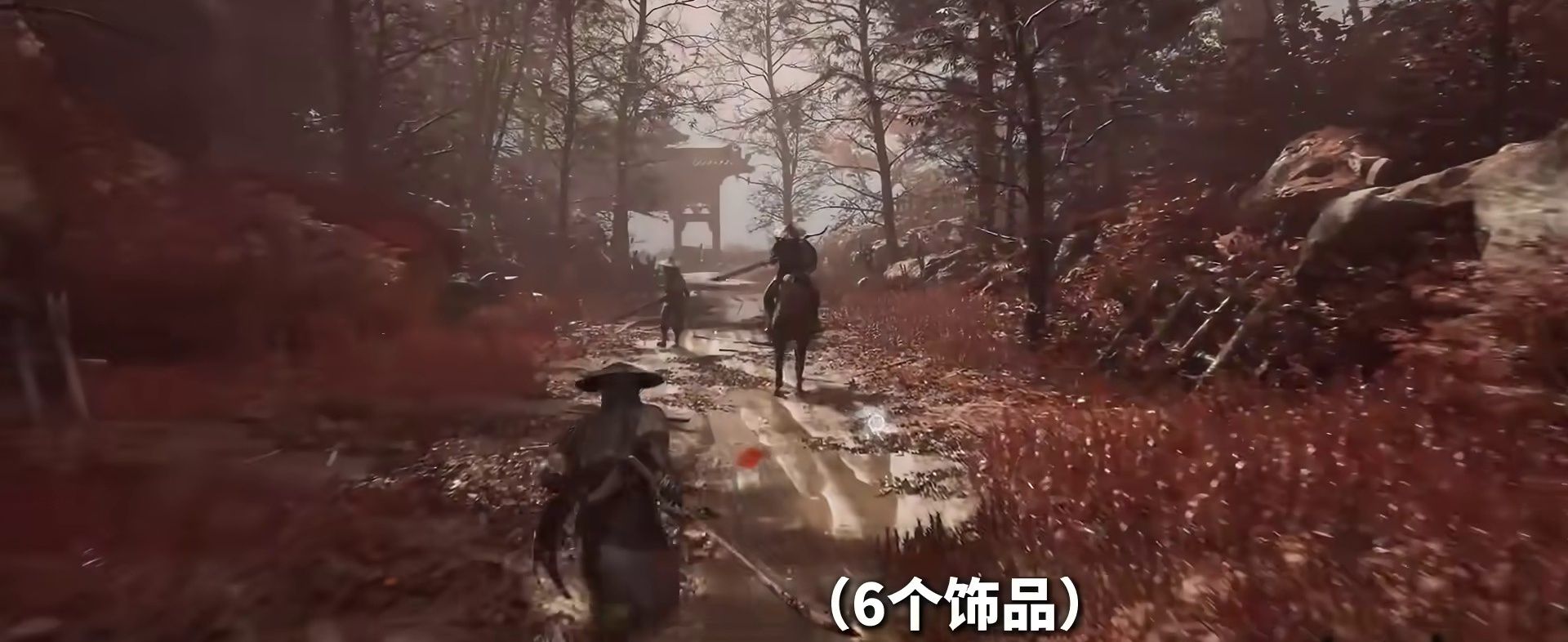
As the playthrough moves into its mid-game, players grow familiar with the game's mechanics and patterns, and simple combos against frail minor enemies no longer deliver the same sensory thrill. At this point, attention naturally shifts to the diverse mechanics enemies bring to the table, as well as to the limits of your own execution - that feeling of wishing you had two extra fingers.
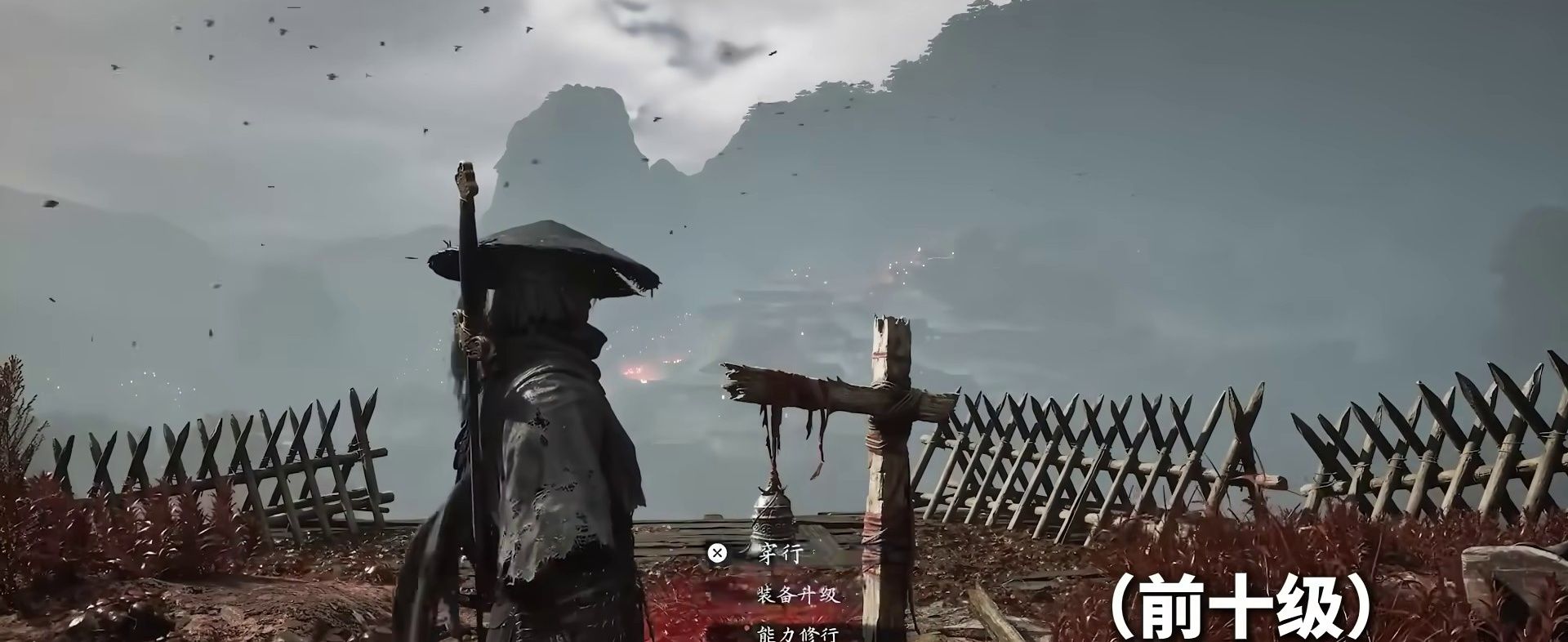
On the build side, loadouts revolve around elemental resistance, and taking on enemies from different regions calls for dynamically adjusting your strategy. Even more convenient, on a journey with no blacksmith in sight, the protagonist can still level up weapons and reset them at the Spirit Altar - the cost of trial and error is virtually zero, encouraging you to boldly switch up your approach.
New Game+, High Difficulty, and the "66-Day Mode": An Extra Treat for Hardcore Players
The ten powerful weapons unlocked only in the late game of your first playthrough are the developers' invitation to New Game+ - swap in a fresh set of weapons that suit your style, and put your sharpened skills to work for a whole new kind of thrill.
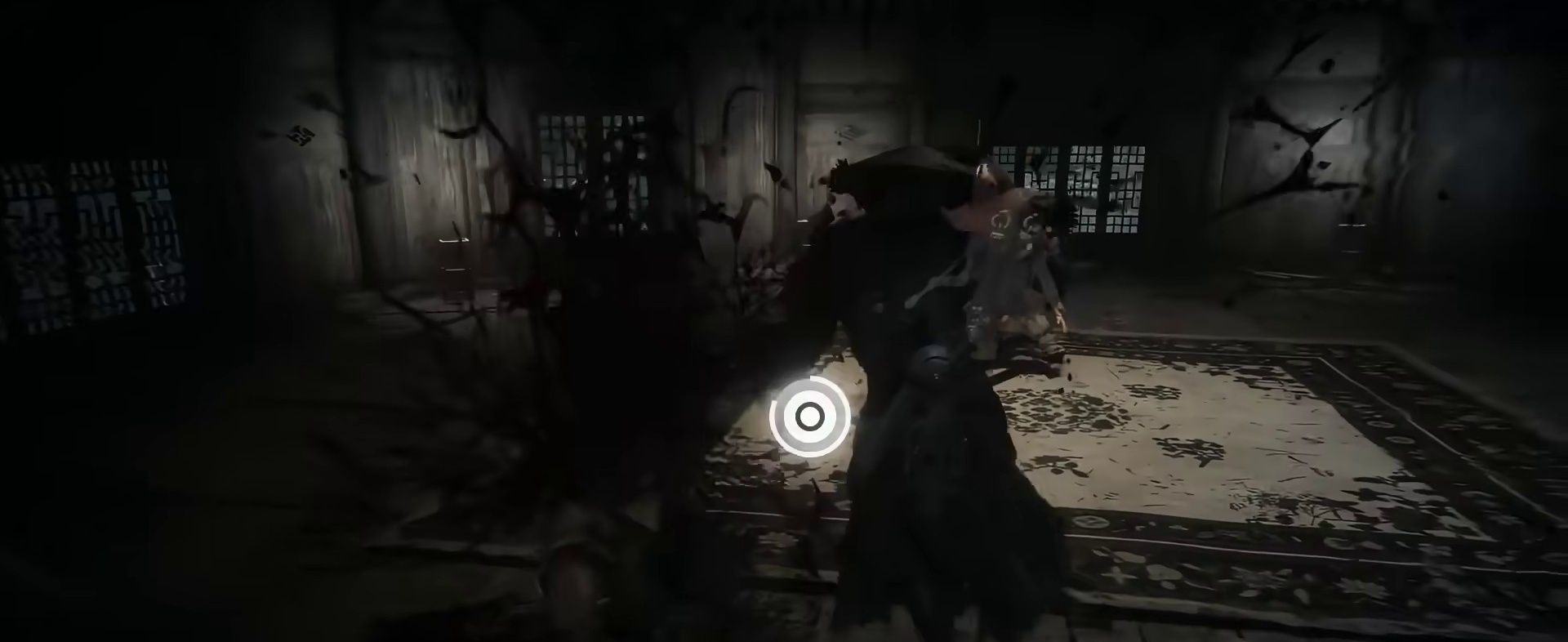
For players looking to challenge themselves, the game offers high difficulty and the "66-Day Mode": enemy AI behavior becomes far more varied, forcing you to abandon the "one move beats all" combat mindset and truly learn to read attacks and adapt on the fly.
Platinum hunters need not worry about difficulty-related trophies - New Game+ and the 66-Day Mode are not included in the trophy list; they exist purely to enrich the gameplay experience and add depth to the game. In a way, the 66-Day Mode also makes up for the absence of a boss rush.
Hands-On Verdict: A Carnival for Homegrown Action Games
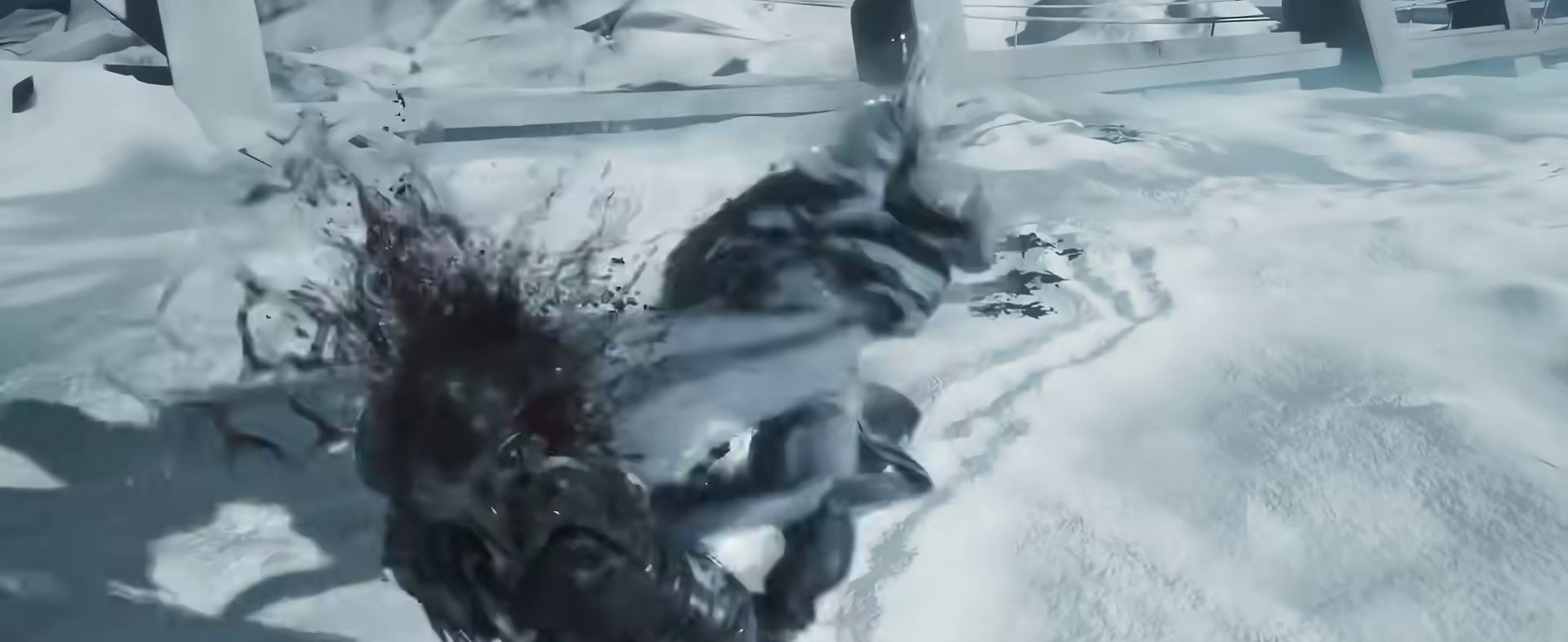
After going hands-on with Phantom Blade Zero's combat feel, that lingering aftertaste simply hasn't let us go. Its defense is no mindless safety net, yet the cancel window between offense and defense is calibrated just right - this trade-off encourages you to push your greed to the absolute limit. Dancing on the blade's edge is exactly what wuxia should feel like.
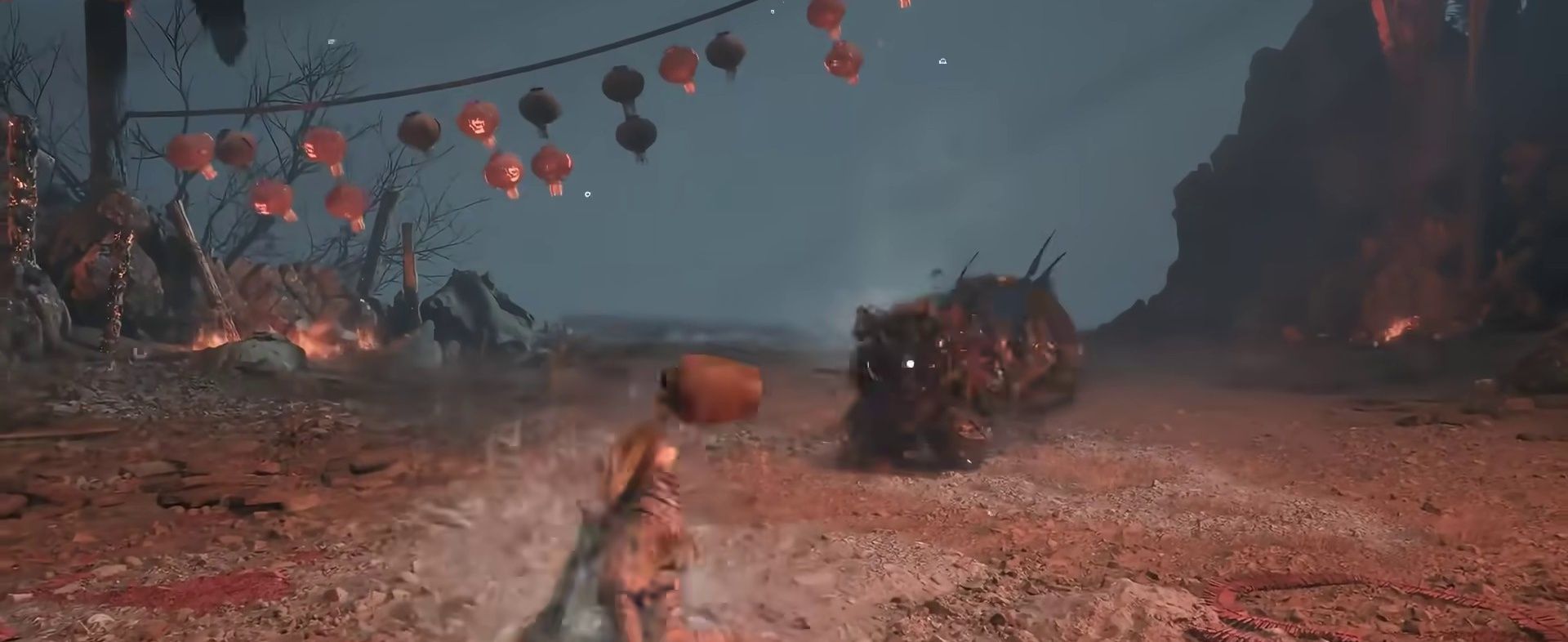
Adventuring through martial prowess and the jianghu, we believe every player can carve out their own brand of effortless, free-spirited style. From combat and build crafting to exploration and character progression, the polish and design sensibility Phantom Blade Zero has shown ahead of release are more than enough to put your mind at ease when placing that order.
This is, without a doubt, a carnival for homegrown action games - and this time, we don't have to hold our breath.
Top Community Comments
@Unburnt Fire of Tomorrow: "The Shadow Realm aesthetics are maxed out, and the soaring upward movement is absolutely stunning."
This comment pinpoints the two dimensions through which Phantom Blade Zero has broken into the mainstream: first, the Shadow Realm aesthetics - from environments to characters, that wuxia texture woven from ink-wash brushwork and deep shadow has already attained remarkably high recognizability; second, the action choreography represented by "soaring upward" - a vertical, ethereal movement design that transcends the movement techniques of conventional action games, letting anyone grasp at a glance exactly what qinggong, the fabled lightness skill, should look like.
@Stars in the Rain I: "I'd like to weigh in on the Shadow Realm aesthetics too [doge]"
A tongue-in-cheek quip capped with a doge - and that is precisely the proof that "Shadow Realm aesthetics" has evolved from official talking points into the common language of the player community. When a game's visual style becomes a meme that players actively quote and remix, its artistic identity has, in effect, passed the most rigorous test of all.
@Wang Wu the PC Builder: "Just over two weeks to go before I can play [blush]"
The plainest comment carries the truest emotion - the release date is right around the corner, and the countdown has already begun. For players who have waited years, the weight of those two simple words - "two weeks" - outweighs any review score.
📌 One-Sentence Summary
With its high-speed offense and defense built around red and blue light cues, weapon builds, and exploration designed around a "zero death penalty," Phantom Blade Zero hands in a homegrown wuxia action showpiece of astonishing polish - this time, you can truly go all in without worry.