Far Beyond Expectations! Phantom Blade Zero Media Hands-On Embargo Lifted: All the Global Game Media Reviews in One Place
In early September, the closed media hands-on embargo lifted for Phantom Blade Zero, S-GAME's new wuxia action title, and domestic and international game media outlets published their preview reports almost simultaneously. This homegrown action game, known for its protagonist Soul and the Shadow Realm world, was once again thrust into the spotlight. For players who have been eagerly awaiting it, the questions that matter most right now boil down to two: How good is the game, really? And should you preorder now, or wait for the post-release word of mouth before pulling the trigger?

This time, we've compiled reviews from domestic and international outlets - including GameStar, IGN (US, Japan, and China), Game Informer, GameSpot, and Youxidongli - to settle it all in one go: in the eyes of the global media, just what kind of game is Phantom Blade Zero?
First, the bottom line: "far beyond expectations" was the single most frequent verdict across this round of embargo lifts, with the disagreements between outlets centering mainly on optimization performance and the design of a few individual mechanics.
GameStar: Ditching Repetitive Content - Hardcore Yet Easy to Pick Up
The opening remarks from GameStar, a long-established German media outlet, were rather comical - "Ugh, another soulslike." Before the words had even landed, they scrambled to walk it back: "I mean, the protagonist is named Soul." After all, the protagonist of Phantom Blade Zero really is called Soul - this editor was well and truly tripped up by a single word.
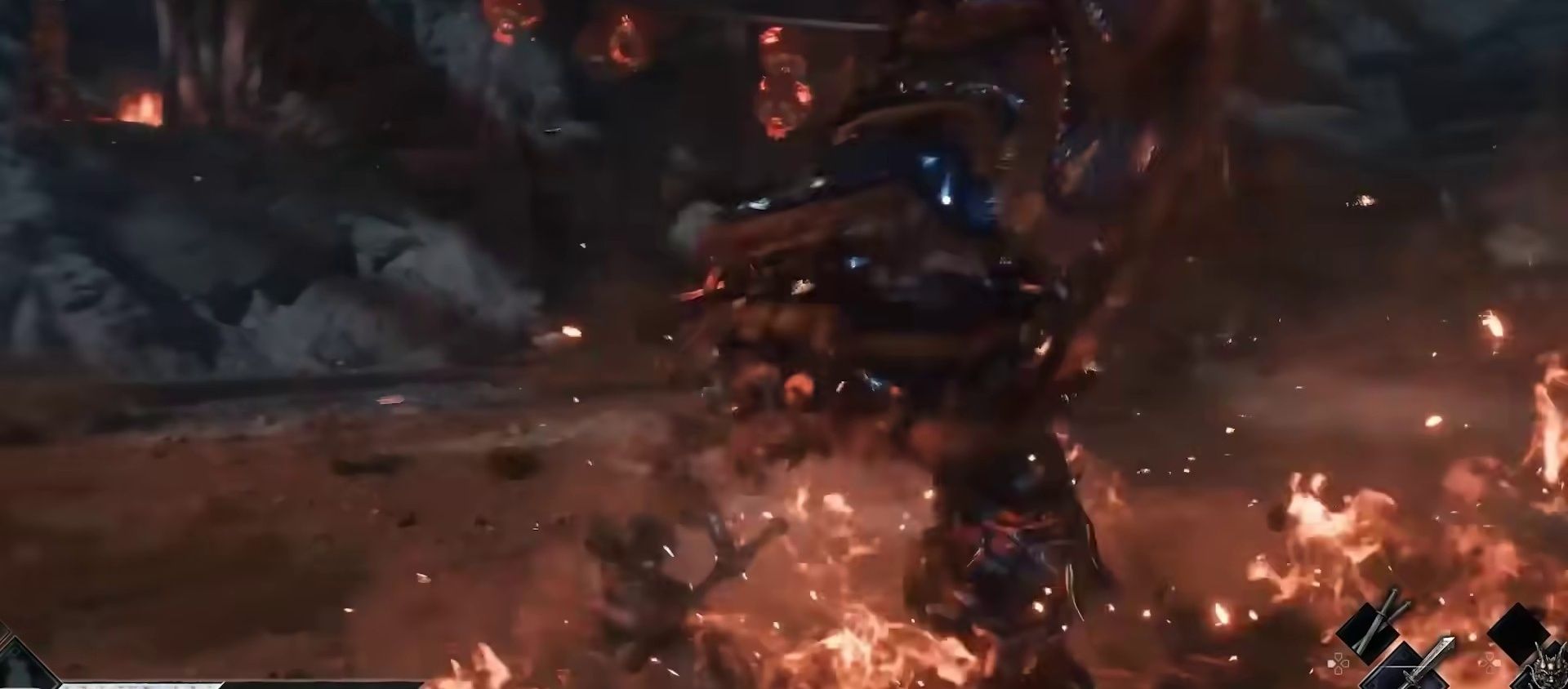
Jokes aside, GameStar's assessment of the game itself was quite positive. It stated that Phantom Blade Zero ditches the frustrating repetitive content and delivers pure fun and a rich experience - a statement that may sound unremarkable, but if you know, you know: it carries real weight.
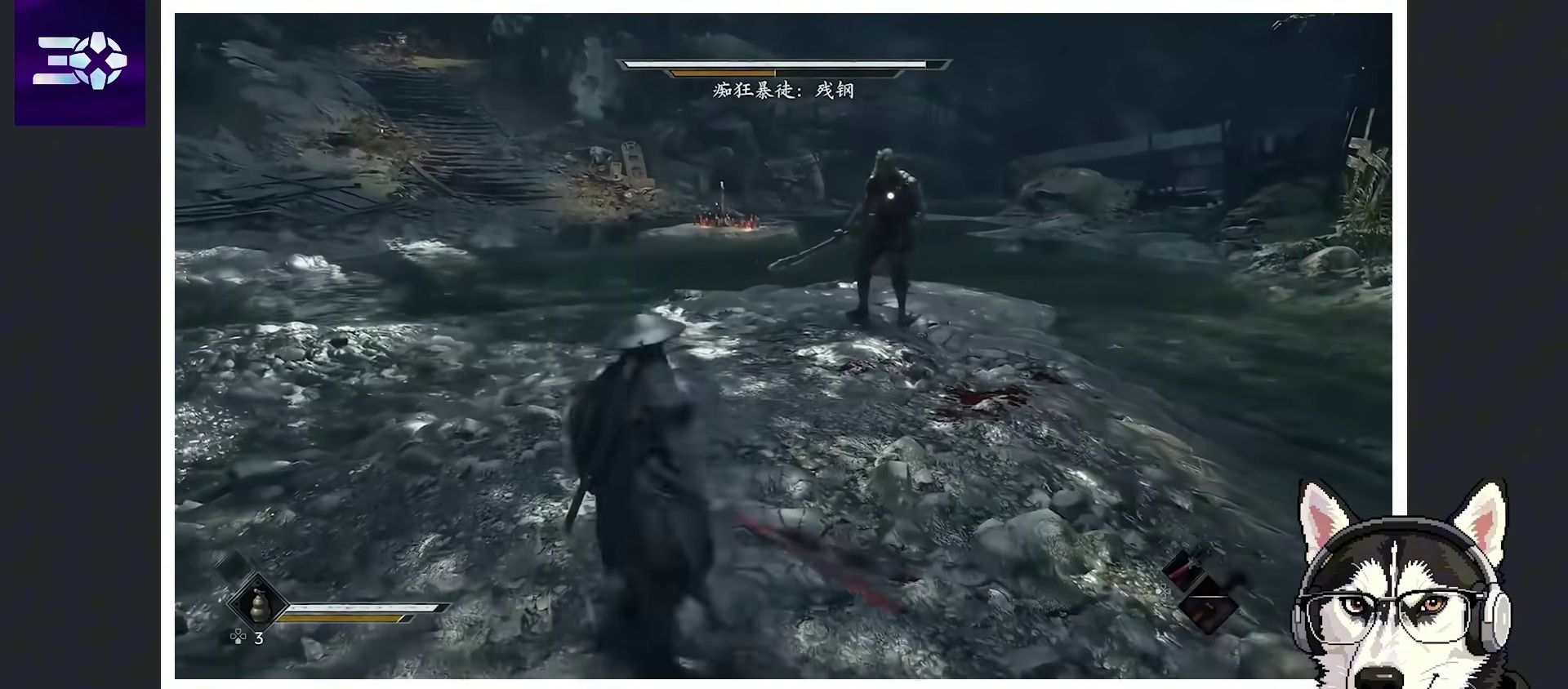
On the gameplay front, GameStar felt the game leans toward a more open design overall - extremely hardcore, yet easy to pick up. The combat feel and combos were described as "exhilarating and thrilling": while enemy movesets are rich and varied, their wind-ups are clear and easy to read, letting players land beautiful counters amid the ebb and flow of offense and defense. Combined, these elements send adrenaline soaring.
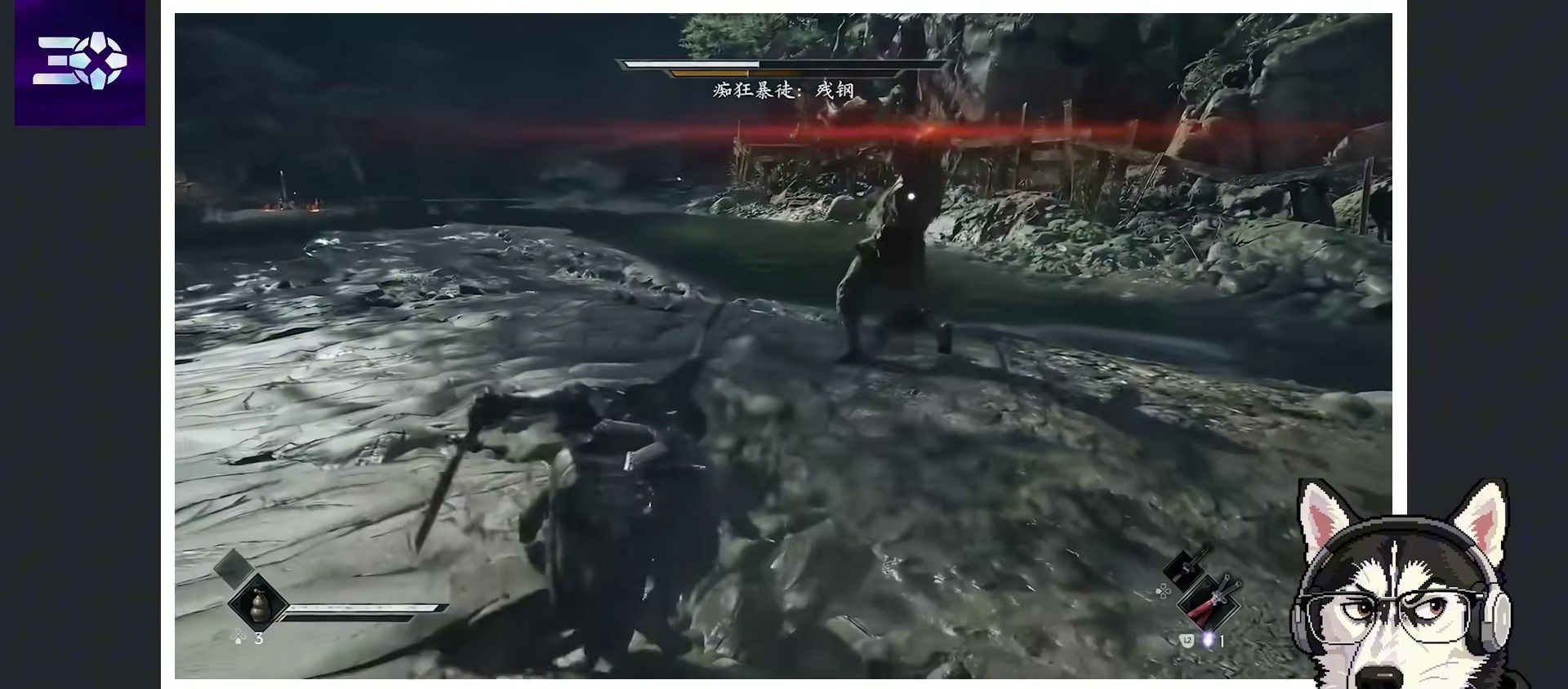
The one blemish: the demo build showed a slight delay when drinking health potions, along with frame drops scattered across various environments - enough to somewhat disrupt the combat rhythm. However, GameStar stressed that the build played this time was a relatively early one, believing these issues will no longer be present at the official release.
IGN US: Five Minutes In, Instantly Impressed
IGN US set the tone remarkably high, naming it one of the most anticipated games of 2026, and stated, "We, too, have now joined the ranks of those placing this title among their most anticipated games of 2026."
It noted that plenty of hardcore action games release every year, yet Phantom Blade Zero turned heads within just 5 minutes of hands-on time, and delivered one of the strongest single-line verdicts of this entire embargo round:
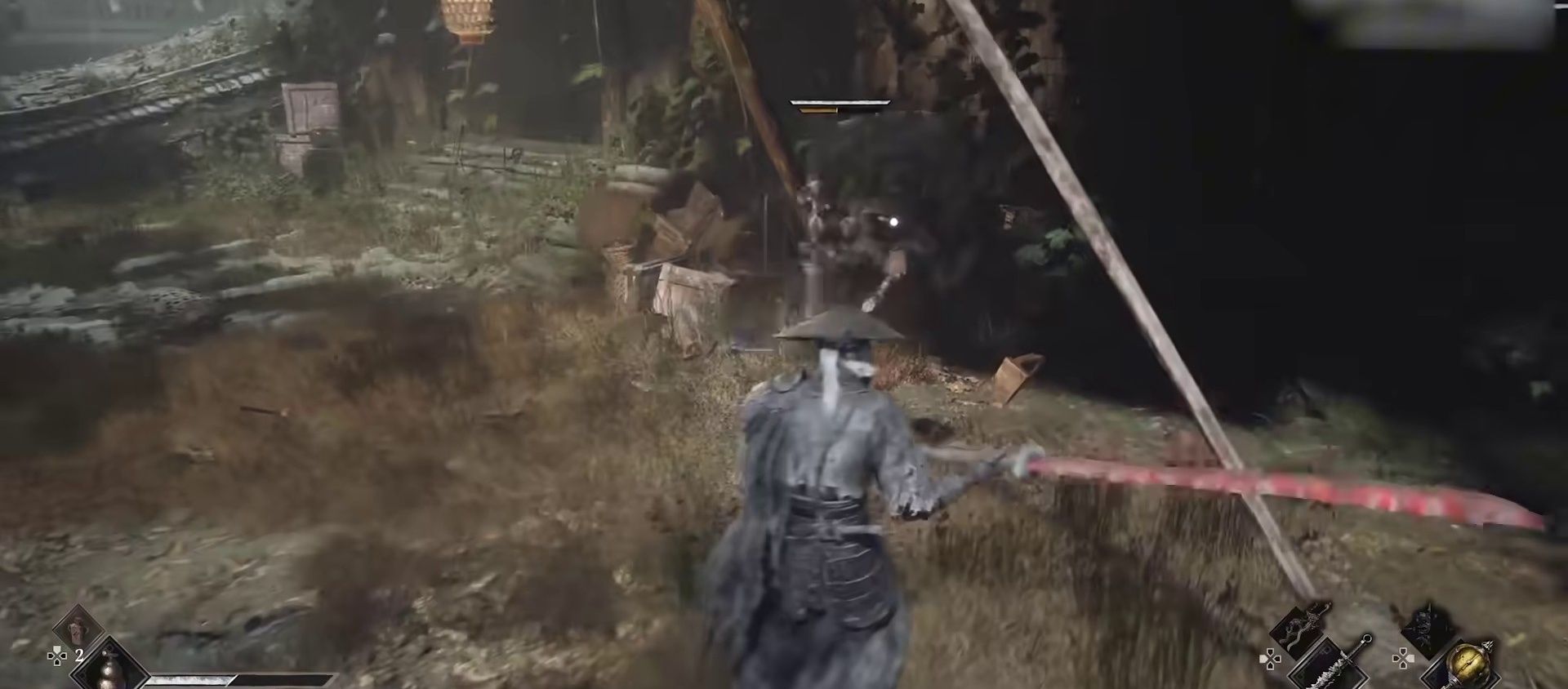
The game boasts the smoothest, most exhilarating combat experience since Sekiro.
Beyond combat, the richness of its explorable content came as an equally pleasant surprise. After 6 hours of hands-on, the editor was left "thoroughly itching for more, unable to wait": the game is packed with hidden areas that are extremely easy to miss - he even uncovered hidden bosses, weapons, and items that no one else had found. Some areas are designed in ways never seen before - for instance, a massive factory towering in the middle of a tranquil village, with the contrast dialed all the way up.
That said, IGN US did run into fairly serious frame rate drops - and on a PC with rather solid specs - and was candid about its concerns over the game's visuals and performance on PS5. At the same time, it pointed out that it is hardly unusual for excellent games to carry technical flaws in the early days of their release, and that Phantom Blade Zero remains one of the coolest games of 2026, with hopes that its final version will exceed expectations.
IGN Japan: Guilin-Style Scenery and a Boss That “Learns”
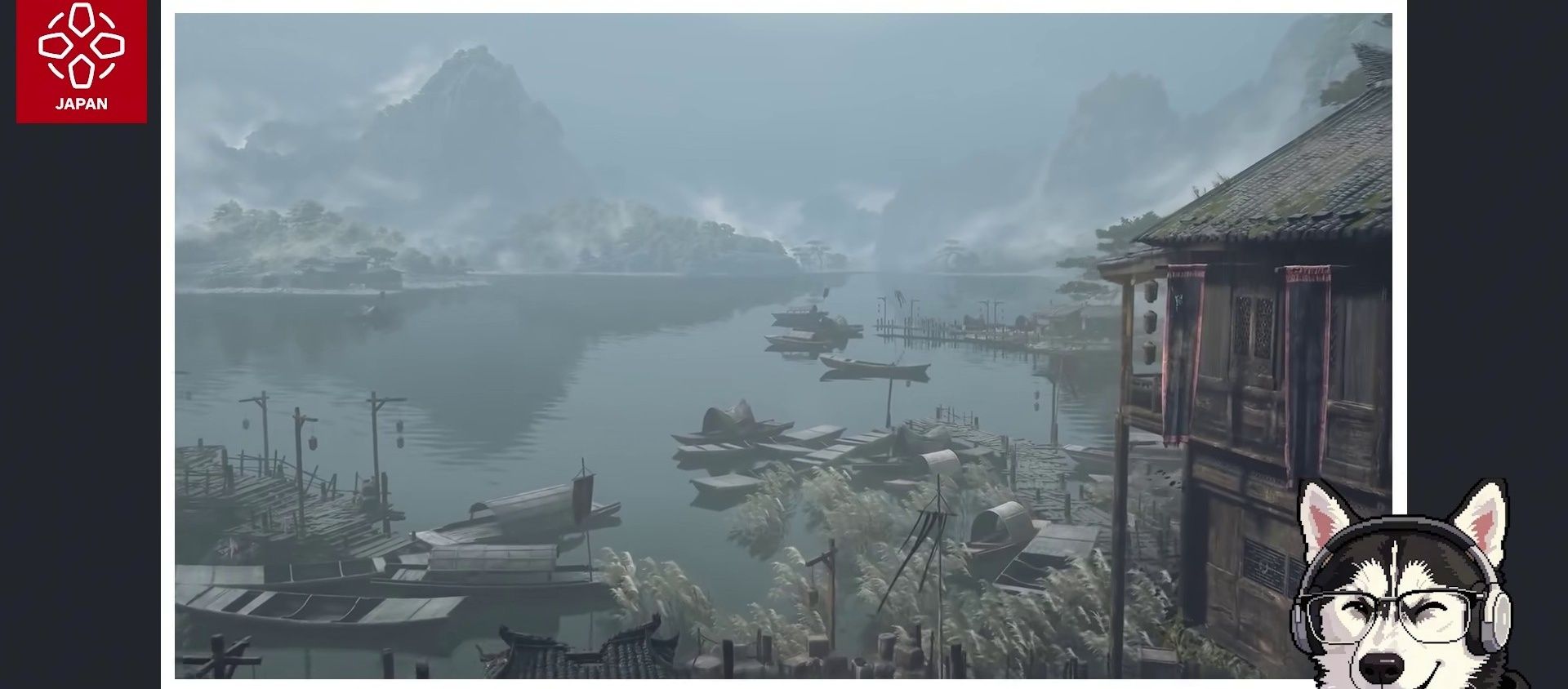
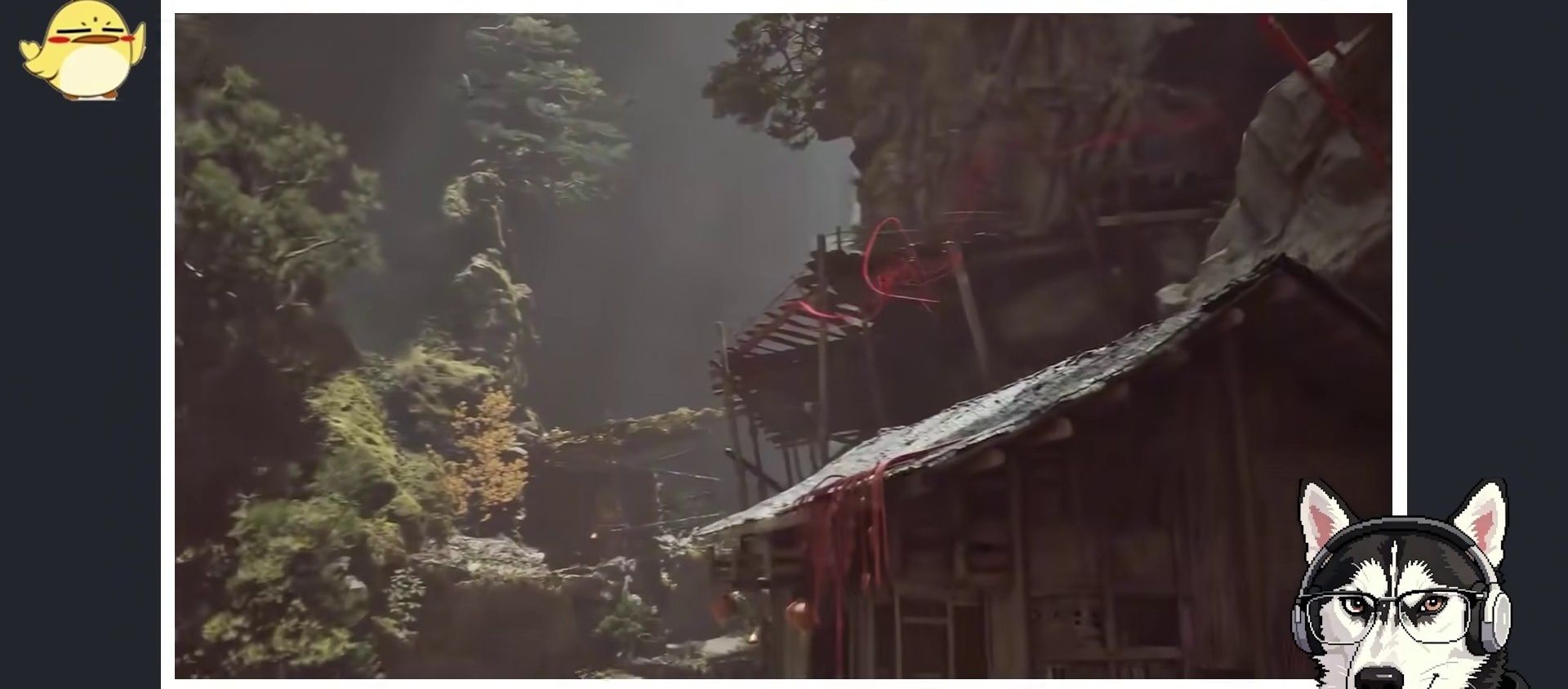
IGN Japan’s review is full of admiration in an Eastern-aesthetic vein. It twice singles out the same scenic waterside town (transliterated as “Pangzhen”), calling it impressive, much like Guilin, with green mountains and clear waters, and finds the game’s worldbuilding/lore highly captivating.
On map structure, IGN Japan offers a precise analogy: Phantom Blade Zero’s environments are interconnected like those in Dark Souls, but it is not an open world; instead, it is closer to a Castlevania-style three-dimensional diorama.
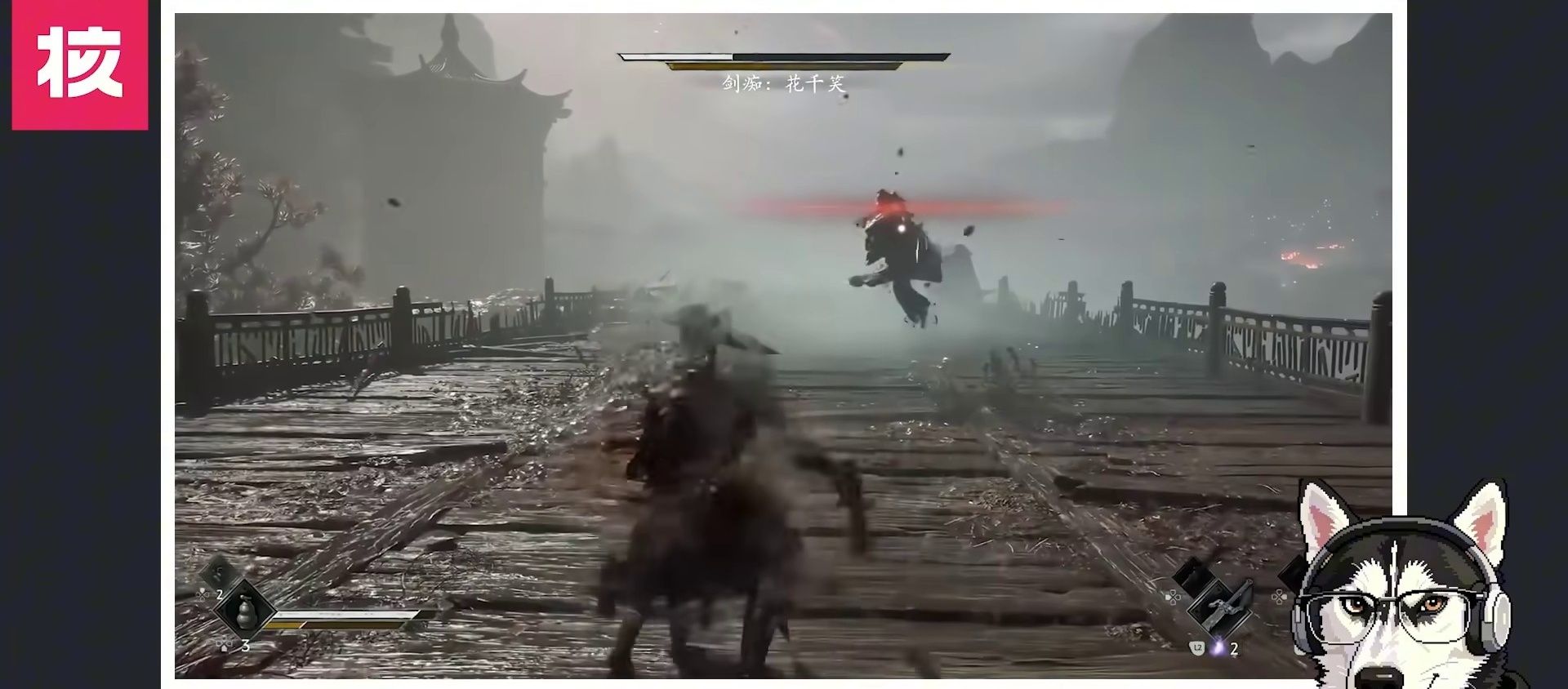
In gameplay comparisons, it argues that, compared with Onimusha, this game is more like Wo Long: Fallen Dynasty - faster-paced and featuring spectacular, flowing, nonstop Chinese martial arts action. For IGN Japan, though, the difficulty is not low, because: bosses do not just have fixed attack patterns; they also learn from the player’s actions, making combat feel more like a duel against a human opponent; players need to master a fair number of cancel techniques to create feints, otherwise they can easily be read by bosses.
One thoughtful design detail is worth mentioning: if the player falls during a boss’s second phase, the next attempt will start directly from the second phase. IGN Japan thinks this approach is excellent - it preserves the challenge while respecting the player’s time.
IGN China: A Complete Breakdown of the Pyramid Architecture, the Killing Intent Mechanic, and the Weapon Arsenal
IGN China's review leans more toward a systems breakdown, covering the game's positioning, combat design, and equipment system in the greatest depth. Here, we've compiled the key points for you.
According to IGN China, Phantom Blade Zero is built on a complete ARPG framework at its core, with an overall three-tier pyramid structure: the base layer is the ARPG foundation, the middle layer is a three-dimensional framework that draws on soulslike design principles, and the top layer is the combat design.
On the combat side, the game encourages players to take the initiative and attack - "just rush them down." The payoff from offensive pressure far outweighs defensive parries, at a ratio of roughly 7 to 3. Before an enemy attacks, the screen flashes red, signaling that a powerful attack is about to land and you need to dodge; when it flashes blue, you should block.
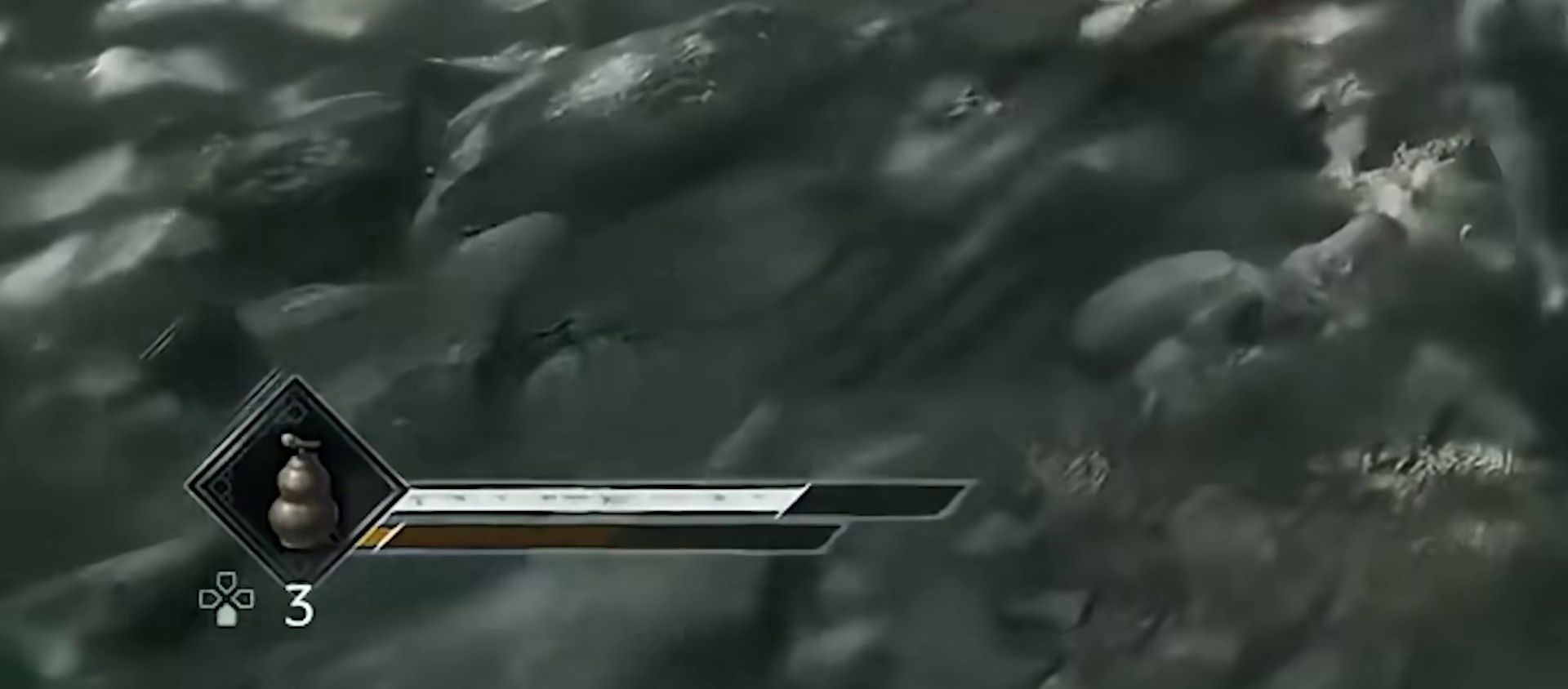
In terms of resource mechanics, the game has no stamina limit; instead, it uses a "Killing Intent" mechanic - the yellow bar beneath the health bar. Normal light and medium attacks don't consume Killing Intent, while special combos and blocking do, and Killing Intent slowly regenerates on its own over time. The moment you switch weapons, your Killing Intent is instantly refilled - effectively encouraging players to experiment with different weapons in combat.
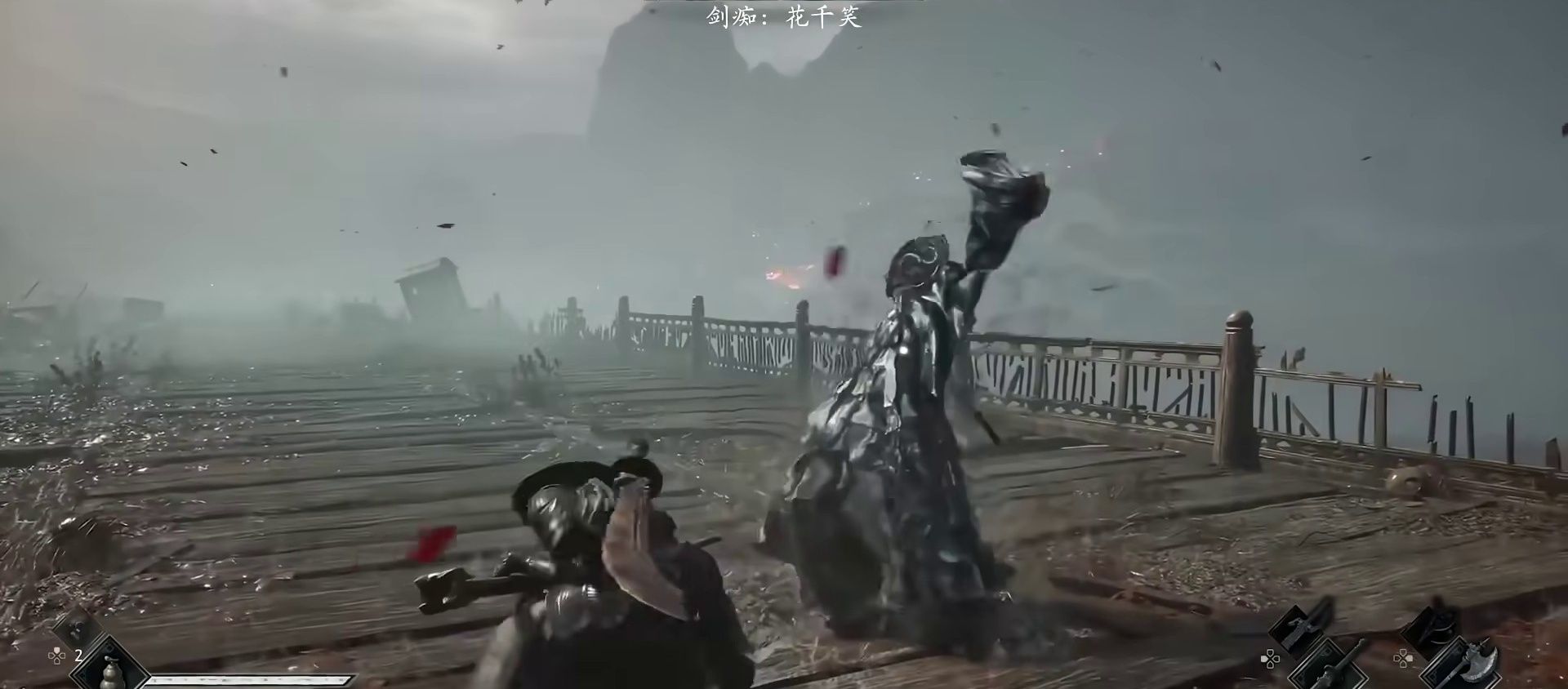
On the weapon front, the game features more than 30 main weapons, plus over 20 secondary weapons (Shadow Armaments). Beyond combat, secondary weapons can also be used for exploration: breaking through obstacles, moving to other areas, and so on. The game makes the call automatically based on the situation - as long as you own the corresponding weapon, it will be used automatically, with no need to constantly swap in the menus. Powerful weapons are often tied to powerful enemies - the stronger the weapon, the later in the game you obtain it. To account for this, the developers' design is that weapons acquired in the first playthrough carry over directly into the second, with no difficulty restrictions. As for accessories, there are 6 slots in total, with a maximum of 3 of the same type equipped at once. As you progress through the game and face enemies with varied resistances and mechanics, swapping accessories in time can effectively lower the difficulty of taking them on.
As for the Boss Rush mode players have been asking about: since many bosses are strongly tied to the story and cinematic set pieces, the game does not include a boss-rush mode. Later on, a "Trial Space"-style mode will be added, letting players challenge elite enemies and mini-bosses; the major bosses are reserved for multiple playthroughs and the highest difficulty, the "66 Days" mode.
Game Informer: The Fastest Ladder Climbing in History and Crouching Tiger, Hidden Dragon-Style Action Aesthetics
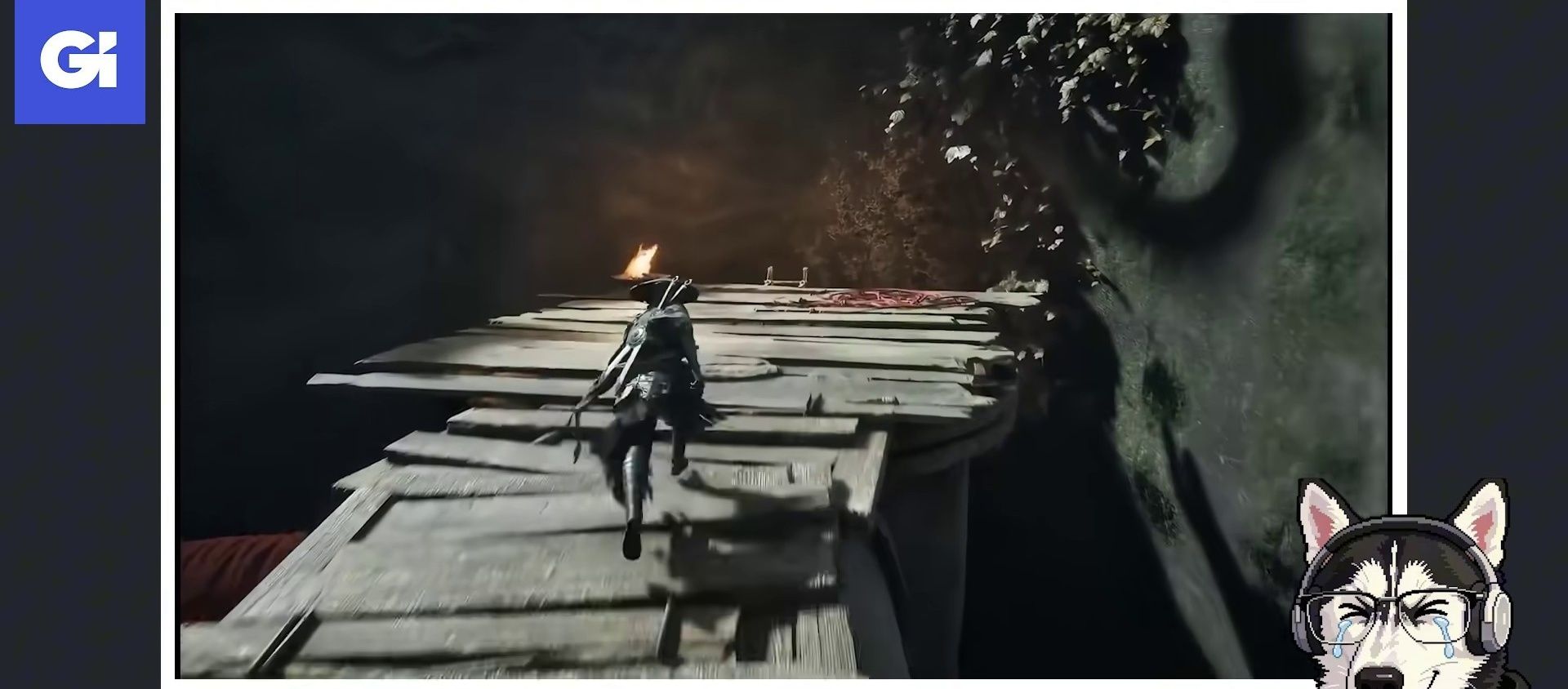
Game Informer delivered the most delightful headline of this round of embargo lifts: "Arguably the best ladder-climbing experience in video game history."
The editor noted that Phantom Blade Zero's ladder-climbing speed is the fastest they have ever controlled in a video game. Over the course of their gaming life, they have climbed thousands upon thousands of ladders, and ladder climbing has always been an odd game mechanic - usually you just push the analog stick and wait, and if you're lucky, pressing the sprint button makes it a little faster, but that's about it.
But Soul is different - it's practically Spider-Man. The speed with which it leaps onto a ladder matches how eager players are to reach the next unforgettable moment.
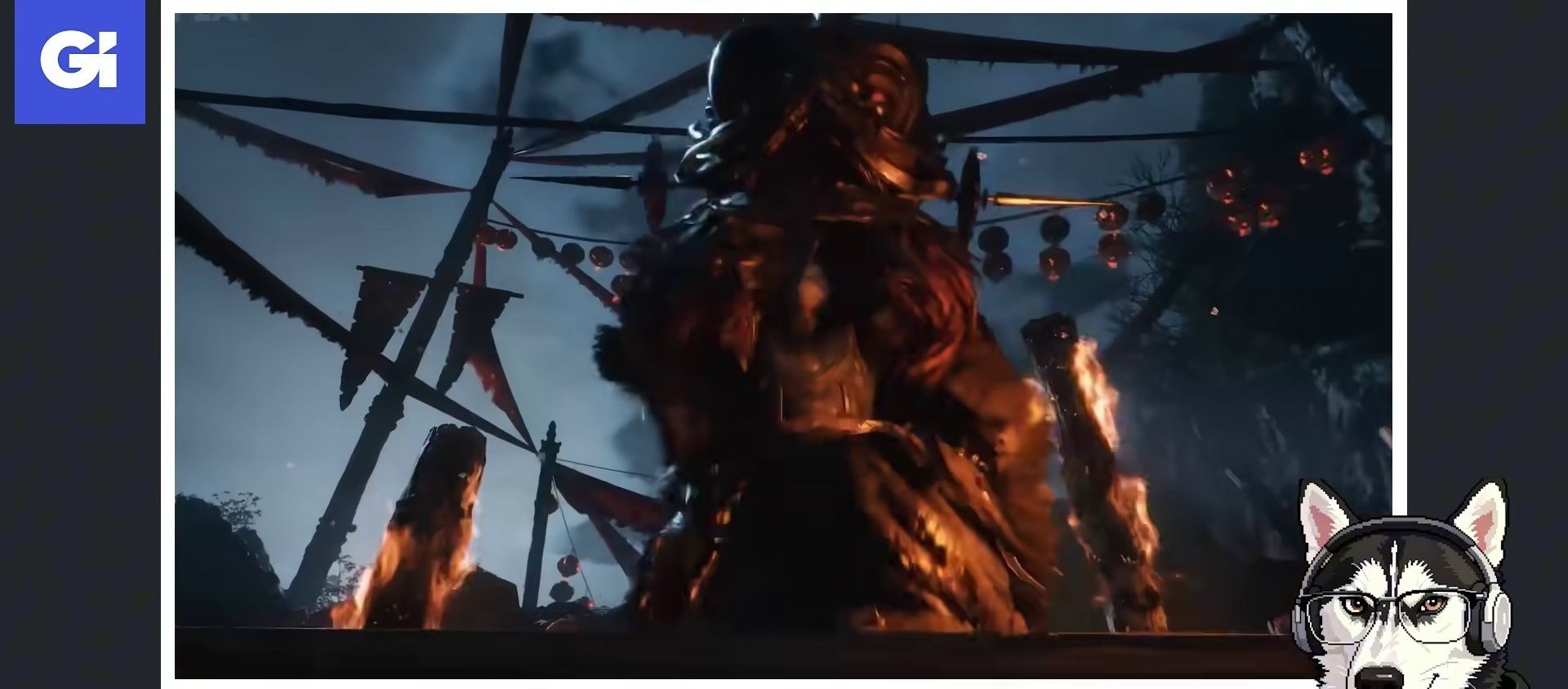
Beyond that, Game Informer felt that the game's overall fluidity lets you savor that sense of human movement from the film Crouching Tiger, Hidden Dragon - the footwork and rhythm of wuxia cinema are faithfully recreated in the game. The boss presentations left an especially deep impression: from the costumes and dance-like choreography to spectacles like "a lion moving between pillars," along with the fireball-launching animations and the overall staging, everything is packed with unexpected surprises.
GameSpot: Offense and Defense as One - Farewell to "You Slash, I Slash"
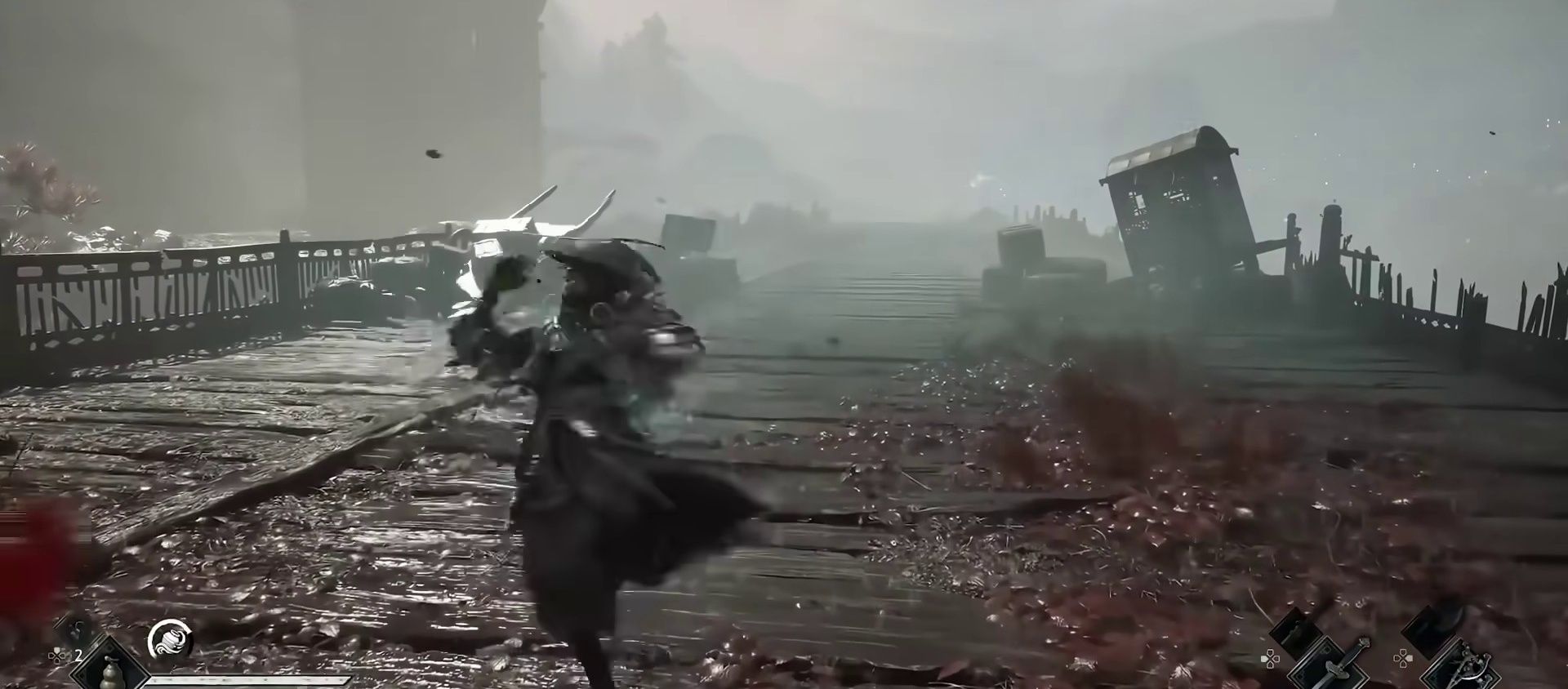
GameSpot's review title cuts straight to the game's most fundamental breakthrough: "Breaking free from long-ingrained habits and completely transforming the rhythm of combat." The outlet admits it was utterly won over from the moment it started playing: the boss designs are stunning, the soundtrack hits hard, the environments are breathtaking, and the martial arts are "a brilliant art meticulously choreographed by martial artists."
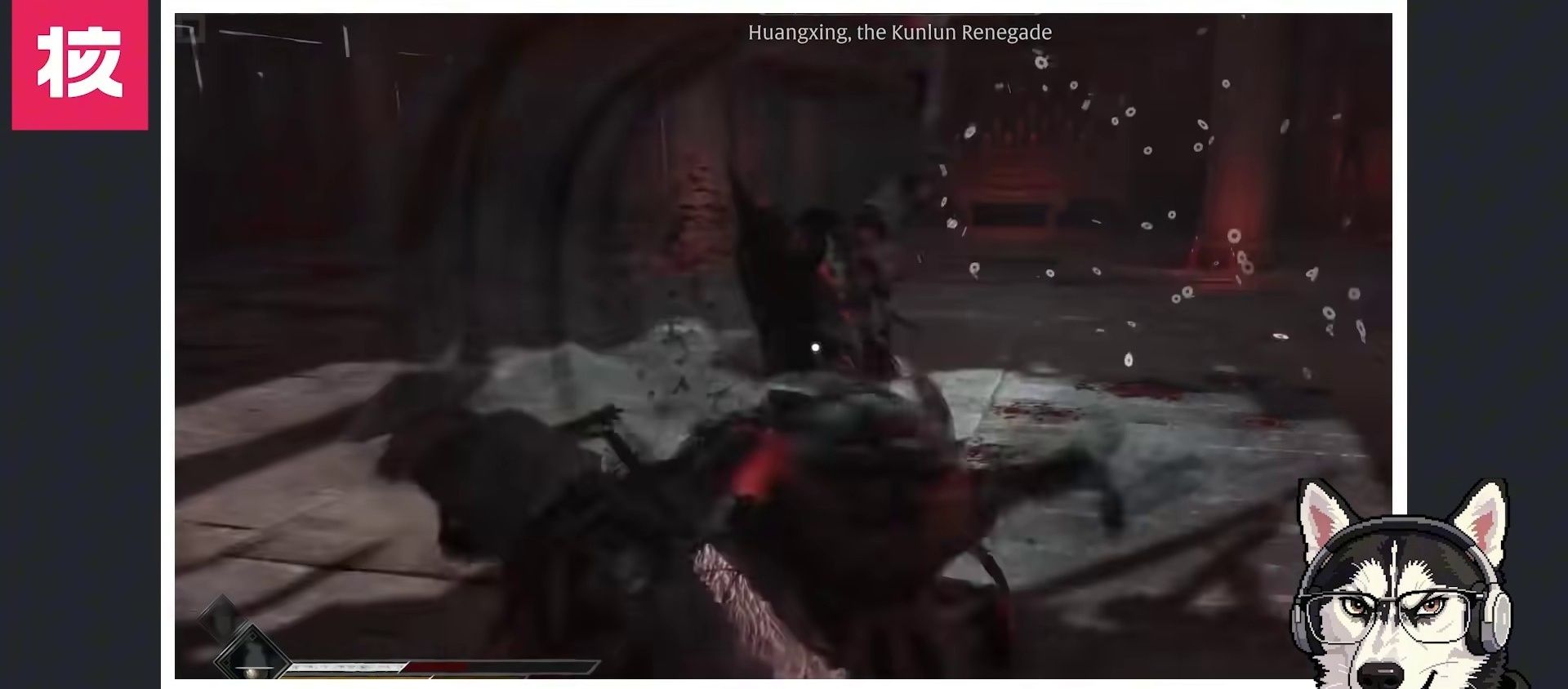
GameSpot points out that the flashing blades of wuxia are hard to carry over into games as-is, which is why most games today build combat around QTEs or a "react to each move as it comes" model: the enemy attacks, the player dodges or parries, then strikes back while the enemy is stuck in recovery frames - which is, at its core, still the turn-based mindset of "your turn, my turn." Phantom Blade Zero, however, achieves offense and defense as one, breaking free of that ingrained habit entirely.
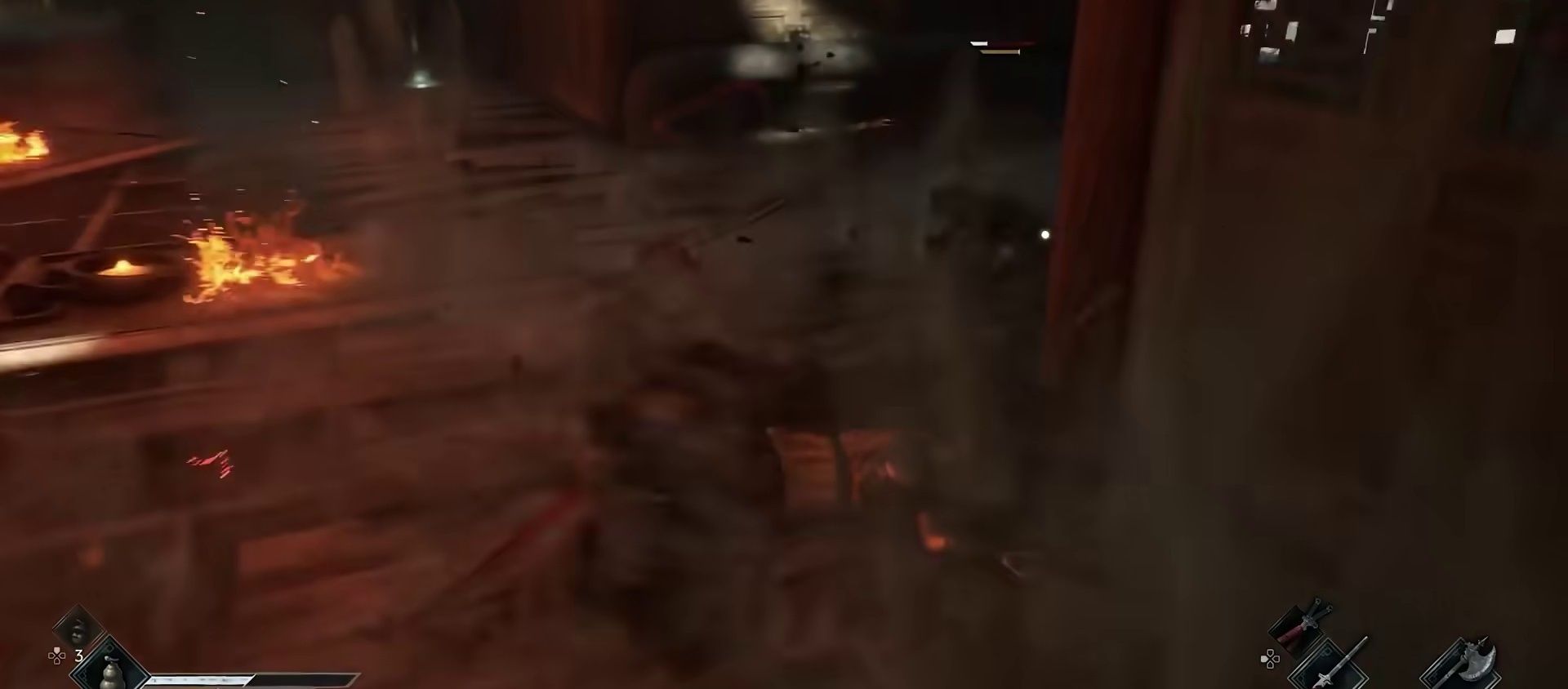
Specifically, most attacks in the game come with no uncancellable recovery: for instance, if you land a parry in the middle of a combo, you can usually flow straight into a new combo without interruption. That degree of freedom reminds the outlet of the dual-blade system in Wuchang: Fallen Feathers - except that Wuchang achieves parries and blade clashes through attacks, whereas Phantom Blade Zero takes a different route.
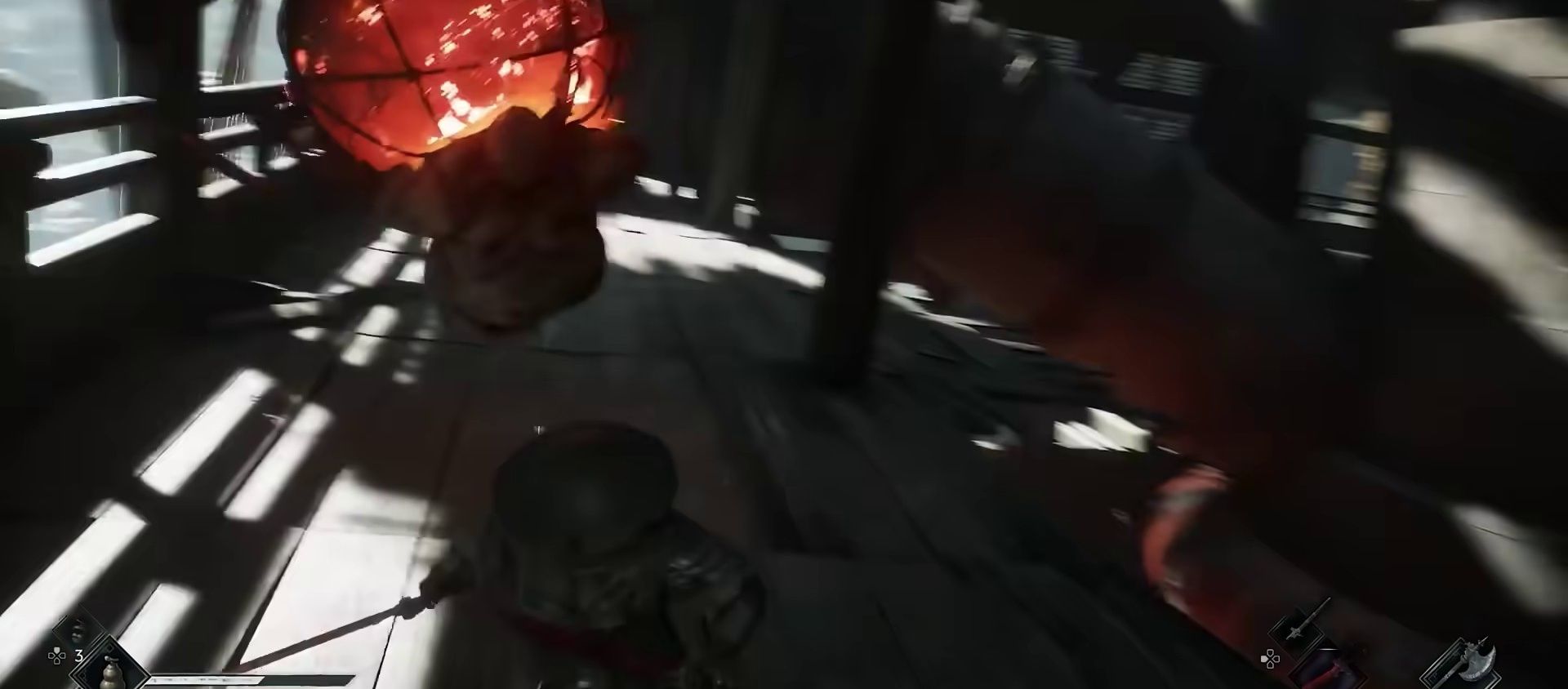
Youxi Dongli: Coolness Is the Primary Productive Force, and "Enemies Don't Respawn" Sparks Controversy
The hands-on report from domestic media outlet Youxi Dongli is more down-to-earth, and its opening line is downright absurd:
It feels like countless Liang Qiweis crawling all over my body - so satisfying, with tremendous heavy impact.
To translate: the game's combat animation details and hit feedback are solid and weighty, as if producer Liang Qiwei himself had possessed the game. Youxi Dongli said that Phantom Blade Zero exceeds expectations across the board - visuals, map design, and combat alike - and thoughtfully improves many spots that would otherwise trip players up or feel off-putting. It summed up the experience in five points:
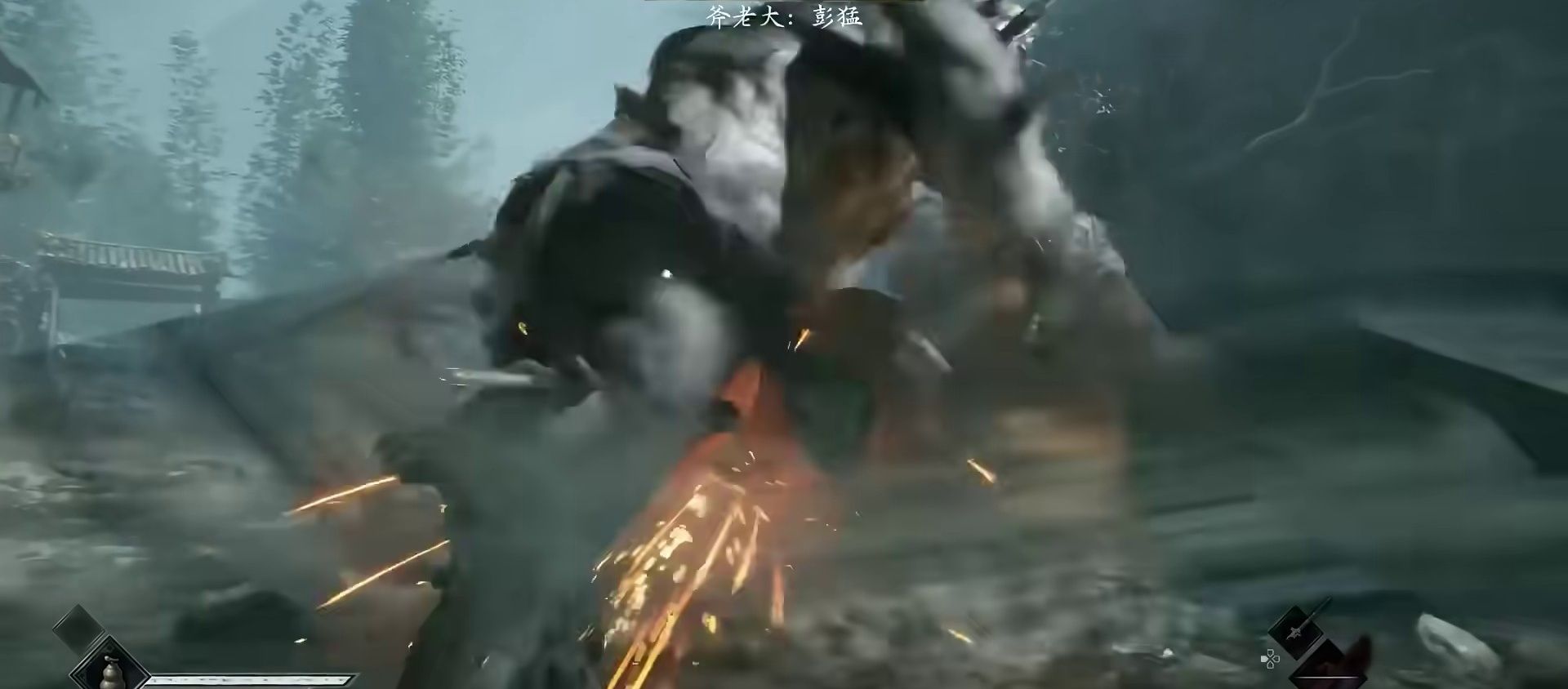
First: lenient detection, but short reaction windows. The counters to red-light and blue-light attacks are fairly forgiving - press the button and it basically registers - but the reaction window is very short, almost simultaneous with the enemy's attack itself. It's like facing that burly axe-swinging boss: the red light flashes, and the axe is basically already in your face.
Second: the weapon system. Certain weapons have their own standalone playstyles - the "Drunken Sword," for example, which turns into a ranged weapon after the player drinks - along with special designs like the mother-and-child swords. Weapons can be upgraded; stat-wise, the late-game gap isn't large, but different weapons carry different special effects and derived movesets, and in practice some weapons genuinely do feel better to use than others. The resources gained from the main story are enough to upgrade two or three weapons - players don't need to worry about resources.
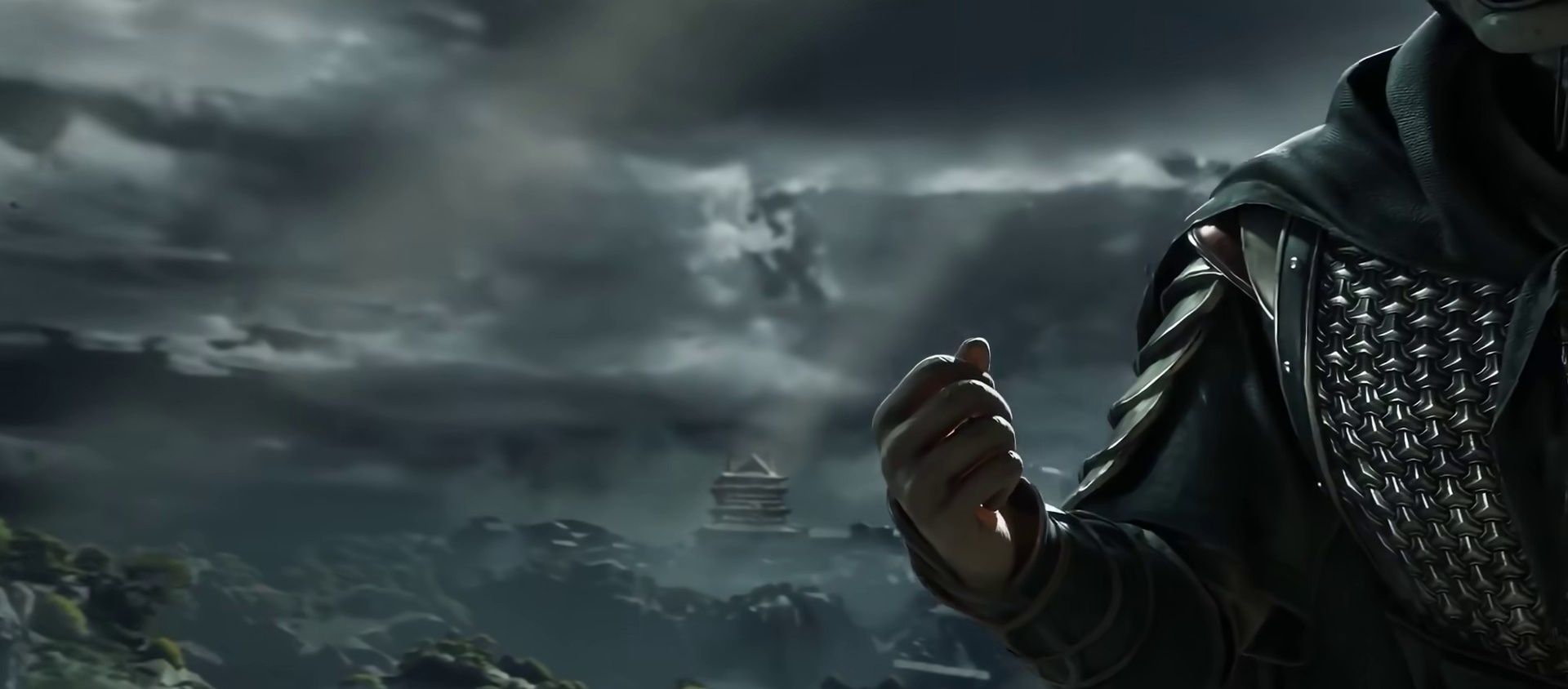
Third: it's cool. The wuxia-style presentation, the music design, and the wealth of execution animations are all awesome. After picking up a new weapon, Soul has to show off a couple of flourishes and strike a pose - a bit chuuni, maybe, but the flavor is spot-on, and it looks incredibly cool.
Fourth: clearly tiered difficulty. Easy is easy, Normal is Normal, Hard is Hard - unlike some games where even Normal difficulty has players wailing; certain side quests even affect the difficulty of main-story bosses. Overall, Phantom Blade Zero is a game with a low difficulty floor, a high ceiling, and broad appeal - it doesn't cater to any single type of player.
Fifth - and the only mechanic that sparked discussion: enemies don't respawn after death. Even after a bonfire rest at a checkpoint, enemies won't respawn. Youxi Dongli admits it doesn't quite endorse this design, but also fully understands the intent behind it. The reservation is that it may undermine some of the design value of combat encounters - in traditional soulslikes, enemies between checkpoints respawn, so players pushing through on low HP have to think about how to allocate their firepower and resources; that's a continuous, connected experience. In Phantom Blade Zero, though, because enemies don't come back, you can simply "brute-force" it: kill one, retreat to the previous checkpoint, come back and kill the next, and repeat the cycle.
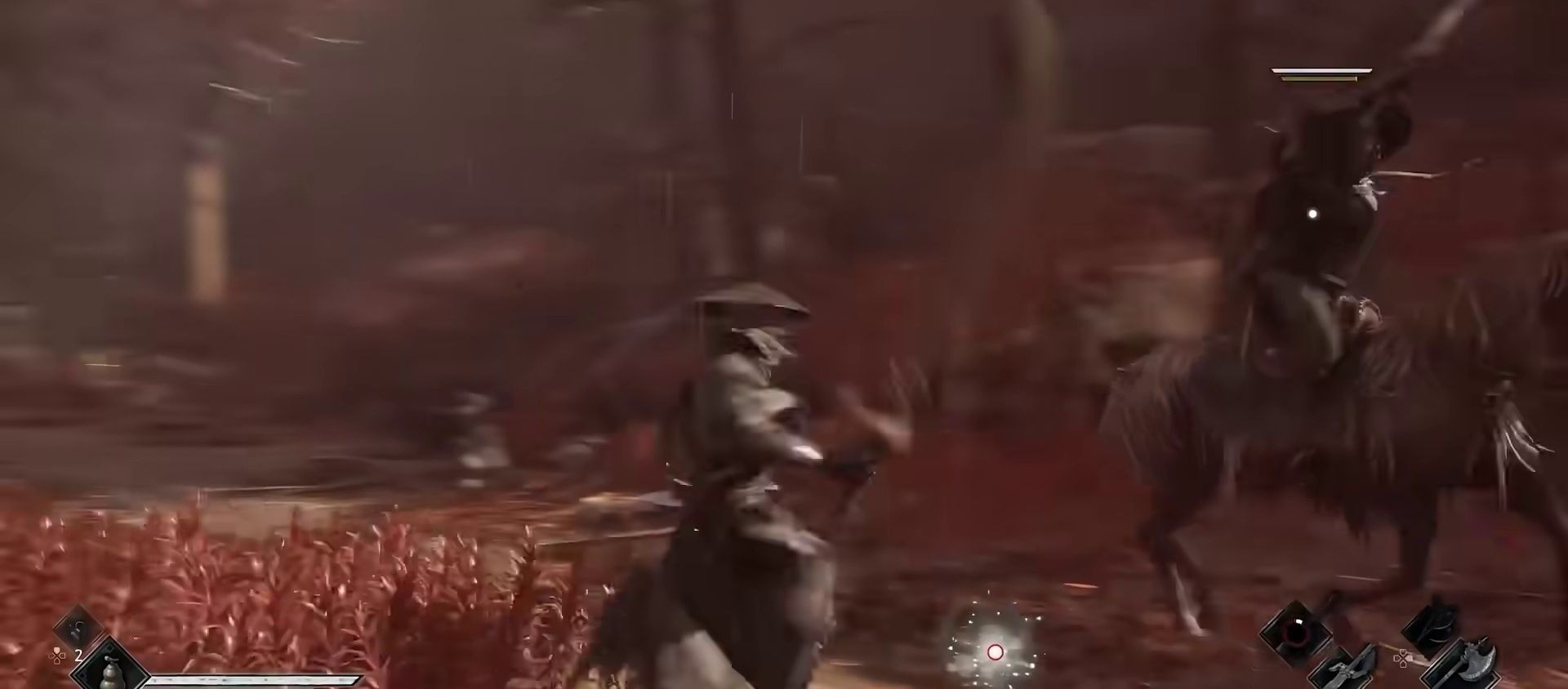
Of course, this mechanic also drastically cuts down on the fatigue of repeated enemy respawns - whether it's a net gain or a loss, we'll probably have to wait for the full release to find out.
Top Community Comments
After the review embargo lifted, the player community's response proved just as enthusiastic, with a few highly upvoted comments standing out as particularly representative:
- "I finally get it now - you literally can't play this game without buying it." (44 upvotes) - What looks like pure tautology is actually a classic formula players use to declare their must-buy resolve: without buying it, you really can't play it. The logic is airtight; the attitude, unmistakable.
- "Big Shadow Realm, IG8." (76 upvotes) - Players coined the affectionate nickname "Big Shadow Realm" from the game's world, Shadow Realm, giving it the same fond treatment Red Dead Redemption once enjoyed; the second half reads like a bet on "IGN 8 or higher," with optimism practically spilling over.
- "This game is dead on arrival! I bought it over a month ago and the player count is still 0." (67 upvotes) - A textbook case of ironic meme-posting: the game hasn't even released yet, so "0 concurrent players" technically counts as "hard evidence." It's deadpan nonsense deployed to express the anticipation that can no longer be contained on the eve of release.
From media reviews to the player comment section, a consensus is taking shape: this game is worth looking forward to - the only question is how much longer the wait will be.
📌 One-Line Takeaway
Global media have been nearly unanimous in calling it "far beyond expectations," allowing Phantom Blade Zero to lock in its place as 2026's most anticipated action game well ahead of time - the smoothest combat since Sekiro, a wuxia aesthetic that fuses offense and defense into one, and never-before-seen environment design all count in its favor. The only remaining questions are how well-optimized the final release turns out to be and how it ultimately performs on PS5.