Phantom Blade Zero: After Six Hours of Hands-On Play, Why It Deserves a Spot Among 2026's Most Anticipated Action Games
Action game players are getting harder and harder to please. High-difficulty bosses, millisecond-level reaction windows, and relentless combo strings have turned pure, cathartic exhilaration into a scarce experience. That's precisely why, when Phantom Blade Zero first debuted, it didn't necessarily set everyone's pulse racing - there are simply too many action games out there about swinging blades and cutting down monsters. But once you truly step into the world built by S-GAME, it takes only about five minutes for the difference to seep out from the blade: smooth, ruthless, and gorgeous, with an almost unreasonable Chinese-style "metallic feel." After completing roughly six hours of the opening stretch of the adventure, it has quietly earned a place on the "most anticipated games of 2026" list.
1. A Striking Opening Salvo: It Carves "Metal" Into Its Very Bones
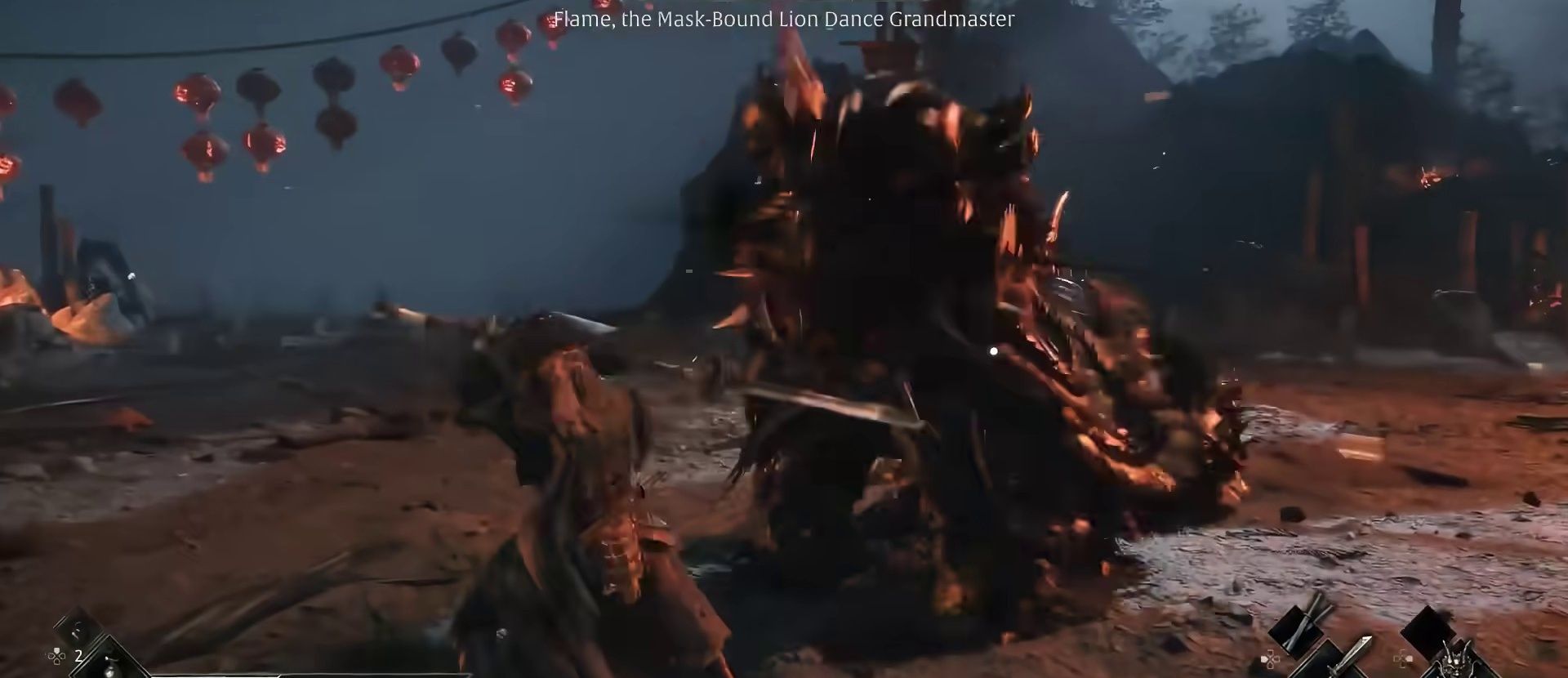
What's most impressive about Phantom Blade Zero is that it oozes style virtually nonstop. The character played by Donnie Yen can balance a baby on his blade while fending off swarms of enemies; a boss fight drags you into a frenzied showdown revolving around the lion dance, even letting you ultimately transform into the kind of majestic lion you'd normally only see at a Chinatown New Year celebration. Not long after the opening, the player must also choose which heart to inherit from an eerie specter - and from that moment on, the game makes itself unmistakably clear: this is no tepid wuxia, but a dark jianghu with the metal cranked all the way up.
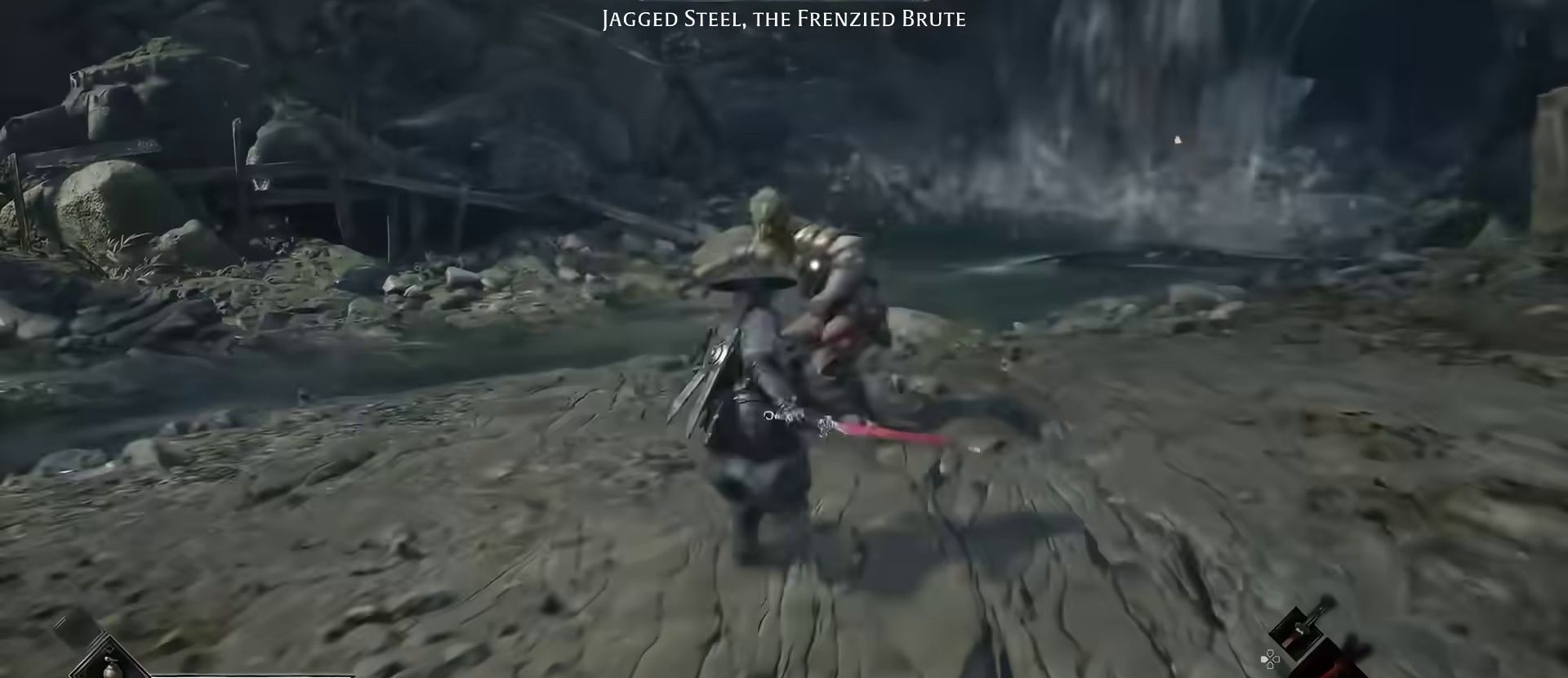
In an era where "a sword-wielding grandmaster protagonist slaying monsters" has all but become an industry default, standing out is no easy feat. Phantom Blade Zero's cleverness lies in refusing to confine its style to cutscenes; instead, it weaves spectacle, folklore, horror, and action design into every single level. It's remarkably hard to play for even half an hour straight without running into an idea you've never seen before.
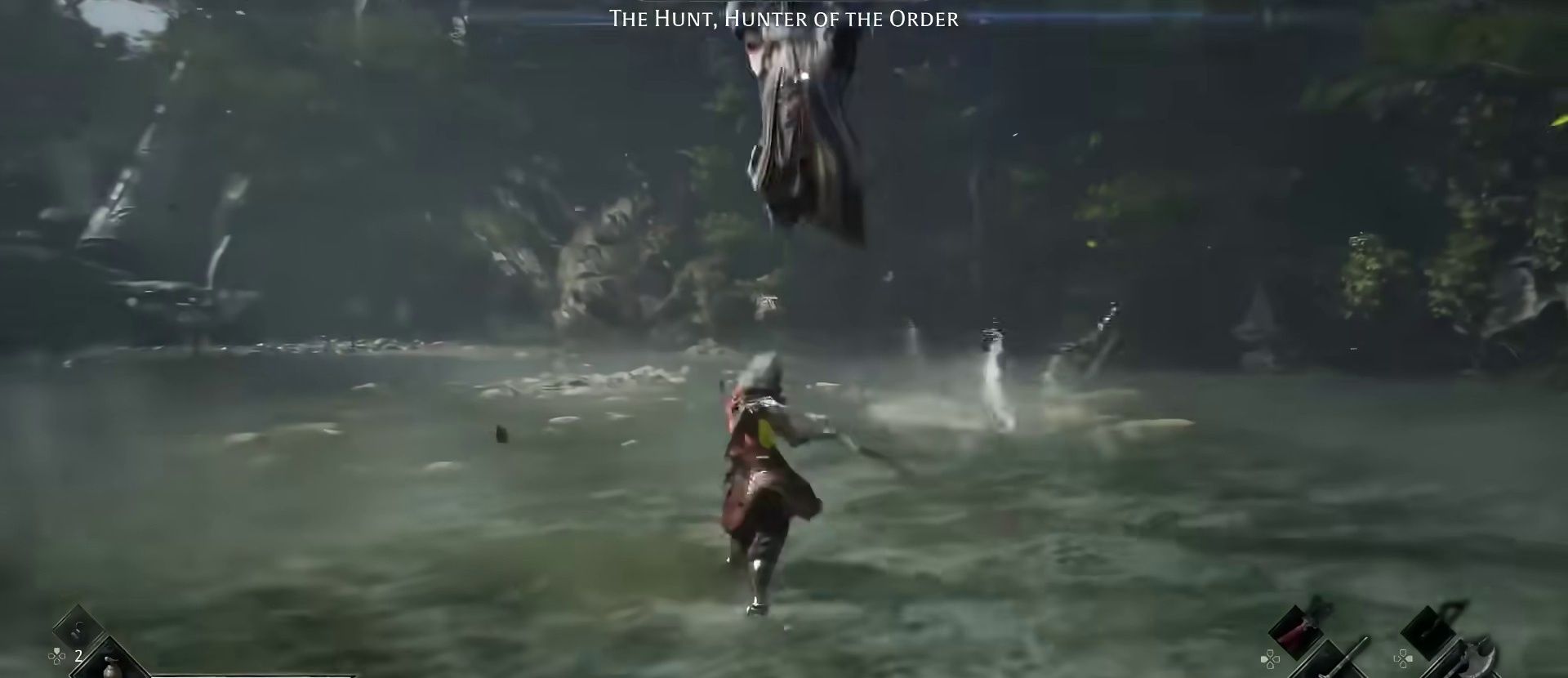
And this density doesn't breed fatigue - it delivers a constant stream of freshness. It's not like certain action games that cram all their most jaw-dropping set pieces into the trailer; on the contrary, once you actually get your hands on it, the surprises just keep coming one after another.
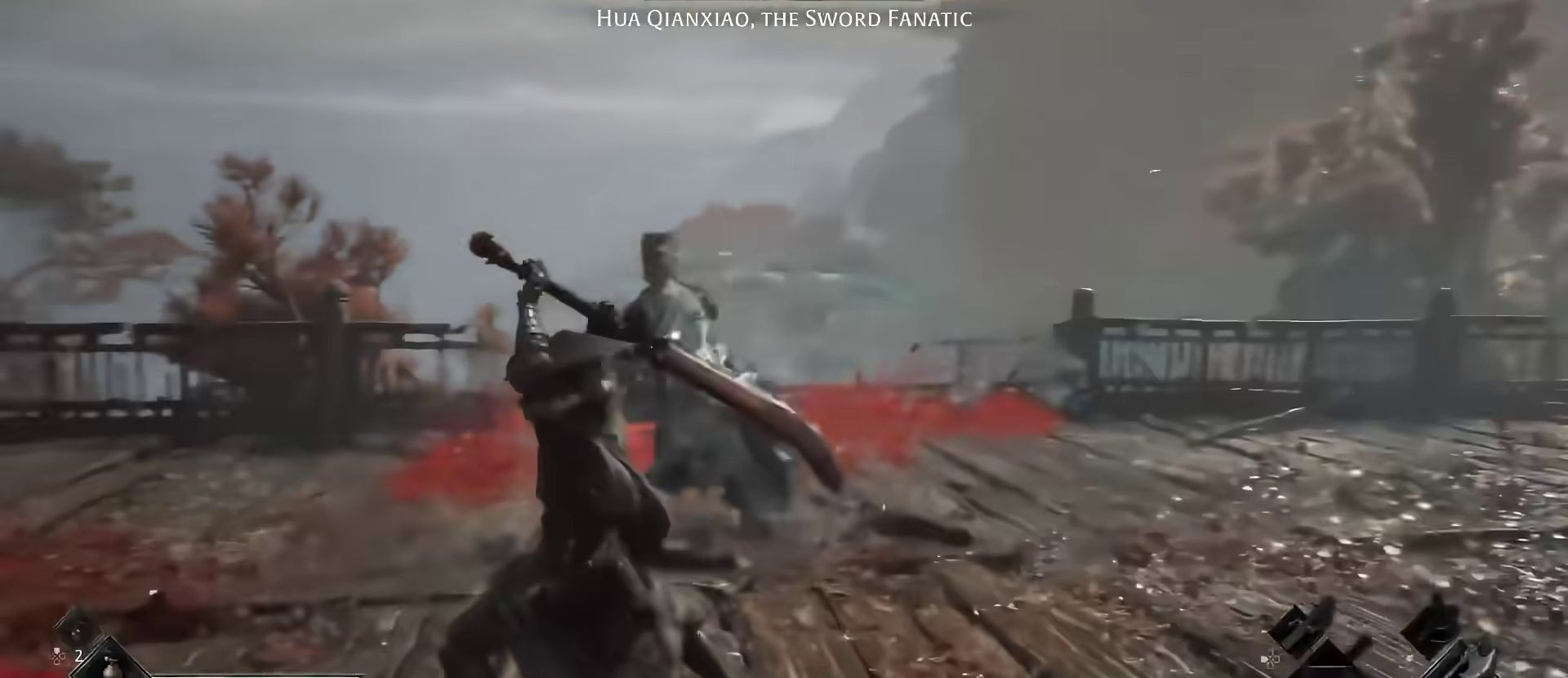
Truly sophisticated style isn't about telling the player "I'm cool" - it's about making the player feel irreplaceably cool after every button press.
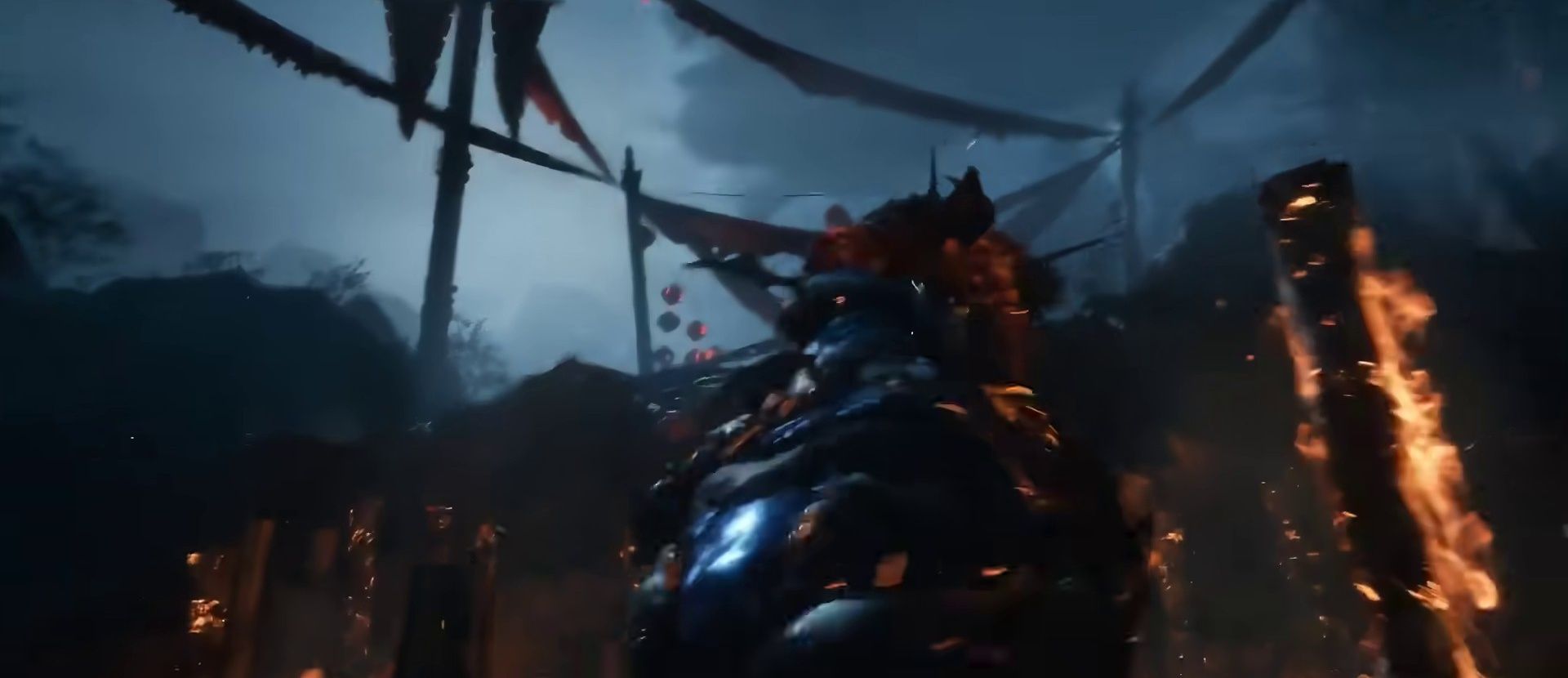
II. Combat Is the True Star: Every Second Feels Like Playing the "Blade Protagonist"
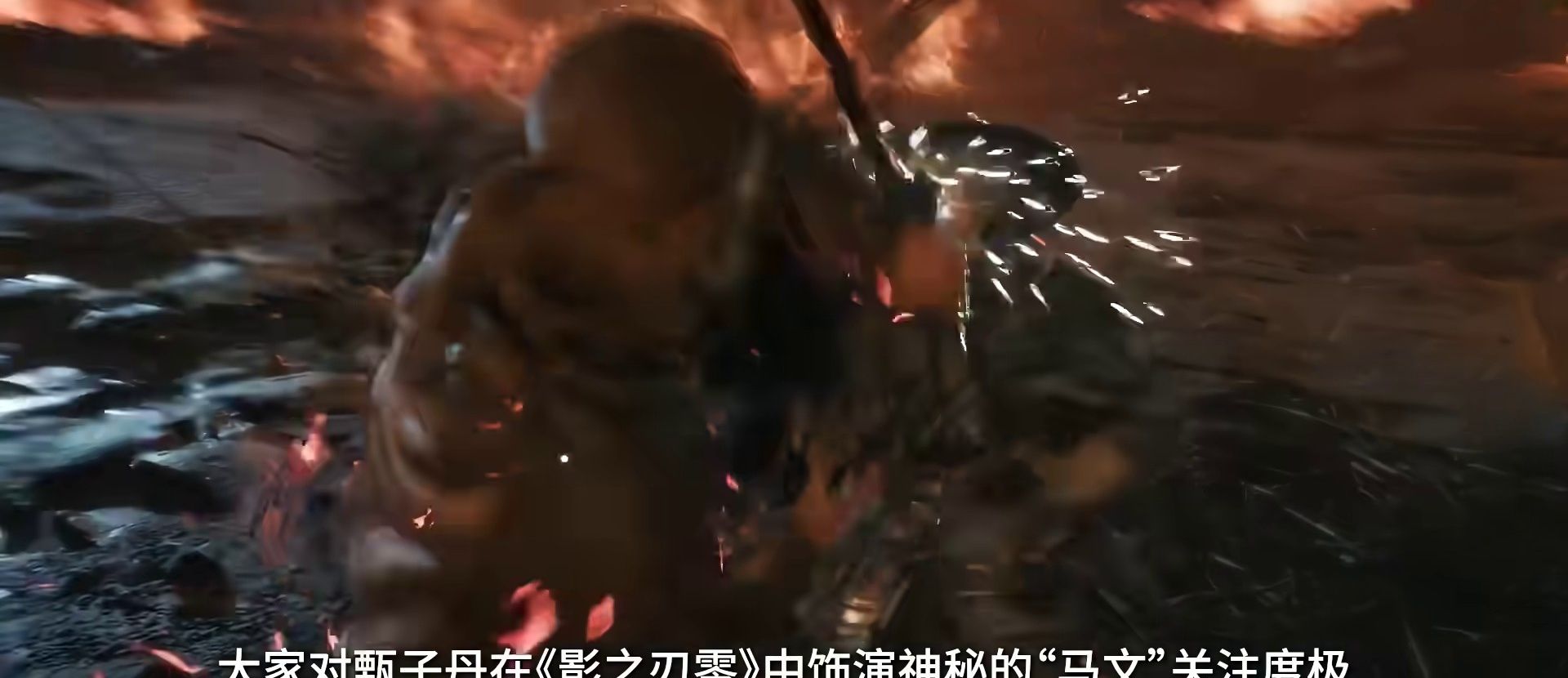
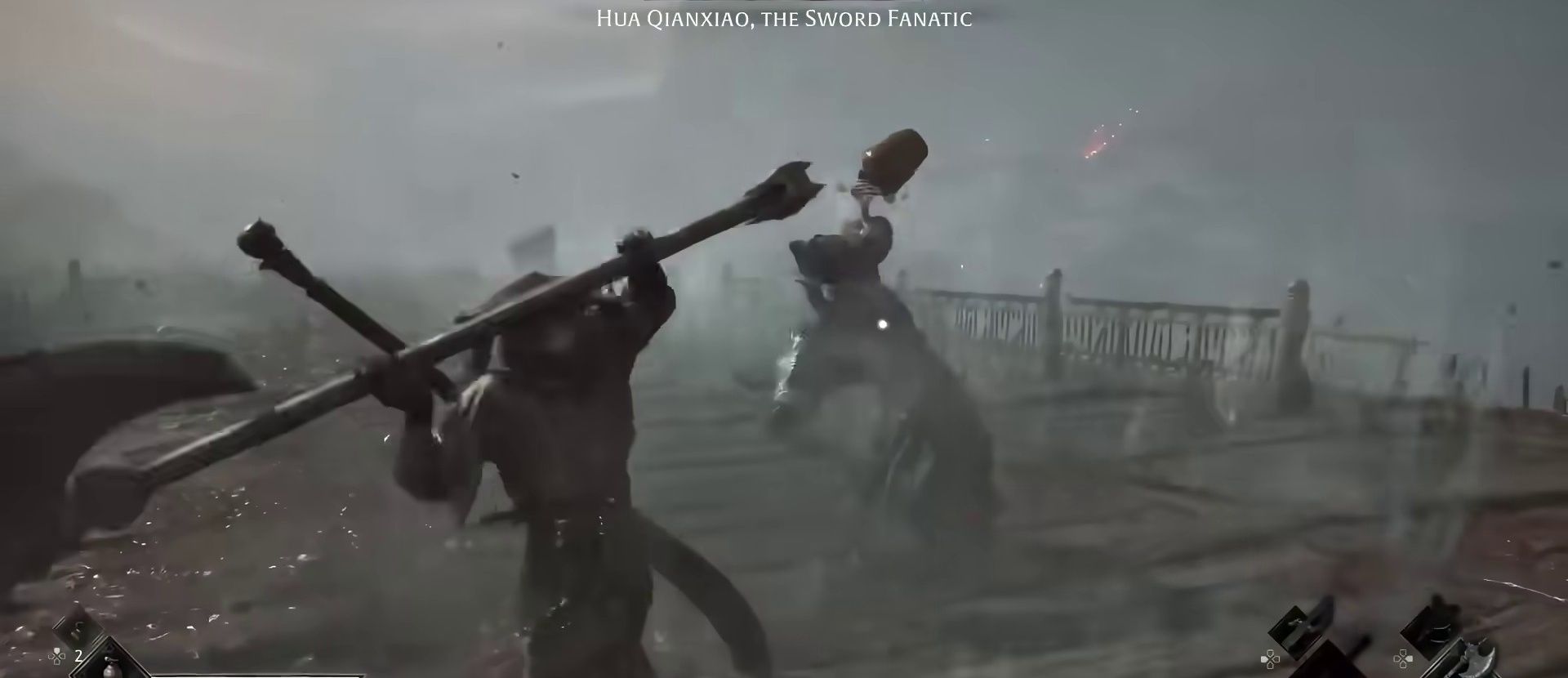
If art and presentation are the outer garment of Phantom Blade Zero, then combat is its undisputed heart. Across the entire hands-on demo, there was hardly a single second where you didn't feel like a stone-cold badass. You can fend off pursuers atop a speeding carriage, blocking incoming gunfire with your sword; you can chain parries to break an enemy's stance, then finish them off with a savagely brutal execution; and when caught between two attackers, you can unleash a double kick so over-the-top it defies reason, sending enemies on both sides flying at once.
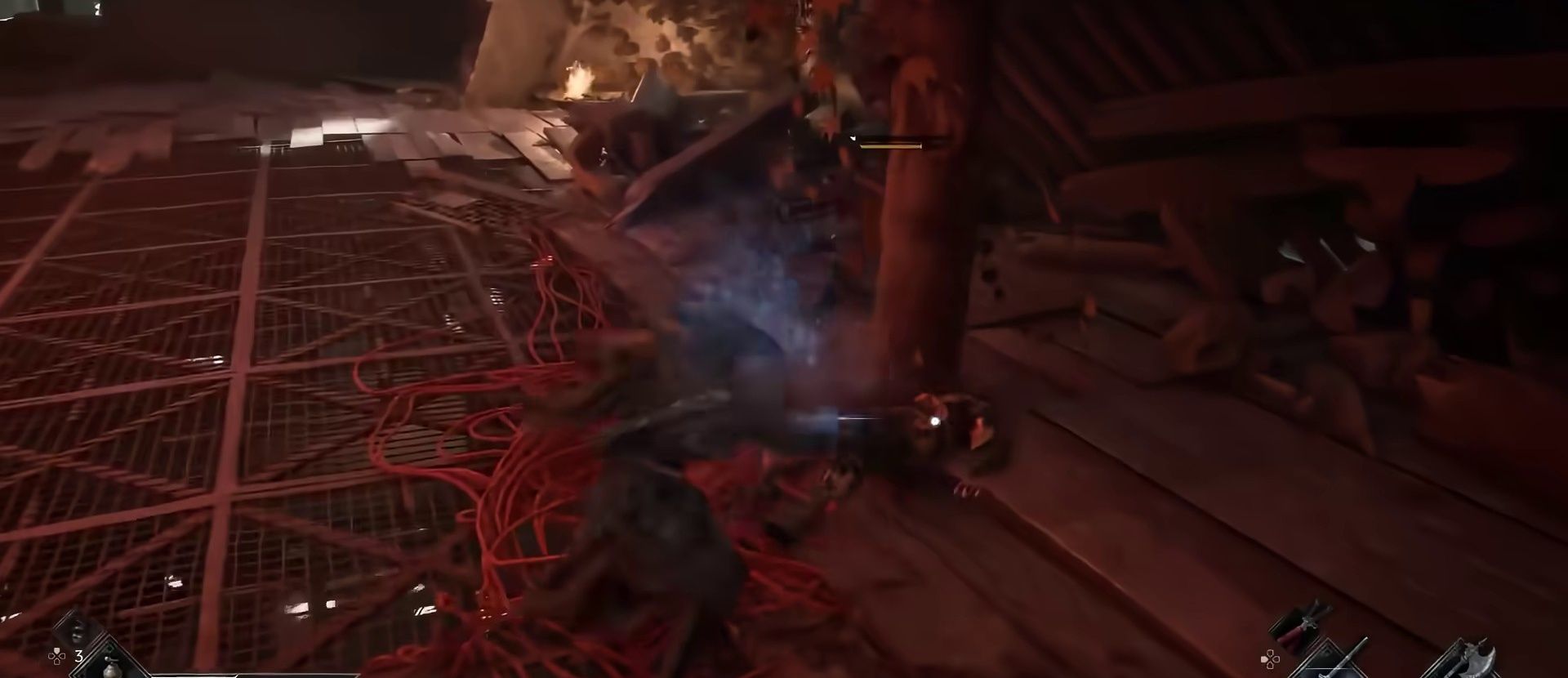
These moves are not isolated flourishes - they are strung together by an exceptionally smooth parry-and-combo system. You'll be astonished to discover just how many wild maneuvers you can pull off: parrying three throwing knives in a row, then flowing into an attack that launches you into a flip, spinning through the air, and scattering the surrounding enemies before you even land. The enemies are by no means pushovers, yet Phantom Blade Zero has a knack for making you feel that the sequence you just executed is something only you, in the entire world, could have pulled off.
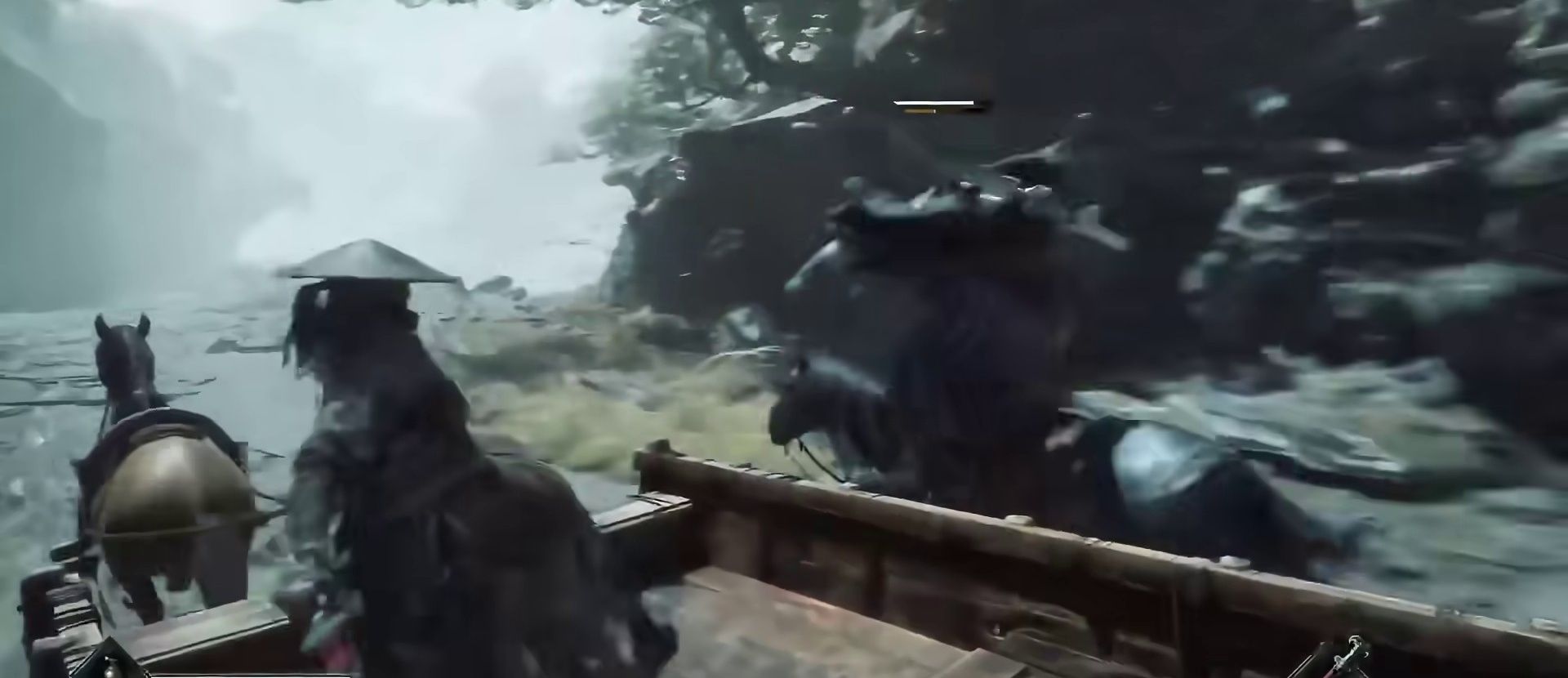
For discerning action game players, whether the parry window is precise and whether attack feedback feels solid often determines how far a game can go. Phantom Blade Zero handles those nearly indescribable micro-details with impressive finesse, making combat both exhilarating and durable enough to withstand repeated dissection.
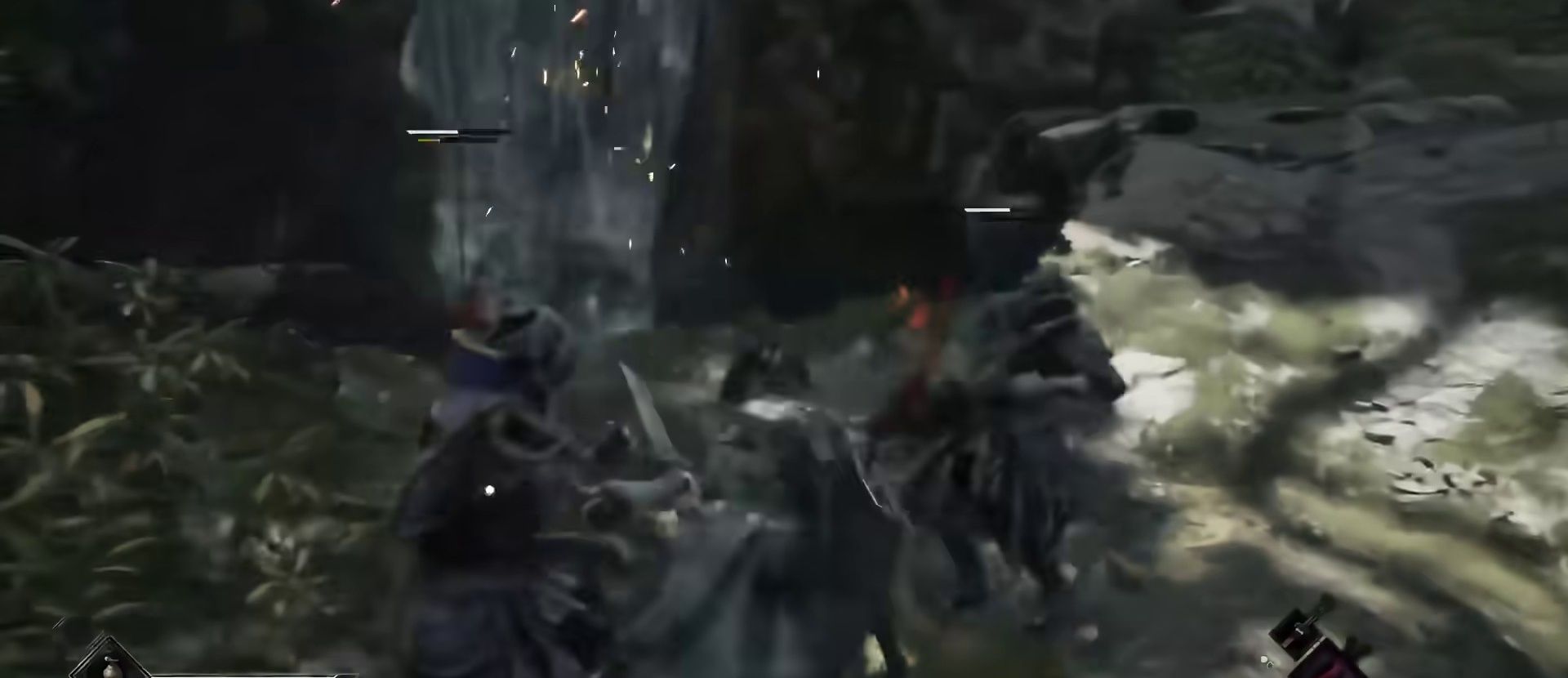
It doesn't just make you "look" like a master - through game feel, rhythm, and feedback, it makes you genuinely believe that you are that master.
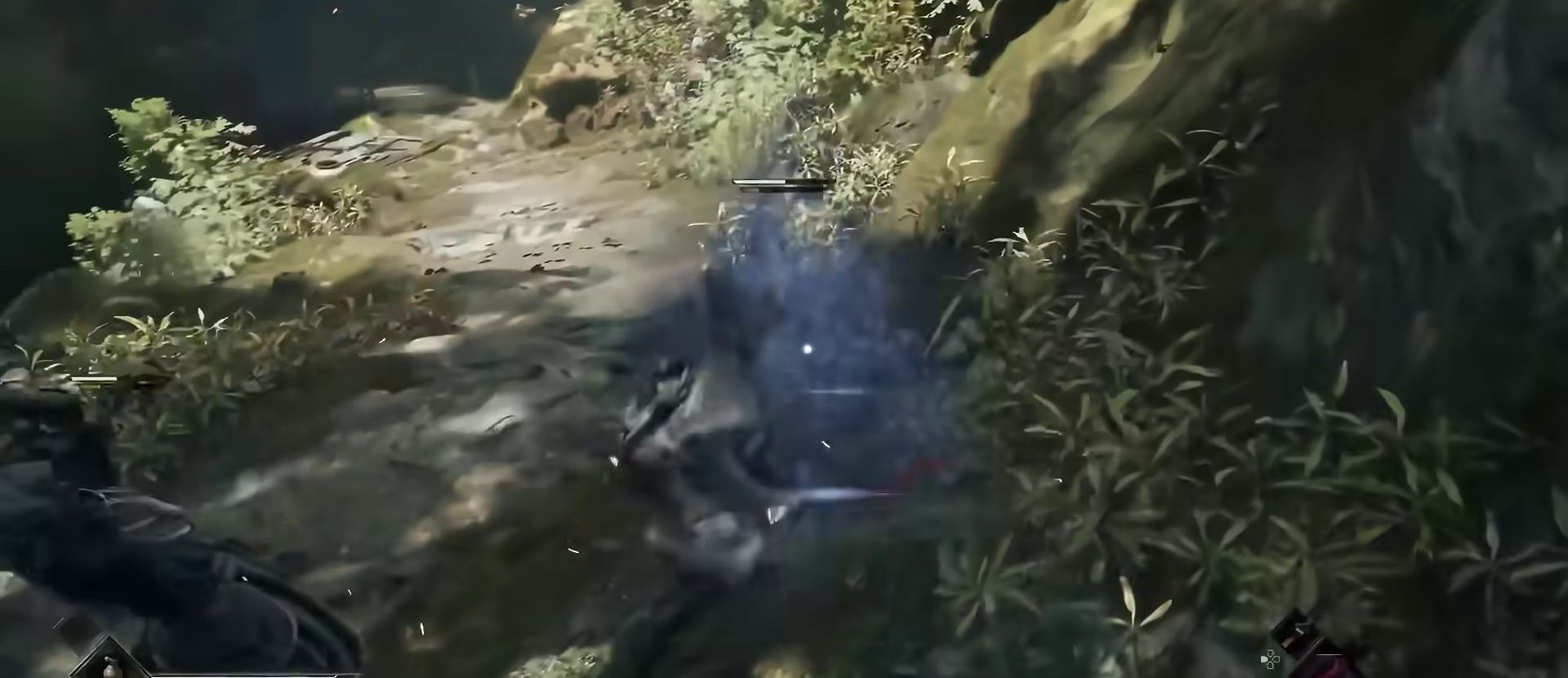
III. Parry and Execution: Going Beyond "It's Like Sekiro"
"The smoothest, most satisfying action experience since Sekiro" - praise that heavy might sound like hyperbole, but Phantom Blade Zero has the substance to back it up. Its parry mechanics, attack combos, and enemy feedback come together to form a combat loop with a striking sense of rhythm: observe, dismantle, break the guard, execute. Every successful parry feels like snatching back half a beat on the edge of a blade, and every execution releases all that pent-up tension in a single burst.
The game understands exactly how to reward player focus. Chained parries rapidly shatter an enemy's defense, and the finisher that triggers afterward is not only brutal but carries a powerful sense of stagecraft. It isn't content with letting players simply "win" - it wants them to win beautifully, and to win with style.
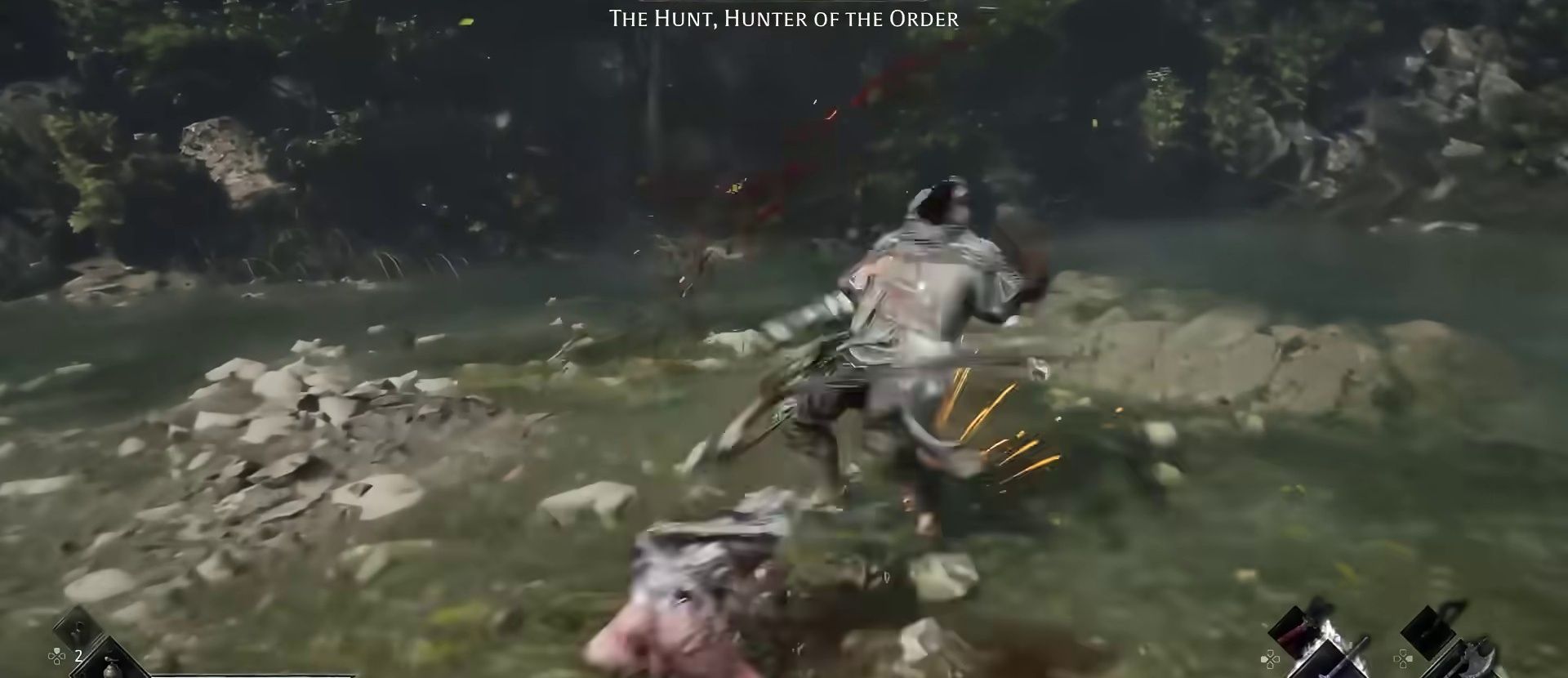
What's even more remarkable is that none of this exhilaration comes at the expense of precision. The parry window, attack range, and the balance between action cancels and recovery frames have all been meticulously tuned. It has the swagger of a high-speed action game, yet retains the rigor that a hardcore action game demands.
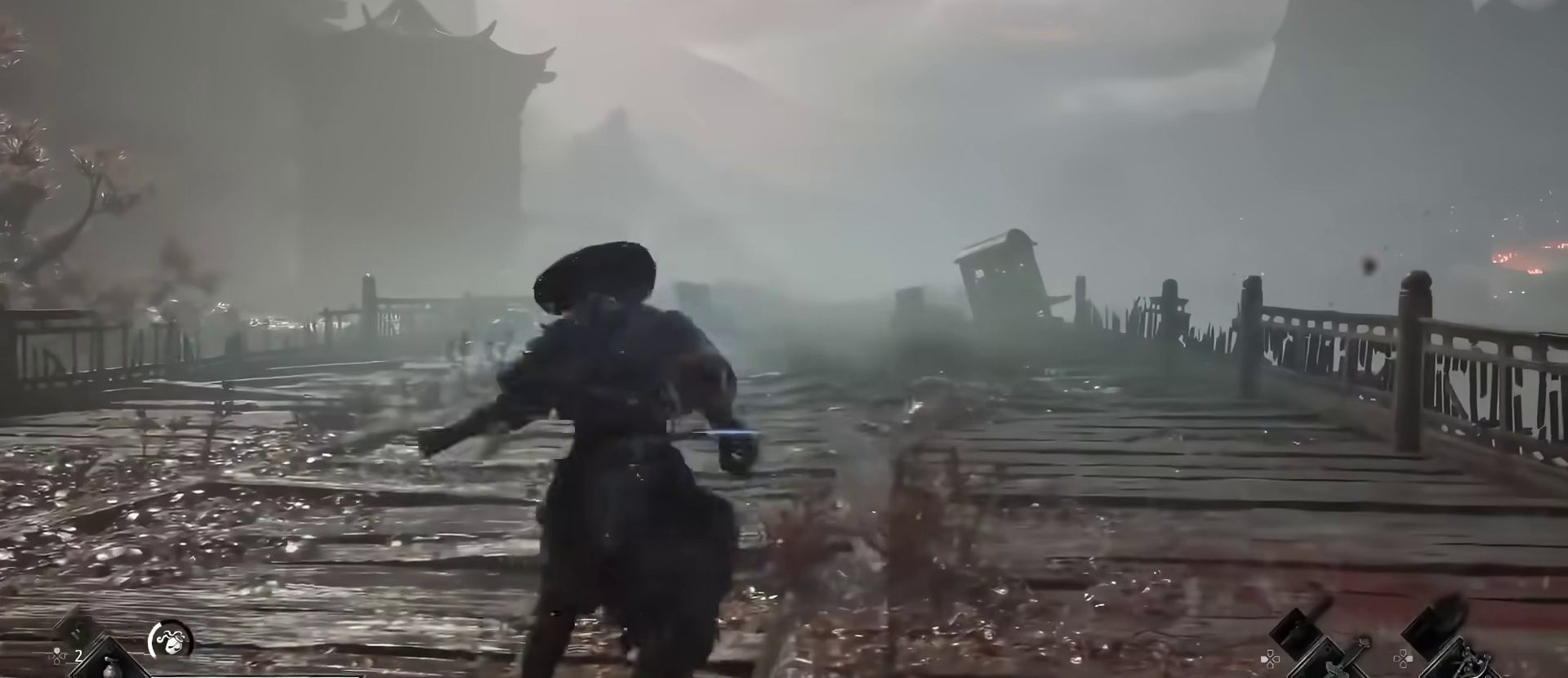
When parrying is no longer just a form of defense but a language of offense, combat becomes a blade-to-blade dialogue between player and enemy.
IV. The Weapon Is the Style: Great Blade, Drunken Fist, and Flying Sword - Each with Its Own Brand of Madness
Phantom Blade Zero's weapon system is the key to keeping its combat compelling over the long haul. Every melee weapon we encountered in the demo carried a strong sense of being "custom-built" rather than simply reskinned. Take a massive two-handed weapon, for example: its staggering damage output is enough to cleave a bloody path straight through encounter after encounter. Or take the Drunken Fist style you unlock after defeating a Drunken Fist grandmaster - your body sways and reels, your footwork defies prediction, and you can even manipulate your blade in flying-sword fashion, launching it through the air as a ranged weapon.
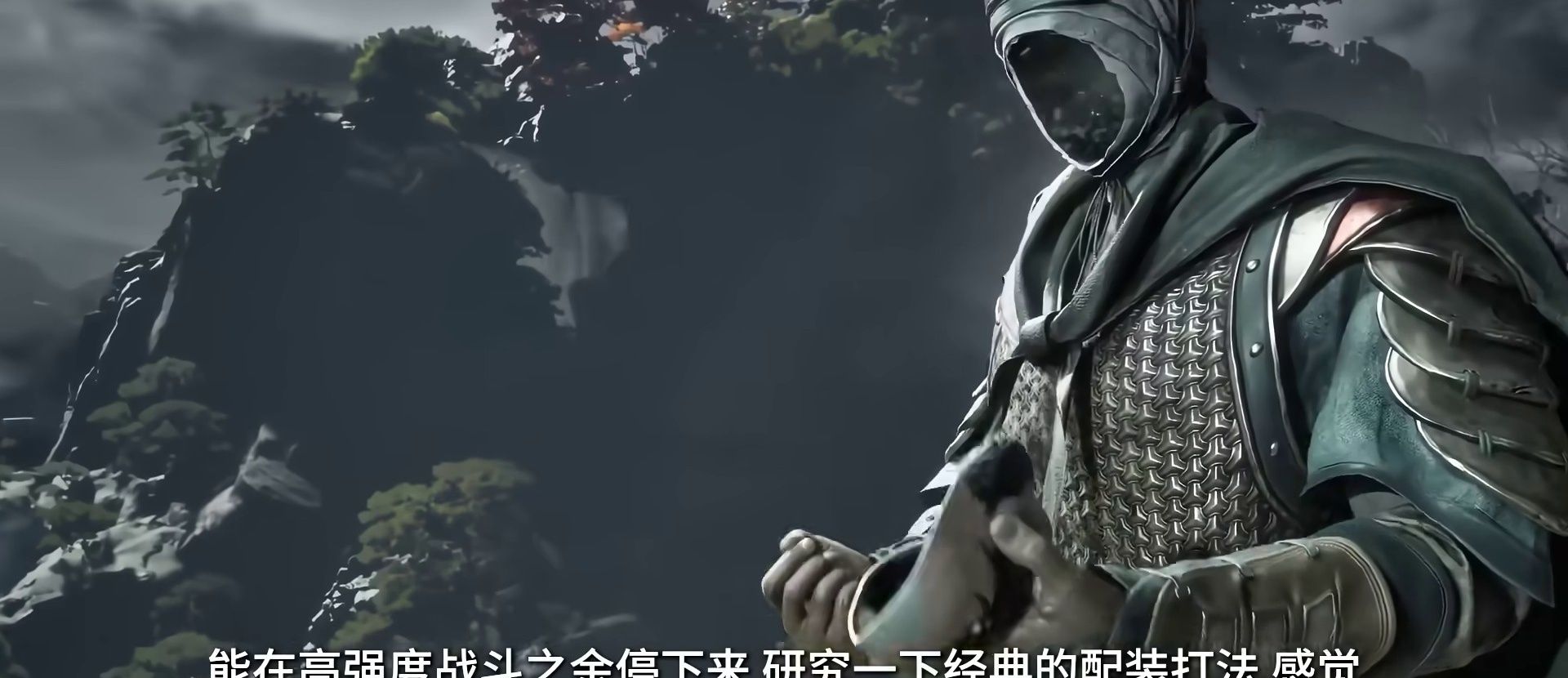
The differences between these weapons are stark enough that players need to invest serious time readjusting. Every weapon swap means relearning combos, spacing, strengths and weaknesses, and combat rhythm. Yet this very process of "relearning" becomes the fun in its own right - and it keeps the hundredth grunt in a row from feeling like mere mechanical repetition.
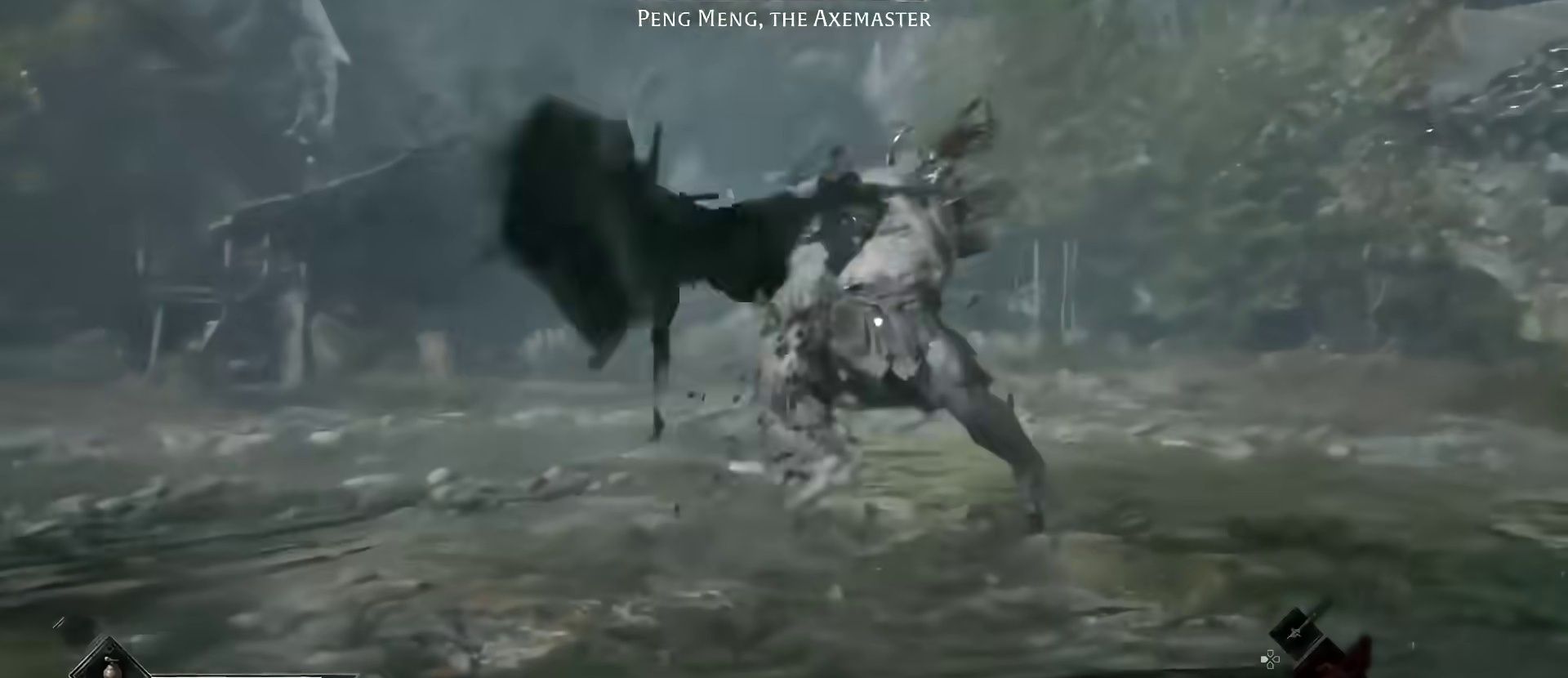
More importantly, weapons aren't just stat sticks - they're an extension of combat expression. The great blade embodies overwhelming pressure, Drunken Fist embodies cunning unpredictability, and the flying sword embodies ethereal grace. Together, they carry the weight of Phantom Blade Zero's ambition: that every weapon can speak with a martial personality of its own.
A good action game makes players stronger; a better one lets them become strong all over again - in a whole new way.
5. Progression and Exploration: Something New Every Half Hour
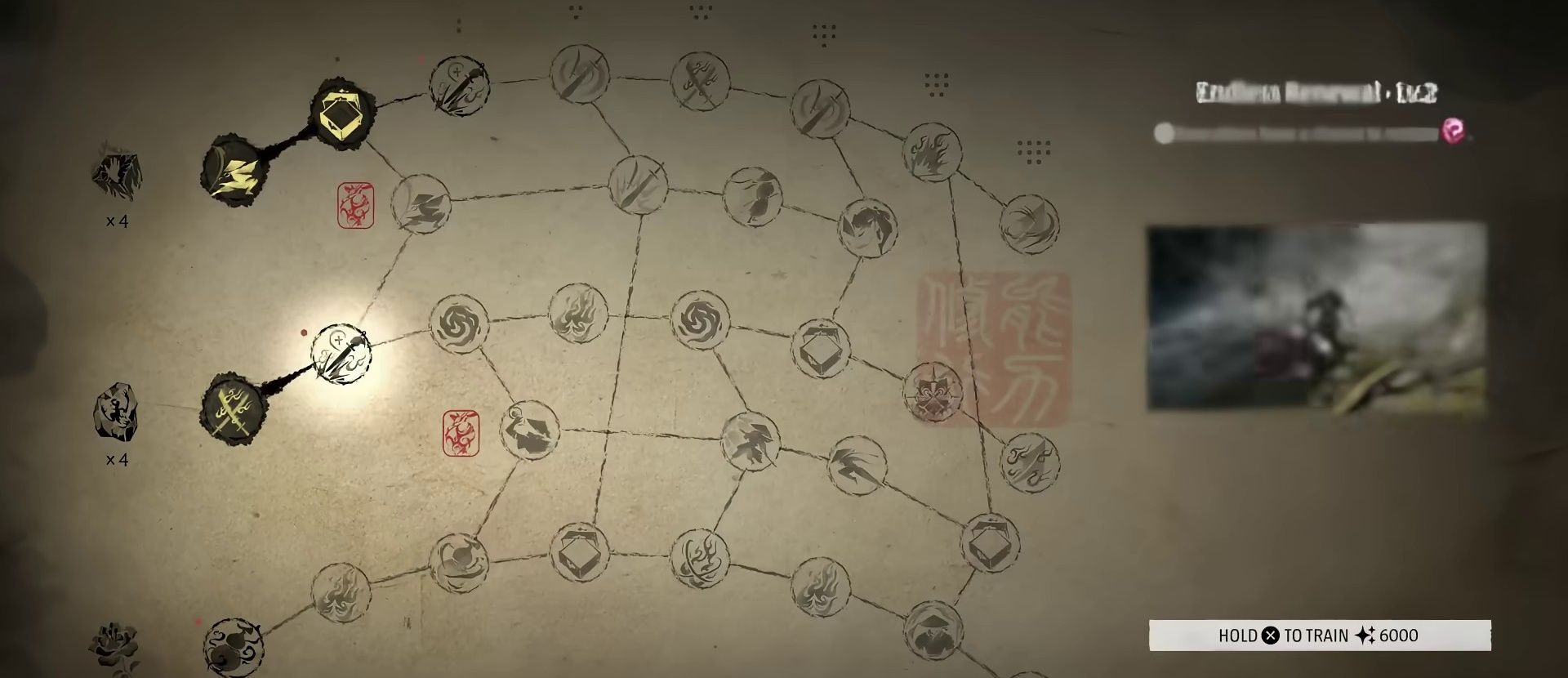
Beyond combat, Phantom Blade Zero's progression system runs deeper than expected. Players can invest materials to enhance their weapons, boosting stats and capabilities; they can also put points into different branches of the skill tree, unlocking everything from active skills to new action mechanics. One ability, for example, lets players interrupt their own attacks and instantly perform a dodge, opening up more flexible choices between offense and survival.
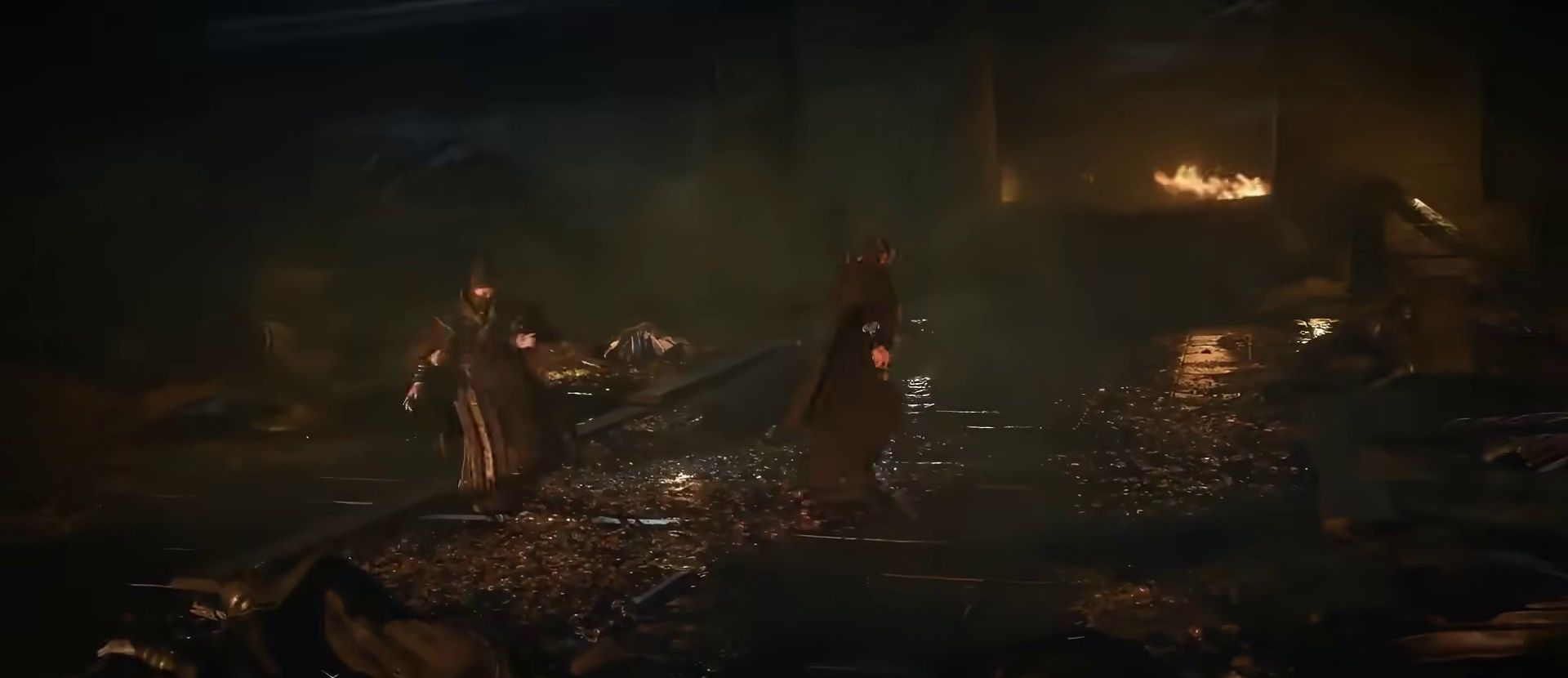
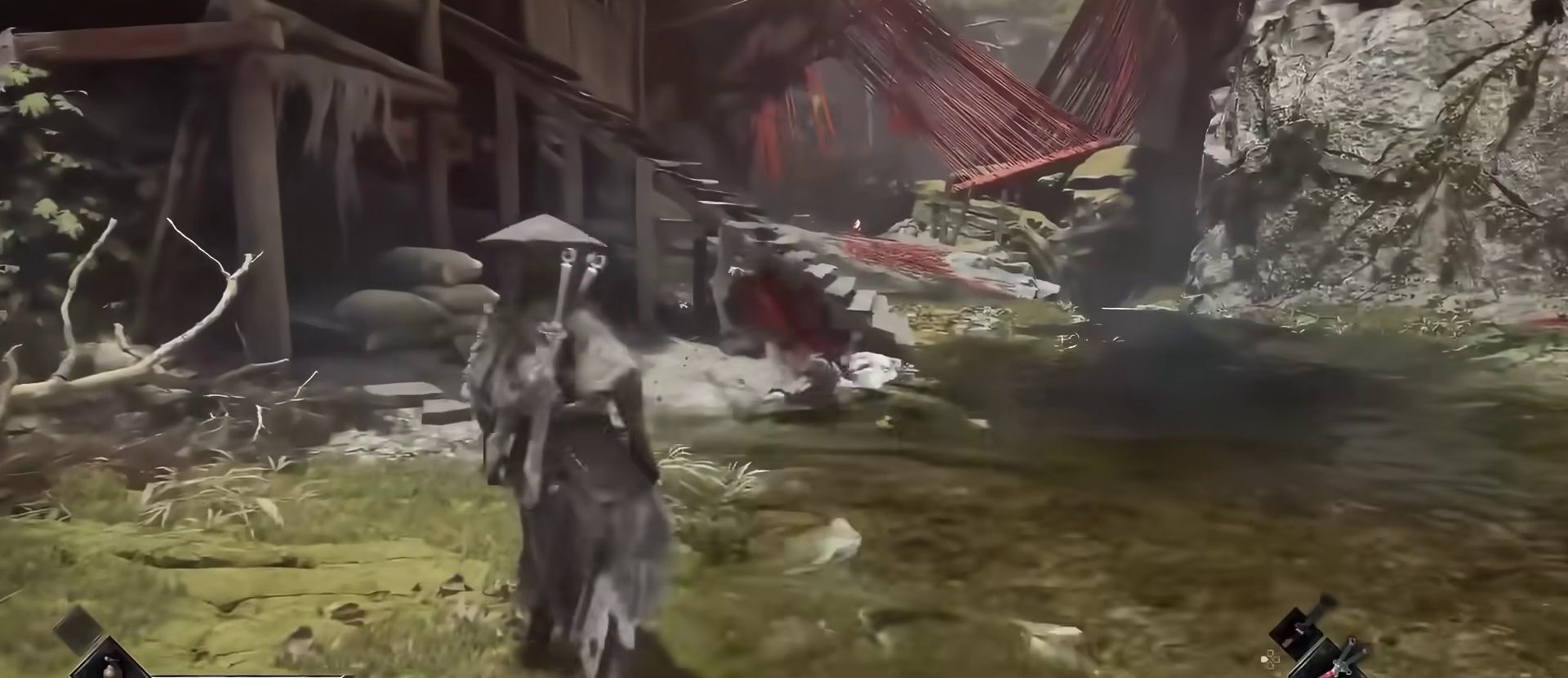
The exploration, likewise, is far more than just "clearing out enemies and moving on." Every level seems to hide secrets worth uncovering, optional bosses, and extra rewards. Players willing to stray off the main path are often rewarded with highly distinctive weapons or abilities that further reshape the combat experience down the line.
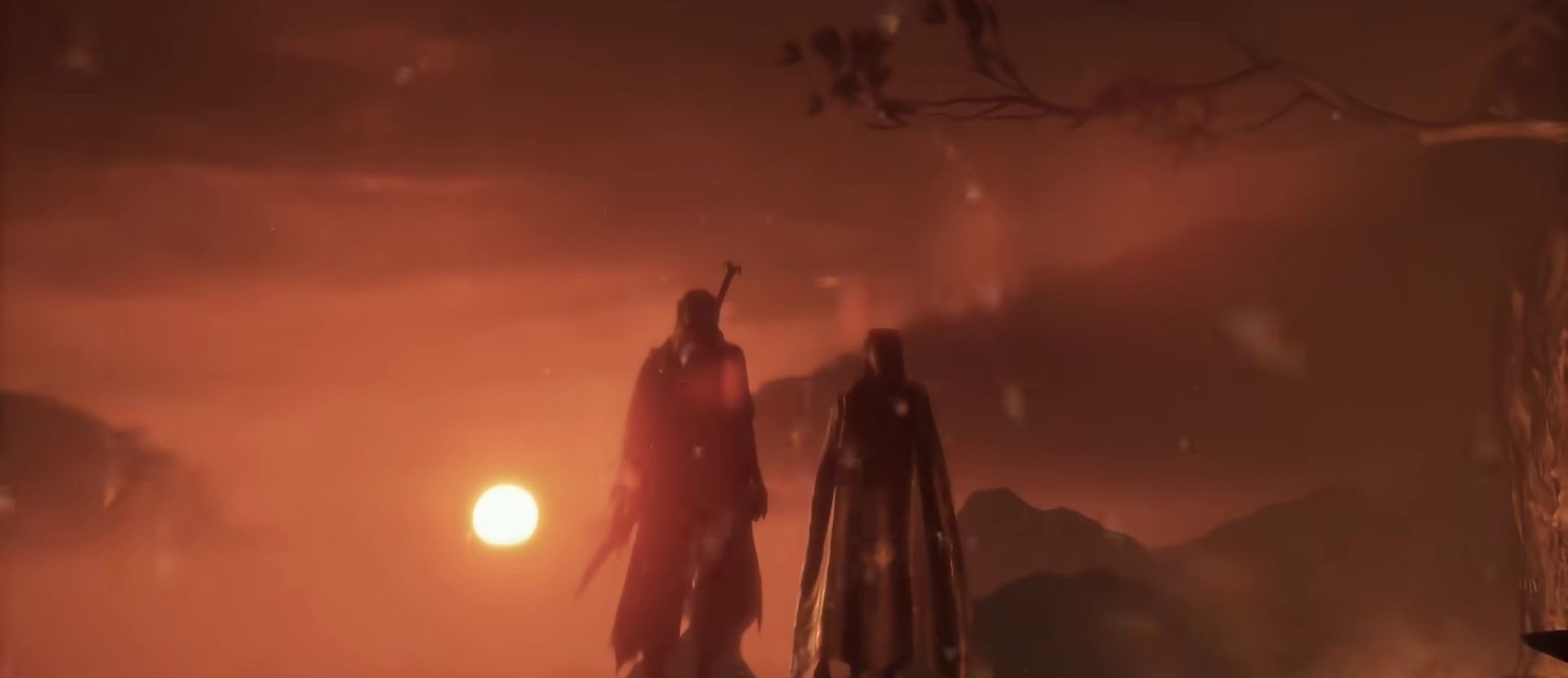
This design keeps the game's pacing remarkably healthy: combat delivers instant gratification, exploration offers long-term rewards, and the progression system constantly hands players new goals. The three systems interlock with one another, leaving barely a dull moment across the six-hour opening stretch of the adventure.
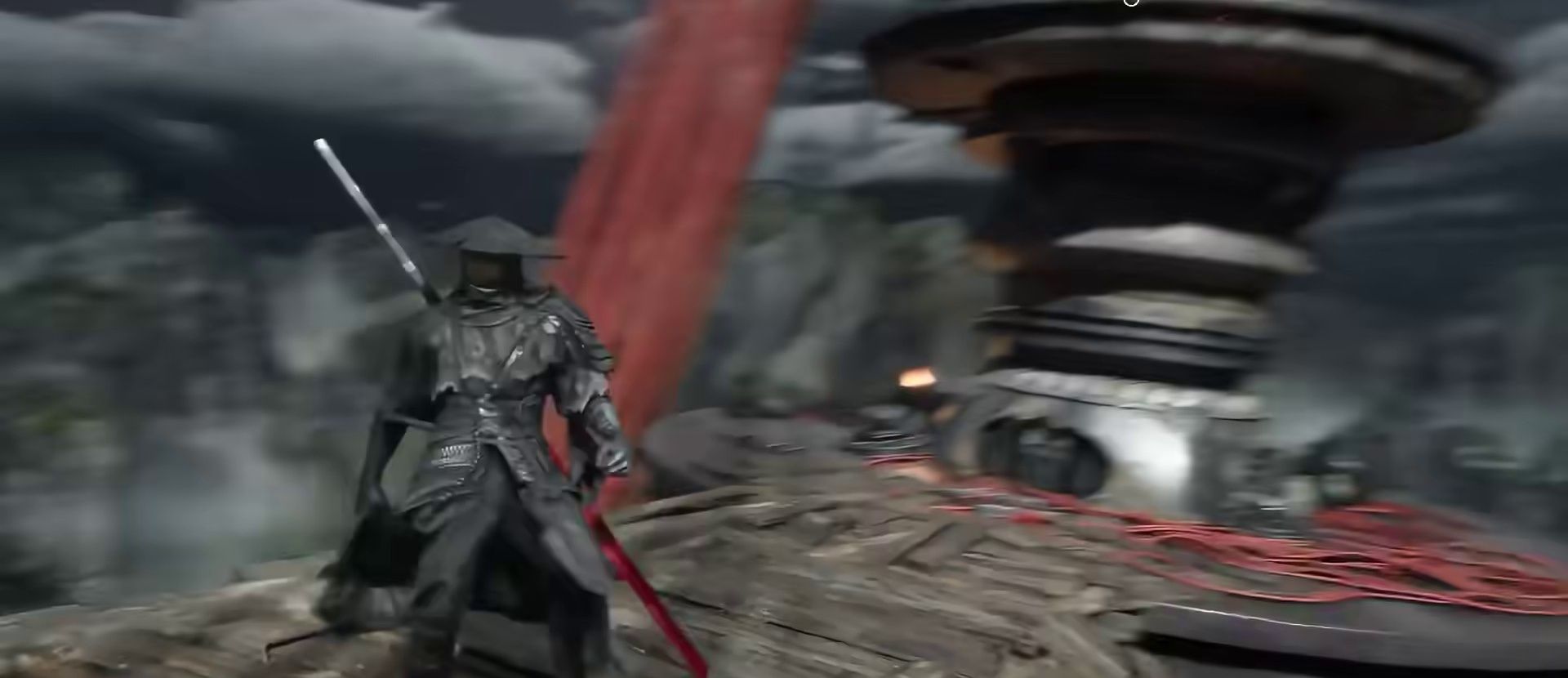
What truly keeps you hooked isn't constant combat - it's that there's always another reason to get stronger waiting just ahead.
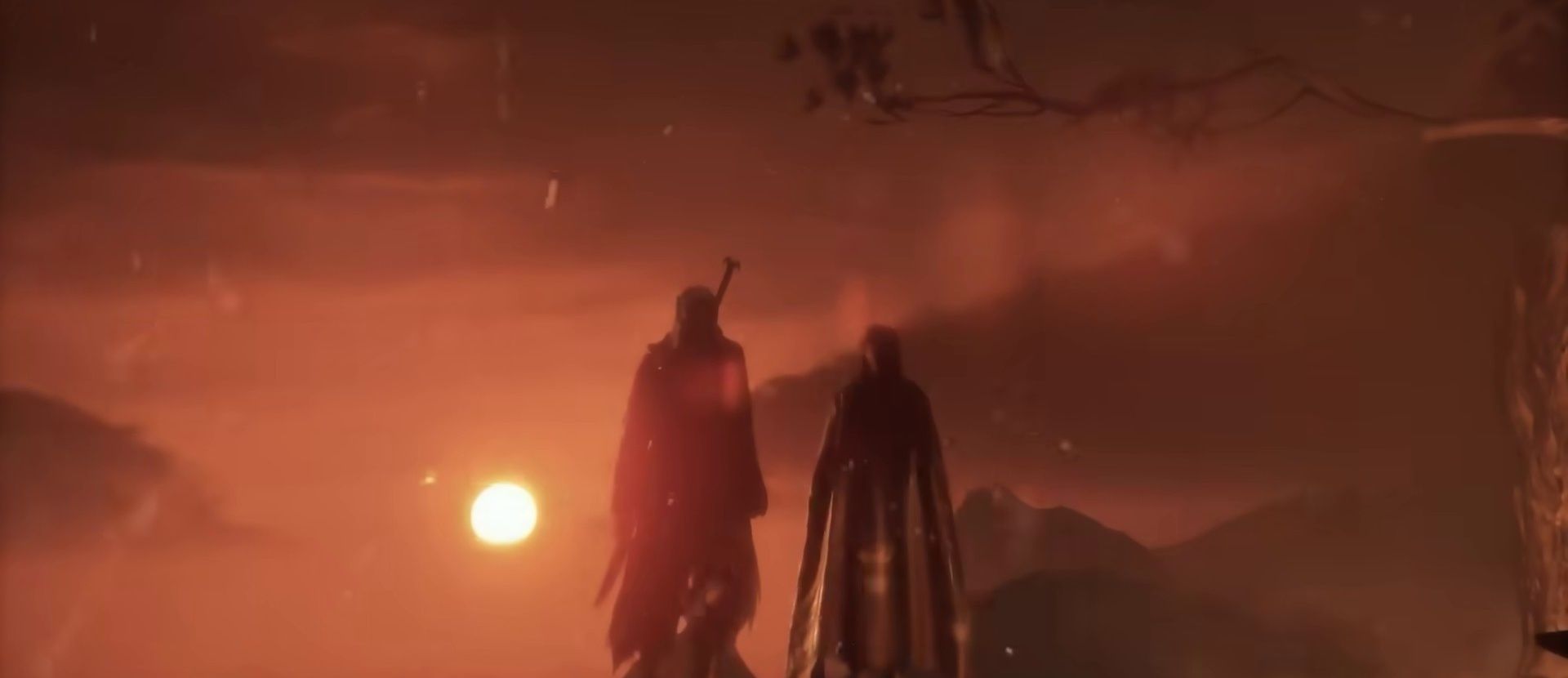
VI. A Story Harder Than Expected, With Ambitions Beyond "Yet Another Soulslike"
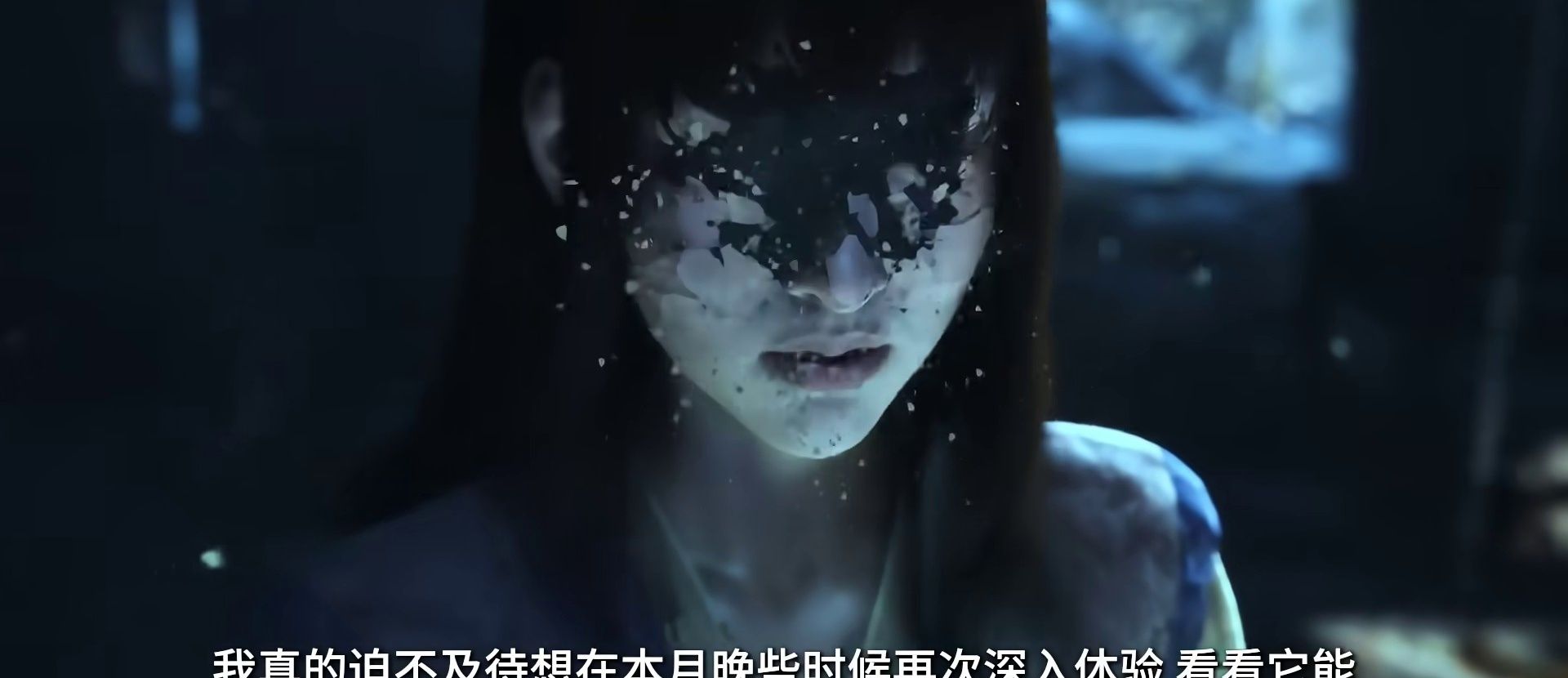
In the action game space, story all too often gets reduced to little more than connective tissue between fights. Phantom Blade Zero, however, seems determined to go further. The eerie ritual of choosing a heart in the opening, the ghostly, demonic characters, and the oppressive atmosphere of the jianghu all hint that its story will be darker and sharper than expected. This isn't a case of Chinese elements used as mere decoration - the game is trying to make wuxia, folklore, strange tales, and violent aesthetics all serve a single, more hardcore worldbuilding vision.
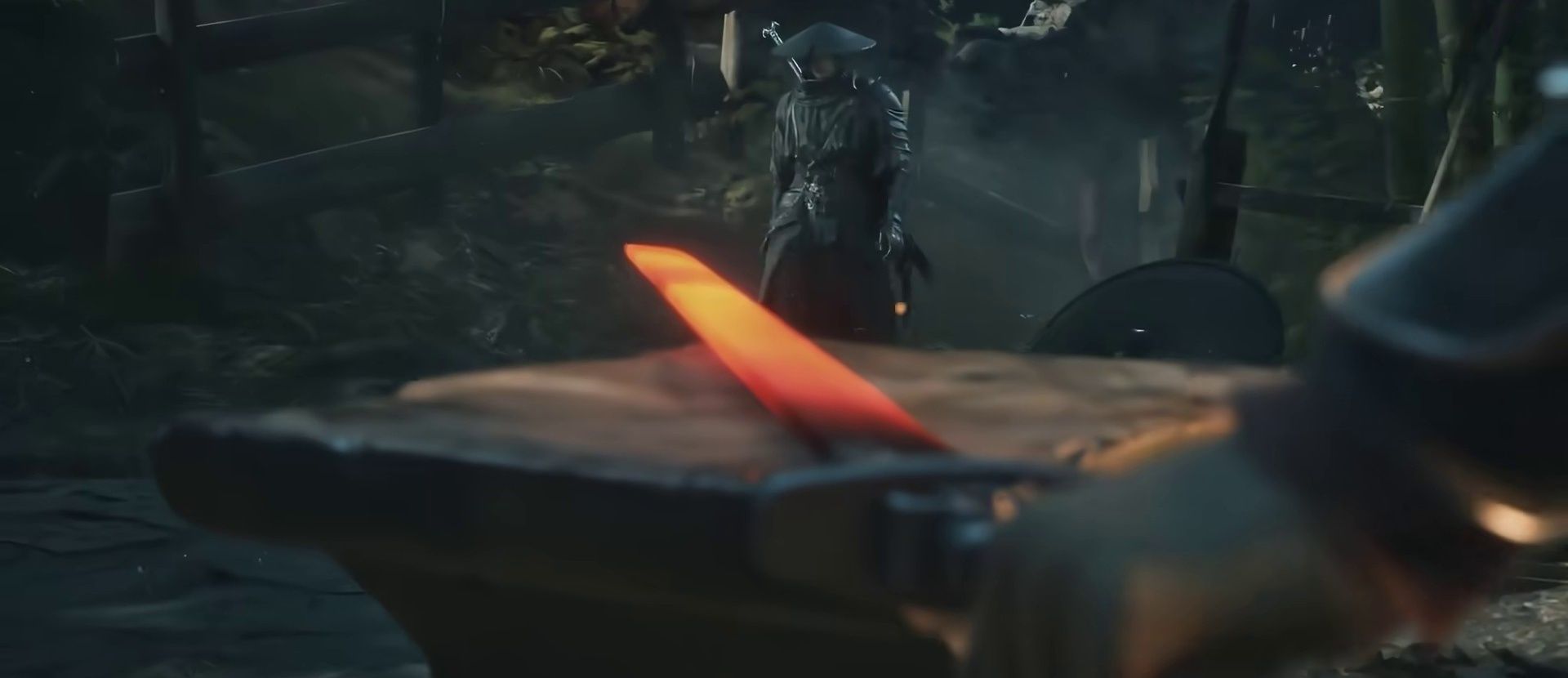
After six hours with the opening stretch of the adventure, the strongest impression wasn't "this feels like some other game," but "this game wants to be itself." It has the parry-driven thrill of Sekiro, the flashy combos of a high-speed action game, and a wealth of secrets and weapon styles to dig into - yet the identity that ultimately emerges still belongs unmistakably to Phantom Blade Zero.
If the rest of the game can sustain this density and polish, it has every right to a place in the first tier of 2026's most anticipated releases. This isn't just "another Chinese-style action game" - it's a title that can hold its ground on the global action stage on the strength of its game feel, style, and ambition alone.
After Sekiro, what players have been waiting for isn't another imitator, but a challenger who can answer the question "how else can an action game feel this good?" with an entirely new blade art.
Top Community Comments
"If you can, you really should watch it on overseas platforms - Bilibili's compression makes it feel like we've time-traveled back to the Beijing Olympics era."
On the surface, this comment is a jab at video quality, but underneath it reflects just how much players care about Phantom Blade Zero's audiovisual presentation. Blade flashes, sparks, rainy nights, lion-dance scales, and high-speed action all demand sufficient bitrate and detail to hold up. The harsher the platform compression, the more easily a layer gets shaved off the visual splendor this game takes the most pride in.
"How come Chinese developers only make Chinese games? How come the platform is full of fellow fans? How come the discussion section is full of discussion? How come the comment section is full of comments?"
A textbook case of ironic parallelism. What it mocks is the logic of "pinning a label on something first, just because it's made by a Chinese developer, just because it's Chinese-style." Phantom Blade Zero's wuxia and folk-culture character is no original sin - it is precisely the game's most distinctive mark of identity.
"This game doesn't deserve a spot on my wishlist. Deleted 😄"
Resolute on the surface, but in reality it reads more like a meme played in reverse. The very fact that a player would announce a "deletion" in such an exaggerated tone is itself proof that Phantom Blade Zero has already moved to the center of the conversation. Whether it stems from love carried to its depths or expectations set too high, the game has already succeeded in stirring up the urge to speak out.
📌 One-Line Takeaway
In just six hours, Phantom Blade Zero proved that even after Sekiro, it can still carve out its own path in the action genre with silky-smooth parries, wild weapons, and a hardcore Chinese aesthetic.