Phantom Blade Zero Deep-Dive Hands-On Breakdown: 6 Hours of Media Playtime, 25 Key Takeaways to Understand This New Benchmark of Wuxia Action
Just when everyone assumed the August gameplay footage trailer and the dedicated State of Play showcase had already emptied the pre-release arsenal of S-GAME (Lingyoufang) - the studio led by producer Soulframe Liang - the concentrated lifting of embargoes on a new wave of hands-on reports has pushed Phantom Blade Zero back to the center of the conversation. This time, numerous gaming media outlets from China and abroad were granted an uninterrupted deep-dive experience lasting a full 6 hours, with a scale of access and density of information far beyond any previous round of promotion.
We combed through these hands-on reports point by point and cross-verified them, ultimately distilling 25 key takeaways covering content volume, the combat system, map exploration, progression and builds, and the story mode. If you've been on the fence about one of the most closely watched homegrown wuxia action games of October - and arguably of the entire year - treat this article as your map before setting out.
First, the Scale: One Chapter Offers Six Hours of Play, Full Completion Around 40 Hours
The first question is always "how big is this game?" - and the answer turns out to be more generous than expected. The game features 30 collectible main weapons, plus 25 secondary weapons known as "Shadow Arms", each with its own dedicated moveset - and some weapons even fundamentally change the way combat plays. Weapons here aren't mere stat skins; they're practically standalone "new characters."
In terms of pacing, the main story runs over 20 hours, while full completion with side quests takes around 40 hours. The game spans 8 chapters in total, quite a few of which pack in even more content than the first. The media's 6-hour hands-on session covered only the complete first chapter, with most journalists reaching 70% to 85% exploration completion - and that first chapter alone already contains multiple main story bosses and hidden bosses.

The carryover mechanics are equally noteworthy: weapons obtained in your first playthrough carry over fully into New Game Plus, and the developers clearly encourage players to expand their arsenal before heading back to rematch old bosses and develop fresh combat approaches. Launch content will include a Boss Rush mode, with a Training Space also planned for post-launch so players can hone their skills through repeated practice.
In other words, the 6 hours the media got to play may be just the tip of the iceberg of this entire jianghu.
Audiovisual Style and Optimization: A Punk Mashup of Wuxia, Heavy Industry, and Folk Elements
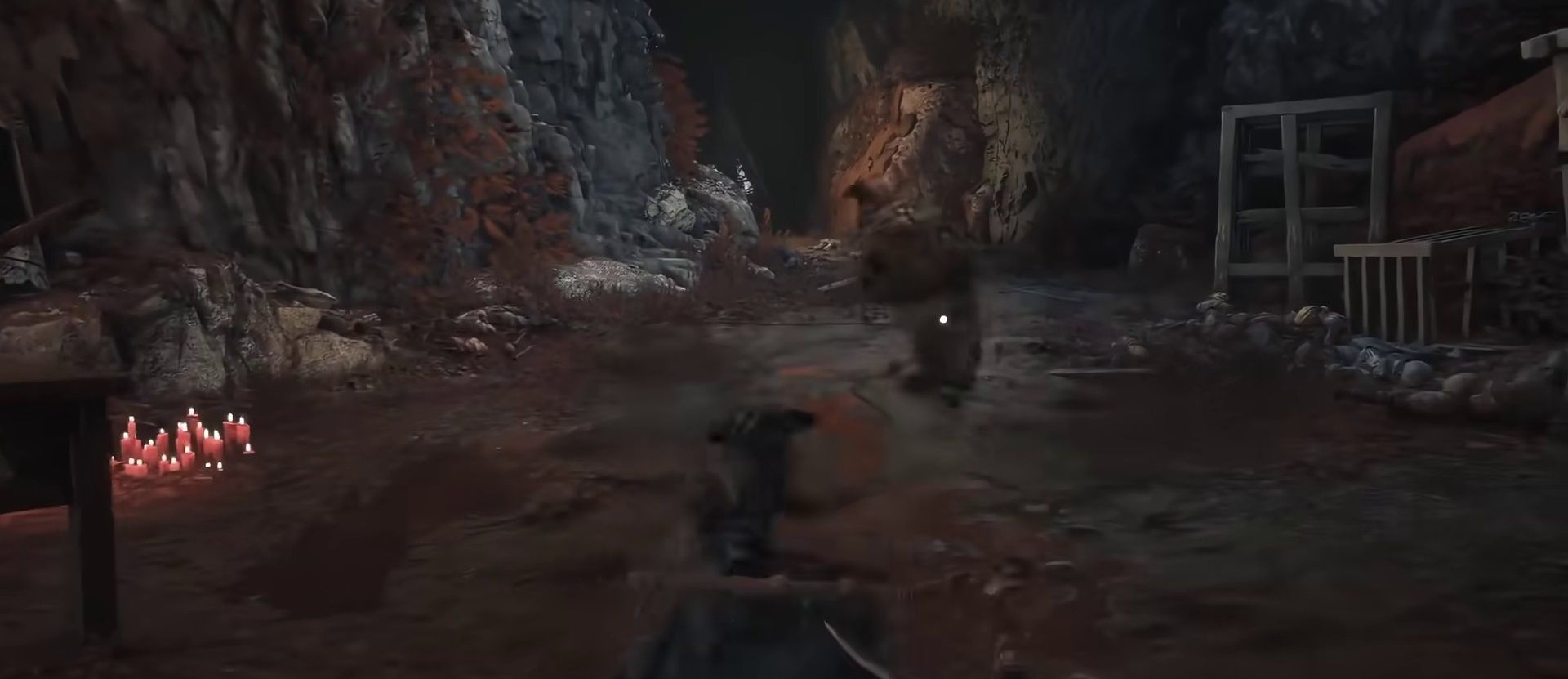
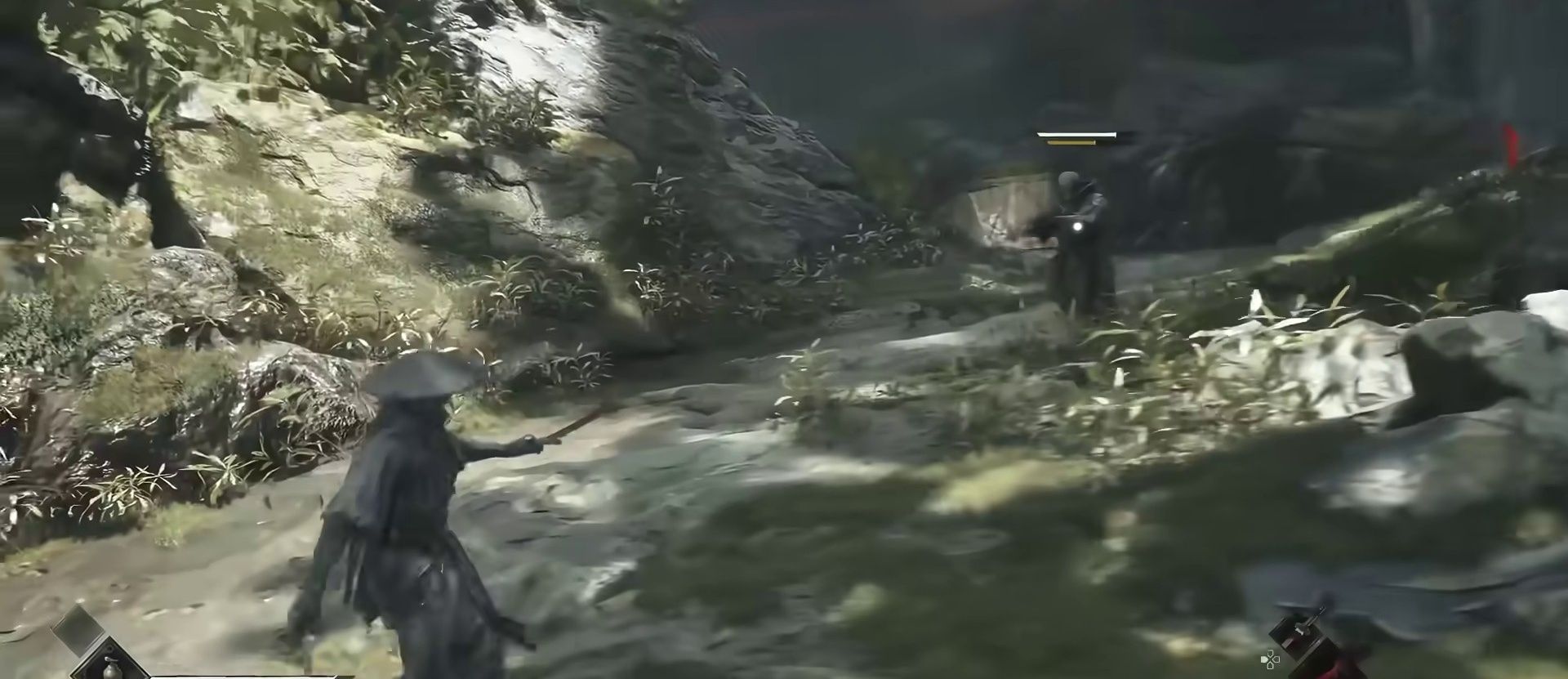
Phantom Blade Zero's art direction doesn't chase pure, orthodox wuxia; instead, it embraces a mashup of traditional wuxia, heavy industry, and folk elements: garments and artifacts, mechanical contraptions, and folkloric symbols all share the same frame, forging a highly distinctive "wuxia-punk" identity. On the sonic side, traditional music featuring suona horns, gongs, and drums intertwines with avant-garde electronic sound effects, giving the game an intensely evocative audiovisual presence - a style that first hinted at its potential in earlier trailers, and whose gameplay-footage polish has now drawn positive assessments from multiple media outlets.
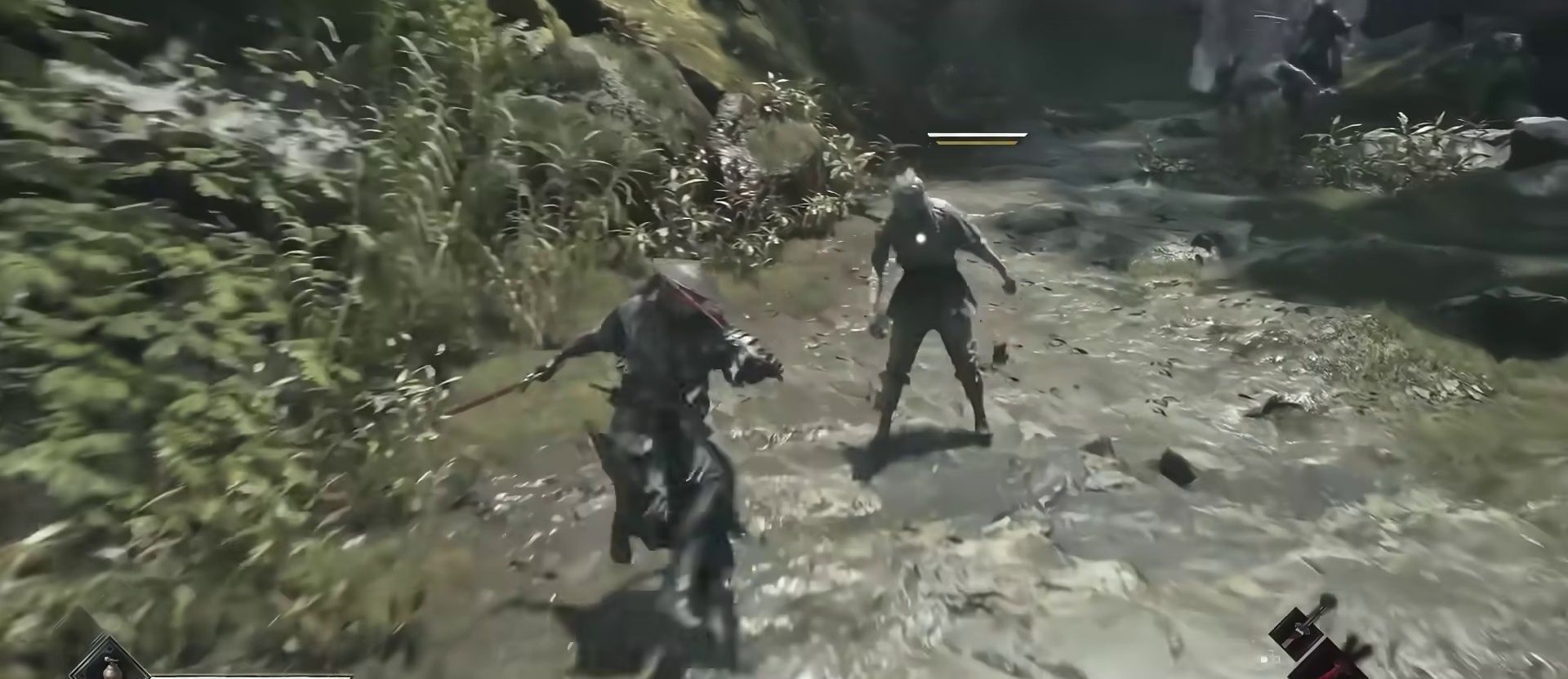
Opinions on optimization are somewhat divided: this hands-on ran on high-end PCs, with some outlets reporting smooth performance throughout, while others noted occasional stutter. The technical performance of the console versions remains unclear for now - for console players, that may be the single most worthwhile factor to watch before placing a preorder.
The Killing Intent System: A Core Loop That Unifies Offense and Defense
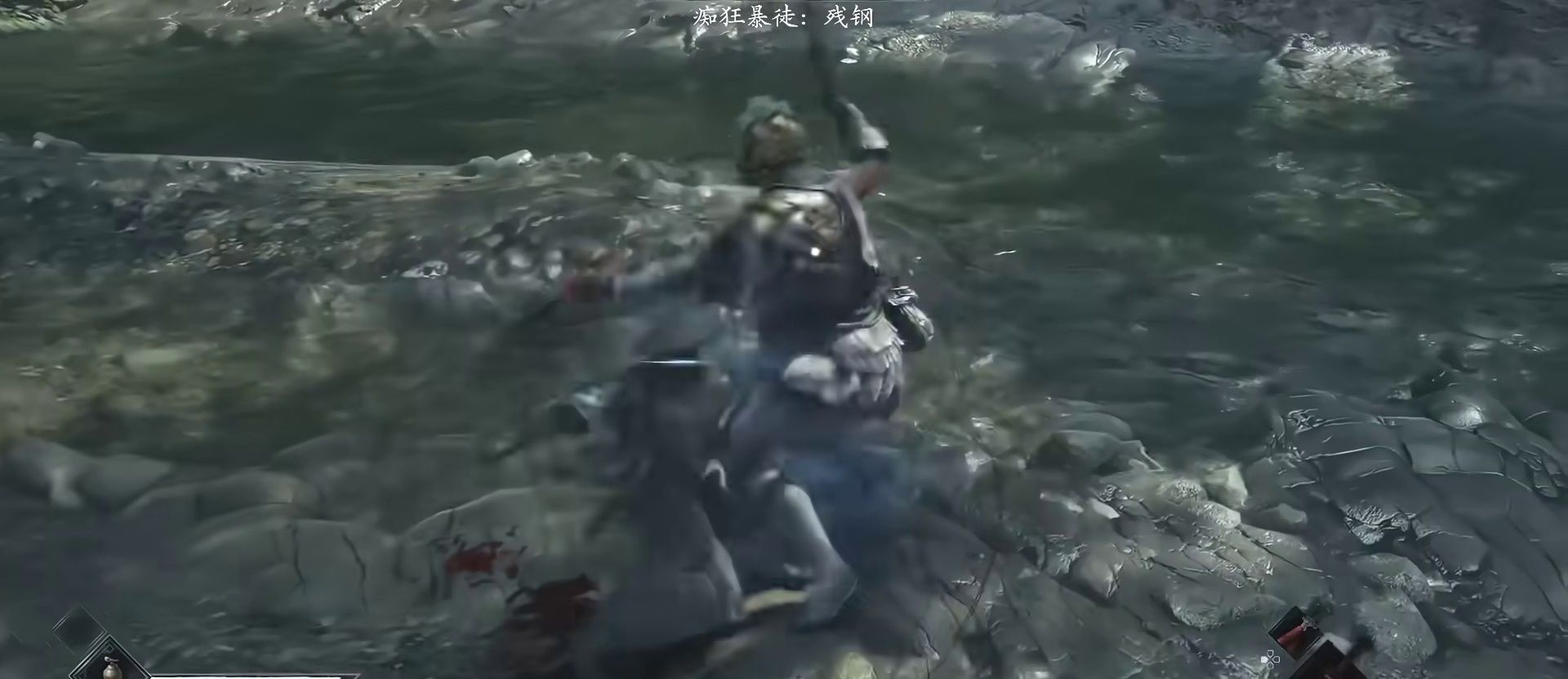
Combat sits at the top of this game's pyramid, and the Killing Intent gauge is the valve at its heart. Unlike the stamina or posture bars of soulslikes, Killing Intent blends offense and defense into a single resource: it drains whether you attack or parry, and once it's fully depleted, you enter a guard-break state, left extremely vulnerable to heavy damage. This is not a survival bar to be rationed - it is the central hub of the entire combat loop.
The first layer of the resource-management solution is the dual primary weapon system: players can equip two primary weapons at once, and switching between them refunds Killing Intent. When to swap weapons is both a means of recovering the gauge and a trigger for tactical repositioning - timed well, it can turn the tide of a fight. On top of that, there is a separate Refined Killing Intent reserved exclusively for unleashing Ultimate Skills, forming the second layer of the resource system.
Hands-on media also offered a highly informative observation: roughly 70% of the Killing Intent system is directly tied to proactive offense - on both the spending and recovery ends of the resource, proactive strikes are the undisputed star. Players accustomed to soulslike-style passive defense - turtling and waiting for counterattack windows - will be at a serious disadvantage here; at the resource level, the game encourages players to keep their blade out.
In Phantom Blade Zero, the "conserve and play it safe" mindset simply doesn't work. You spend Killing Intent precisely to reclaim it faster.
The Offense-Defense Mind Game: Read the Signals, Don't Memorize the Answers
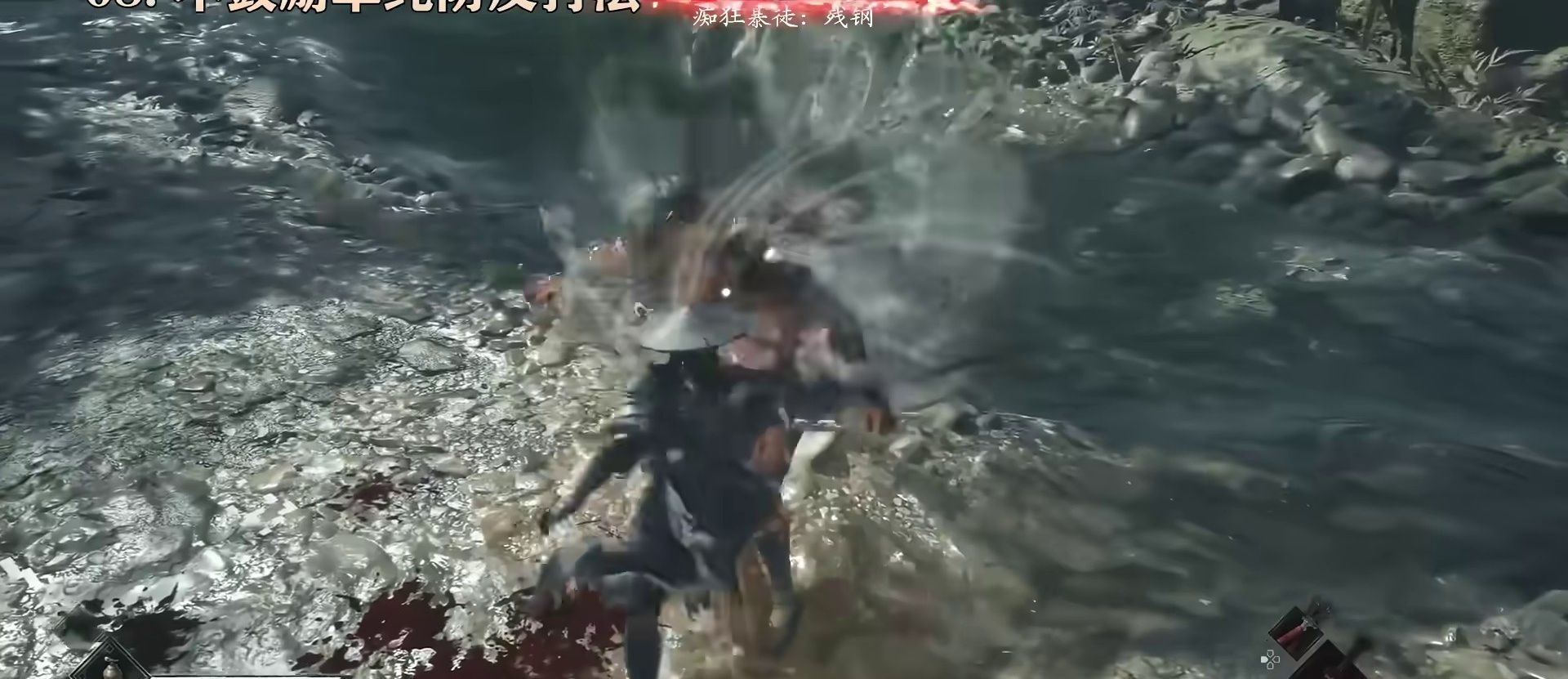
Several outlets have pointed out that this offense-defense interplay is strikingly similar to the Drive System in Street Fighter 6 - whether you're dealing out hits or taking them, you're draining the same resource, forcing you into constant trade-offs. When it comes to the specific counters, the rules are clear but don't lend themselves to rote application: most attacks can be met with a perfect parry; red-flash attacks can only be dodged; and there are also black-flash heavy attacks with far subtler tells - these can be blocked, but doing so will instantly drain your killing intent to zero. One and the same guard button, yet the correct answer changes completely depending on the signal.
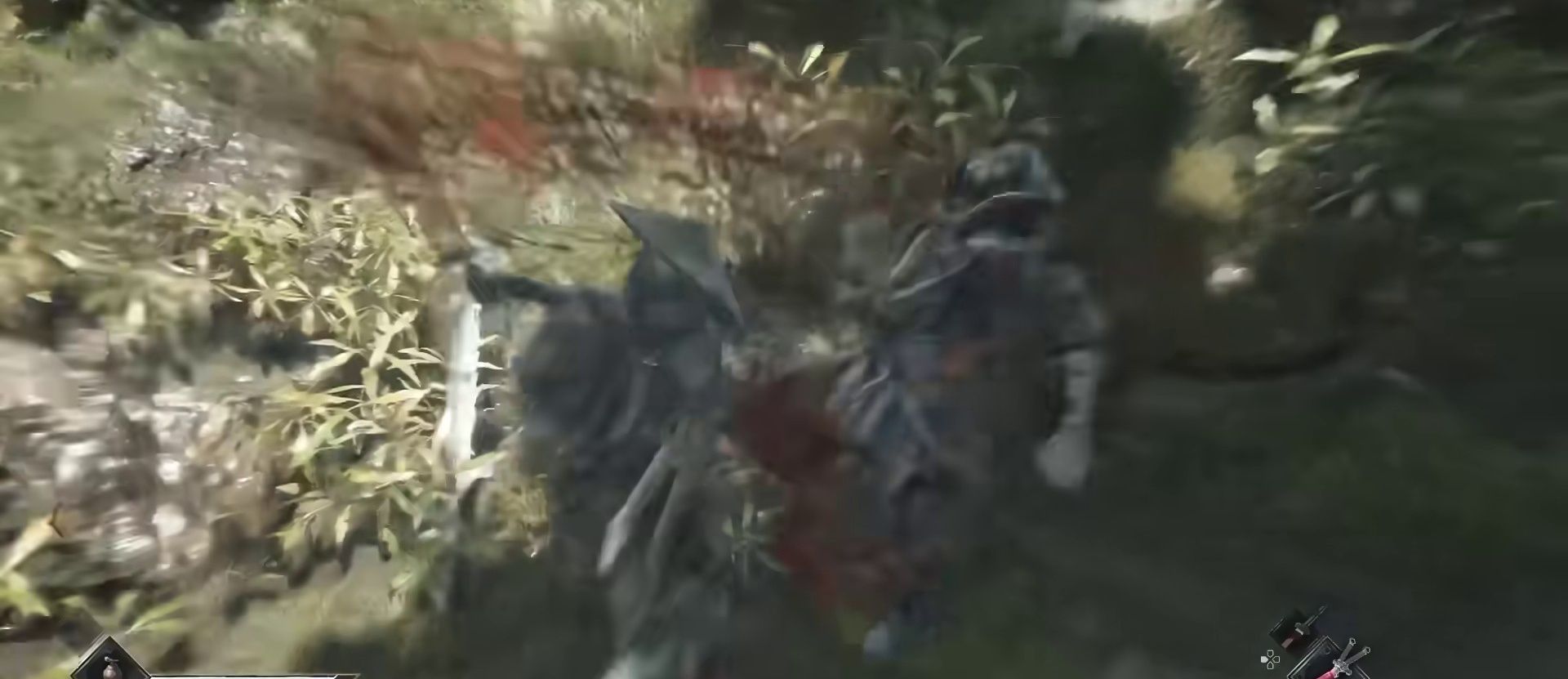
Defense is no universal insurance policy, either: some enemy attacks inflict debuffs like Burn, Bleed, or a full killing-intent drain even when you parry or block them successfully. Players who mindlessly hold down the guard button will pay the price in all sorts of unexpected ways - reading each move's properties and adapting on the fly is the only universal solution.
Then there's the matter of the skill floor. The verdict from multiple outlets: the entry barrier is friendly, and average players can fight remarkably fluidly - to the point of that amusing experience where you "look like a master while knowing full well you're only average." The combat design brims with the elegance and beauty of Chinese wuxia, and overseas media have repeatedly invoked its "cinematic feel" alongside Crouching Tiger, Hidden Dragon.
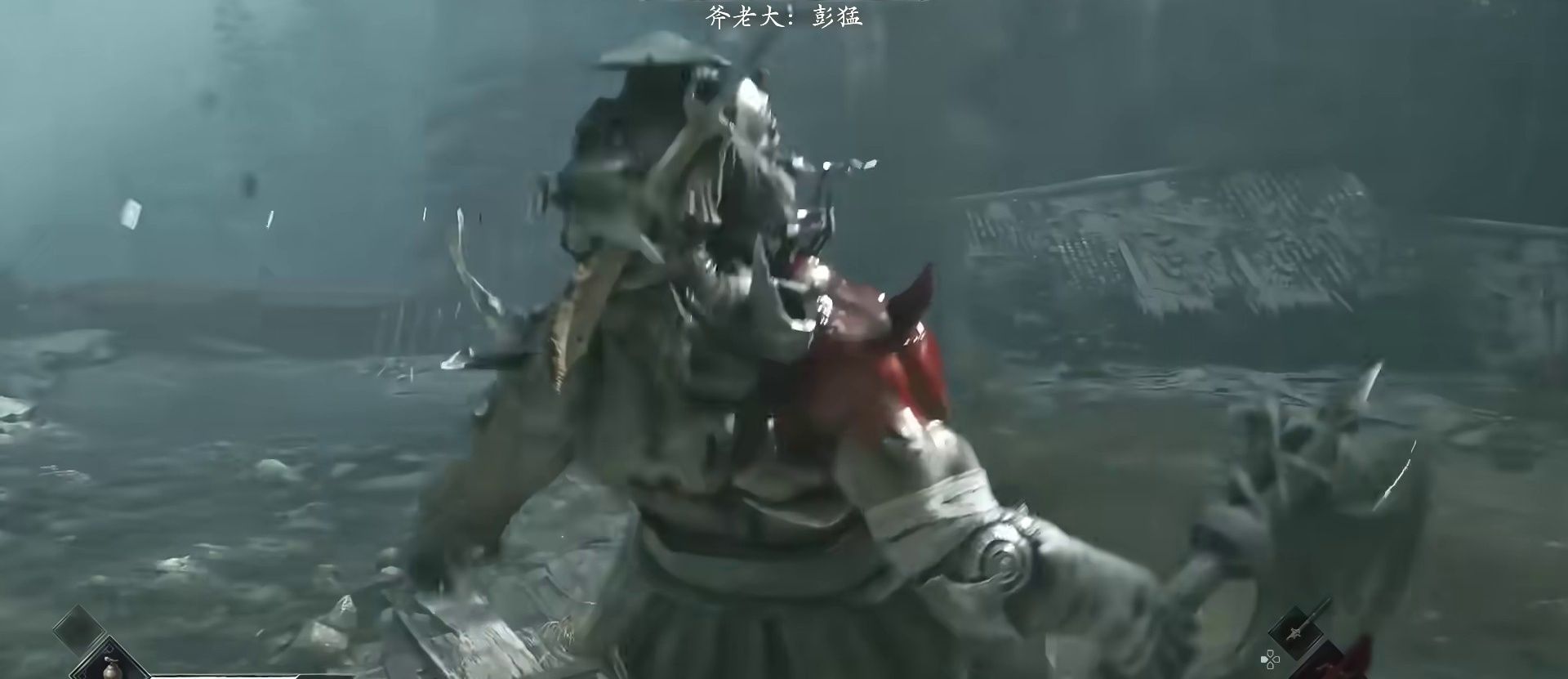
It's not about turning every player into a master - it's about making everyone "fight like" one. That's the smartest thing about this game's combat design.
Boss Fights: Read the Mechanics - Even the Environment Is a Weapon
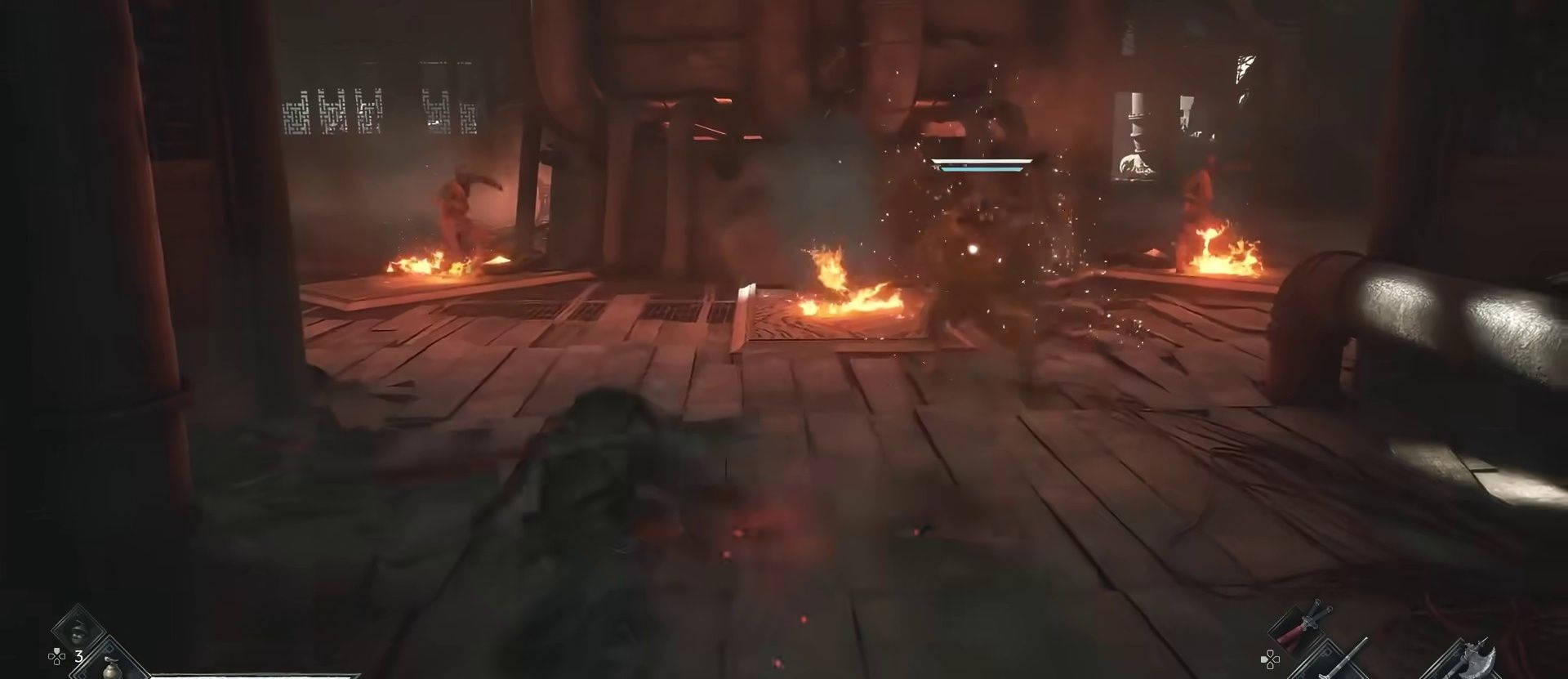
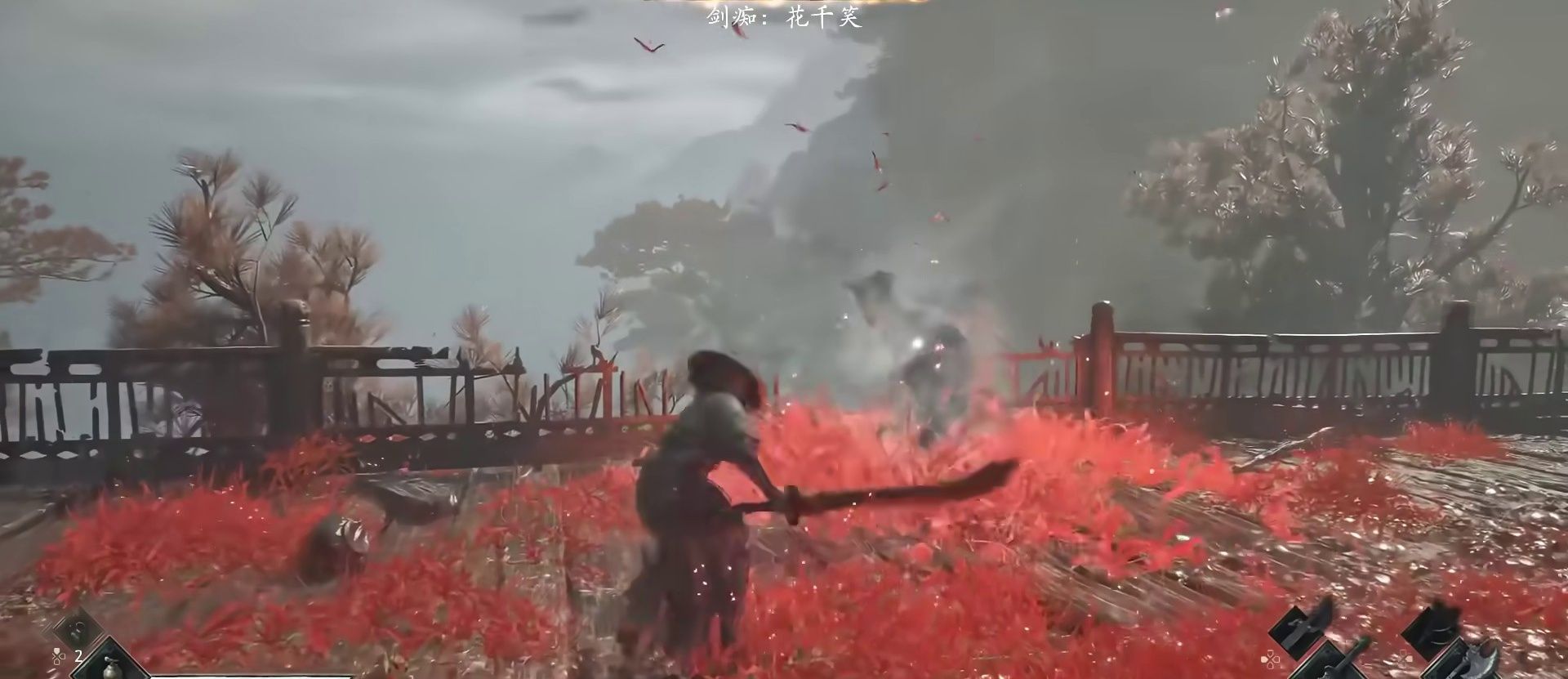
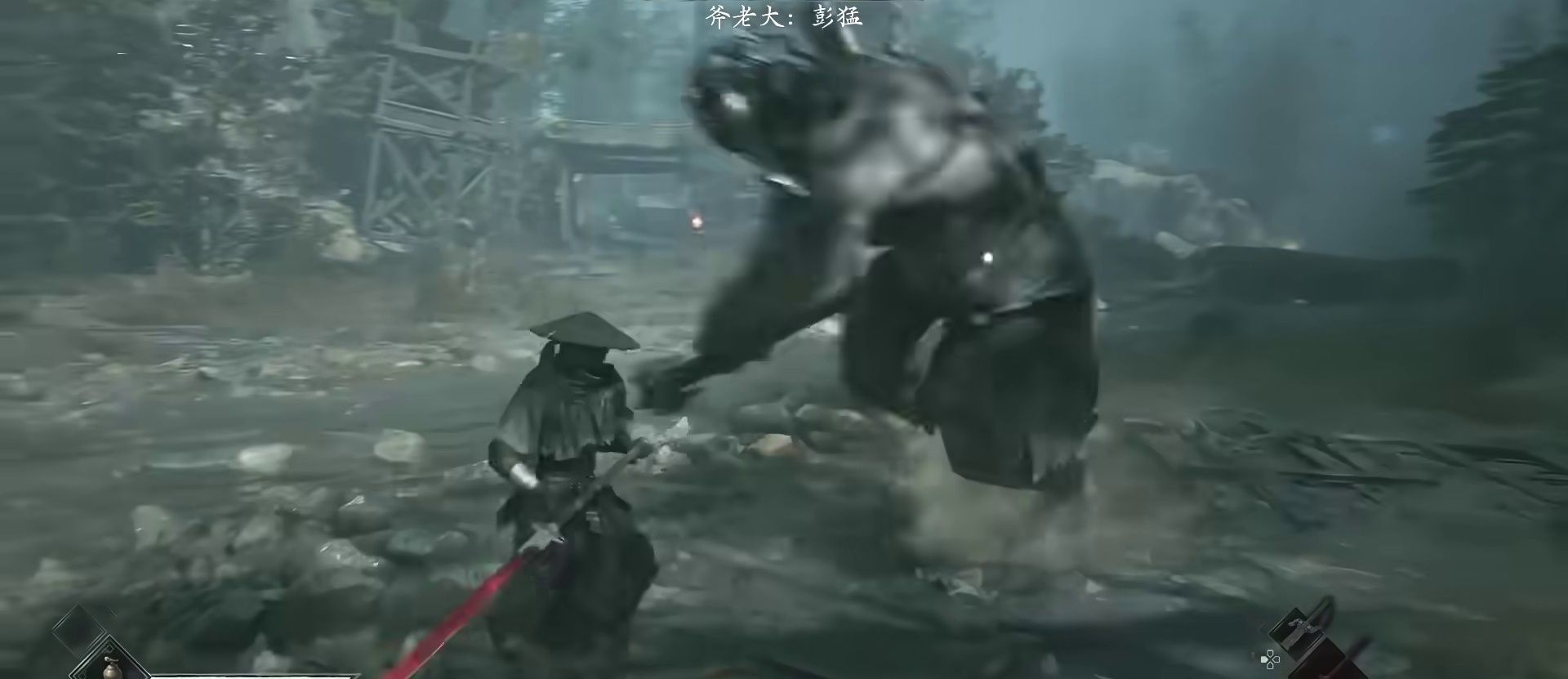
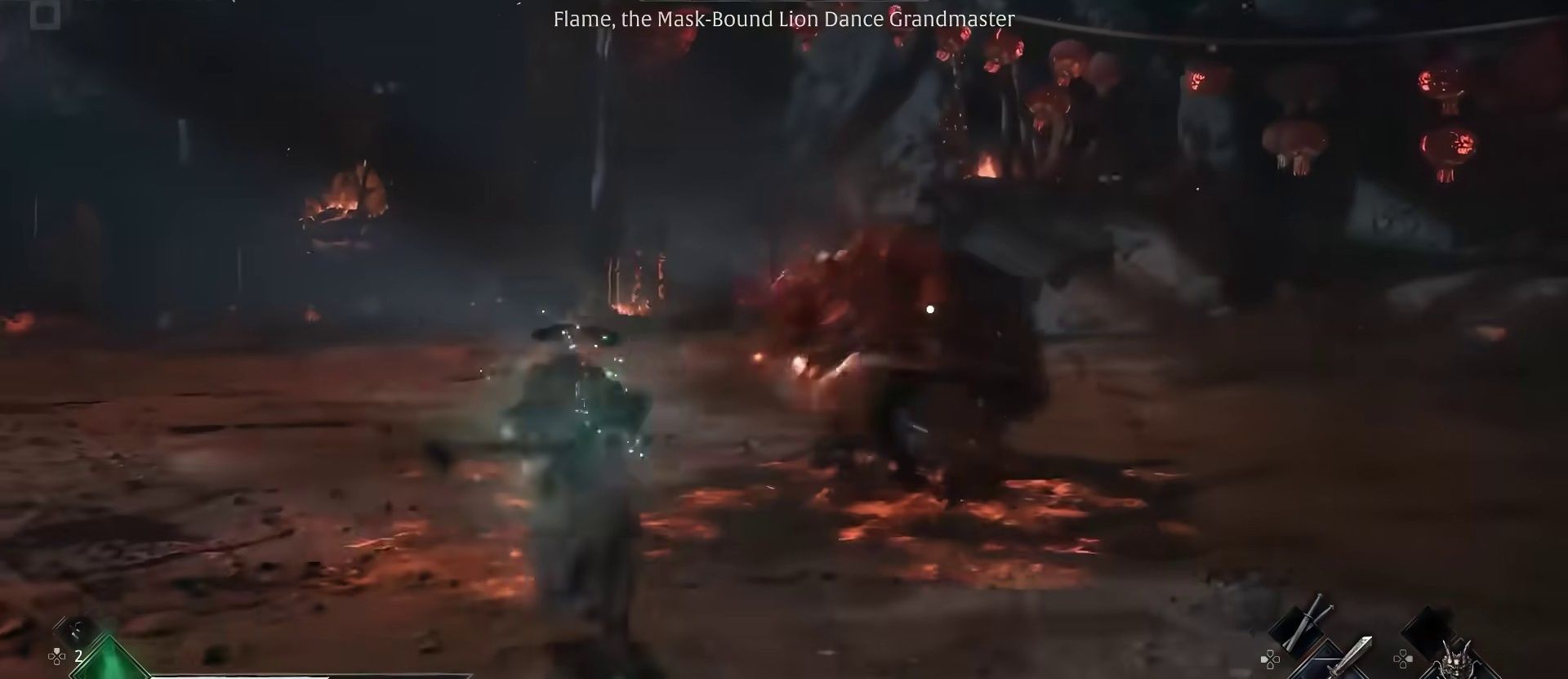
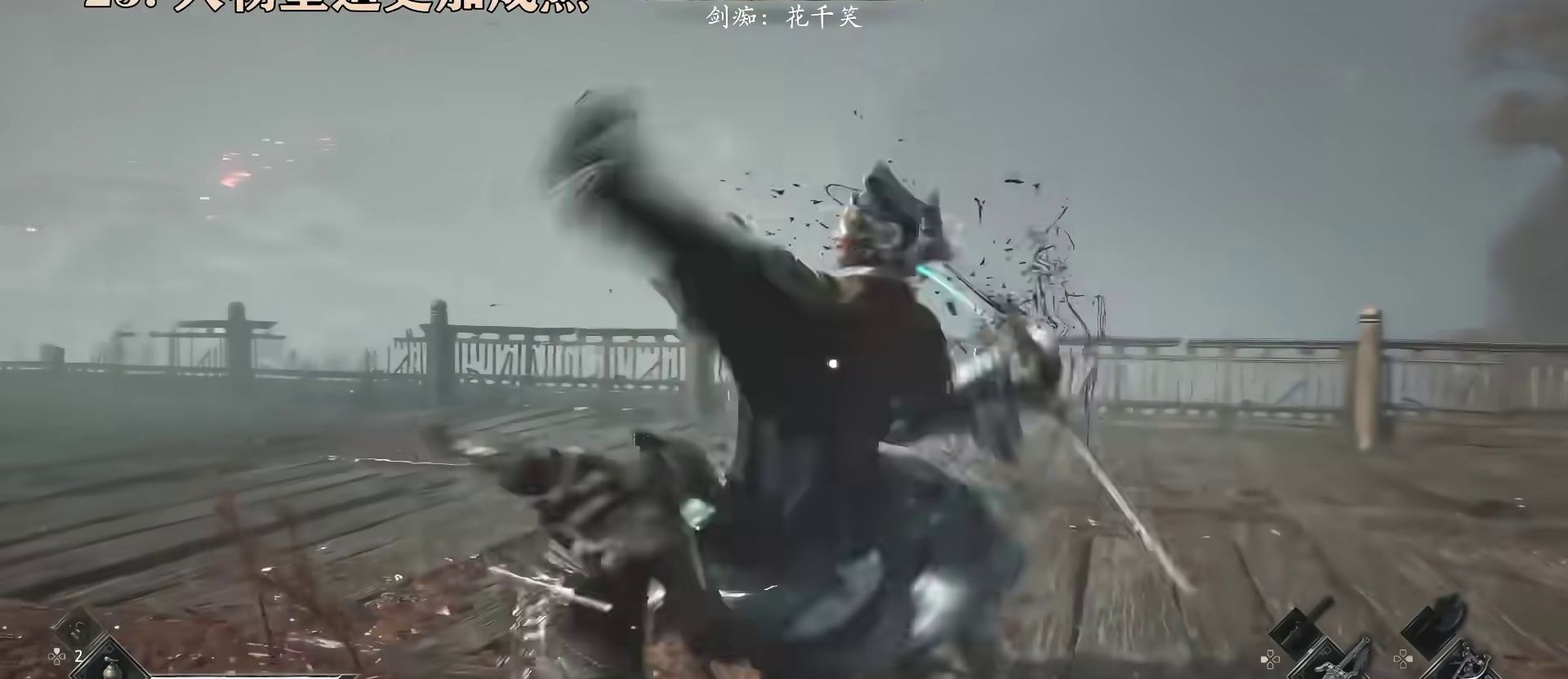
The bosses in this hands-on demo have remarkably distinct personalities. Early bosses such as "Cangang" and "Pengmeng" lean toward tutorial-style design; some enemies drink to buff themselves; others excel at aerial maneuvering; and there are Sovereign-tier bosses with wildly imaginative movesets. What these fights share is a common design philosophy: they push players to read and understand the mechanics, rather than simply memorizing attack patterns.
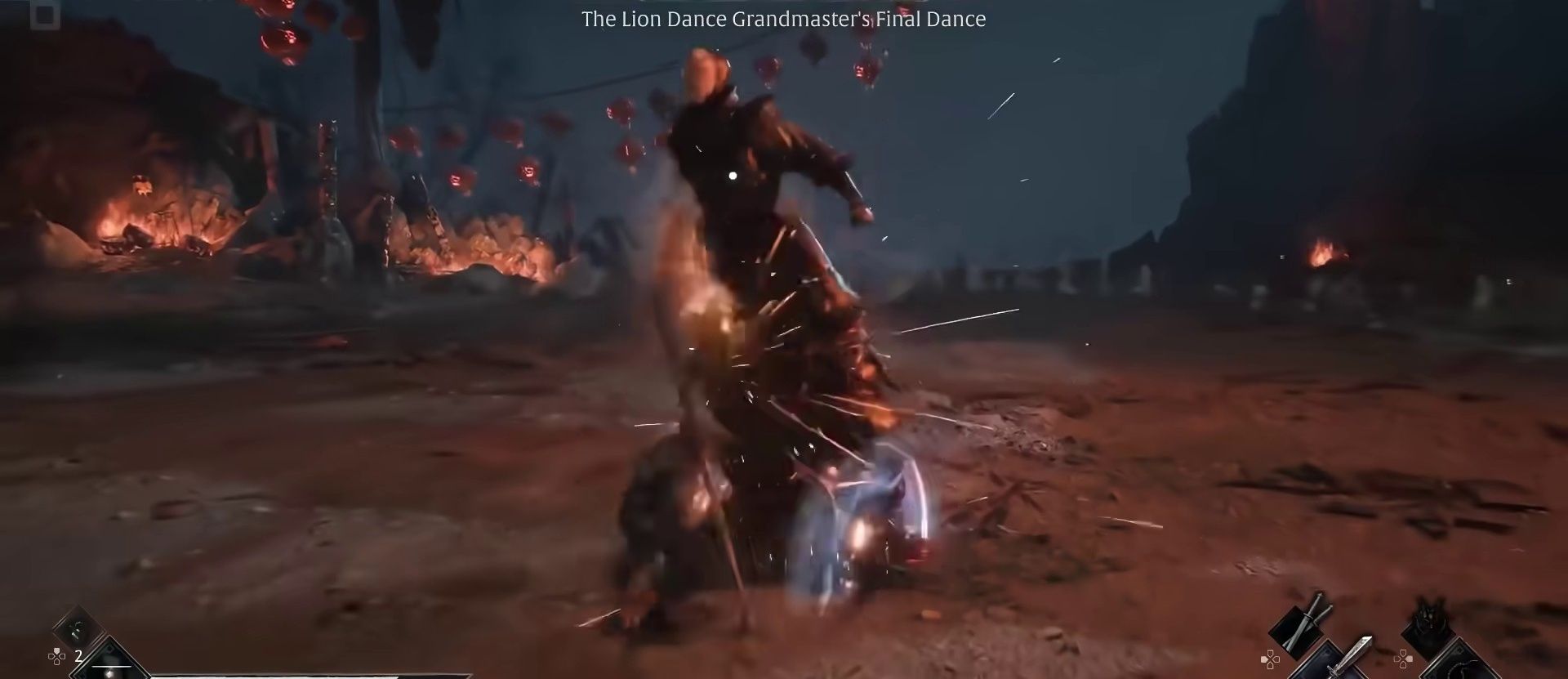
Reading the mechanics extends to the environment itself. For example, when facing a Sovereign's flame attacks, you can splash water from the vats scattered around the arena to weaken the fire damage - brute-forcing it head-on isn't the only way.
The acquisition of powerful weapons is also deeply tied to bosses: most of the game's strongest weapons drop from bosses, and defeating one grants you the entire moveset module outright. For instance, beating a specific boss unlocks the Flying Arrow system, which makes hitting airborne enemies considerably easier. There's a power hierarchy among weapons (in players' slang, there are "wheelchair" picks - so strong they practically carry you), along with certain counter relationships, so the choice itself is a strategy.
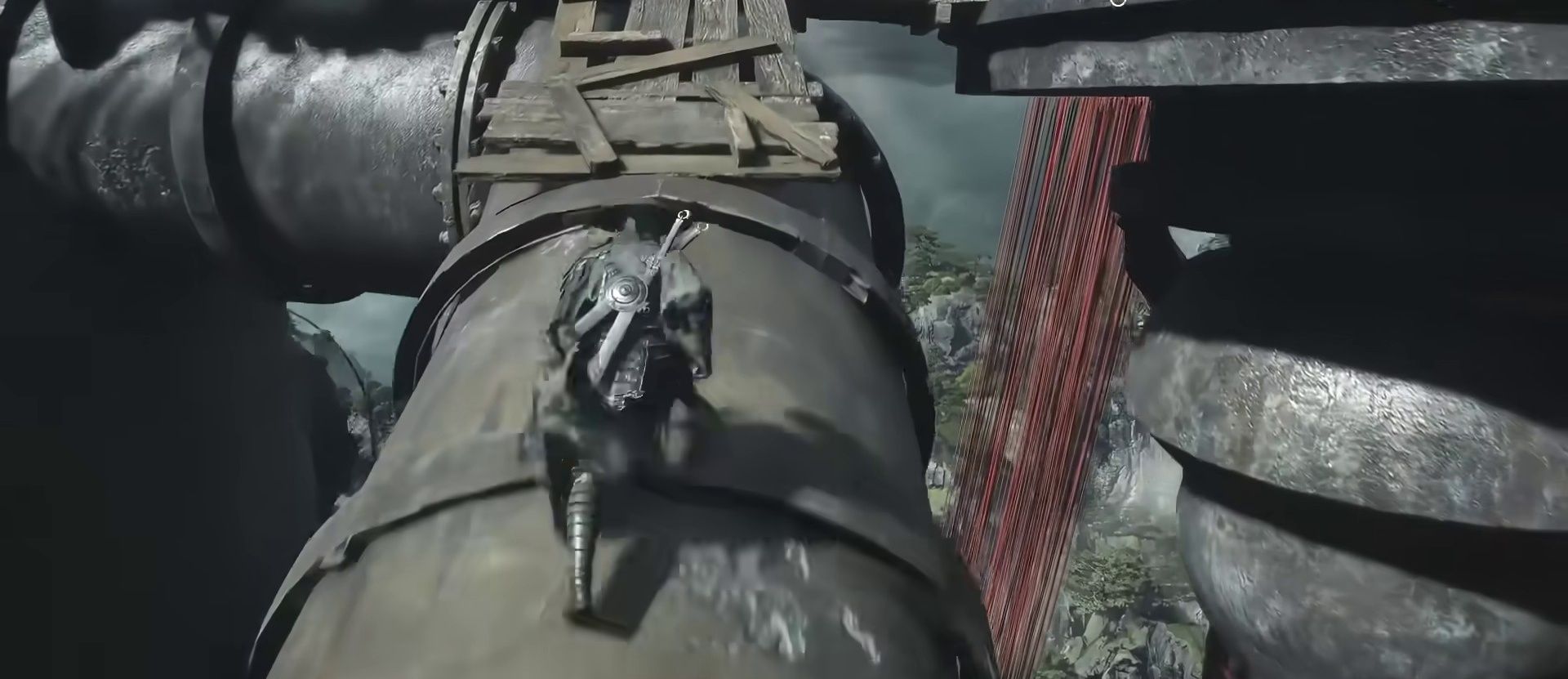
And here's something friendly to players who relish the suffering: the boss-fight checkpoint - a bell positioned very close to the fight - means that if you slip up and die against a multi-phase boss, you can jump straight back into the current phase without replaying the earlier ones. Some media outlets, however, felt this is a touch too forgiving and dilutes the challenge - opinions vary on that one.
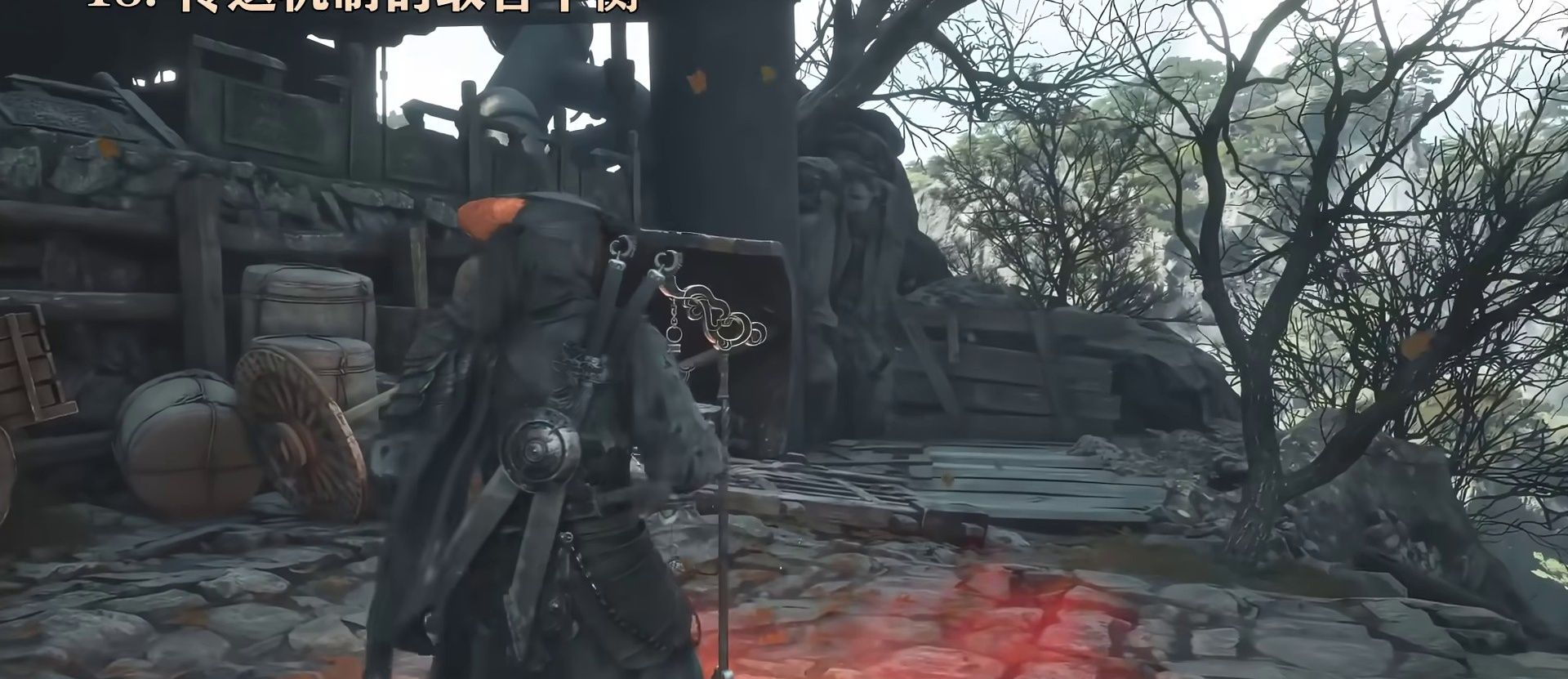
Maps & Exploration: Eight Maps Seamlessly Connected, Common Enemies Never Respawn
In terms of level structure, the game is built from 8 seamlessly connected maps. Signposting along the main path is clear, the layout loops back on itself across multiple layers with plenty of branching routes, and there are even some Metroidvania elements: certain sealed-off passages can only be unlocked with a specific secondary weapon, and once you've obtained it, you'll need to return to the marked spots on the map to open them. The classic Metroidvania moment - "I remember there's a door here I couldn't open" - absolutely holds true in this game.
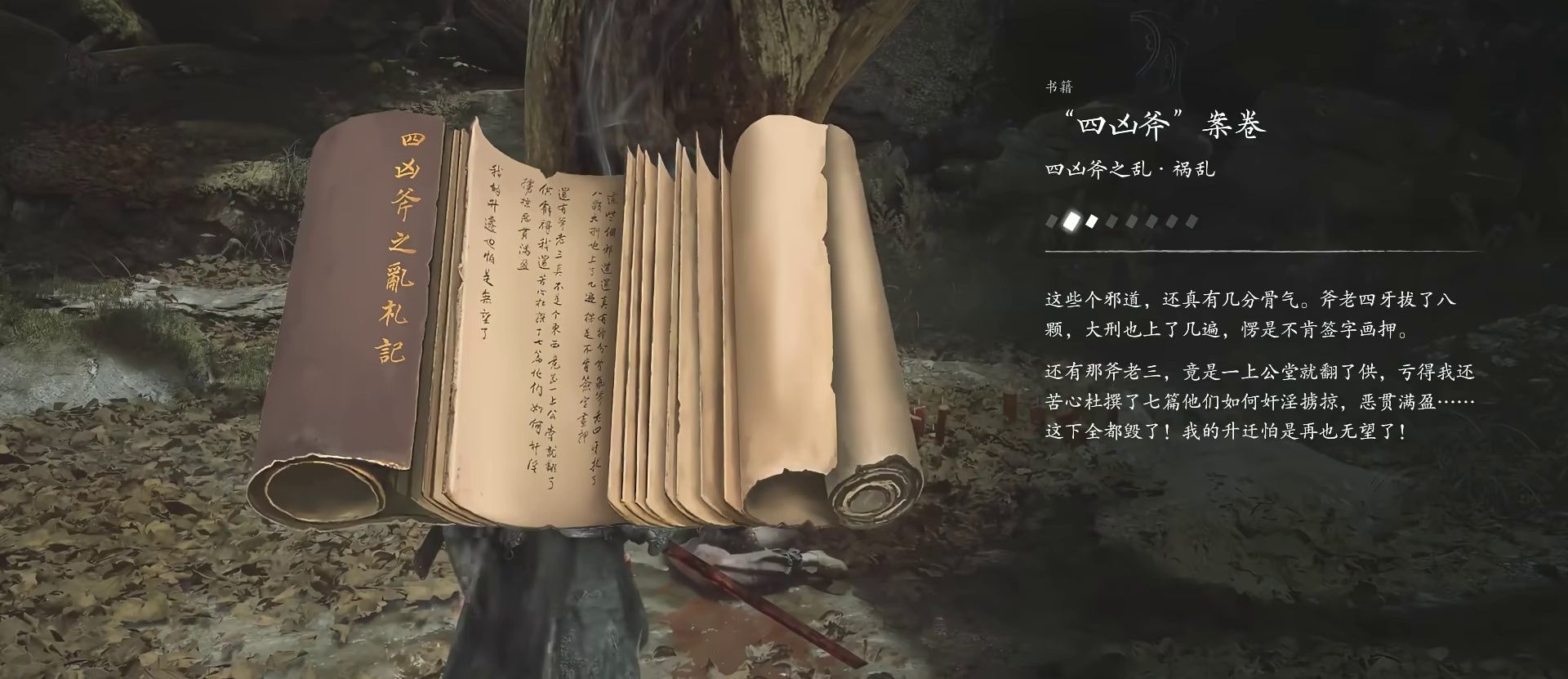
One particularly hotly debated design choice: common enemies stay permanently dead once killed and never respawn. Exploration is the primary source of progression resources, so players who dislike combing every corner of the map may find themselves short on materials - yet this design is widely seen as perfectly consistent with the game's worldbuilding: the dead do not rise again, and the jianghu offers no save-reloading.
Checkpoint bells allow unlimited free fast travel, while teleporting to non-bell locations costs an item - this prevents players from skipping across the entire map via fast travel, preserving the fun of the journey itself and of discovering hidden content.
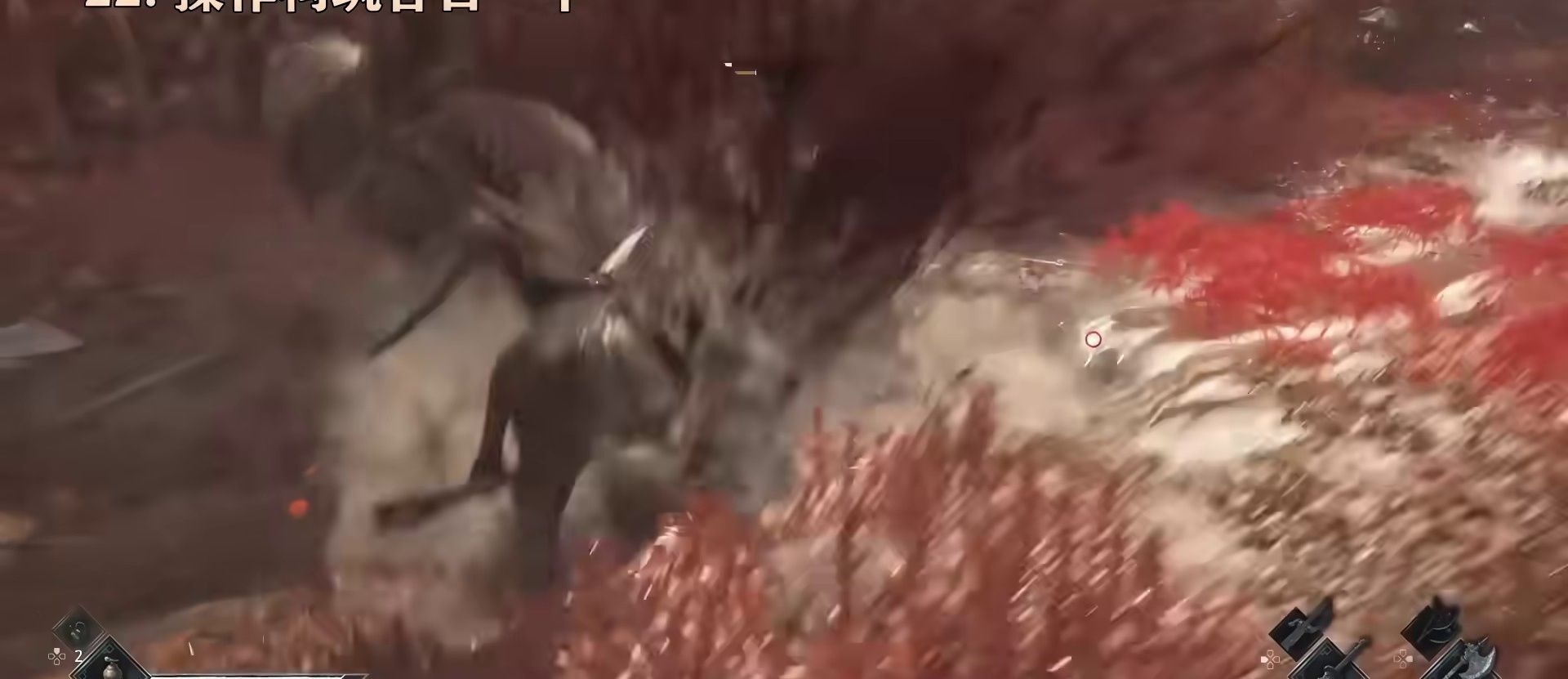
Map readability also earned unanimous praise: there are no jarring paint-style route markers; bells are plentiful and display a visual indicator while still locked; exploration rewards come in the form of quantifiable progression resources; picking up each and every item delivers clear positive feedback; and some hidden treasures even emit audio cues hinting at their location. Several outlets specifically praised how silky-smooth the character's climbing and map-traversal animations feel - the journey itself never feels tedious.
Progression and Builds: Reversible Upgrades, Loadouts That Shine
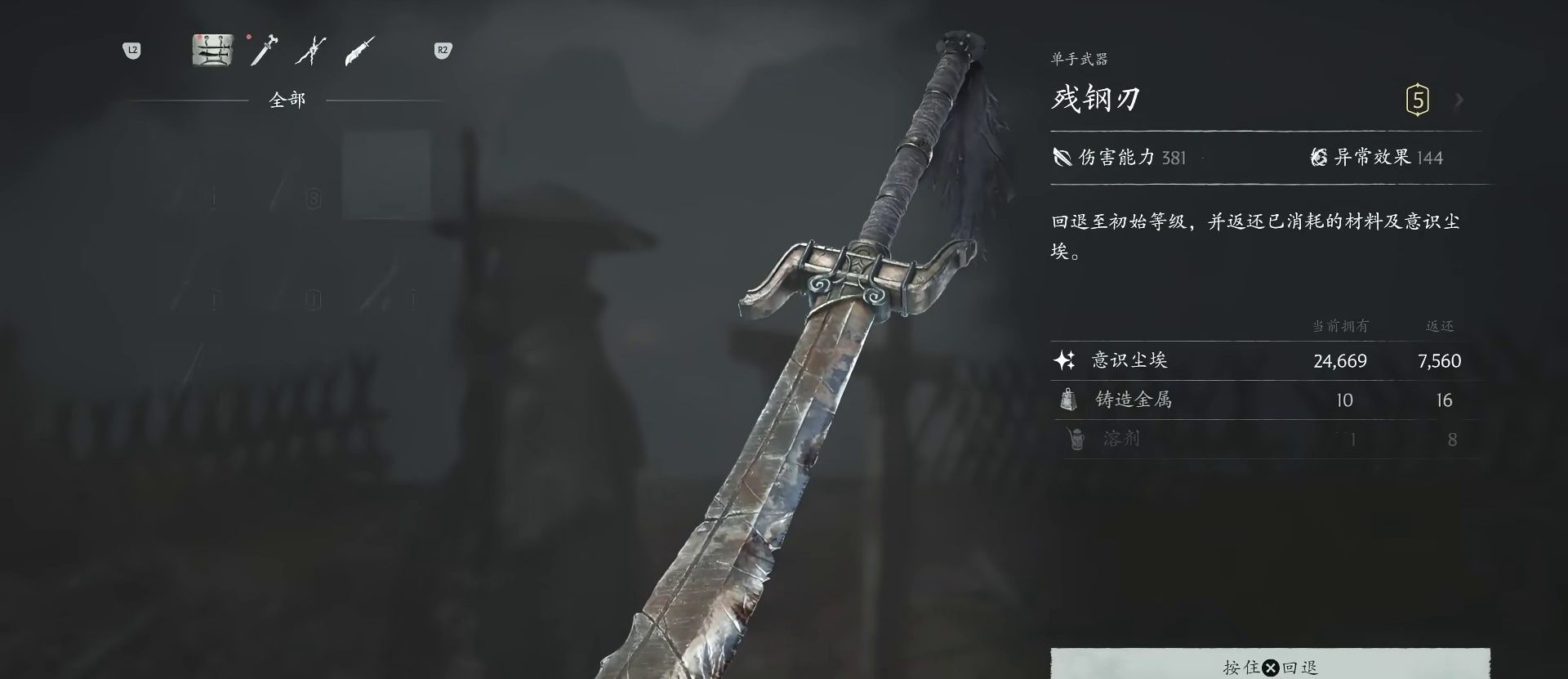
On the RPG side, the game offers what multiple media outlets have singled out as a "player-friendly" design: weapon upgrades can be reverted - enhancements below level 10 refund all materials in full, and only resetting upgrades above level 10 requires consuming a special item. Some reviews argue this deserves to become a benchmark-level design for action games going forward.
Weapon upgrades aren't just about bumping your stats, either: reaching certain level milestones unlocks new combos and new attribute effects, and can even change the way combat plays out entirely. Paired with a roster of 30 main weapons, the game actively encourages players to experiment boldly with different weapons.
Builds are part of the combat as well. The progression system includes a talent tree and six accessory slots - at most three accessories of the same type can be equipped at once, so no single stat can be stacked infinitely; certain enemies also counter specific builds, calling for flexible loadout swaps. Combat isn't just a test of mechanical skill - finding one powerful combination can dramatically ease the pressure on your execution.
When an upgrade grants both stats and new moves, "what to level" becomes the question that precedes "how to fight."
Story, Three Difficulty Tiers, and the 66-Day Countdown
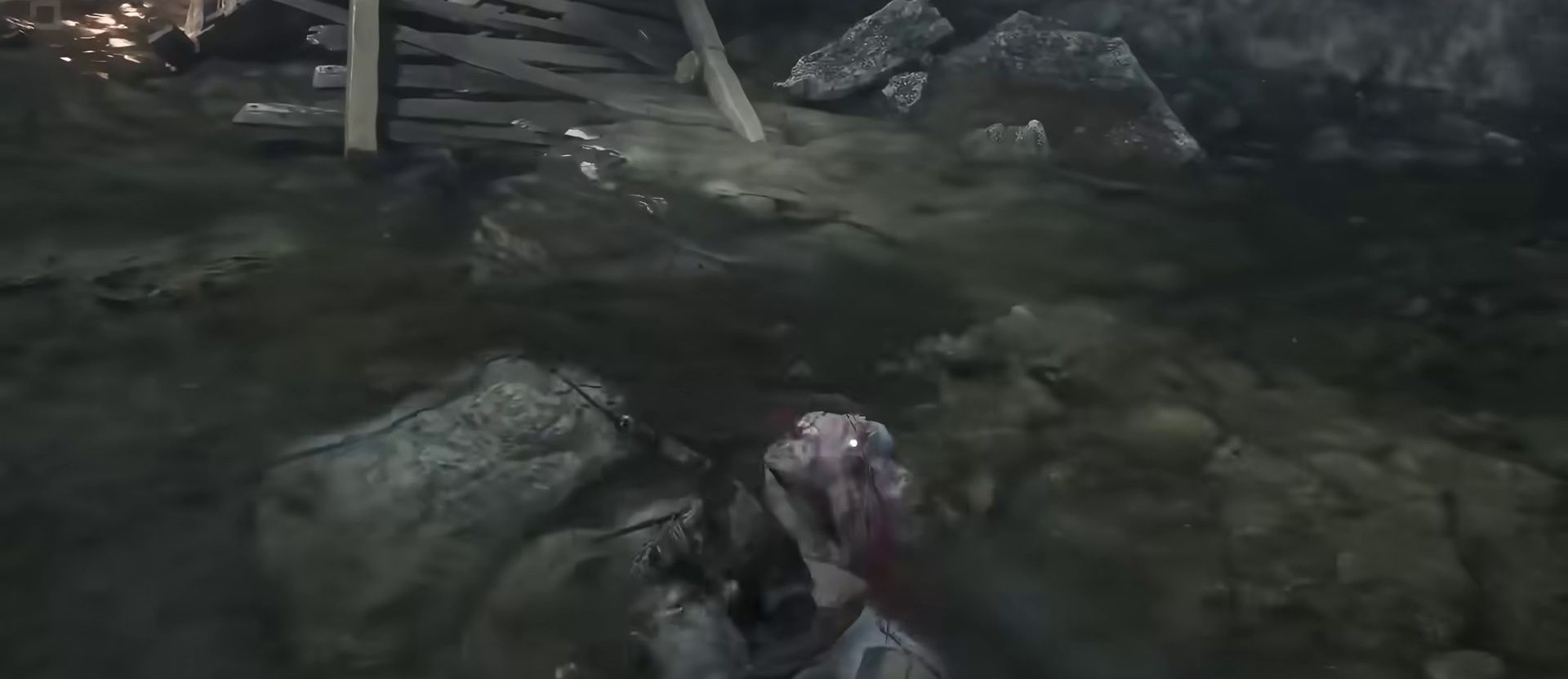
On the narrative front, the main story is told in a direct, straightforward manner - no piecing together fragmented lore required. Some side quests will outright expire as the plot advances, and key branching points are clearly signposted. Key side quests are marked in purple and can unlock hidden weapons; series veterans will also find plenty of nostalgic callbacks.
The difficulty design is remarkably flexible: during a first playthrough, you can freely switch between three standard difficulty tiers - Entrant, Breaker, and Defier - corresponding to Easy, Normal, and Hard. Defier is genuinely hardcore: bosses gain new attack variations, the AI adapts to your habits, and rote pattern memorization simply won't cut it.
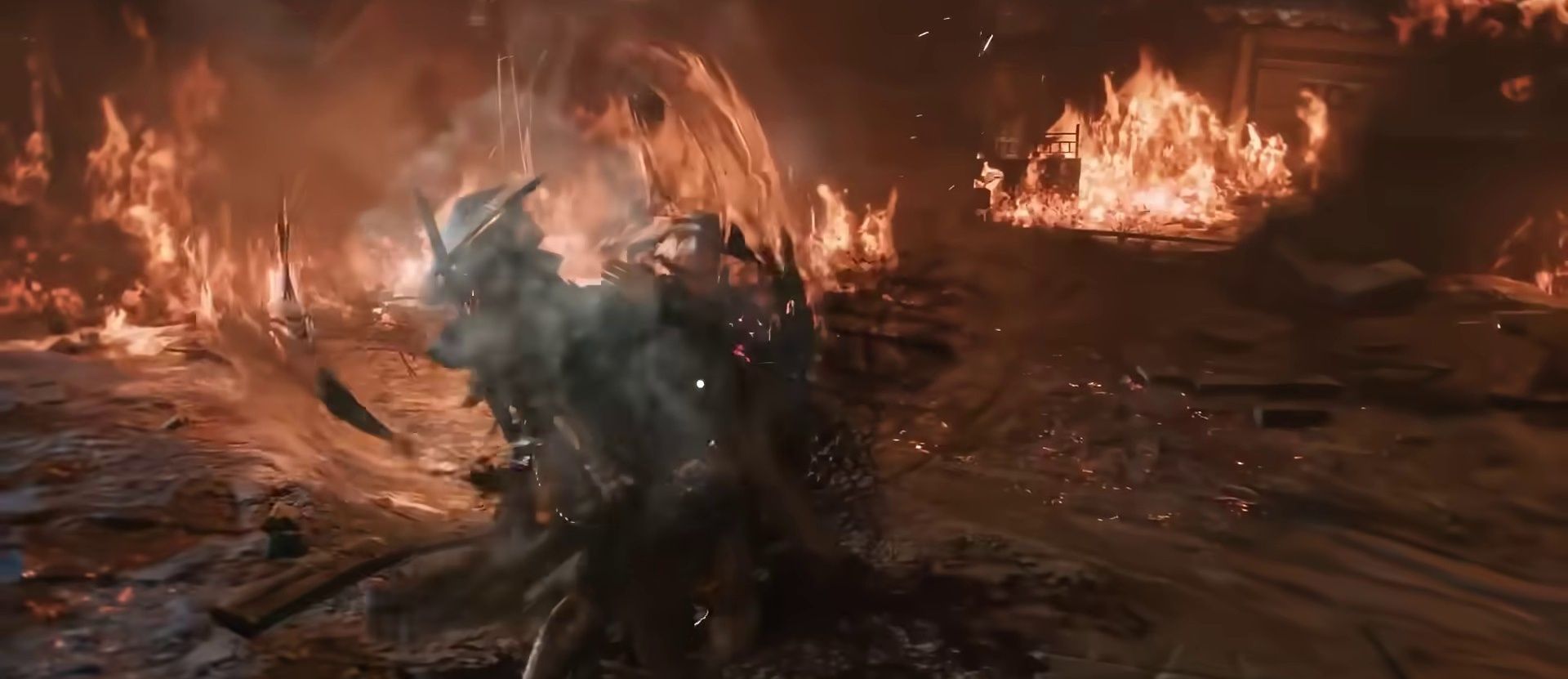
After beating the game, there's also a standalone 66-Day Mode: saves are kept entirely separate, and the difficulty matches the hardest tier - but every death deducts days, and once they run out, the run is over. It forms a clever narrative echo of the protagonist Soul's own dwindling time. Apart from the ending and death sequences, the mode unlocks no additional story content; it is pure gameplay aimed squarely at challenge-seekers.
With the death penalty siphoning off days, "66 days" is transformed from a story premise into the gameplay itself.
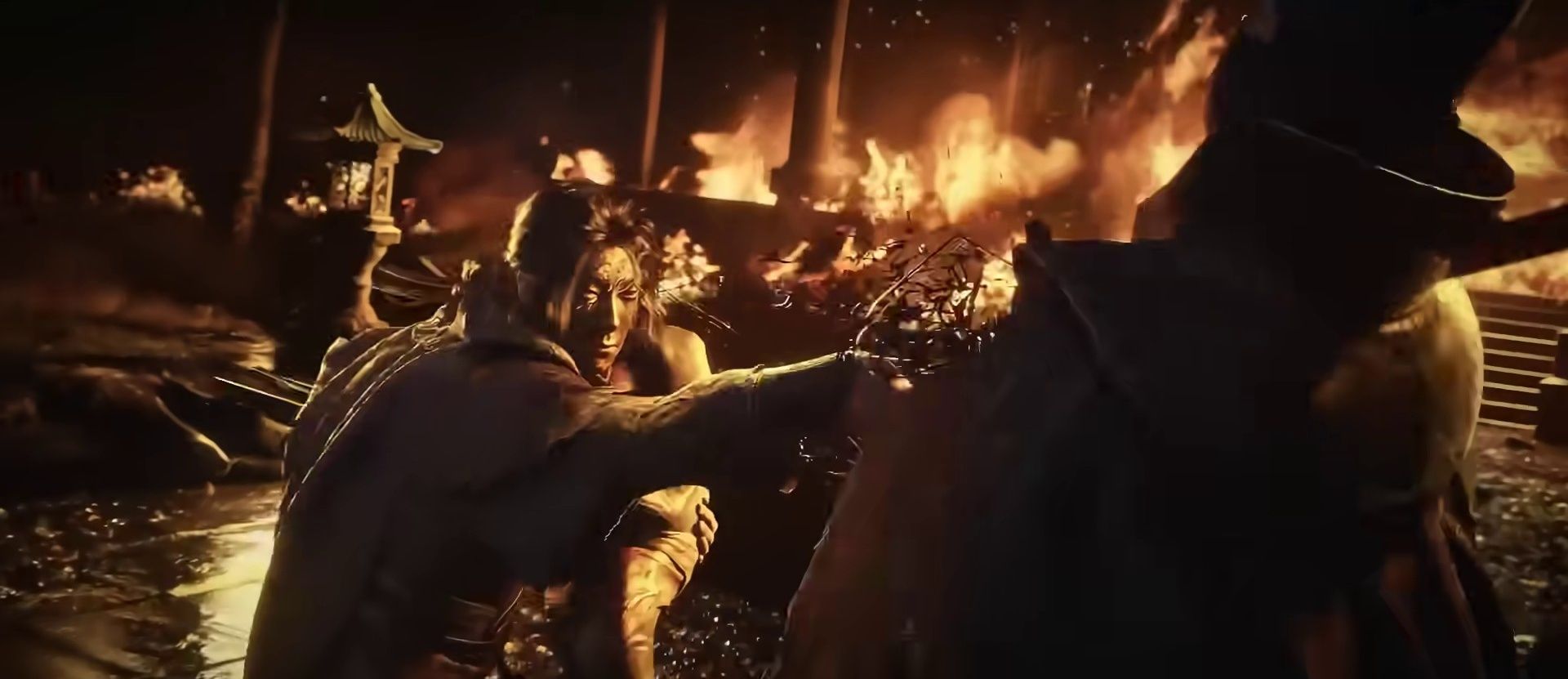
One final key detail concerns the protagonist himself: for all that he is a killer, Soul remains kind-hearted at his core. That goodness preserved beneath the blade may be exactly what this dark tale of revenge most wants to protect.
Top Community Comments
Kouzi Ge (176 likes):
"The author said Phantom Blade Zero might be one of the most closely watched games of October this year, if not the entire year - it came with a timeframe and a scope, and even a cautious 'one of' thrown in, yet people still jumped out to nitpick with 'Nope, there's also GTA6.' Sometimes I really do wonder how these people's brains are wired."
This highly upvoted comment pokes fun at the reflexive "contrarian culture" - even a judgment hedged with plenty of room still gets picked apart over its exact wording. At the same time, it indirectly confirms just how highly anticipated Phantom Blade Zero is: when a homegrown wuxia action game can be discussed in the same breath as GTA6, the league it plays in speaks for itself.
Chiwen kyuu (2 likes):
"How come even the author buys the 'no pattern memorization' pitch? Has the author ever played a single action game where you can't memorize patterns?"
In response to the claim that "on Defier difficulty, the AI learns player habits, making pattern memorization largely ineffective," this veteran action-game player offered calm skepticism: learning enemy behavior is the very essence of action games, and "zero pattern memorization" reads more like marketing rhetoric. That said, combined with the hands-on report's note that "the AI adapts to player habits," there is at least reason to look forward to more dynamic encounters - the skepticism is fair, but there's no need to rush to write it off.
Jinyue Alkaid (51 likes):
"Big props for trash mobs not respawning! Exploration-focused players must be ecstatic - the trash mobs themselves become a kind of exploration signpost: if the mobs are still alive, you know you're heading the right way."
This comment points out a clever design touch that's easy to overlook: permanent death for trash mobs may look like nothing more than "fewer enemy respawns," but in practice it writes exploration progress into the map itself. Living enemies become natural "unexplored" markers, and together with bell cues and audio clues they form a complete environmental language, greatly easing the anxiety of getting lost that large maps tend to bring.
📌 One-Sentence Summary
Through a "Killing Intent" loop that fuses offense and defense while rewarding aggression, Phantom Blade Zero ties together fast-paced wuxia action, Metroidvania-style exploration, and a forgiving, player-friendly progression system - it may not turn every player into a master, but chances are it will make everyone fight like one.