Phantom Blade Zero: DMC-Style Combos, Wuxia Cinematic Flair, and Two-Phase Bosses - S-GAME's Ambition Can No Longer Stay Hidden
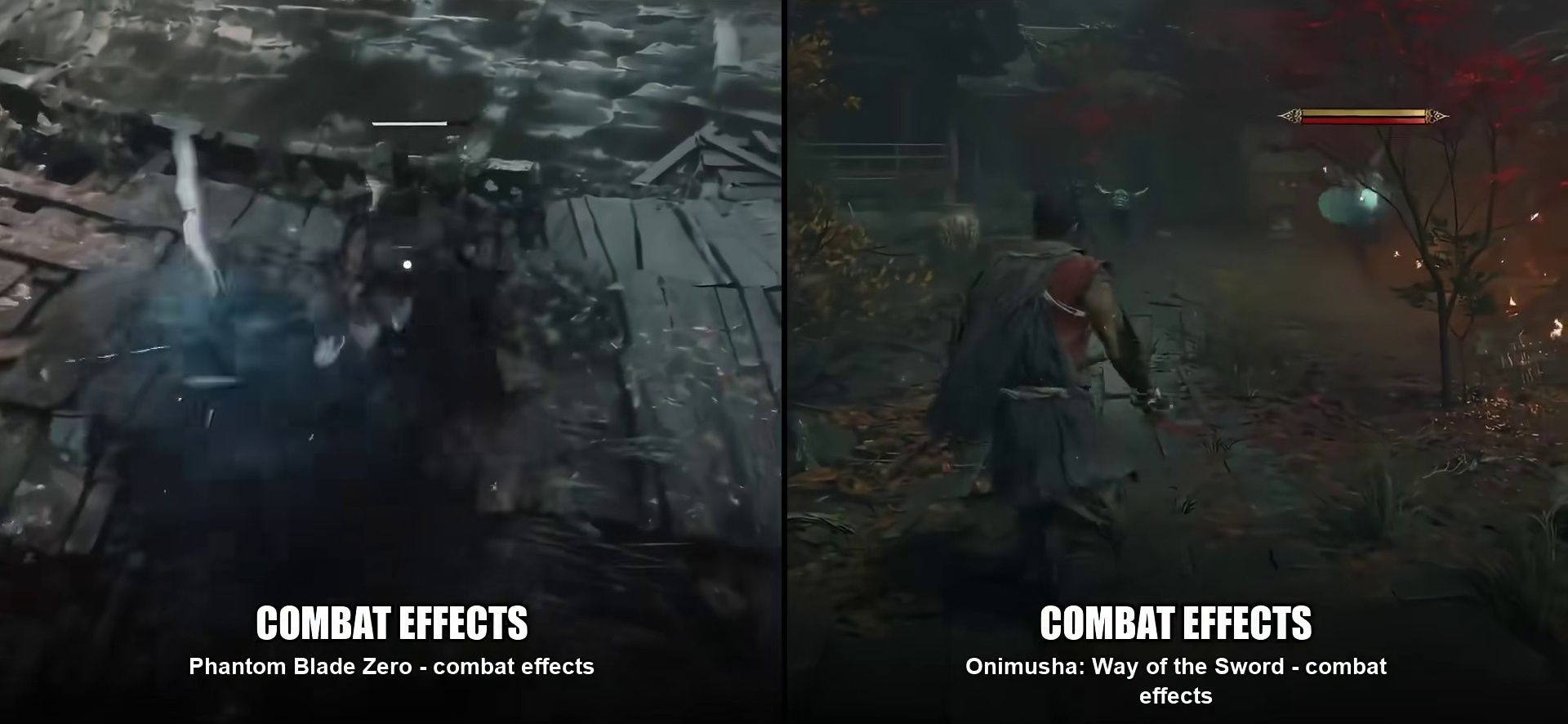
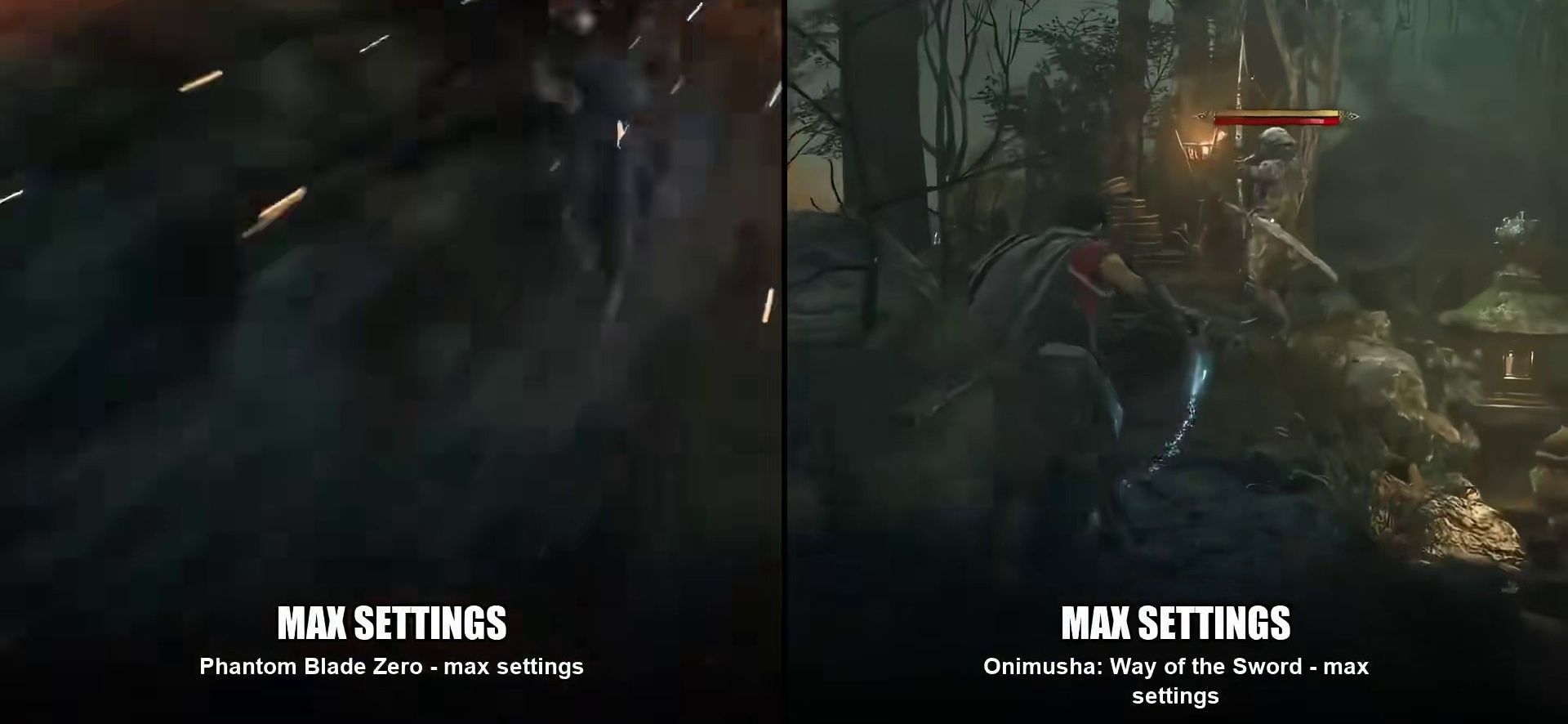
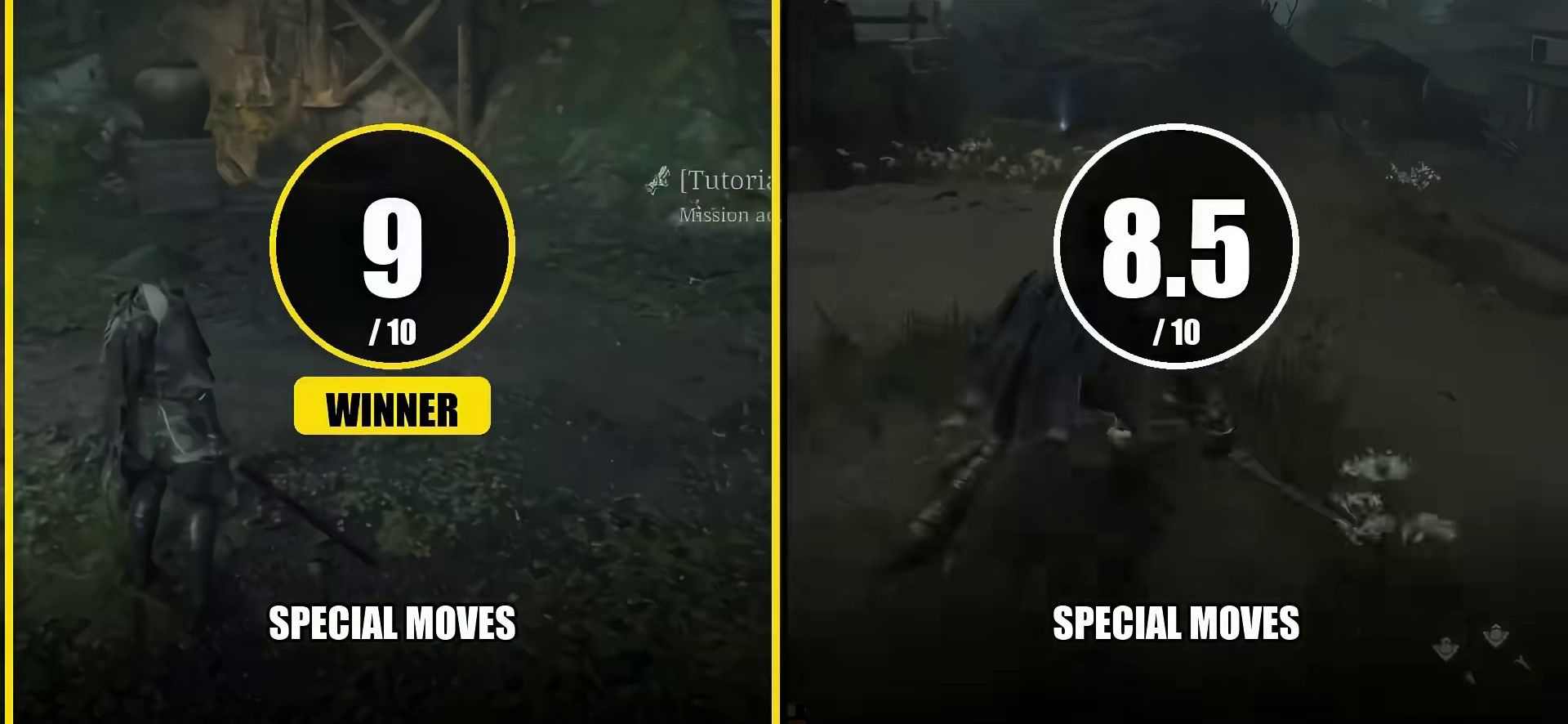
Blade light slices a cold line through the curtain of rain; the sound of parries rings like iron striking iron, and in the very next second, the counterattack has already landed on the enemy. Discussions surrounding Phantom Blade Zero always circle back to one question: when S-GAME and Liang Qiwei push "kungfunk" into the spotlight, what kind of action game is it truly trying to be? The answer is not a simple soulslike imitation, but a fluid combat system much closer to DMC - movement, timing, dodging, parrying, and real-time adaptation to enemy behavior are all harnessed to craft a more cinematic experience.
1. Not a Soulslike Clone: Why Phantom Blade Zero Aims for DMC-Style Fluidity?
Action games today have more or less crystallized into two distinct lineages: one is the soulslike school of cautious, calculated dueling, built on spacing, stamina, and memorized attack patterns; the other is the DMC school of high-speed combos, built on style, rhythm, and showmanship. What's most intriguing about Phantom Blade Zero is that it refuses to lock itself into either camp. It retains the oppressive pressure of blades grazing flesh, yet what it clearly wants more is a kind of combat that can carry the narrative while in motion.
S-GAME and Liang Qiwei's choice is clear: rather than making players memorize a boss's fixed attack patterns through death after death, they want movement, timing, dodging, parrying, and adapting to the enemy to form a continuous feedback loop. Combat isn't just about "winning" - it has to "look good" too. That sounds like a marketing tagline, but the truly hard part is making "looking good" and "being genuinely hard" hold true at the same time.
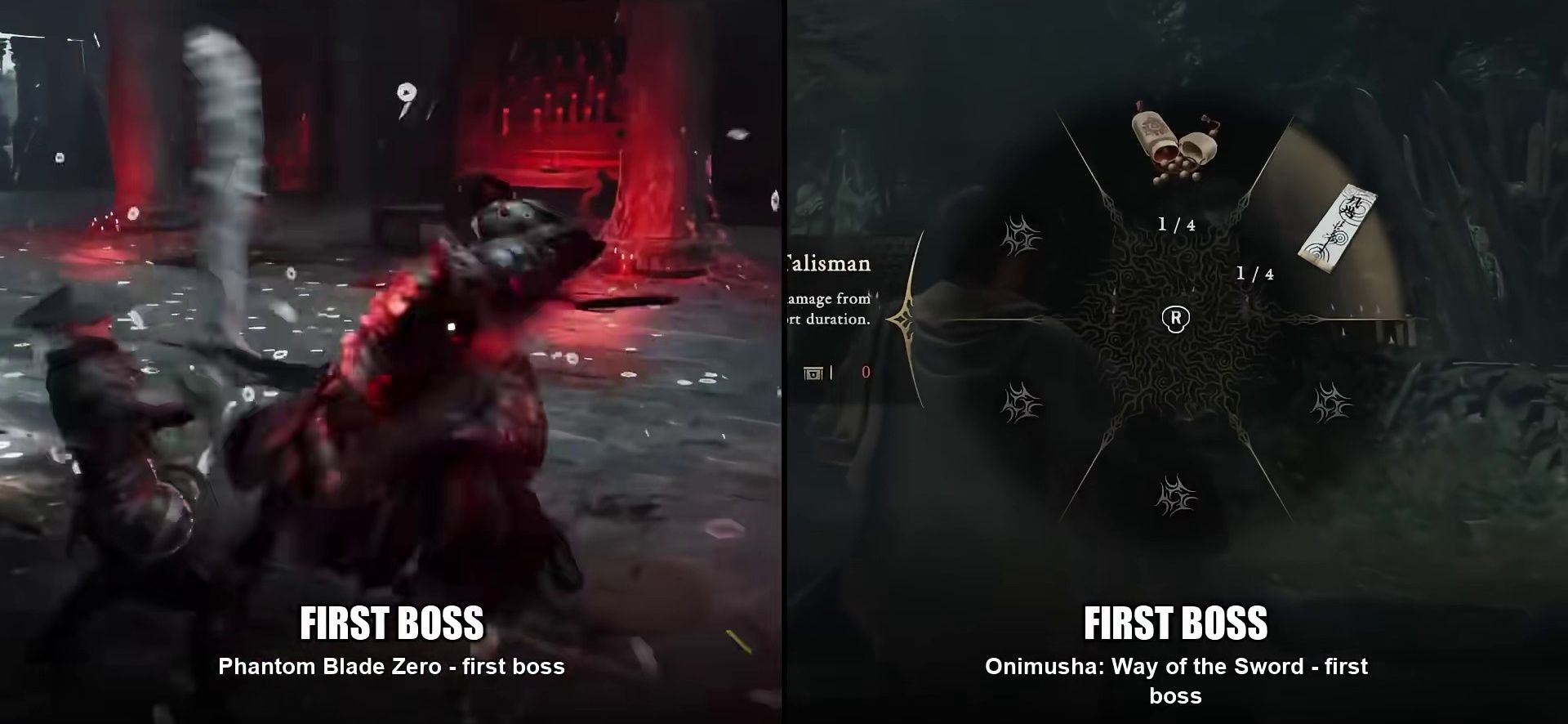
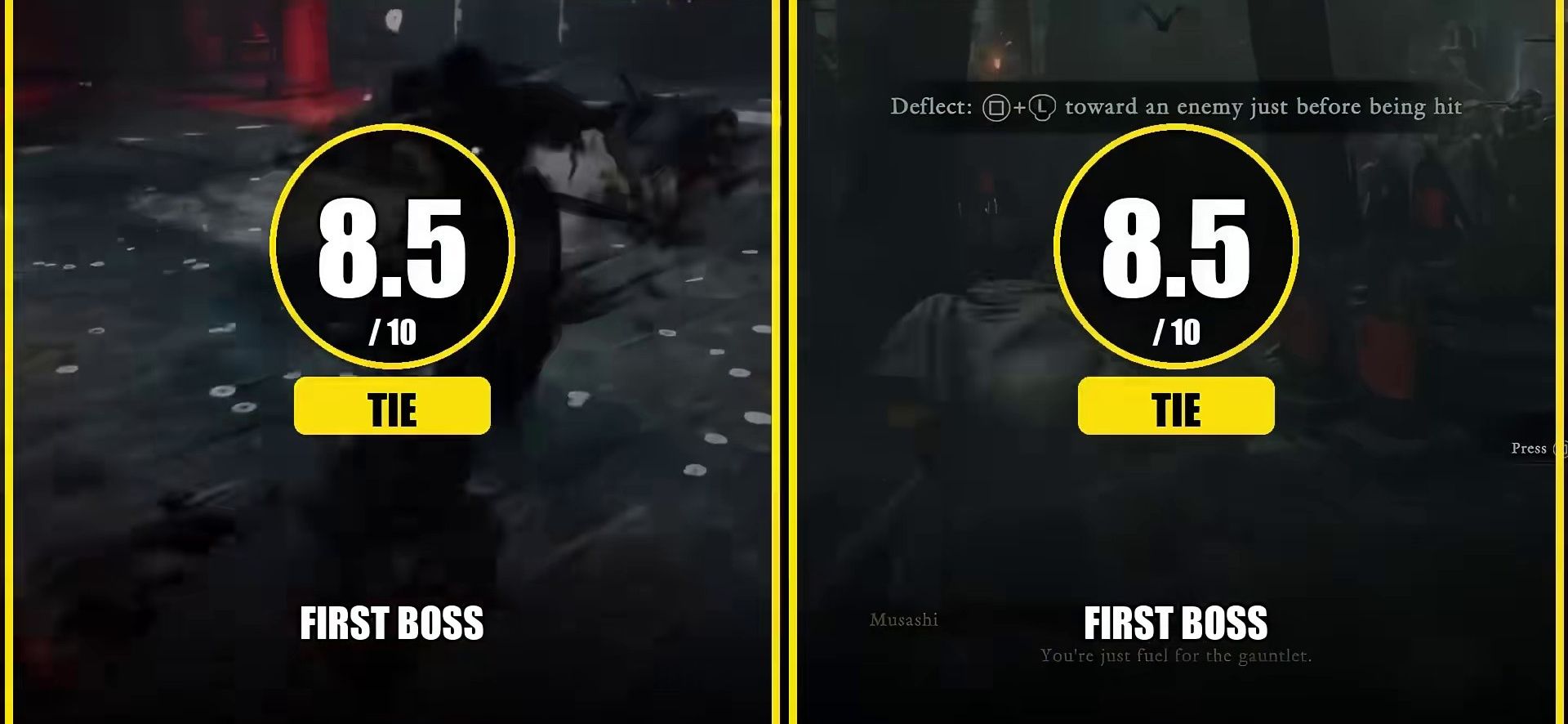
What it aims to do is not have players "memorize patterns," but have them turn combat into a controllable wuxia film woven from movement, timing, dodging, and parrying.
II. Movement, Timing, Dodging, Parrying: The Four Pillars of Cinematic Combat
Movement is composition. Every advance, retreat, and circle around the enemy changes the camera and the spacing between you and your foe, turning combat from a flat exchange of stats into a spatial dialogue. Timing is rhythm. A frame too early is recklessness; a frame too late means eating the hit. The real thrill comes from landing the right input at the edge of the blade. Dodging is breathing; parrying is dialogue. Together, they determine whether a boss fight becomes a frantic scramble of rolls or a symphony of clashing steel.
Even more crucial is "adapting to the enemy." Fixed combo strings, however flashy, eventually grow stale; but when enemies change their behavior based on distance, state, and phase, players have to solve problems on the fly. Phantom Blade Zero's fluidity isn't about removing pressure - it's about converting that pressure into a denser stream of decisions. This is also what sets it apart from traditional soulslikes: you can be more proactive, and you must be.
A truly fluid action game doesn't let players mindlessly mash buttons - it makes every reposition and block feel like it's happening inside the frame.
III. Deflecting Projectiles Back: The Parry System's Offensive Expression
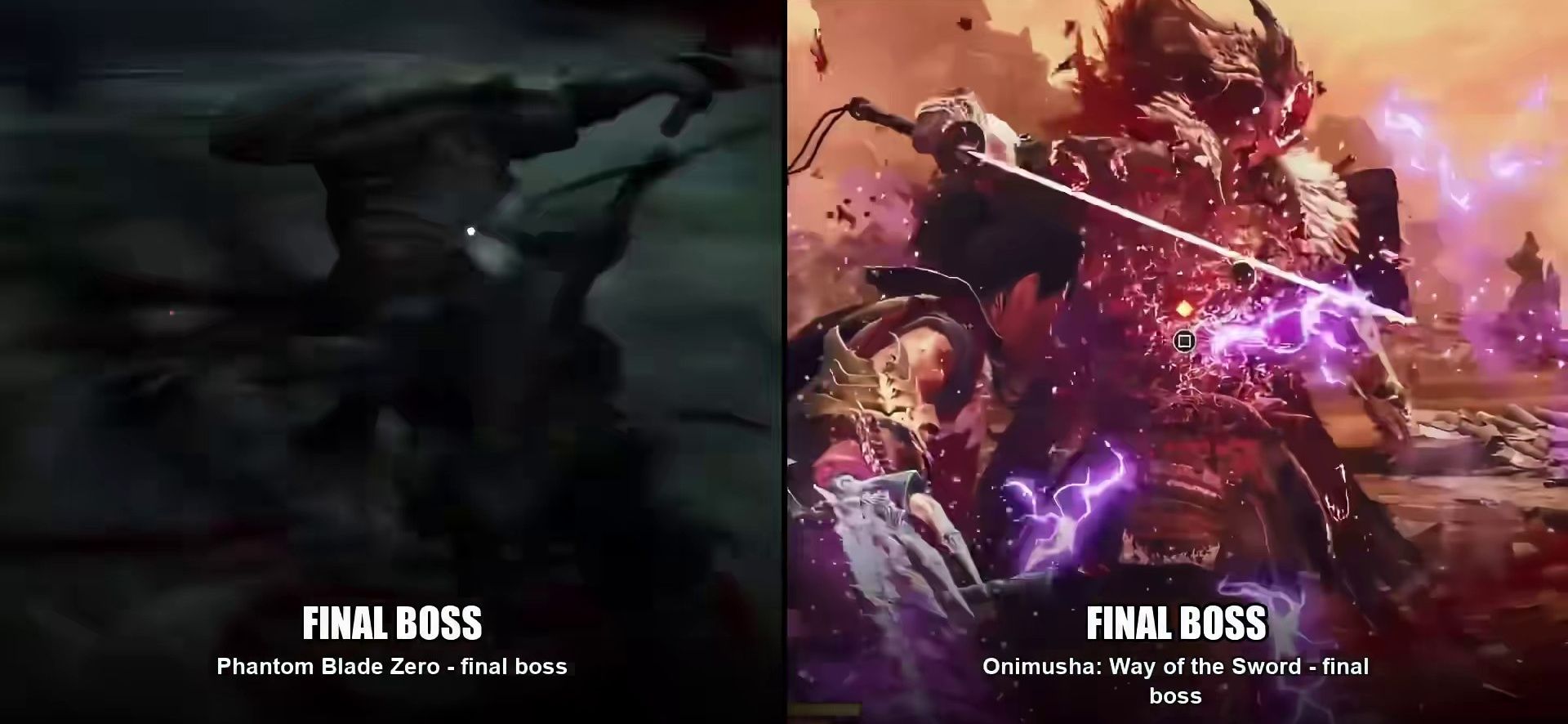
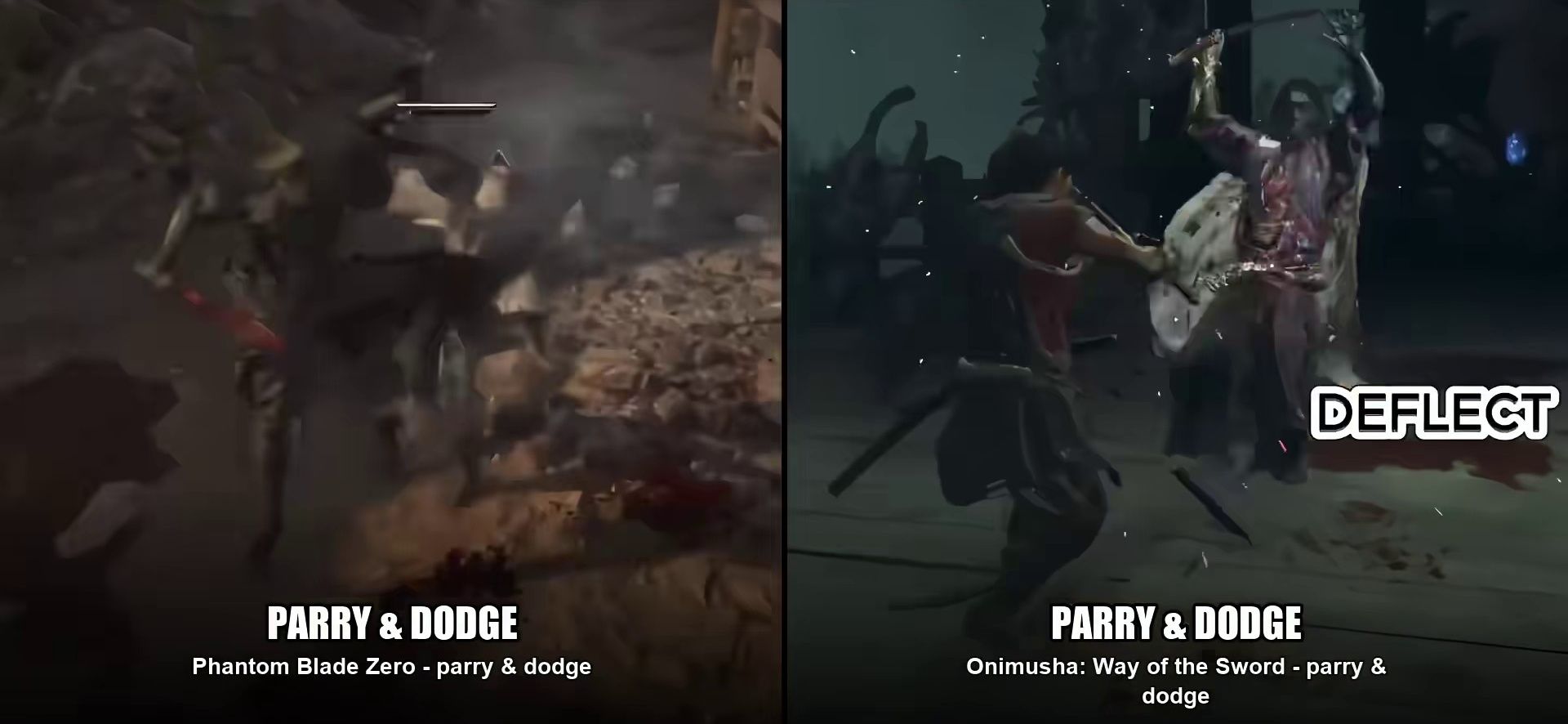
In many games, the parry is merely the endpoint of defense; in Phantom Blade Zero's combat logic, it is far more like the starting point of offense. With the right timing, an enemy's projectiles can be parried back - even striking the attacker's own body. This design is remarkably clever: it turns ranged threats from a passive "waiting for you to close in" annoyance into a high-risk, high-reward gambit.
When a player successfully parries an attack back, the visuals, sound effects, and character animation deliver their reward in unison. That is no simple stats offset, but a sense of control - "I've just turned your killing blow into my own line." The more offensive the parry, the more combat resembles a conversation; and the initiative in that conversation must be seized back through skill.
In Phantom Blade Zero, the parry is not a shield, but a blade on a delayed fuse.
IV. Two-Phase Bosses: The Second Phase Is the Real Exam
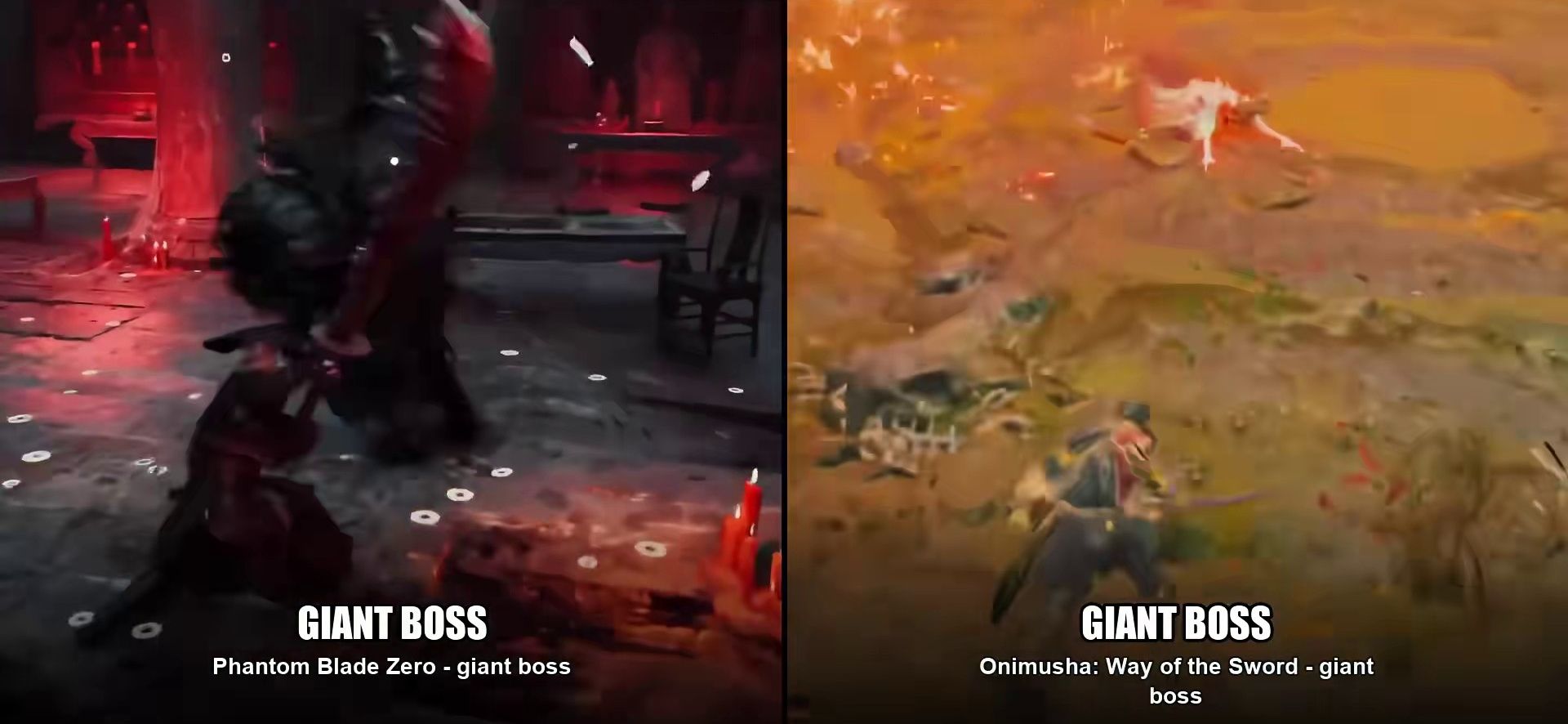
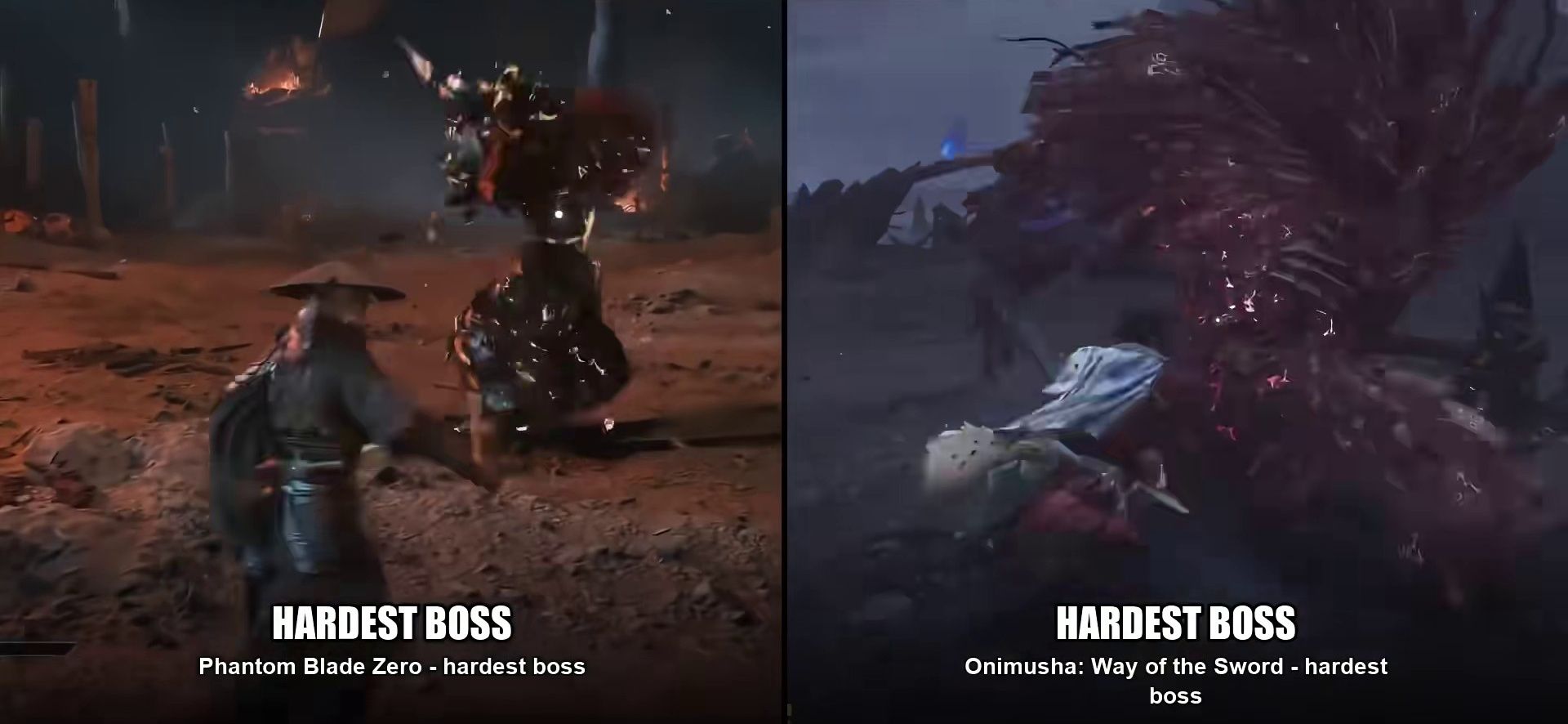
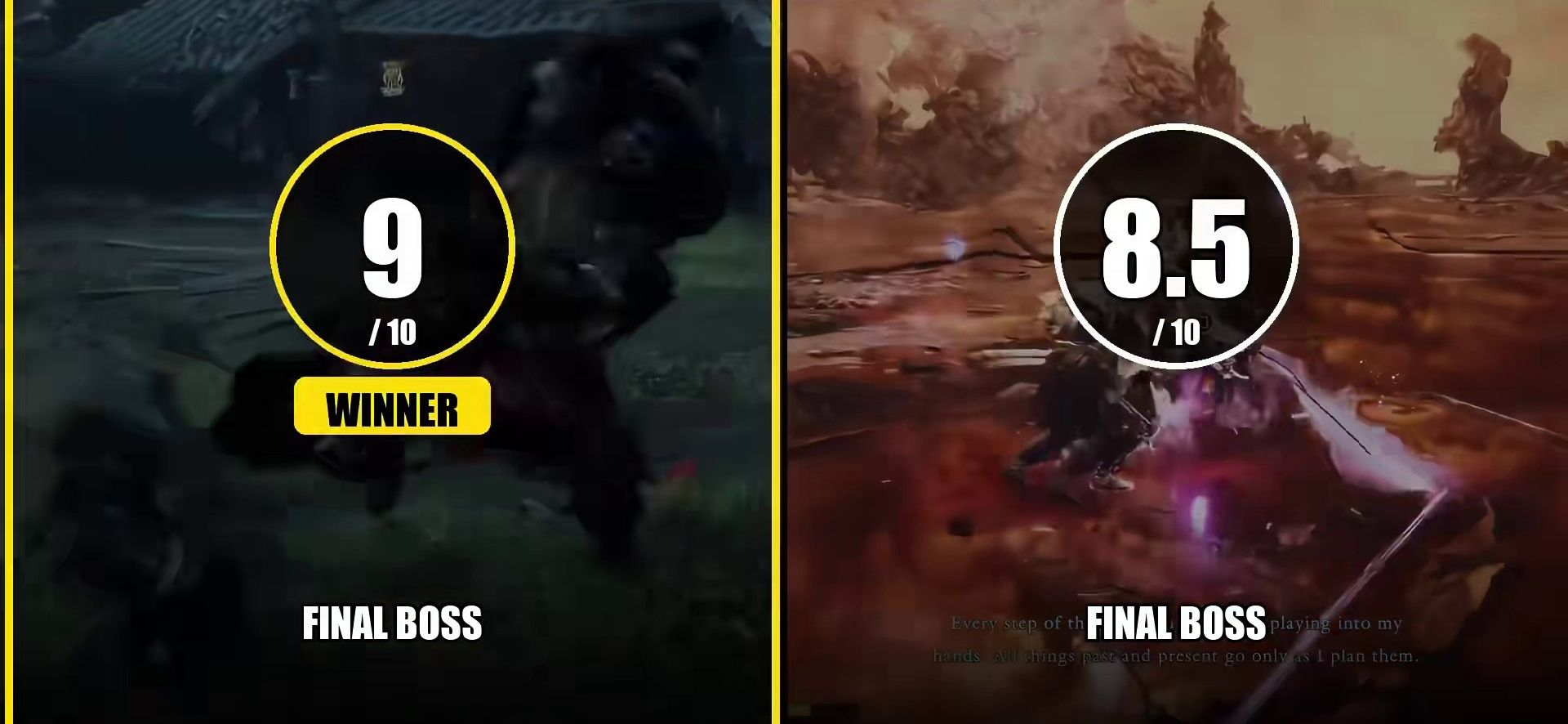
A boss fight with only one rhythm is easily broken down into a formula. Two-phase design changes all of that. The first phase is more like probing and a tutorial, letting players get familiar with the boss's moves, spacing, and openings; once the second phase begins, the boss becomes fiercer and more proactive, even changing its attack logic. At that point, every answer you memorized earlier may stop working.
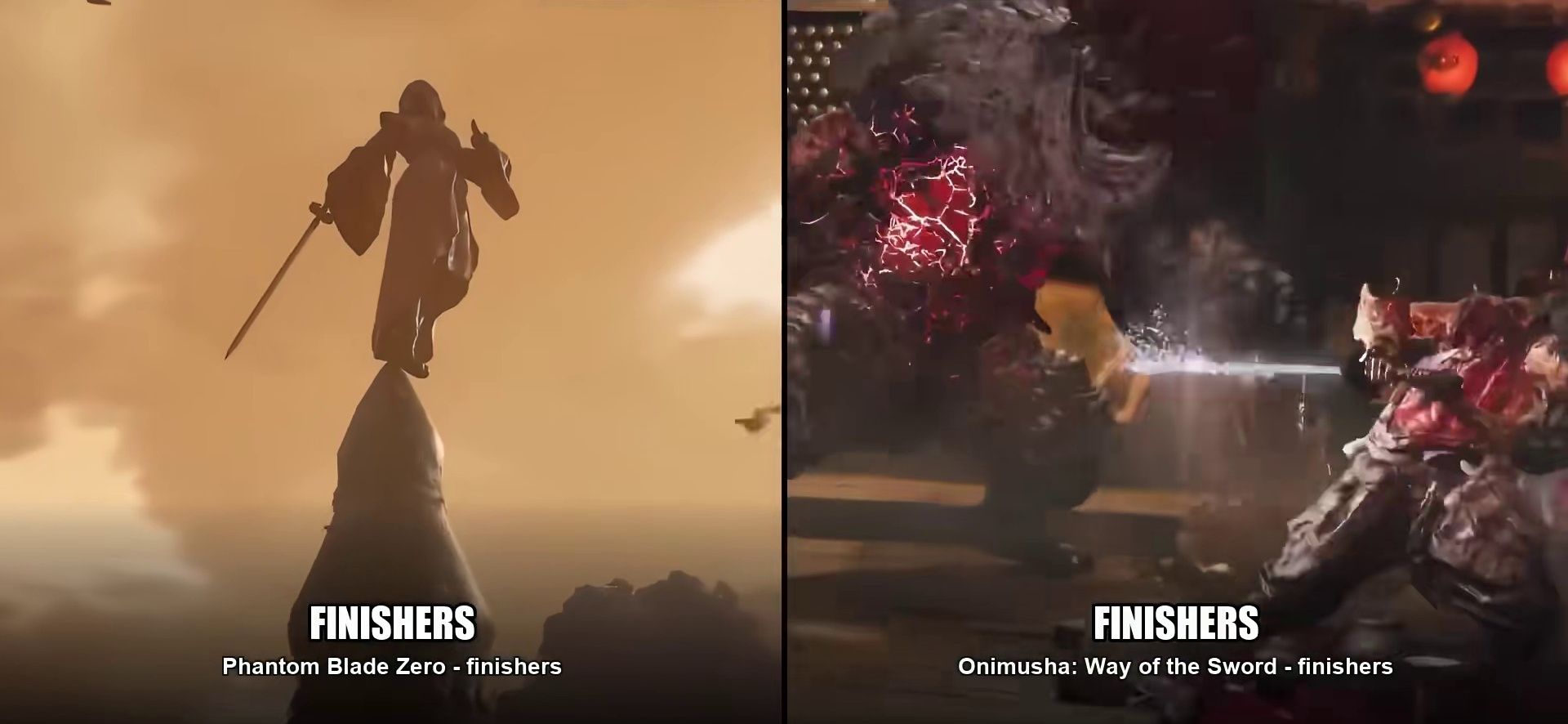
This is precisely the touchstone of Phantom Blade Zero's combat system. DMC-style fluidity can't exist only in trash mob fights - it has to hold up against high-pressure bosses. What players need to learn isn't "what's her next move," but "how do I respond once she changes up her attacks." The second phase isn't stat inflation - it's the rules ascending to a higher dimension. Only those who can still pull off combos, parries, and executions here have truly learned to read this combat language.
5. The Manhunt, the Father-Son Rift, and the Hunted: The Dark Undercurrent of Wuxia Storytelling
The worst fate for an action game is to be left with nothing but action. Phantom Blade Zero's narrative foundation still carries a heavy shade of jianghu cruelty: the protagonist is hunted from all sides, as if everyone wants to stop him; meanwhile, on another thread, the rift between the character and his son is laid bare. This parent-child tension is more than set dressing - it gives the manhunt a far more personal weight.
When a man is abandoned by his organization, pursued by old comrades, and torn apart by his closest kin, his blade is no longer merely a weapon - it is an echo left behind by the past. What Liang Qiwei excels at is stitching together a cold, hard action shell with a wuxia narrative steeped in fatalism. The thrill of combat is the entry point; why you fight is what drives retention.
VI. Yen's Motion Capture and Rapid Chain Punches: The Last Mile of Character Quality
Whether a character can truly stand on their own sometimes comes down to the last mile of motion capture. Yen's motion capture showcases rapid chain punches brimming with oppressive pressure: not a showy display of wide, sweeping movements, but pressing in tight against the enemy, unloading strikes in relentless succession, then chaining into pursuit attacks on downed targets and frost qi. With action design like this, the character never needs dialogue to explain how dangerous they are - the body itself does the talking.
Rapid chain punches place extreme demands on animation, hit feedback, and camera choreography. Punch too fast, and the action smears into a blur; too slow, and it loses its edge. What Phantom Blade Zero aims to do is give every punch real weight, and let every recovery carry a lingering resonance. When frost, ground pursuit, and the rhythm of fists and kicks layer together, the character's combat style is no longer a stats label, but a personality you can actually feel.
Top Community Comments
"Some obsessions have followed you for half a lifetime - asking someone to suddenly admit they were wrong all along is harder than admitting their game lost." - This comment takes aim at faction loyalty and pins down the psychological defense veteran players put up when facing a new release. Being picky about a new game is sometimes not because it isn't good enough, but because it threatens long-held aesthetic tastes.
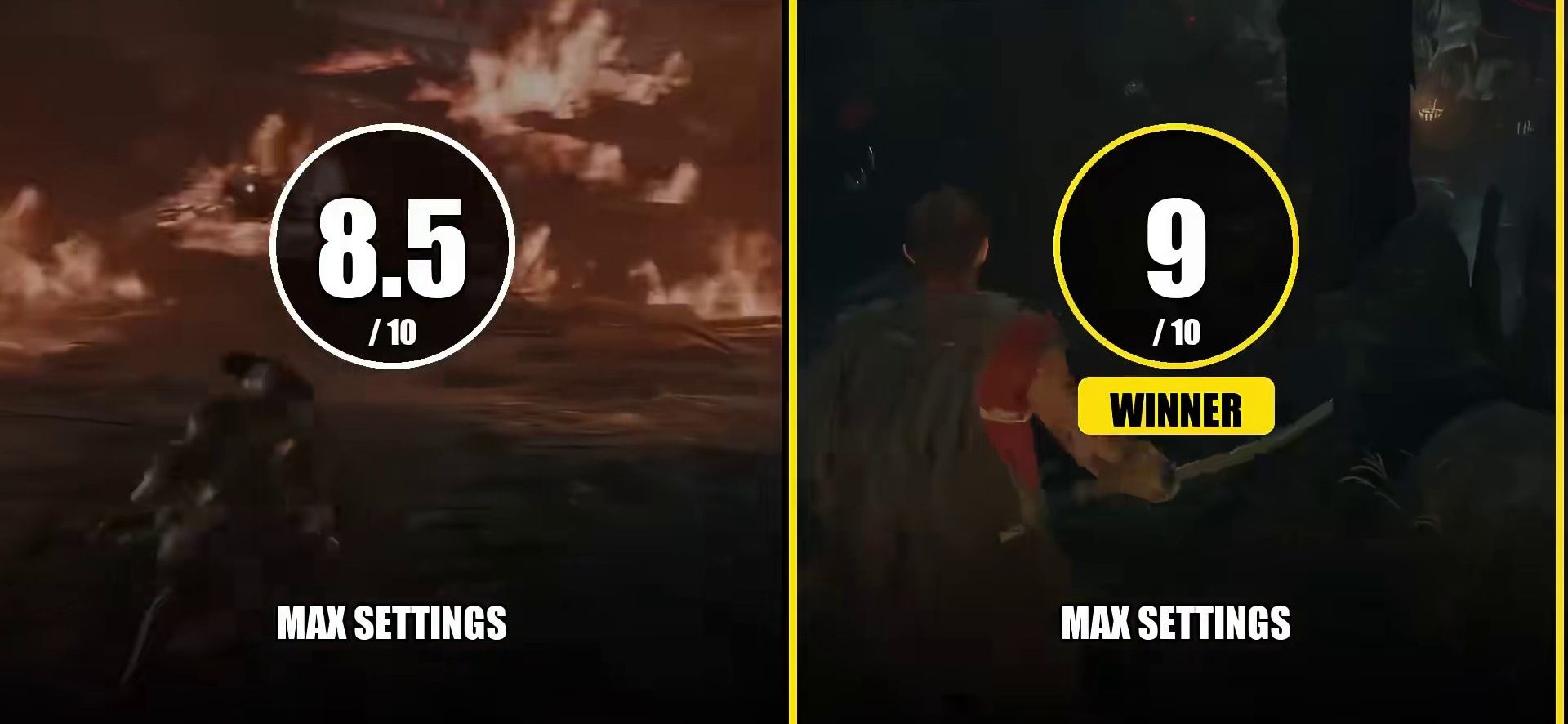
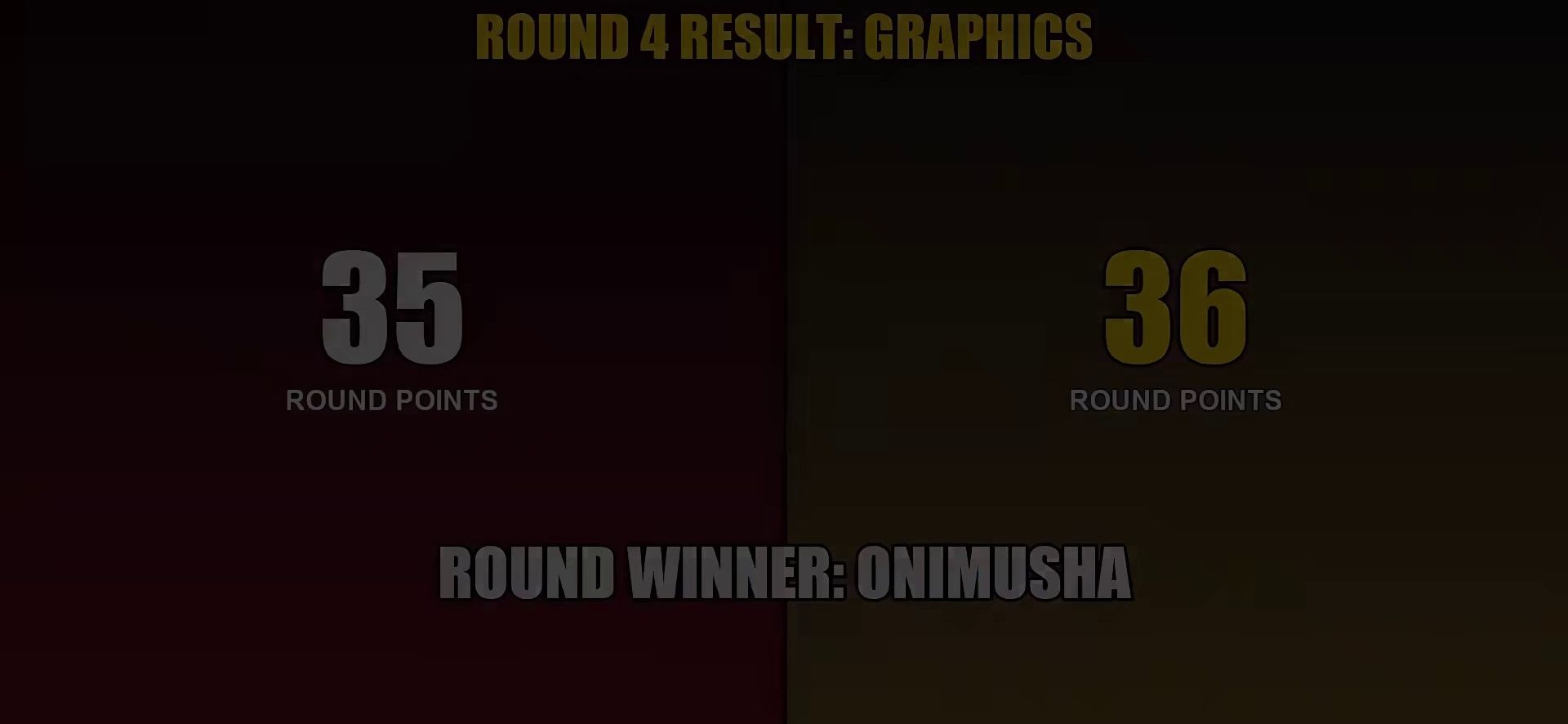
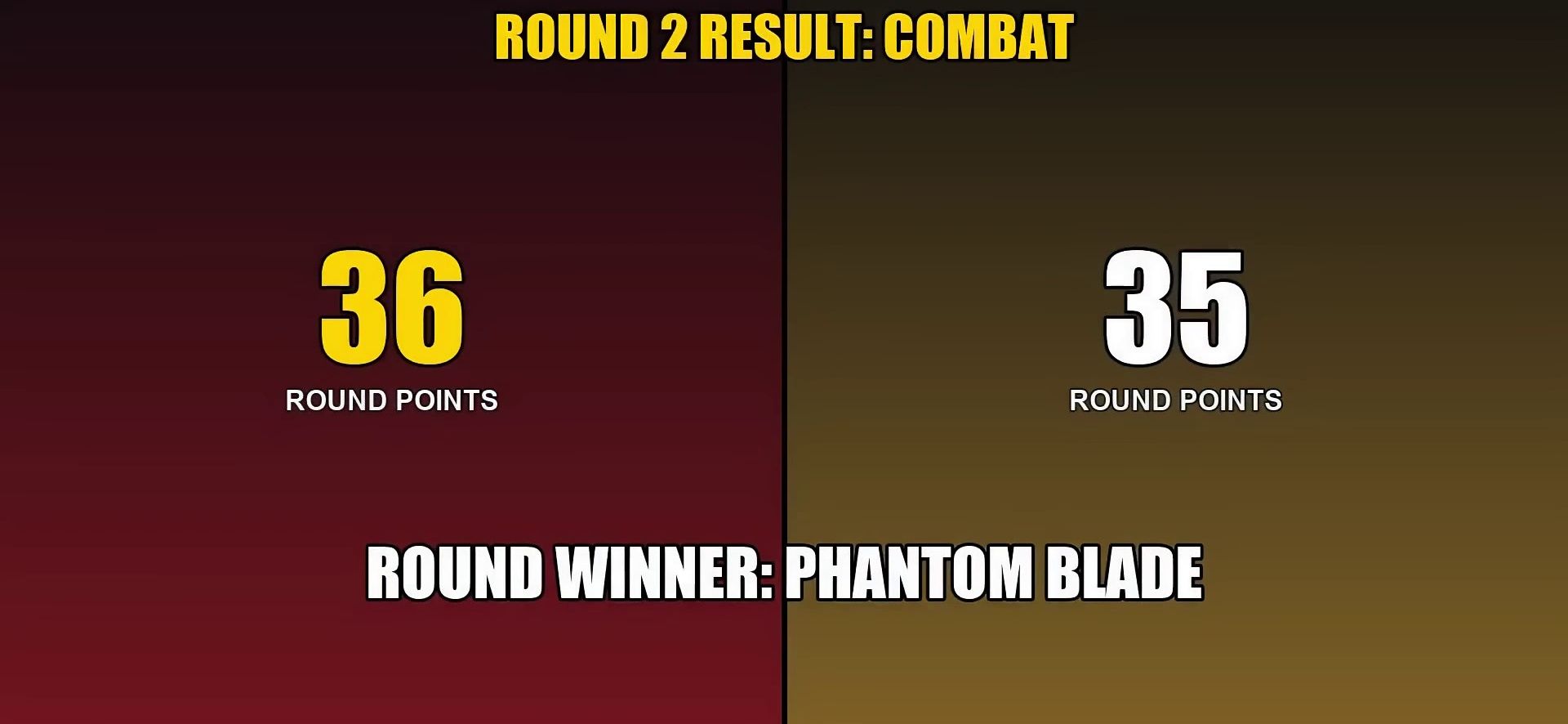
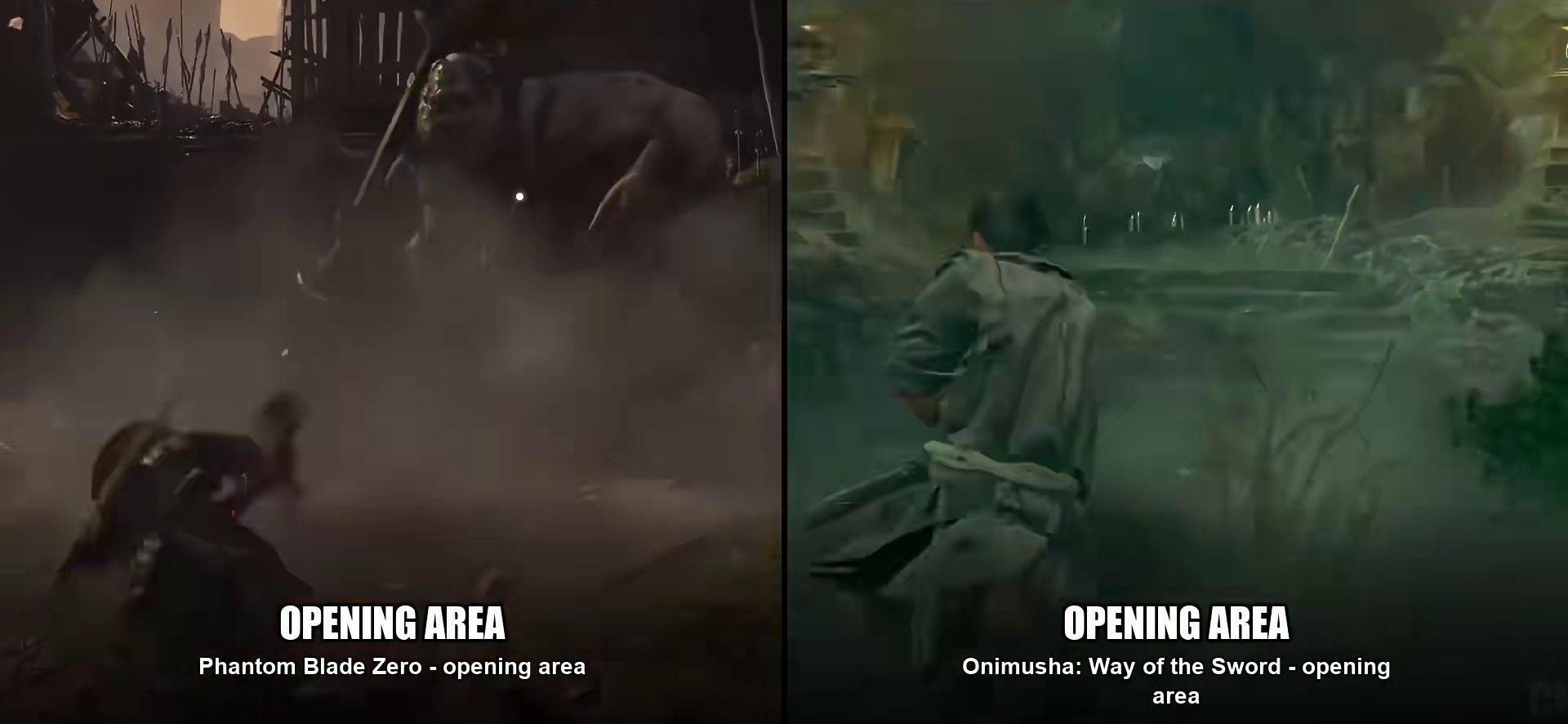
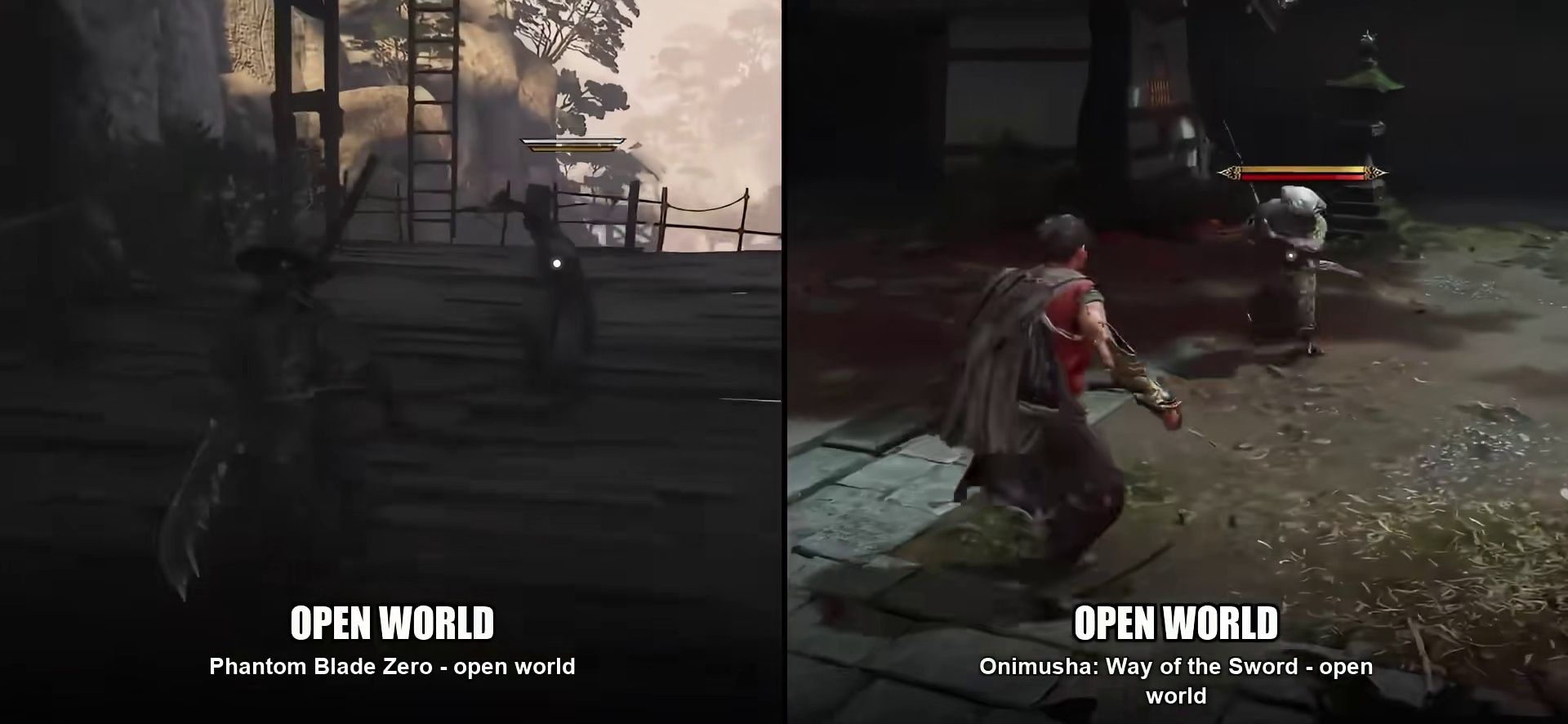
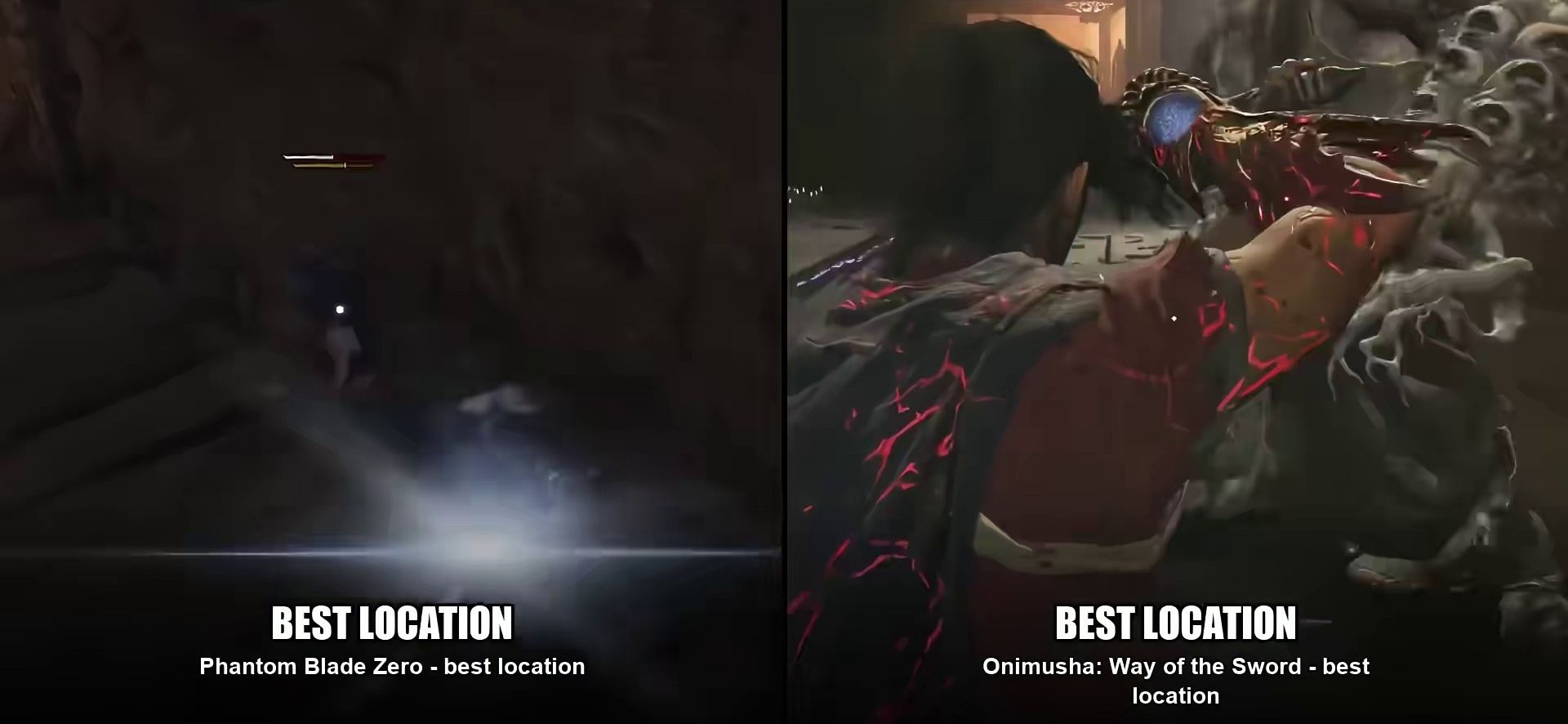
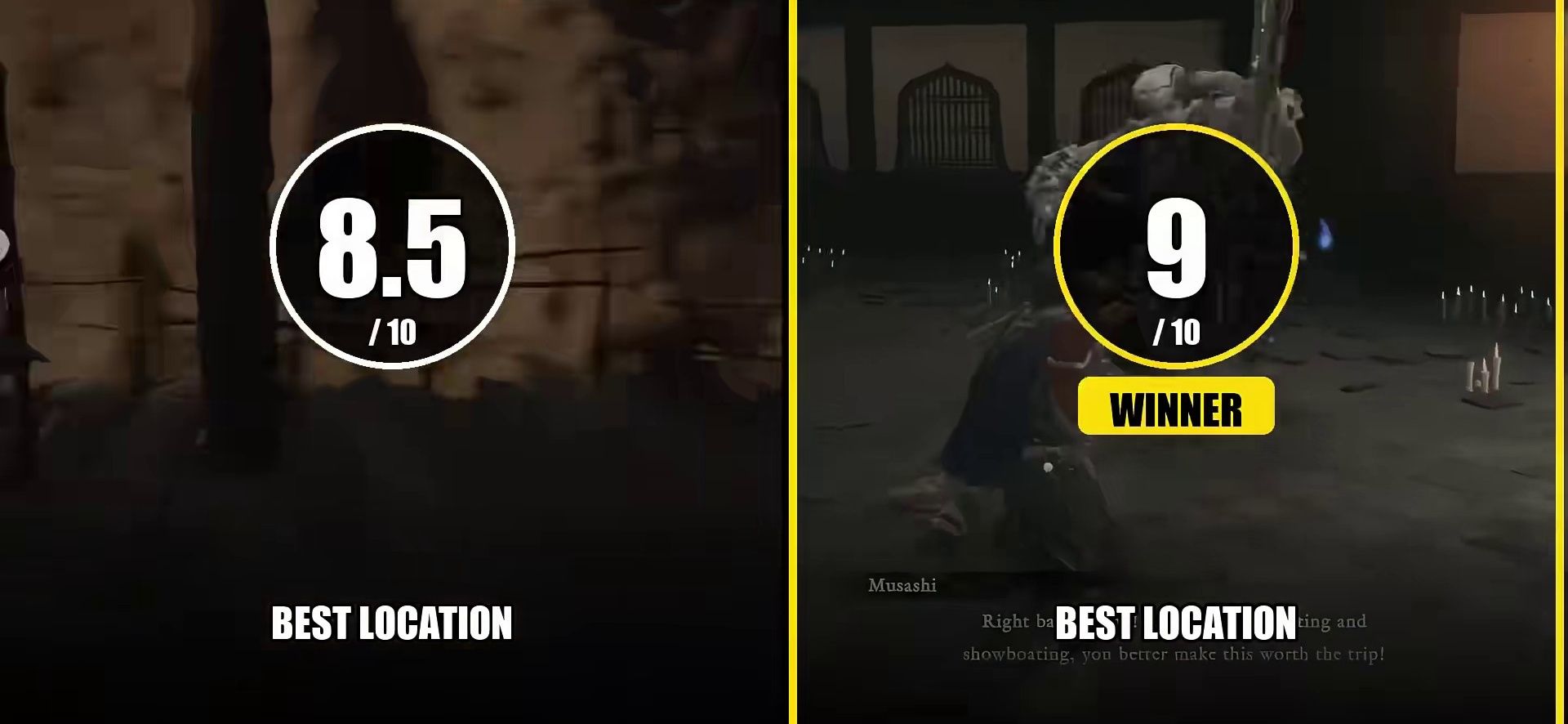
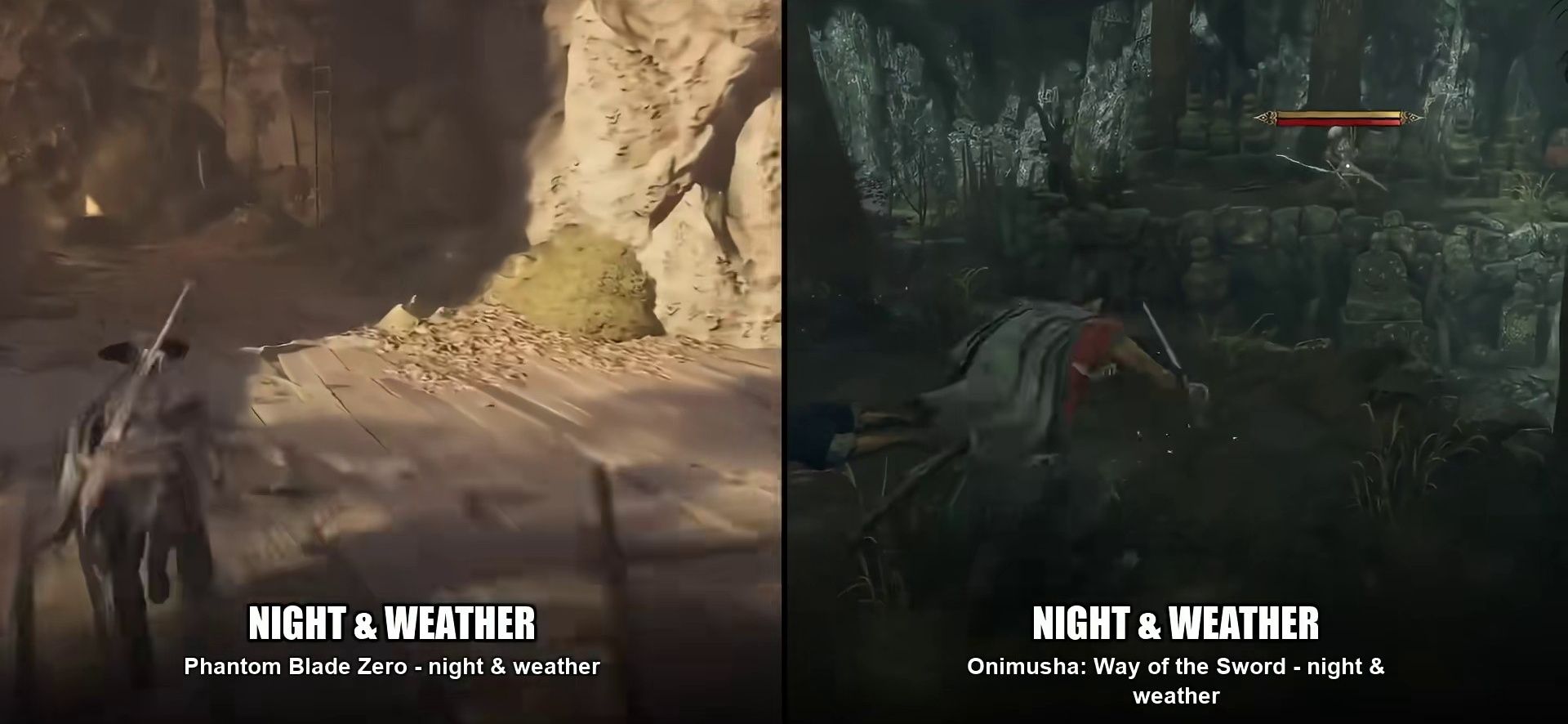
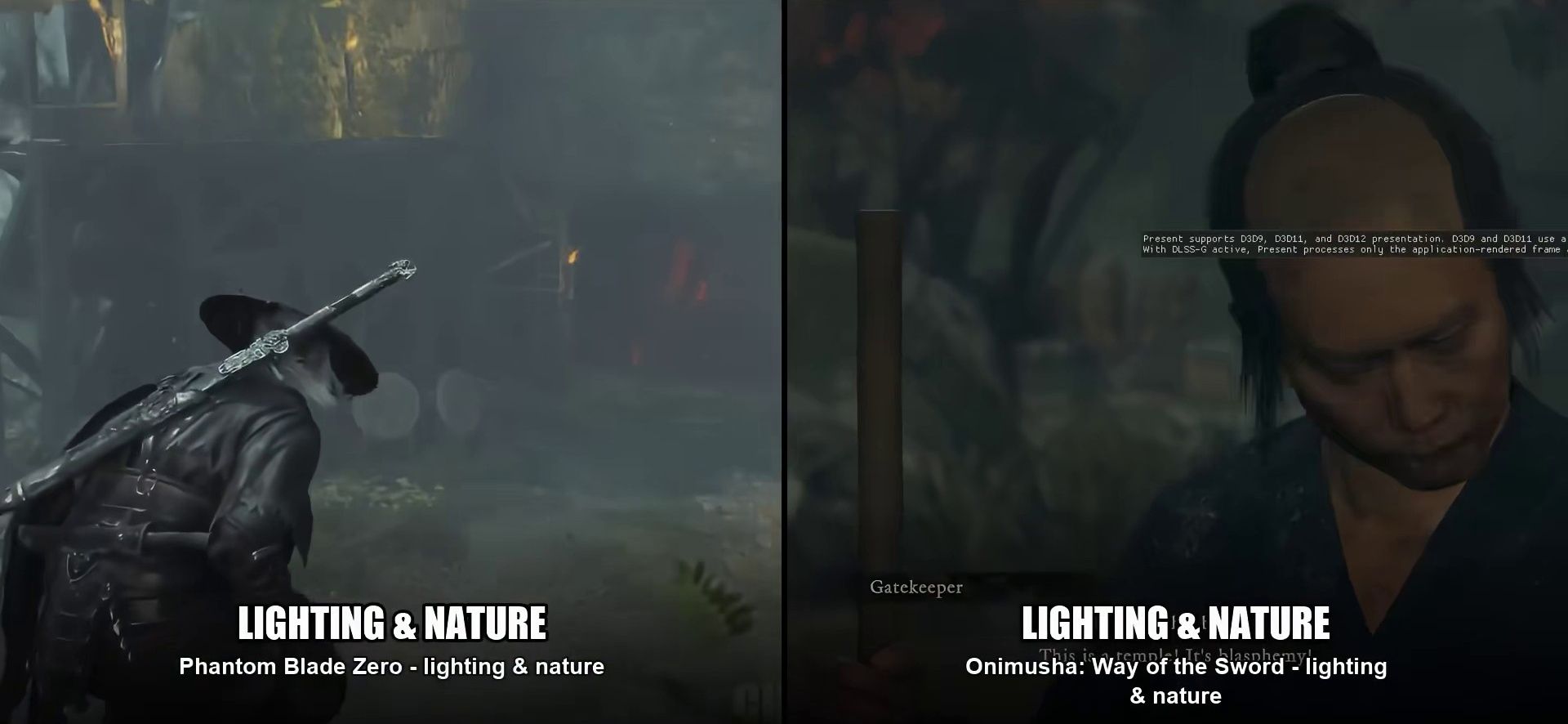
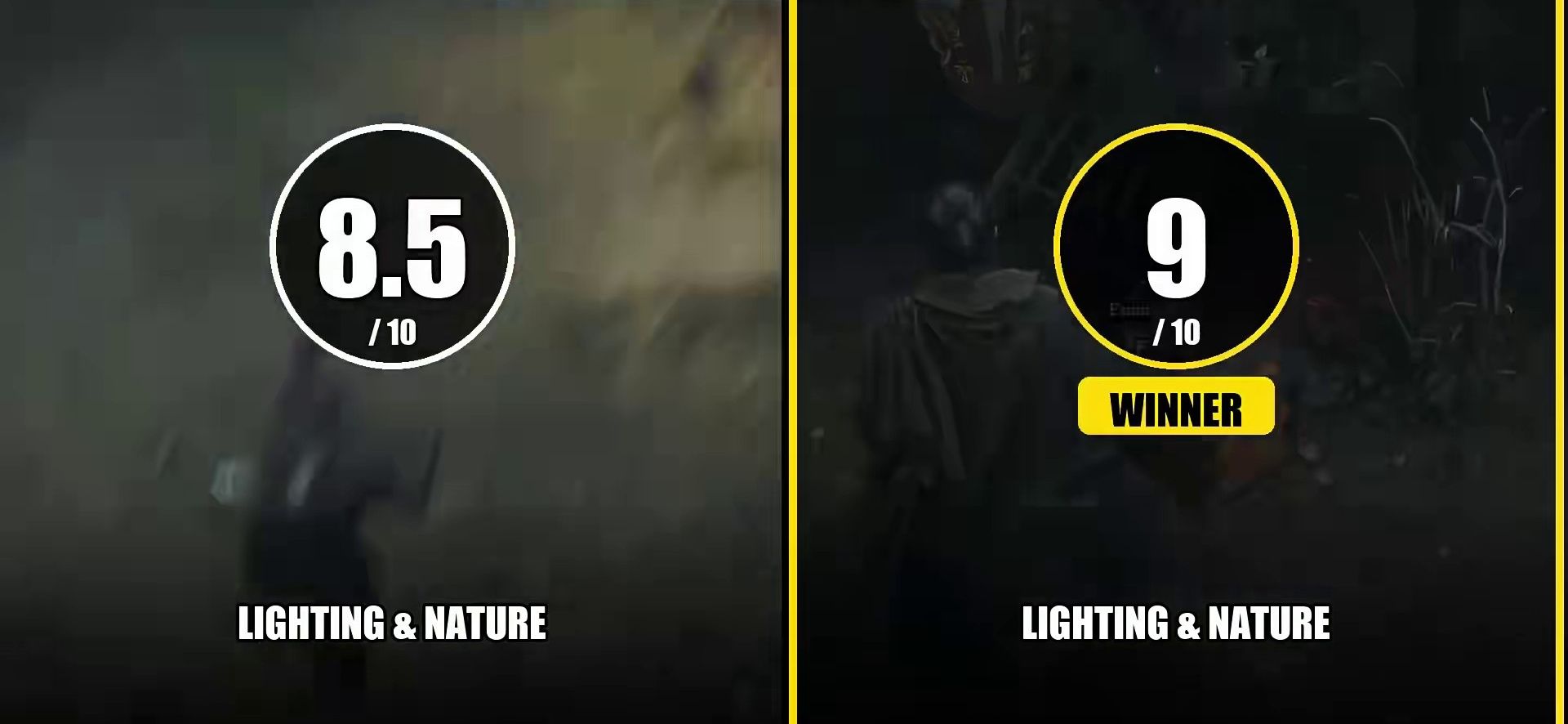
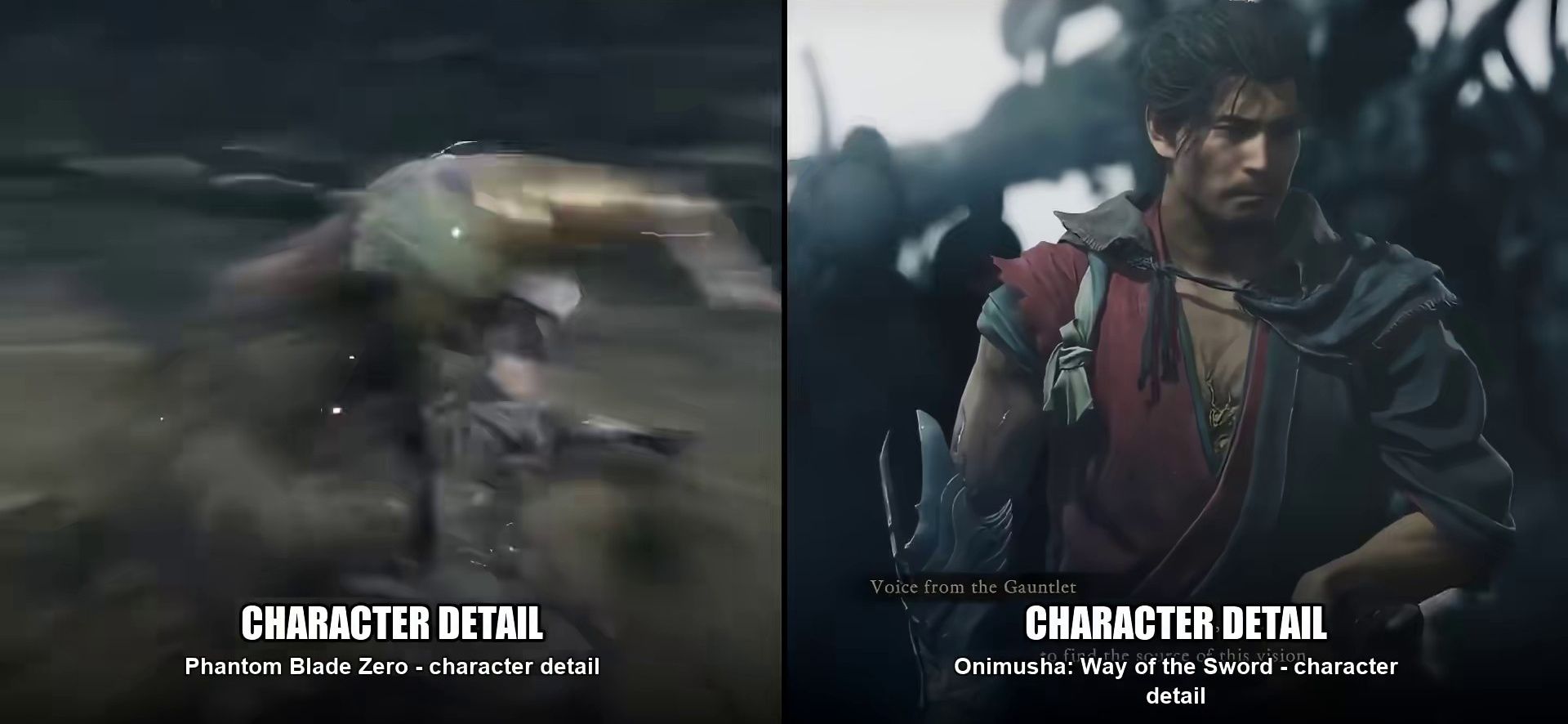
"Just let Onimusha win - its sales are modest anyway; it should at least get to win once on ratings, for the sake of the 'God of Action Games' reputation..." - This is textbook irony: it acknowledges the historical standing of classic action games while questioning whether the nostalgia filter has been deified a little too much. Once Phantom Blade Zero is held up against established action franchises, the argument slides all too easily from game feel into taking sides.
"Who is this actually making look bad?" - The most clear-headed question of all. When the discussion shifts from moves, presentation, and combat systems to settling old scores over "who is the true God of Action Games," the first thing sacrificed is usually the work itself. What Phantom Blade Zero needs is to be played and dissected - not to be used as ammunition in faction warfare.
📌 One-Line Takeaway
What Phantom Blade Zero has always wanted was never to become another soulslike or another DMC, but to let the flash of wuxia blades, the crisp clang of deflected strikes, and the crushing pressure of two-phase bosses come together as an action language of "kungfunk" that belongs to S-GAME and Liang Qiwei.