Phantom Blade Zero In-Depth Hands-On Report: A Strong Game of the Year Contender - So Why Is It Still Called "Imperfect"?
An action game that has yet to officially release - a homegrown Chinese title, no less - has prompted typically hard-to-please overseas media figures to make the early call that it could be their "personal Game of the Year," while at the same time mercilessly listing three "sins": voice acting, story, and performance. This kind of verdict, where love and criticism coexist, is a rarity in today's games coverage. The game in question is Phantom Blade Zero, developed by S-GAME (Lingyoufang). This time, overseas media completed a full hands-on playthrough of the game's first chapter, delivering a refreshingly candid evaluation report covering everything from combat, motion capture, and map design to story voice acting.
Tough Love: A "Contradictory" Hands-On Review
Let's start with the bottom line: this playtester's attitude toward Phantom Blade Zero can be summed up in a single sentence - it's my personal Game of the Year, but it isn't perfect.
This seemingly contradictory verdict is precisely what gives the report its value. It is neither the mindless cheerleading of the "pride of Chinese gaming" narrative, nor nitpicking engineered for clicks - it is the honest impression of a veteran player well-versed in AAA blockbusters, formed after a dozen-plus hours of hands-on experience.
The report explicitly names three shortcomings: uneven voice acting, a middle-of-the-road story, and occasional hard freezes alongside lingering performance concerns. Yet beneath those flaws lies extremely high praise for the combat system, motion capture, and level design.
"I truly love this game - I'd call it my personal Game of the Year - but at the same time, it isn't perfect."
For a homegrown Chinese action game, being taken seriously by overseas media at the level of a "Game of the Year contender" is a breakthrough in itself. And daring to follow such lavish praise immediately with a list of problems only makes the assessment more credible.
Combat Core: An Action RPG Driven by Kung Fu Aesthetics
If you're not yet familiar with Phantom Blade Zero: it's an action RPG developed by Chinese studio S-GAME (Lingyoufang), and producer Liang Qiwei has spent years cultivating the unique niche of "dark wuxia."
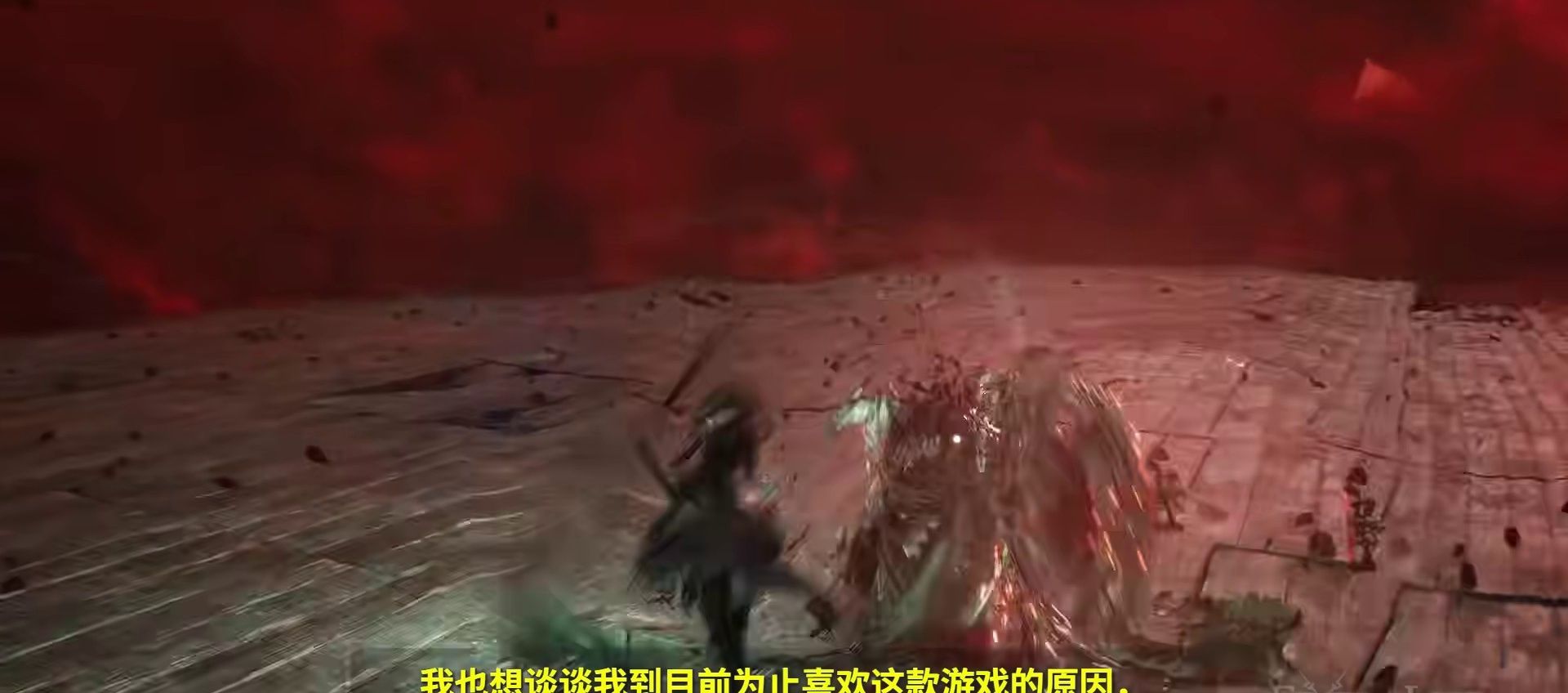
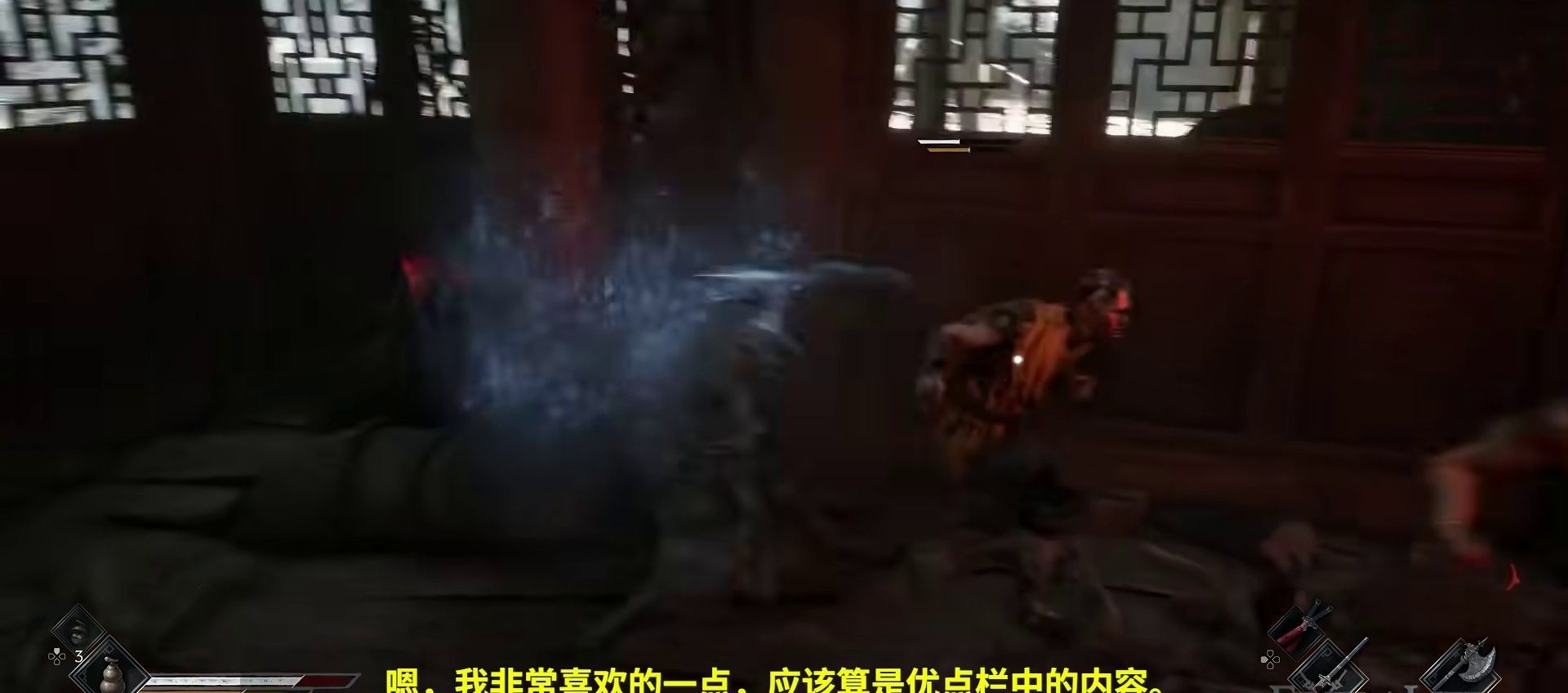
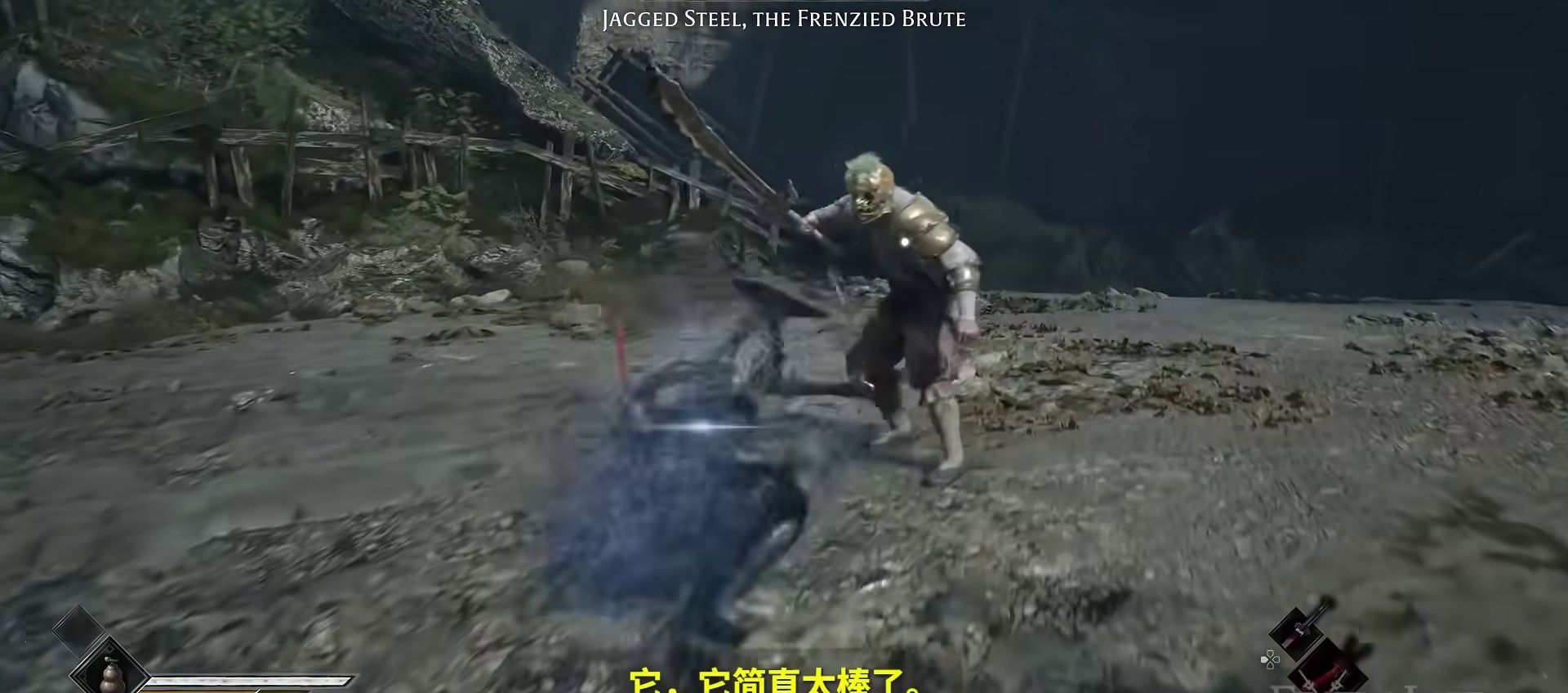
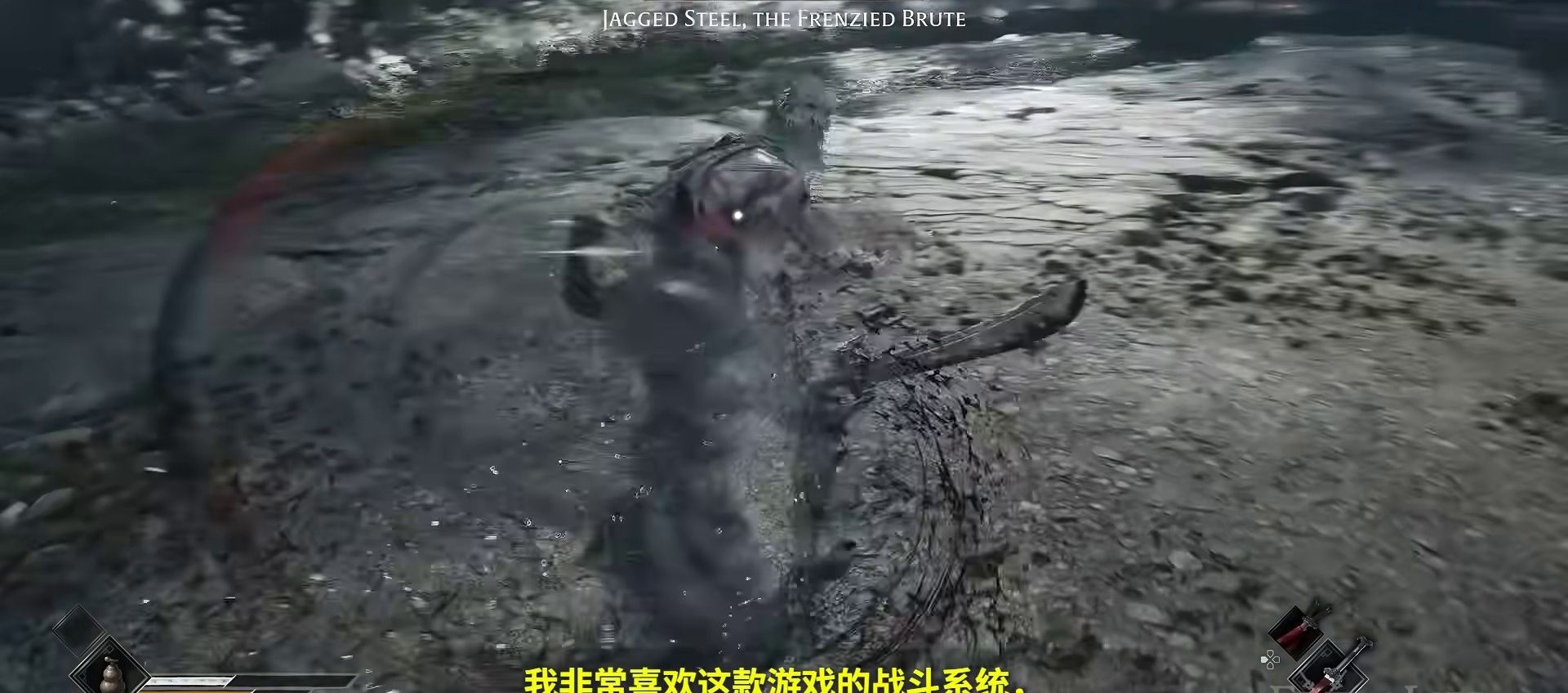
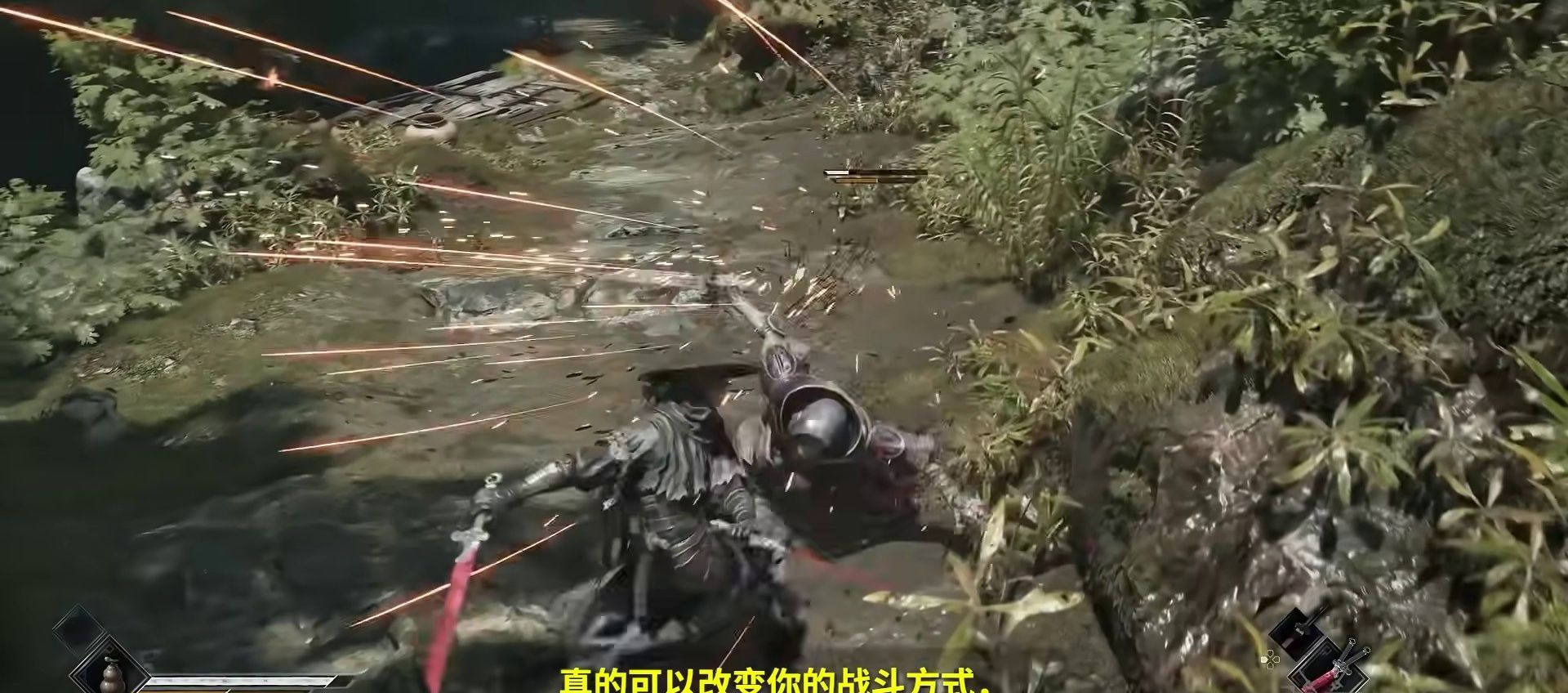
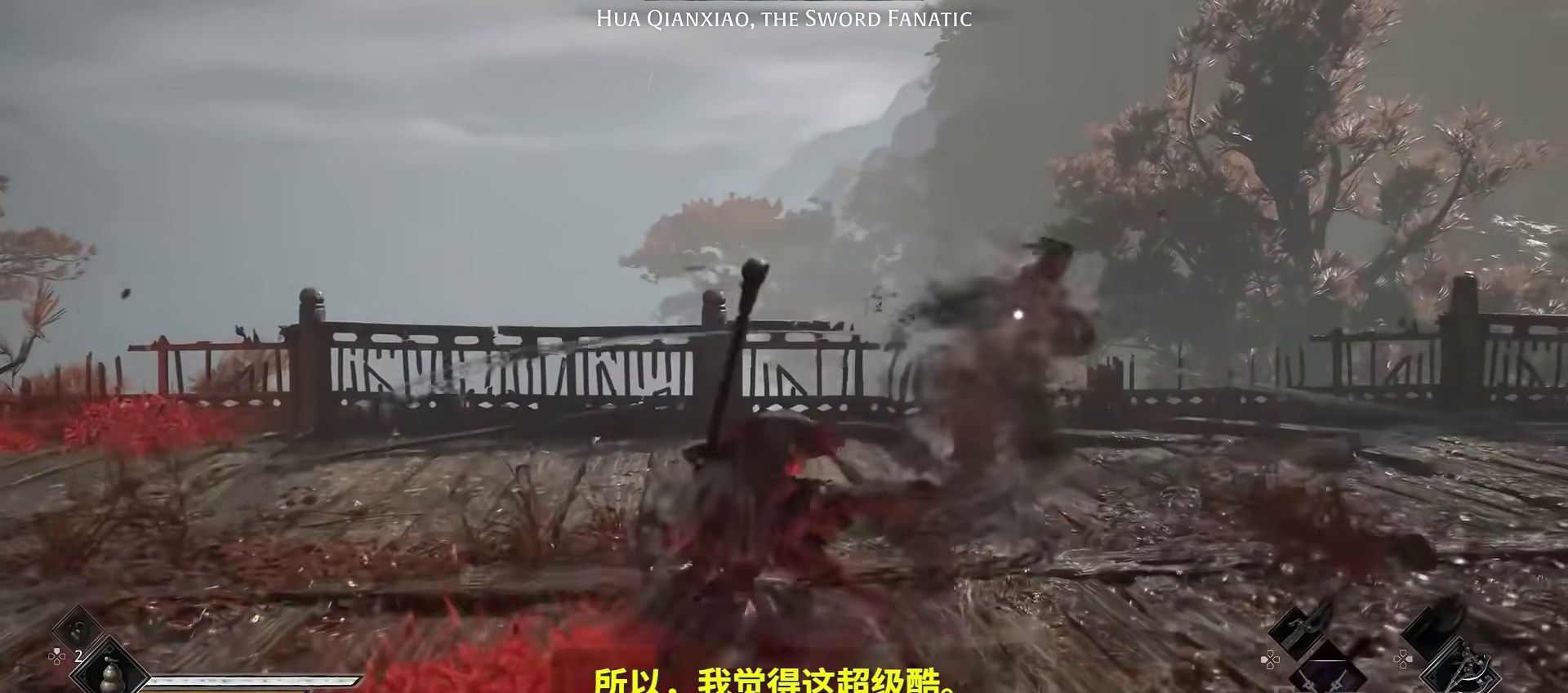
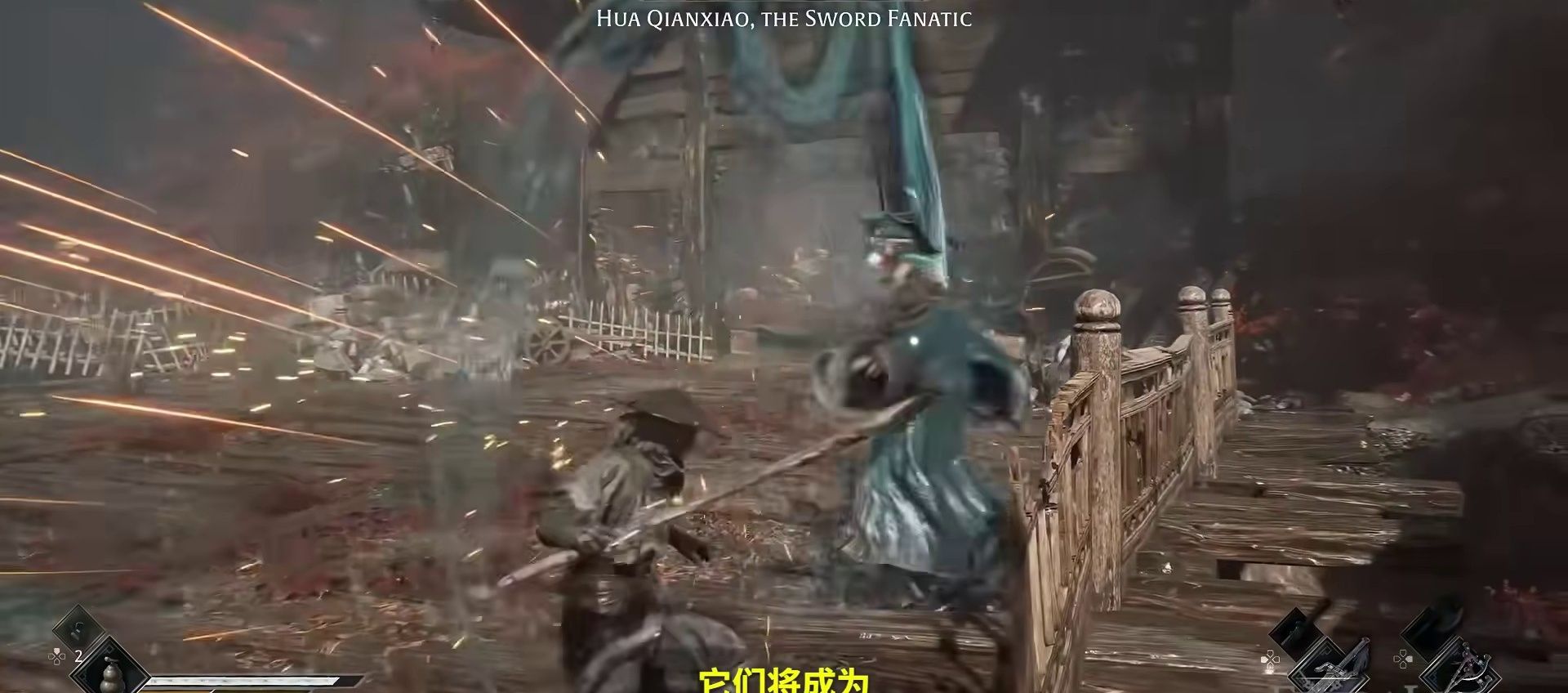
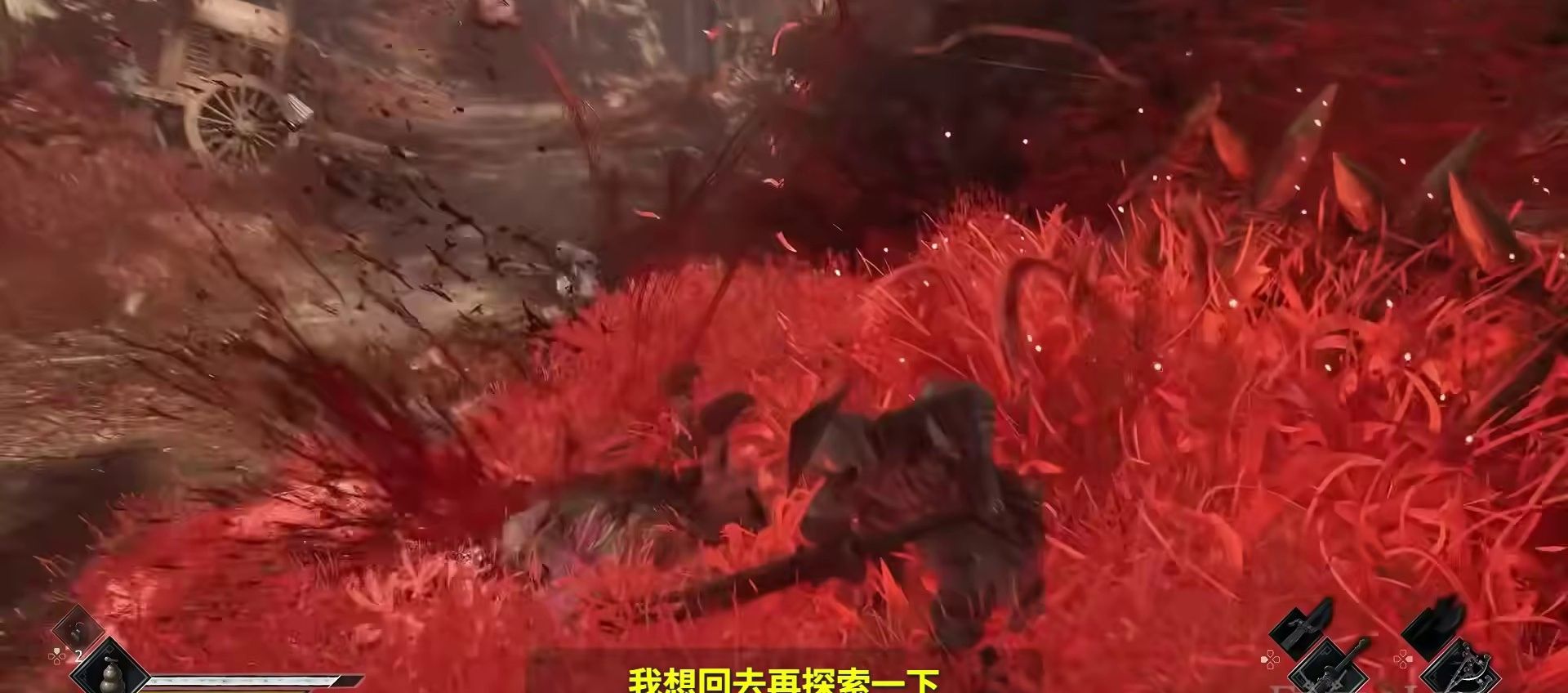
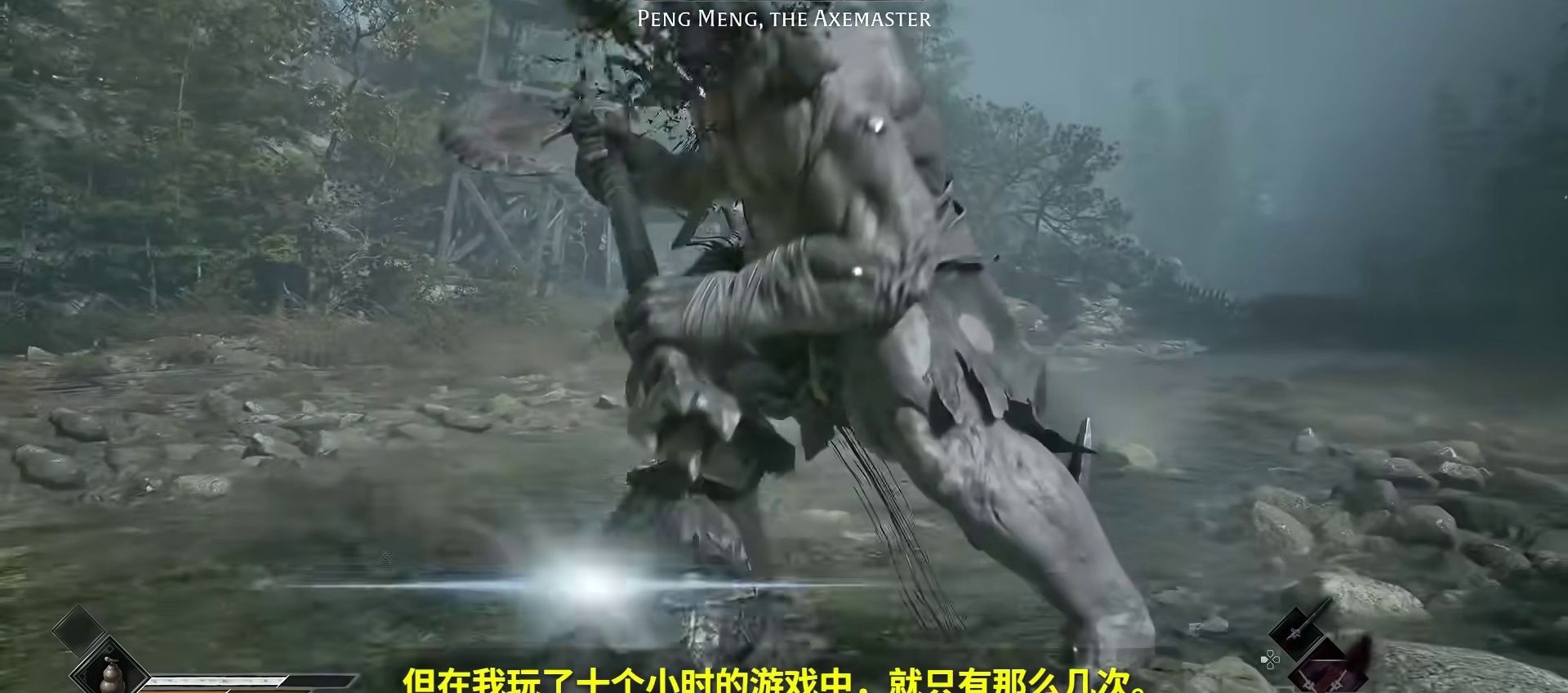
Notably, hands-on players explicitly stated that they would not label the game a soulslike - even though, from certain technical frameworks, it could easily be filed into that category, its true core is Chinese art and kung fu: execution moves, brutal finishers, and counters, all delivered at a blistering pace with superb game feel.
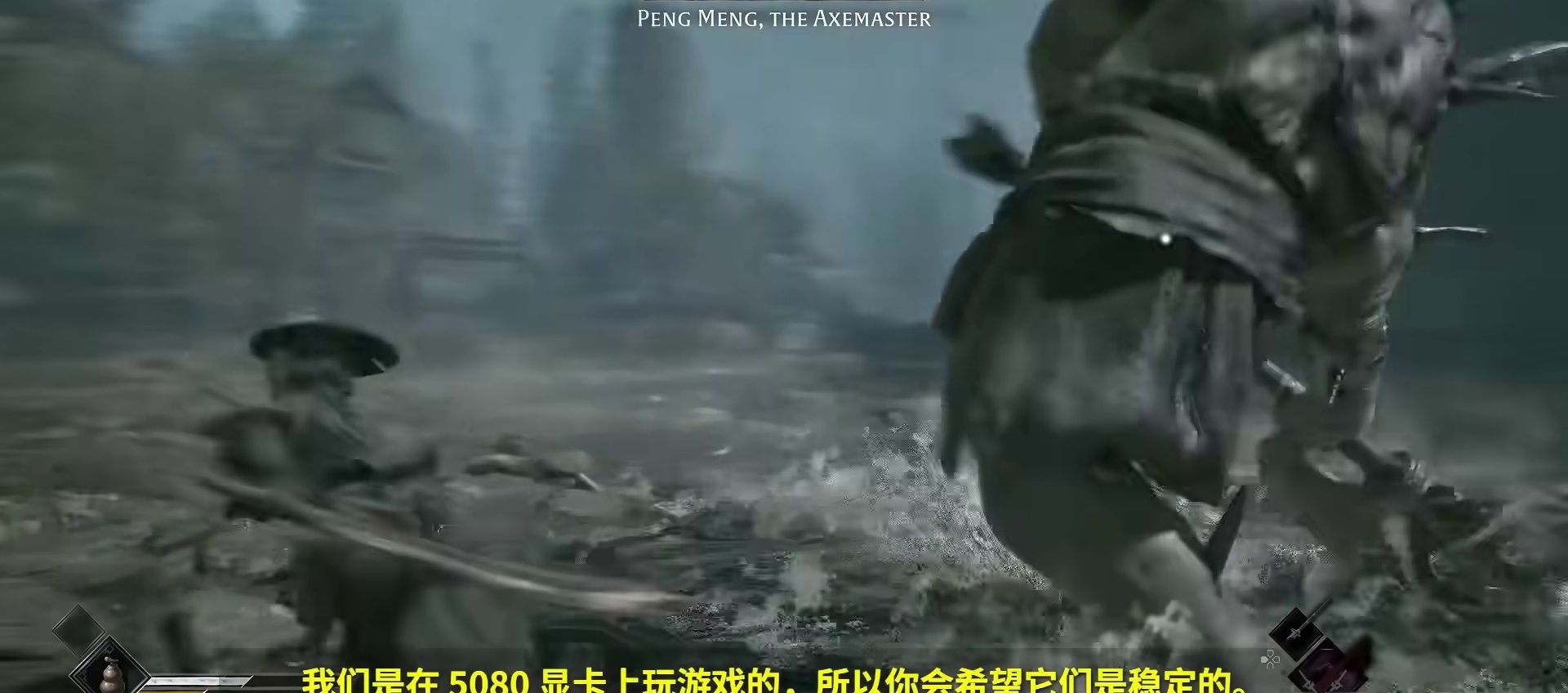
In the eyes of these hands-on players, the game's combat can almost be described as "indistinguishable from the real thing" - it's hard to believe the fights unfolding on screen aren't genuine martial arts exchanges. So where does this quality come from? The answer lies in the next section.
Full Live-Action Motion Capture: Even "Opening a Door" Is Acted Out
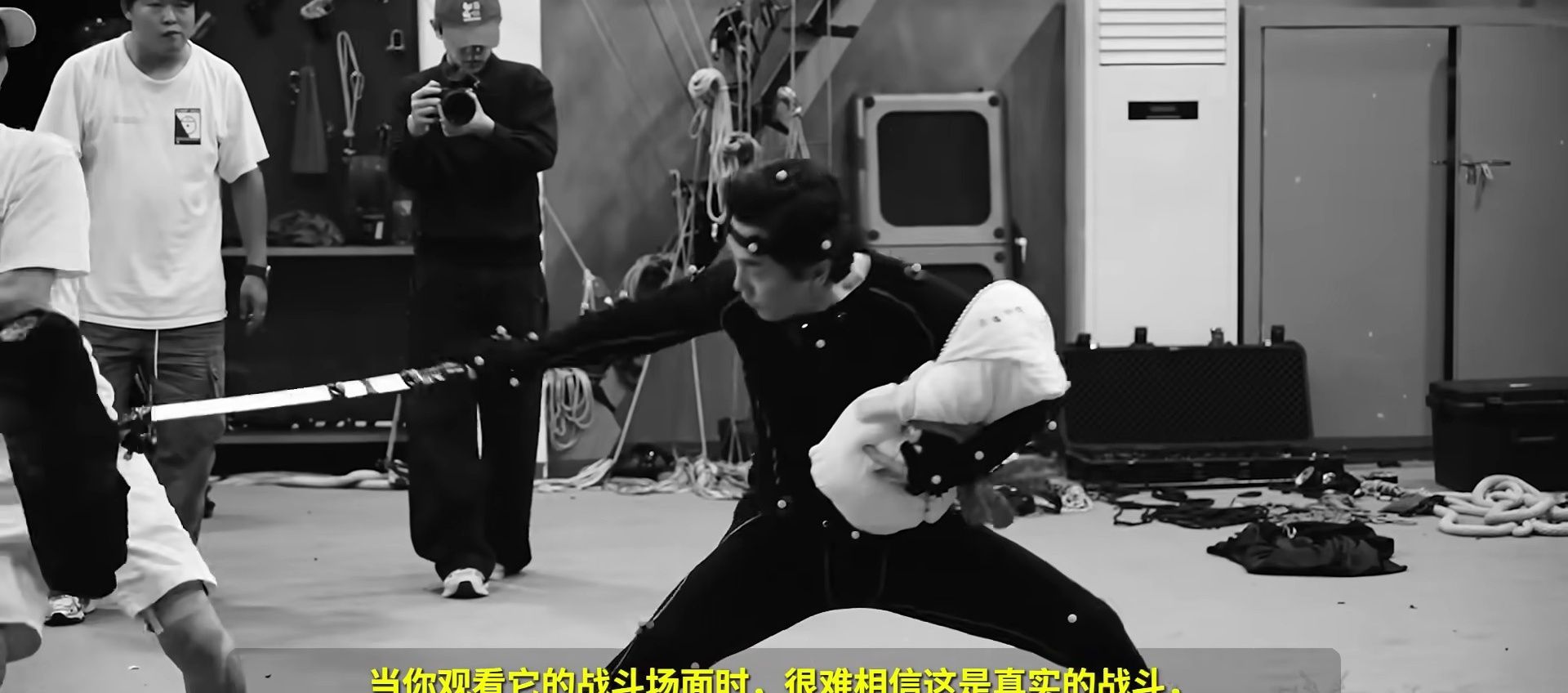
The most hardcore technical ace up Phantom Blade Zero's sleeve is live-action motion capture for every single animation.
"Every animation in this game was created through live-action motion capture - even the smallest action, like opening a door."
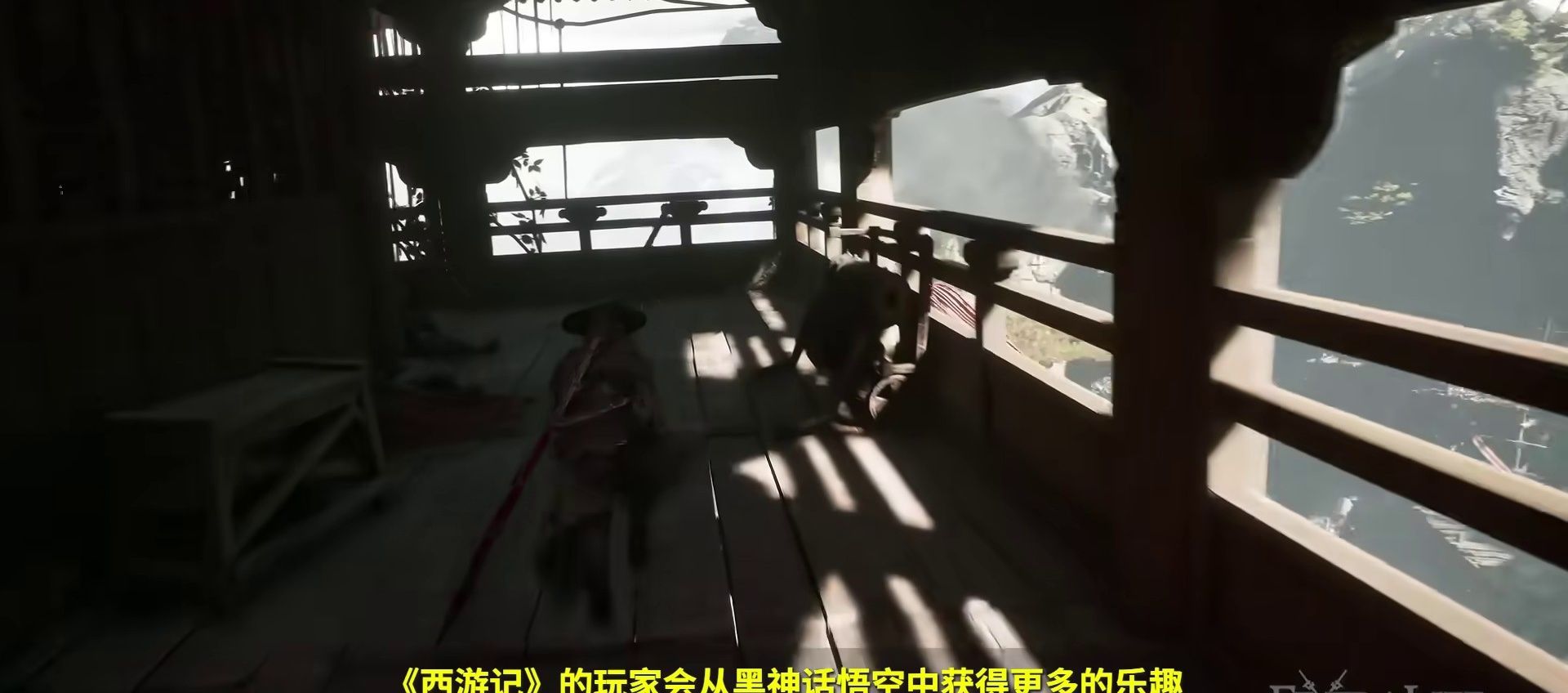
From the razor-sharp clash of blades in combat to subtle actions like pushing open a door or picking up an item, everything is performed by live actors and recorded with motion capture equipment, with animators handling only post-production polish. In other words, everything you see in combat wasn't "drawn" by animators - it was "fought" out by actors.
The hands-on team was even invited to visit S-GAME (Lingyoufang)'s motion capture studio, where they saw the pipeline in action firsthand and even tried out a short segment themselves - in their words, "it was genuinely a lot of fun."
This obsession with physical authenticity is exactly where Phantom Blade Zero's combat feel comes from, and it's what sets the game apart from other action titles: kung fu isn't a stylized sticker - it's body language captured in full.
Rejecting the "Souls" Flavor: Enemies Don't Respawn, Resources Are Finite
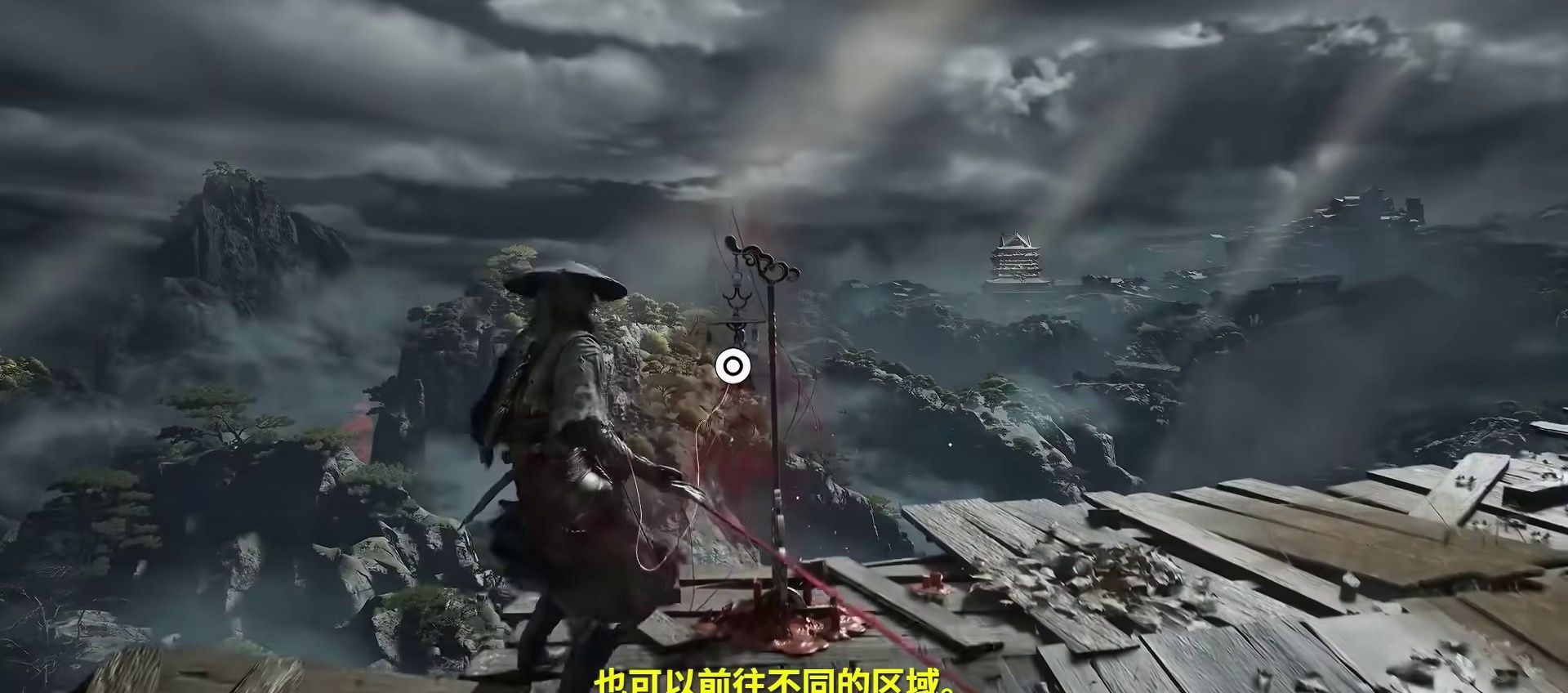
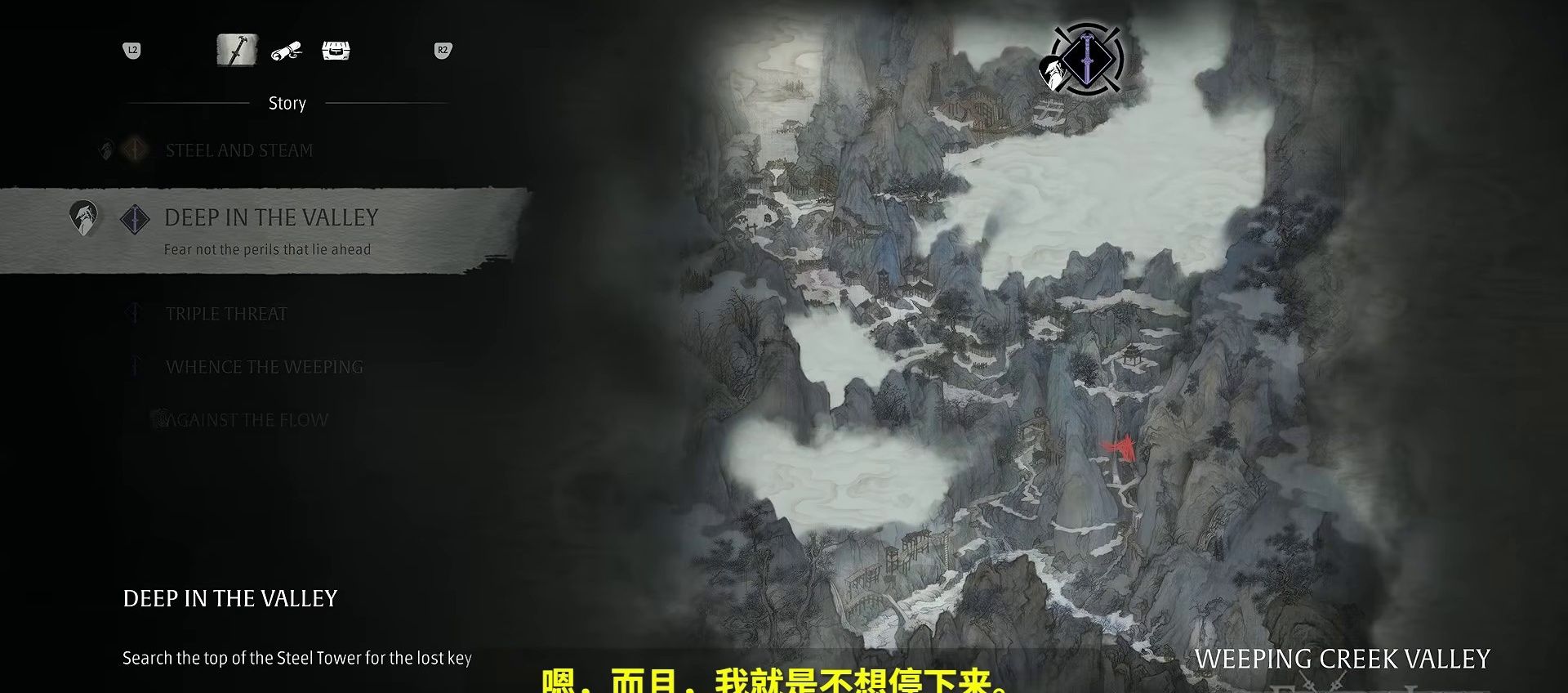
Phantom Blade Zero adopts a two-tier map structure built around a large world map + regional maps. Players can fast travel between checkpoints within each region, as well as teleport across regions.
But what truly sets it apart from soulslikes is a seemingly simple design decision: enemies do not respawn.
This change has a fundamental impact on gameplay. In soulslike games, you can trigger enemy respawn over and over to farm resources; in Phantom Blade Zero, the currency earned from defeating enemies is finite - and since you'll need it to unlock skills and upgrade weapons, every expenditure must be weighed carefully:
- Pour everything into weapon upgrades in pursuit of maximum attack power?
- Spread it across the board to unlock more skills and diversify your combat options?
- Or hold some in reserve for the unknown challenges of the late game?
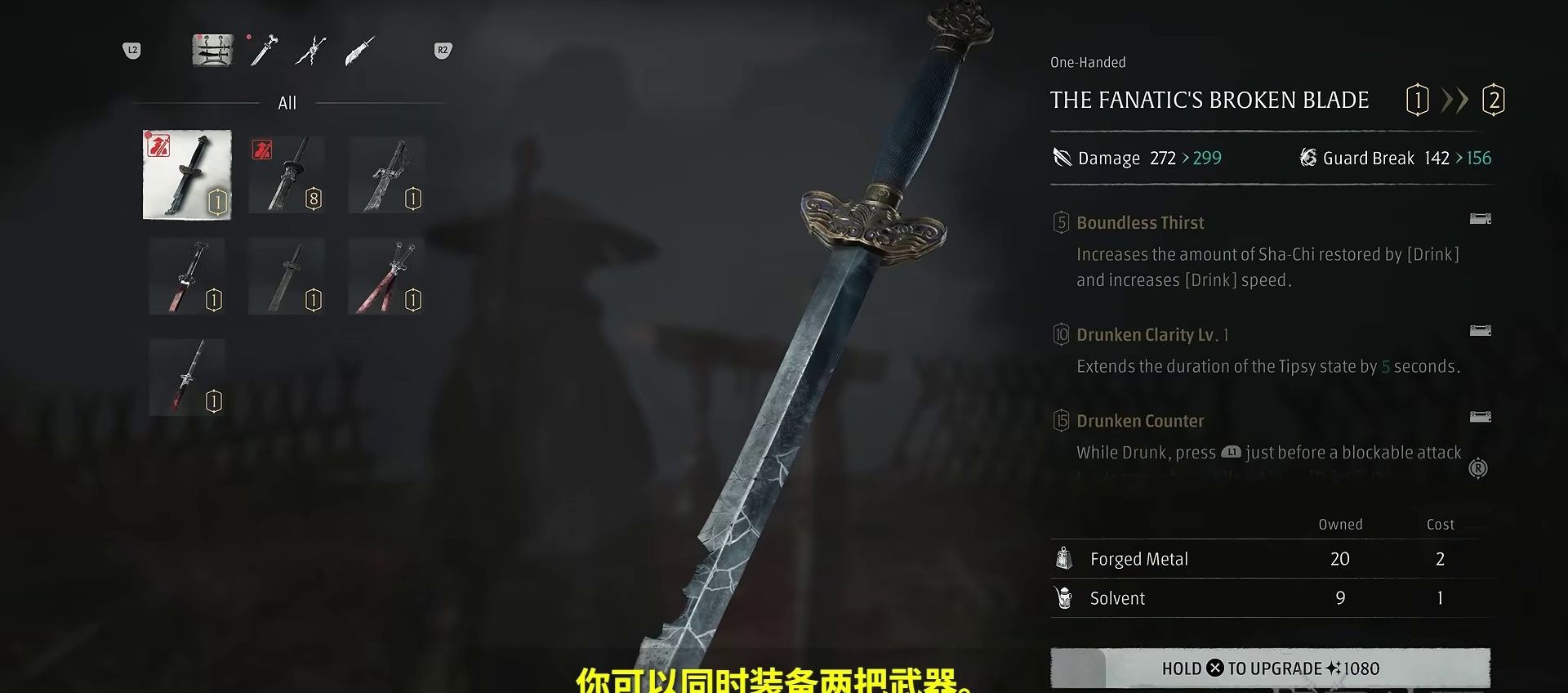
This "finite resources" design completely transforms the psychological experience of exploration: every fight carries value, and every purchase is a decision. You can't make up for mistakes by grinding - you must take responsibility for the direction of your build. For players weary of mindless grinding, this may be an even more exciting design than the combat system itself.
An Eastern Scroll Painting: Visualizing the Great Wall and the Central Plains
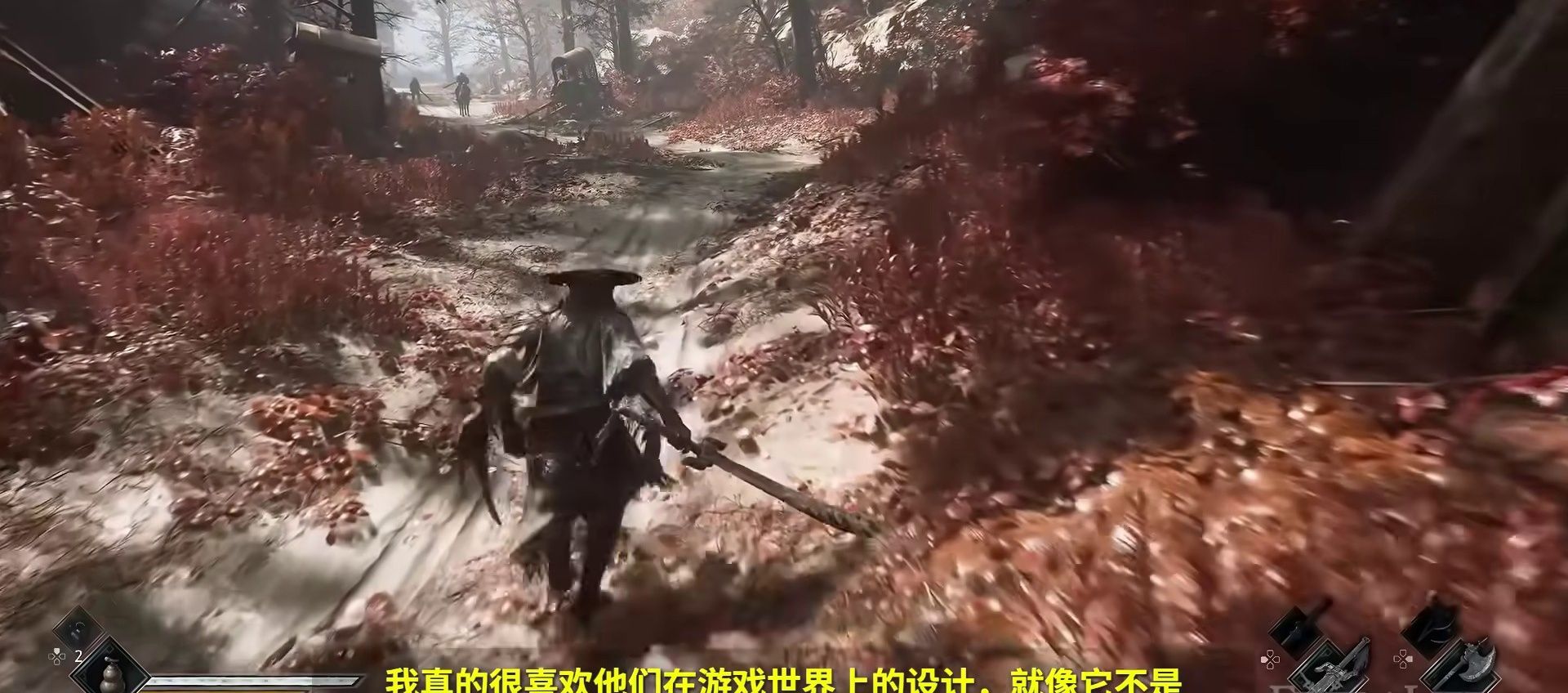
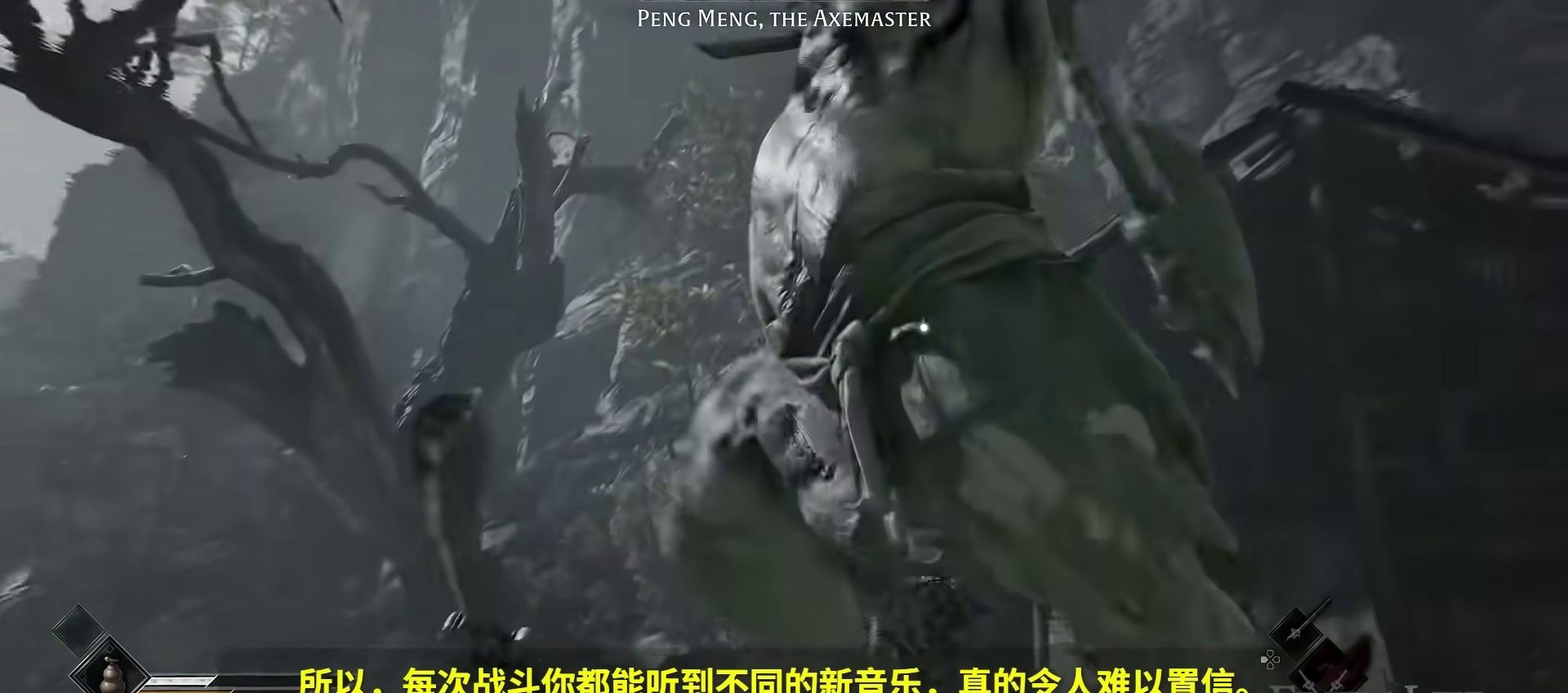
On the environmental front, playtesters heaped high praise on the game's worldbuilding. Over the course of the hands-on demo, they saw recreations of the Great Wall and other iconic Chinese landscapes, calling it "fantastic" outright.
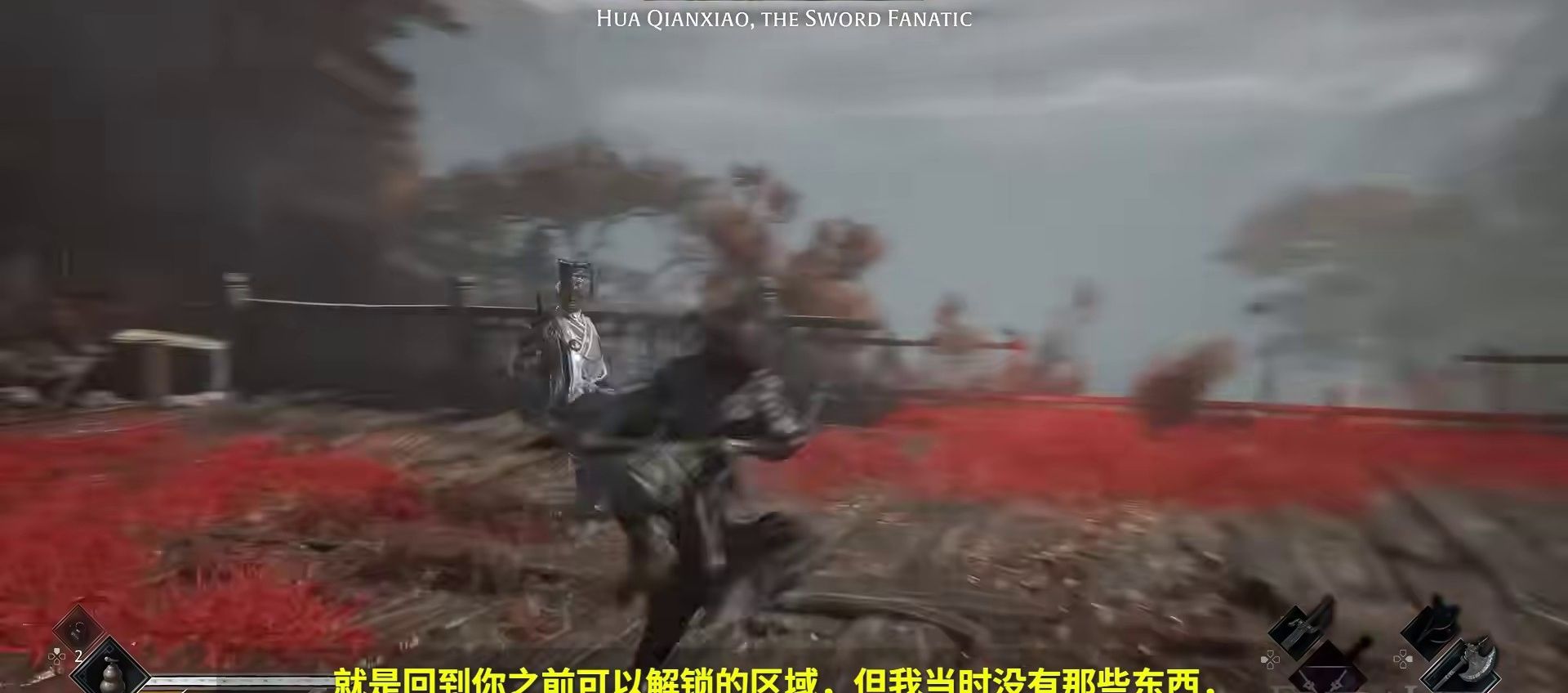
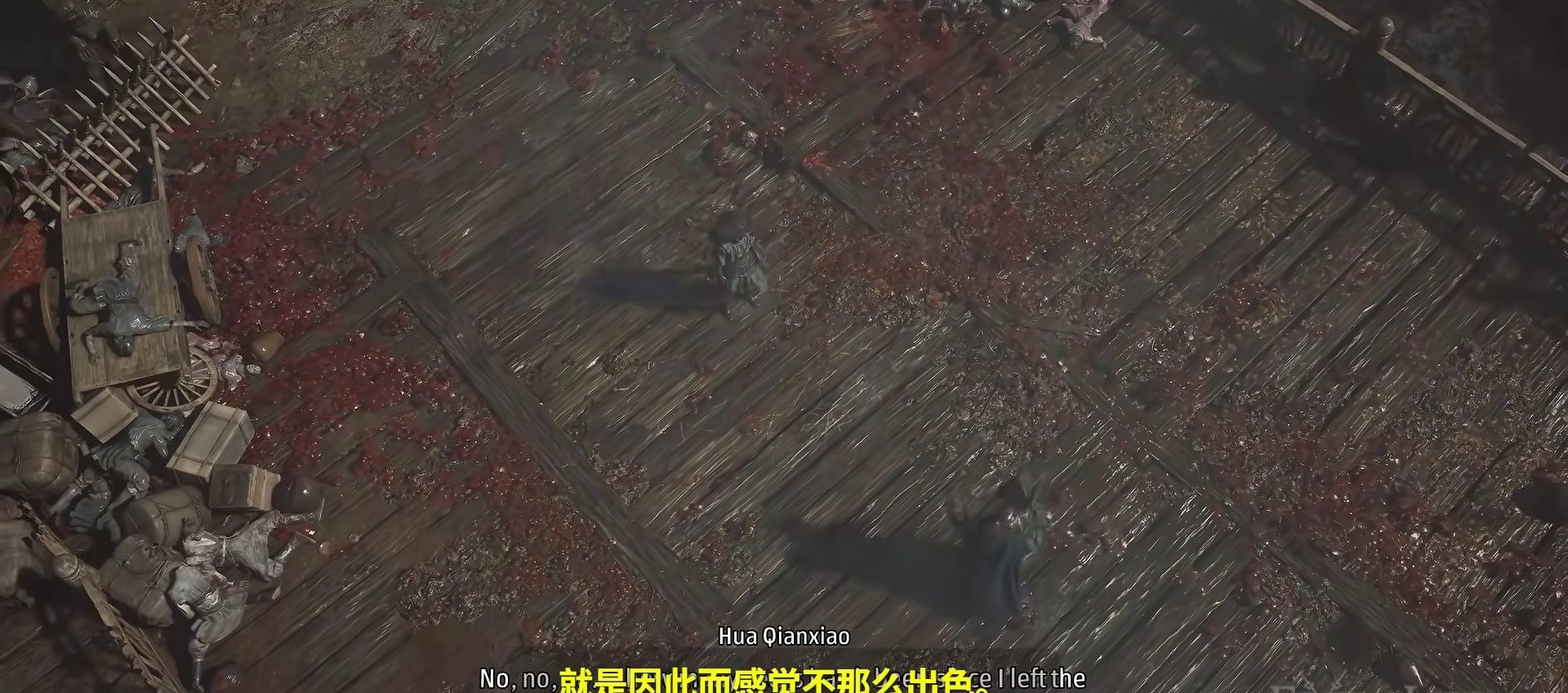
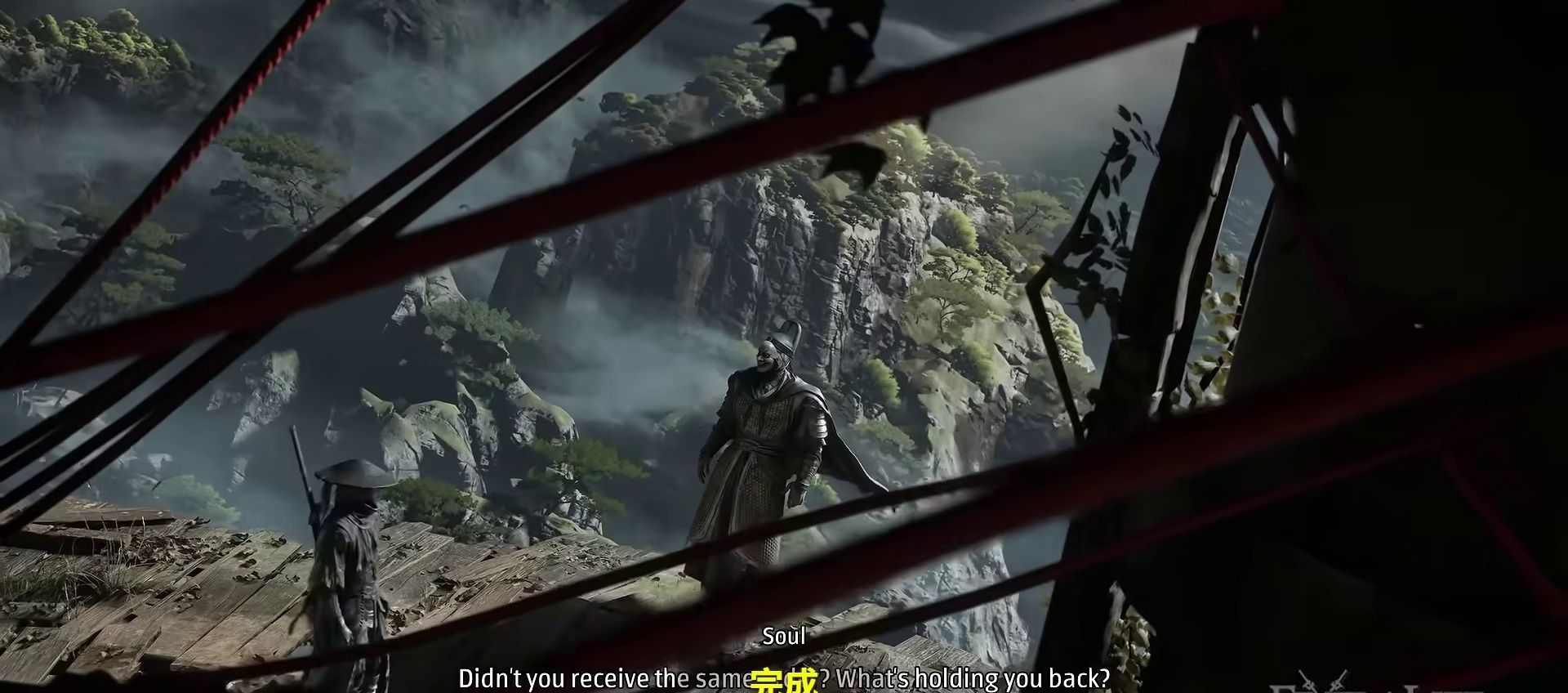
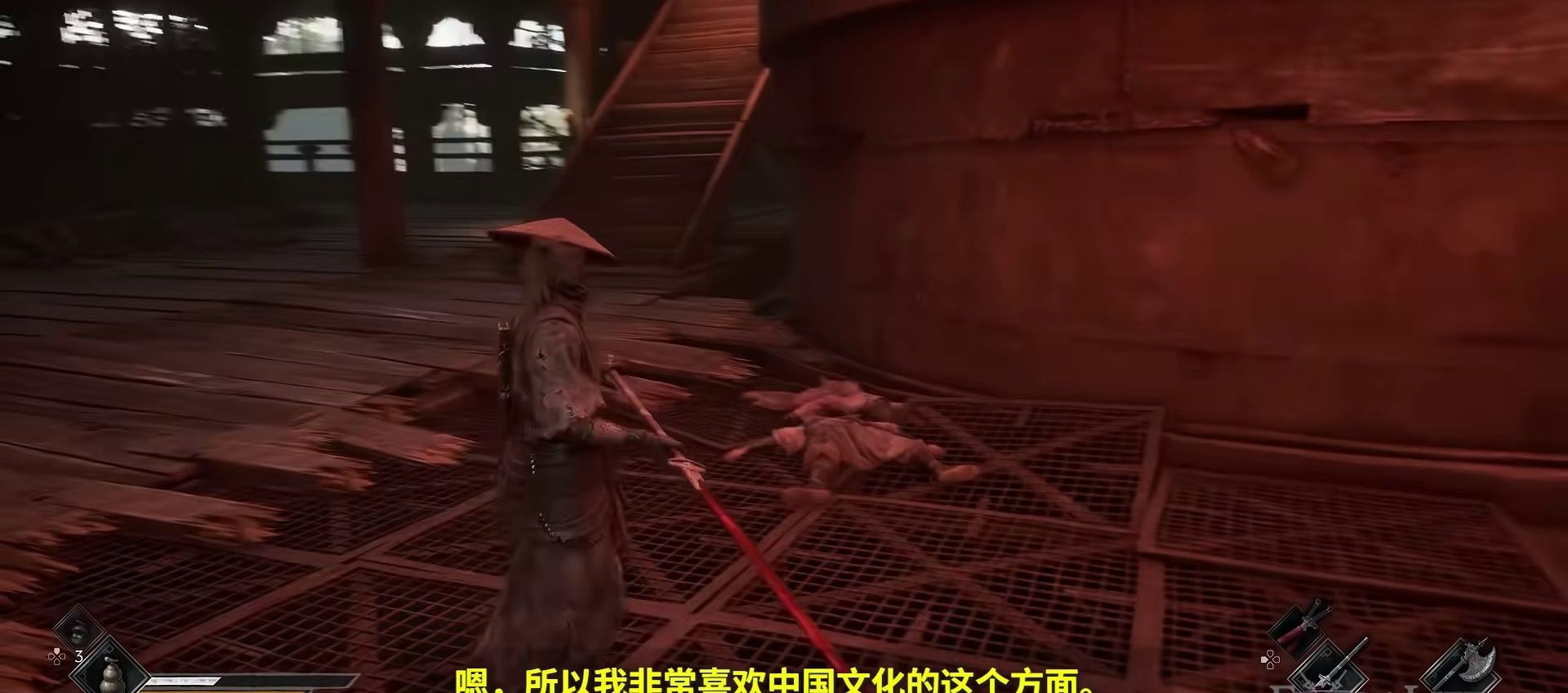
Phantom Blade Zero's art direction goes down a dark wuxia path - not a bright, open fairy-tale world, but an oppressive jianghu at the end of its days. Judging from what has been shown so far, S-GAME (Lingyoufang) has poured serious effort into faithfully recreating Eastern aesthetics: the architecture, costumes, weaponry, and lighting all work together to build a believable wuxia world.
Voice Acting: The Most Glaring Weakness
Having covered the strengths, it's time to face the problems head-on. The first notable shortcoming the playtester experienced was the voice acting.
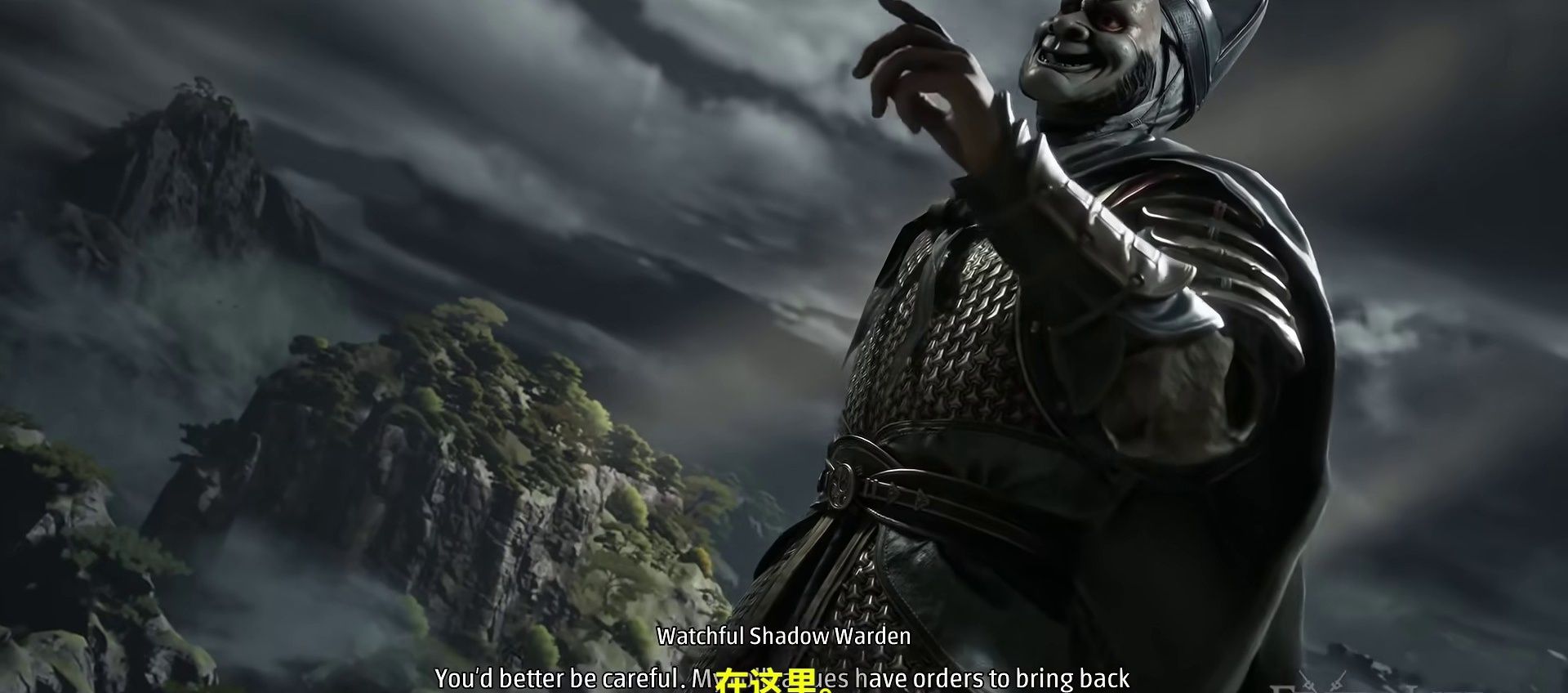
His description was blunt: it's a "mixed" experience - some characters' voice performances are quite good, while others genuinely don't hold up. Some of the voice actors sound more like models than professional voice performers, falling short in both emotional delivery and line delivery skills.
Interestingly, the playtester didn't dismiss this choice entirely. He referenced the tradition of kung fu cinema: the dubbing in Hong Kong kung fu films was never "the most pleasing" to the ear, yet it developed a style of its own, with a distinctive flavor. Phantom Blade Zero clearly aims to follow that path, but the problem is - the execution isn't consistent enough.
"They chose the kung fu film style of voice acting, but they don't always get it right. Some characters' voices will just take you out of the moment."
In other words, the issue isn't the "style" itself, but the uneven quality: the good performances capture the charm of kung fu cinema, while the weak ones directly expose the shortcomings of the voice acting process.
Story: Above the Bar, But No One Comes for the Story
The second shortcoming is the story. The playtester's verdict was fairly restrained: the story is good, but hardly stunning.
He drew a comparison with the series' previous entry: the predecessor's story was also at that "decent" level - it won't blow you away, there are no twists that upend your expectations, but at least it gets the story across clearly. Phantom Blade Zero will most likely land in much the same place.
"No one is going to boot up Phantom Blade Zero for the story. It won't be particularly memorable - it's decent, but you won't come away feeling it's a 'really good story.'"
This assessment may sound like criticism, but it reads more like a recalibration of expectations: Phantom Blade Zero's core selling points are its combat, action, and worldbuilding atmosphere - the story only needs to fulfill its basic function of "serving the experience." As long as it doesn't drag the game down, players won't hold it against it.
One caveat, though: this playtest covered only the first chapter, and it is far too early to pass judgment on the story as a whole based on Chapter One alone.
Performance and Crashes: The Biggest Question Mark Before Release
The third issue was the one that worried the playtester most: performance.
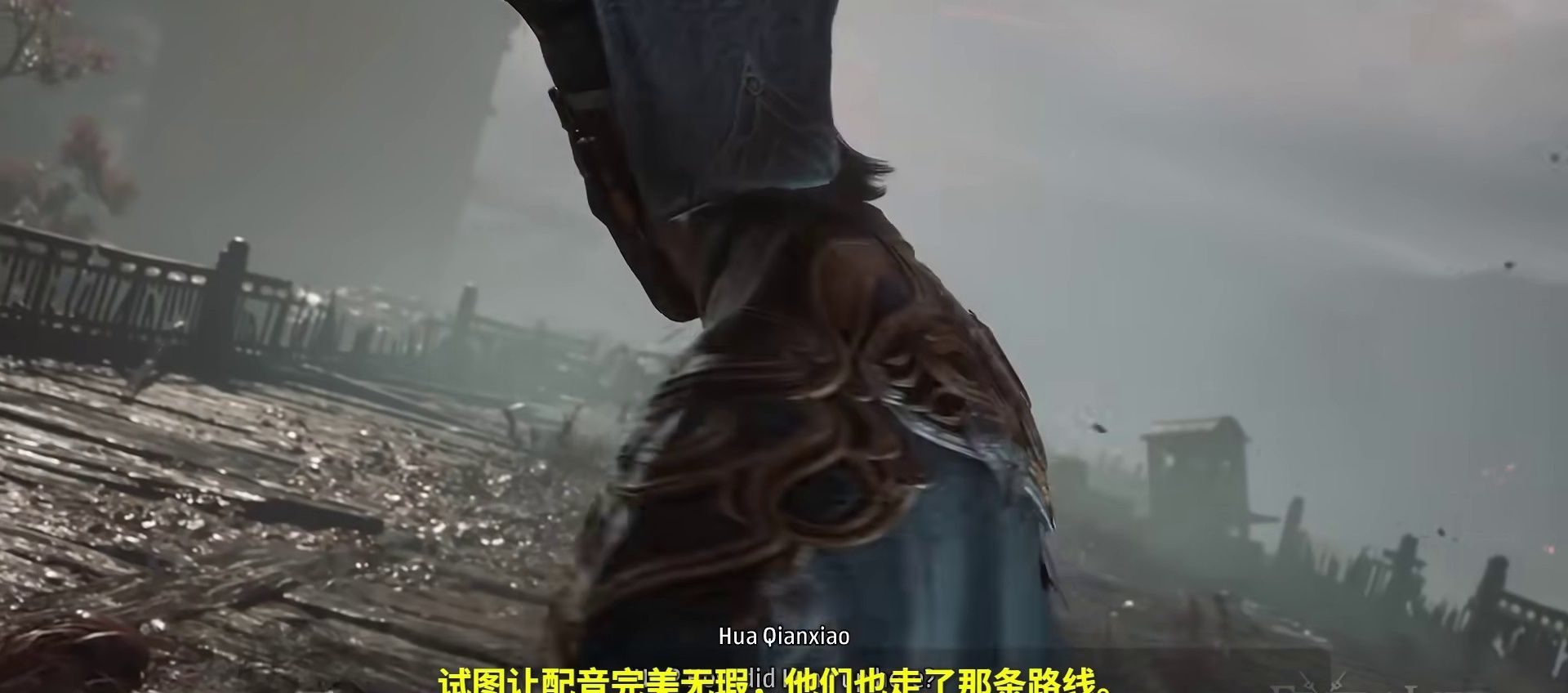
During roughly ten hours of hands-on play, he encountered a few freezes lasting several seconds. Beyond that, the frame rate was "very, very stable" - the demo rig was equipped with a high-end graphics card and held steady at 50-80 FPS throughout.
The problem, however, is that other playtesters reported more serious performance issues. This inconsistency in feedback left him with doubts about how the game will actually perform at launch on PS5 and PC:
"Some playtesters ran into performance issues, which makes me worry the game may have underlying performance problems dating back to development. I hope that in the final month before release, they can truly get this sorted out."
Performance optimization is a classic "last mile" problem: issues in the demo won't necessarily carry over to the final build, but conversely, a stable demo is no guarantee of a flawless experience across all platforms. For a game whose core selling point is high-speed combat, frame drops and crashes are fatal - *this may well be the biggest question mark hanging over Phantom Blade Zero ahead of release.*
Overall Verdict: A Game of the Year Contender Whose Flaws Don't Overshadow Its Brilliance
Piecing together the conclusions of this hands-on preview, the picture is actually quite clear:
Strengths - fast-paced combat driven by kung-fu aesthetics, motion quality so lifelike it could pass for the real thing thanks to full live-action motion capture, a brand-new exploration experience built on no enemy respawn + limited resources, and breathtaking Eastern worldbuilding.
Weaknesses - uneven voice acting, a by-the-book story, occasional freezes, and lingering performance concerns.
Notably, of the three weaknesses, voice acting and story are "experience-layer" issues that can be mitigated through post-launch updates and players' own trade-offs (such as switching voice-over languages); only the performance issue is a hard metric that must be answered for at release.
Even so, the previewer still ventured a "personal Game of the Year" prediction - and the weight of that call lies in the fact that it was made after the flaws had been fully laid out. When a game's strengths shine brightly enough, its flaws become "imperfections" rather than "failing grades."
Whether Phantom Blade Zero can live up to this expectation will depend on the final stretch of optimization and polish before release. But one thing is certain: the ceiling of homegrown Chinese action games is being redefined by this very title.
Top Community Comments
@Raccoon City Prosecutor (21 likes) offers a sharp observation on the story controversy:
"When it comes to story, people are far more forgiving of Hidetaka Miyazaki - you spend the early game completely lost, give yourself a pep talk - 'Surely I'm playing a once-in-a-generation masterpiece?' - and then headcanon the fragmented narrative into whatever plot you want. It's like tearing up an elementary-school essay, scattering the pieces on the floor, and saying: 'Go on, piece it together yourself - as long as it's never complete, you can fill in the blanks however you like.'"
This comment cuts straight to the player community's double standard on "fragmented storytelling": the same technique of leaving things unsaid reads as "profoundly enigmatic" in some works, yet "can't tell a story properly" in others. It also serves as a reminder: judging an entire story by its first chapter is hardly fair to begin with.
@PomegranateOrange (35 likes) speaks for the level-headed players:
"Aside from the crashes, it's all nitpicking. If the voice acting bothers you, just switch to the Chinese dub - and can you really judge the story from chapter one alone? As for the crashes - if the optimization is poor, take it on the chin and fix it properly; if problems persist after the official release, then by all means leave a negative review."
This highly upvoted comment draws a clear line: problems that surface during the playtest deserve room for improvement, but the standard cannot be lowered after release. The coexistence of "take it on the chin" and "leave a negative review when it's warranted" is exactly what healthy player culture looks like - no whitewashing, no piling on.
@Needle-y Not Bad (2 likes) takes the voice-acting debate to the level of linguistics and industry aesthetics:
"The Mandarin dub lays the retroflexes on far too thick, the back-nasal finals feel forced, the enunciation is stiff and grating, erhua and neutral tones are shoehorned in, modal particles are scarce, and the intonation is contrived; the voice placement sits too far back, and the timbres are coarse and homogenized. The Taiwanese dub, though heavily accented and softer in delivery, uses modal particles and naturally drawn-out syllables to achieve richer emotional expression - and can actually come close to the standard of Japanese dubbing. The aesthetics of film and TV dubbing have long been monopolized by a single standard, which in turn shackles the development of language and culture."
Not everyone will agree with this long-form comment, but it exposes a real problem: there is an inherent tension between "broadcaster-style" standard pronunciation and natural emotional expression. When the dubbing industry holds every character to one uniform "standard," what gets sacrificed may be precisely the personality and vitality of the voice. It also forms an interesting echo of the playtesters' verdict that "kung fu film dubbing is a school of its own, but the execution is inconsistent."
📌 One-Sentence Summary
Phantom Blade Zero delivers a Game-of-the-Year-caliber combat experience built on live-action motion capture and kung-fu aesthetics, and its "no enemy respawn + limited resources" design is a genuine masterstroke - but uneven voice acting, a flat story, and lingering performance concerns remind us that it's still one final month of pre-release polish away from "perfection."