Phantom Blade Zero In-Depth Hands-On: When a Soulslike Skeleton Grows Into a Wuxia Film
Roughly fifteen years have passed since FromSoftware brought the soulslike formula to prominence. The genre is not going away anytime soon - more than one new soulslike has arrived this year alone, with even more on the horizon. But that sheer volume has left some players feeling fatigued. As a result, some have turned their attention to titles that draw heavily from the soulslike formula while offering distinctive mechanics of their own. Phantom Blade Zero is one of the most closely watched among them. Developed by S-GAME, Liang Qiwei's team strikes a balance between wuxia and high-speed action. According to currently available information, the game is set for release on October 29.
1. Amid Soulslike Fatigue, Why Phantom Blade Zero Deserves the Spotlight
Phantom Blade Zero casts players as Soul - a swordfighter of great renown within the Order. Betrayed by their own sworn brother, they take a fatal blow to the heart in a terrifying duel between two elite martial artists. Yet some time later, Soul awakens to find the wound fully healed. A mysterious savior known as the "Flesh Sculptor" provides a replacement heart and delivers the news: this artificial heart will keep Soul alive for only 66 more days. Unless a way can be found to extend the countdown, death has merely been postponed.
This premise naturally binds exploration, combat, and narrative together. The 66 days are no decorative number - they are a pendulum hanging over every single choice. Even hours after going hands-on, the impact hasn't faded; if anything, it keeps reverberating long after you step away from the screen. What truly sticks in the memory is not how much it resembles a soulslike, but how it turns the soulslike skeleton into a stage of its own.
What truly sticks in the memory is not how much it resembles a soulslike, but how it turns the soulslike skeleton into a stage of its own.
In terms of genre lineage, Phantom Blade Zero clearly draws heavy inspiration from titles like Sekiro: Shadows Die Twice, yet it strives to deliver mechanics with a distinctive identity of its own. Rather than simply replicating the "bonfire - soul loss - boss gate" loop, it builds an action system around high-speed offense and defense, weapon switching, and wuxia movement techniques - one that places far greater emphasis on rhythm and theatrical flair. That is exactly why it stands out so strikingly among the crowd of soulslike titles.
II. First Look at the Visuals: Realism, Cinematic Flair, and Exquisite Detail
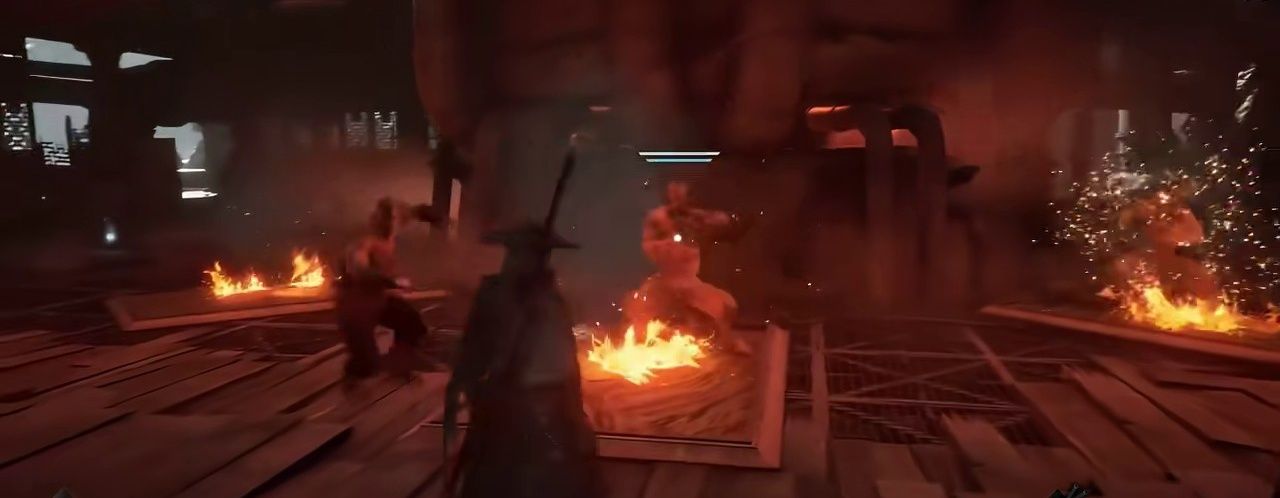
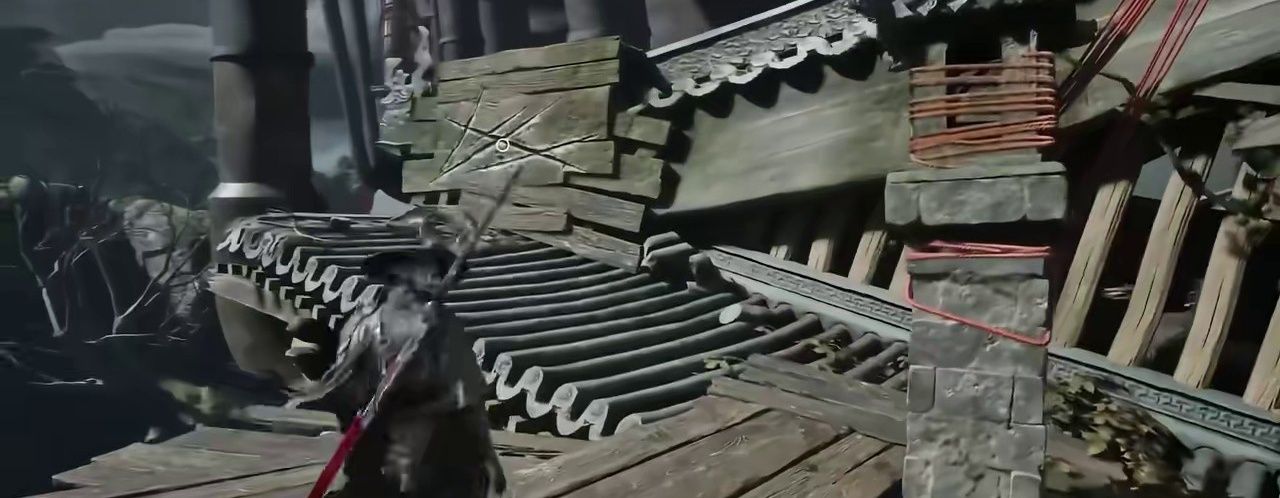
From the moment you are dropped into the world of Phantom Blade Zero, its presentation quality is nothing short of stunning. The visuals are truly one of a kind: every frayed thread on Soul's robe is rendered in exquisite detail, every blade of grass has its own distinct shape, and every ripple of water curls naturally around your feet. The beauty of the realistic art direction is then elevated to new heights by masterful cinematic camera language.
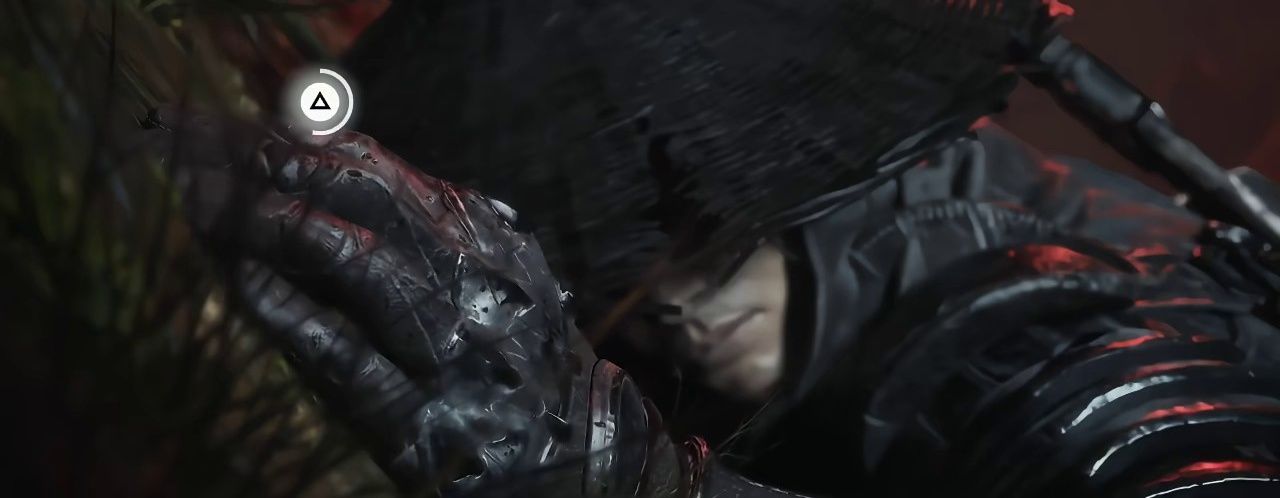
The visuals run silky smooth, and the lighting in natural environments is exceptional. It should be noted that the demo build ran on a very high-spec PC, and there was no opportunity to experience it on a base PlayStation 5. As such, how the final release performs across different hardware remains to be seen. But at least in this high-end setup, it has already demonstrated the visual confidence befitting a top-tier action RPG.
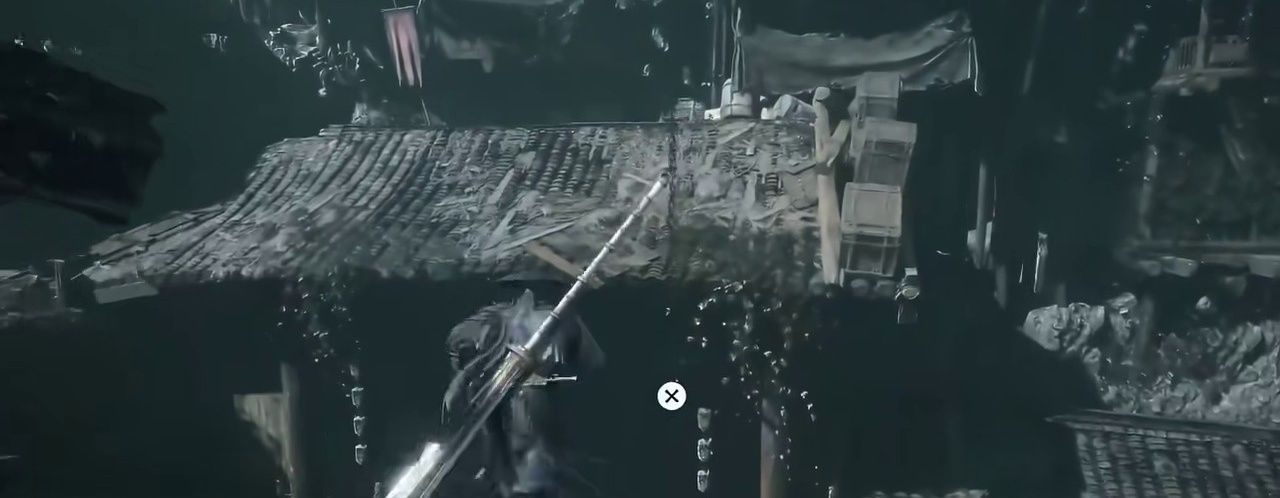
Of course, first-rate presentation is bound to be the first thing most players notice when they boot up the game, but what truly leaves a lasting impression is the combat. The visuals pull you into the world; it is the moment blades clash that makes you decide to stay.
First-rate presentation pulls you into the world, but what truly keeps you there is the moment blades clash.
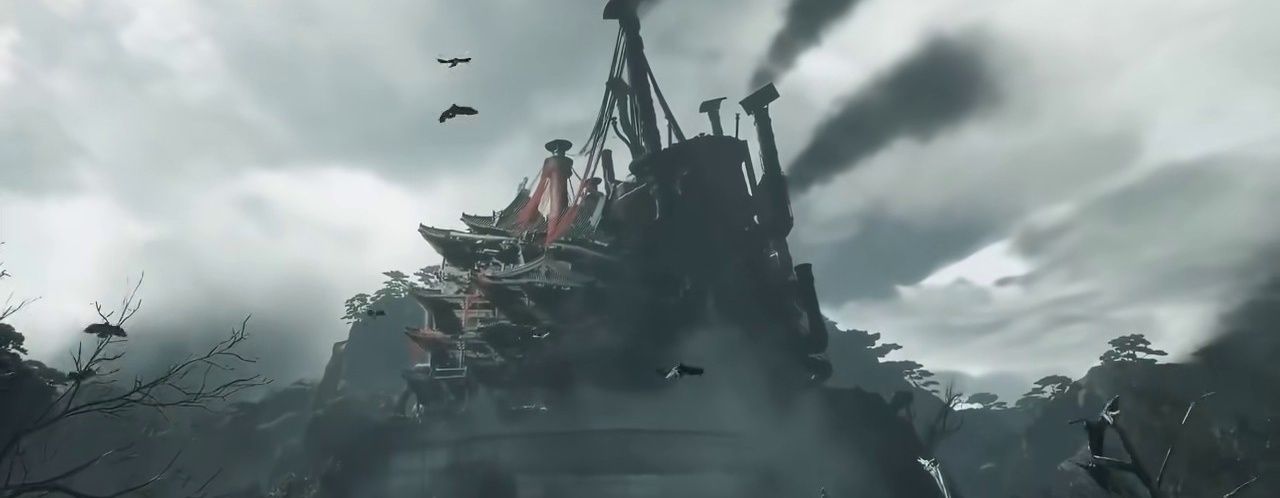
3. The Combat Core: Parries, Qi, and the Dance of Wuxia Combos
At its most fundamental level, Phantom Blade Zero plays much like FromSoftware's Sekiro: Shadows Die Twice. Combat revolves around using parries and dodges to absorb incoming attacks while landing your own strikes, draining the enemy's stamina bar - known in this game as "Qi" - to throw them off balance and leave them open to a single, decisive execution.
Unlike Sekiro: Shadows Die Twice, however, Phantom Blade Zero boasts a full-fledged combo system. Light and heavy attacks can be chained together to whittle down an enemy's Qi even faster. This has been the game's signature ever since its debut trailer in May 2023, and through every trailer since. Its attack animations are virtually without peer on the market today: so deeply inspired by kung fu cinema that S-GAME has spent the past three years collaborating with Donnie Yen.
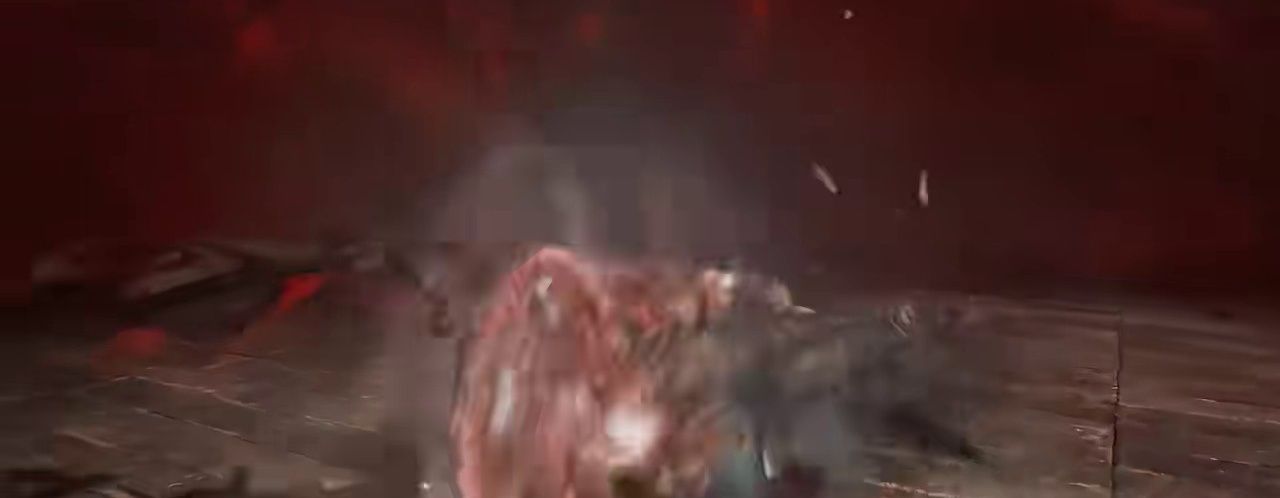
What's more impressive still is that, on top of its unmatched visual spectacle, Phantom Blade Zero keeps combat fully readable and incredibly responsive. The player's combos cap off with an easily recognizable blue flash, enemy attack wind-ups are clearly telegraphed, and the feel of every parry, strike, and dodge comes through in real time. Sparks fly as blades clash, and that ringing metallic parry sound is every bit a match for Sekiro: Shadows Die Twice.
The feel of every parry, strike, and dodge blossoms at your fingertips in real time.
4. Bosses and Weapon Rewards: Every Victory Held in Your Hands
Like most soulslike games, Phantom Blade Zero truly begins to shine in its boss fights. I faced roughly seven bosses in the demo, but to avoid spoilers, I can only go into detail on one of them. Even so, every single boss left a lasting impression: the visual designs are strikingly unique, and each has its own distinctive moveset and characterization.
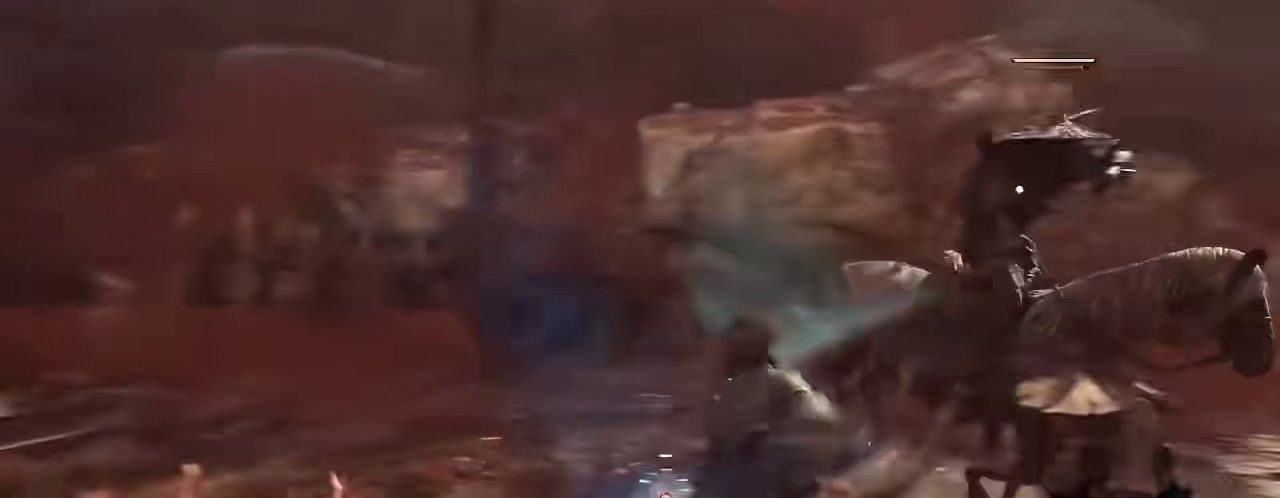
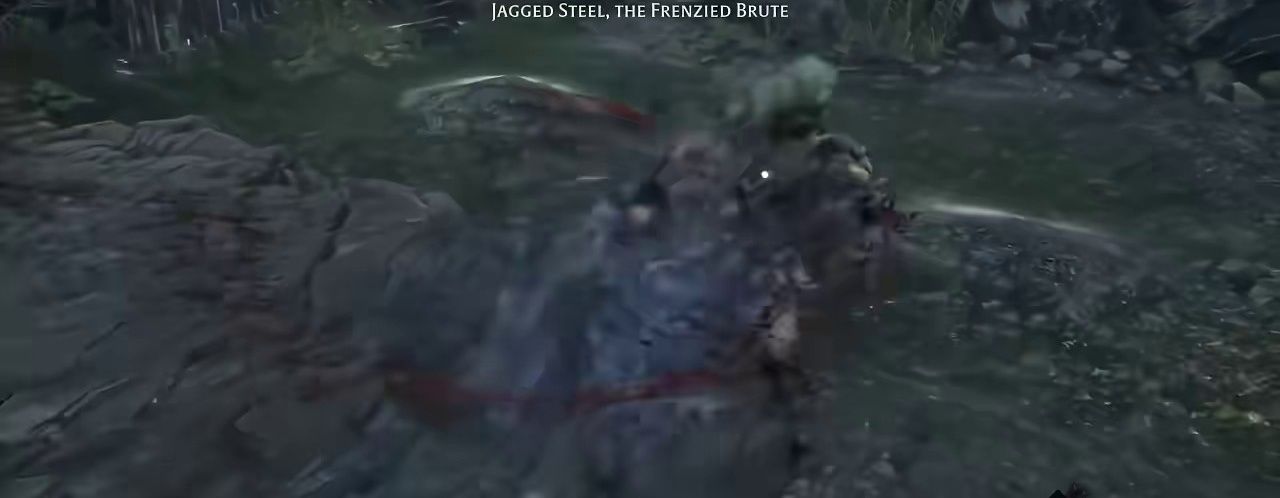
One of the early boss fights pitted me against Juci Gang, a frenzied brute. By that point, I had already spent about forty-five minutes exploring. At the top of a valley, beneath a picturesque waterfall, I ran into a hulking soldier armed with a massive spiked wheel-blade. Like every boss I encountered, Juci Gang came with a unique mechanic: if that sword lands consecutive hits, it inflicts massive bleed damage, and perfectly parrying those attacks can negate the bleed buildup. But this boss was simply too fast - parrying alone couldn't possibly keep up.
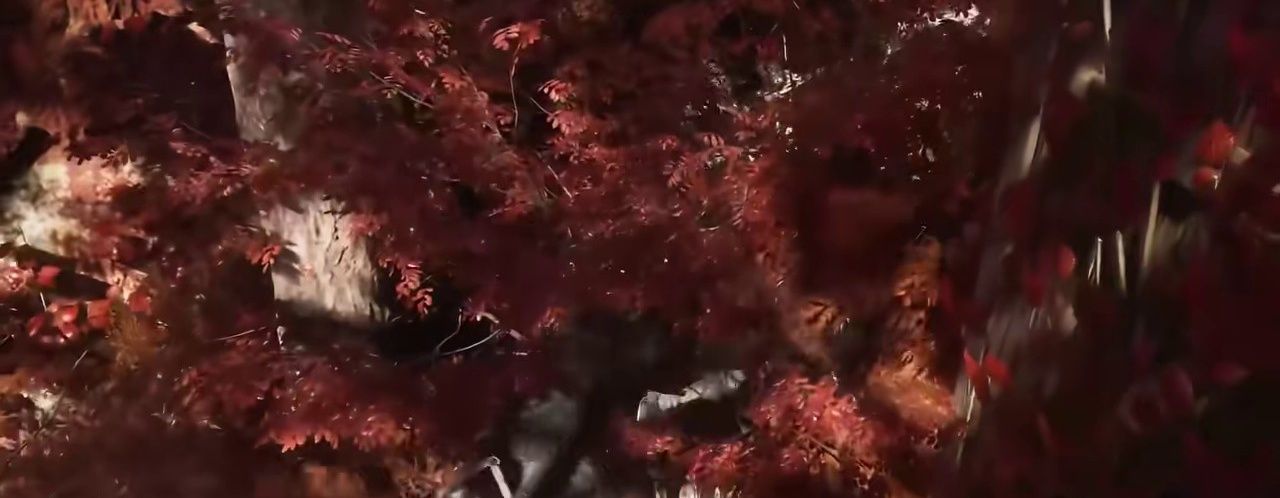
It's also right here that players come to understand Phantom Blade Zero demands mastery of all its combat mechanics, not just parrying. Once you grasp what the game is trying to teach, the boss fight turns into a tense yet blissful dance: dodge, parry, attack, capped off with an execution so flamboyant it borders on excessive. Upon his defeat, the game places Juci Gang's namesake weapon into your hands - complete with the very bleed ability you'd been desperately trying to avoid moments earlier. Every major boss works the same way. The full game reportedly features 30 main weapons in total, each with an entirely distinct set of animations, combos, and special abilities; I got to try around 10 of them in the demo, each more impressive than the last.
Handing you the boss's weapon after victory feels like the ultimate video game reward.
While Phantom Blade Zero may not have a class system, the sheer variety within its arsenal will undoubtedly pave the way for deep gameplay experimentation. Players will feel like they've only scratched the surface.
V. Levels, Exploration, and Progression: Big Bells, Skill Trees, and Blade Swapping
Combat is, of course, the core and main course of Phantom Blade Zero’s gameplay loop, but even breathtaking visuals and solid game feel will eventually lose their luster - if the rest can’t carry the full experience. Fortunately, Phantom Blade Zero has a solid structure, rewarding level design, and an engaging narrative throughout the entire demo.
Developer S-GAME has publicly stated that Phantom Blade Zero’s level design borrows heavily from previous soulslike titles. As a result, it features many distinctive areas, each packed with branching paths linked by unlockable shortcuts. Thanks to simple yet visually striking traversal mechanics, the levels also often have a strong sense of vertical depth. Later on, players unlock “Blade Swap” - a powerful weapon that can be used both in combat and exploration, opening paths through earlier areas and giving the game a Metroidvania flavor. These optional paths often conceal unique enemy encounters, resources worth seeking out, and occasionally even side quests and boss fights.
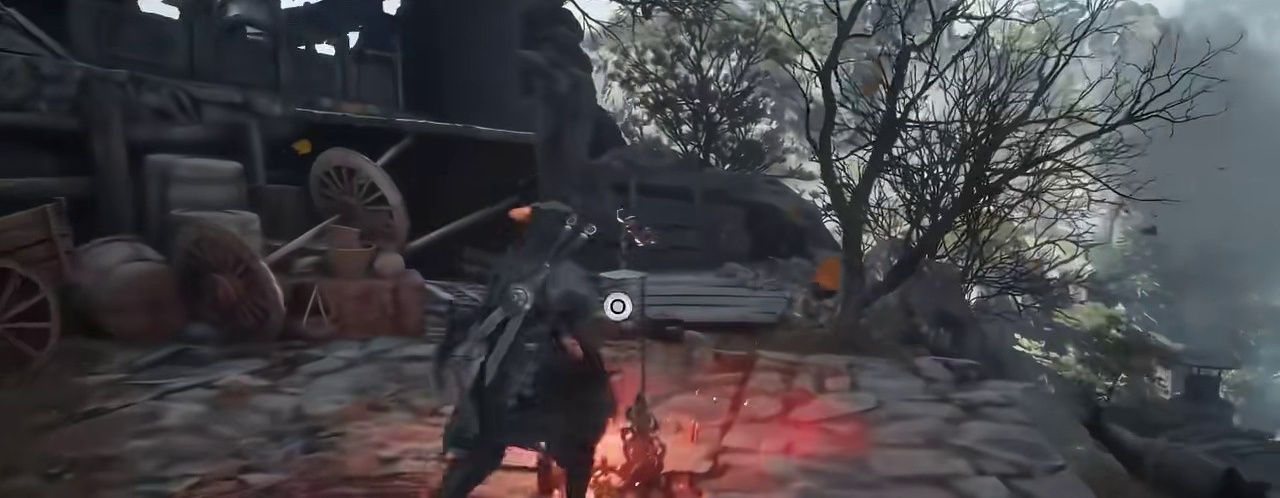
As is customary for soulslikes, Phantom Blade Zero’s world is generously dotted with bonfire-like checkpoints, which in this game take the form of a large bell. At these checkpoints, players can restore health and upgrade Soul’s abilities through a rich skill tree. Based on what was seen in the demo, the skill tree is mostly used to increase health, stamina, and attack power, but it also includes some more unique abilities, such as executions restoring health. The skill tree isn’t especially impressive, but every point invested delivers a clear power boost, which is enough to encourage players to keep exploring the branching paths in each area. Weapons also have their own dedicated upgrade systems: each time a weapon levels up, you can equip it with a brand-new combat ability.
VI. Story & Narrative: The Silent Soul, and the World Within Collectible Notes
Players come away thoroughly satisfied with the vast majority of what Phantom Blade Zero has to offer, but their attitude toward the story is considerably more measured. The crux of the issue lies in the time constraints and the way the story is presented, rather than any fundamental flaw in the narrative itself. Though the opening is absolutely explosive, the protagonist's reticence and the initial lack of NPC interaction make the story of the game's first few hours feel somewhat confusing: Who exactly is Soul? What is their current motivation? Beyond finding a way to prolong their life, what else do they want?
After a few hours, some intriguing details begin to surface, and Soul's backstory starts to flesh out in genuinely exciting ways. But those first few hours do feel like being thrown straight into the deep end. Fortunately, Phantom Blade Zero presents captivating worldbuilding from the very beginning, told primarily through superbly written collectible notes.
These notes are filled with genuinely fascinating fantasy concepts and complete stories built around individual characters, often directly tied to the enemies you're currently facing and the areas you're exploring. The notes are packed with fantasy-genre jargon that may not be easy to grasp, but for players accustomed to piecing together an entire narrative from fragmented item descriptions, this approach to storytelling may well end up being one of Phantom Blade Zero's standout highlights.
It shatters the story into fragments, waiting for you to piece together a portrait of the jianghu with your own hands.
Top Community Comments
In the discussions around Phantom Blade Zero, the liveliest topics aren't always move stats or boss mechanics - there's also an unexpected wave of fun built around the game's "dubbed-film tone." One comment likened that tone to grandma's spaghetti you haven't tasted in years: nostalgic, over-the-top, and with a touch of deliberate cheesiness.
"Oh my god, this is truly my favorite kind of voice acting. You know, we haven't heard this kind of translation-ese in such a long time - it's as nostalgic as grandma's spaghetti you haven't eaten in years. Oh my god, I really hope they keep it this way."
This kind of remark may not be a verdict on the game itself, yet it lands squarely on players' collective memory of old-school dubbed films. It turns "translation-ese" from a flaw into a meme - and into a language game the whole community shares.
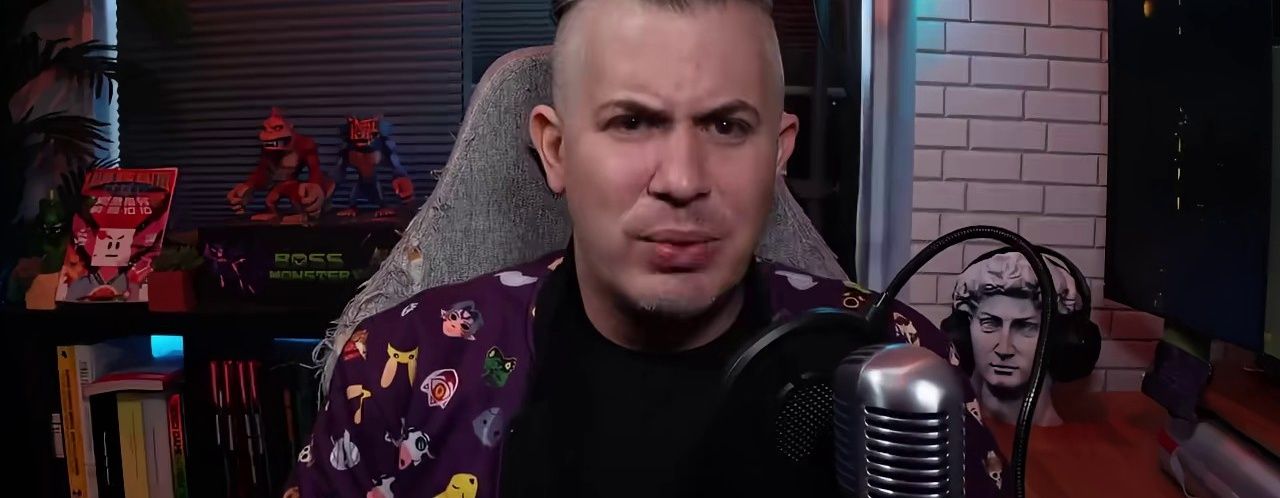
"Oh, my god."
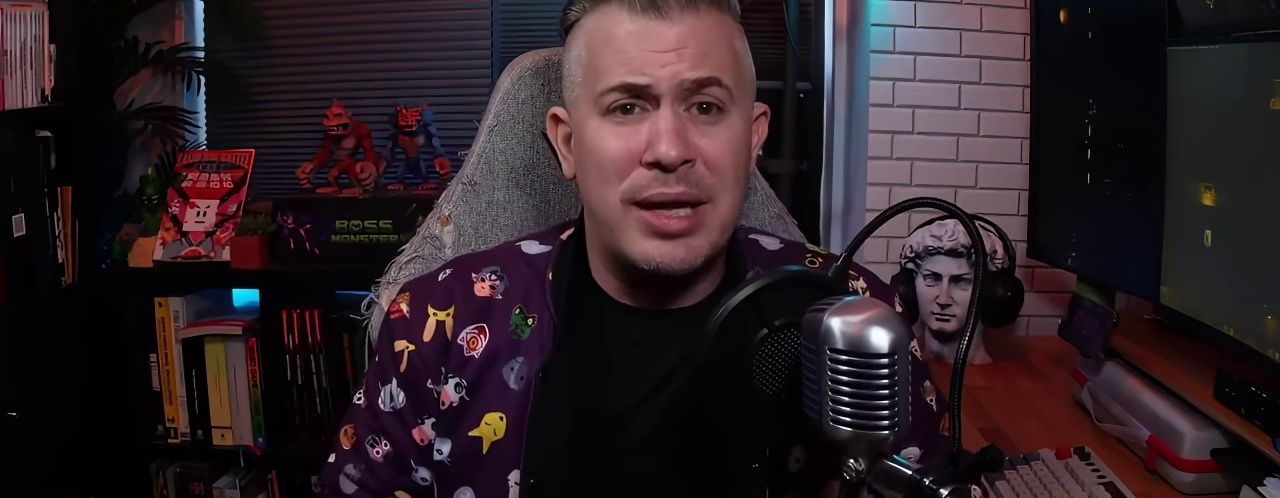
"Damn it, old pal! My shoes can't wait to kiss your butt!"
The first is a brief, knowing echo; the second pushes the exaggerated dub tone to the edge of absurdity. Together they show that when a trailer, a hands-on demo, or a piece of localization is distinctive enough, players will eagerly jump in with fan creations of their own. For Phantom Blade Zero, this buzz may have little to do with combat depth, but it gives the game an extra memorable hook in terms of reach.
📌 One-Line Takeaway
After just over five hours of play, Phantom Blade Zero already boasts one of the best animations we've ever seen in video games, along with the most satisfying action combat since Sekiro: Shadows Die Twice; add in rewarding level design, 30 distinct primary weapons, and collectible narrative, and it's already showing the makings of a Game of the Year-caliber action RPG.
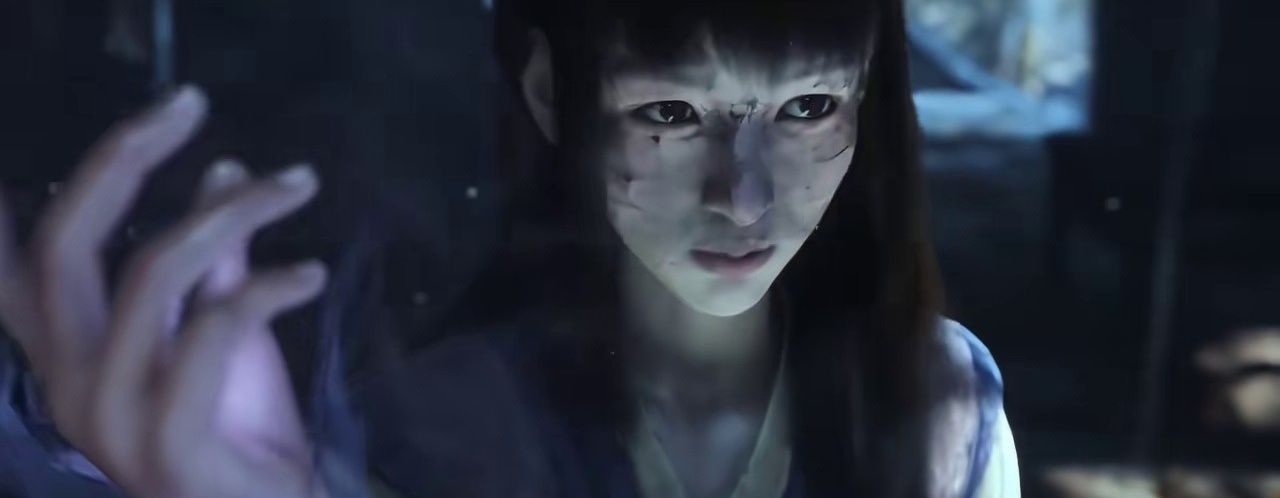
Let's not get ahead of ourselves, but unless something goes seriously wrong, the full version is unlikely to miss the mark. The real question it has to answer is whether it can stretch the sharpness of those first five hours into a long jianghu journey spanning dozens of hours.
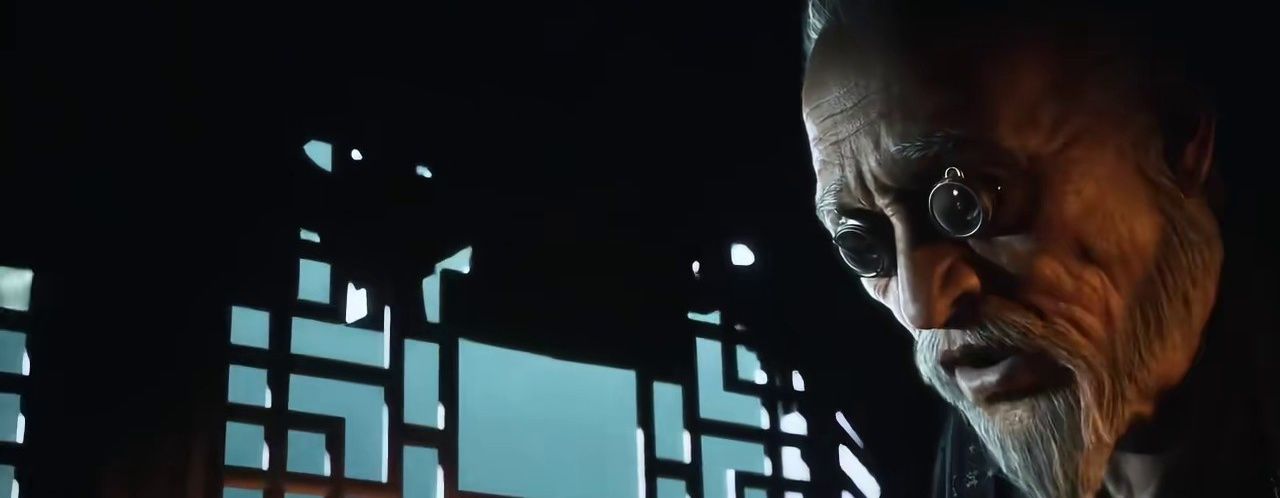
If Phantom Blade Zero can hold on to this feel, this pacing, and this wuxia spirit, then it won't just be another soulslike - it will be a storm of blades that truly belongs to China, built on a soulslike framework.