Phantom Blade Zero Locks In October 29 Release: The Anxiety Over the Missing Demo, and the Final Sprint of "Kungfunk"
With less than ten days to go before Phantom Blade Zero's official release, the mood in the player community has reached a delicate tipping point. Everyone wants to play it right now, yet fears their expectations might fall flat; they understand the development team needs time, yet can't help pressing the question of why there is still no demo. The two most hotly discussed topics around this game are not the visuals or the story, but the release window and the absence of a demo. They may look like minor operational issues, yet they strike precisely at the two most sensitive nerves of homegrown single-player titles in the final sprint.
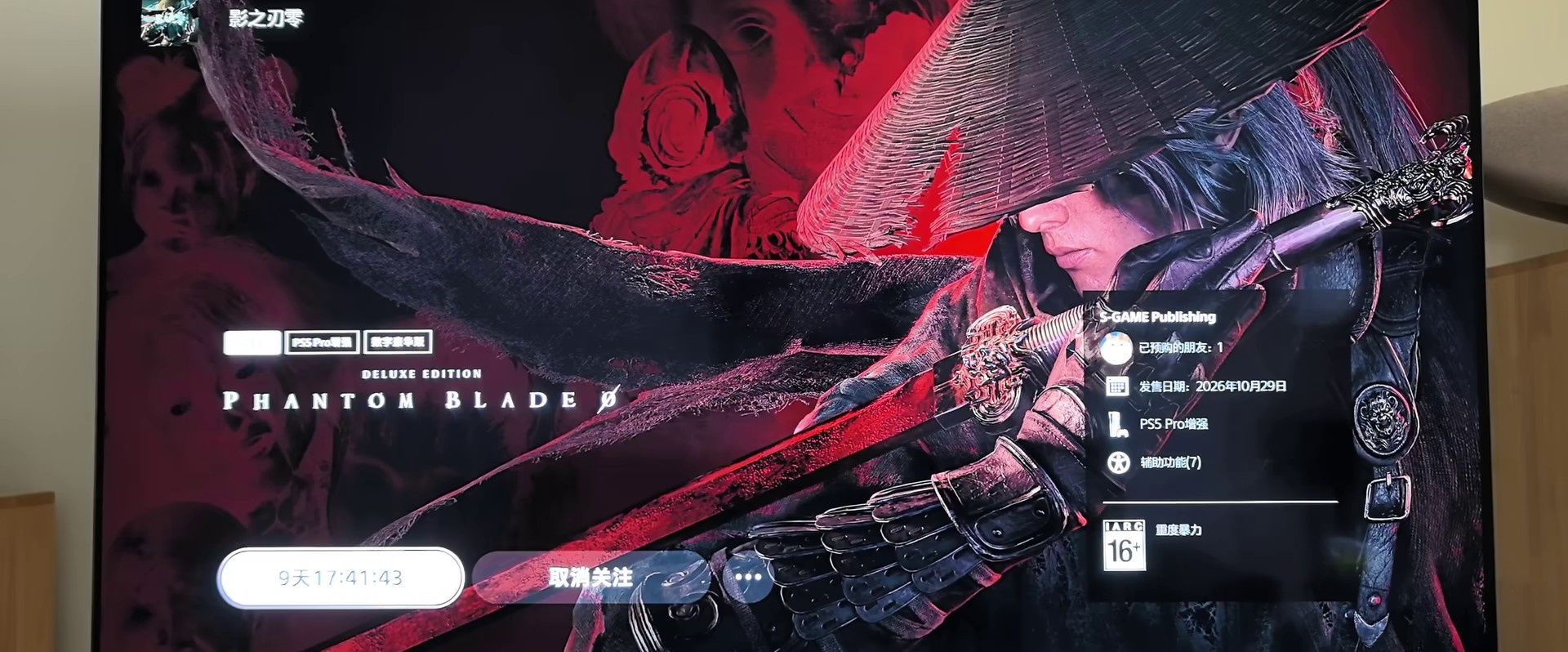
The expectations riding on Phantom Blade Zero are anything but ordinary. It carries both S-GAME's years of accumulated action-game expertise and the highly distinctive visual and combat direction of "kungfunk". Liang Qiwei and his team have fused Chinese wuxia, steampunk, blade-flash afterimages, and high-speed combos, attempting to craft a title that is recognizable at a glance. Precisely because of this, players' demands won't stop at "playable" - the game "must look cool, must feel fluid, and must make noise on the international stage."
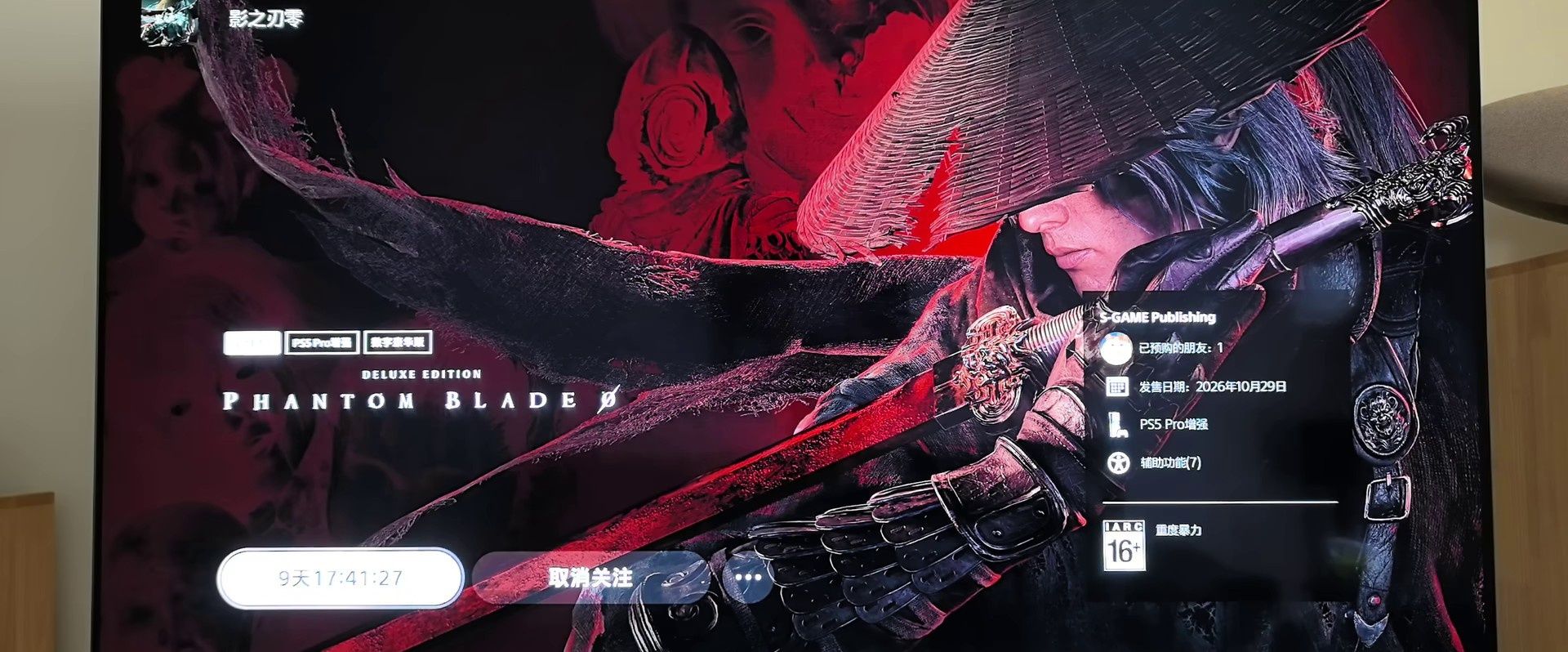
But the closer it gets to release, the scarcer the information - and the more easily anxiety breeds. Preorders have been open for months, and there has been no shortage of official gameplay footage and media previews, yet ordinary players have yet to get a single chance to verify it with their own hands. This "visible but untouchable" state is more tormenting than plain waiting.
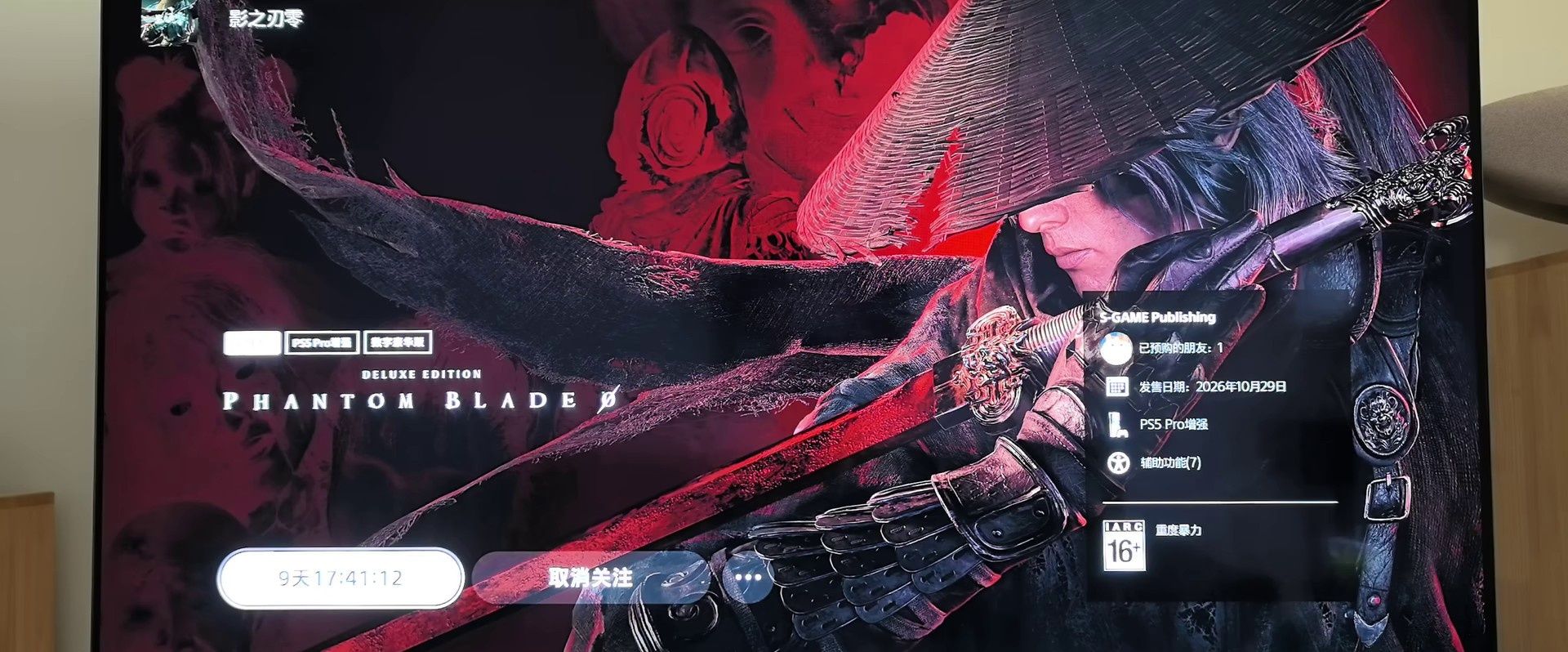
And so, two phrases keep coming up: an awkward release window, and a missing demo. They are not a judgment on the game's quality, but a question about the pacing of pre-release communication. In other words, people aren't unwilling to wait - they just want the wait to have a clearer anchor.
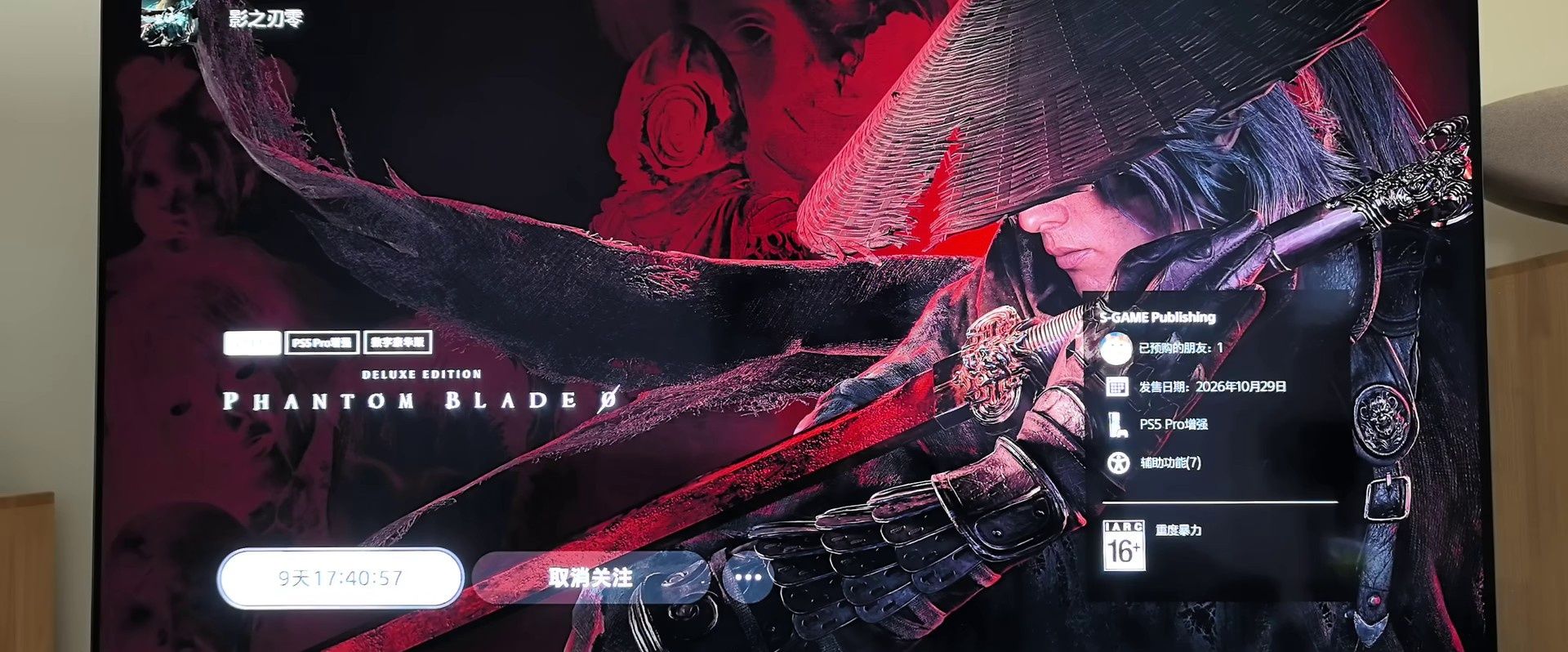
II. From September 9 to October 29: A "Slightly Awkward" Release Window
Phantom Blade Zero has finally locked in October 29 as its release date. On its own, that date isn't a bad one on the calendar, but placed within this year's gaming release landscape, it sits in a somewhat delicate spot. Liang Qiwei revealed in an interview that the team initially considered September 9 - flipped upside down, 9/9 reads as 6/6, echoing the "66" elements in the game, a neat little numerical Easter egg.
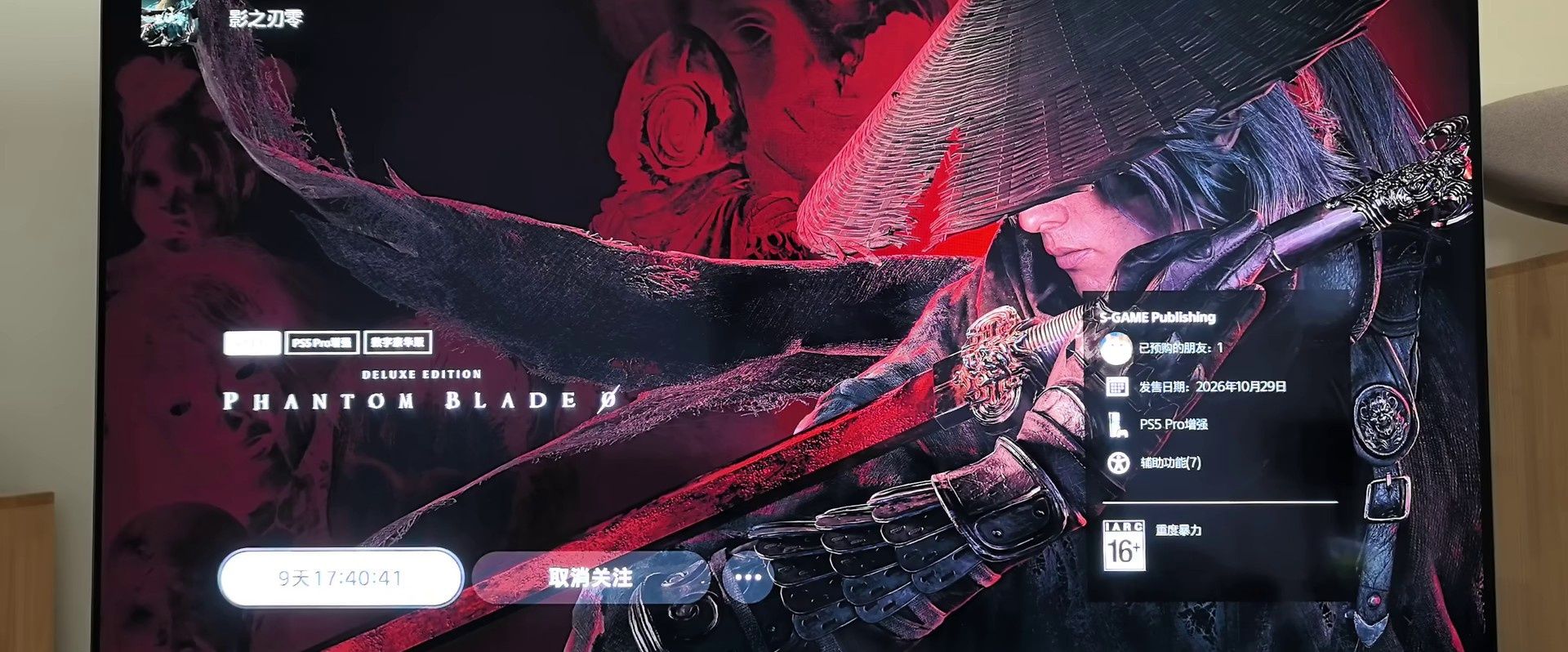
If everything had gone smoothly, September 9 would have been a memorable date: it would have steered clear of the traditional year-end holiday sales rush while using the date Easter egg to amplify community buzz. But plans failed to keep up with changes, and the release date was ultimately pushed to October 29. That shift of more than a month turned what was originally a clever touch into real-world pressure.
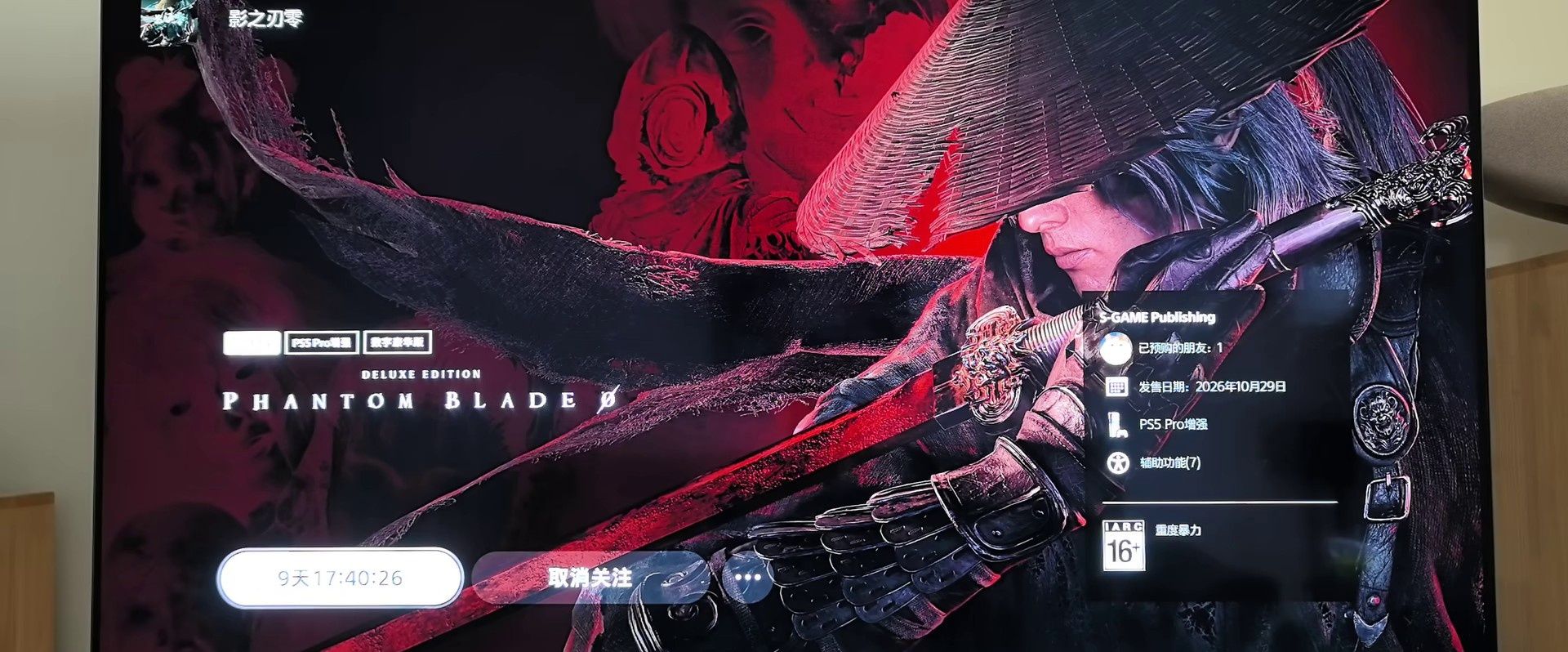
From a player's perspective, late October is anything but empty. Blockbusters, live-service games, annual updates, and holiday-season warm-ups all crowd in at once, slicing players' time and attention into fragments. If someone has two other heavyweight games to play besides Phantom Blade Zero, the time left for this action game is genuinely limited. Action games demand practice, familiarity with combos, and an understanding of enemy attack patterns - you can't chip away at them in scattered fragments the way you would a TV series.
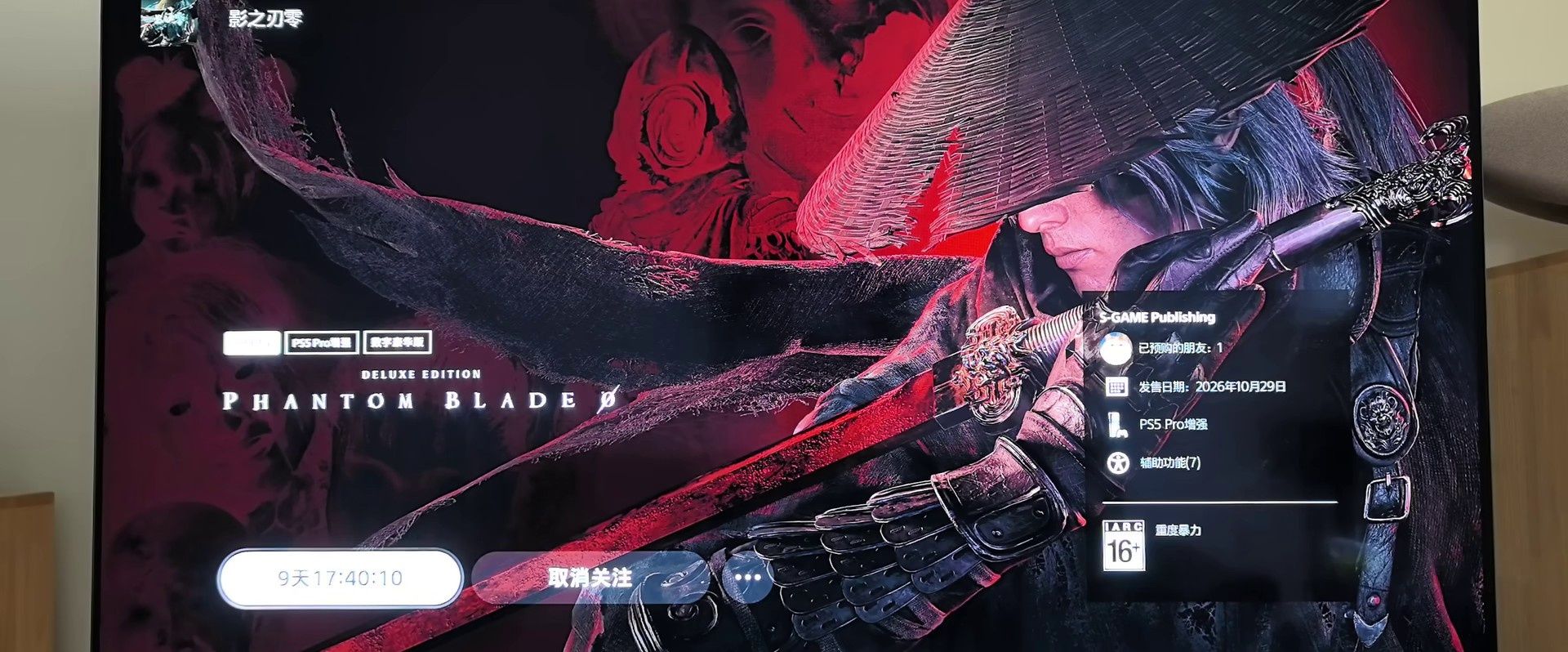
A release window has never been just a question of "which day to sell." It determines who sees the game, how many people talk about it, and whether players have enough uninterrupted time to truly immerse themselves.
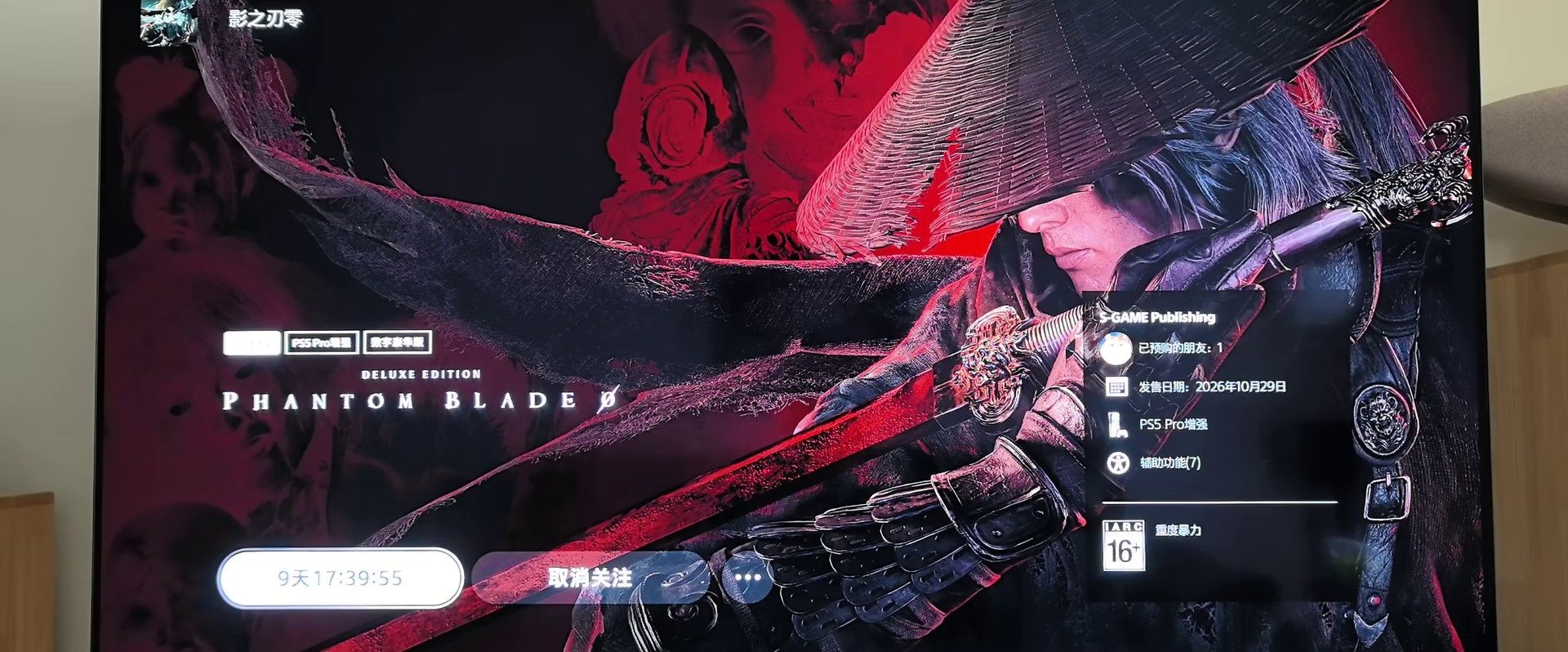
3. Avoiding the Giants and Polishing the Finish: The Dual Pressures Behind the Delay
In the interview, Liang Qiwei also touched on industry-level concerns: if the game released within a month or two of a title on the scale of GTA6, the market could be drained so thoroughly that "not a blade of grass would grow." This is no exaggeration. Mega-hits dominate media headlines, streaming platforms, social media discussions, and player budgets - even small and mid-sized titles with rock-solid quality can easily get drowned out.
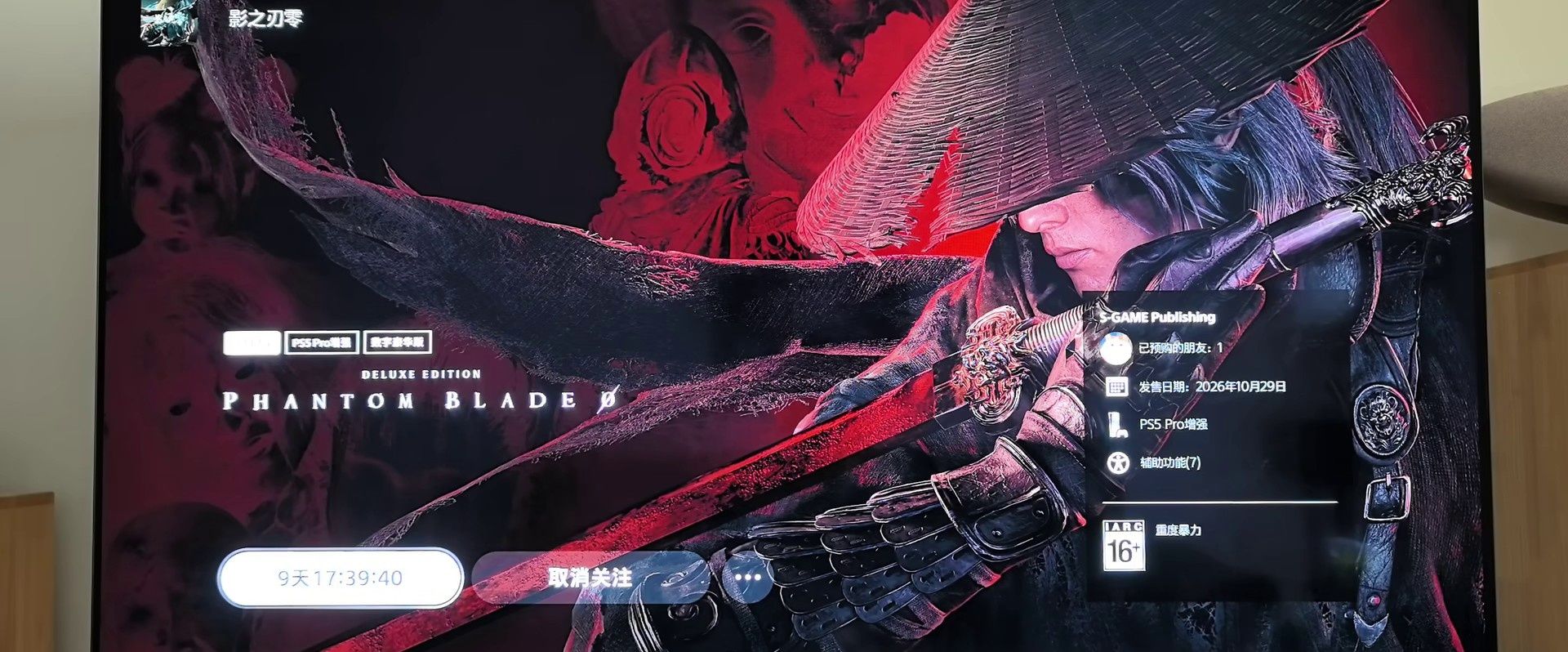
So avoiding the giants is a rational release strategy. But Phantom Blade Zero faces more than external competition - there is also the internal polishing. The more content gets crammed in, the greater the optimization pressure; the more complex the combat system, the more time bugs and game-feel issues need to be ironed out. The team clearly wants to hand the game over to players in one complete package, leaving no room for regret.
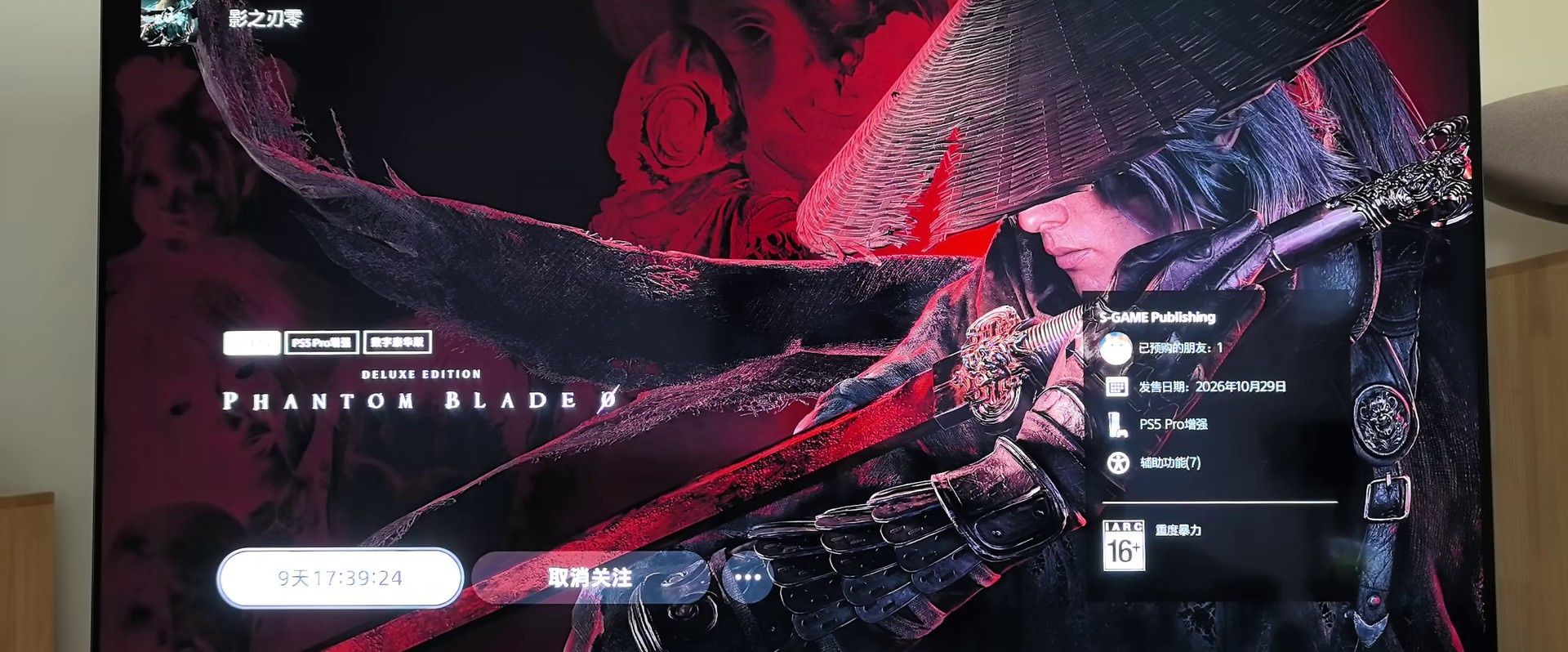
However, the release date can't be pushed back indefinitely. Another delay would spell trouble for market confidence, distribution arrangements, team cadence, and player sentiment. Locking in October 29 means this final stretch is more like a sprint: wrapping up, fixing bugs, tuning performance, going gold, and preparing the day-one patch. From September 9 to October 29, this month-plus is most likely not for adding content, but for making sure the game "sticks the landing."
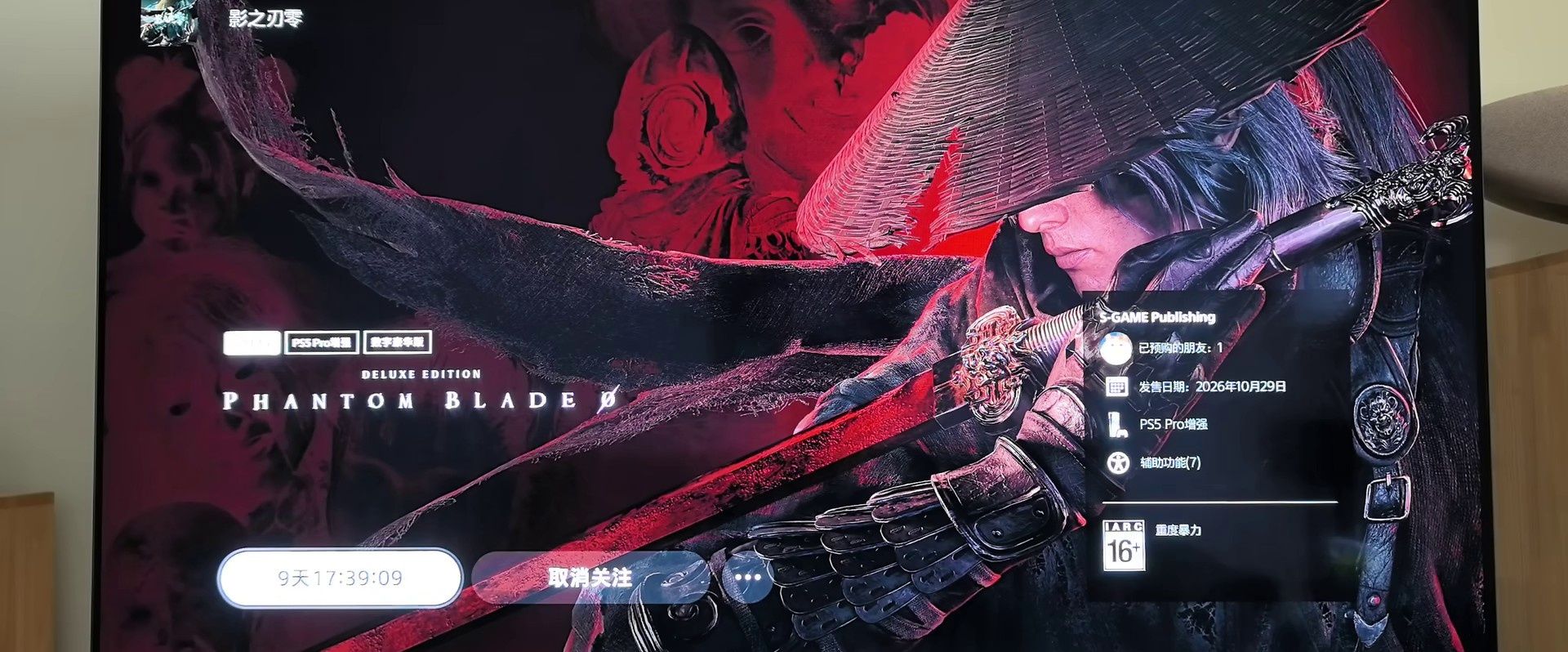
A delay isn't a whim; more often than not, it's the painful trade-off a development team makes between "doing more" and "shipping on time."
4. The Missing Playable Demo: Preorder Players' "Itch" and Disappointment
Compared with the release date, the absence of a playable demo stings core players even more directly. Preorders have been open for months, and the studio has organized in-person hands-on sessions for media, overseas reviewers, and select content creators - but ordinary players have never had the chance to get their hands on the game. Not even a single chapter, less than an hour of content, has been made available.
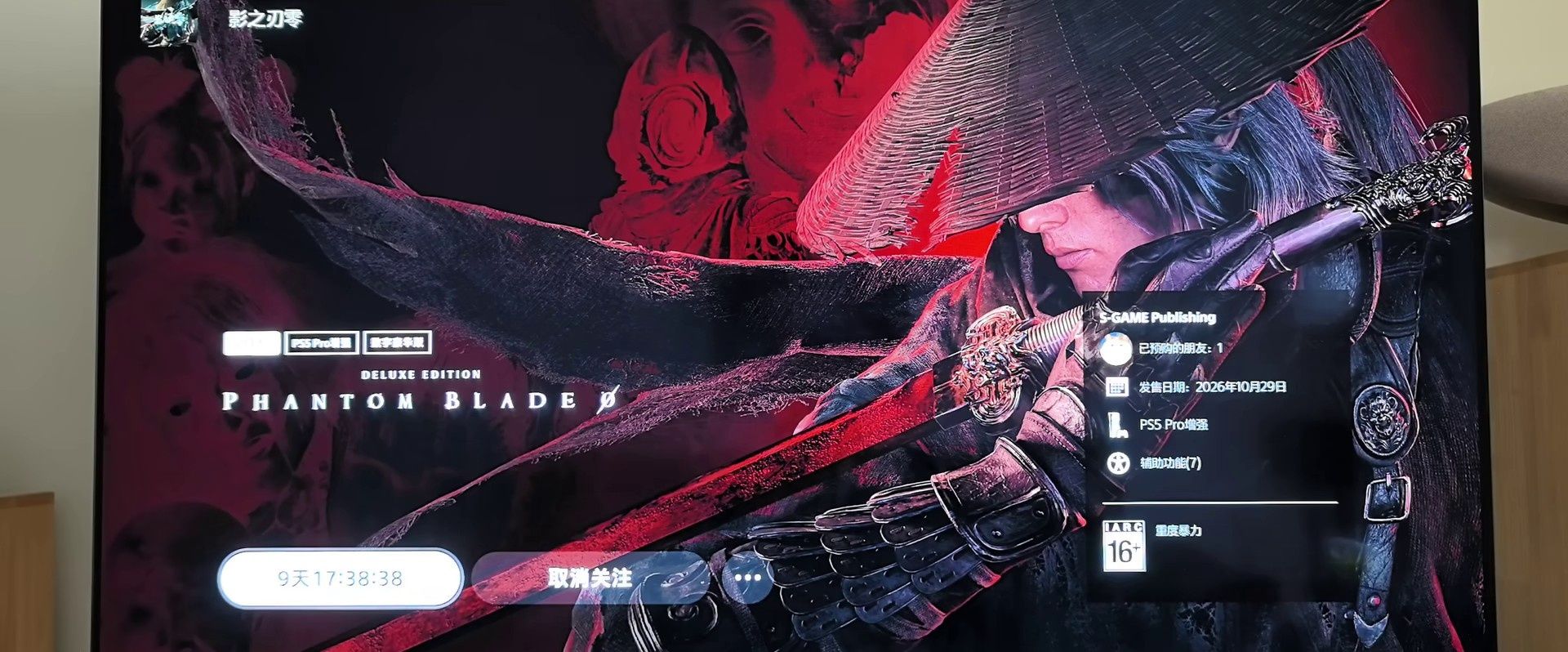
This creates a jarring disconnect: the people who put down real money to preorder end up being the very last to experience the game. For players with high expectations, all this waiting curdles into a restless, "itchy hands" kind of anxiety. It's not that they doubt the game - it's that they're dying to confirm just how stylish it looks, how smooth it plays, how difficult it is, and whether their PC or console can deliver the ideal experience.
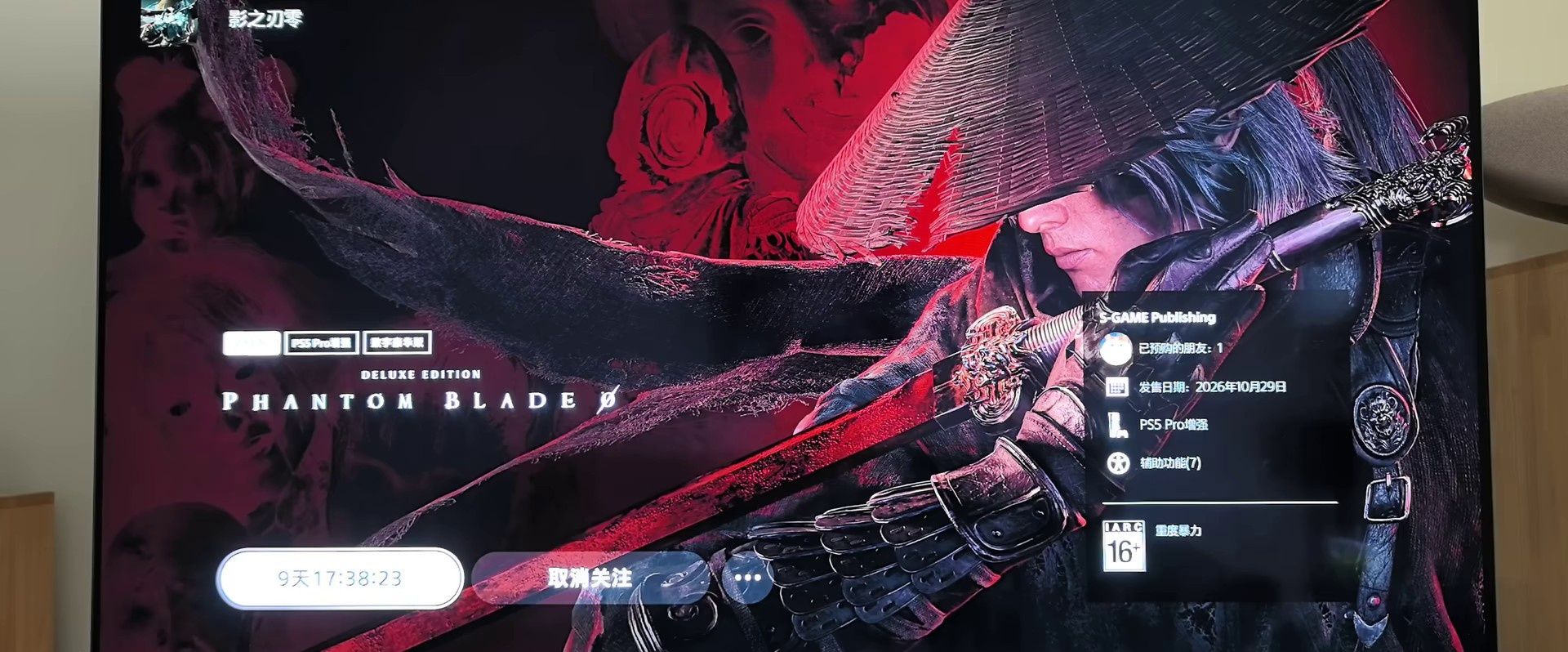
A playable demo, of course, doesn't come free. Cutting a standalone build, controlling its length, handling spoilers, adapting it to different platforms, gathering feedback, and fixing issues all consume development resources. Especially after a delay, the team's time is even tighter. One viewer pointed out: "They've already delayed the game - where would they find the time to make a demo?" That comment isn't without merit.
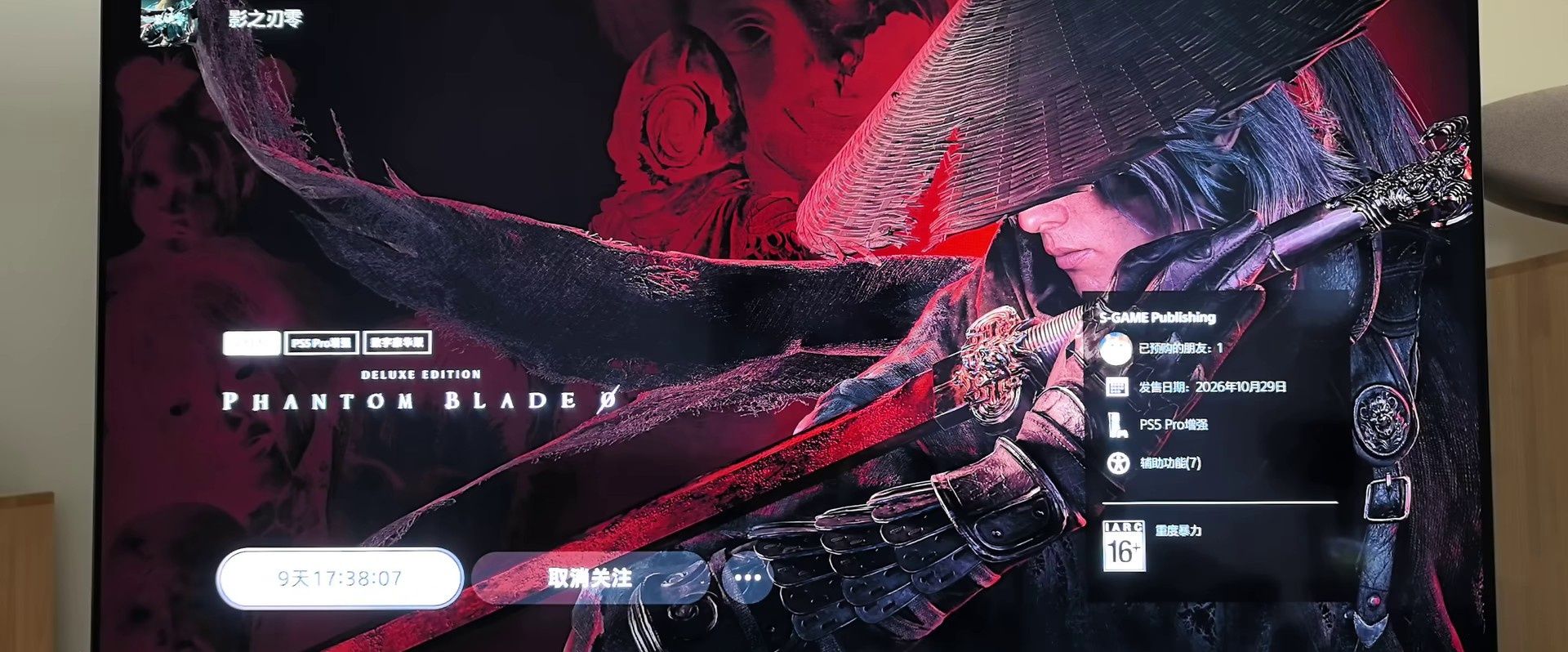
But the players' disappointment is just as real. Some games have demos that stutter noticeably, yet their final versions prove acceptable - showing that demo performance doesn't equal final quality. But conversely, a carefully prepared demo is precisely the most effective proof of trust before release. Without a demo, players can only place their orders based on trailers, media previews, and their own faith.
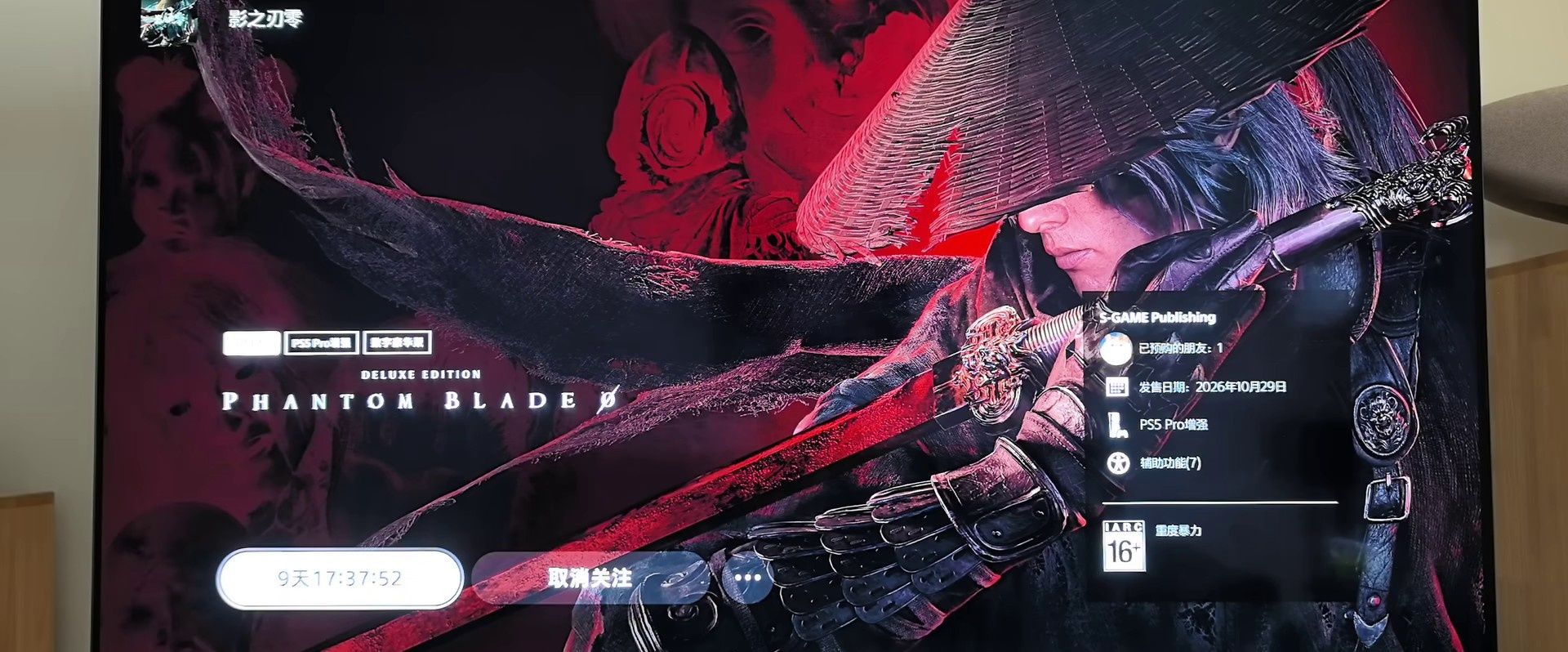
5. From Controller Support to the Combat System: Why Hands-On Play Matters So Much
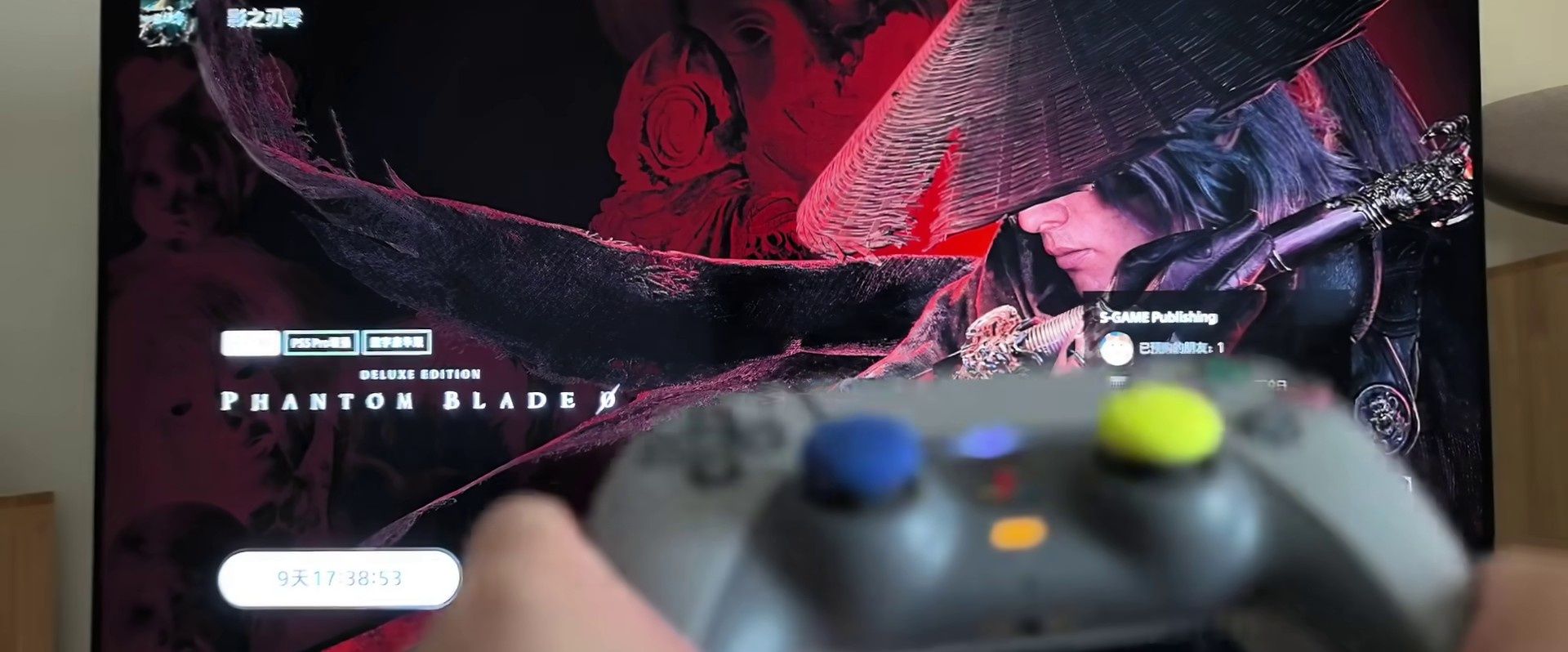
Phantom Blade Zero reportedly offers solid support for Sony's DualSense controller. For an action game, this isn't icing on the cake - it's part of the experience: adaptive triggers can convey the weight of different weapons, haptic feedback can communicate the distinct layers of blocking, parrying, landing hits, and taking damage, and rumble reinforces the sense of force behind every move.
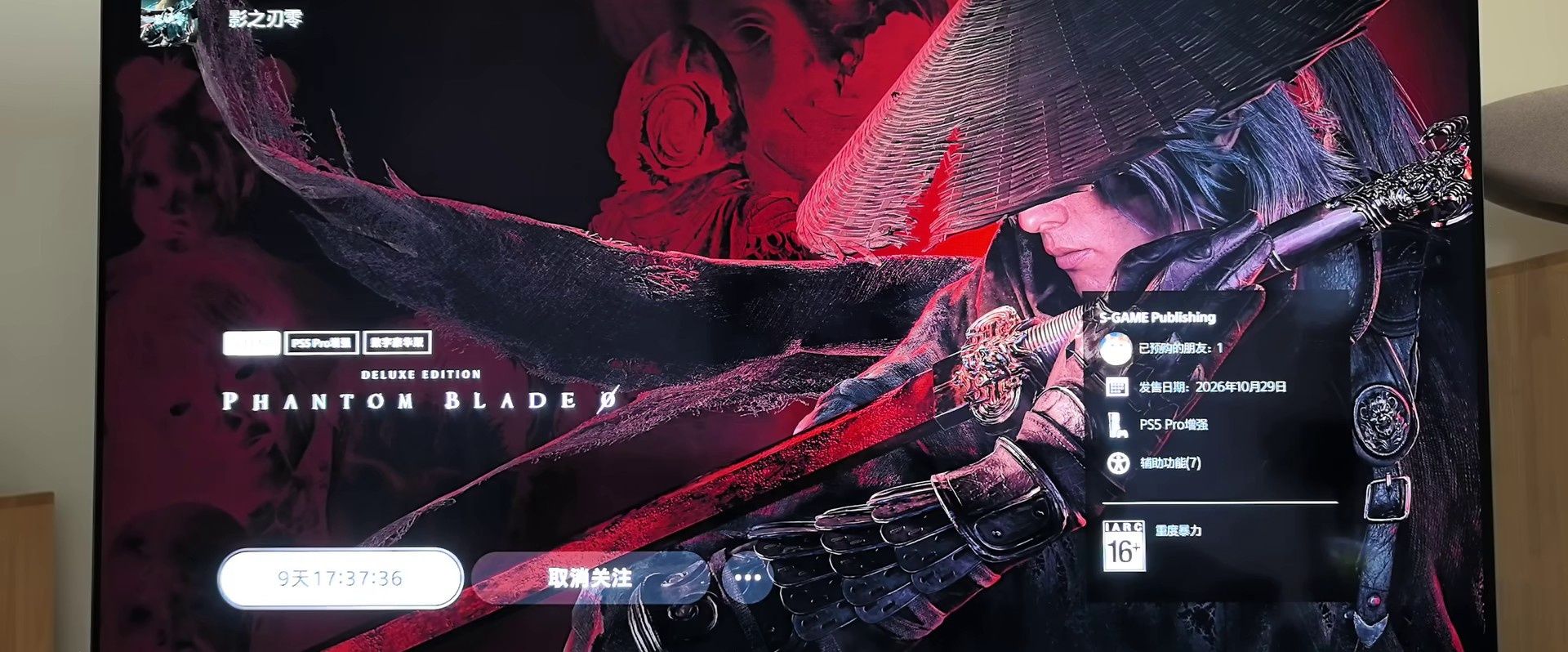
The more a design emphasizes game feel, the more it demands hands-on experience. No matter how stylish the combos look in a trailer, they can't replace the sense of rhythm a player gets from pressing the buttons themselves. How wide is the dodge window? How rewarding is blocking? Do move transitions flow smoothly? Does the camera get obscured by visual effects in close-quarters combat? These are questions only hands-on play can answer.
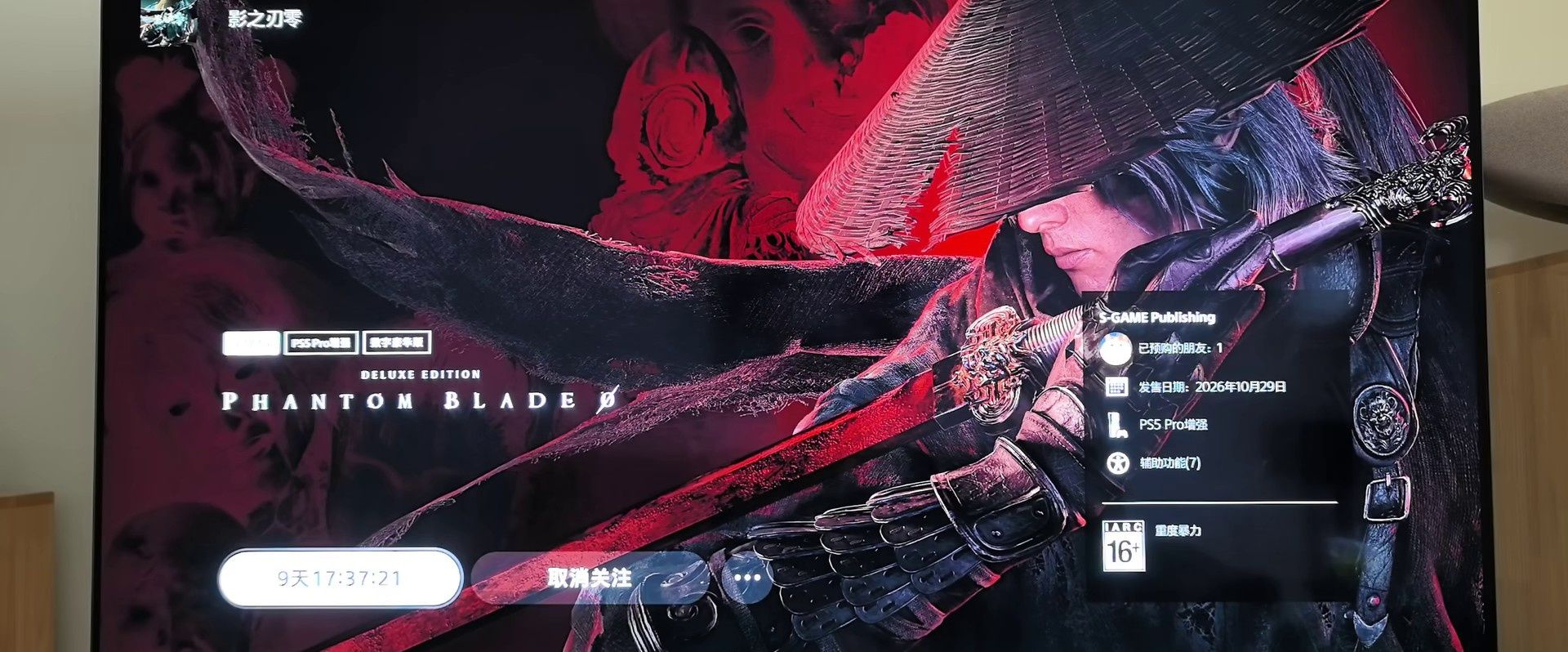
Some players noted that throws come with an aerial step, and that in close-quarters combat, sudden move changes can obstruct your view and leave you unable to react in time. This is precisely what shows that Phantom Blade Zero's combat system isn't a simple "press button, perform move" affair - it's built around seamless chaining and fluid move transitions. Its fluidity is both its selling point and its barrier to entry.
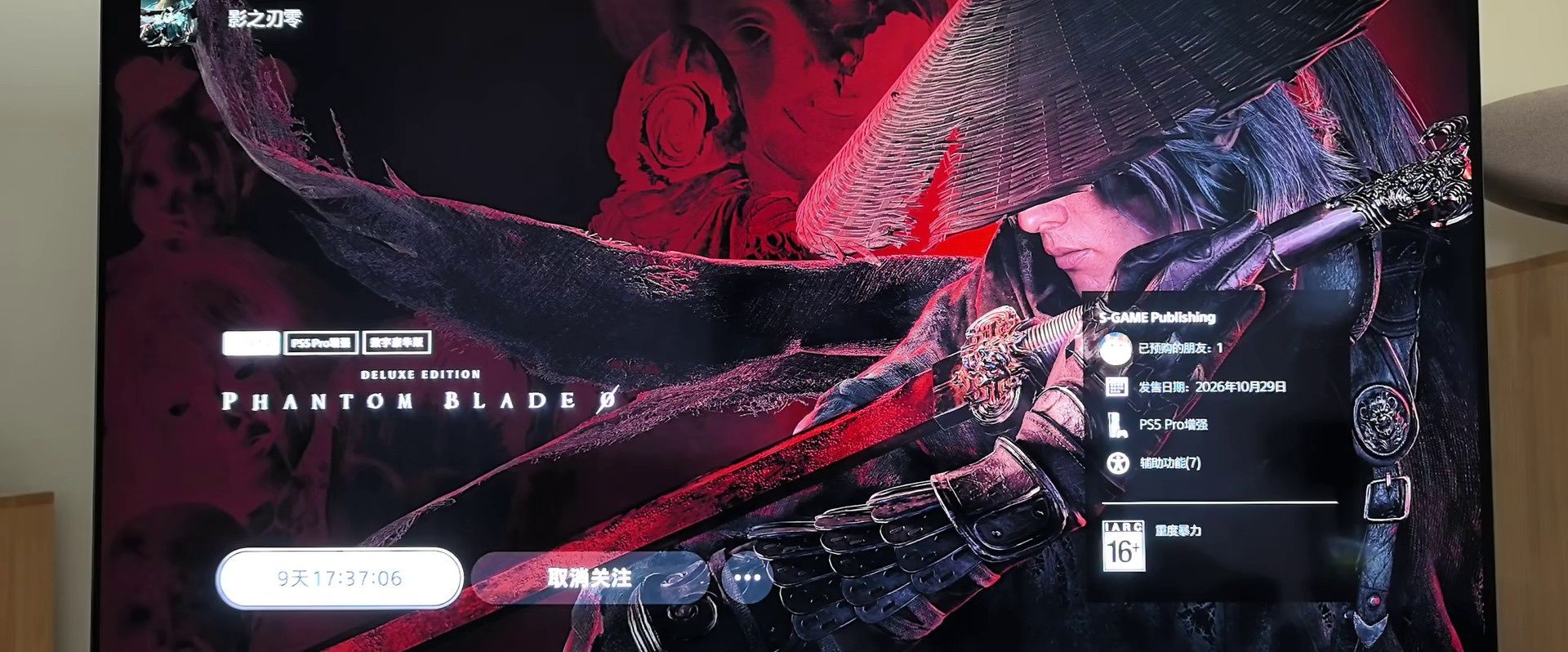
For action games, a hands-on session isn't just "getting an early taste" - it's how players confirm whether they can keep up with the game's rhythm.
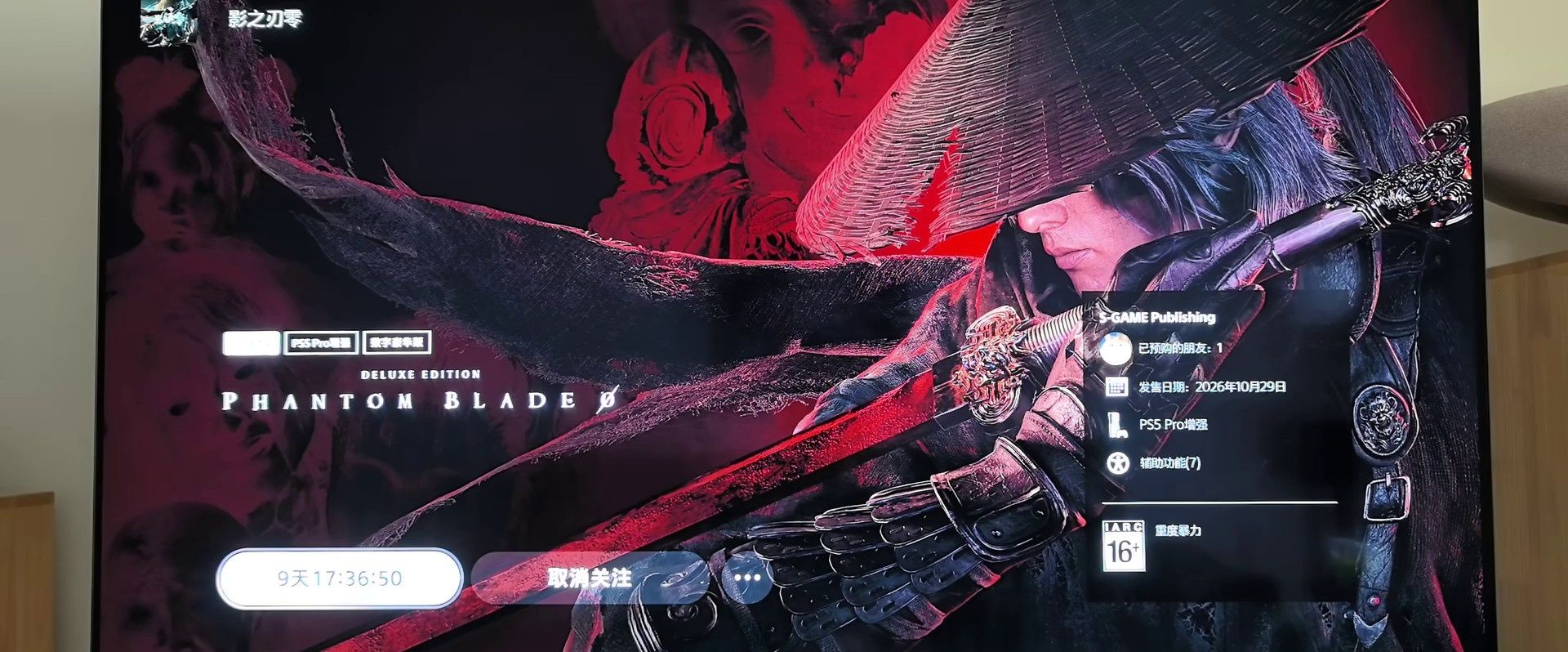
6. Kungfunk and the Homegrown Single-Player Ambition: The Card Phantom Blade Zero Is Set to Play
Despite complaints over its release window and the lack of a playable demo, expectations for Phantom Blade Zero remain high. Its sales prospects are widely viewed as promising, because the homegrown single-player market has already proven that when quality is solid and the style is distinctive, domestic players will back it with real money. What makes Phantom Blade Zero unique is that it doesn't simply imitate Japanese or Western action games; instead, it fuses the footwork, weaponry, and artistic mood of Chinese wuxia with punk aesthetics.
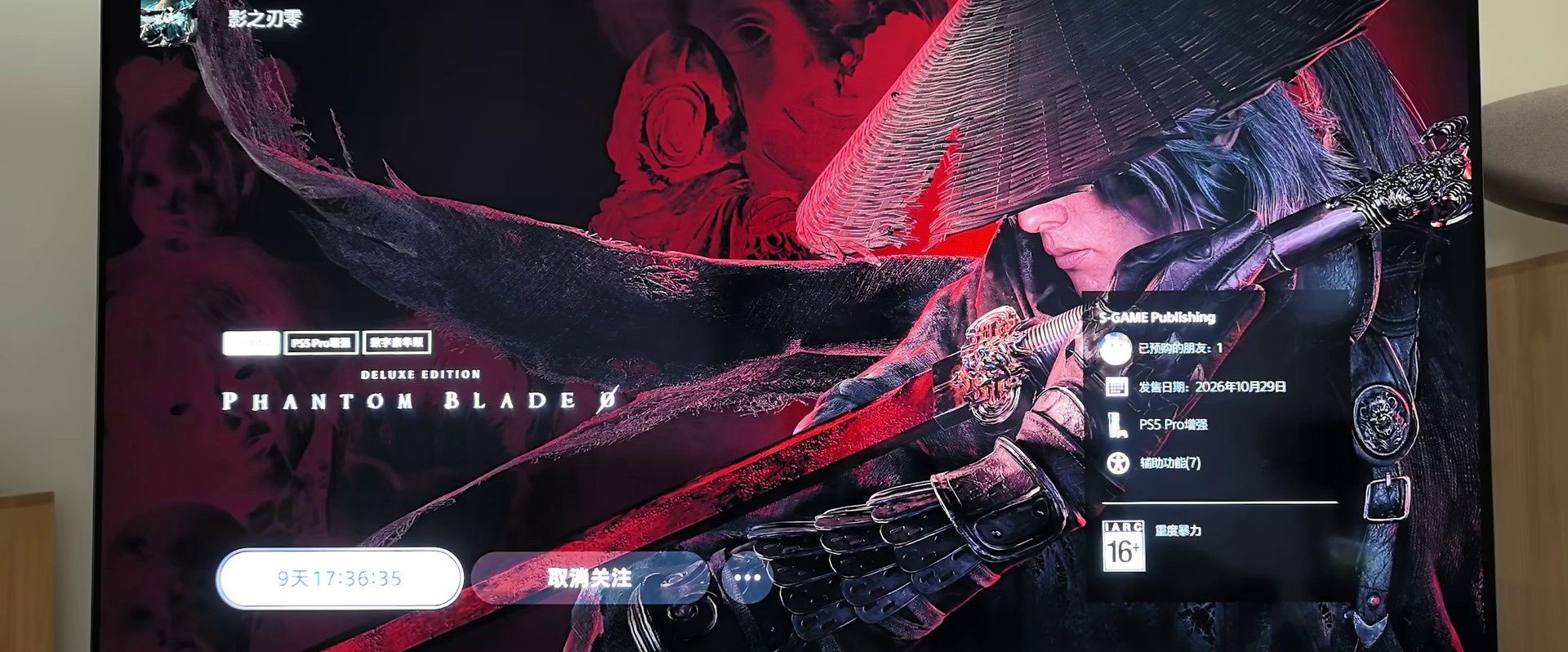
The term "kungfunk" is both a visual label and a direction for cultural export. It demands combat design that carries the rhythm of Eastern martial arts while delivering the dazzling flair of machinery, afterimages, and high-speed move transitions. If it lands, it will give overseas players a whole new action aesthetic to remember; if it stumbles, it risks being misread as a muddled blend of styles. That's why the team needs to showcase its core appeal as much as possible before release.
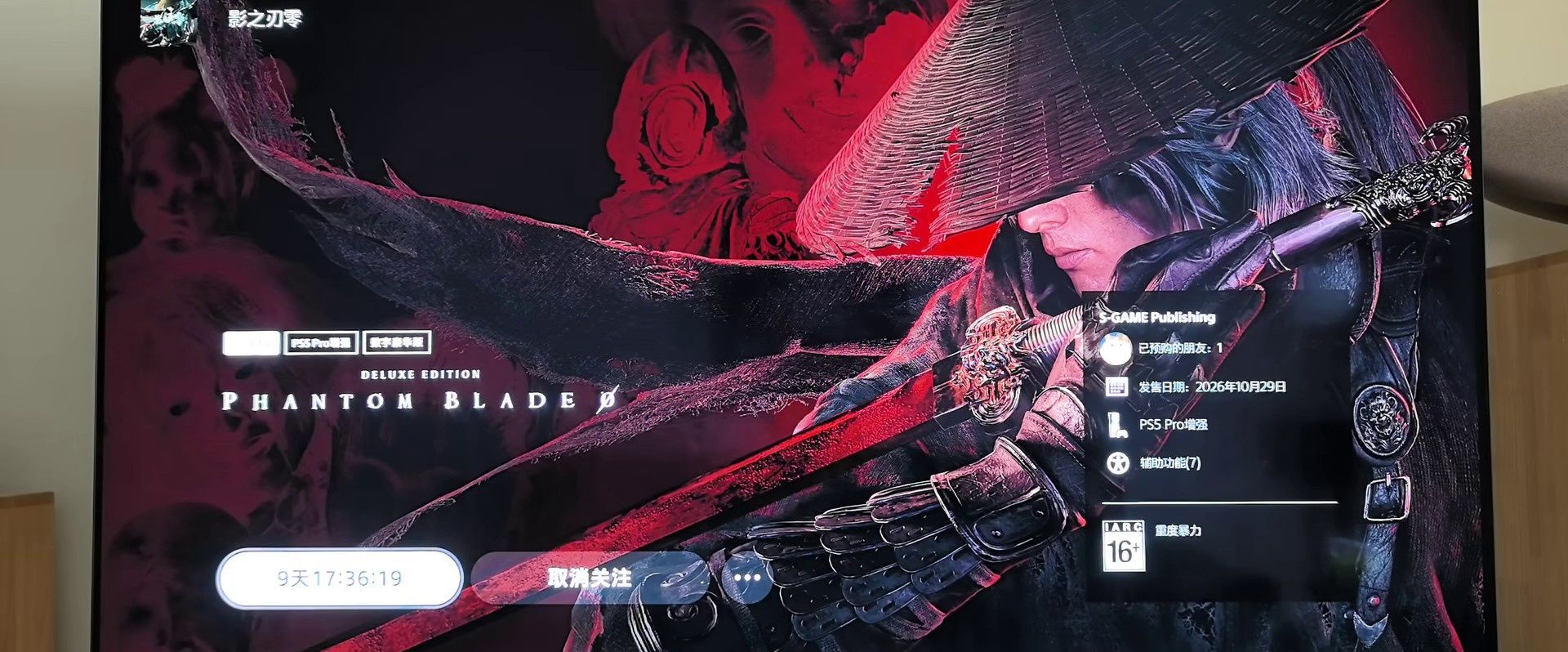
Viewed from this angle, the absence of a playable demo is all the more regrettable. Because what Phantom Blade Zero most needs people to feel isn't the story - it's the "cool." The literal kind of cool: blade-light slicing through the air, the character weaving between enemies, techniques flowing seamlessly from one into the next, the camera surging with every burst of action. This is an experience that screenshots and words alone can hardly fully convey.
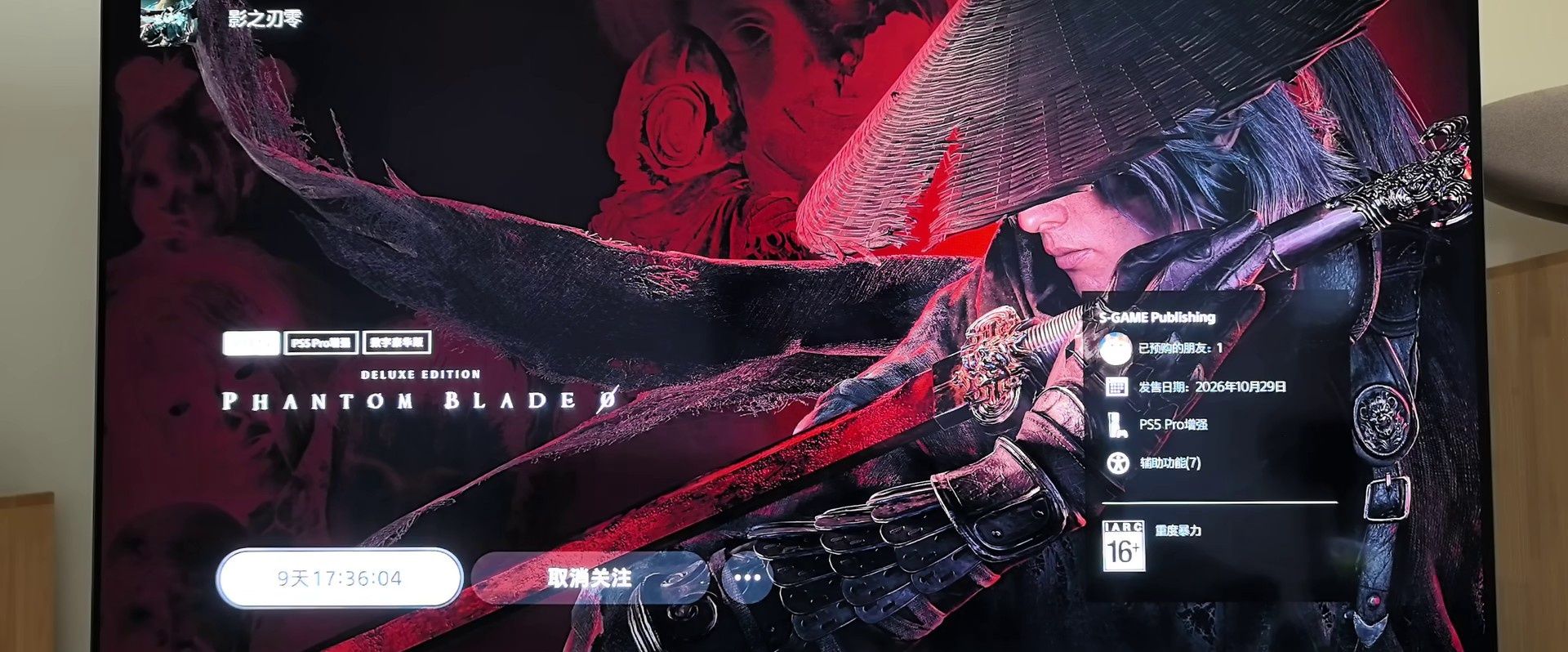
Still, anticipation outweighs anxiety. However awkward the release window, it's just a slot on the calendar; however absent the demo, it's just one link in the communication chain. What will truly decide Phantom Blade Zero's fate is what comes after October 29 - whether it can make players feel, the moment they press the first button: waiting this long was worth it.
Top Community Comments
One viewer put it bluntly: "Release whenever you want - I don't play GTA anyway." This attitude captures the honest mindset of a certain segment of players: release-window competition is the publisher's problem to worry about, and ordinary players only care whether the game is actually fun. That said, the release window does affect how heated community discussion gets and how players allocate their time, so a release strategy can't completely ignore the external environment.
Another viewer was more understanding toward the development team: "They've already delayed the game - where would they find the time to build a demo?" This comment points to the hidden costs of a playable demo. Making a demo isn't a matter of casually slicing a chunk out of the finished product; it requires carving out a separate build, debugging, adaptation, and ongoing maintenance. For a team sprinting through the final stretch, resources are always limited, and prioritizing the quality of the base game is the more pragmatic choice.
Another player's attention landed on the combat system: "That throw has a mid-air step - in close-quarters combat, when a move suddenly changes while your line of sight is blocked, you can't react in time. This game's defining trait is that moves chain seamlessly into one another, buying absolute fluidity." This comment is highly representative. It shows that core action players are already digging into the mechanical details of Phantom Blade Zero, and it also illustrates what a demo is really for - not to prove the game runs, but to let players understand its rhythm, camera, and move-switching logic ahead of time.
📌 One-Line Takeaway
Phantom Blade Zero's awkward release window and the absence of a playable demo are like two small shadows cast before its release; but behind those shadows lies S-GAME's final sprint on polishing, optimization, and amplifying the international voice of "kungfunk" - worth anticipating, and worth a little more patience.