Phantom Blade Zero Six-Hour Hands-On Deep Dive: It's Not Just a "Sekiro-Like" - It's 2026's Most Stunning Wuxia Action Feast
When the preview embargo lifted across major media outlets, Phantom Blade Zero's six-hour hands-on experience quickly became the focal point of discussion among action game enthusiasts. Developed by S-GAME and spearheaded by Liang Qiwei, the title initially drew a wait-and-see attitude from many when it was first unveiled - after all, action games starring a sword-wielding protagonist carving through monsters come out in droves every year. But once you actually get your hands on it, five minutes is all it takes to realize: this is unlike most titles on the market. An action system so fluid it borders on addictive, dense exploration surprises, a story more hardcore than expected, and a sense of stylization that runs bone-deep - six hours flew by in the blink of an eye. When the session ended, the most immediate takeaway was simple: we wanted more. And that's precisely why it has already secured a spot among many players' most anticipated games of 2026.
From Skepticism to "Most Anticipated": Five Minutes Was All It Took to See the Difference
When I first watched the Phantom Blade Zero trailer, it didn't immediately spark my enthusiasm. The reason is simple: action games featuring a sword-wielding protagonist battling insane bosses and demanding razor-sharp reflexes surface by the dozen every year. With homogenization that severe, aesthetic fatigue is all but inevitable. Yet after just five minutes of hands-on play, every one of those doubts began to crumble.
The action experience crafted by developer S-GAME has been hailed as "the smoothest, most satisfying combat system since Sekiro." That fluidity isn't merely about speed - it's the result of seamless move transitions, crisp parry feedback, camera choreography, and sound design all working in concert. Even more surprising, the levels hide a staggering amount of explorable content and secrets; nearly every corner rewards curiosity. The story, too, proves far more "hardcore" than expected - not a simple revenge power fantasy, but a dark wuxia narrative steeped in eeriness, weight, and a metallic edge.
Over six-plus hours, the playtester charged ahead and completed the first leg of the adventure. Yet upon finishing, they were "utterly champing at the bit to play more" - desperate to dive back in. That long-lost hunger says everything about Phantom Blade Zero's magic.
It may well be the smoothest, most satisfying action experience since Sekiro.
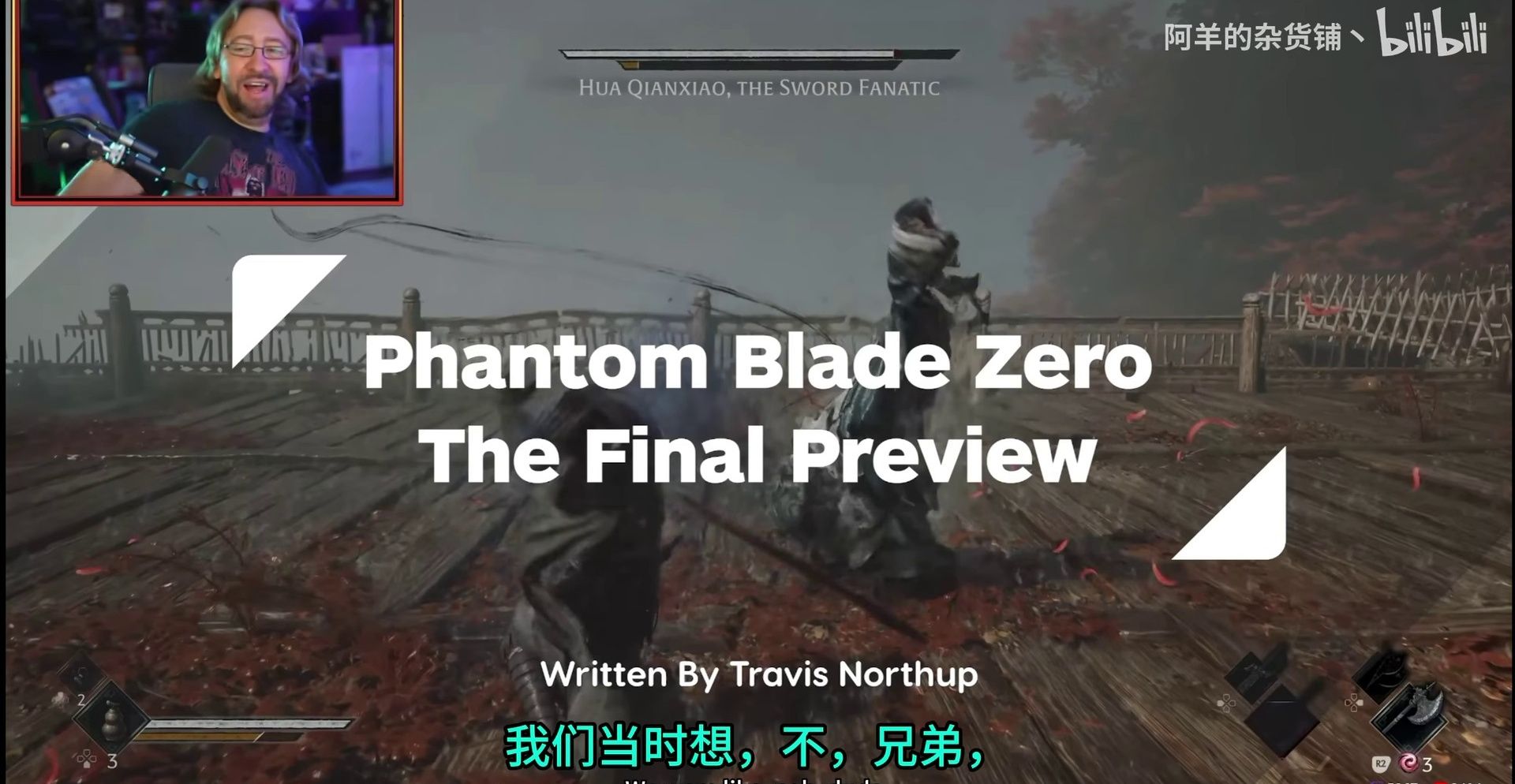
What's rarer still, this satisfaction doesn't come from repetitive enemy respawn or stats progression, but from the instant thrill of every precise parry and every dazzling execution. The game knows exactly what it's doing - and it confidently lets players lose themselves in it.
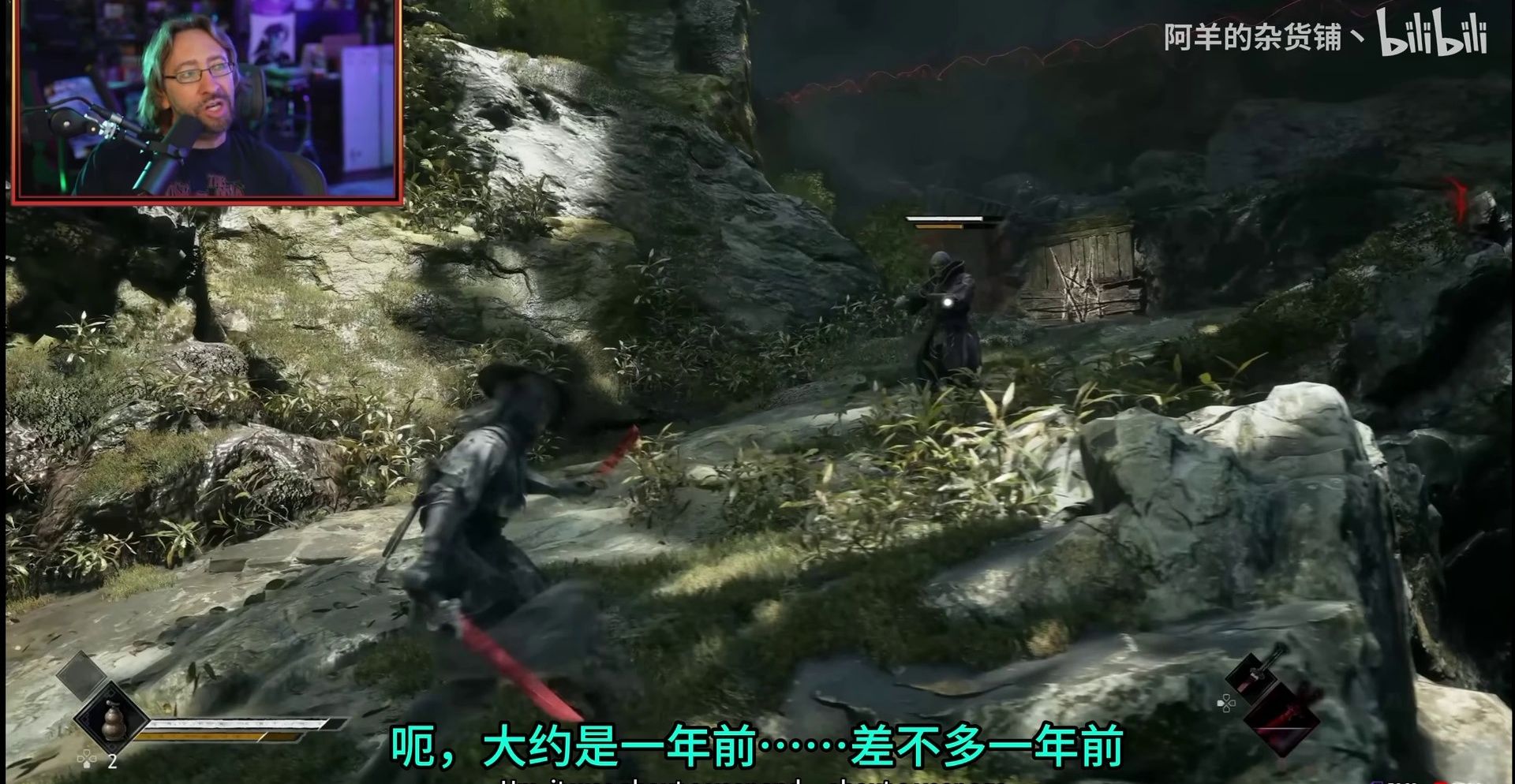
Six hours in, the initial suspicion that "this might just be another soulslike" had vanished without a trace. In its place, the game earned a spot on my list of the most anticipated titles of 2026.
Stylized to the Bone: Donnie Yen, Lion Dances, and a Choice of Hearts
What makes Phantom Blade Zero unforgettable at first glance is its unapologetic stylization. This style isn't something you can imitate by slapping on a few ink-wash textures or adding a couple of slow-motion shots - it permeates every cutscene, every battle, and every detail of its design.
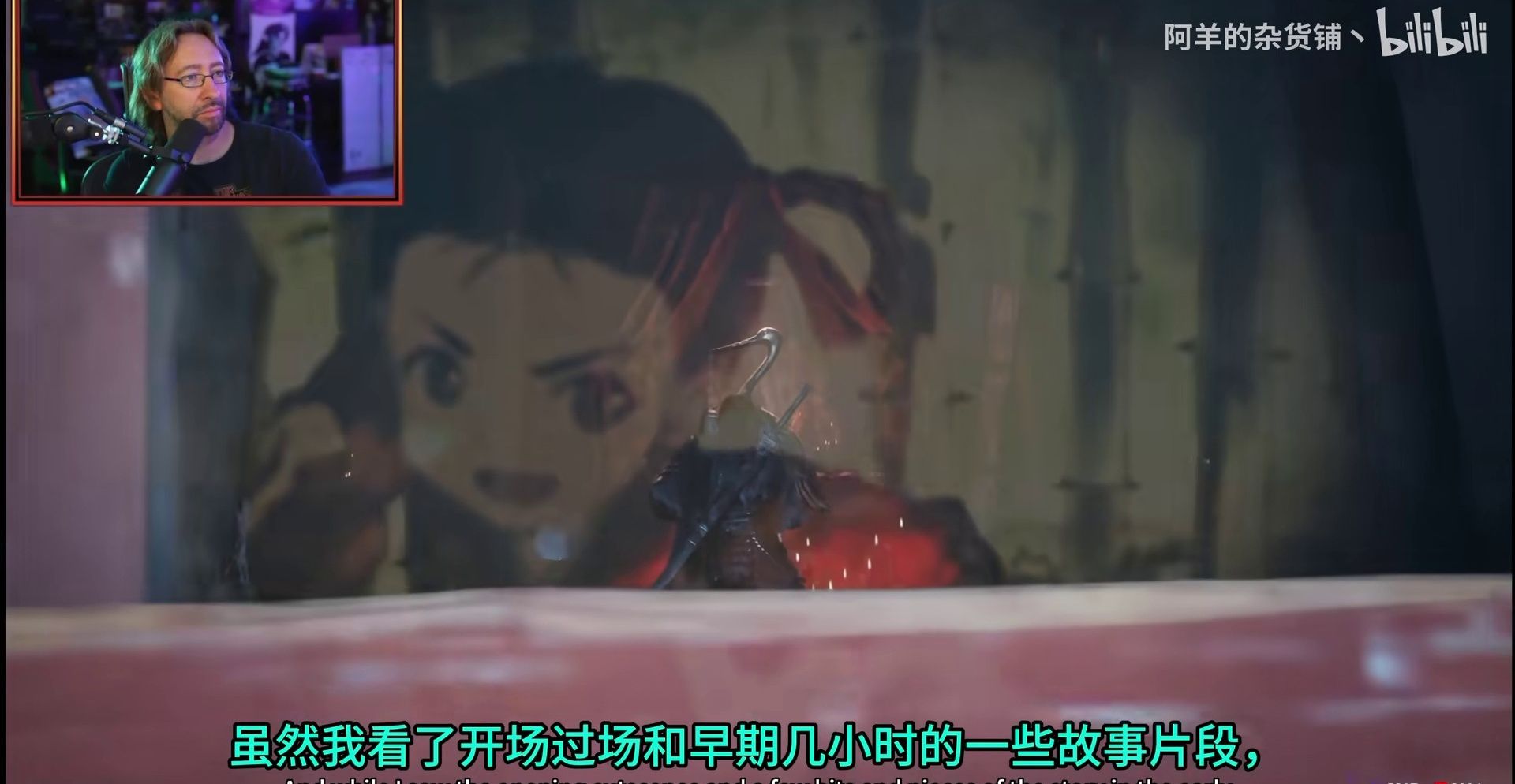
In one cutscene, the character played by Donnie Yen balances a baby on the edge of a blade while fending off multiple enemies. The image is both insane and elegant, carrying wuxia's razor-sharp ferocity alongside cinematic tension. In one boss fight, players even go up against a lion dance - the kind commonly seen at Chinatown New Year celebrations - and afterwards gain the ability to transform into the lion dance form. This kind of design isn't just visually striking; it turns Chinese cultural symbols into playable mechanics rather than mere window dressing.
The game's opening is equally impressive: the protagonist must choose the heart they are to receive from an eerie spectral monster. Right from the start, this setup tells the player - the game you're playing is heavy metal through and through, and it's anything but gentle.
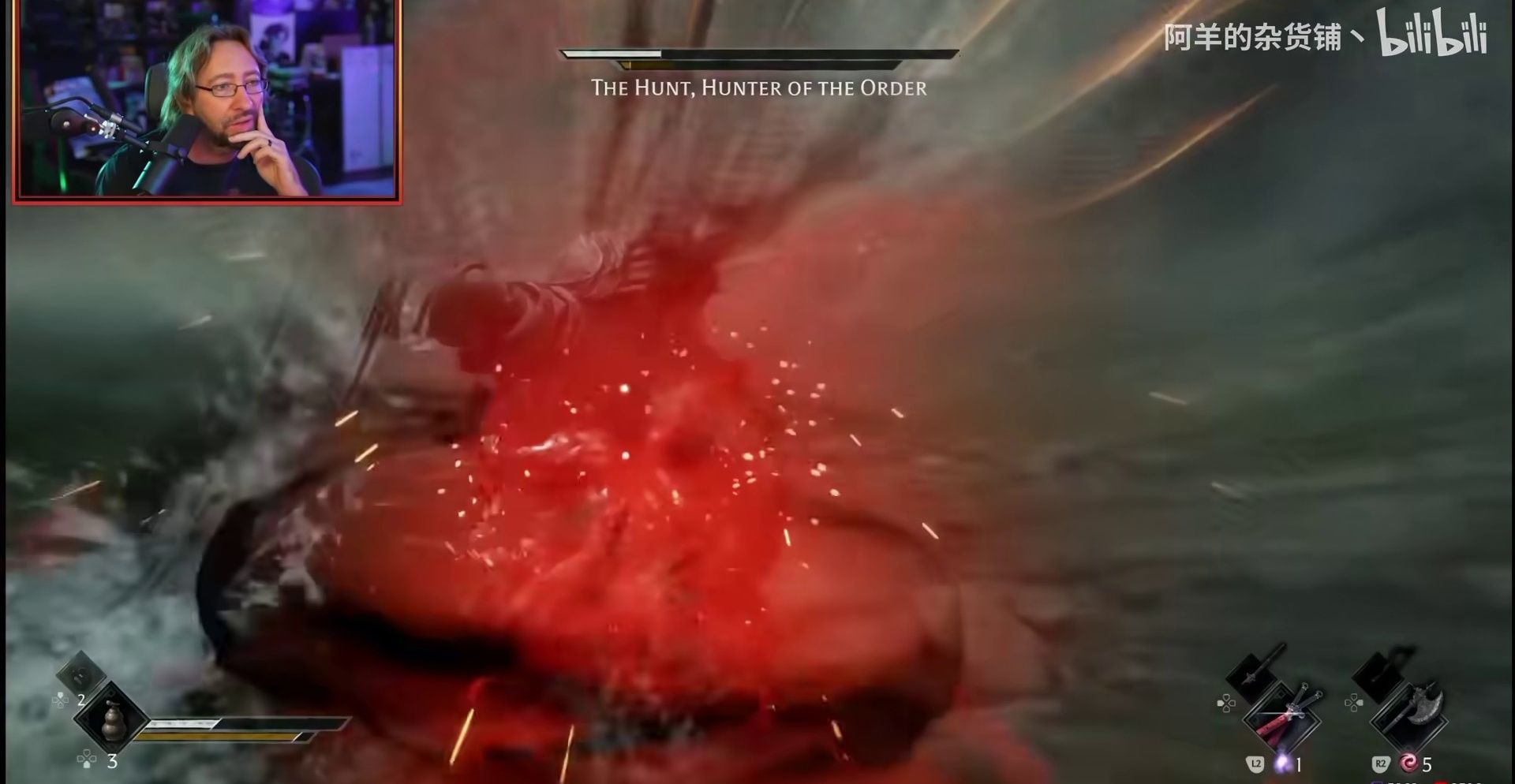
This cutscene is both insane and elegant, carrying wuxia's razor-sharp ferocity alongside cinematic tension.
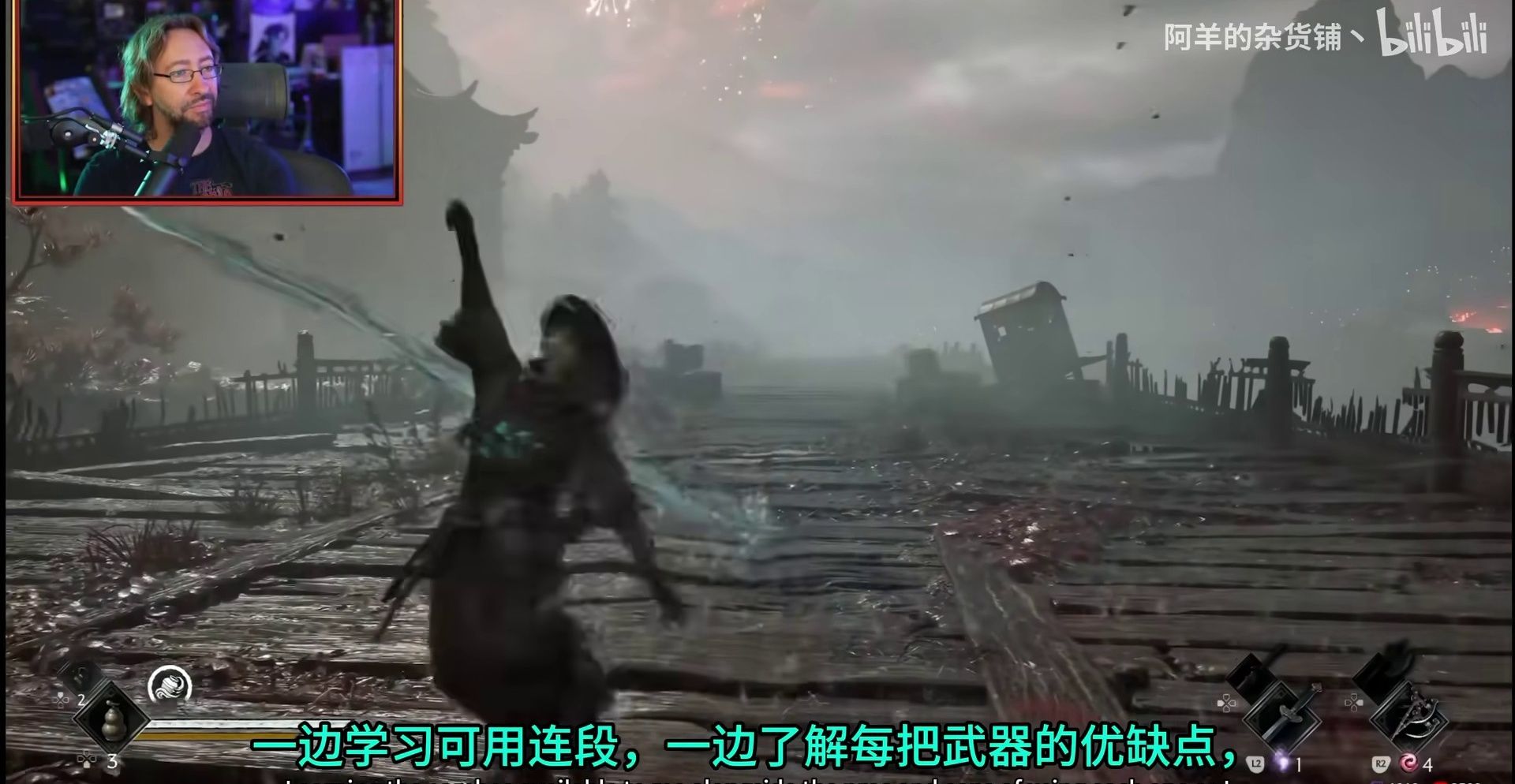
In the action game space, making a cool sword-wielding protagonist battling hordes of monsters feel distinctive is one of the hardest challenges there is. This template has been used far too many times. Yet Phantom Blade Zero pulls it off. Throughout the demo, I ran into designs I had never seen before roughly every half hour. It might be a certain type of enemy, a particular environmental interaction, or a piece of cinematic staging. This sustained sense of freshness is extremely rare in action games today.
That's precisely why Phantom Blade Zero's style doesn't feel like packaging - it grows organically out of its gameplay, narrative, and art alike. It knows where it comes from, and it knows where it's going.
Combat Is the Absolute Protagonist: Parries, Finishers, and Double-Sided Executions
If exploration and narrative are the skeleton, then combat is the heart of Phantom Blade Zero. Across the entire hands-on session, nearly every second made you feel like an absolute badass. That sense of exhilaration isn't manufactured through inflated damage numbers or slow-motion theatrics - it comes from solid mechanics and precise feedback.
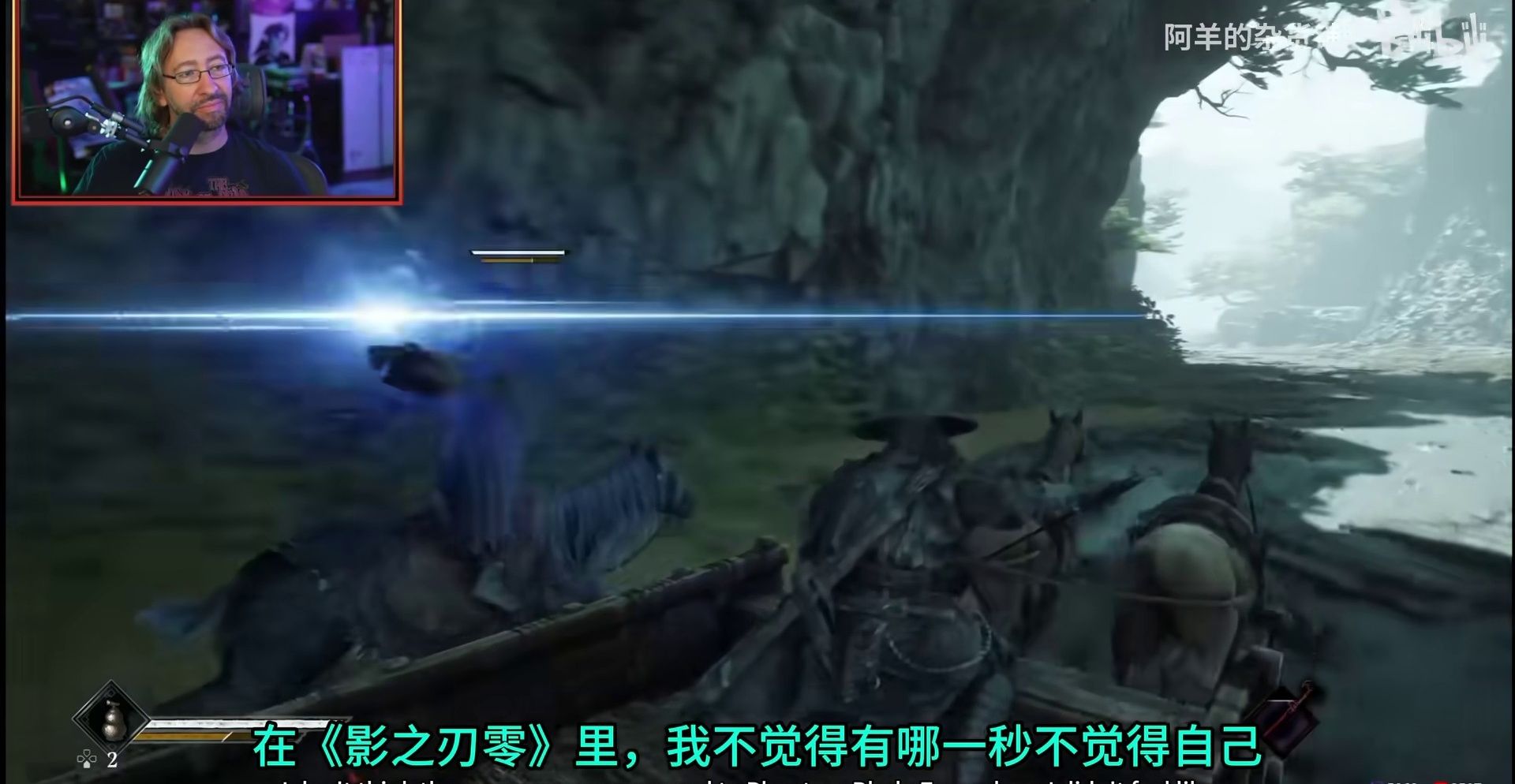
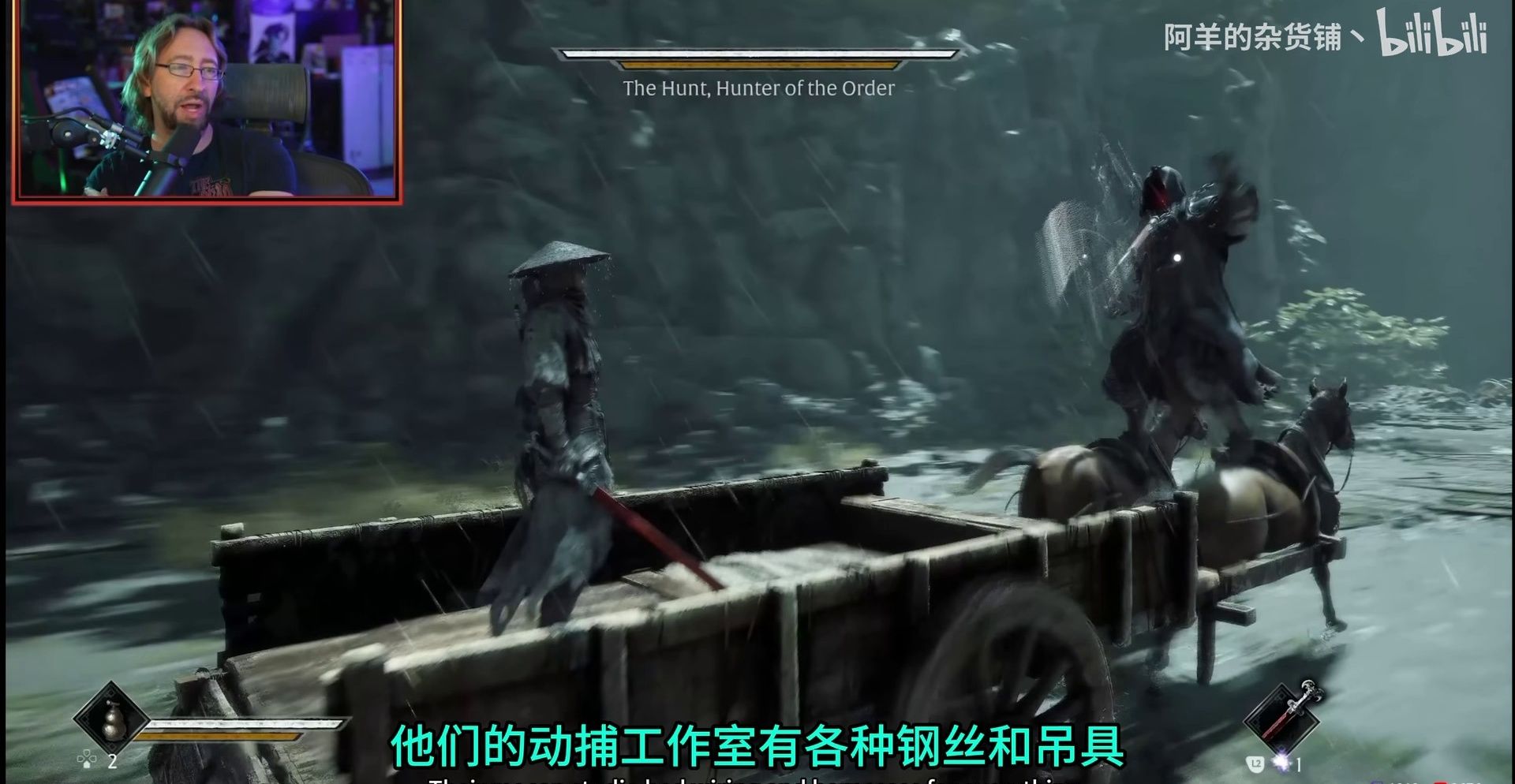
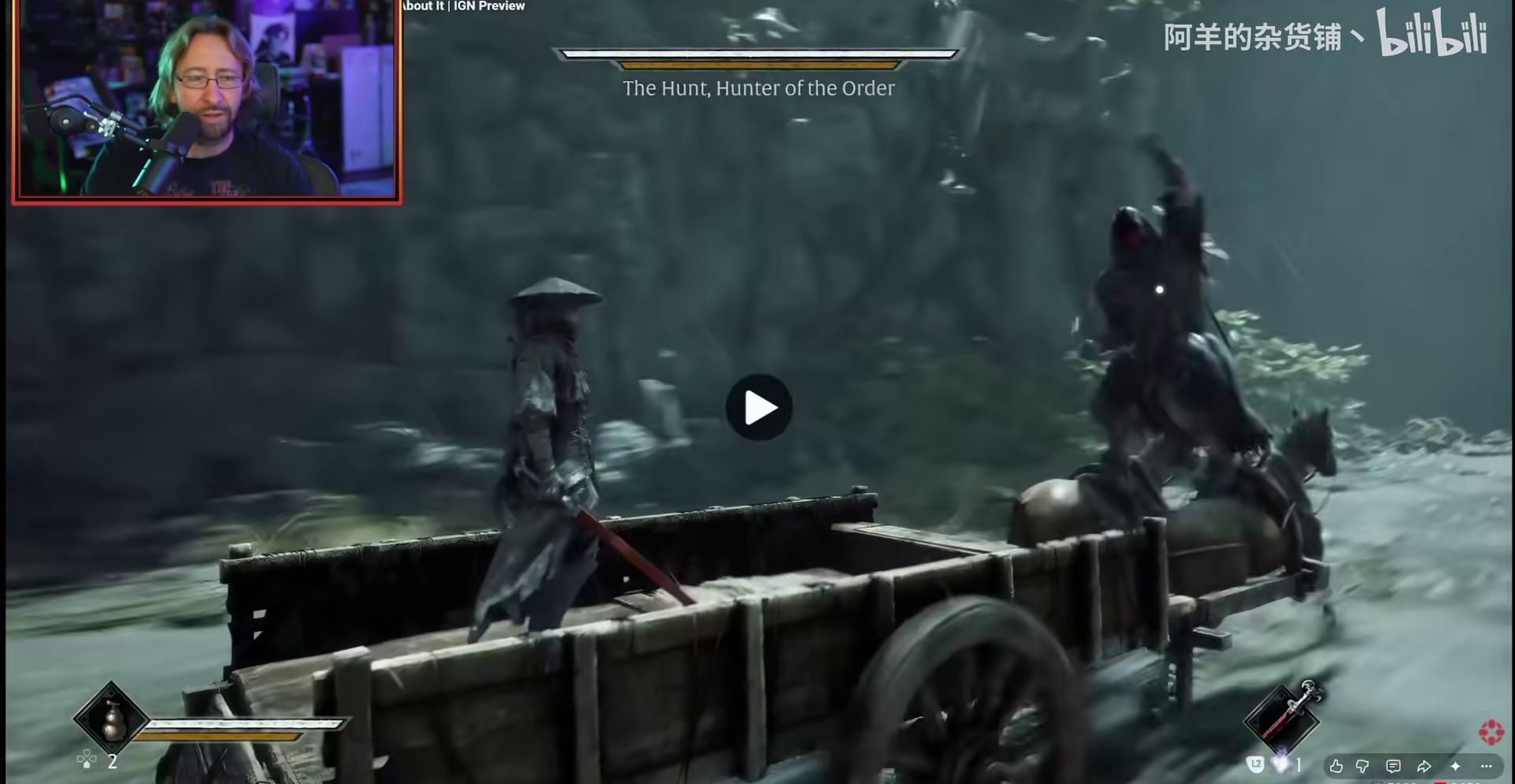
The demo delivered plenty of adrenaline-pumping moments: battling armed pursuers from atop a horse-drawn carriage, blocking their gunfire with a sword; chaining parries to break an enemy's guard meter before unleashing a savagely brutal finisher; even fending off enemies attacking from front and back at once, repelling two opponents simultaneously with a two-legged spinning kick so over-the-top it felt unreal. None of these are scripted set pieces - they're moves players can actively pull off themselves.
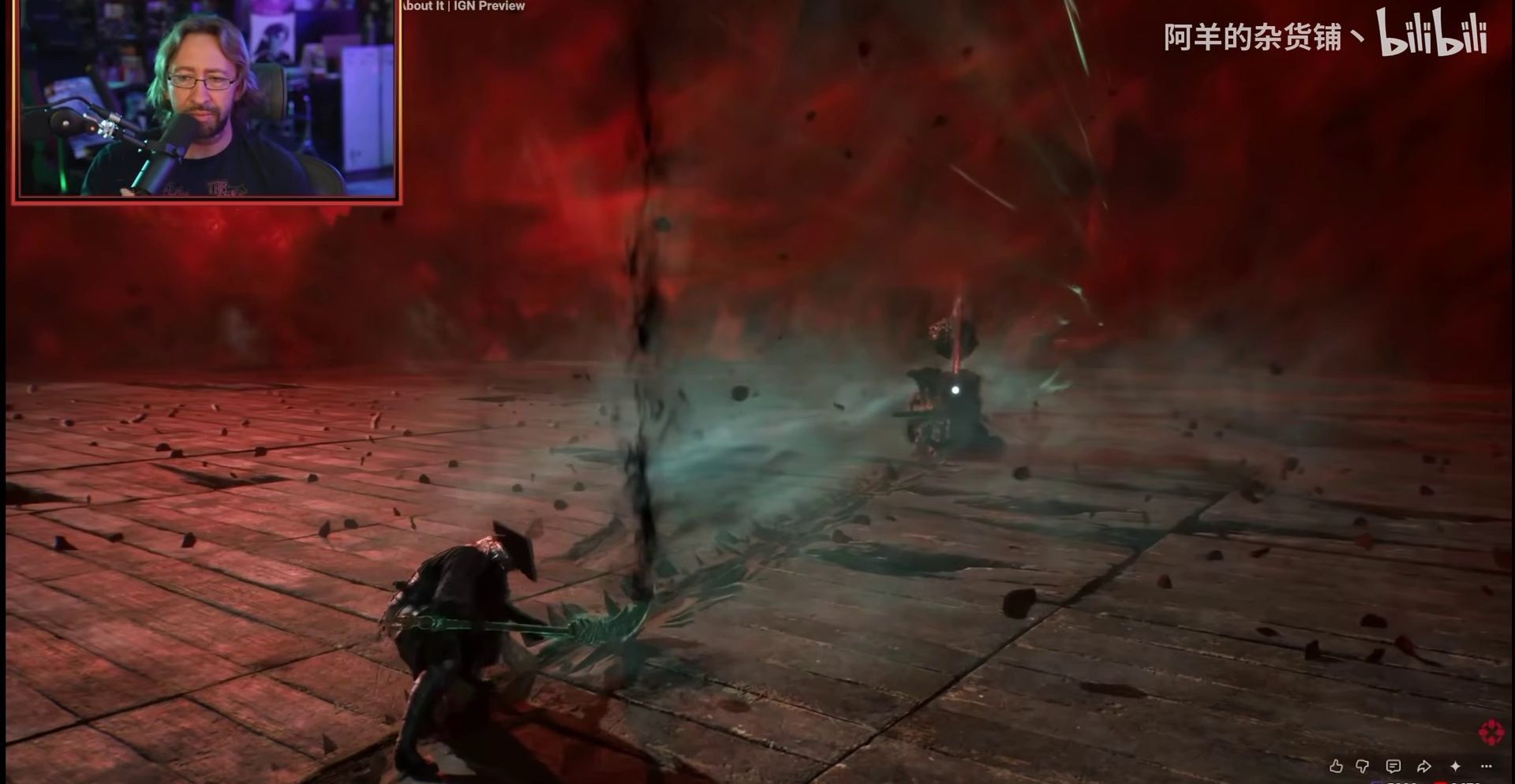
The game has an uncanny ability to make you feel like you're the only person in the world who could pull off that kind of move.
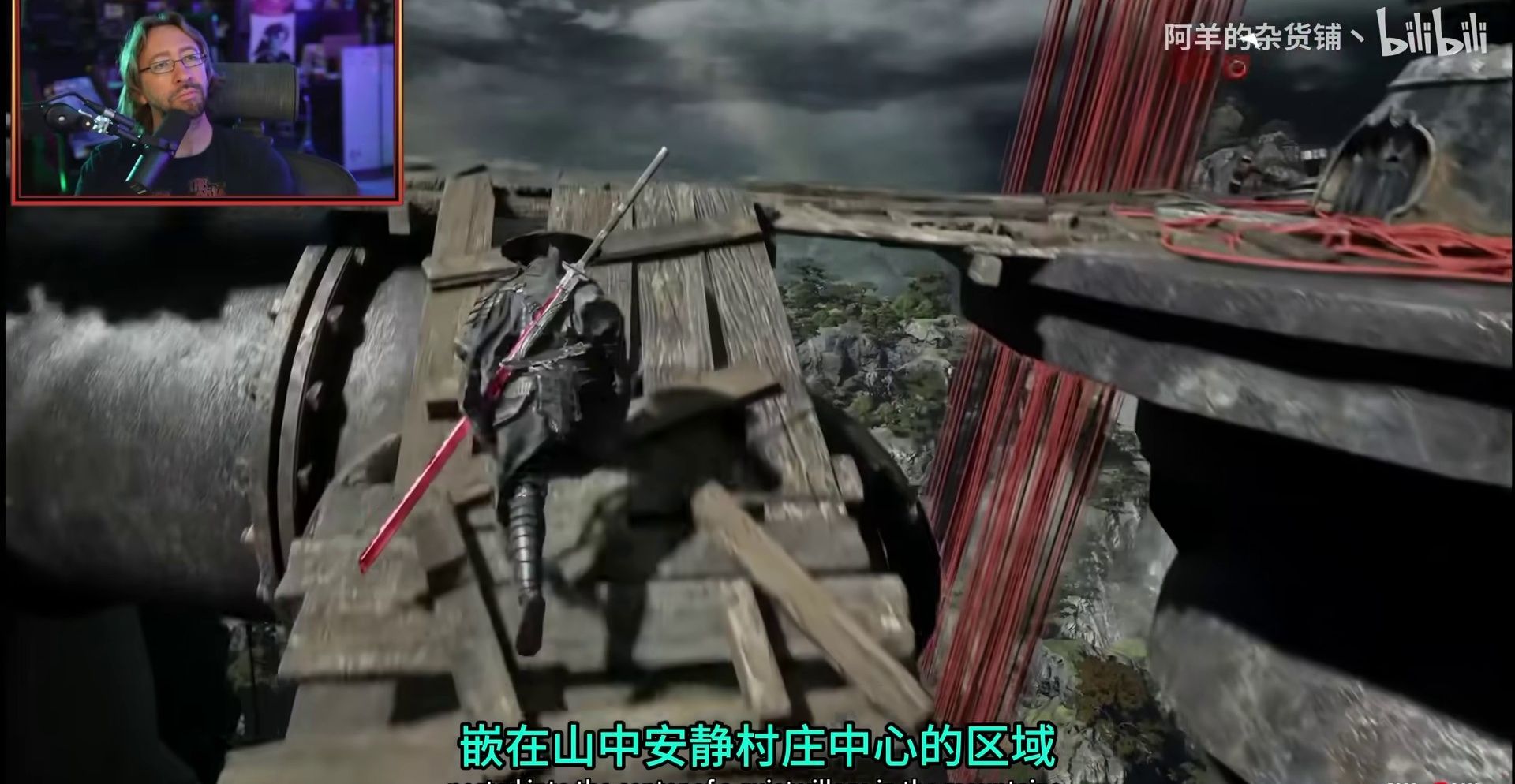
When you successfully parry two enemies at once - one in front, one behind - that "holy crap, what did I just do?" jolt is the purest joy an action game can deliver. Similar designs have appeared in Onimusha, but Phantom Blade Zero pulls it off with more fluidity, more flair, and far more madness.
The smoothness of the parry system and attack combos is the foundation of it all. Hands-on players could even parry three flying daggers in a row - the kind of feat that might demand repeated practice in other games, but in Phantom Blade Zero, you'll find yourself stringing together combos you never thought possible, almost without realizing it. The game lowers the barrier to entry while preserving an extremely high skill ceiling - a testament to genuine mastery of action game design.
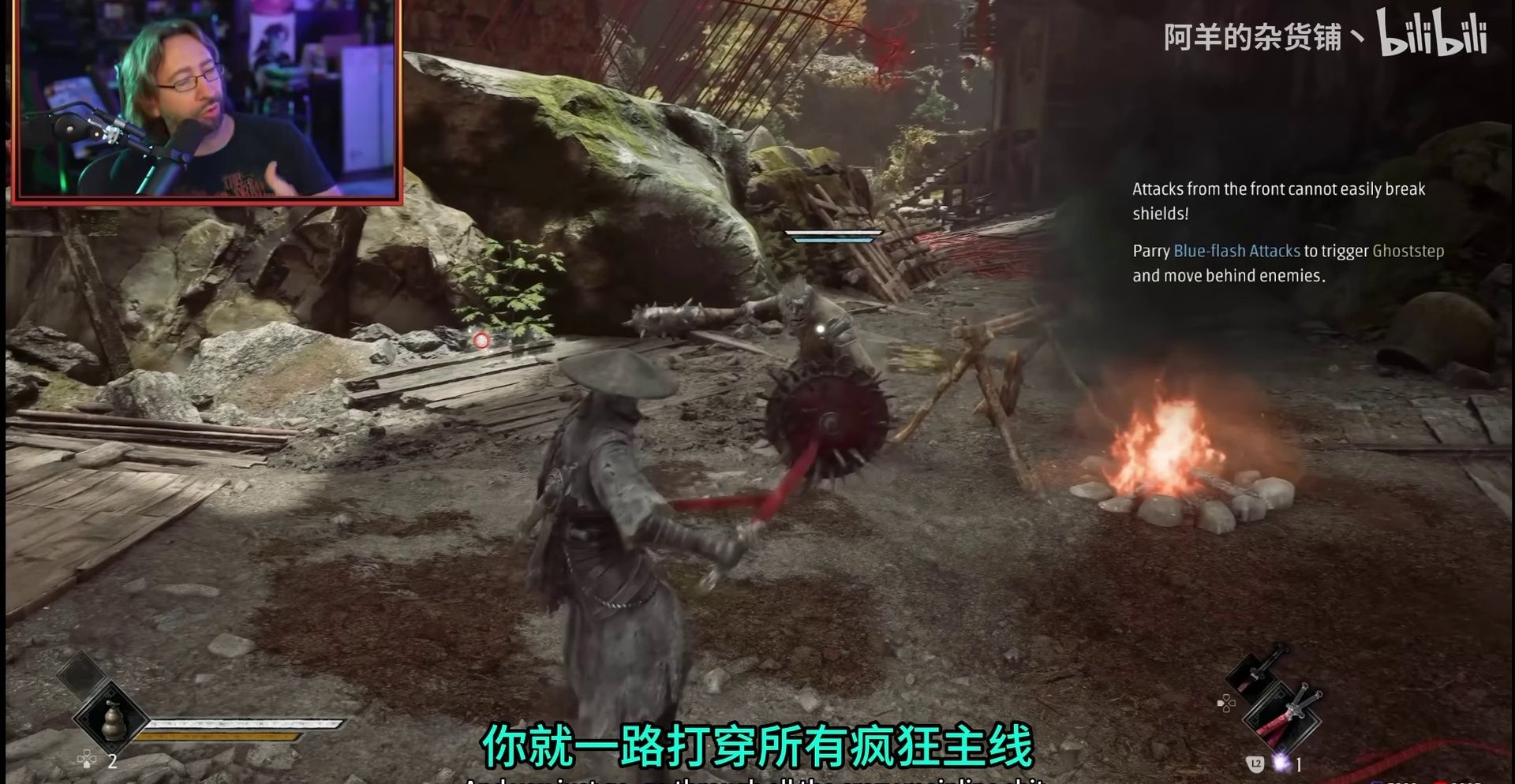
Every battle feels like a meticulously choreographed dance, with the player serving as both dancer and choreographer. That sense of agency and control is the core appeal of Phantom Blade Zero's combat system.
Not a "Soulslike": High-Speed Action and Stylistic Confidence
Whenever an action game with difficulty, parries, and bosses shows up, the comment section inevitably fills with voices like "another soulslike" or "feels like it's copying Sekiro." But Phantom Blade Zero is not a soulslike. Its core is not stamina management, bonfire checkpoints, and harsh penalties, but a high-speed, dazzling, spectacle-driven action experience.
It is closer to the lineage of Japanese action games like Onimusha and Ninja Gaiden, and even carries the distinct rhythm of Hong Kong wuxia cinema. Difficulty certainly exists, and bosses will kill you a few times, but death is not a penalty - it's about learning how to fight more beautifully. The game encourages offense, encourages parrying, and encourages you to actively take control of the combat rhythm, rather than cautiously sneaking in a strike between enemy attacks.
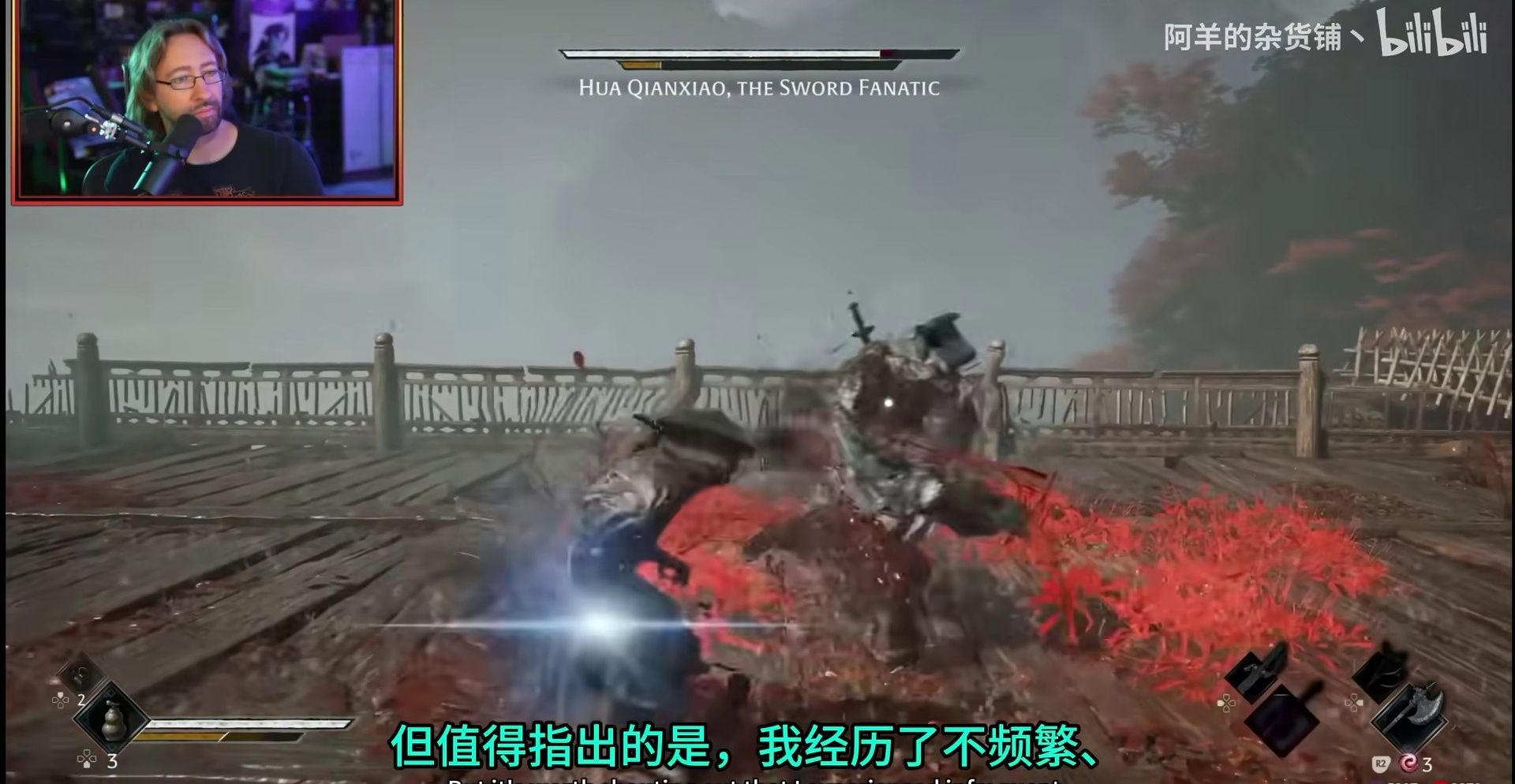
It may not be a soulslike, but rather the kind of game that makes you feel like the protagonist of an action movie.
The "soulslike" debate in the comment section actually points to a real problem: the way players categorize action games today has become overly label-driven. The moment they see blades, bosses, and parries, they automatically file a game under "soulslike," ignoring the fundamental differences in pacing, mechanics, and design philosophy between titles. Phantom Blade Zero clearly does not belong to the soulslike genre - it has its own bloodline and ambitions.
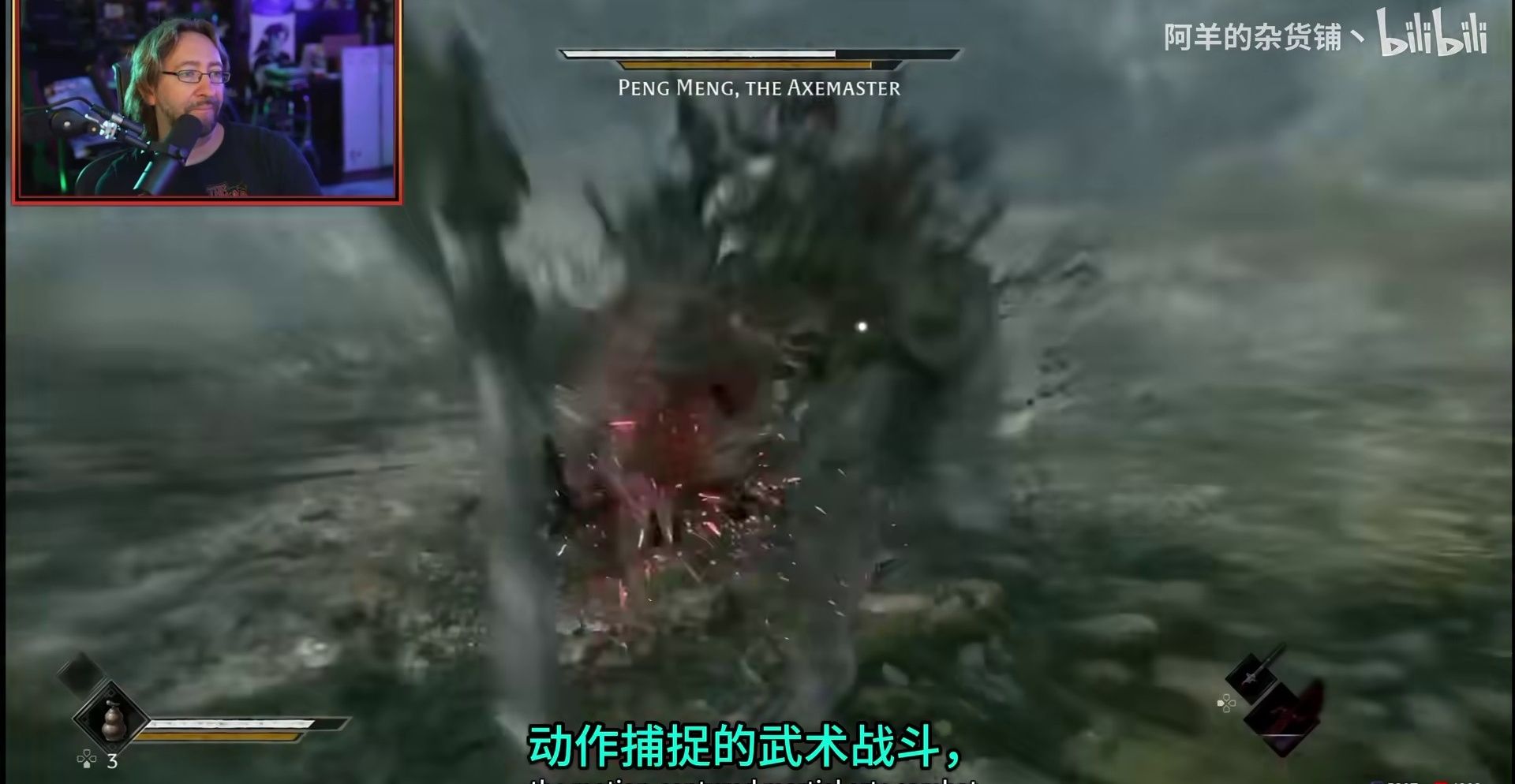
Judging from the hands-on experience, Phantom Blade Zero's stylistic confidence is remarkably rare. It doesn't imitate, doesn't pander, and doesn't deliberately cater to any one popular template. It is simply making a high-speed, exhilarating action game steeped in Chinese wuxia aesthetics. That confidence alone deserves respect.
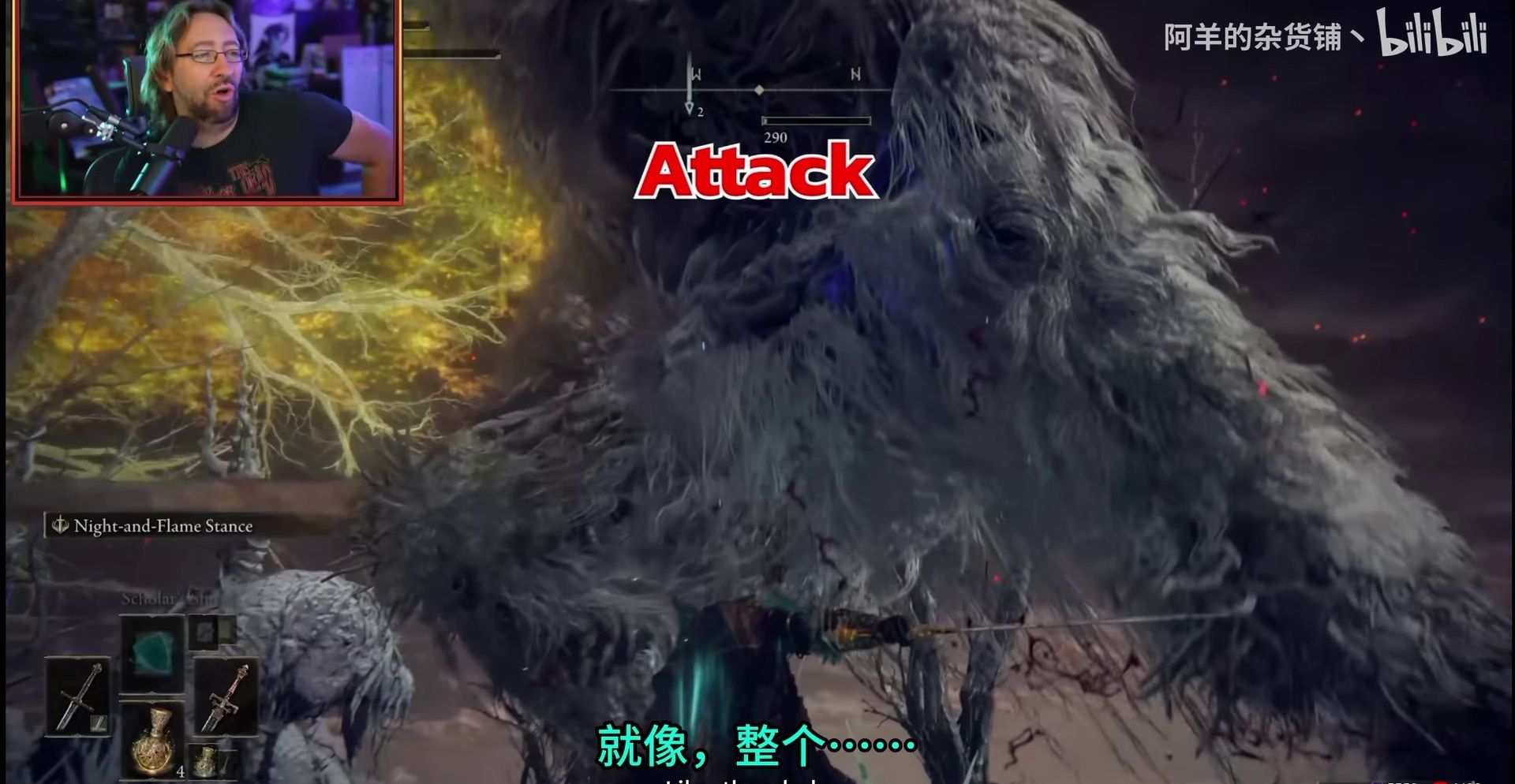
Behind the Scenes: Liang Qiwei and S-GAME's Obsession
Behind Phantom Blade Zero lies the years-long obsession of S-GAME and Liang Qiwei. The series began as Liang Qiwei's personal project, and for a long time it was more of a niche yet steadfast hobby. It wasn't until Phantom Blade Zero was officially announced and the project secured substantial investment that the team finally had the chance to turn it into a "fully realized" work.
One playtester shared a behind-the-scenes anecdote: they were invited to the developer's apartment to try out an early build ahead of schedule. At the time, the game amounted to little more than a side quest's worth of content, but they talked with Liang Qiwei at length and recorded feedback videos, and he was remarkably open to their input. The game later went through a delay, and the team put in further polish. This kind of sincere exchange between developer and player is a rare sight in today's game industry.
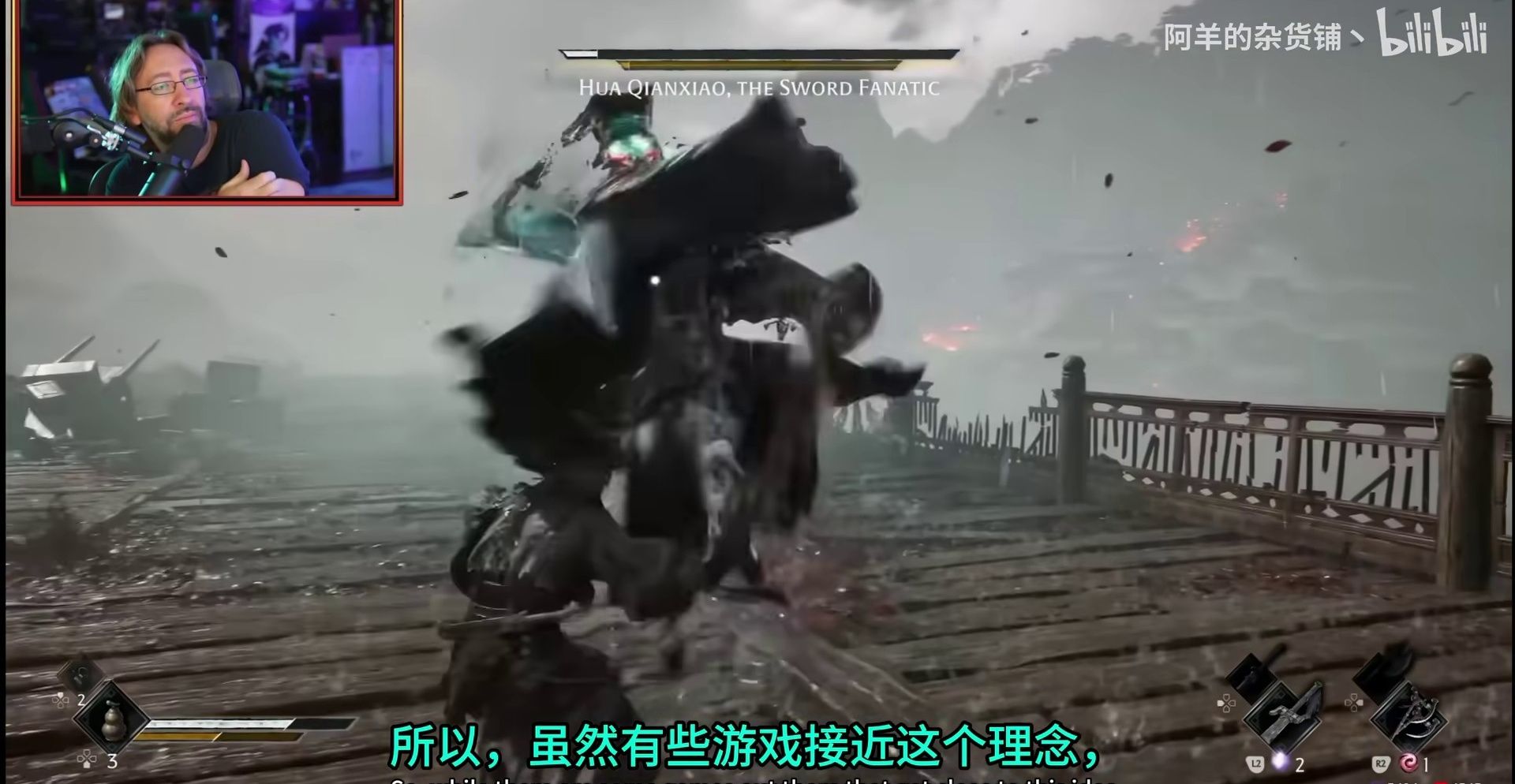
This is the personal series Liang Qiwei has stuck with for years, and now it finally has the chance to be truly realized.
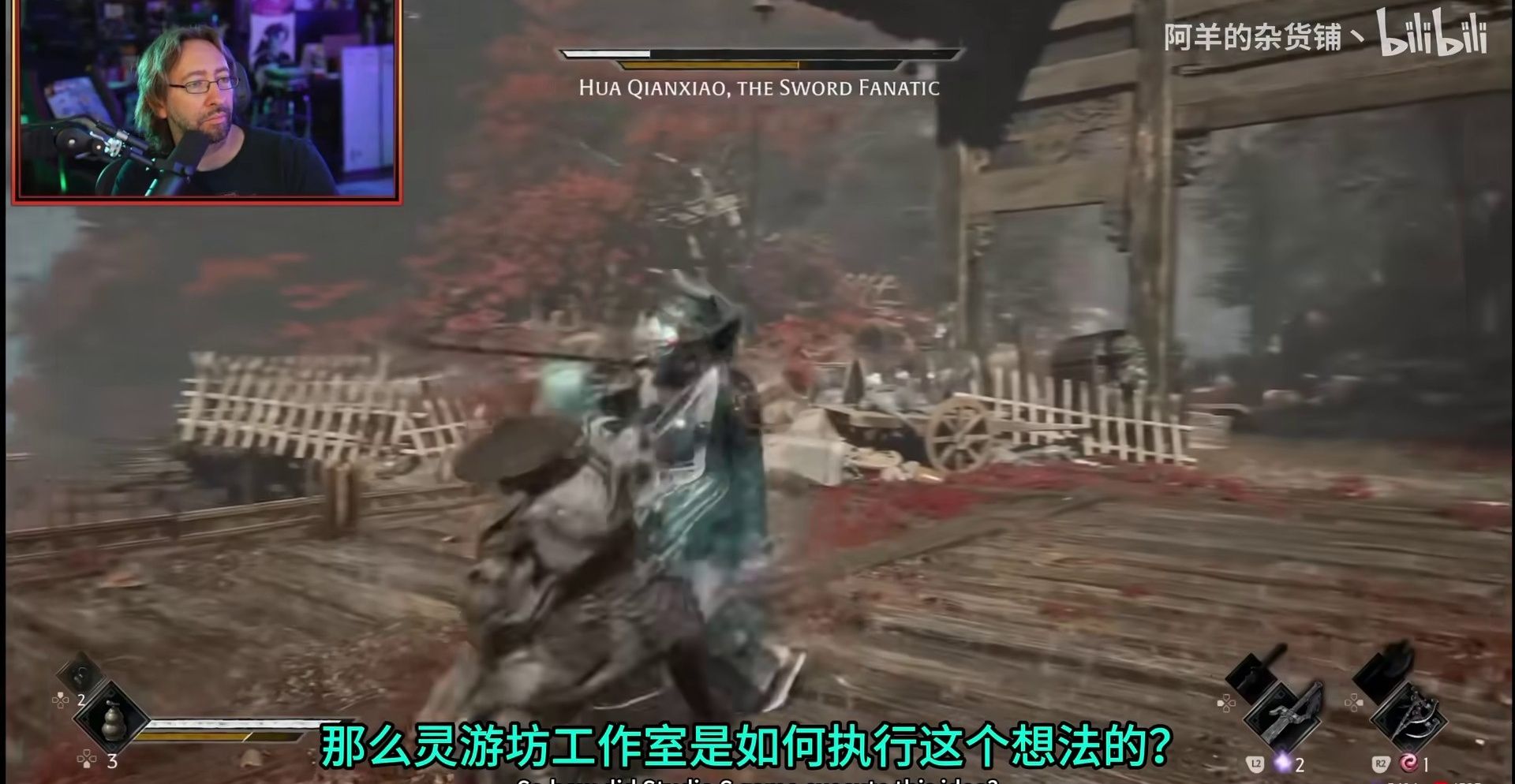
Even more impressive: during a playtest of a particularly difficult Boss, Liang Qiwei stepped in to demonstrate it himself. He died once at first, but immediately picked up on the Boss's counterattack patterns and took it down cleanly and decisively. That detail says a great deal: the developer not only knows his game, but can genuinely play it. A producer who truly "knows their stuff" is often a crucial guarantee of a work's quality.
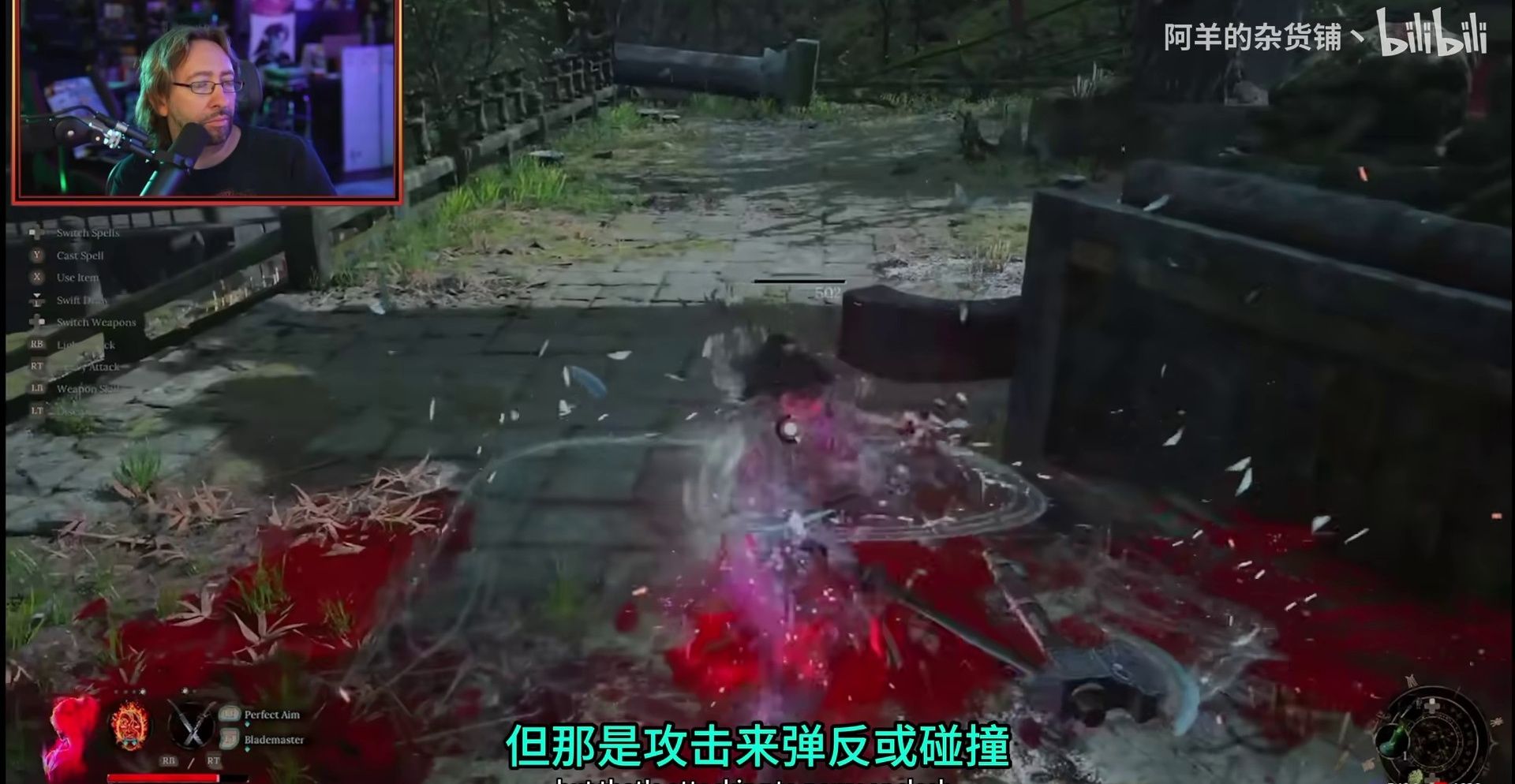
S-GAME has come a long way from its days as a small team, and Phantom Blade Zero carries not just commercial expectations, but the creators' years-long dream. And that dream will ultimately reach players through every detail of the game.
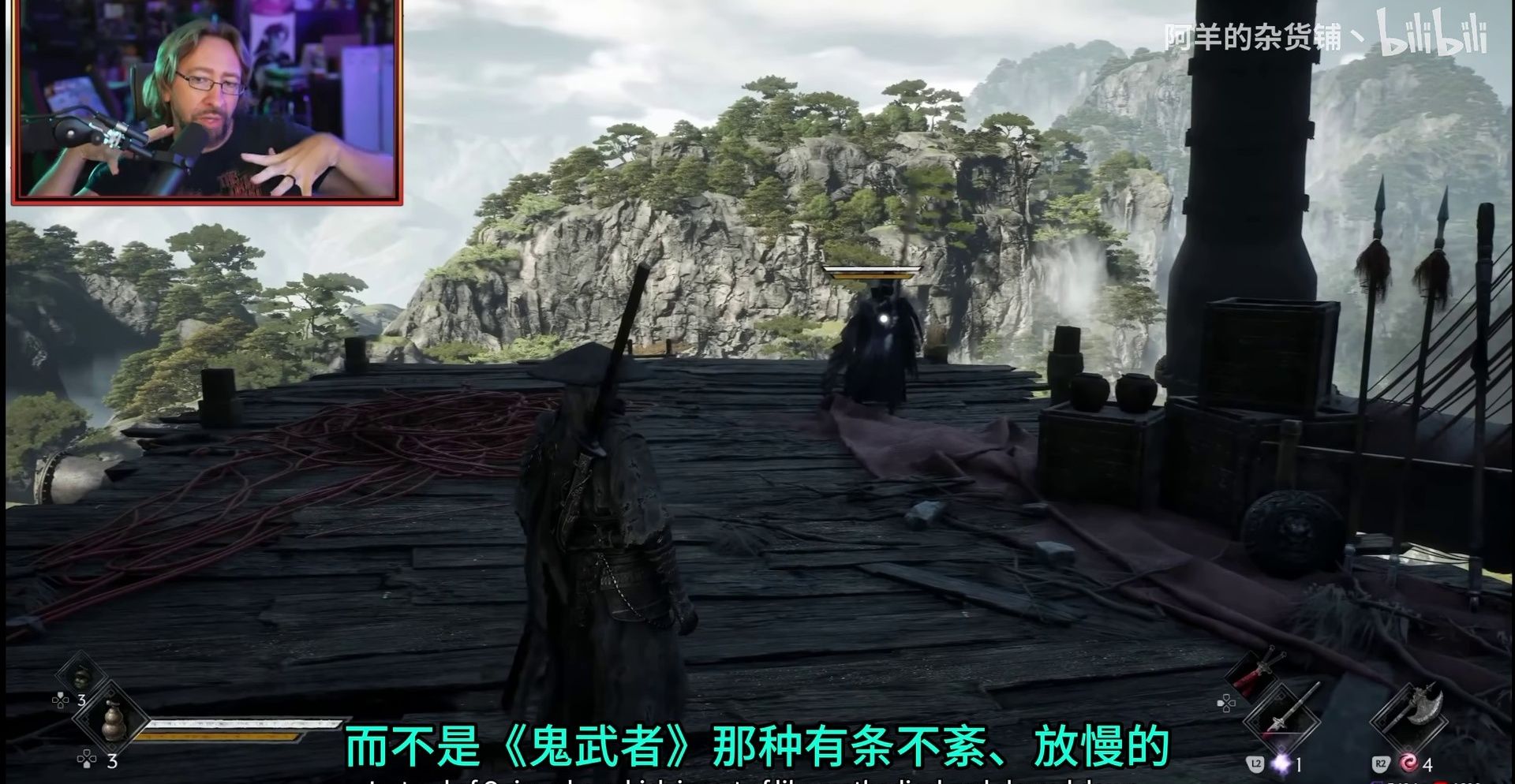
Six Hours In: One of 2026's Most Anticipated Action Games
After more than six hours of hands-on play, the strongest feeling wasn't fatigue - it was longing. Longing to keep exploring the secrets yet to be unveiled, longing to take on even crazier bosses, longing to pull off even more dazzling combos. Over this first leg of the journey, Phantom Blade Zero has proven that it has more than enough substance to keep players fully immersed.
Its level design is packed with surprises, introducing a new mechanic or scenario every so often. Its story is darker and more hardcore than expected - far from a simple tale of good versus evil. Its combat system blends fluidity, spectacle, and depth in just the right measure. What's even more commendable is that it never loses itself in the "soulslike" label, instead steadfastly forging its own high-speed action path.
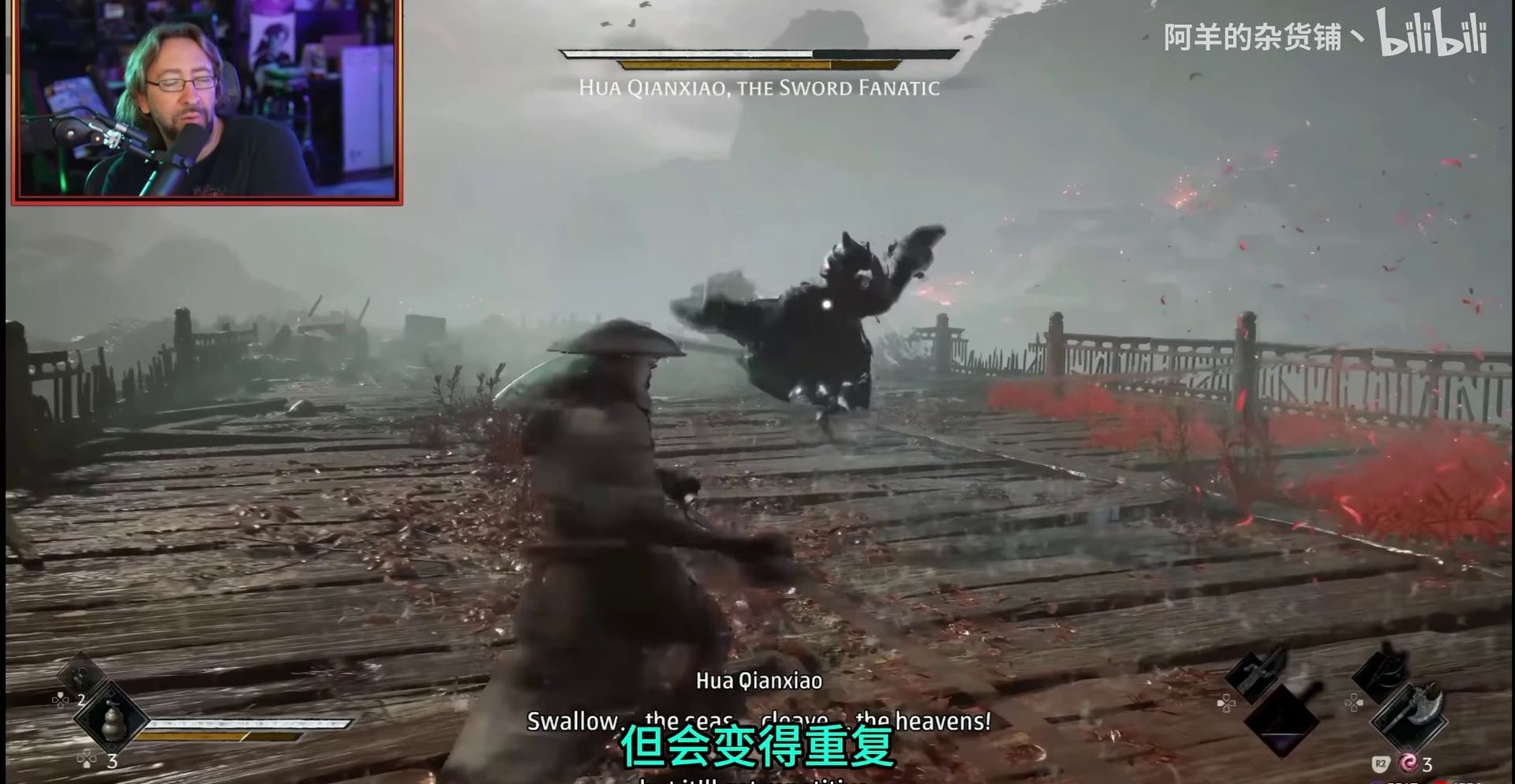
After six hours, I had absolutely no desire to stop.
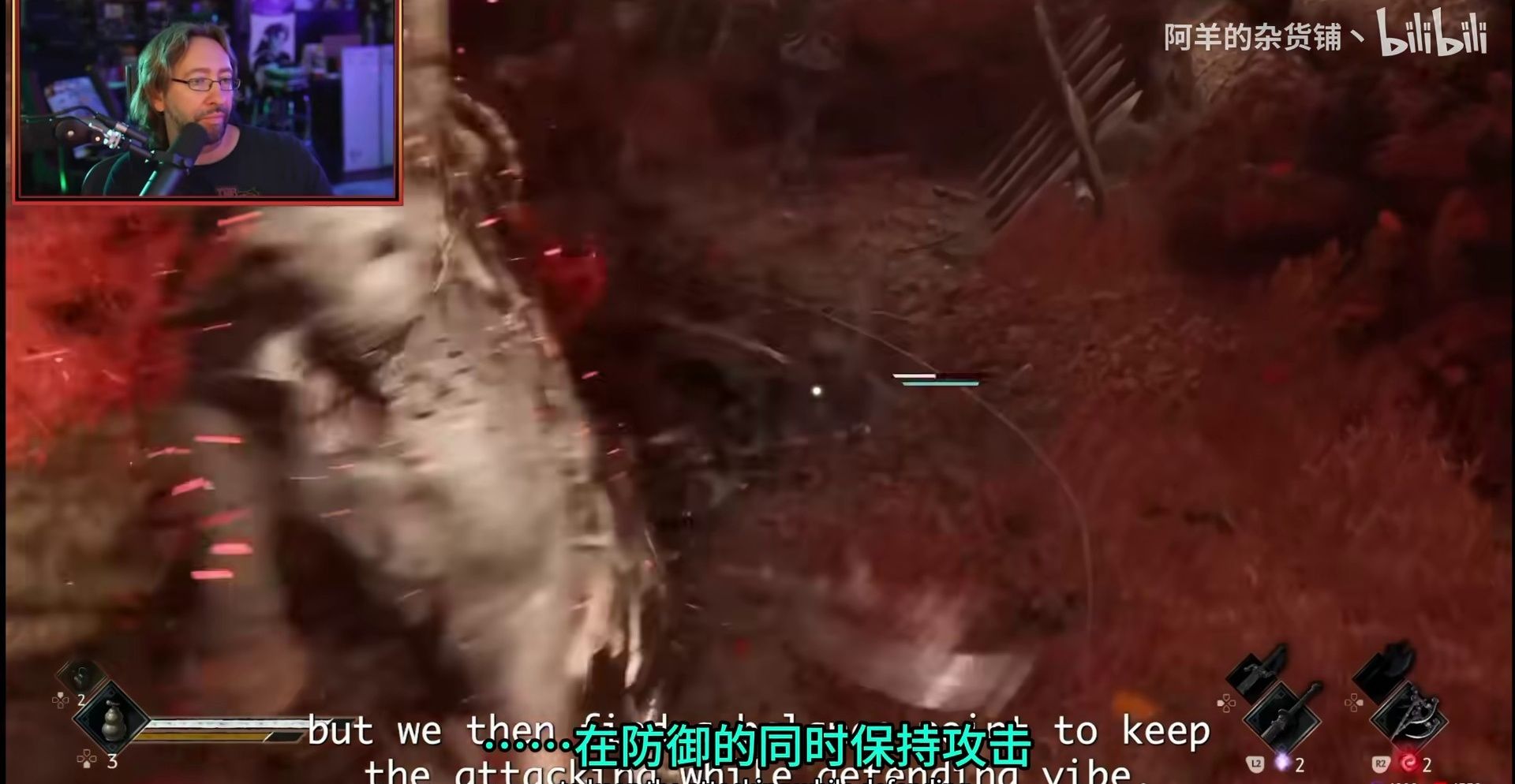
Of course, a hands-on preview can only reveal so much. The full game's campaign length, boss variety, story resolution, and late-game balance will all still need to be verified after the official release. But judging purely from the first six hours, Phantom Blade Zero has already earned its place among 2026's most anticipated action games.
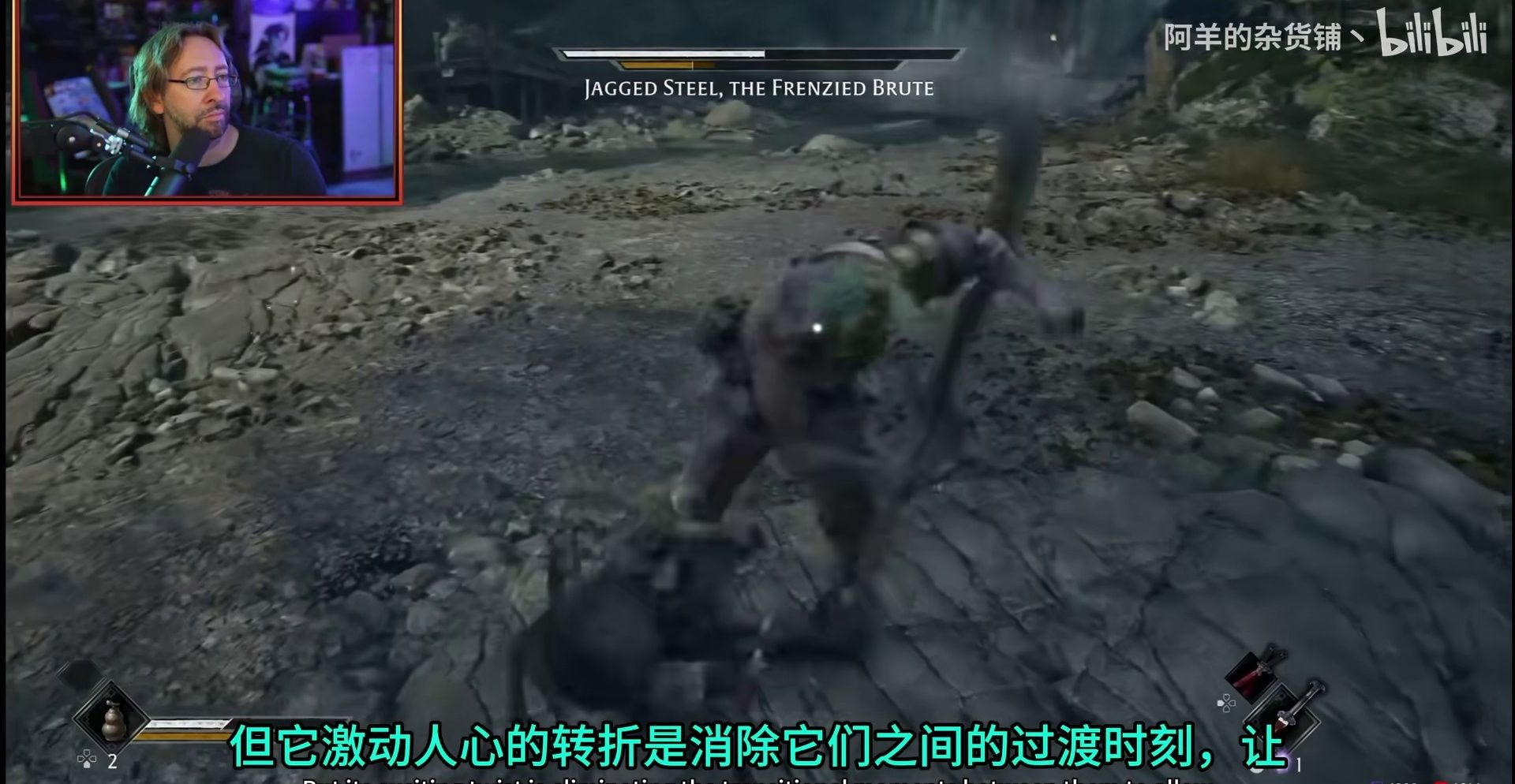
For players who love Sekiro, Onimusha, Ninja Gaiden, and Hong Kong-style wuxia cinema, this game is very likely to deliver a long-overdue surprise. It is no bandwagon effort - it's a work with soul, style, and ambition.
Top Community Comments
"Basically reserving Game of the Year already / Feels like a Sekiro ripoff / Another soulslike / Feels worse than Onimusha / Feels better than Onimusha / Honestly not as good as Black Myth: Wukong / Honestly better than Black Myth: Wukong"
- This single comment practically distills the most classic binary debate the internet's comment sections have to offer. On one side, sky-high expectations; on the other, dismissive labeling. Some measure it against Onimusha, others benchmark it against Black Myth: Wukong. It may not represent a genuine verdict, but it precisely captures the player community's sensitivity - and anxiety - over how action games get categorized. So who does Phantom Blade Zero actually resemble? Perhaps no one at all. It is simply itself.
"After typing out the words 'another soulslike,' I contentedly propped my legs up on the desk... In this patch of internet chaos, they thought they were defending the definition of a game genre, while I was simply having a blast playing the troll who had the whole show under control."
- With self-deprecating humor, this user lays bare the abuse of the "soulslike" label in comment sections, along with the baiting culture that comes with it. More often than not, a throwaway "another soulslike" is not a serious assessment but an emotional bomb deliberately tossed into the thread. Anyone who has actually played knows that Phantom Blade Zero is far removed from the soulslike formula - yet the argument itself has already become part of the internet's entertainment.
"Let me put it bluntly: if this game doesn't release, there's simply no way to play it."
- A plain statement of the obvious, yet it speaks to the resignation of everyone who has been waiting. No amount of previews or glowing assessments can compare to the day of its official release. Phantom Blade Zero has whetted appetites long enough; all that remains now is to wait for it to truly land in players' hands.
📌 One-Line Takeaway
In six hours, Phantom Blade Zero proved that it's not just a "soulslike" or a "Sekiro-like," but a fiercely stylish, visually spectacular, surprise-filled wuxia action feast - one that deserves a spot on the 2026 most-anticipated list.