Phantom Blade Zero Six-Hour Hands-On: From "Yet Another Soulslike" to Game of the Year Contender - What Makes It Deserve That?
When Phantom Blade Zero was first revealed in 2023, most people's first reaction was to file it into that flood of "soulslike" titles - after FromSoftware's runaway success, imitators of every stripe had sprouted like mushrooms after rain, and Phantom Blade Zero looked like just another one of them. But after actually sitting down and playing a full six hours, clearing the first two chapters and taking down two late-game bosses one after another, that verdict was completely overturned. Some even began seriously asking themselves: could this upcoming release actually end up being their game of the year? Even with a rival of GTA 6's caliber still sitting on the calendar.
The answer lies in a peculiar mashup: a soulslike shell, hack-and-slash flesh, an Eastern setting that belongs to no Western studio, plus a visual temperament like a wet dream of 90s Hong Kong wuxia cinema. The cards Chinese developers are holding this time are clearly not stacked for the domestic market alone.
1. The "Yet Another Soulslike" Misjudgment - and the Turnaround Six Hours Later
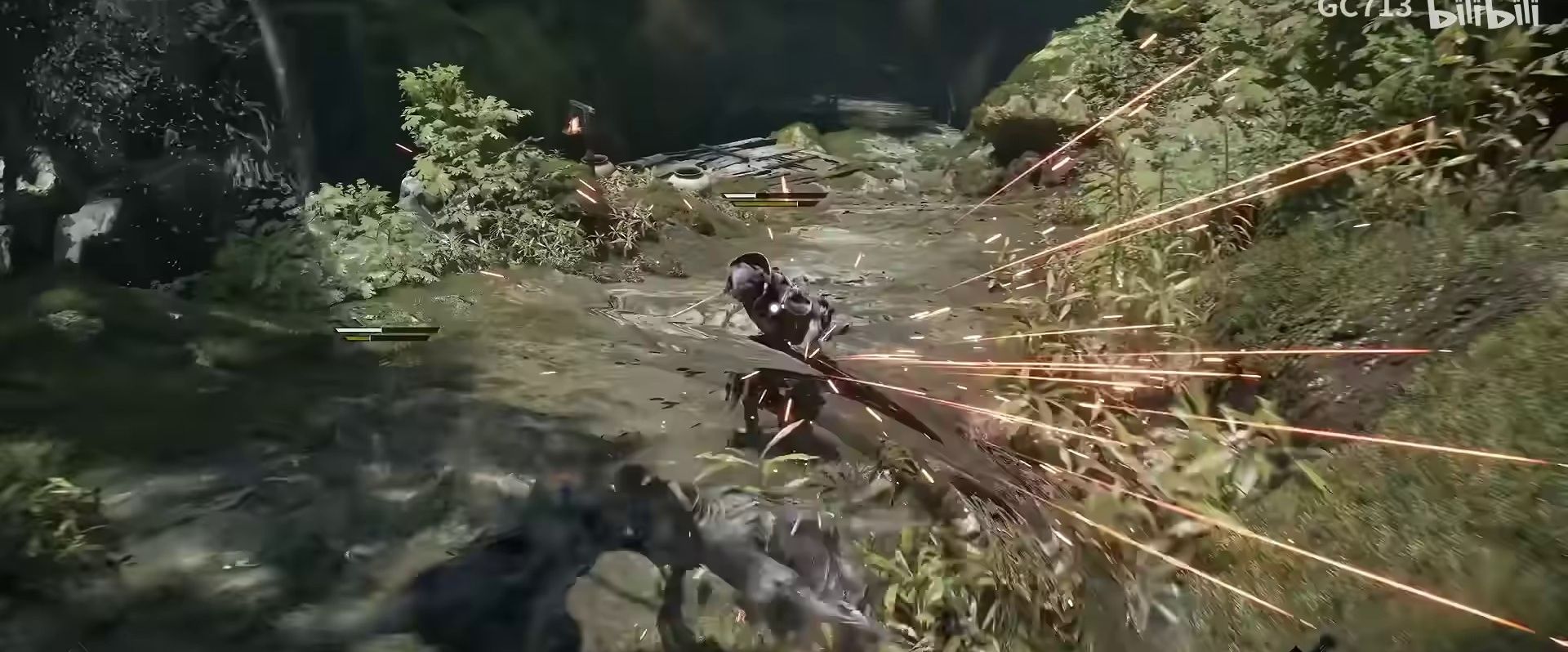
The short demo at Gamescom 2024 had already caught people off guard once. The most immediate impression at the time: while soulslike thinking was indeed visible in the level design and certain mechanics, the overall experience leaned much closer to an action slasher. It was a bit like Respawn's Star Wars Jedi series - soulslike at first glance, but far more approachable in practice - and Phantom Blade Zero takes an even more idiosyncratic path of its own.
What truly changed my mind was six hours of continuous play. The first two chapters provided combat and exploration in sufficient density, and the two boss fights that followed laid the system's depth bare before my eyes. After finishing, that lingering "can't get it out of my head" feeling is hard to explain with any spec sheet: no single mechanic was especially stunning, but pacing, game feel, subject matter, and aesthetics were all pulling in the same direction.
Between "completely uninterested" and "this might be my game of the year," what lies in between is not a trailer, but six hours of gameplay footage.
II. From RPG Maker to Three Million Wishlists: S-GAME's Ten-Year Long March
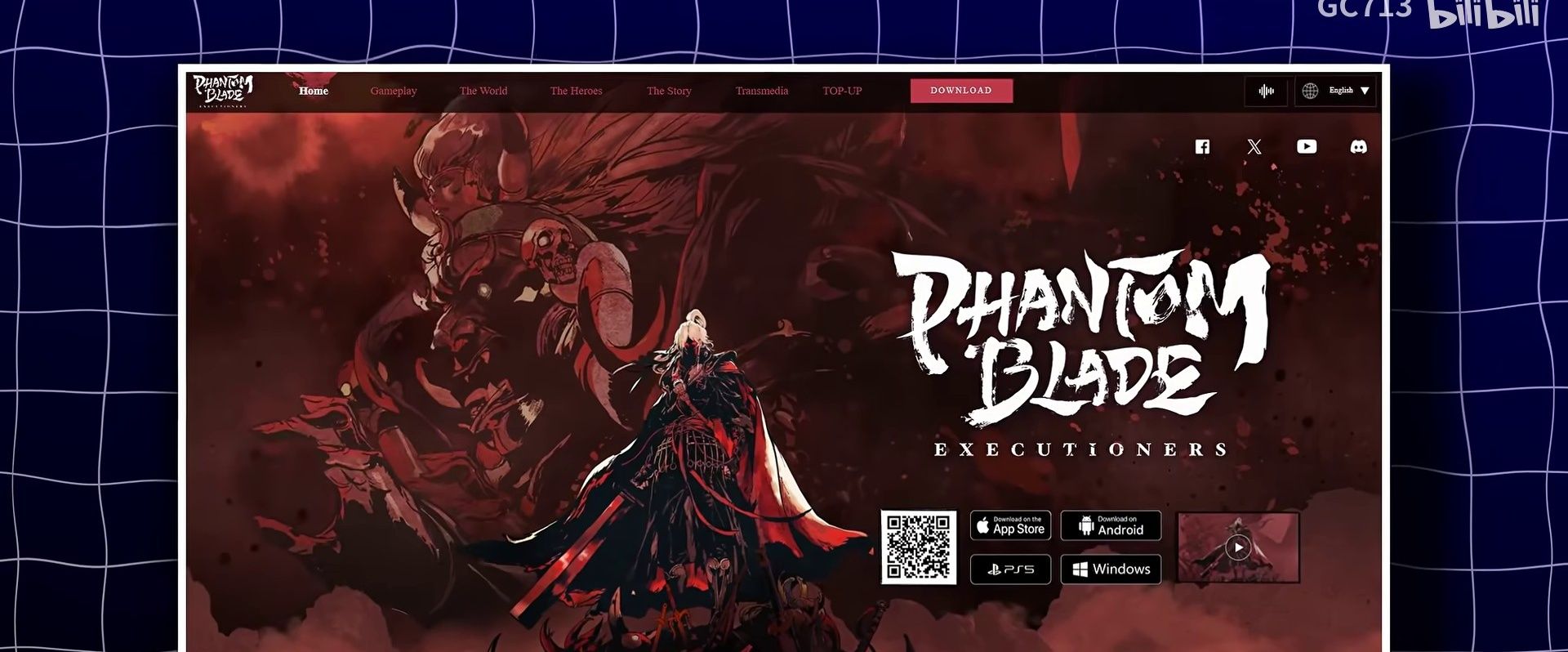
To understand the weight of this work, you first need to look at the team behind it. The developer, S-GAME, is no newcomer - Phantom Blade Zero is neither their first game nor the first entry in this series - but that history poses almost no barrier to the actual player experience; you can jump straight in with zero background knowledge.
The story begins with Liang Qiwei (Soulframe Liang). Back then, he almost single-handedly created the Rainblood trilogy using RPG Maker. Later came Phantom Blade: Executioners, which shares the same worldbuilding and was aimed primarily at Chinese players. From RPG Maker to the mobile game market, that path alone says a lot about where the resources and priorities lay at the time.
Phantom Blade Zero is the culmination of it all: the series' first truly mainstream blockbuster project, with a budget that has clearly stepped up to a whole new level. Today, S-GAME is a team of more than 150 people spread across Beijing and Shanghai, with a small group maintained in the United States. The game's wishlist count has already surpassed 3 million, and for a series with such "grassroots" origins - one deeply rooted in Eastern wuxia - the level of overseas attention is almost unbelievable.
III. What Did We Get to Play in Six Hours?
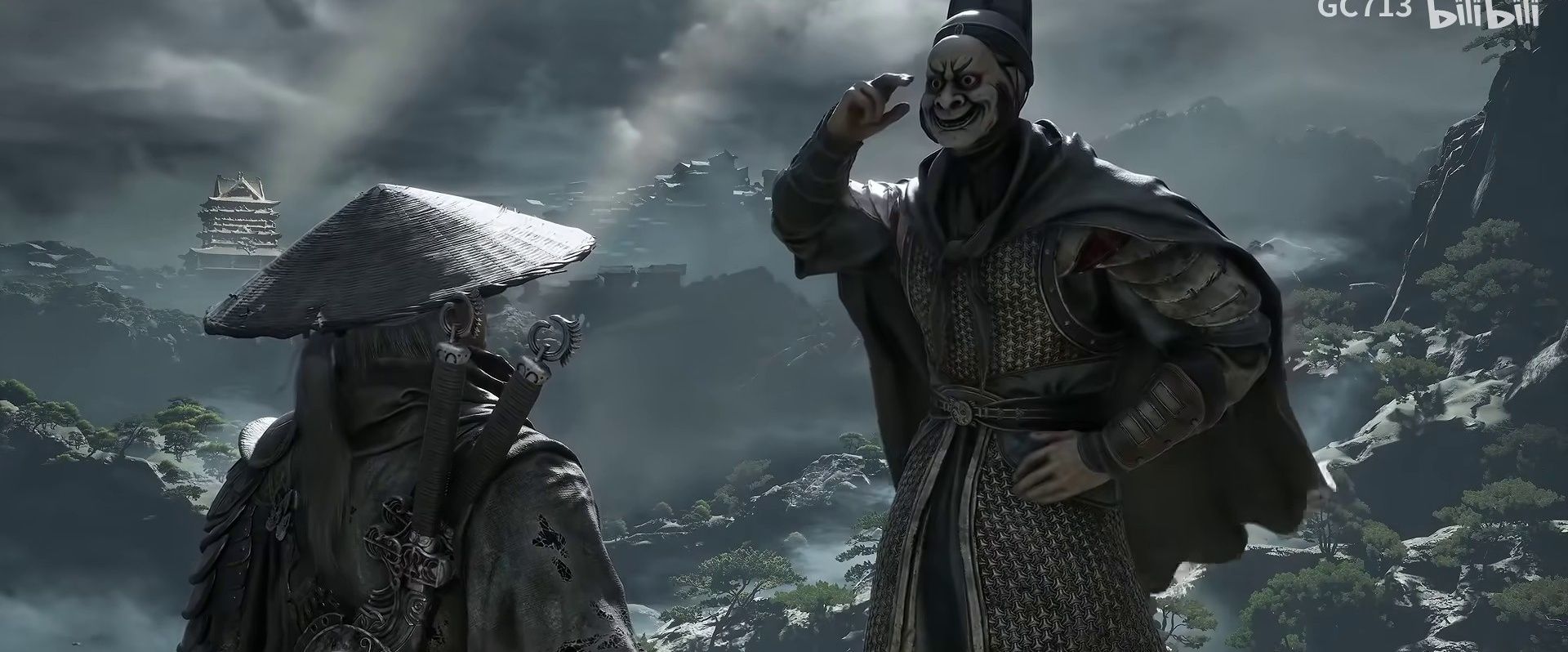
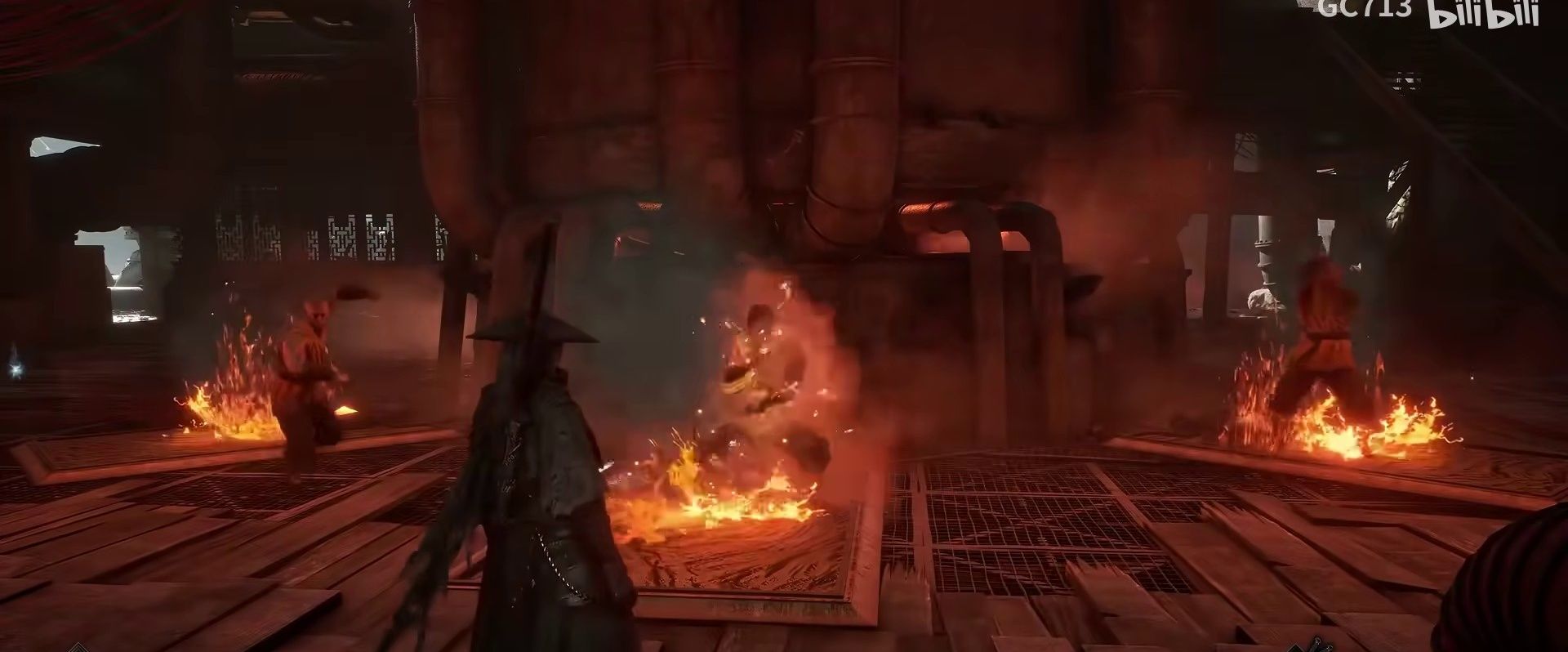
The six hours of the playtest covered the game's early-game content: two complete chapters, plus two bosses that clearly belong to the later stages of the campaign. This mix turned out to be a perfect cross-section of the game's progression curve - early-game combat tutorials, mid-game resource management and character building, and late-game bosses that put both execution and understanding to the test.
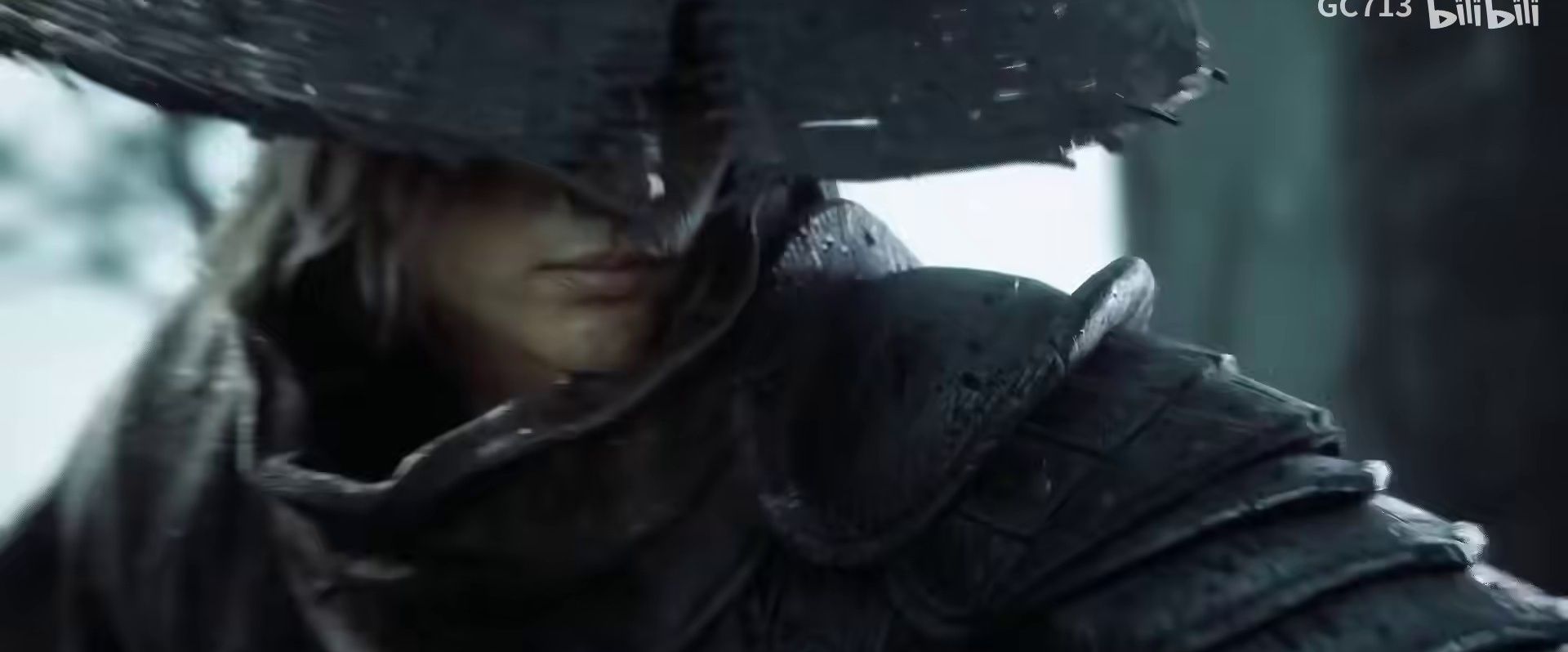
The protagonist's Soul carries an extreme premise: he has only 66 days left to live. This countdown gives the entire narrative a natural framework of urgency, and it also explains why much of the information in the game world presents itself as "mysteries" - if you don't keep pushing forward, many things remain nothing more than a blurry outline.
This is very "Chinese": instead of dumping the lore on you through dialogue, the game lets you piece together your own understanding, one encounter and one death at a time.
The most telling thing about the playtest was this: even when you're knocked down by enemies, or get interrupted by a boss right before landing a crucial move, the frustration always stays at the "one more try" level rather than "this game is out to get me." For a title that bills itself as hardcore action, this sense of restraint is genuinely rare.
IV. The Flesh of Hack-and-Slash, the Skeleton of a Soulslike
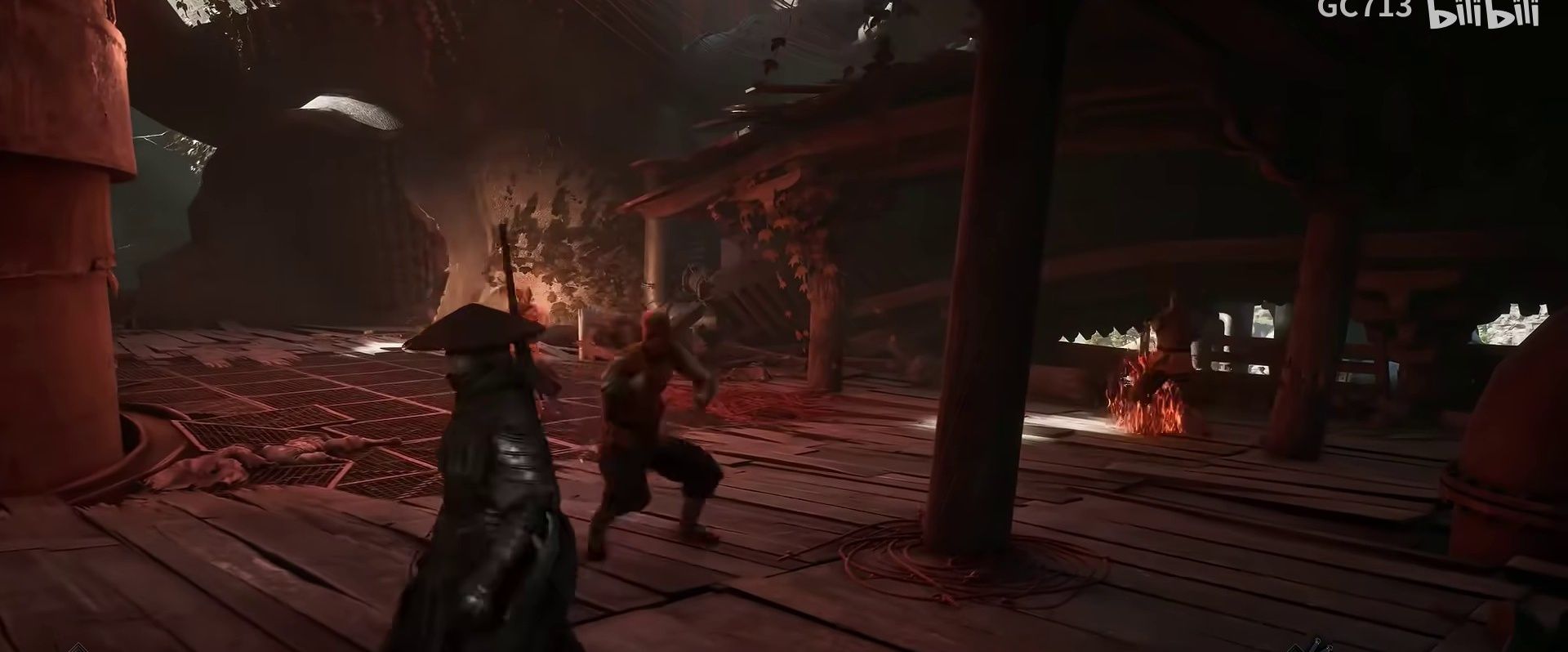
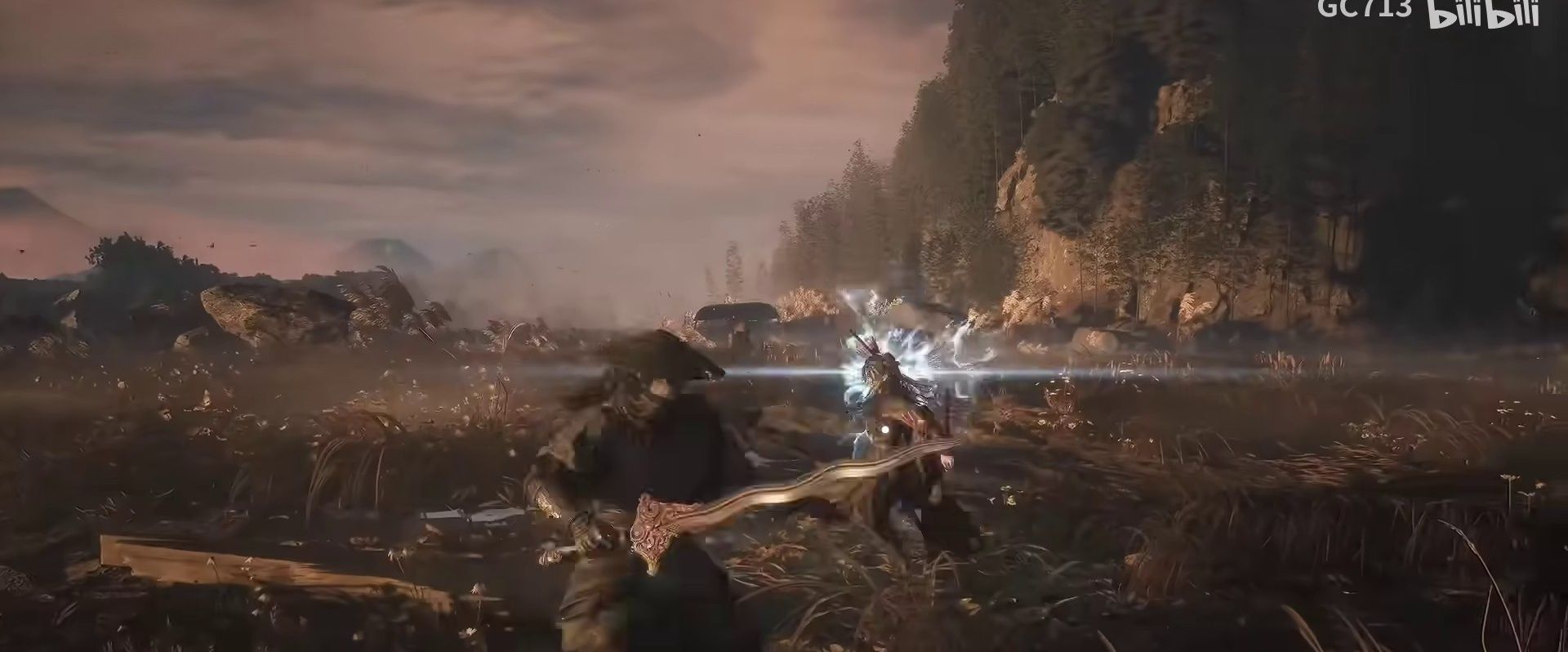
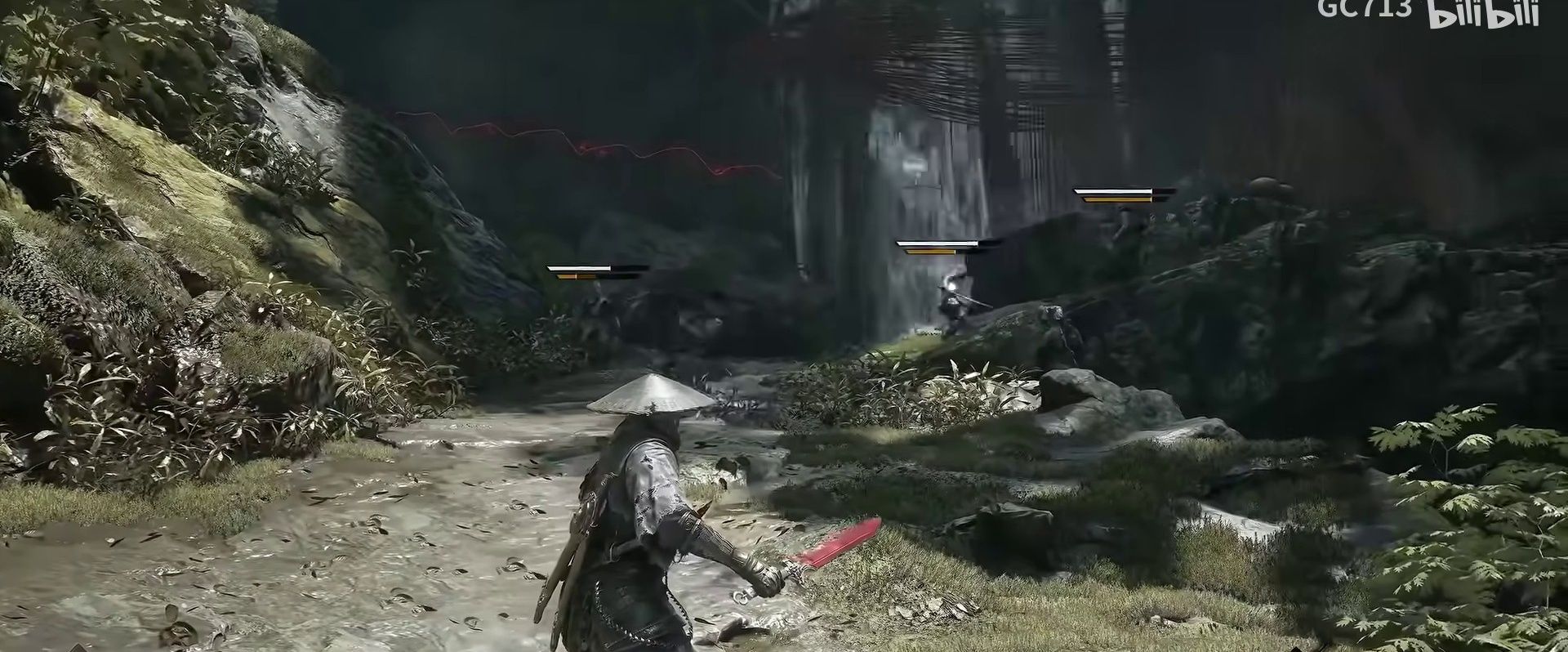
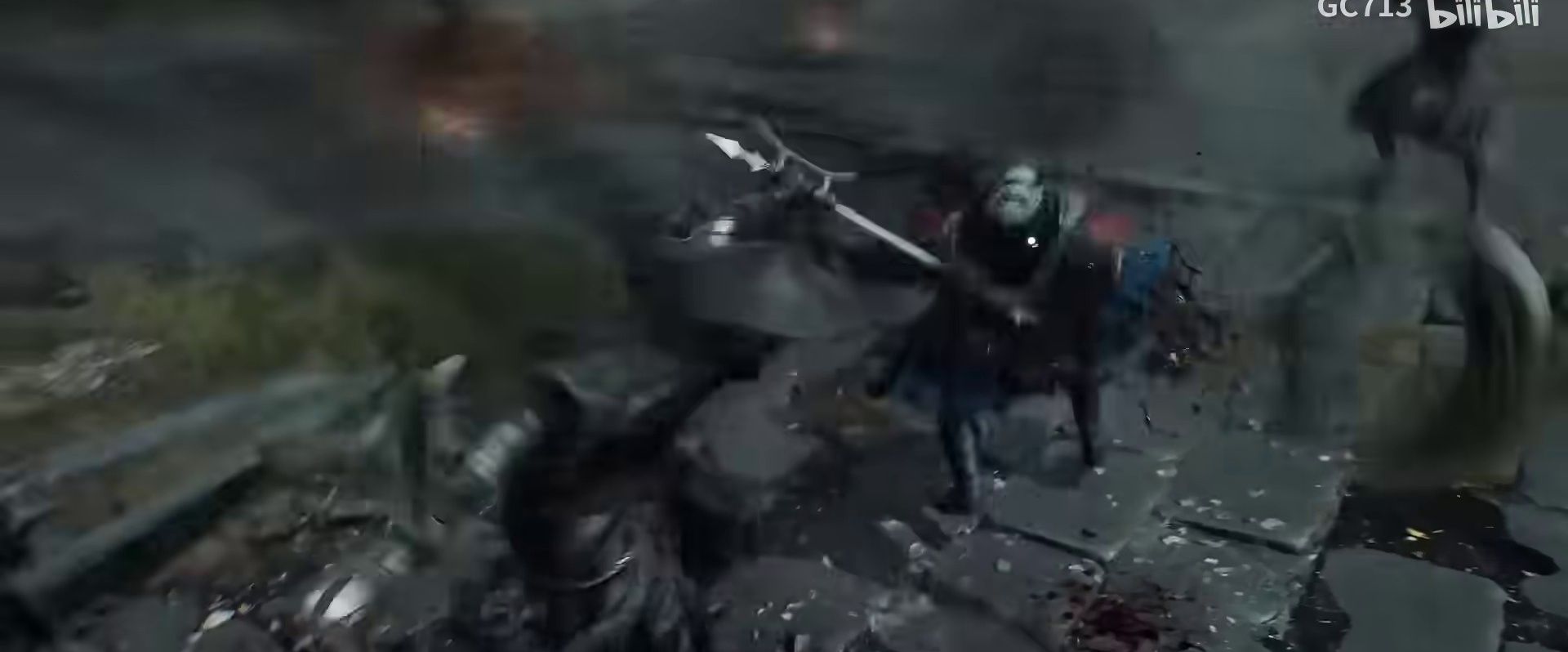
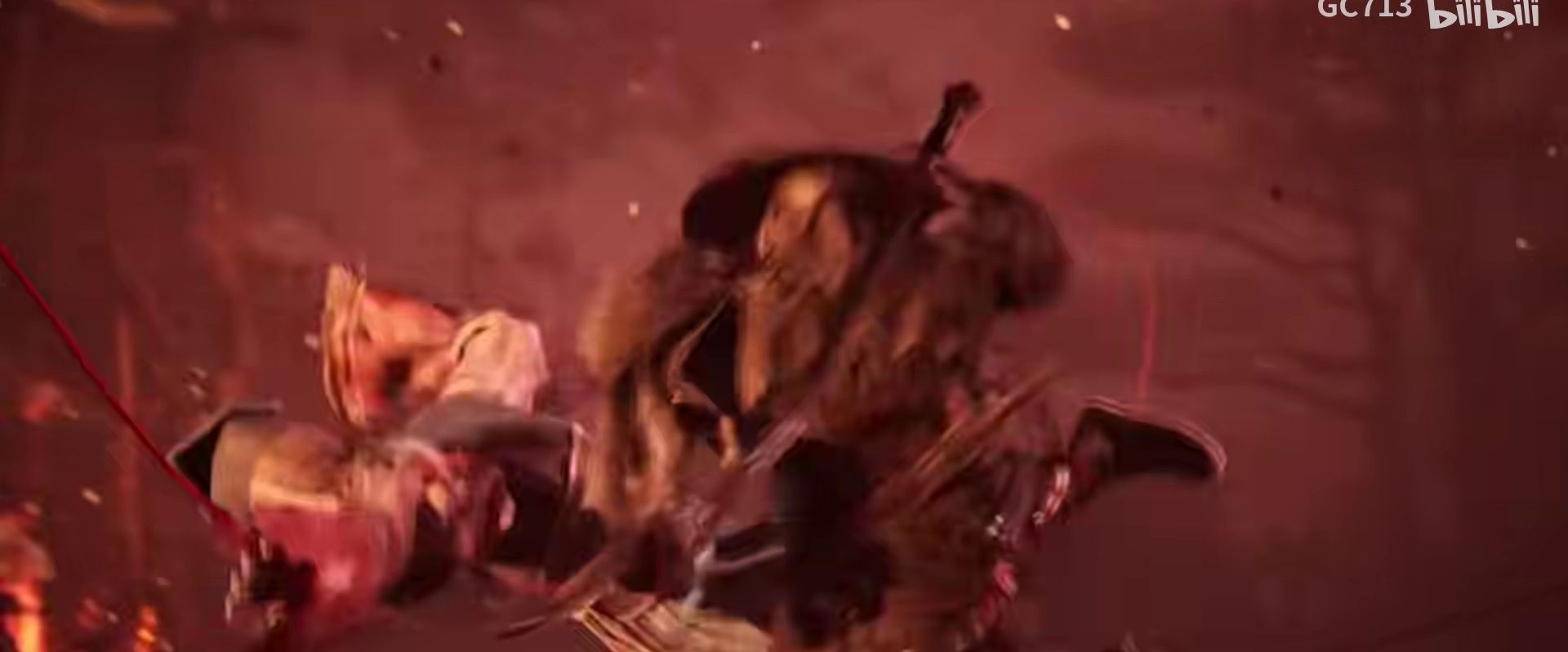
The core combat loop revolves around light attacks, heavy attacks, blocks, and dodges. The control burden isn't heavy - a gamepad alone handles the vast majority of actions smoothly. The real depth comes from "rhythm": finding that window within an enemy's attack rhythm that is both safe and lets you strike back is the central question of every fight.
Unlike FromSoftware's bosses, the enemies in Phantom Blade Zero don't require players to memorize an entire scripted set of move patterns. Understanding the logic behind a move and finding the right response often matters more than muscle memory. This isn't a compromise on difficulty, but a divergence in design philosophy - the game wants you to fight beautifully, not just scrape through.
The few issues encountered during the hands-on were mainly concentrated in the animation transitions of boss fights, with occasional instances of attacks being interrupted or hit detection feeling unclear. It's worth noting, however, that the build used for this preview was some time behind the final version, and these aspects have been under continuous adjustment - overall stability was already quite impressive.
V. Weapons and Skill Trees: Turning "Trial and Error" into Fun
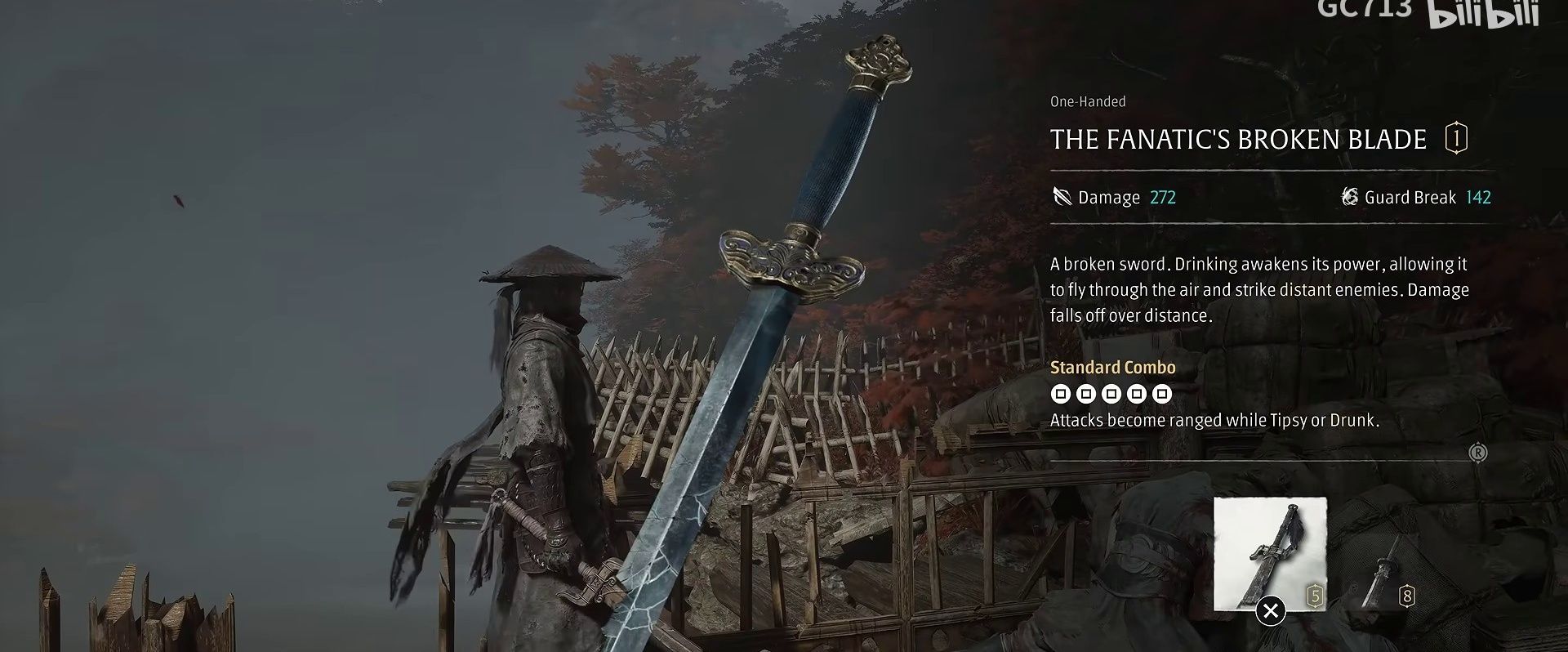
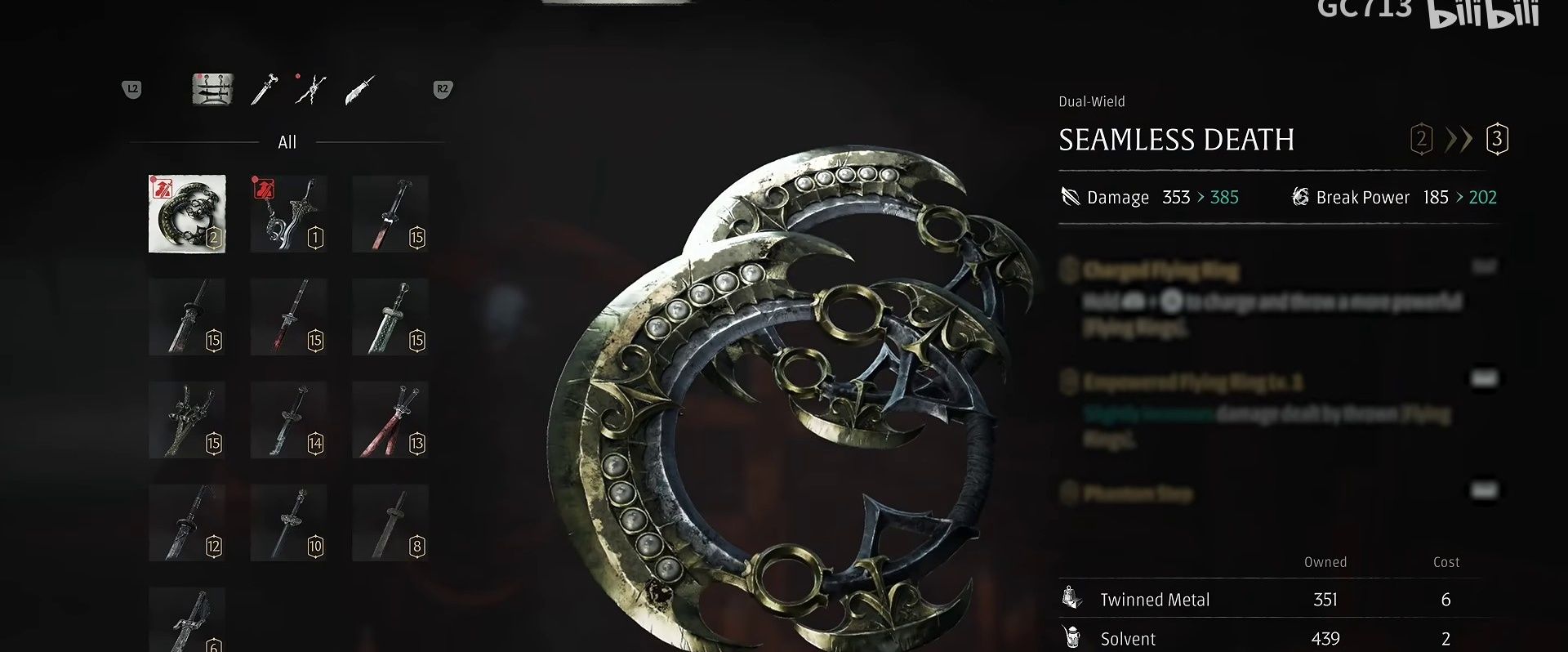
One of Phantom Blade Zero's most appealing design choices is how it encourages "experimentation." The character can carry multiple weapons at once and rotate them in and out of combat, and each weapon comes with its own exclusive skills and room for growth. As the game progresses, players continually earn new weapons and skill points, gradually unlocking richer move combinations.
The key lies in the cost design: skills can be reset. Players never have to restart or endure an entire playthrough because of one misallocated point, nor do they need to build up a new weapon from scratch - just clear out the old one, swap in the new one, and keep fighting.
The designer's intent is clear: let players experiment as much as possible and find the playstyle that's truly their own.
Hands-on players found that the more willing they were to swap weapons and rethink their approach, the more they could appreciate the layered depth of the combat system. Accordingly, the main story runs roughly 25 to 30 hours - and that's without deliberately skipping any content. For a combat-driven title, that scope is neither bloated nor thin.
6. Difficulty, Playtime, and That "Unexpected Warmth"
On Normal difficulty, the playthrough never sets out to torment the player. The game does have its own difficulty curve, but that curve is closer to "you need to learn to read your opponent" than "you must practice until your fingers cramp."
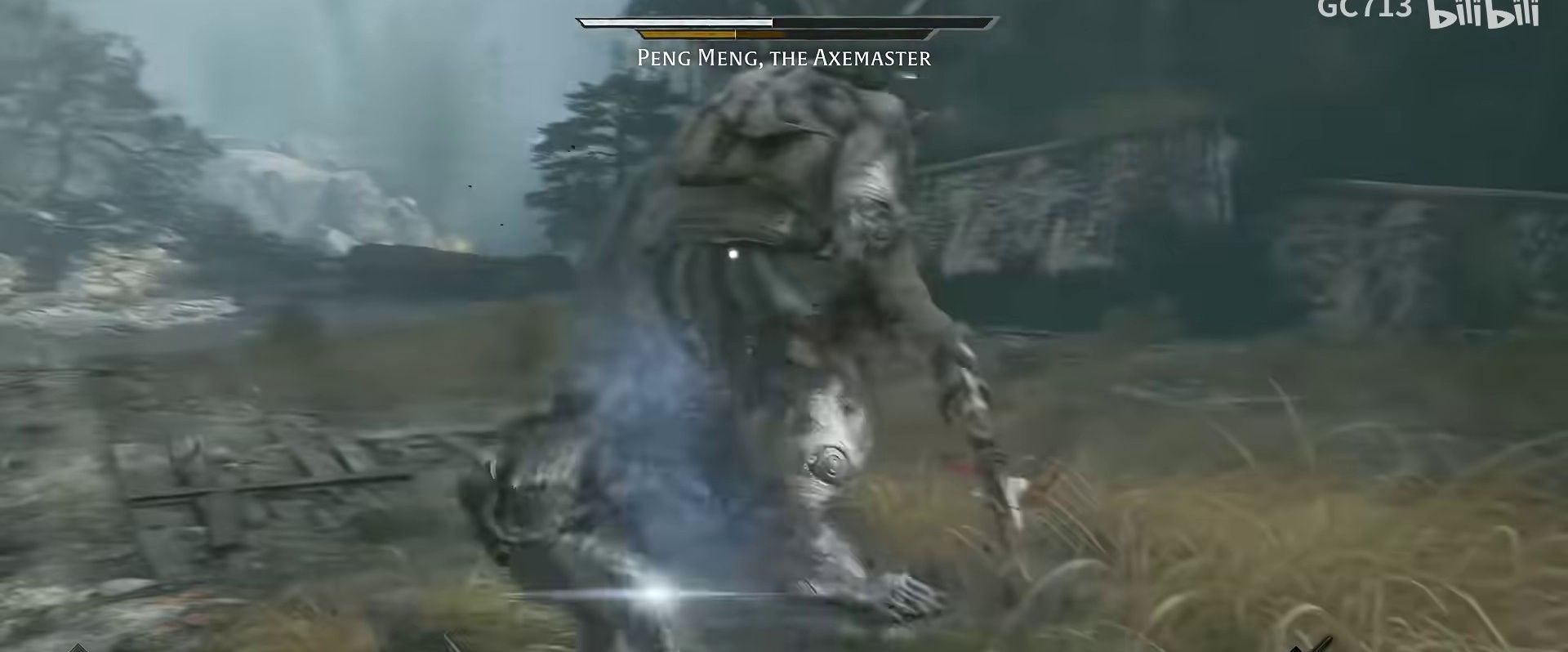
This is most evident in boss fights. Every boss plays out like a puzzle to solve: you can reconfigure your skills and weapons before the encounter, gradually get a feel for the rhythm during the fight, and retry with a fresh understanding after each defeat. This process is itself where the game's thrill lies, rather than the thrill being gated behind a barrier.
For players weaned on high-difficulty action games, this may make the "sweetness after suffering" a little less concentrated; but for a broader audience, this design is precisely one of the reasons it can hook Eastern and Western players alike.
VII. The "Wet Dream" of 1990s Wuxia Cinema: Aesthetics as the Selling Point
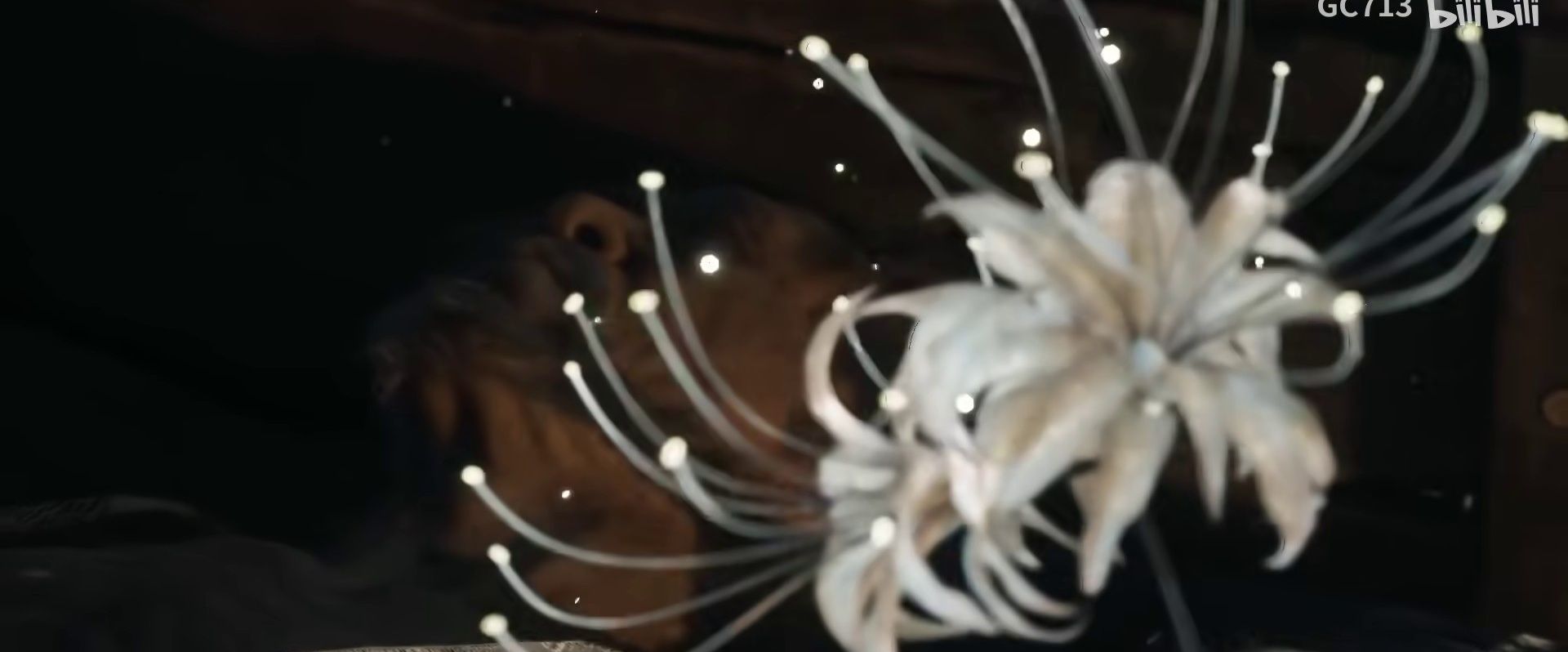
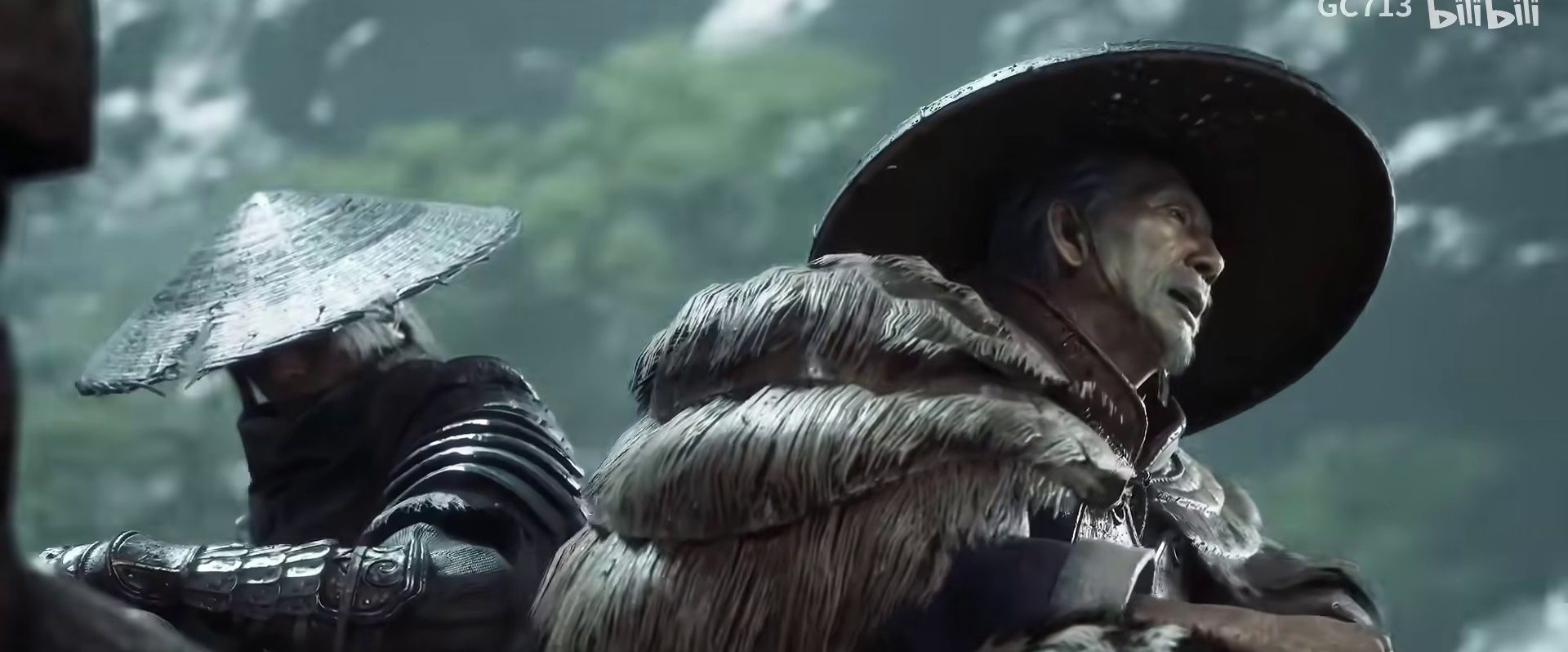
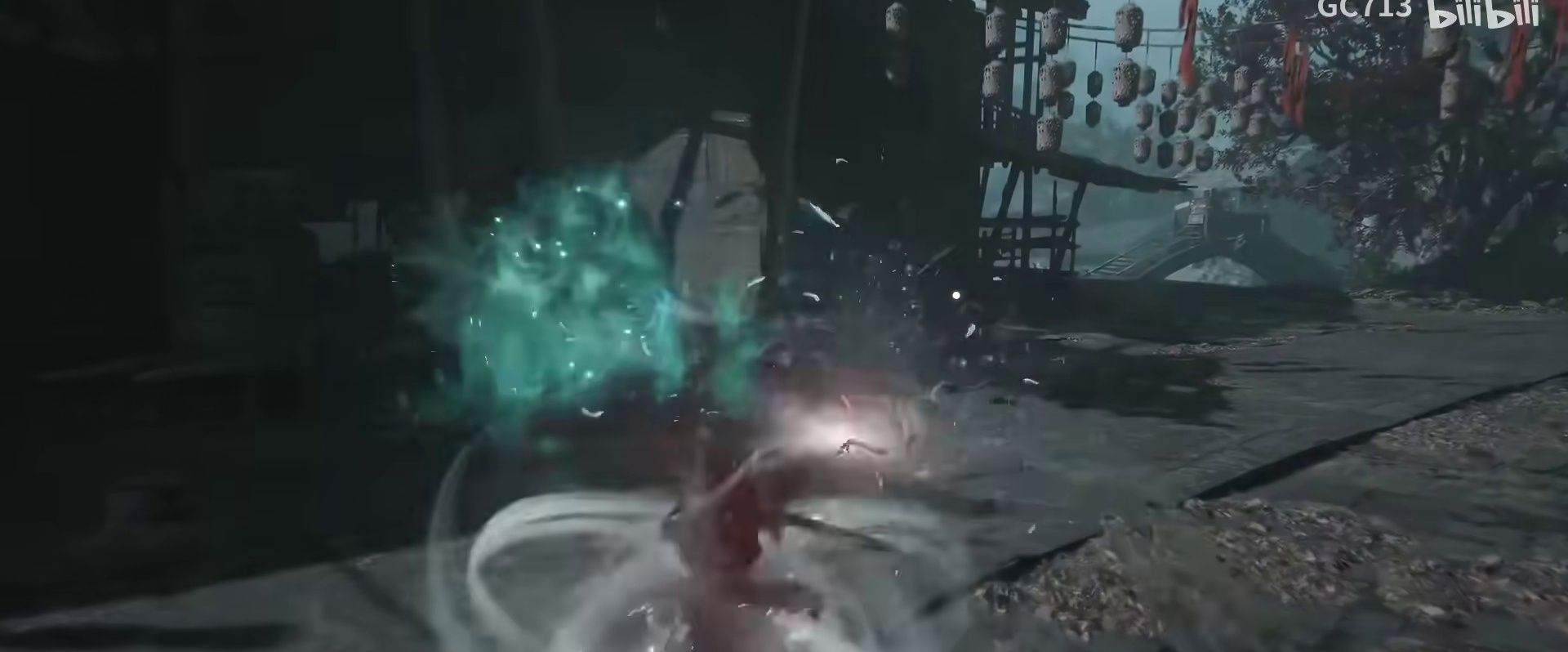
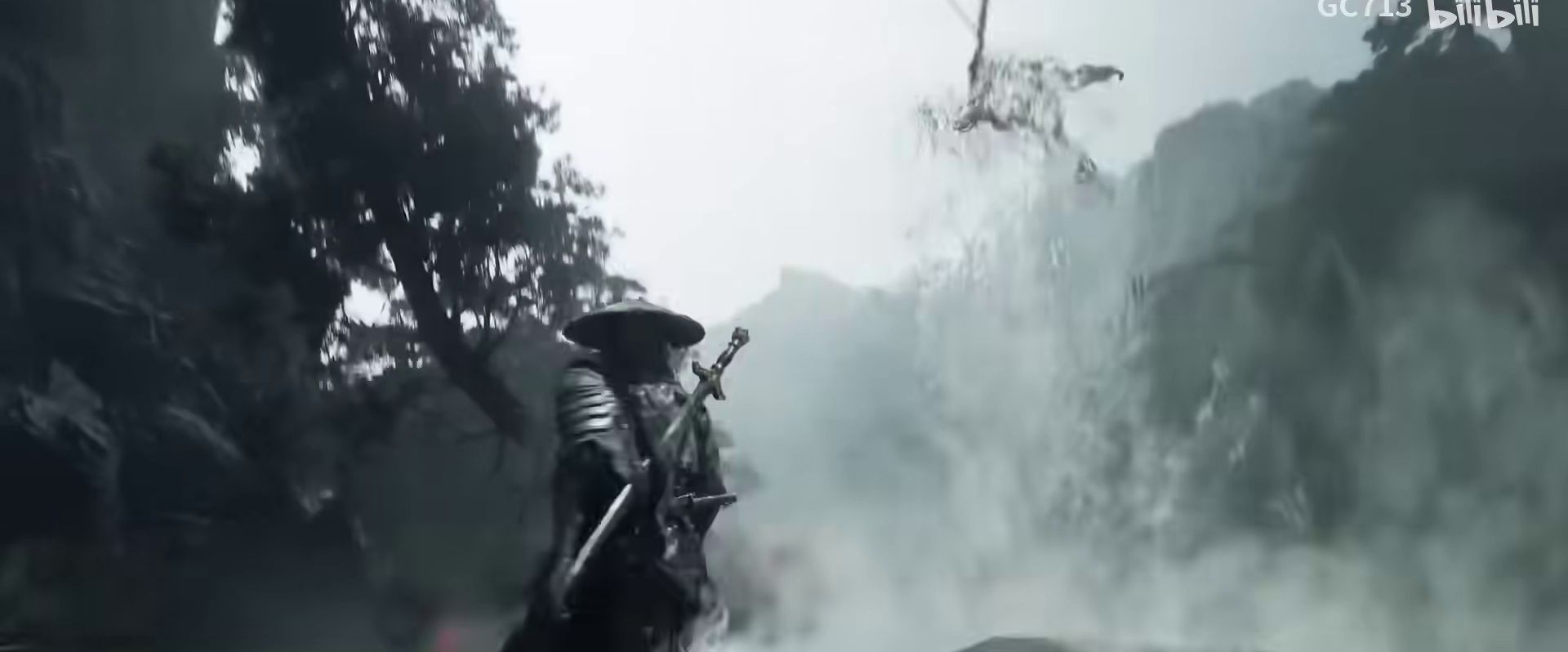
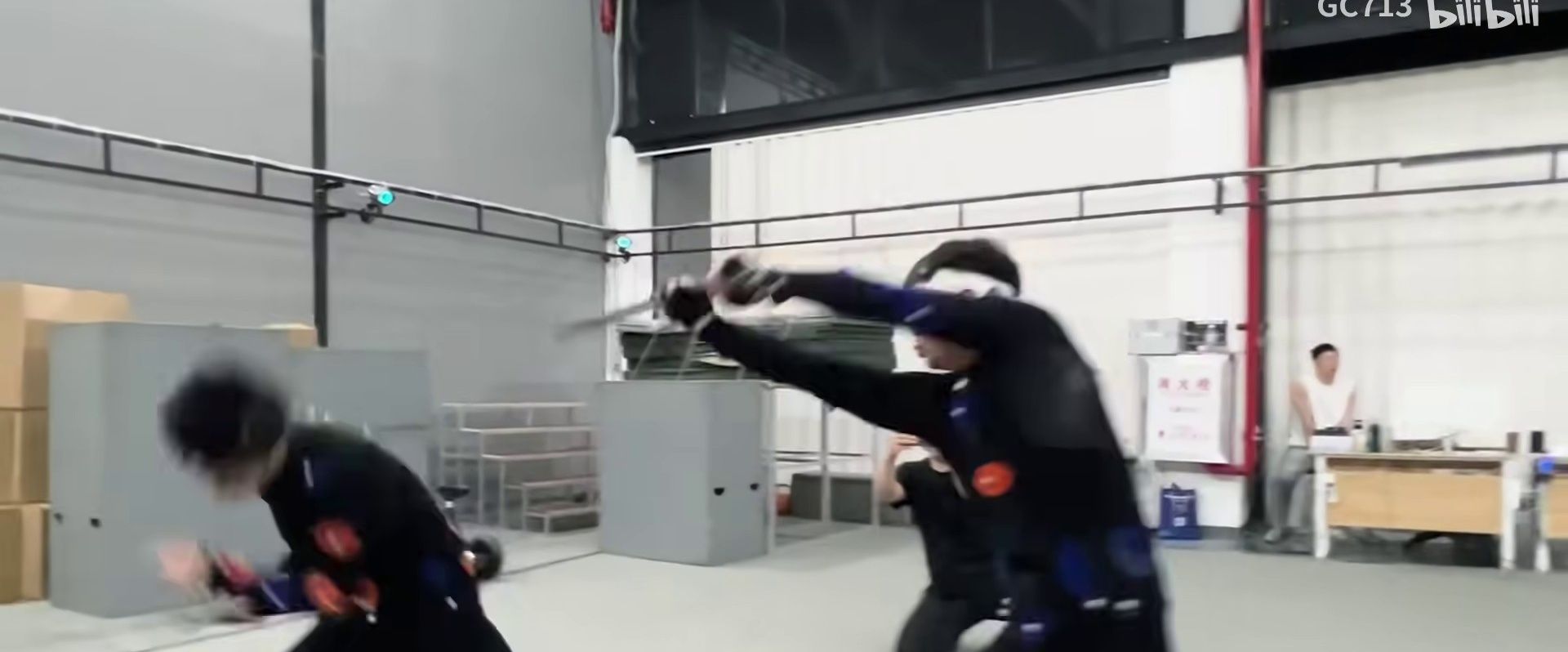
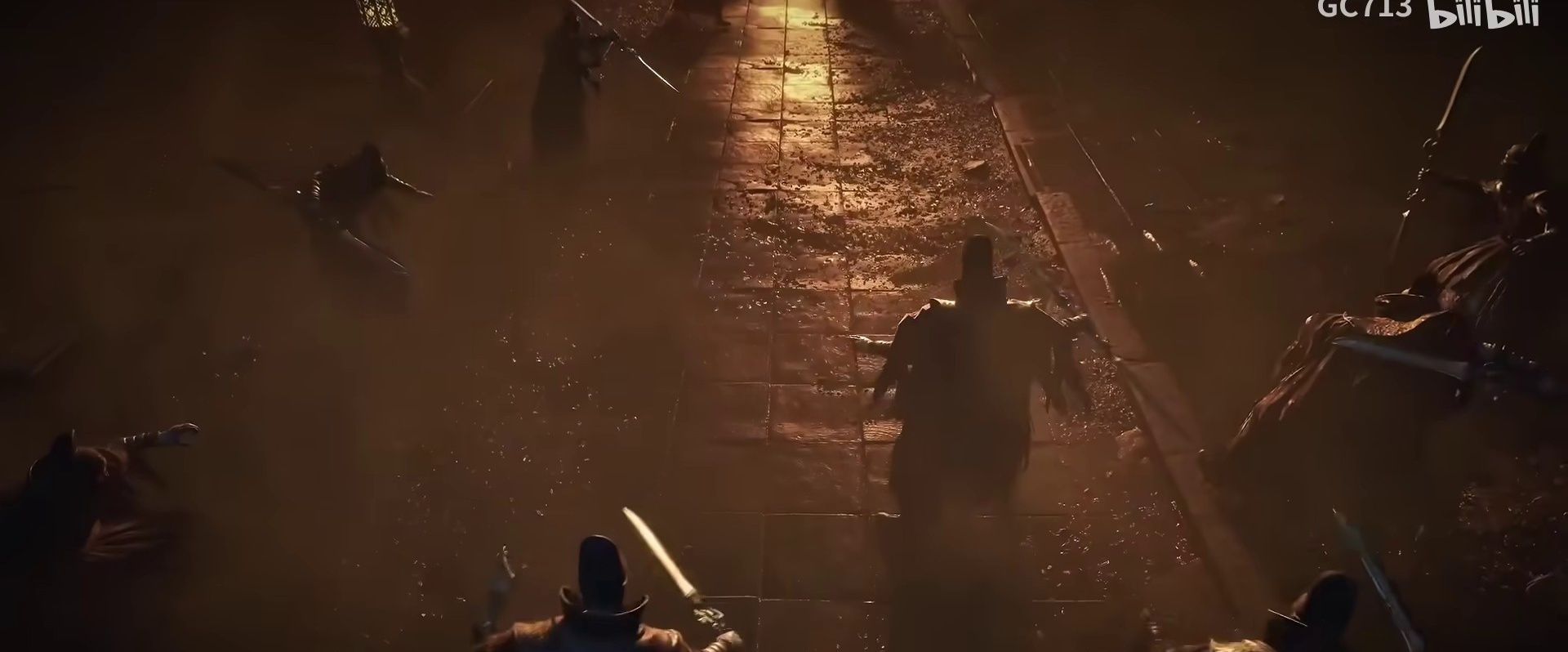
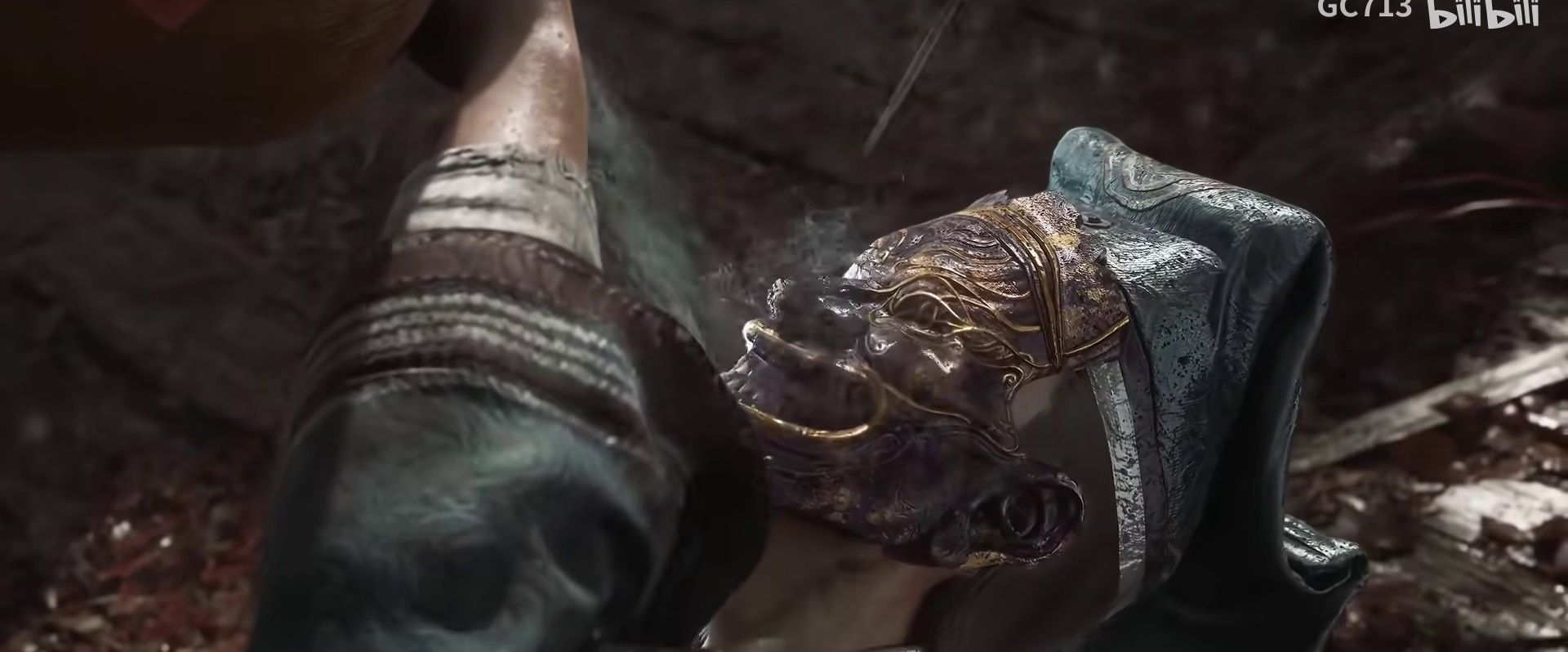
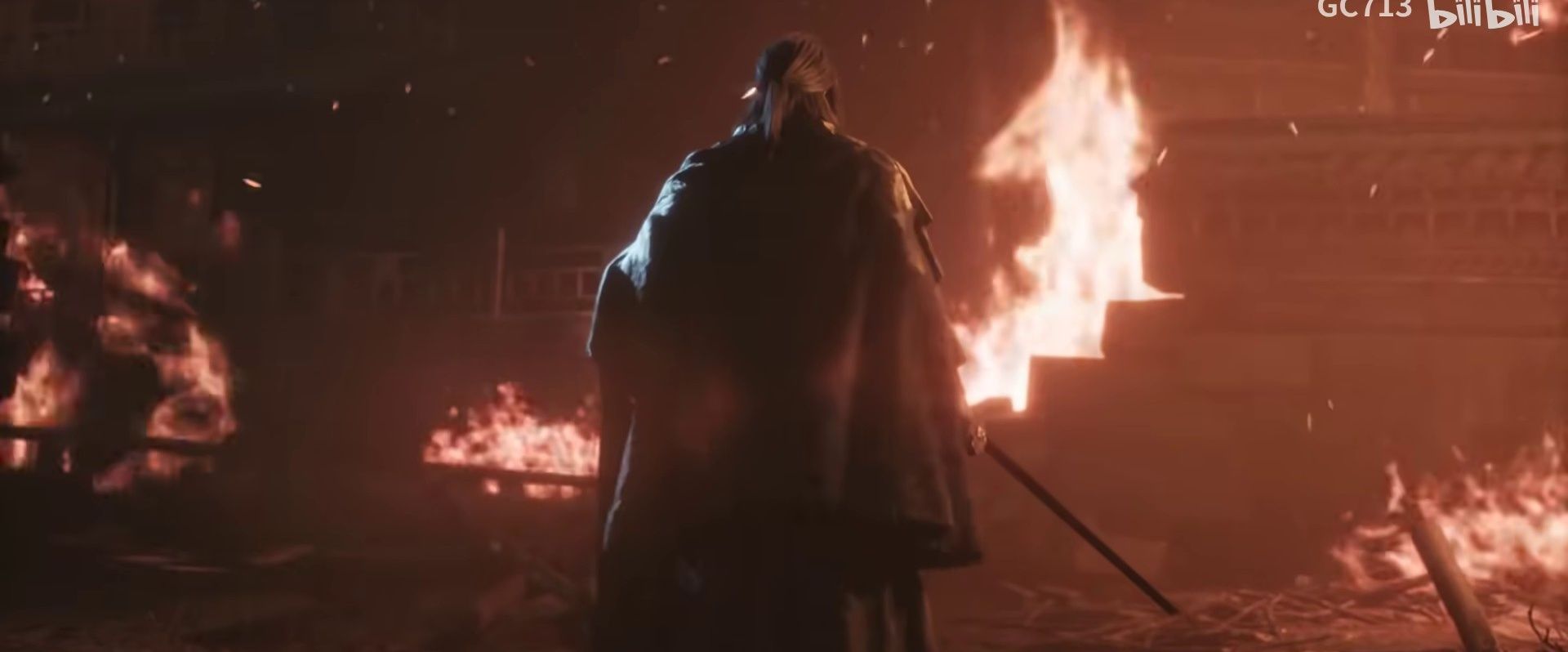
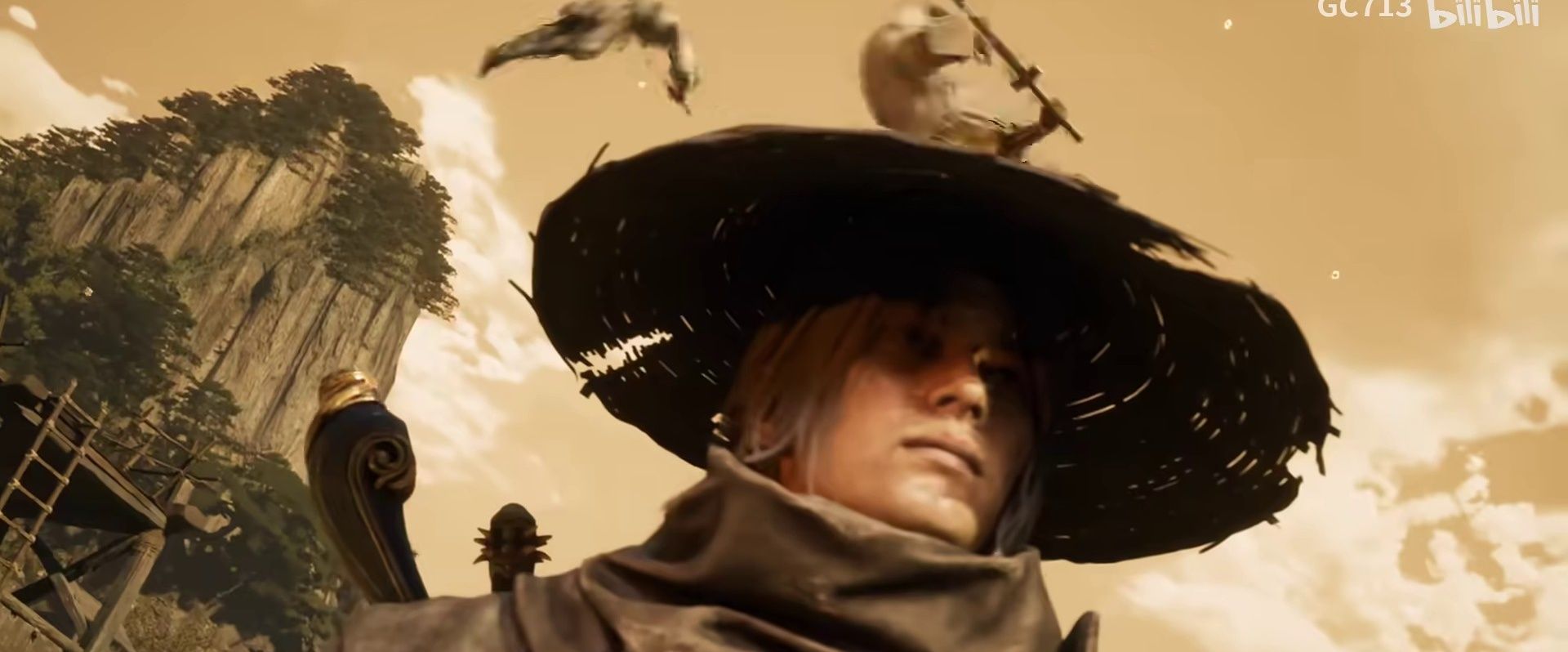
What truly sets Phantom Blade Zero apart from so many of its peers may not be its mechanics, but its aura. It looks like the damp, resplendent dream a 1990s wuxia film devotee might have: the flash of blades, rainy nights, rust-eaten contraptions, streets carved apart by lamplight and shadow. This audiovisual language belongs neither to the typical Japanese sword aesthetic nor to Western fantasy; it carries a flavor of "Eastern cyber" that is extraordinarily hard to replicate.
Paired with fast-paced, high-density action choreography, this aesthetic is delivered in gameplay footage with a level of polish far more convincing than any trailer. And it is precisely for this reason that the game possesses a rare cross-cultural appeal - the kind conveyed not through translation, but through imagery and rhythm alone.
For a series with such a "homegrown" origin and subject matter to command this level of attention overseas is, in itself, something worth putting on record.
VIII. It's Not Perfect Yet, But It's Already Hard to Forget
To be fair, a handful of flaws from the preview build remain: the transitions between moves in certain boss fights, and a scattering of performance issues - all signs that this is not yet a finished product polished beyond reproach. But if this was already the state of things months ago, and the game has kept improving ever since, then there's good reason for optimism about its state of completion at release.
The more important judgment is this: even with all of these "unfinished" aspects in tow, it still makes you want to boot it up again after six hours. For an action game, that's a more hardcore form of persuasion than any spec sheet.
From "this is probably just another bandwagon-chasing soulslike" to "this might be my game of the year" - Phantom Blade Zero covered that distance with a single, genuinely lengthy hands-on session. Only one question remains: can the final release catch this expectation and hold it, steady and sure.
Top Community Comments
"Another Steam million-concurrent is coming." - Behind this quip lies players' gut instinct that a homegrown single-player title could make a run at the platform's global concurrency peaks. Ever since Black Myth: Wukong, whether Chinese teams can replicate - or even surpass - that tier of breakout success on Steam has become the default lens through which overseas players judge any major homegrown release.
"As long as it lands solidly, makes money, and keeps putting out good sequels... We need more excellent studios that can consistently deliver great works." - This comment hits on a proposition more crucial than a "launch-day blockbuster": success with a single title is merely the entry ticket, while steady output is the true hallmark of a mature industry. It took S-GAME over a decade to travel from RPG Maker to where it stands today, and what players genuinely hope for is that this road keeps being walked.
"My tongue is going to cramp." - This seemingly nonsensical jab actually zeroes in on the pronunciation barrier that the Chinese title "Ying Zhi Ren Ling" faces when circulating overseas. Amusingly, the more of a tongue-twister a name is, the more easily it becomes a memory anchor as players keep mispronouncing it.
📌 One-Line Takeaway
In just six hours, Phantom Blade Zero proved it is no mere imitator: combat built around hack-and-slash, progression systems that encourage trial and error, the audiovisual flavor of 1990s wuxia cinema, and more than a decade of craft accumulated at S-GAME - together, these lift it from "just another entry in the soulslike wave" to one of the most anticipated Game of the Year contenders.