Phantom Blade Zero Six-Hour Hands-On: The Action Is So Fluid It Made Me Wonder If This Is the Real Game of the Year Contender
When a game looks like a distant relative of FromSoftware in its trailers, yet plays far more like a hybrid of Devil May Cry and Star Wars Jedi once you actually get your hands on it, how do you even define it? Phantom Blade Zero's answer is: don't rush to slap a label on it. It certainly has soulslike undertones, but what truly keeps you from putting it down is an action flow so rhythmic you can almost hear the beat.
1. Like a Soulslike, But Even More Like Devil May Cry: Misjudged at First Glance
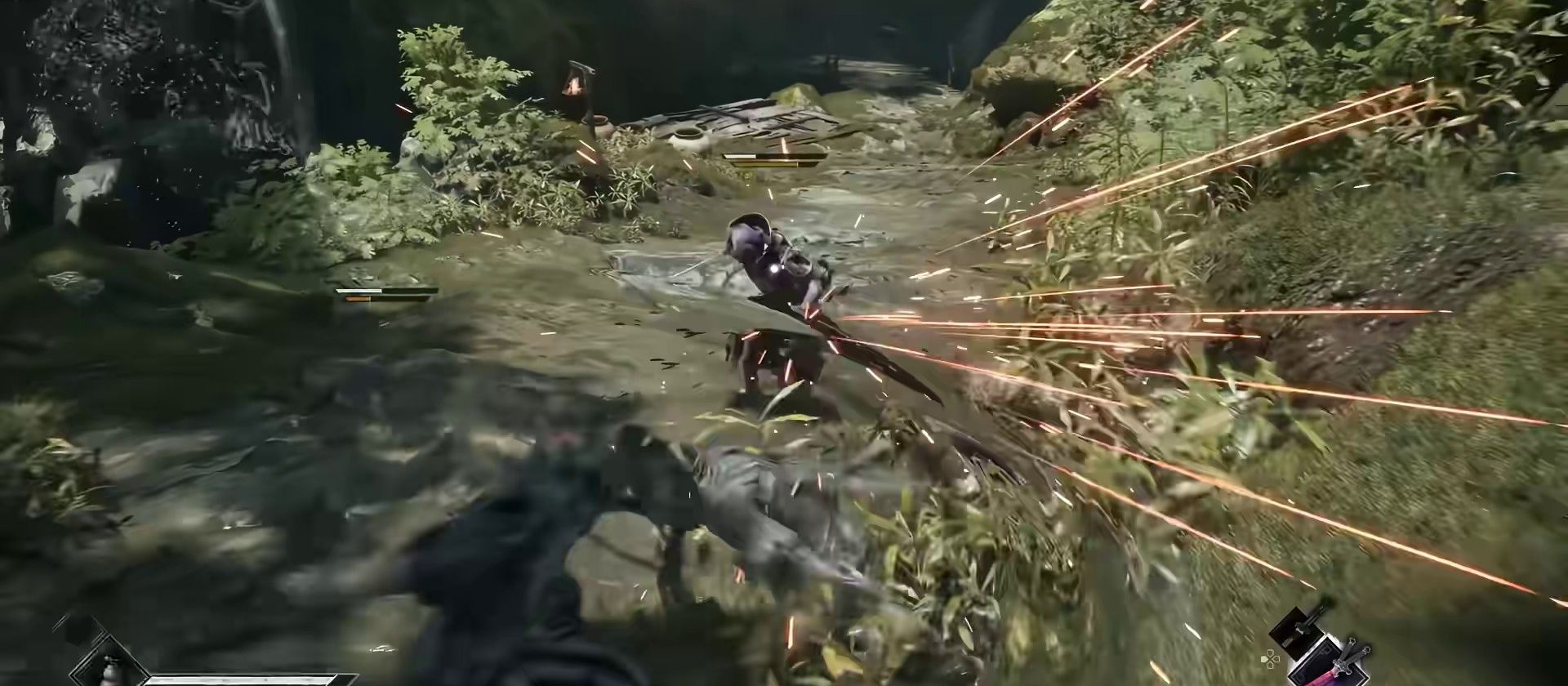
At gamescom 2024, I tried a short demo of Phantom Blade Zero. I'm no die-hard soulslike fan, but I decided to give it a go - and was in for a big surprise. While FromSoftware's imprint is clearly visible in its design principles, the game is actually much closer to something like Devil May Cry, in a vein similar to the approach Respawn took with the Star Wars Jedi series: it looks like a soulslike at first glance, but the barrier to entry is far lower.
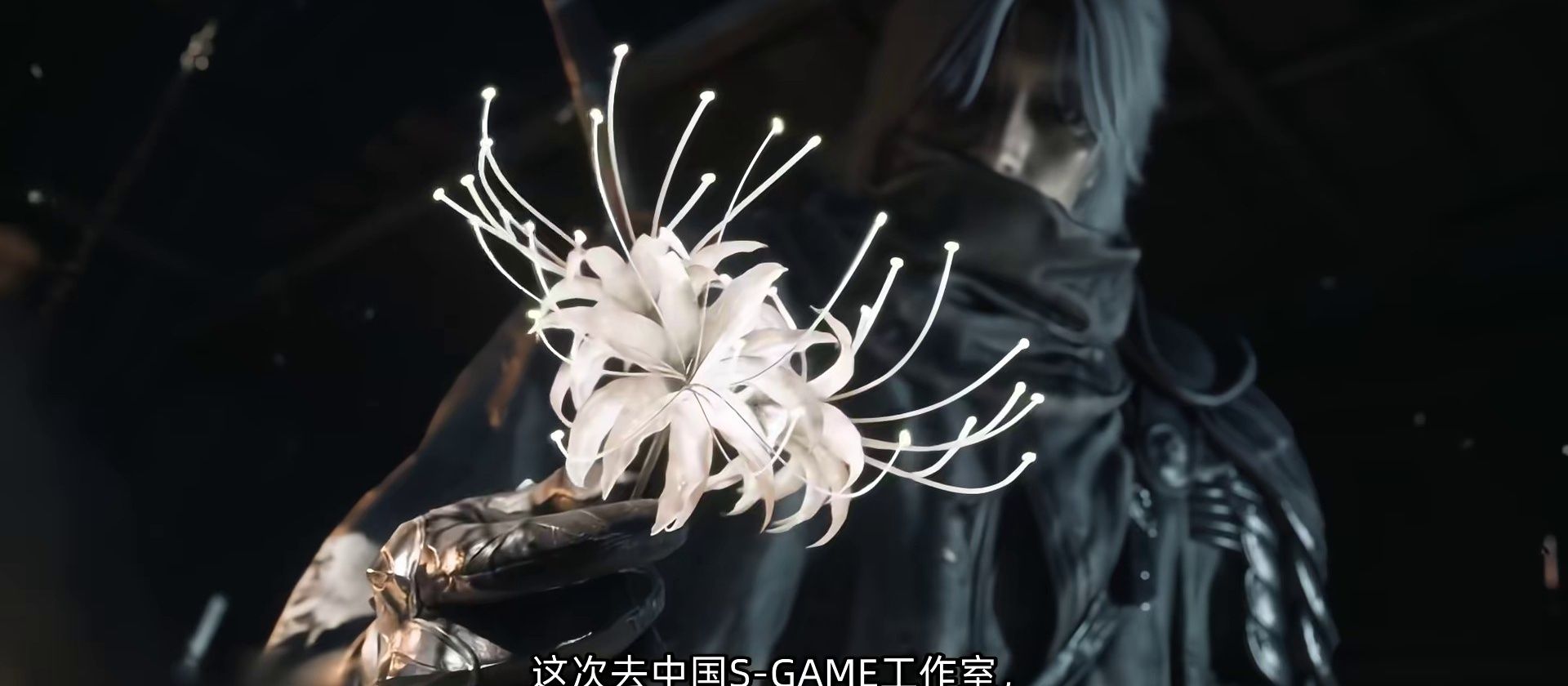
This time, at S-GAME's studio in China, I spent six hours with Phantom Blade Zero, cleared the first two chapters, and even took on two extra bosses pulled from later in the game. Honestly, I'm starting to seriously wonder - could this actually become my Game of the Year? GTA6 has yet to release, and I'm not exactly the kind of player who loves swinging a greatsword around.
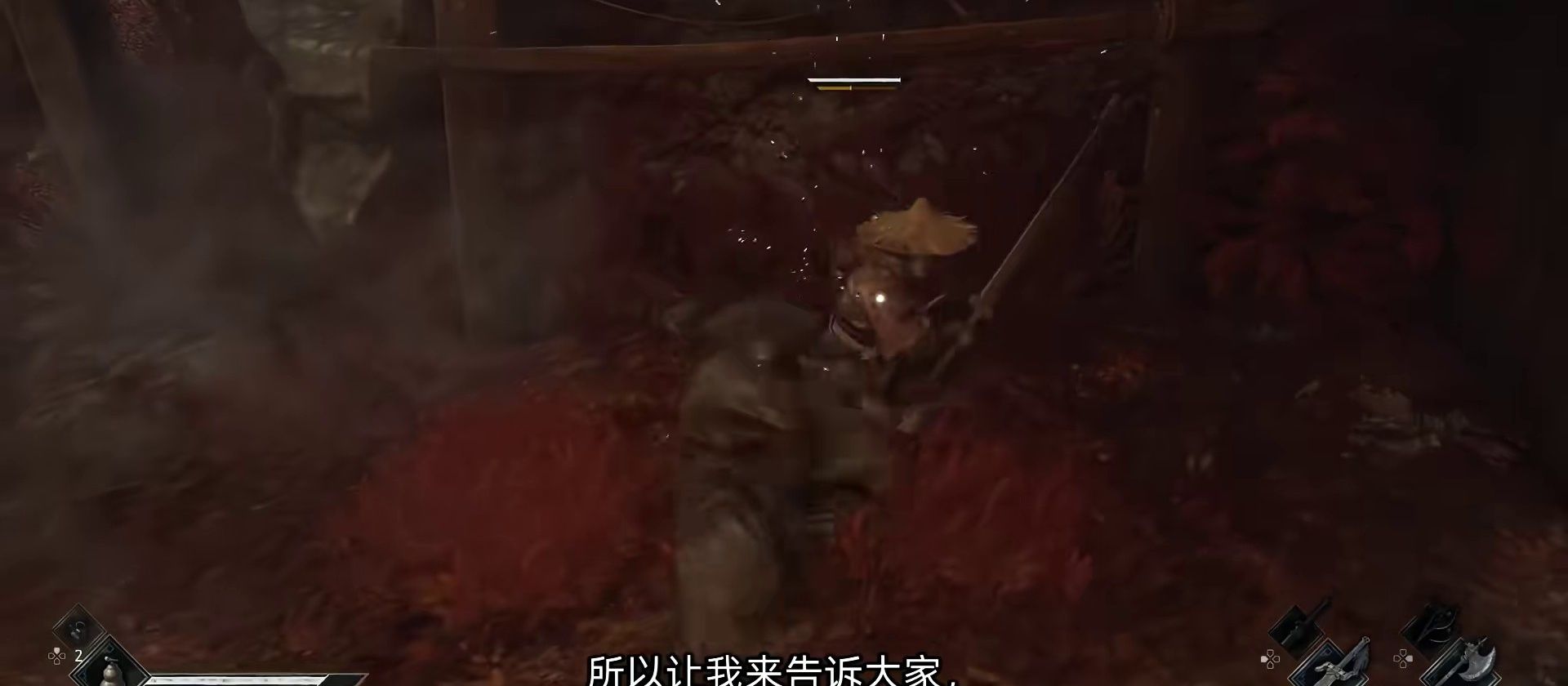
Blend multiple genres against a unique backdrop, and the result feels like a 90s kung fu film fan's wet dream.
Chinese developers seem to be holding a trump card - and their sights are set on far more than just the domestic market.
II. From Rain Blood to Phantom Blade Zero: S-GAME's Pivot
Phantom Blade Zero is developed by S-GAME. It is not the studio's first game, nor even the first game in this series. While that background matters, it doesn't stop you from picking up this new title with ease - you don't need to have played any of their previous games. If you decide to go back and catch up on the older entries, that's practically an achievement in itself.
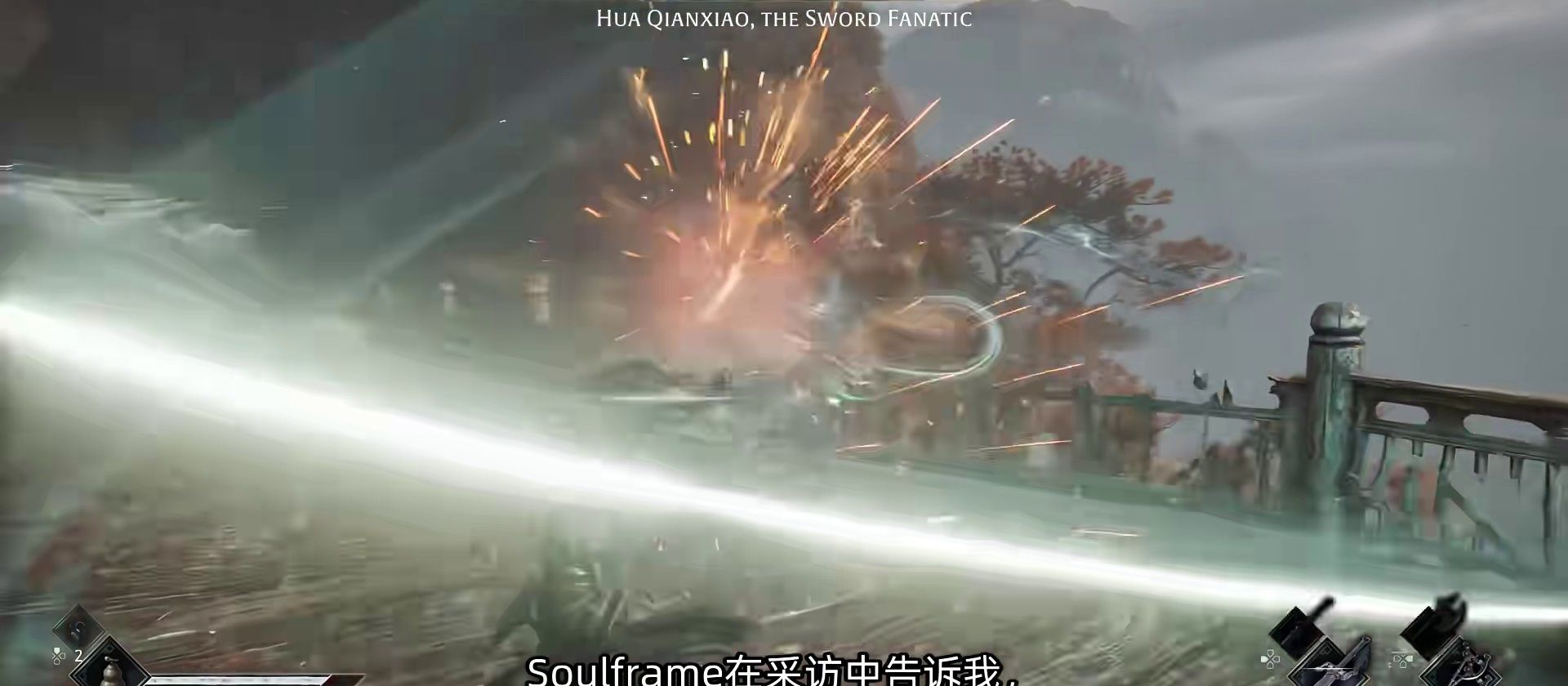
When S-GAME started out, Liang Qiwei (Soulframe Liang) was essentially developing on his own, building the Rain Blood series with RPG Maker. Rain Blood eventually evolved into the Phantom Blade brand, most of whose entries were made for mobile and never released outside China. Starting with RPG Maker and then shifting to mobile speaks to the studio's priorities and available options at the time.
With Phantom Blade Zero, the studio has truly gone international, delivering its first AAA console and PC game with a massive budget and strong backing. In interviews, Liang Qiwei revealed that they pitched the game to Sony in early 2023; impressed by the existing content, Sony immediately flew in top executives to experience it firsthand. Sure enough, Phantom Blade Zero became part of the May 2023 PlayStation Showcase.
Today, the game is being developed by roughly 150 people spread across Beijing, Shanghai, and a small team in the United States. When I visited China a little over a month ago, the game's wishlist count had already topped 3 million. For a game with the background outlined above, the level of attention from outside China is astonishing.
III. 66-Day Revenge and "Kungfunk": A World With No Cultural Barrier to Entry
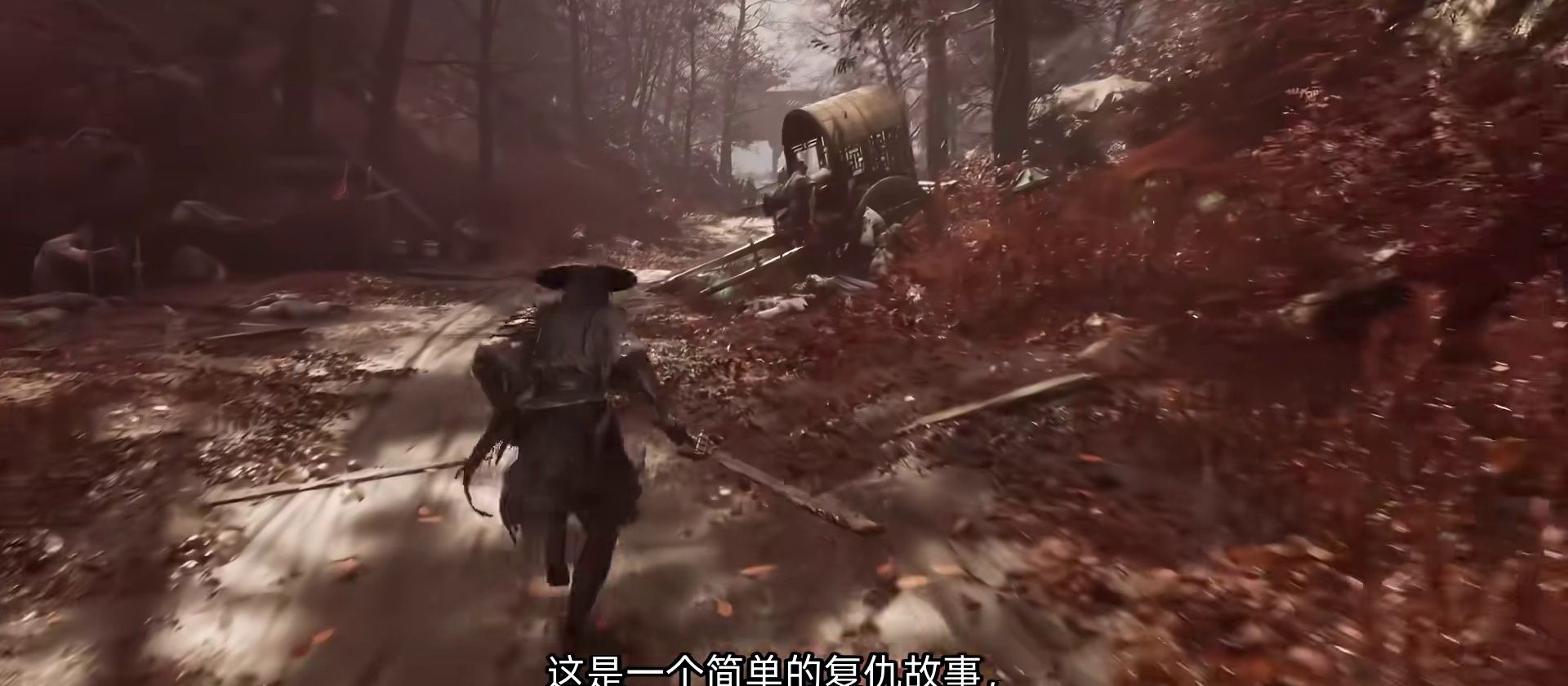
When I play games like Black Myth: Wukong, I always feel like I'm missing out on a lot because I don't understand the cultural background. It's a game steeped in distinctly Chinese characteristics, and if the gameplay alone can't win me over, a lot of things end up feeling somewhat alien. But Phantom Blade Zero is different.
Here, we follow the story of the protagonist, Soul. For certain reasons, he has only 66 days to exact his revenge, or the artificial heart he received from a mysterious body-modification specialist will stop beating. As we explore the world, we'll encounter some culturally Chinese elements, but they serve more as a way of enriching the worldbuilding than as its defining feature.
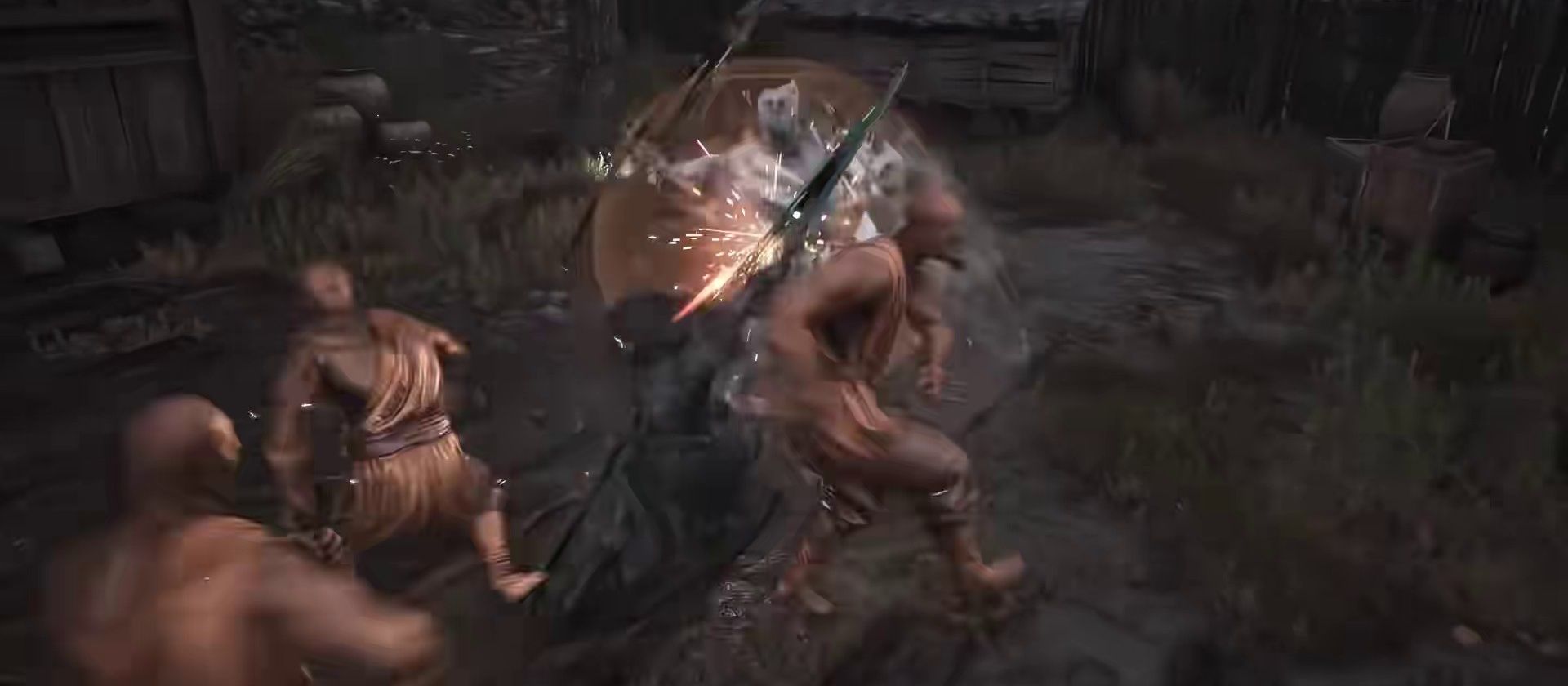
It's a simple revenge story where no one tries to deconstruct the hero's psyche within an endless cycle of violence.
Instead, we get a guy equipped with a full arsenal of tools for hurting people, pulling off extraordinary moves, all because he wants to kick some ass - and maybe find a way to stay alive. I've never felt cooler playing a game in this genre. The developers call it "kungfunk" - a fusion of traditional Chinese martial arts, steampunk and cyberpunk elements, and body modification.
IV. Combat Is a Dance: Dual Weapons, Phantom Edges, and Killing Intent Management
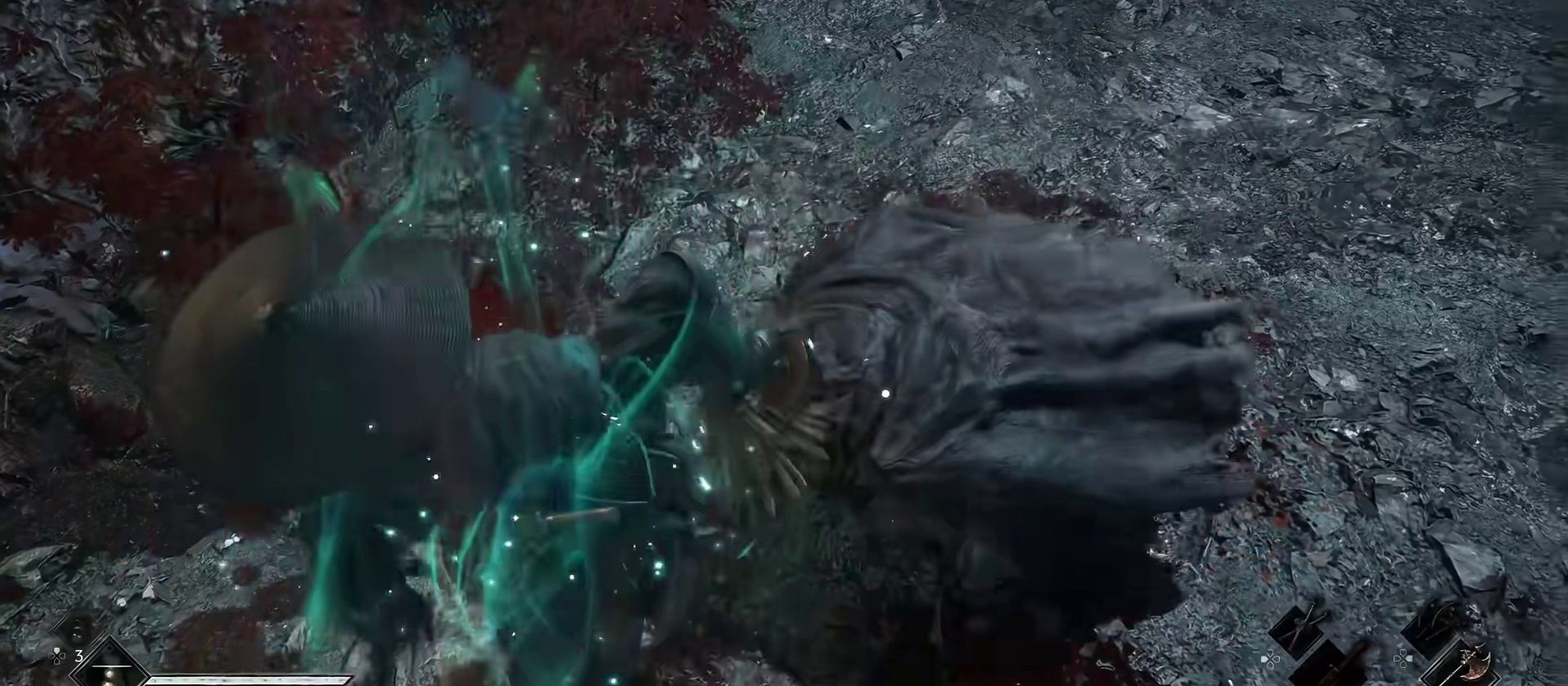
Watching Phantom Blade Zero's gameplay footage, it's hard to imagine that all these wild moves can be pulled off with a standard gamepad. But here comes the surprise: the core gameplay consists of two attack types, dodging, and parrying, which we string together into different combos. One major difference is that the character can carry four weapons at once - two main weapons and two Phantom Edges. The game offers 30 main weapons to choose from, which are gradually unlocked over the course of the game, or through optional bosses.
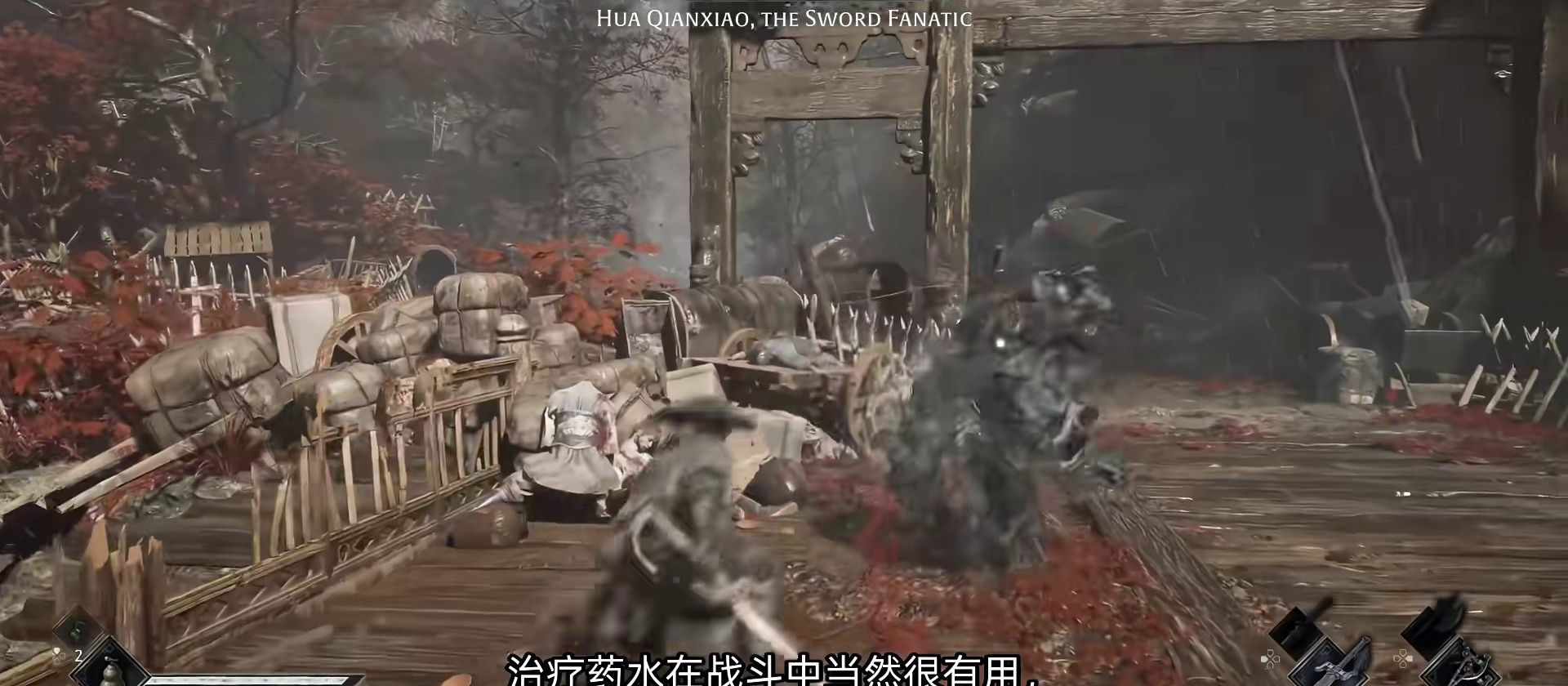
On top of that, there are the so-called Phantom Edges, 25 in total. We'll find them throughout the game. These weapons come with their own special attacks that are extremely powerful, but limited in uses. Importantly, Phantom Edges are also very useful for environmental puzzles - breaking certain barriers, knocking down objects, or reaching areas cut off by sword qi that were previously inaccessible.
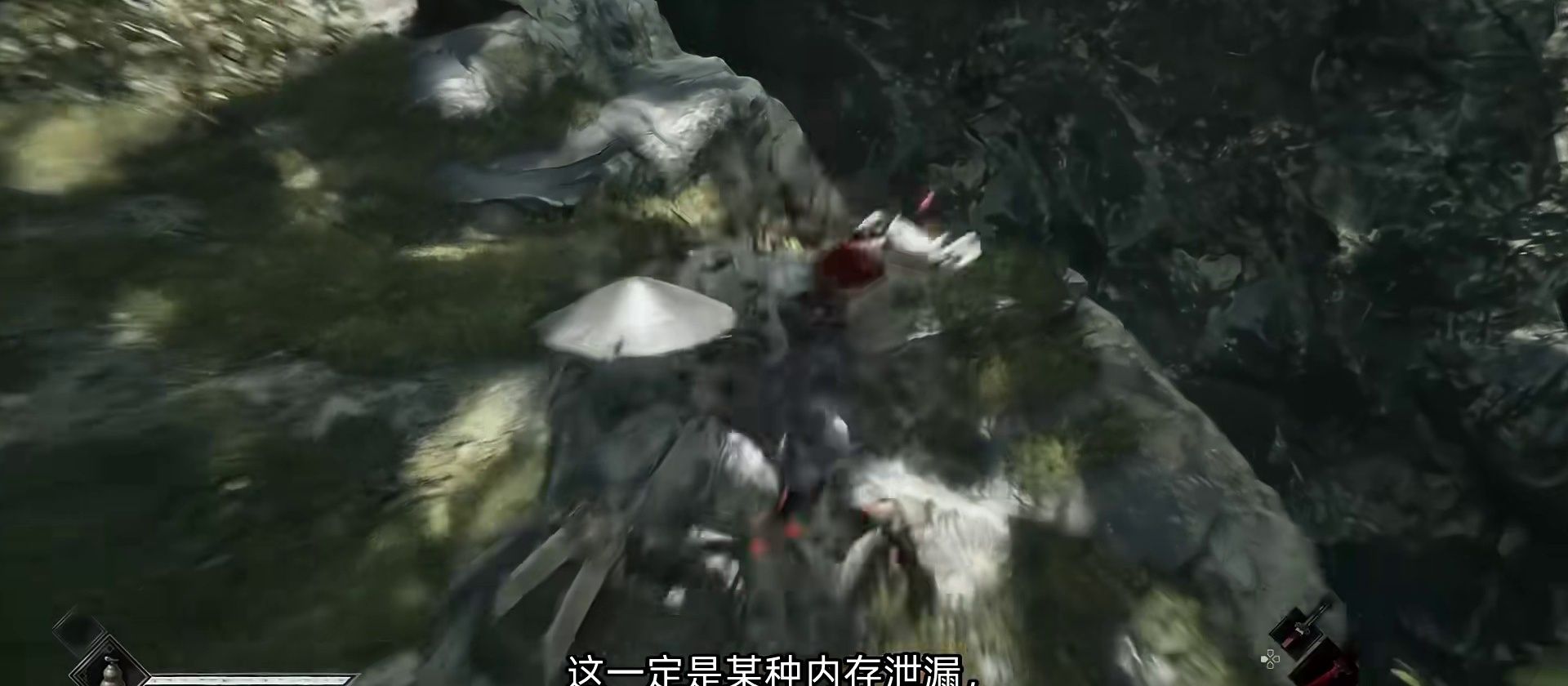
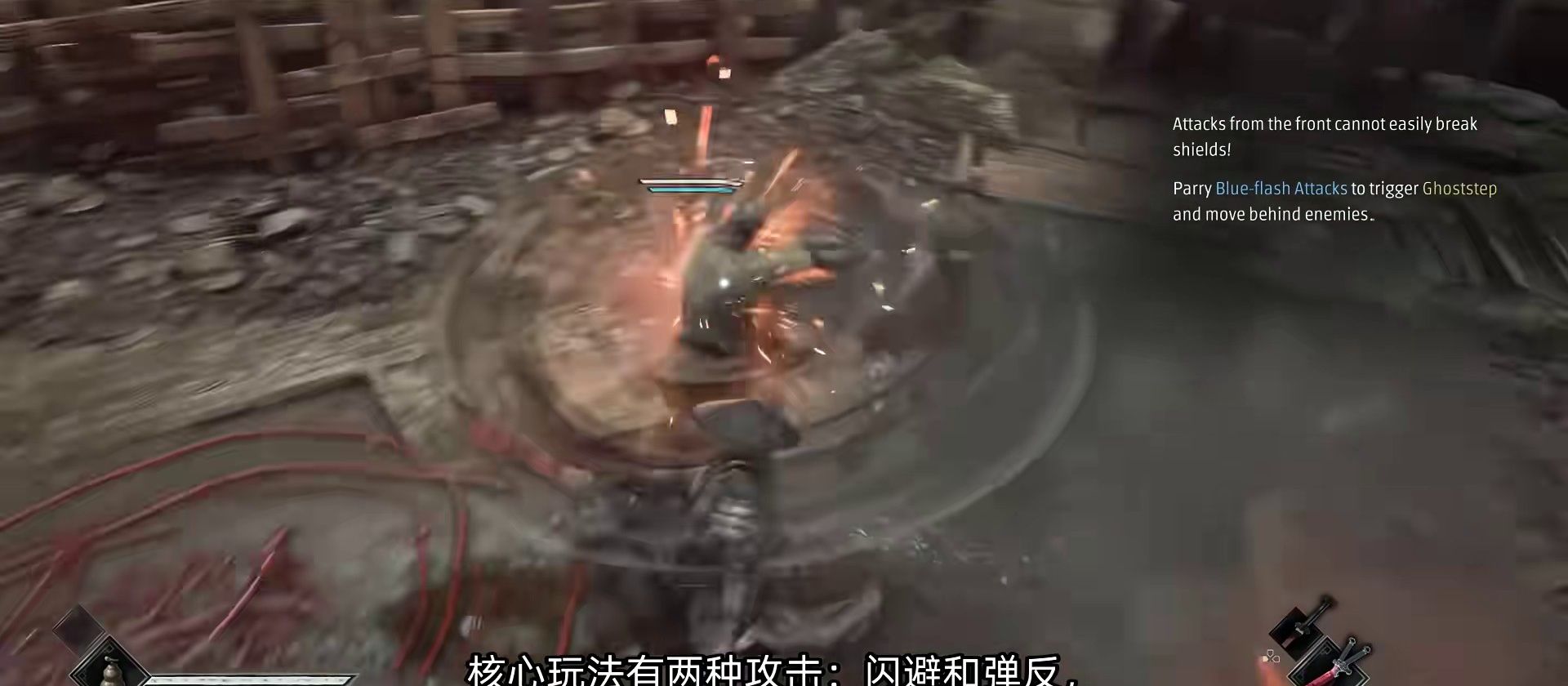
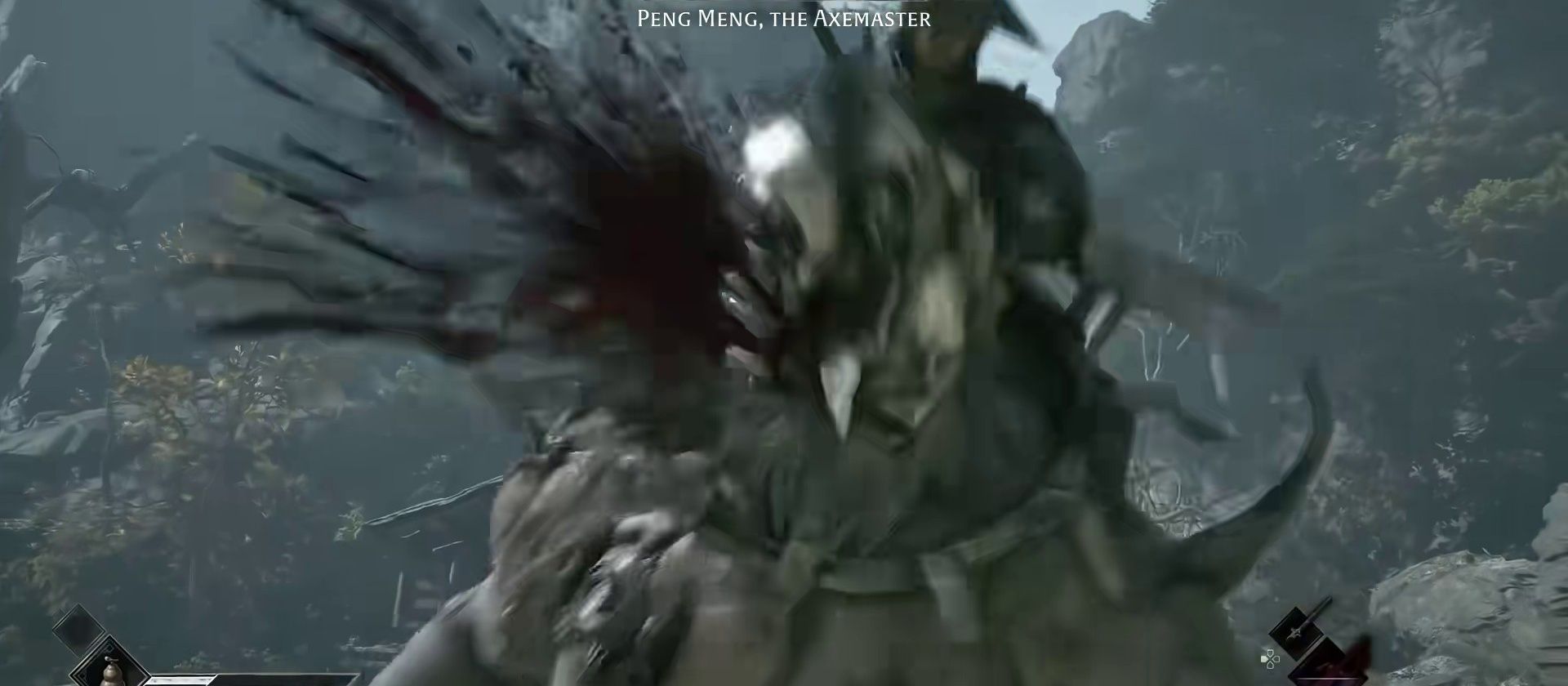
Combat is essentially a dance. We deal damage and build up the enemy's stagger meter while carefully managing our Killing Intent - essentially a stamina bar. There's also a small but extremely useful mechanic: switching between your two main weapons mid-combat restores Killing Intent, making weapon swapping a valuable part of your strategy. Enemies have special blue attacks that must be parried, and red attacks that must be dodged. Landing a proper perfect defense deals heavy damage to the enemy.
On standard difficulty, boss fights allow for one or two mistakes, but you'll have to quickly learn to react to what enemies are doing on screen.
Fortunately, this isn't the FromSoftware-style boss difficulty we're used to, where you have to memorize attacks - especially those deliberately nasty delayed animations. Here, it's more about getting into a certain rhythm - whether it's your own attacks or the enemy's - and you try not to fall out of it.
5. Metroidvania-Style Exploration, But With More "Player Convenience"
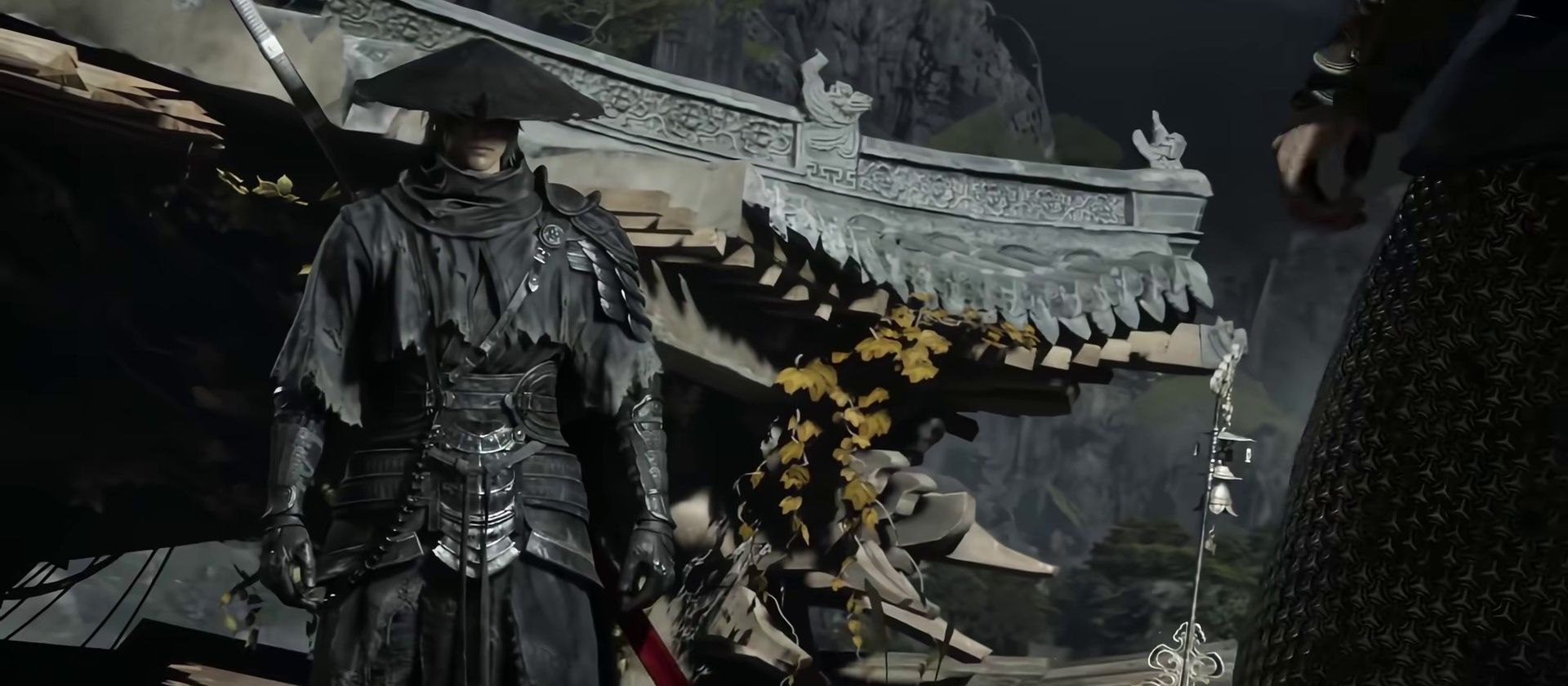
The level design bears clear Metroidvania hallmarks: there are plenty of narrow corridors, side paths, and shortcuts to unlock. The Phantom Blades are not just combat tools but also keys to exploration. You can use them to break barriers, knock down items, or reach areas cut off by sword qi. But given how the levels are riddled with branching paths, you won't always need to carry two Phantom Blades of a specific type and then suddenly swap when you run into a situation that calls for a different tool.
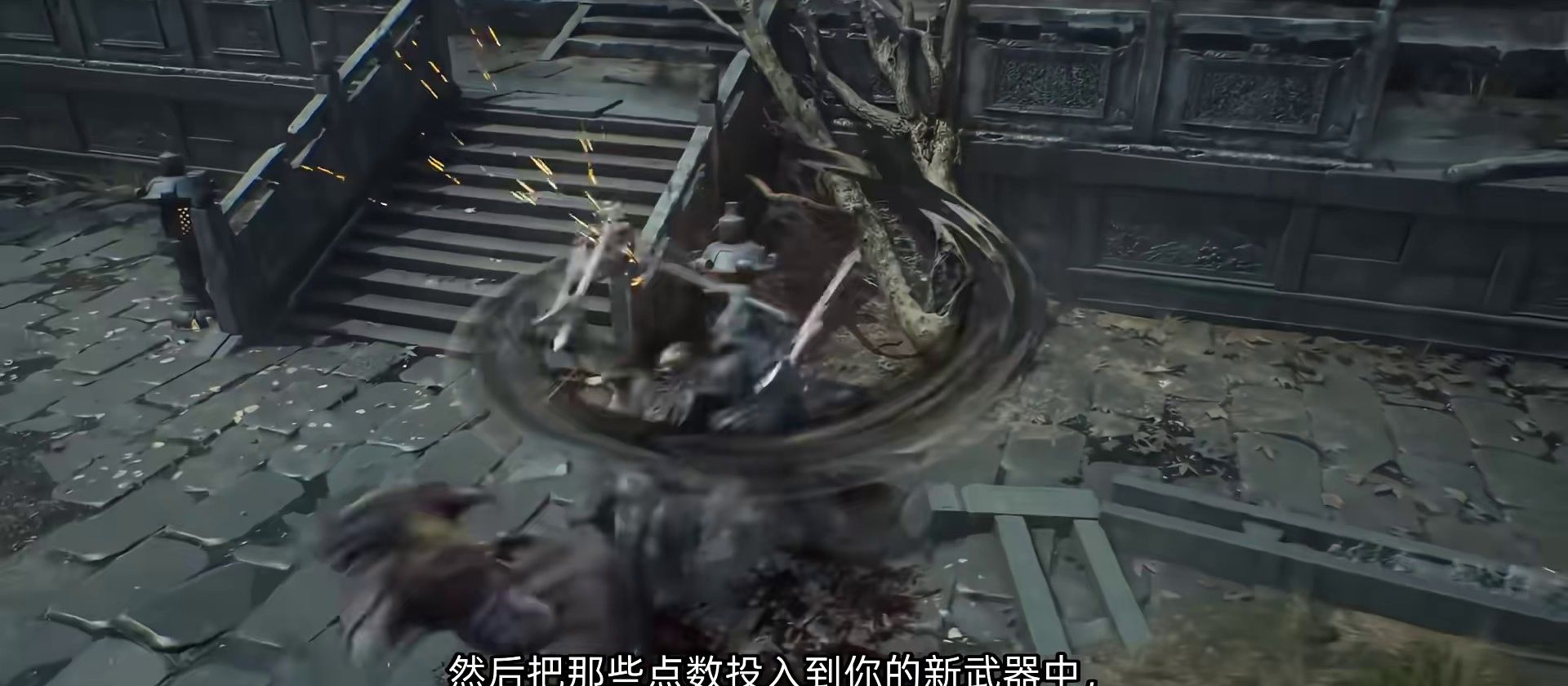
The game is designed with player convenience in mind. The two active Phantom Blades can be used in combat, but during exploration, all you need to do is discover them - Soul will automatically use the right one the moment you press the interact button. It may seem like a minor design choice, but it drastically cuts down on the frustration of constantly digging through menus.
Even more noteworthy, basic enemies you've cleared from the map don't respawn every time you rest at a shrine. If you've already made it past the first phase of a boss and die in the next one, you won't have to repeat that first phase after respawning. I know this is a controversial decision for some, but personally, I actually love it. For those seeking a bigger challenge, higher difficulty levels are available.
6. Progression, Difficulty, and Free Respec: Let Experimentation Replace Anxiety
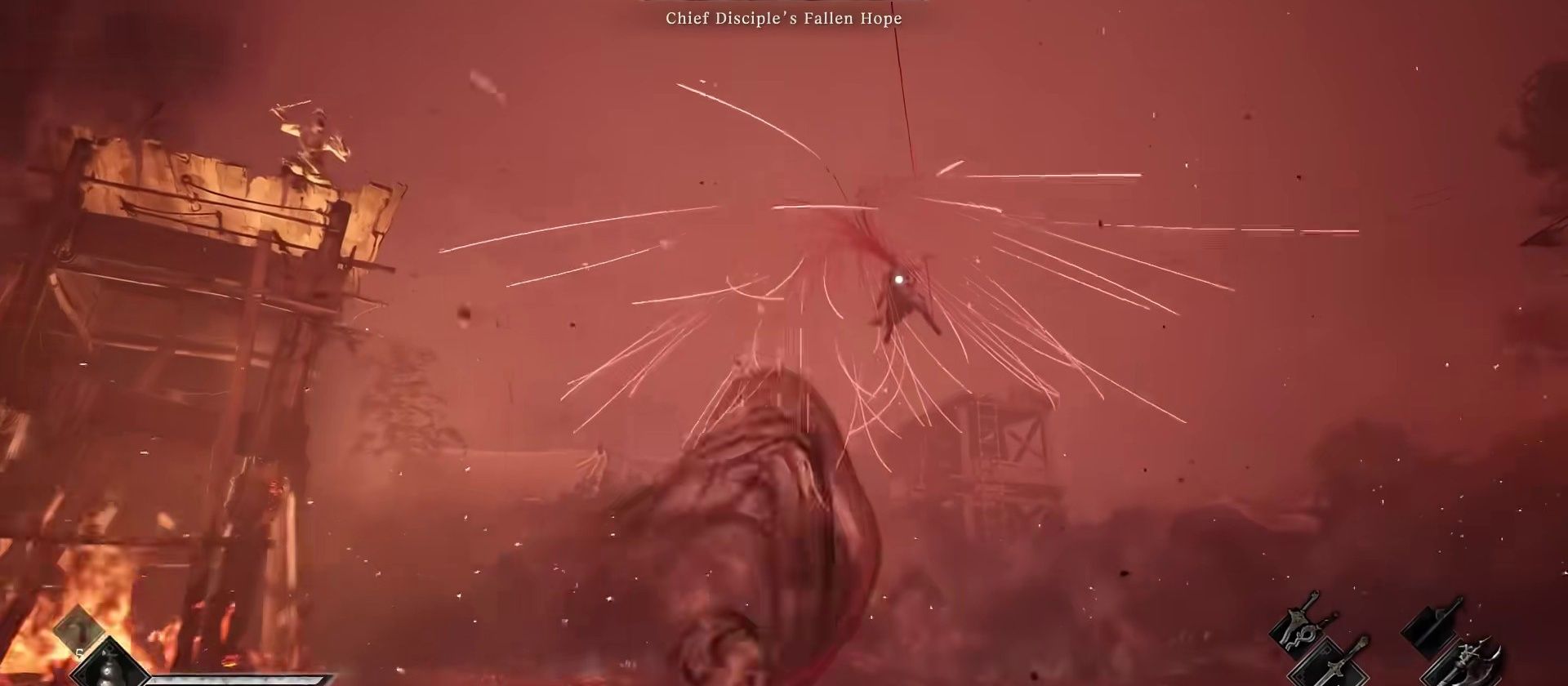
As we make our way through the game, we develop our character's skills. There are 24 visible skills at the start, with 8 more becoming available later on. We can also freely upgrade our weapons, which not only boosts their stats but also lets us unlock their special attributes. Given how many different weapons there are to collect over the course of the game, the developers decided to give us complete freedom when it comes to recouping the points invested in upgrades - free respec at any time.
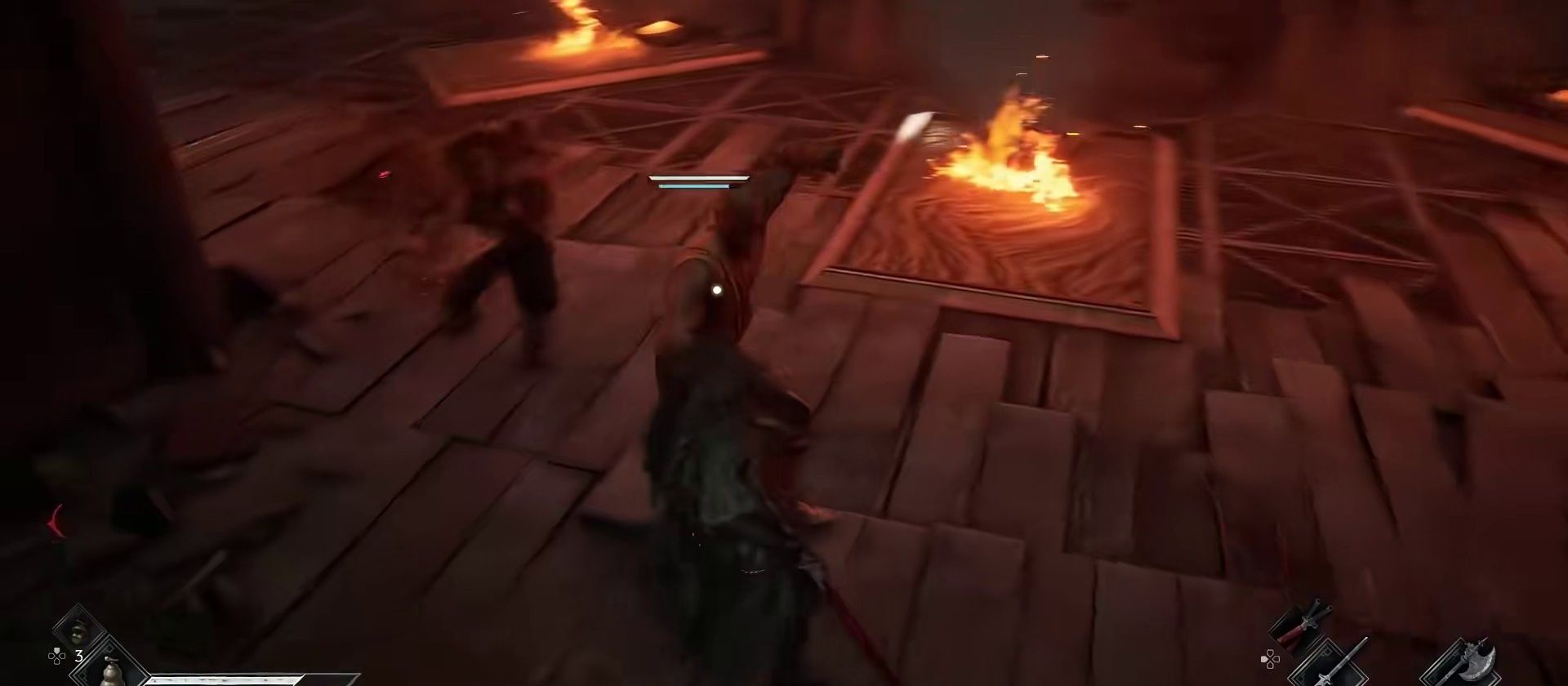
If you want to try building a loadout around a newly unlocked weapon, there's no need to grind from scratch for the right resources. You simply wipe the upgrades off one of your old weapons and funnel those points into the new one. It all comes down to the developers wanting players to experiment with what they acquire and find their own way of playing with the tools they're given.
Free respec isn't a perk - it's a statement of design confidence.
I'll admit, this penalty-free approach to respec actually got me testing far more builds, because I was no longer afraid to sink resources into something only to worry that I might later find that fabled, even better weapon.
The developers claim that a standard playthrough should take around 25 - 30 hours, assuming you don't get stuck on any boss on the way to the ending. That sounds reasonable. Standard difficulty can be challenging at times, but even if you walk away from a boss fight battered and bruised, you always come away having learned something new. The highest difficulty also comes with a 66-day limit - every death permanently claims one of those days, and once you hit zero, your run is over and you have to start over. And if that weren't enough, the developers deliberately left one item in Soul's inventory that they describe as a challenge weapon - a wooden practice sword from back when our hero was still a child.
VII. Beyond Frame Drops and Crashes: A Year-Defining Jolt of Action Fluidity
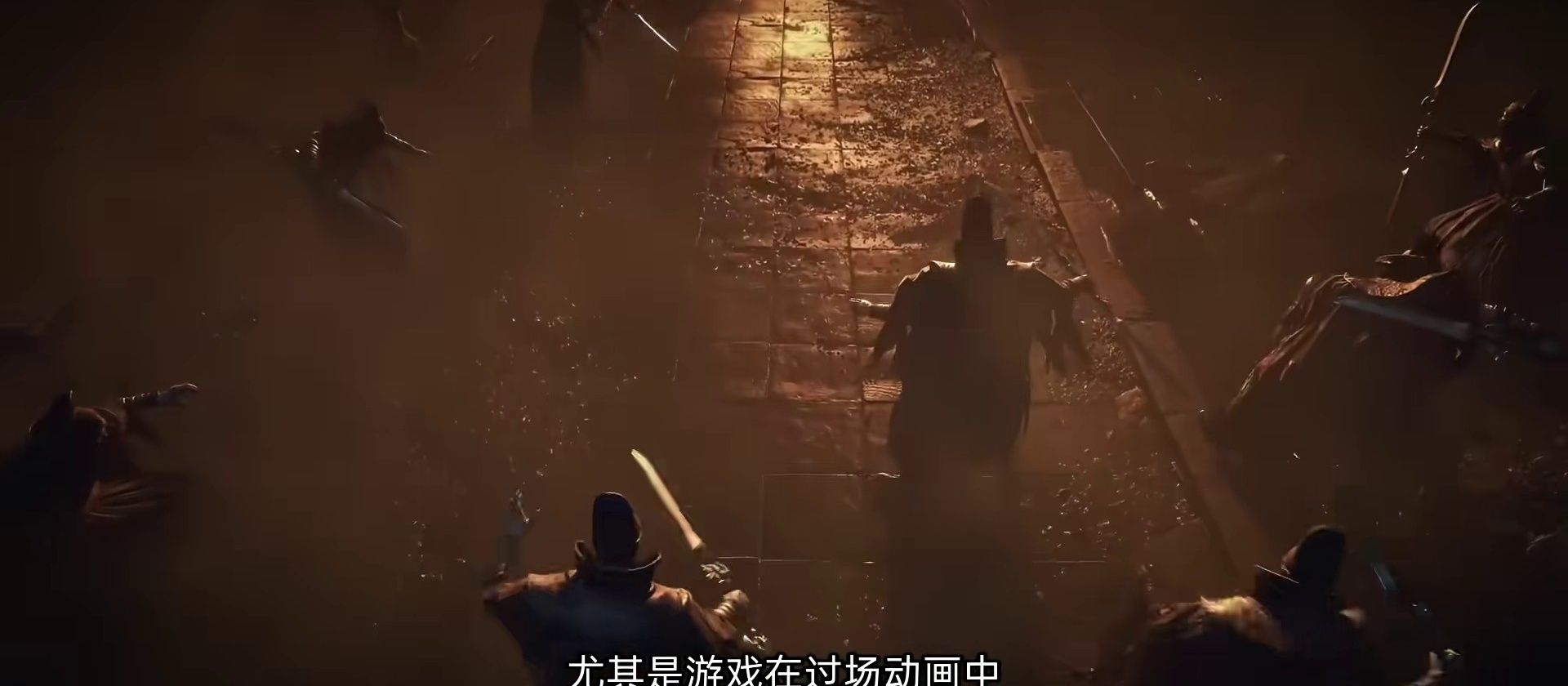
The biggest obstacle I ran into at the event was the occasional frame drop. One boss actually killed me because of it. It must have been some kind of memory leak, because the game then crashed to the desktop. I believe the developers mentioned that the build we played was quite old - three months ago or even earlier - so things have improved a great deal since then. And there's still some time before release.
Given that the frame rate was stable most of the time, I really hope they can polish the performance to perfection, because it has to be flawless. And I wasn't the only one at the event who ran into crashes. For an action game that emphasizes parries, dodges, and rhythm, a stable frame rate isn't a nice-to-have - it's the underlying lifeline.
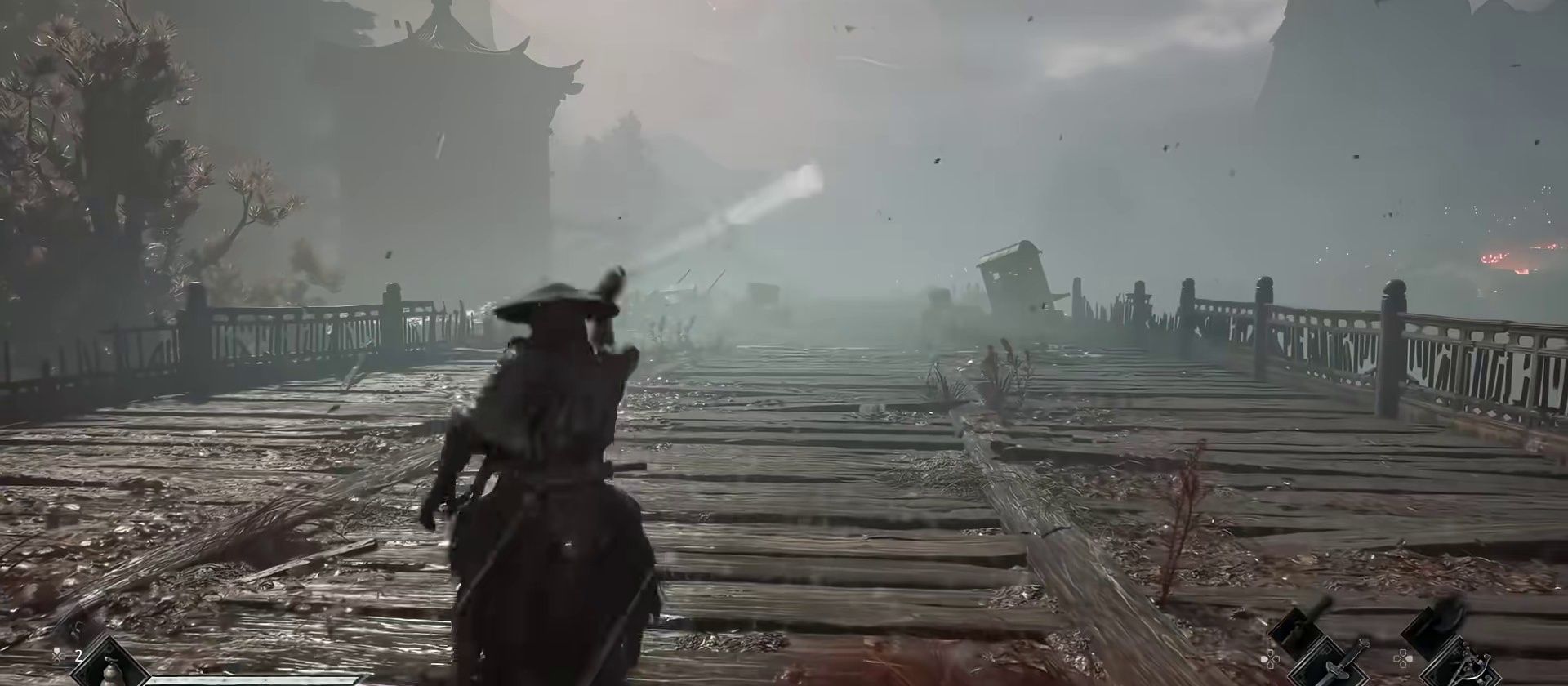
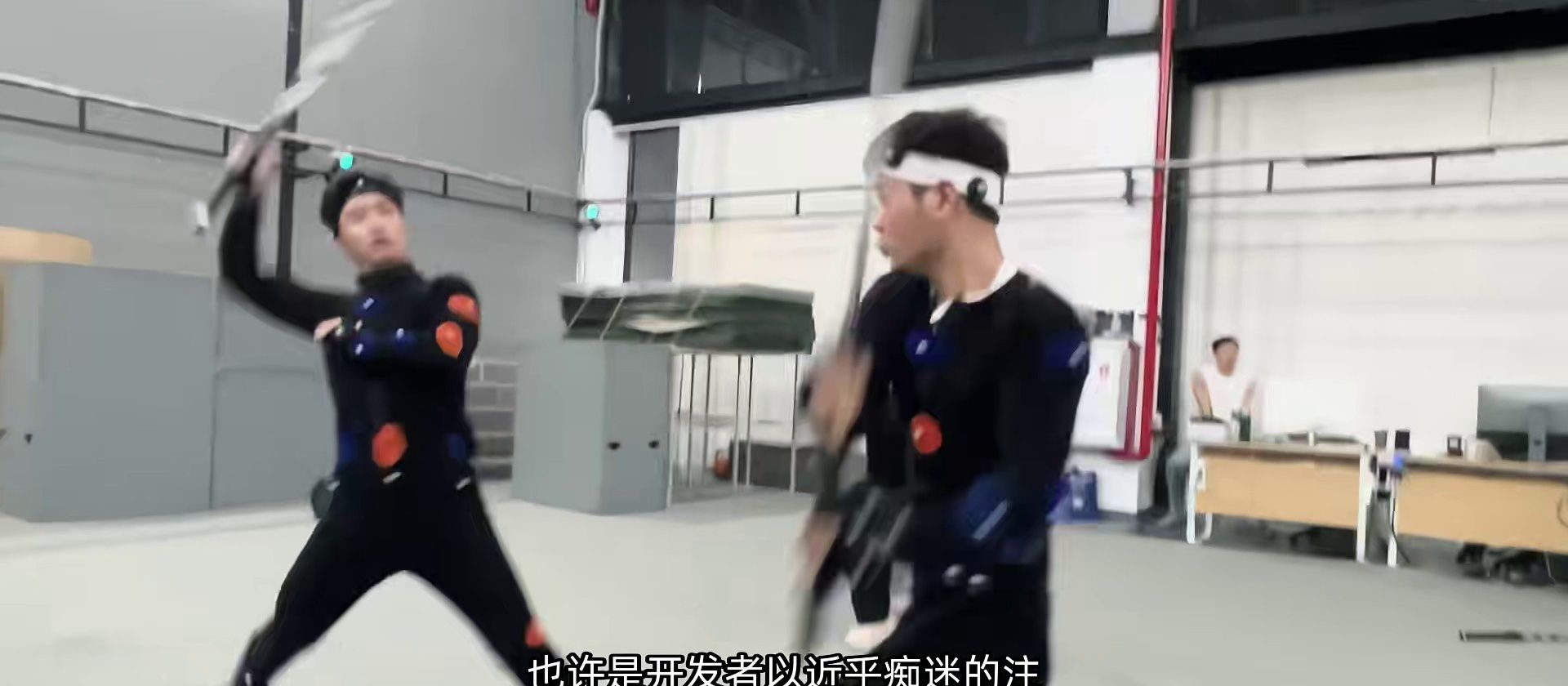
But setting these technical issues aside, the developers captured motion for this game with near-obsessive attention, striving to make the experience as pleasurable as possible and grounding it in a certain degree of realism, while at the same time pushing it past the line where realism ends. That feeling is precisely the charm of '90s martial arts cinema: you know it isn't quite real, but you're willing to believe it.
8. What Makes It a Game of the Year Candidate?
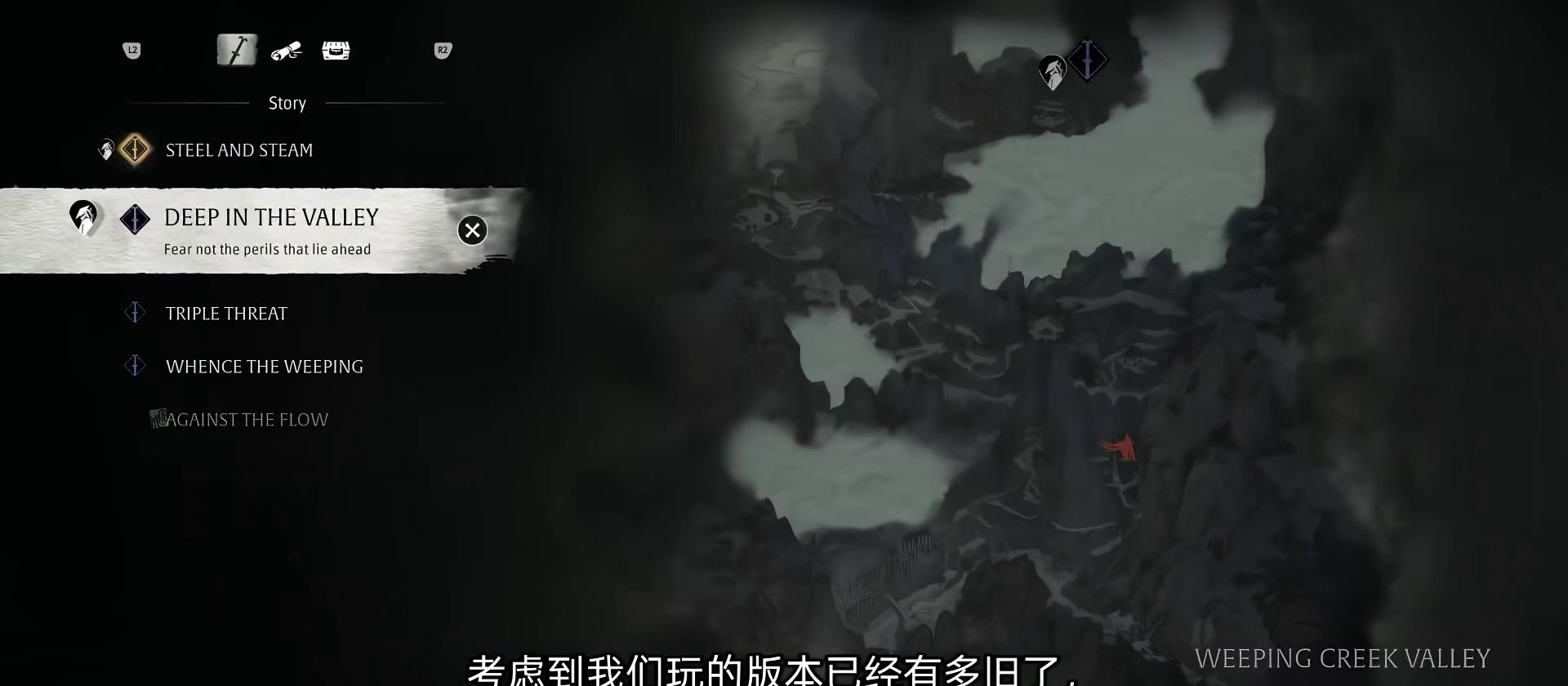
A while back, I was chatting with a female colleague. She said she was surprised by just how hooked I was on Phantom Blade Zero, because it wasn't the kind of game she thought would suit my taste. That stuck with me, because it's absolutely true. I don't usually play this kind of game - it's not my thing.
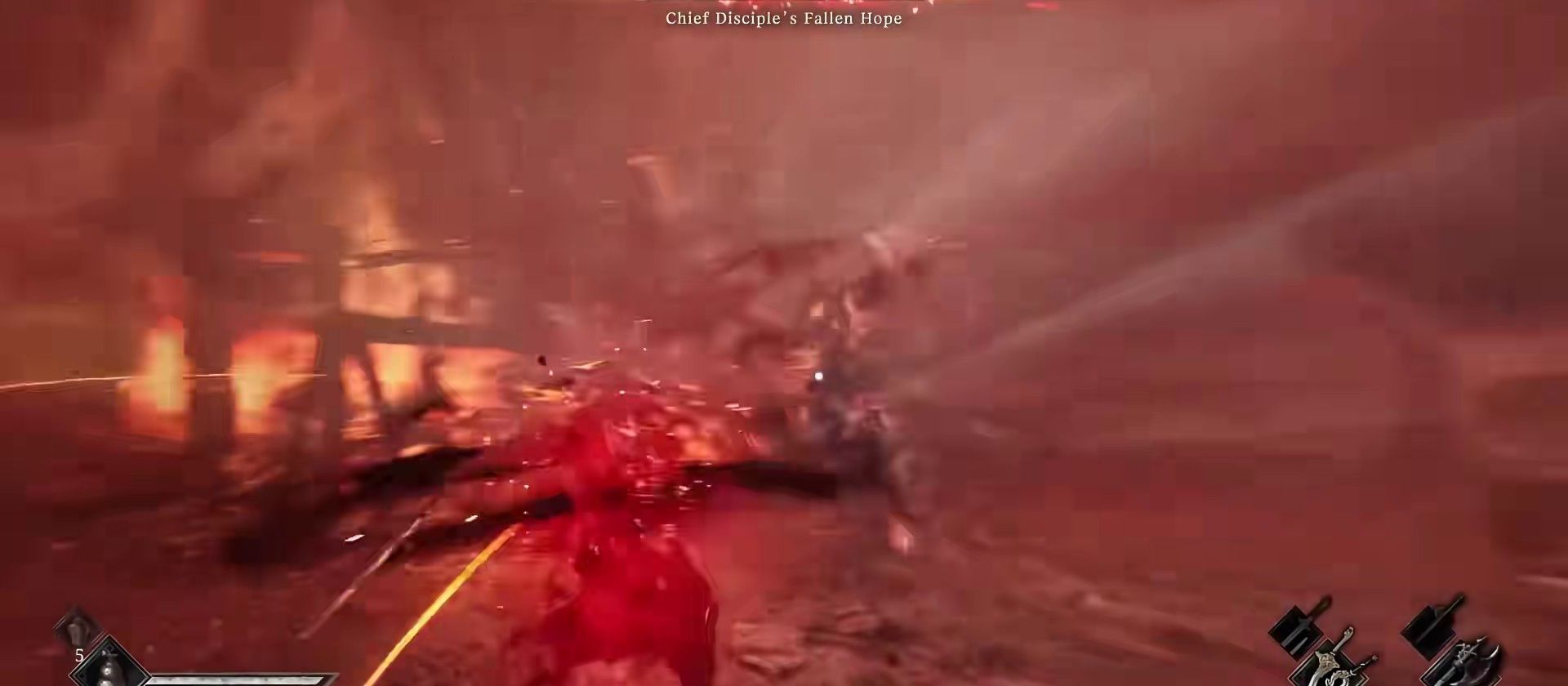
It's hard for me to pinpoint exactly why this particular game managed to stand out among my interests. Maybe it's the unique world the developers call "kungfunk," which blends traditional Chinese martial arts with steampunk and cyberpunk elements, along with body modification. Maybe it's the near-obsessive motion capture that makes every move feel both rooted in reality and transcendent of it. Or maybe it's simply that it looks like a soulslike, yet has chosen to lower the barrier to entry and invite more people into this dance.
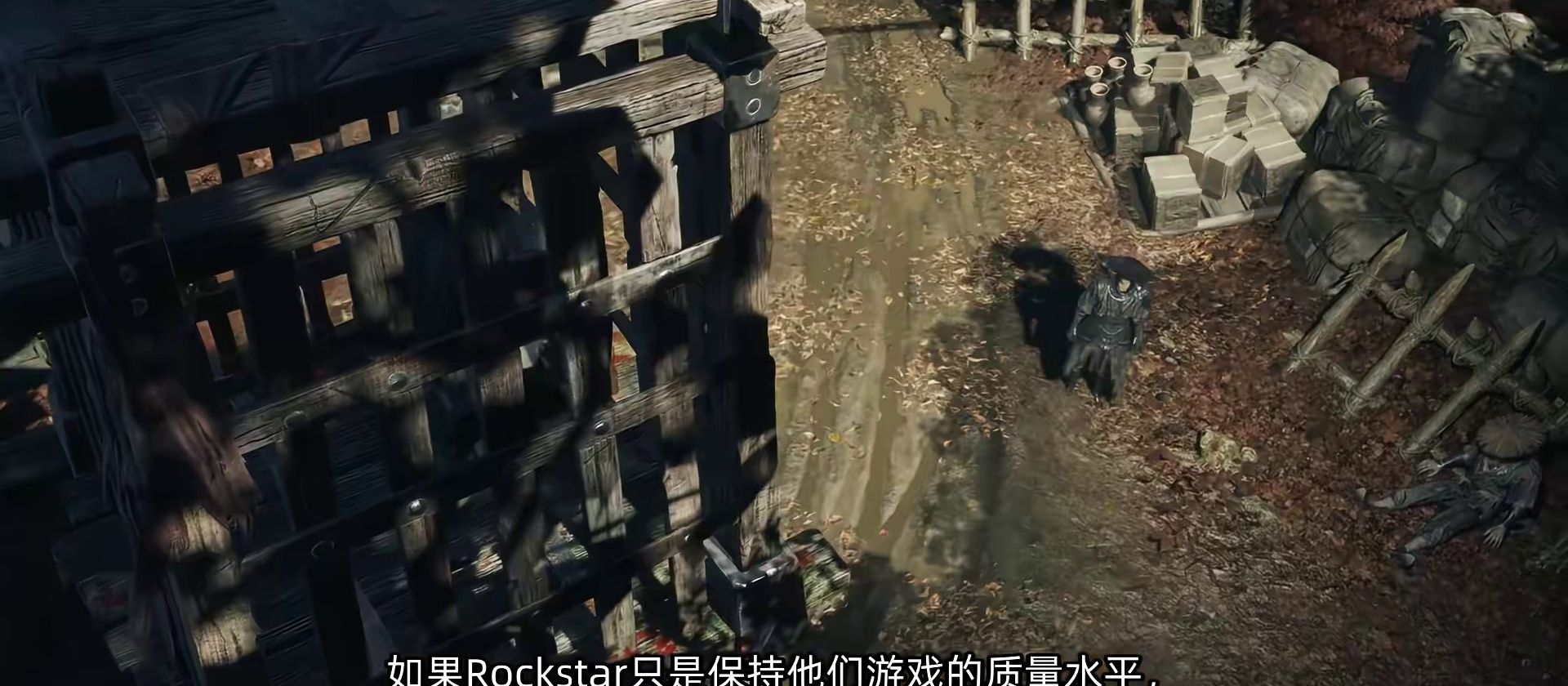
As long as the full release holds steady on performance and scale, it is more than qualified to enter the Game of the Year conversation.
Phantom Blade Zero certainly still has questions to answer: whether the campaign length is sufficient, whether the late-game bosses maintain the same standard, and whether the performance optimization issues can be fully resolved. But the six-hour hands-on demo has already proven that this is no simple soulslike imitator. It has its own rhythm, its own aesthetics, its own ambition. Its sights aren't set on the domestic market alone - with a wishlist count exceeding 3 million, the attention from beyond China is remarkable. If the full release can carry this fluidity forward, it may well be not just a "homegrown blockbuster," but a work that action gamers around the world truly remember.
Top Community Comments
- One player put it bluntly: "Seeing reviews call it yet another soulslike, I had to refund it - I've got genre fatigue." Behind that sentiment lies the overexposure of the soulslike label in today's market. For Phantom Blade Zero, getting the message across that "it's not just another soulslike" may matter more than the combat system itself.
- Others quipped: "Another game from Planet Earth." The joke sounds absurd, but it actually mirrors players' conflicted feelings about "internationalized storytelling" now that homegrown games keep pushing into the global market: eager anticipation mixed with wariness.
- Still others questioned the game's length: "6 hours for two chapters, 24 hours for all 8 - done in a day. The length is a fail; instant flop." Extrapolating from the demo's pacing, the main story's scale may fall short of some players' expectations, but the developers claim a standard playthrough runs about 25-30 hours; the actual pacing and level density will still need to be verified in the full release.
📌 One-Line Takeaway
Phantom Blade Zero spent six hours proving one thing: it may look soulslike on the surface, but at its core it's a high-speed, dazzling kungfunk action feast - low barrier to entry, high skill ceiling. As long as the full release holds steady on performance and scope, it has every right to enter the Game of the Year conversation.