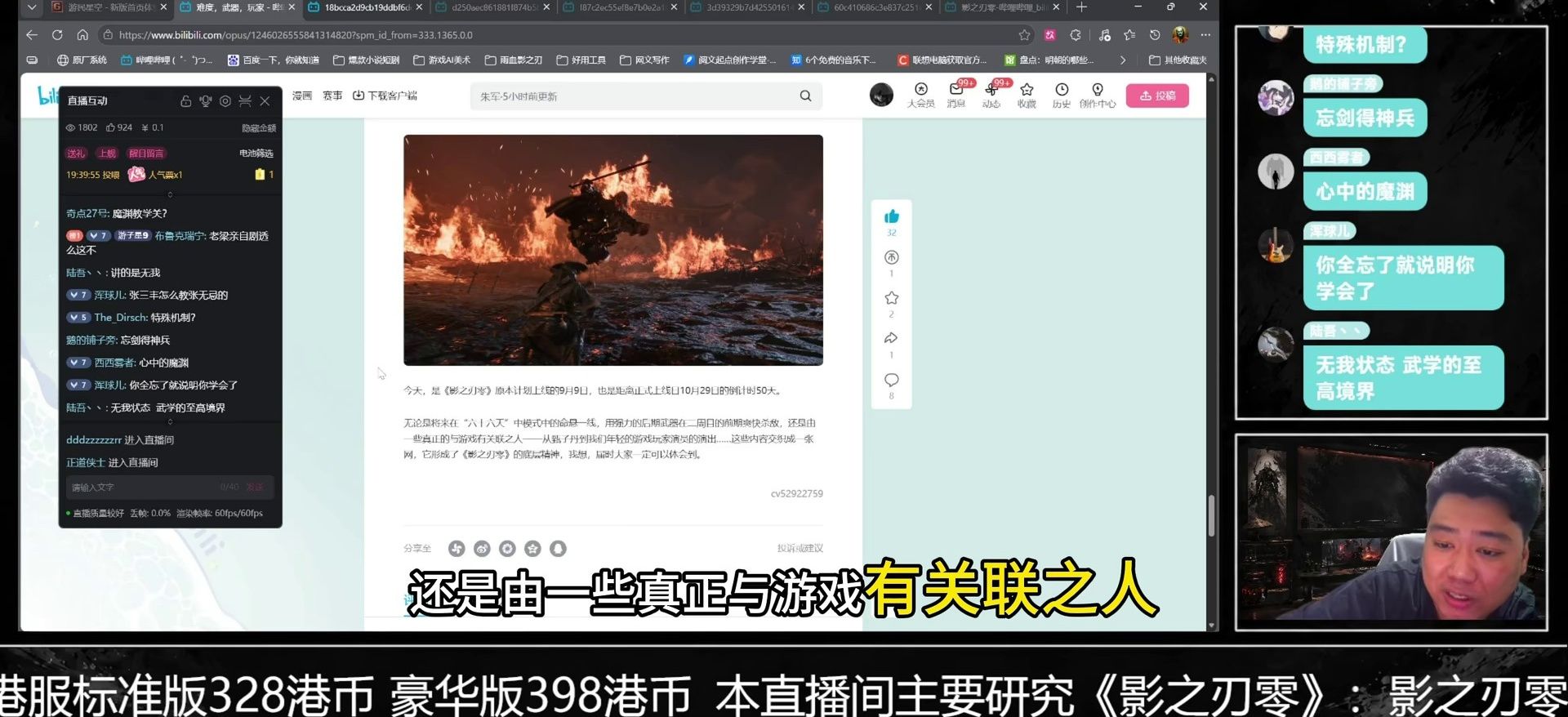
Phantom Blade Zero's Difficulty Revolution: Platinum on a First Playthrough, the 66-Day Mode, and Ambitions for Weapon Depth
Phantom Blade Zero producer Liang Qiwei has once again ignited player discussion with a long-form post. This time, he isn't talking about visuals or trailers, but about difficulty, saving, achievements, and weapon progression - nearly every one of which strikes at the most sensitive nerve of the action genre. S-GAME's answer is remarkably bold: the Platinum can be earned on a first playthrough, the 66-Day Mode carries no achievements, and the game only truly begins on the second playthrough. It's an attempt to solve an age-old problem: how can a hardcore action game avoid scaring off newcomers without leaving veterans feeling it's shallow?
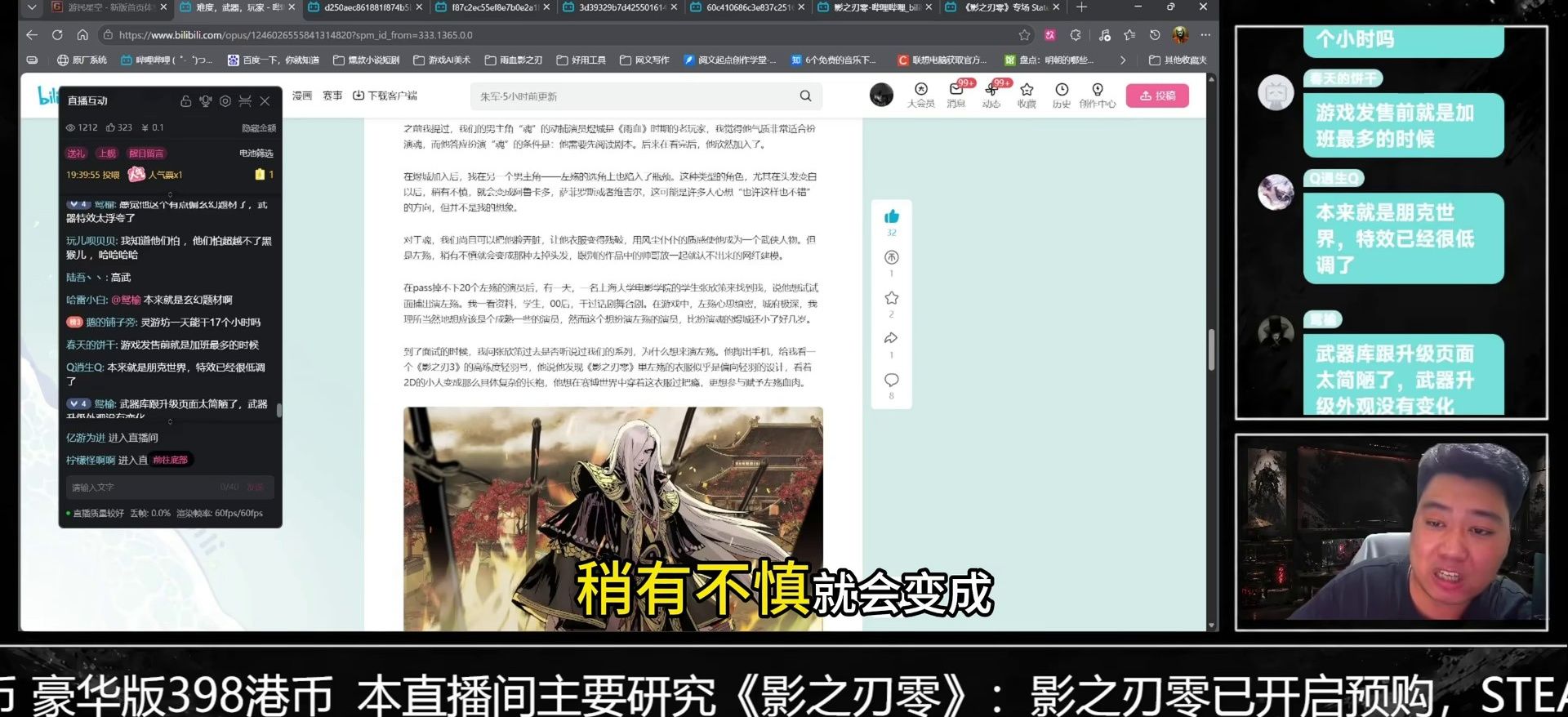
Judging from the information disclosed so far, Phantom Blade Zero isn't content to be an action game "only experts can enjoy." It's more like redrawing the contract between player and game: want to casually soak in the jianghu? Go right ahead. Want the jianghu to grind you down? That's on the table too. The key is that, for the first time, the power of choice is being handed back to the player this explicitly.
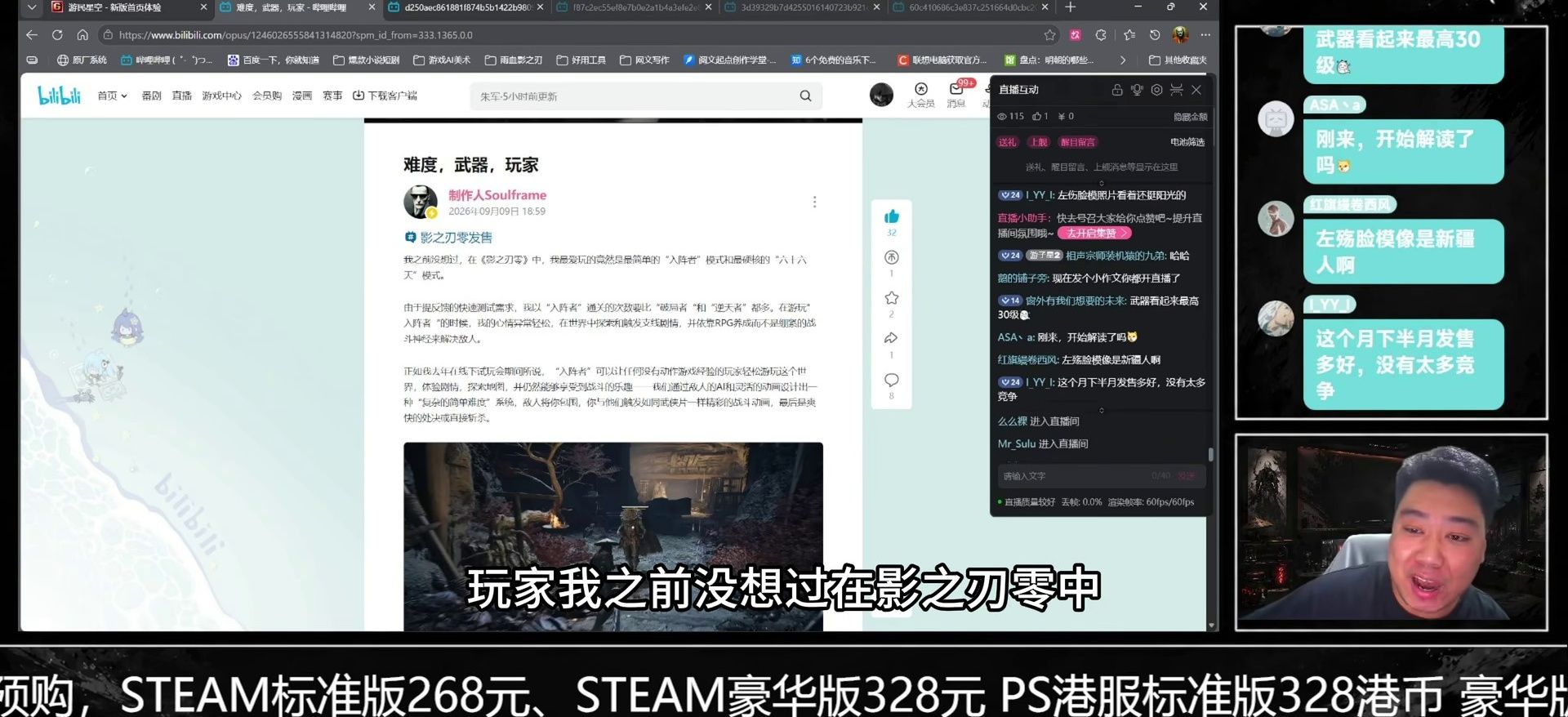
Platinum in One Playthrough: Giving the "Right to Beat the Game" Back to Everyone
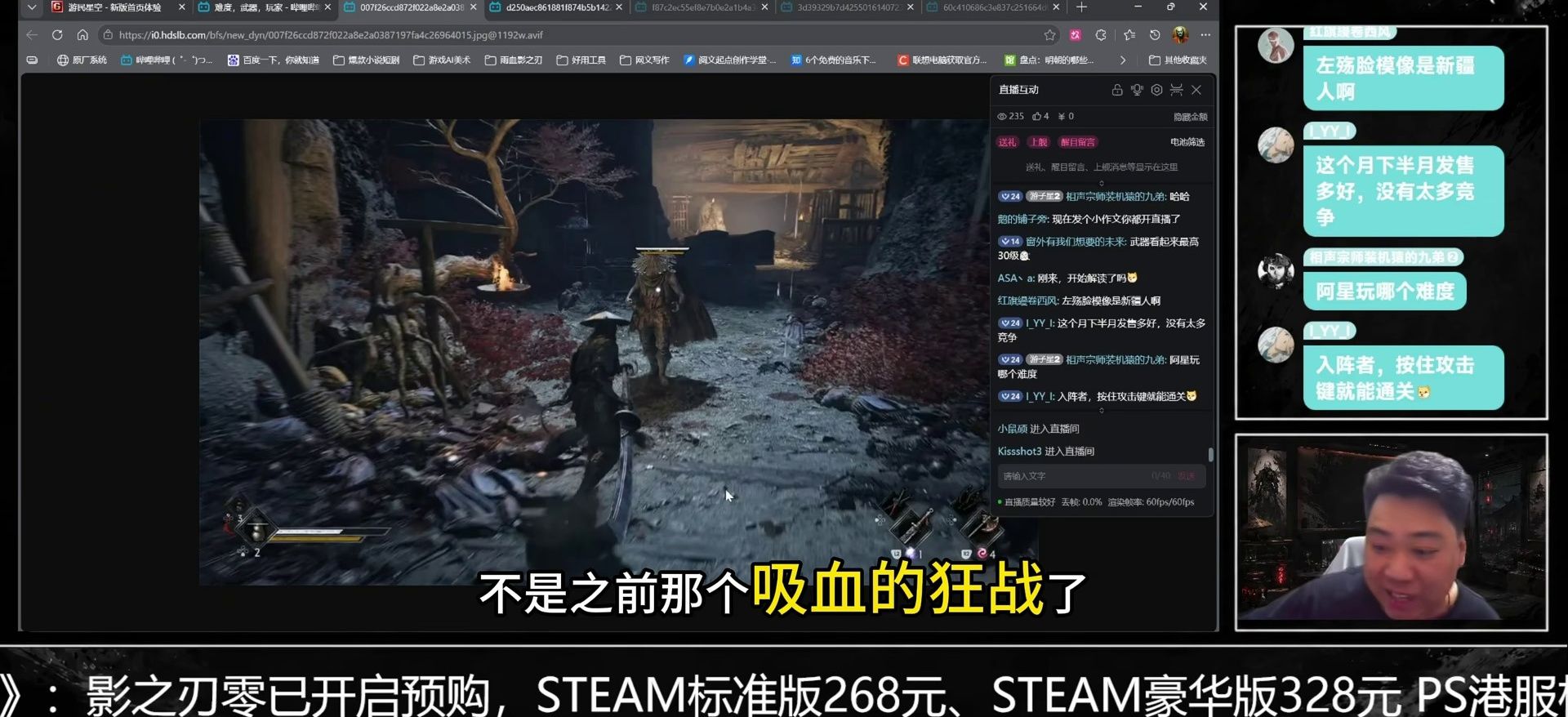
Liang Qiwei mentioned that, surprisingly, his personal favorites are the two extremes: the easiest mode, Entrant, and the most hardcore one, 66 Days. He has cleared Entrant even more times than Breaker or Defier. It sounds like a joke, but it reflects the fundamental stance behind Phantom Blade Zero's difficulty design: easy mode is no perfunctory afterthought, but a complete, playable, and dignified experience.
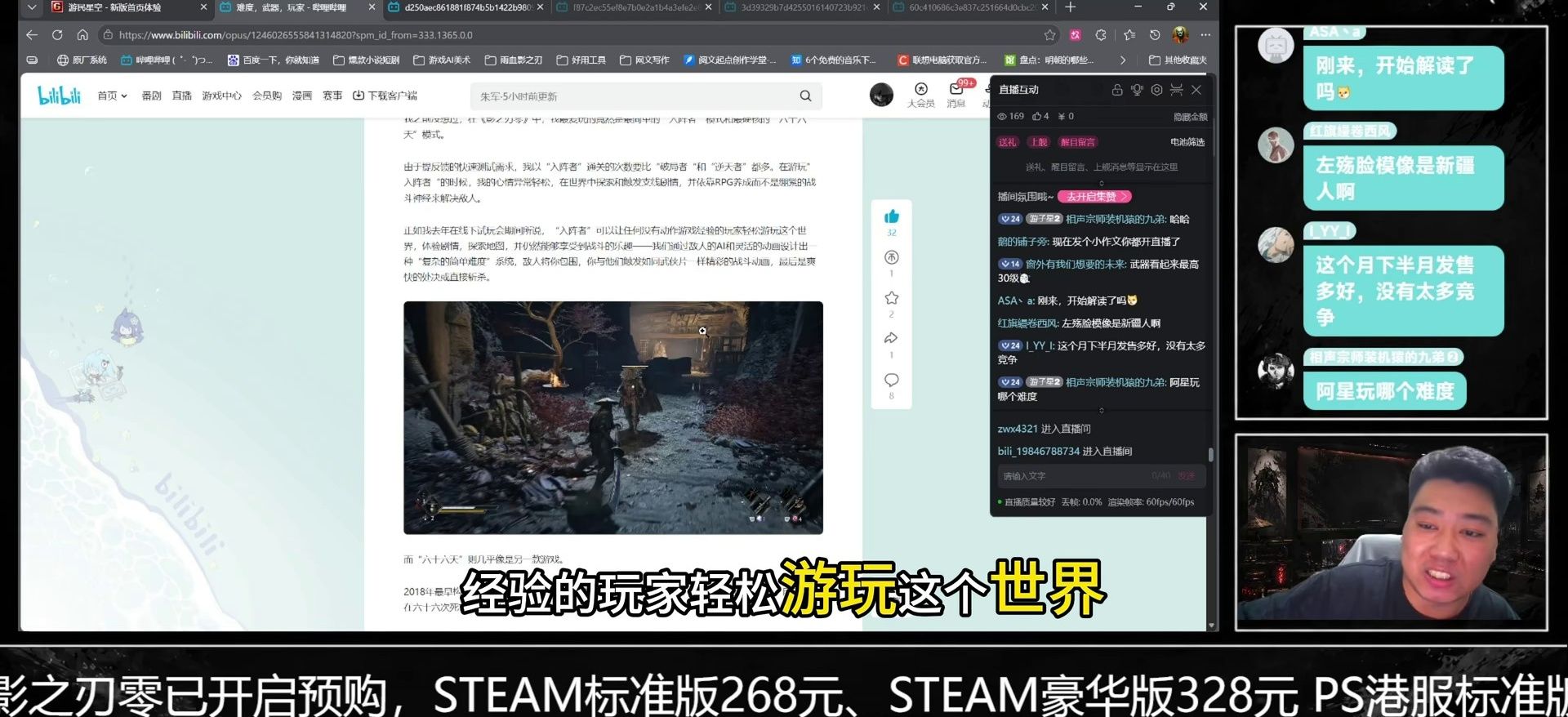
In Entrant mode, players can lean on RPG progression instead of keeping their combat nerves on a knife's edge to take down enemies. Enemy AI and animations are designed as a kind of "complex easy-difficulty system": when you find yourself surrounded, combat triggers attack-and-defense sequences as spectacular as a wuxia film, ending in a satisfying execution or a clean, decisive kill. Liang Qiwei puts it bluntly:
Entrant lets any player with no action-game experience comfortably play through this world, experience the story, explore the map, and still enjoy the thrill of combat.
More importantly, every achievement can be earned on the first three difficulties. Even if you clear the entire game on Entrant, you can still unlock all achievements within a single playthrough - including the Platinum trophy. This all but overturns the action genre's long-standing unwritten rule: Platinum should not be the exclusive property of hardcore players. Taking on the ultimate combat challenge is a choice made for its own sake, not the only path you are forced onto by trophies.
Three Difficulty Tiers and 66 Days: From "Unwinnable" to Player Choice
When Liang Qiwei first conceived Phantom Blade Zero in 2018, what he actually wanted to make was a game with no way to opt out of its brutal difficulty: players would meet their end after 66 deaths. Each restart, with skills sharpened, might bring them closer to the ending than the last. It sounds romantic, but as one long roguelike run, it could mean spending 20 to 30 hours only to die permanently once the attempts ran out. For most players, it would be a game that could never be cleared - nothing but endless frustration and torment.
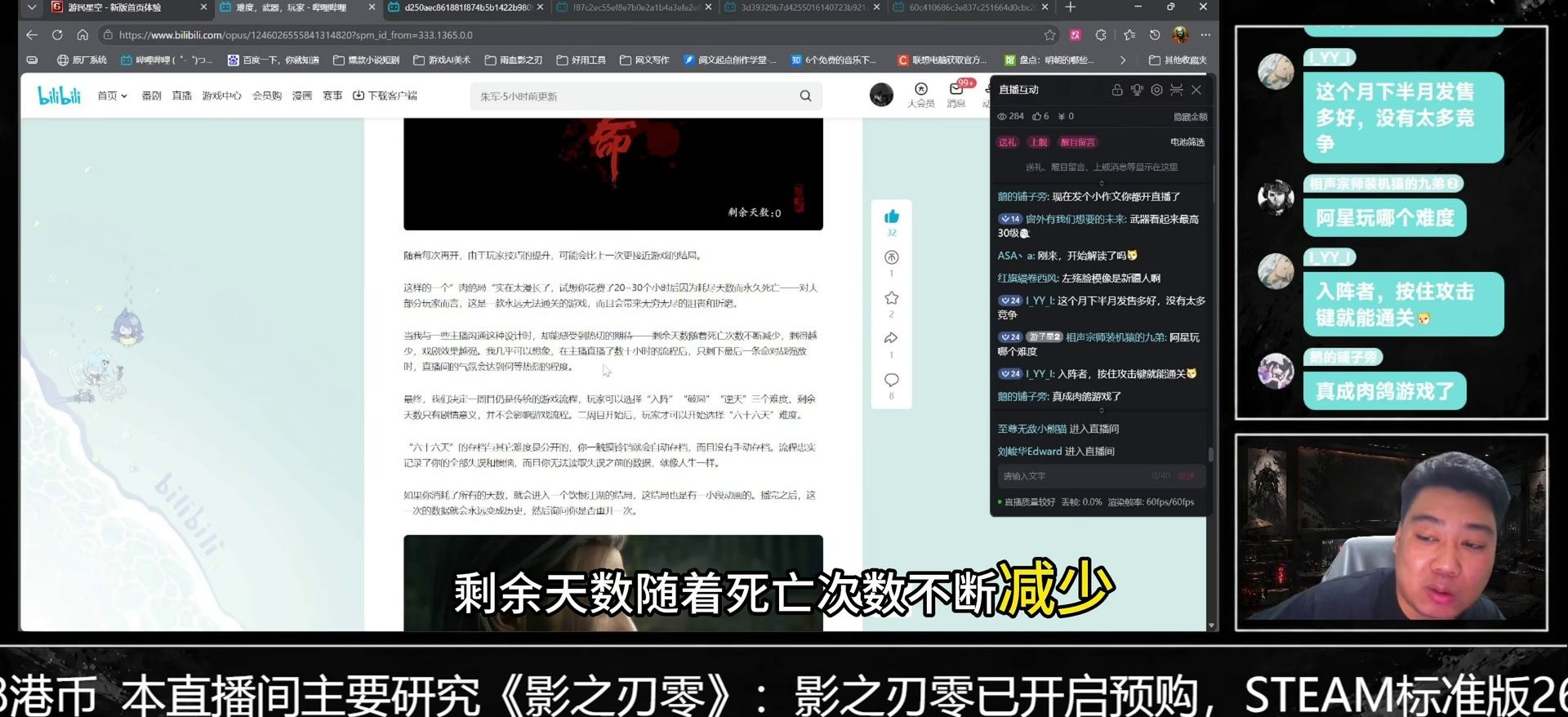
Yet when he ran this design by a few streamers, he was met with eager anticipation. The remaining days would dwindle with every death - and the fewer that remained, the stronger the drama. He could almost picture it: after dozens of hours streamed live, a streamer down to their final life against a formidable foe, and just how electric the atmosphere in that stream would become. In the end, the team decided: the first playthrough would remain a traditional game experience, with players choosing among three difficulties - Entrant, Breaker, and Defier - while the remaining days carried narrative significance only and had no effect on the run. Only from the second playthrough onward could players formally take on the 66-day difficulty.
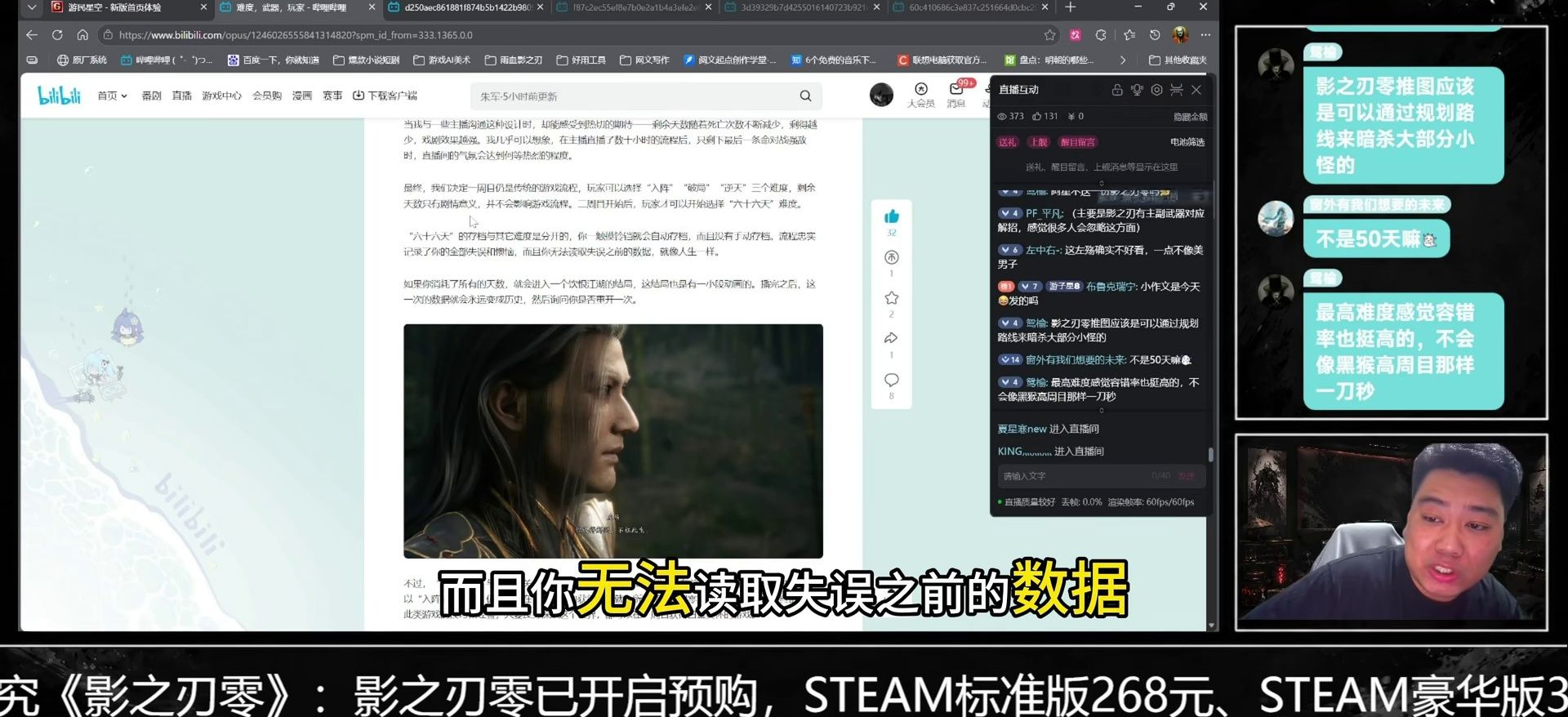
The 66-day save is kept separate from the other difficulties. The moment you touch the mourning hall, the game autosaves - and there is no manual saving. The run records every one of your mistakes and regrets, and you cannot load data from before a blunder. Liang Qiwei put it in weighty terms:
Just like life itself.
If you burn through every last day, you unlock an ending that affects the jianghu. Once it plays out, that run's data becomes history forever, and the game then asks whether you want to start over. Diabolical - but also incredibly dramatic.
Auto-Save Like Life Itself: The Brutality of 66-Day Mode and Its Livestream Drama
What makes 66-Day Mode truly brutal isn't just the difficulty - it's the irreversibility. Modern games are accustomed to smoothing over mistakes by reloading a save, but 66-Day Mode pulls the safety net away. Every greedy attack, every misjudgment, every wasted resource is remembered by the system. That is precisely what makes it a natural fit for livestreams and short-form video: what viewers watch isn't a straightforward playthrough, but how a person makes decisions under pressure with no way back.
That said, 66-Day Mode has nothing to do with achievements. Liang Qiwei has stated clearly that every achievement in Phantom Blade Zero can be earned on the first three difficulty settings. This means hardcore mode is no longer a mandatory item on the trophy list, but a trial you step into voluntarily. Those who love it can treat it as the ultimate challenge; those who don't won't be robbed of their sense of accomplishment because of it.
This also explains why he cares so much about the game's appeal on stream. The fewer days remaining, the greater the dramatic tension; when the final life goes up against a powerful foe, the livestream hits a natural climax. The catch is that this design hinges on streamers being willing to stick around. If large numbers of them move on to other major releases after a single playthrough, then the entertainment value of 66-Day Mode is nothing more than the producer's wishful thinking. This contradiction is precisely the most fascinating aspect of Phantom Blade Zero's difficulty philosophy to observe.
White Python & Crimson Serpent: A Growth Revolution of the Twin-Serpent Dance and the Crimson Serpent Mark
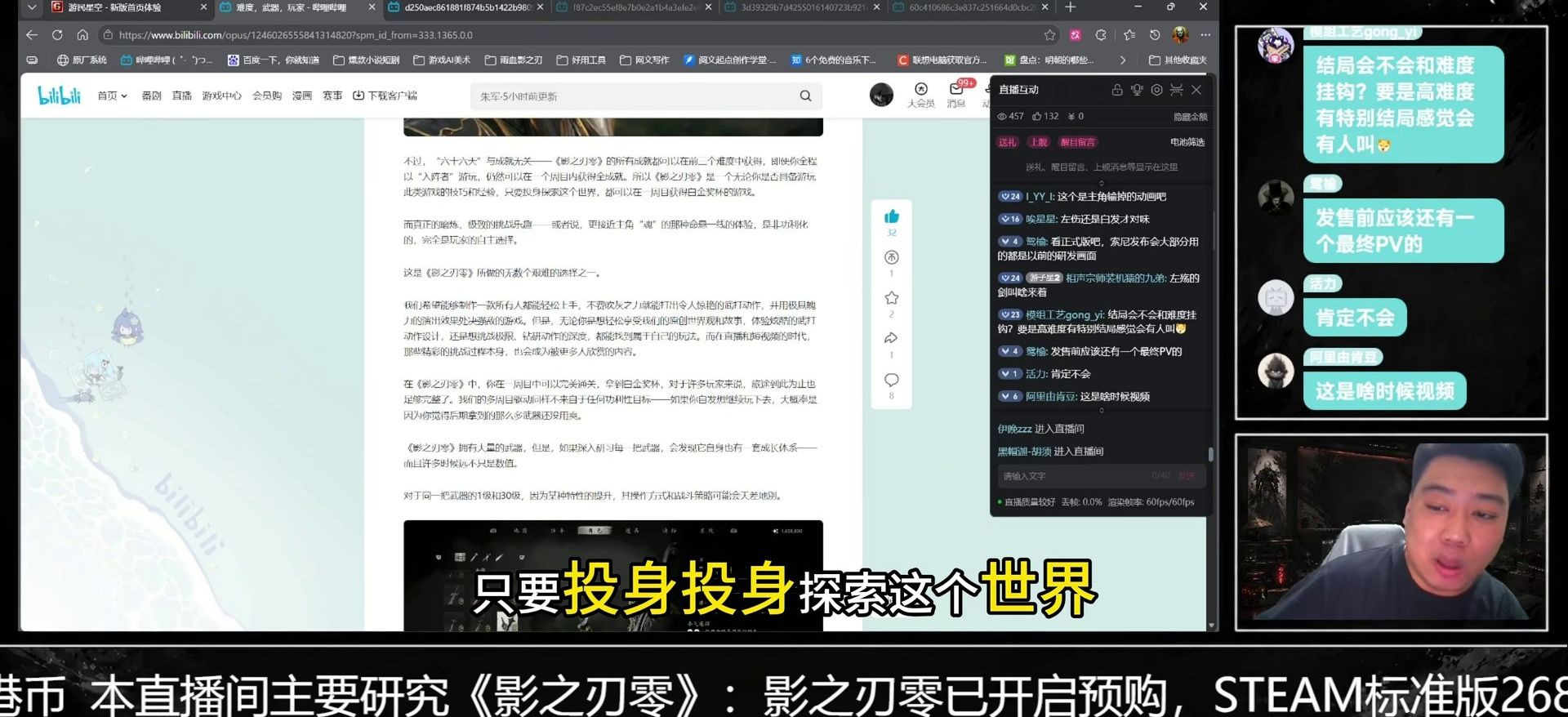
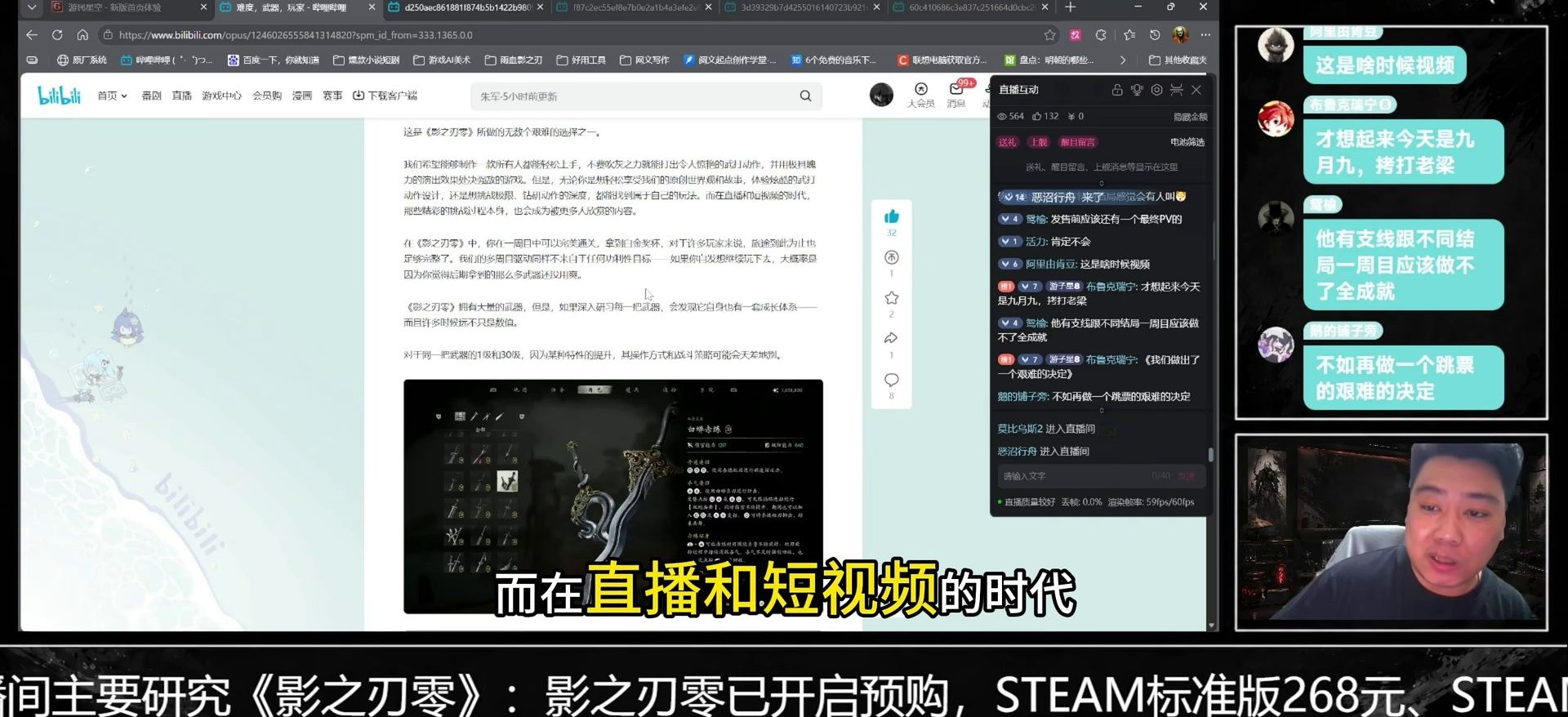
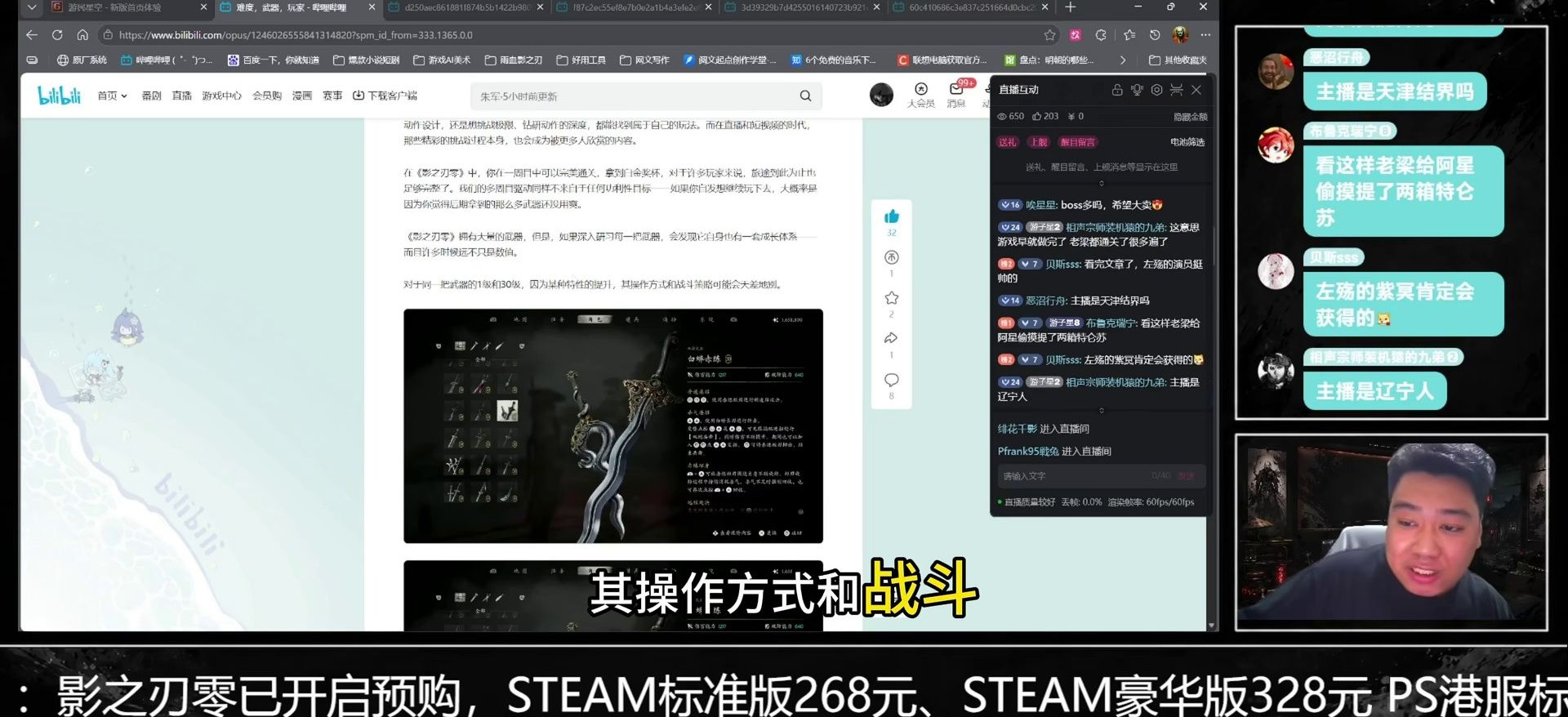
Phantom Blade Zero features a large arsenal of weapons, and each one has its own progression system. Liang Qiwei stressed that in many cases, this goes far beyond stats. The same weapon at level 1 and level 30 can differ drastically in handling and combat strategy thanks to improvements to certain traits. The White Python & Crimson Serpent is the best example.
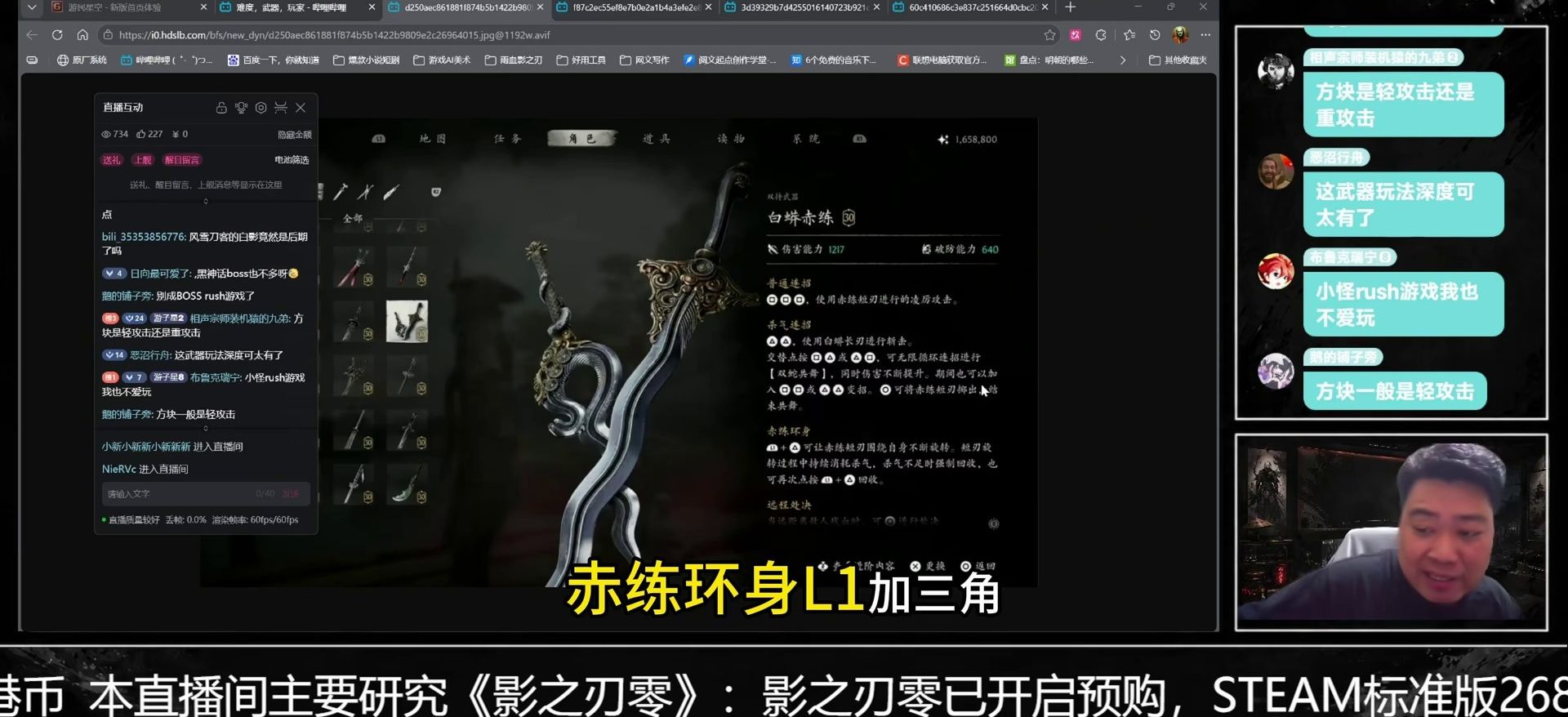
This is a dual-wield weapon with a damage stat of 1217 and a defense stat of 640. The normal combo uses the Crimson Serpent short blade for spirit attacks, while the killing intent combo uses the White Python long blade for slashes. Alternating between Square-Triangle and Triangle-Square lets you loop the combo indefinitely, performing "Twin Serpent Co-Combat" as damage steadily climbs. Along the way, you can also weave in Square-Square or Triangle-Triangle combo variants to hurl the Crimson Serpent short blade, ending the co-combat, then recall it with "Crimson Serpent Return."
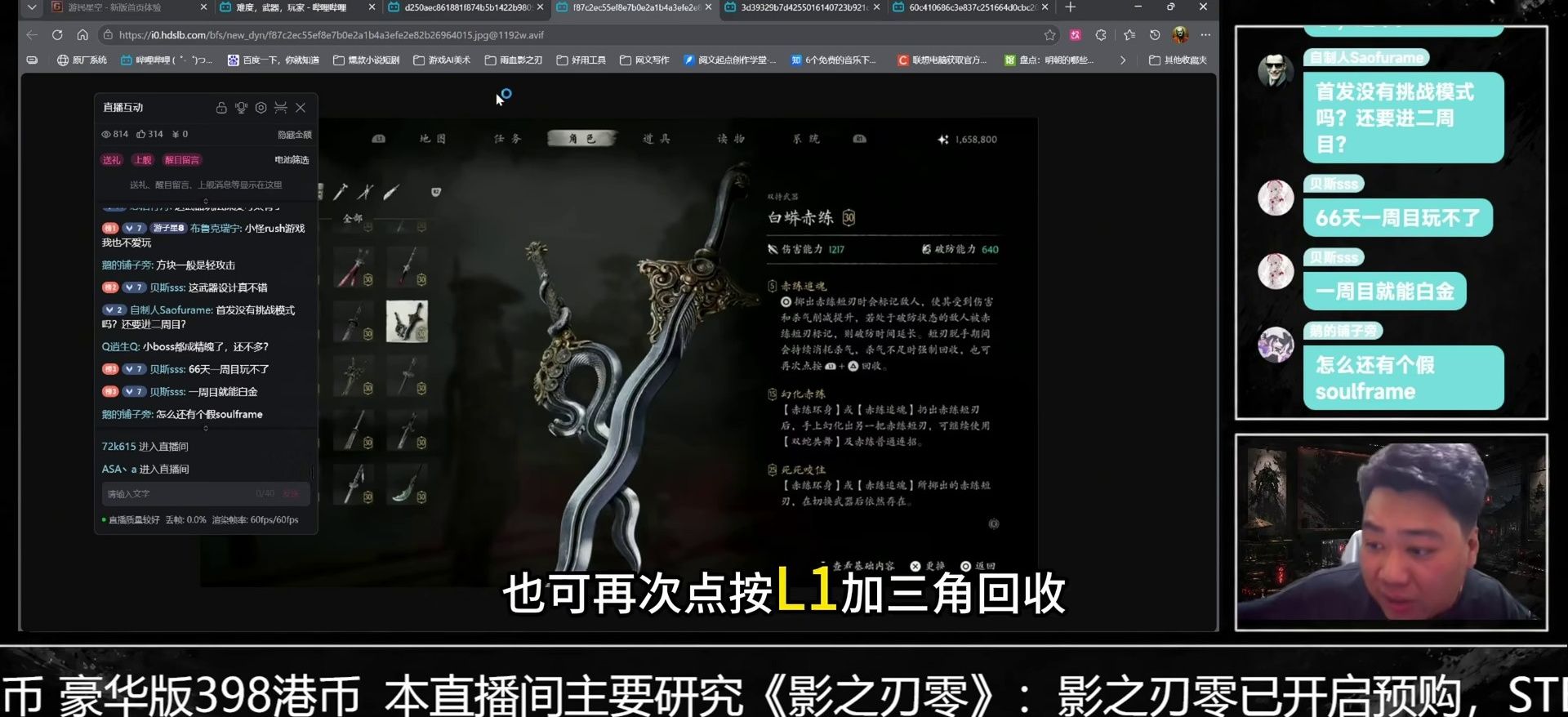
Pressing L1 + Triangle sets the Crimson Serpent short blade spinning continuously around your body, draining killing intent throughout; when killing intent runs low, the blade is forcibly recalled, and you can also recall it manually by pressing L1 + Triangle again. When a distant enemy is low on health, you can press Circle for a ranged execution. The level 5 skill "Crimson Serpent Soul-Chase" marks enemies when the short blade is thrown, dealing damage to them and reducing their killing intent; if the enemy is in a guard-broken state, the mark also extends the guard-break duration. The level 15 skill "Crimson Serpent Manifestation" is even more dramatic: after you throw the Crimson Serpent short blade, another one materializes in your hand, letting you keep using Twin Serpent Co-Combat and normal combos. After level 25, the Crimson Serpent orbits your body continuously - even if you switch weapons, it keeps spinning - and marking an enemy instantly boosts your damage. As a result, pairing a high-damage weapon with the Crimson Serpent mark is enough to deal double damage.
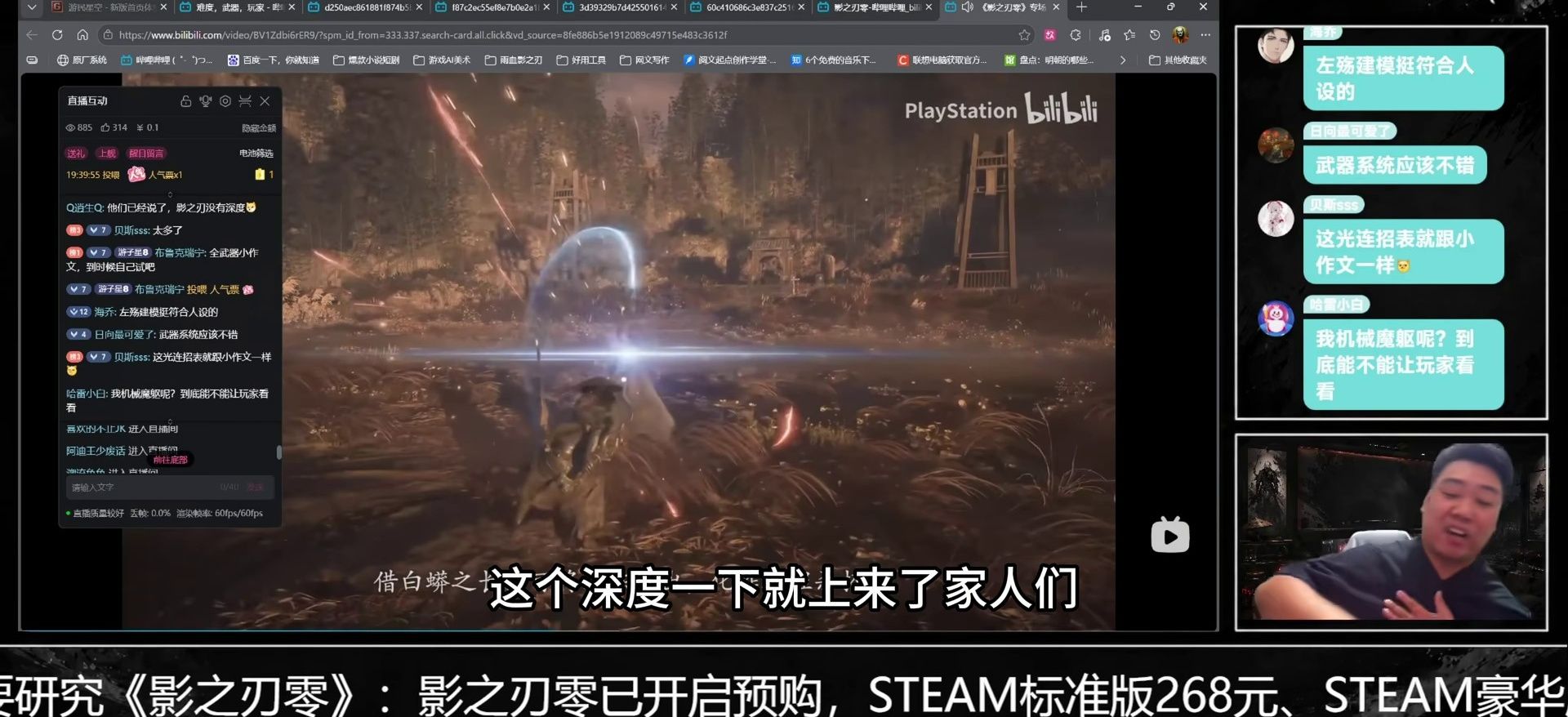
This design means weapon upgrades are no longer just stat inflation, but a straight upgrade to gameplay. A weapon goes from "usable" to "an entirely different way of fighting" - and that is the most captivating kind of growth an action game can offer.
White Shadow and Weapon Counters: Crowd Control, Freezing, and One Wooden Sword to Rule Them All
Nearly every weapon has a counter relationship against certain enemies. For example, the water tank counters fire-spitting enemies - spray the water and the flames are gone; but against water-ghost-type enemies, the water tank loses its effectiveness. Purpose-built counter weapons are naturally the optimal choice, but Liang Qiwei also allows players to try taking a single weapon through the entire game - even the weakest wooden sword of all.
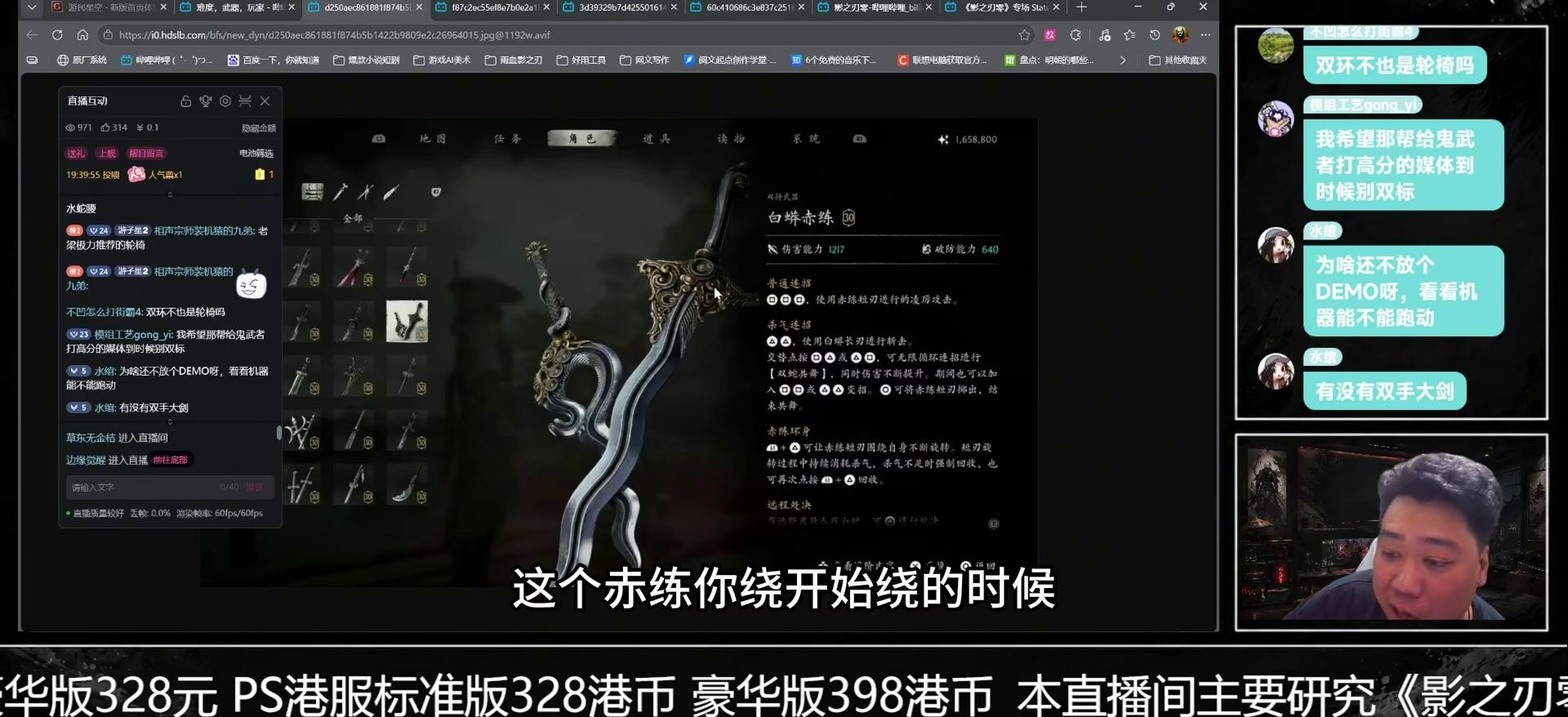
Many weapons come from boss drops. Weapons from late-game bosses often see little use during a first playthrough; the weapons of the final boss and hidden bosses can even end up as mere collectibles. Yet the team still built these late-game weapons out one by one. Since they come from late-game bosses, they are necessarily more powerful in the lore, and often feature extensive motion capture and more complex mechanics. It's just that this content can only be fully experienced in a second playthrough.
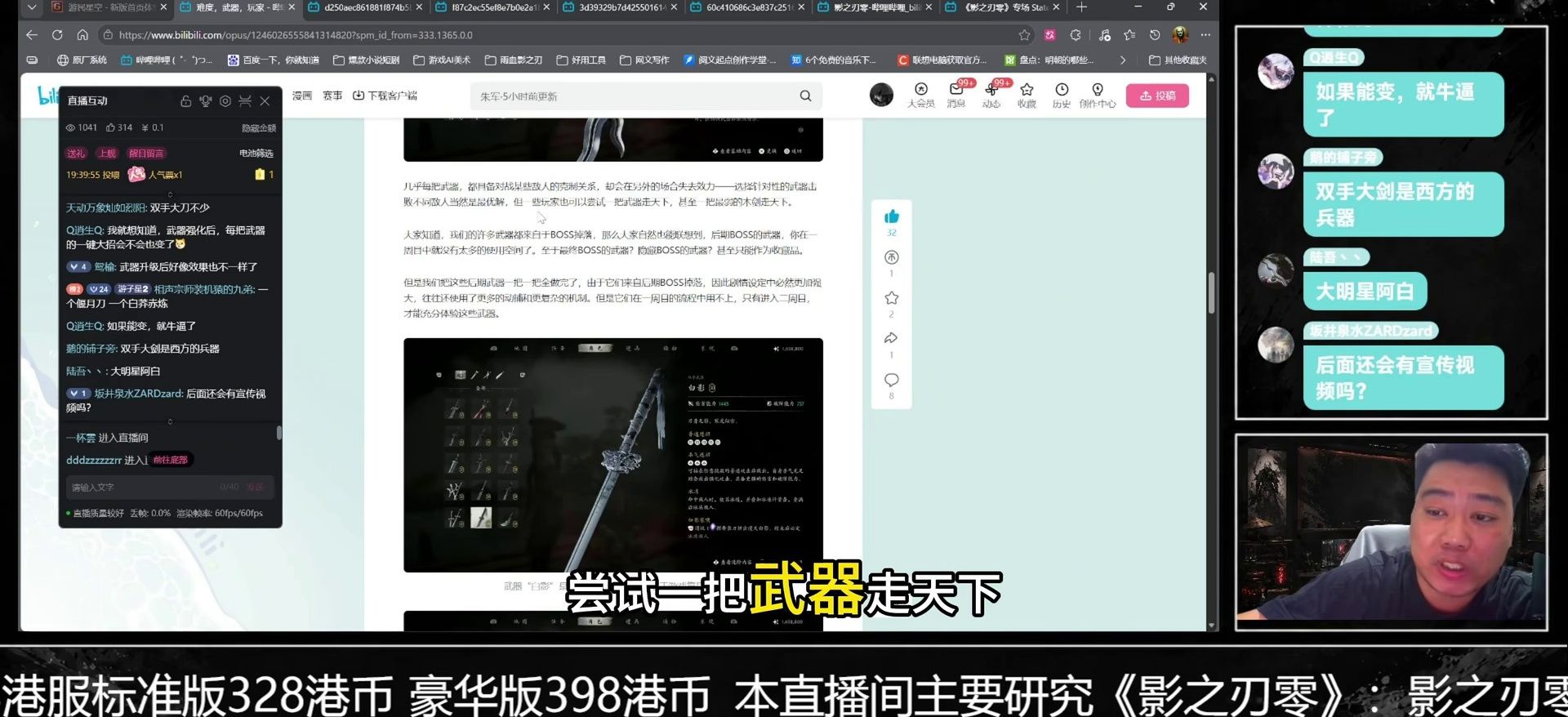
White Shadow is a typical late-game weapon. It is a slender miaodao obtained late in the game, its blade a martial shadow, its cold gleam like snow. Its normal combos and killing-intent combos can be chained into each other, and when your own killing intent is sufficient, you can unleash an enhanced attack with higher damage and guard-breaking power. When its freeze lands on an enemy, it inflicts Chill and stacks a freeze meter; once the meter is full, the enemy is frozen. The L2 skill, "White Shadow's Cold Refinement," consumes one refined killing intent, swinging the long saber to fill the sky with white shadows; when it ends, the enemy is guaranteed to be frozen - a powerful crowd-control move.
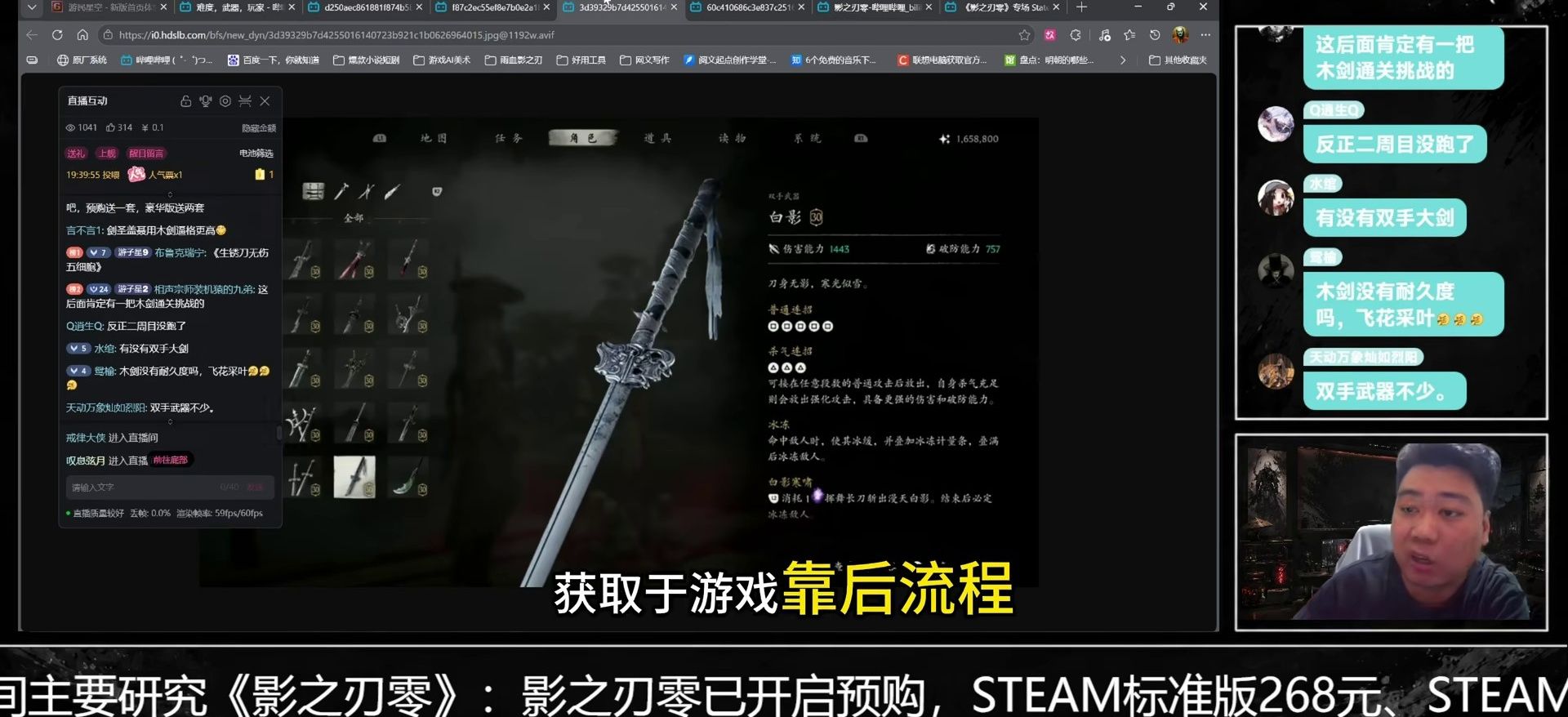
The level-5 skill, L1 + Triangle, is a defensive heavy attack that rapidly strikes the enemy with the spine of the blade and briefly coats the weapon in frost; the next move massively raises the enemy's freeze meter, making it a truly god-tier crowd-control skill. The level-15 skill restores killing intent when using frost skills - offering both control and sustain, not some mindless protective bubble. The level-25 skill lets you press Triangle to dash to the nearest frozen enemy, dealing damage and extending the freeze duration. Level 30 greatly increases freeze buildup speed. White Shadow is the weapon of the Wind-Snow Wayfarer; once fully built, whoever you strike gets frozen, and the rest is easy pickings. That said, this level-30 ultimate late-game weapon requires a large amount of materials, and maxing it out is no easy task.
The Second Playthrough Is Just the Beginning: Late-Game Boss Weapons and the Drive for Multiple Playthroughs
Phantom Blade Zero's drive for multiple playthroughs doesn't stem from any utilitarian goals. You can fully complete the game on your first playthrough and earn the Platinum trophy. For many players, ending the journey there feels complete enough. If you find yourself wanting to keep playing of your own accord, chances are it's because you haven't yet had your fill of all those weapons picked up in the later stages of the game.
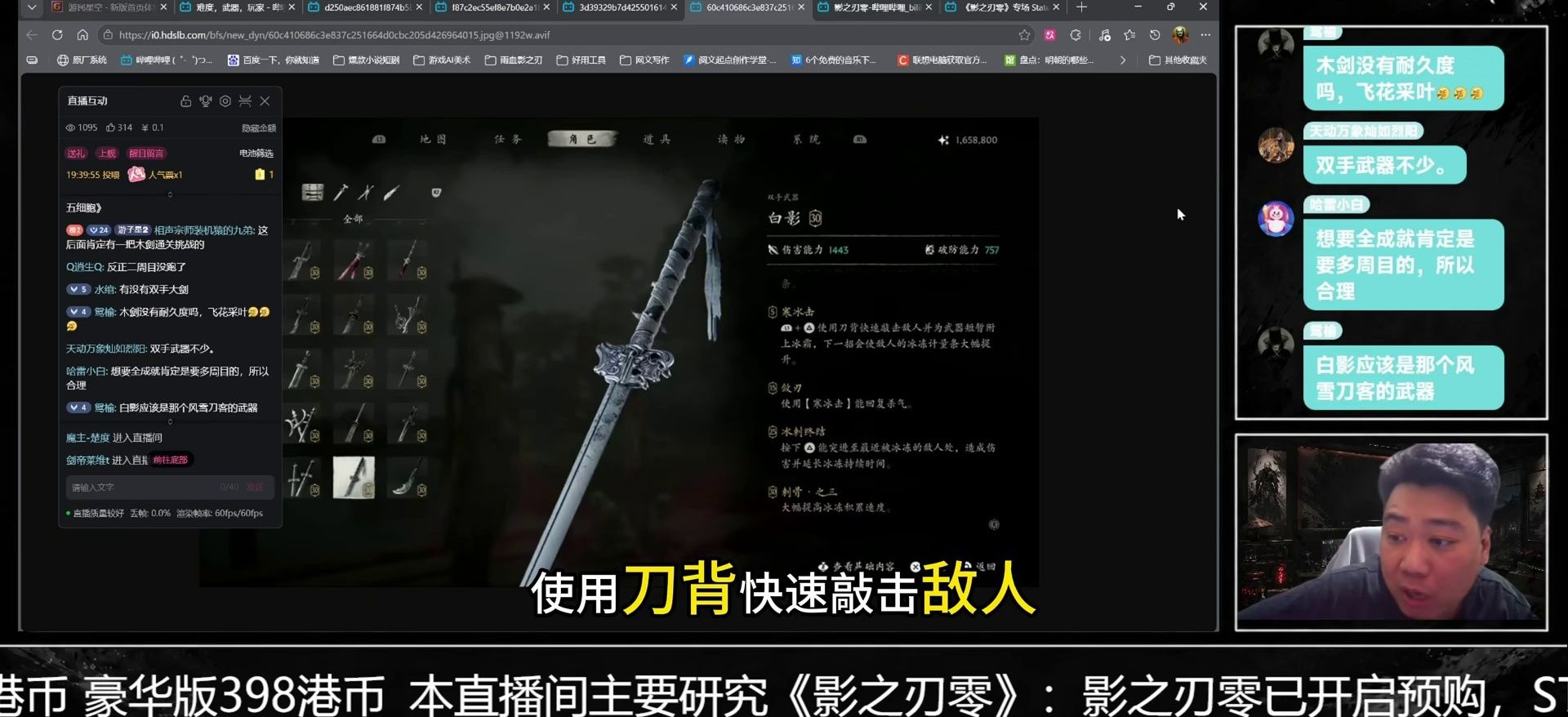
This is precisely Liang Qiwei's take on the second playthrough: it's not about forcing players to grind, but about making them reluctant to put the game down. The weapons of late-game bosses, the final boss, and hidden bosses are more powerful within the story's lore, with more complex movesets and mechanics. They go unused during the first playthrough - only by starting a second one can you experience them in full. Maxing out every weapon takes at least two to three playthroughs. With that many weapons, truly upgrading them all is enough to leave your eyes bone-dry.
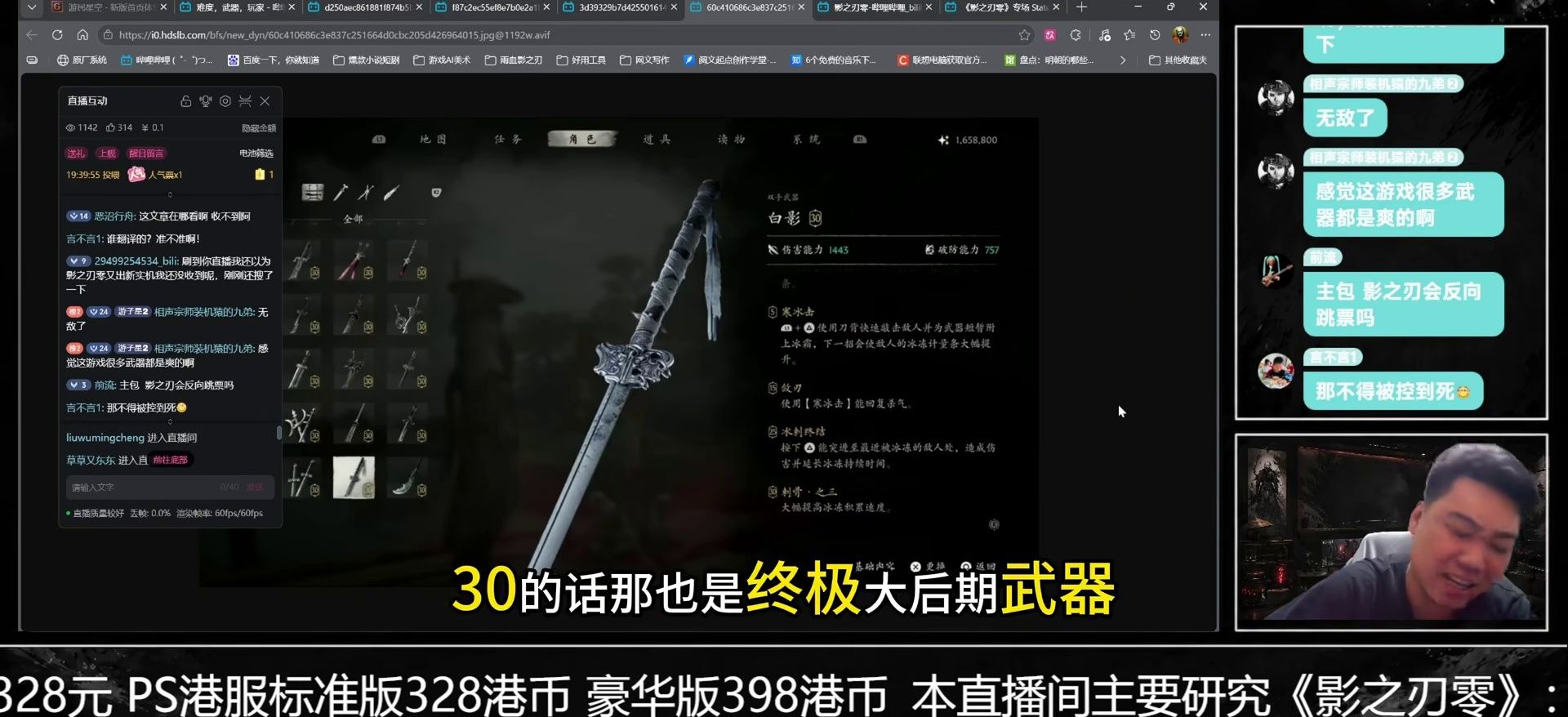
Through these two weapons - White Serpent and White Shadow - you can already sense Phantom Blade Zero's design philosophy: White Serpent handles marking enemies and dealing damage, while White Shadow handles crowd control, freezing, and extending your damage window. The functional differences between weapons are what keep multiple playthroughs feeling fresh. What the team hopes to create is a game that anyone can pick up with ease - one where players can pull off dazzling martial-arts moves without frustration and finish off powerful foes with executions backed by striking, high-impact presentation.
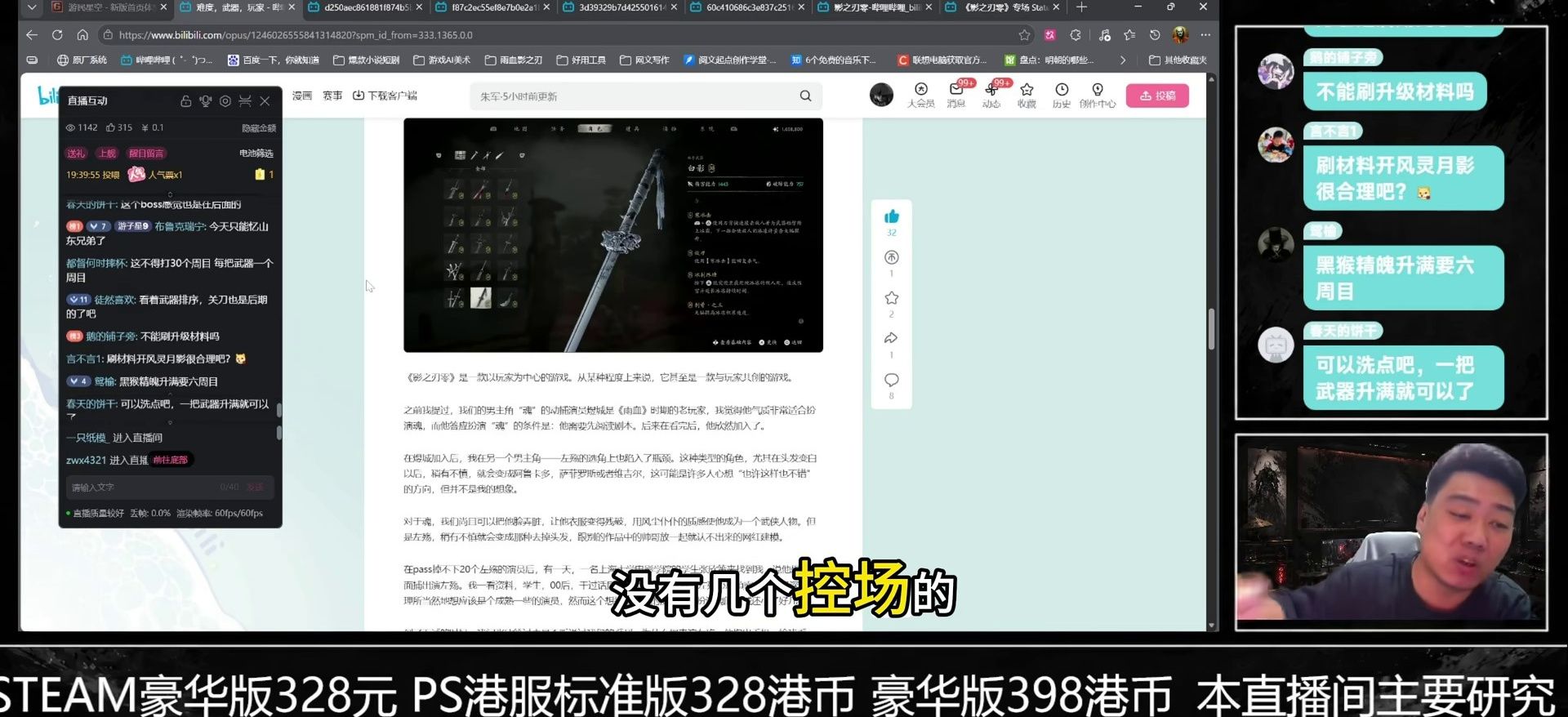
Whether you want to casually enjoy the original worldbuilding and story, experience cool martial-arts action design, or push yourself to the limits of its combat depth, you'll find a way to play that's truly your own. And in the age of livestreams and short-form video, those thrilling challenge runs will themselves become content appreciated by an even wider audience.
Top Community Comments
"Liang, my man, while you're busy imagining the entertainment value of the 66-day mode on stream, has it occurred to you that many streamers - especially those overseas - will move on to Zelda and GTA right after finishing their first playthrough? So my advice: pull a reverse delay!"
This comment pinpoints the most practical risk facing the 66-day mode: great stream content presupposes that streamers are willing to stick around. An irreversible 66 days certainly carries dramatic potential, but today's players have their attention pulled a thousand different ways by countless blockbuster releases. Liang Qiwei is envisioning the climactic livestream moment of a streamer taking on a powerful foe with their final life - but if the streamer has long since moved on, that climax may never arrive on cue.
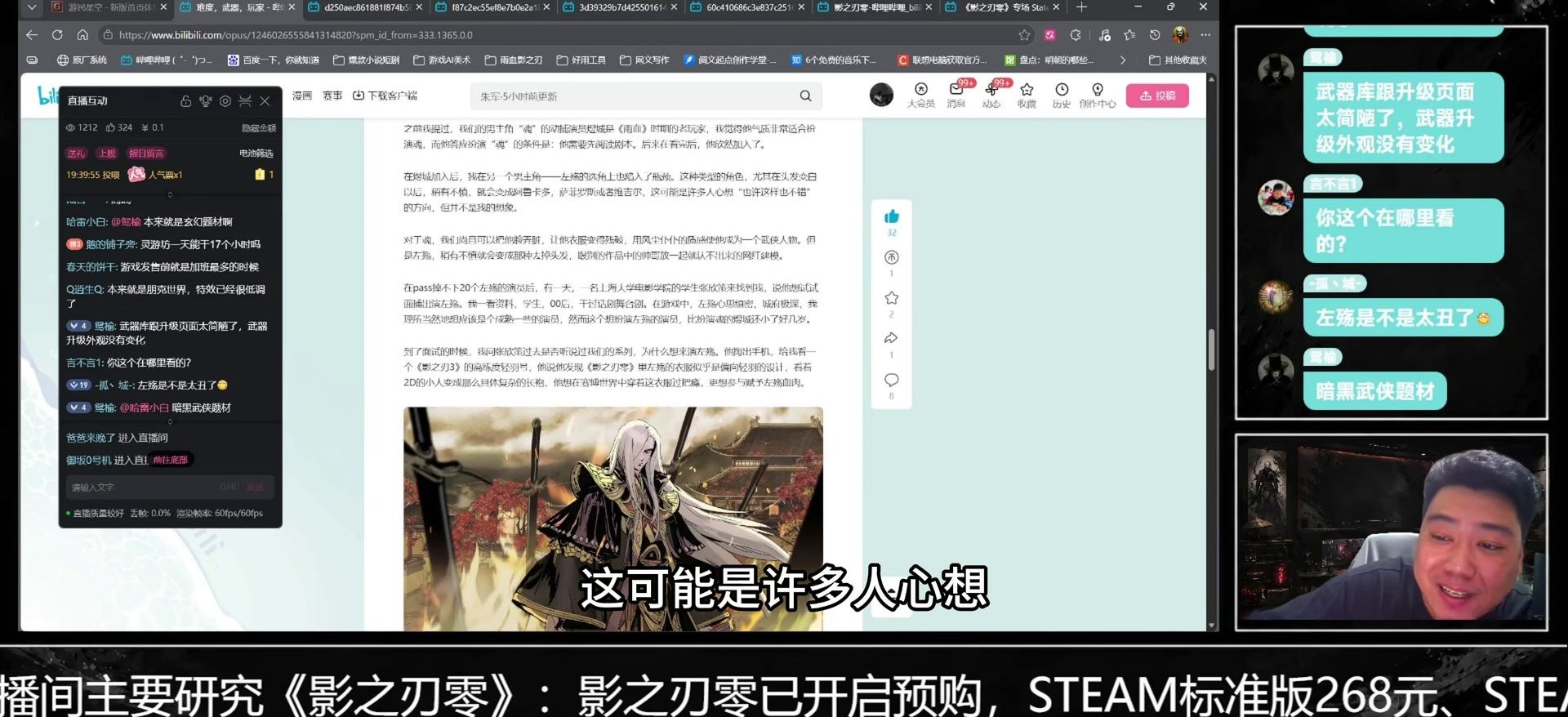
"First time seeing him on camera - totally different from what I imagined. He's got a kind face."
This is a good-natured jab at the producer's appearance, and it also shows how Liang Qiwei's long-standing habit of "writing little essays" to communicate with the community has fostered a certain sense of closeness. Compared with cold, impersonal official announcements, this kind of personal expression makes it far easier for players to feel that the people making the game are sincerely explaining their choices.
"It's a shame the 66-day mode has no achievements. Personally, once I've earned every achievement, I lose the motivation to open the game again."
This comment captures the genuine mindset of many achievement hunters. Decoupling the 66 days from achievements keeps utilitarian goals from hijacking the hardcore mode, but it may also leave some players without a sense of purpose. Liang Qiwei will need to make up for this with weapon depth, New Game+ content, and irreversible storytelling. Otherwise, the 66-day mode risks becoming an aloof mode that wins praise but few actually touch.
📌 One-Line Takeaway
Phantom Blade Zero is rewriting the difficulty contract of action games with "first-playthrough Platinum + 66-day Brutal Mode + deep weapon progression": let everyone in first, then keep the ones who want a challenge.

The Enter the Fray demo is here to let everyone see the jianghu; the 66 days are here to let challengers leave their legends behind; and White Serpent & Crimson Coil and White Shadow are here to prove that maxing out a single weapon truly changes the way you play.
If this design holds up, then what Phantom Blade Zero is selling isn't just difficulty - it's a choice: you can breeze through to the credits, or you can live out every mistake as a jianghu with no way back.