Phantom Blade Zero's "Highlights" and "Fatigue": When Players of Homegrown Single-Player Games No Longer Easily Foot the Bill for the Wuxia Dream
Phantom Blade Zero still knows how to grab attention. Horseback riding, drinking, flashes of steel, bleeding, masked enemies, a damp and chilly wuxia atmosphere - taken together, these elements still make up its most distinctive visual signature. But what is truly worth discussing is not just how good it looks; it is the fact that it arrives at a moment when player sentiment has already shifted: people are still willing to pay for homegrown single-player games, yet no longer willing to pay unconditionally for a "nostalgia label."
Horseback Riding, Drinking, and Bleeding: The Wuxia Action Still Has Its "Flavor," but the Novelty Has Been Diluted
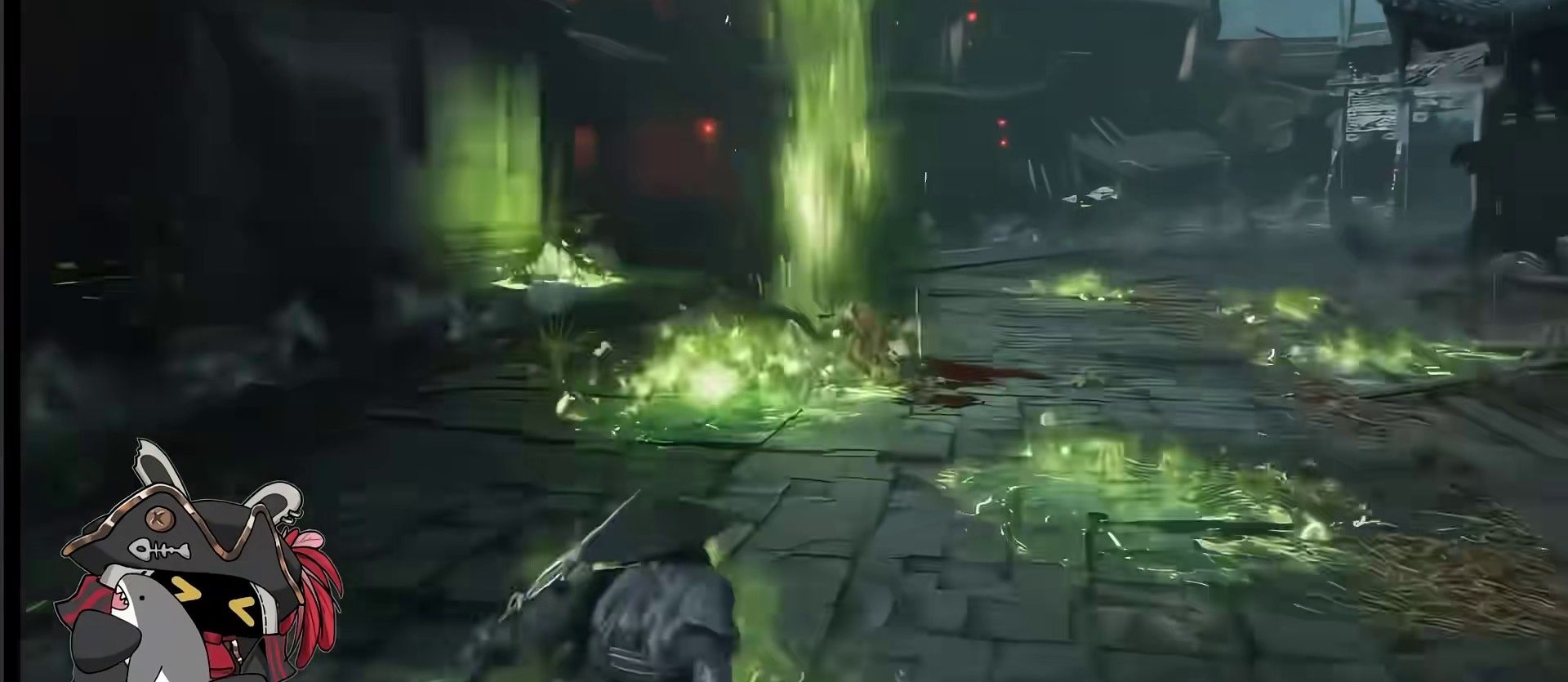
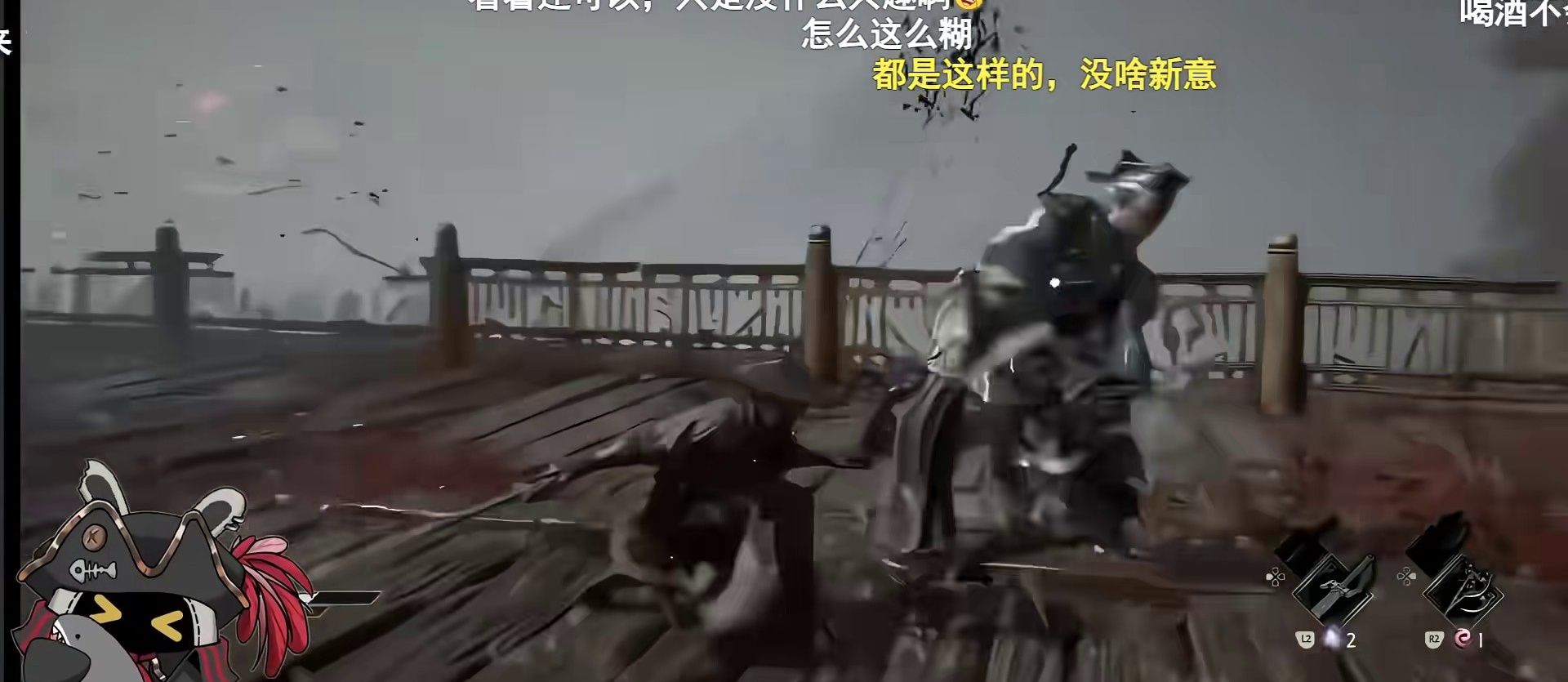
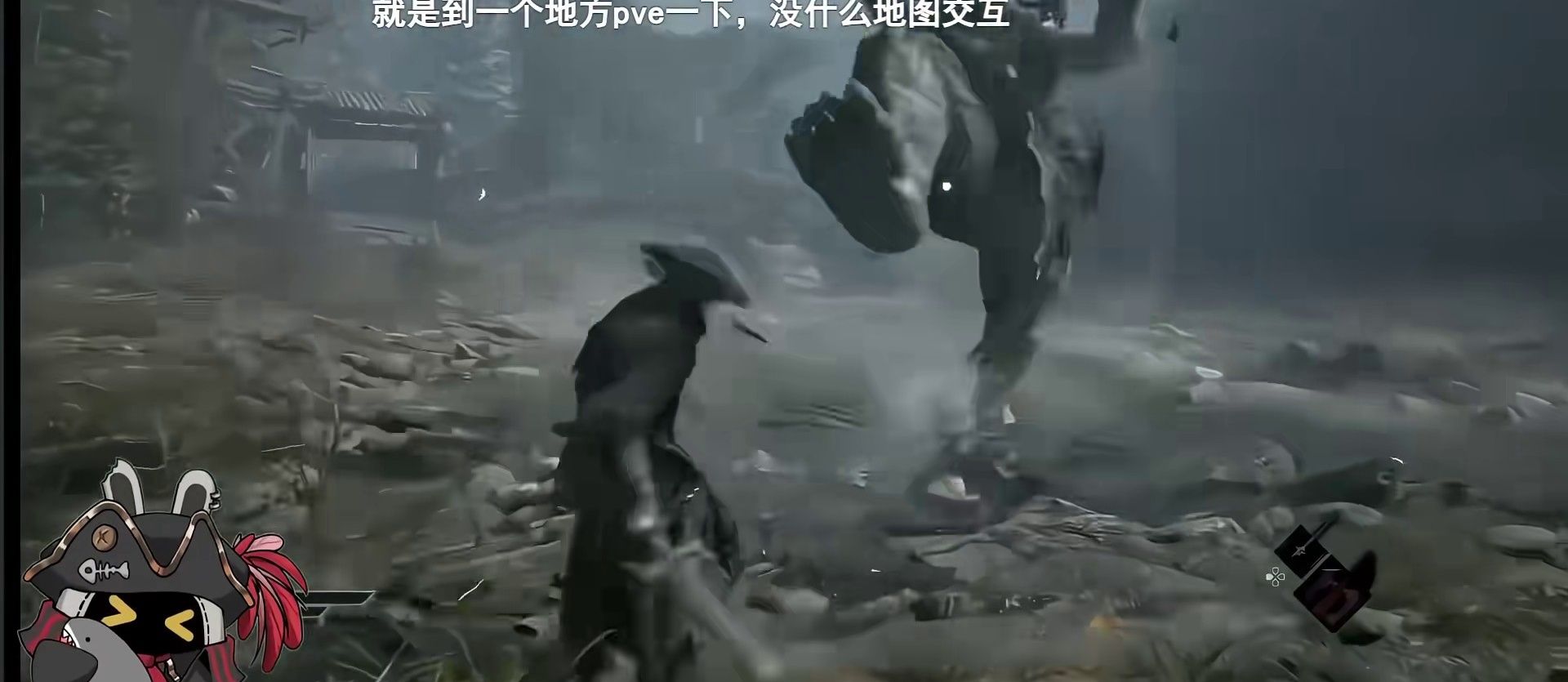
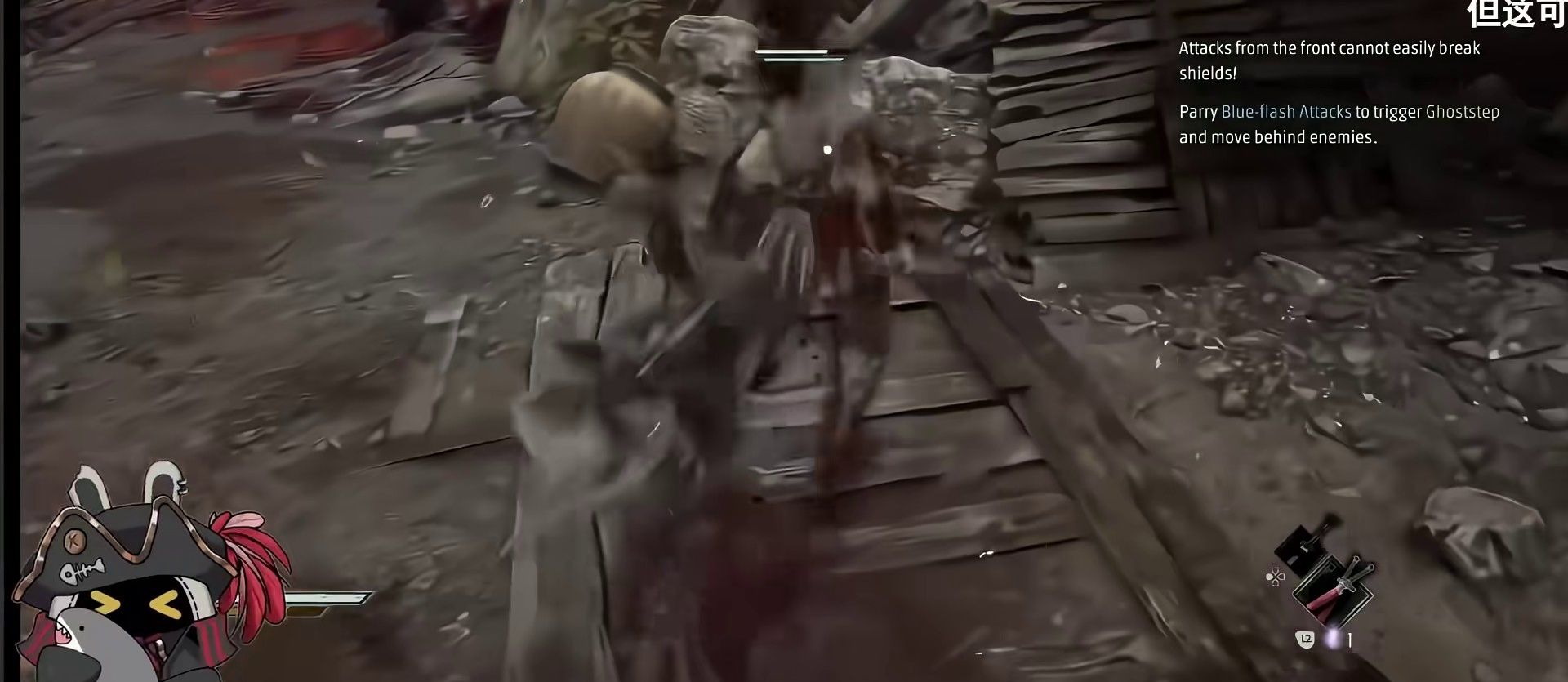
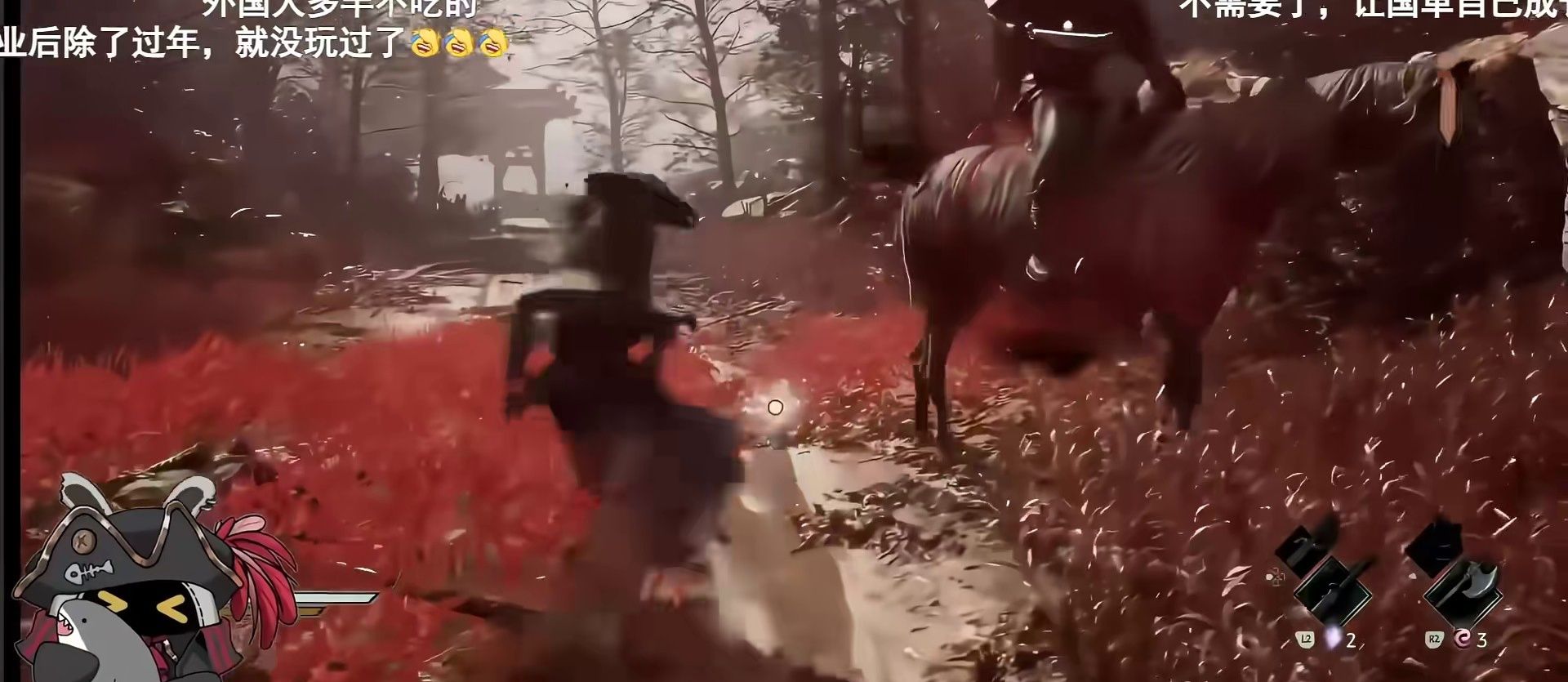
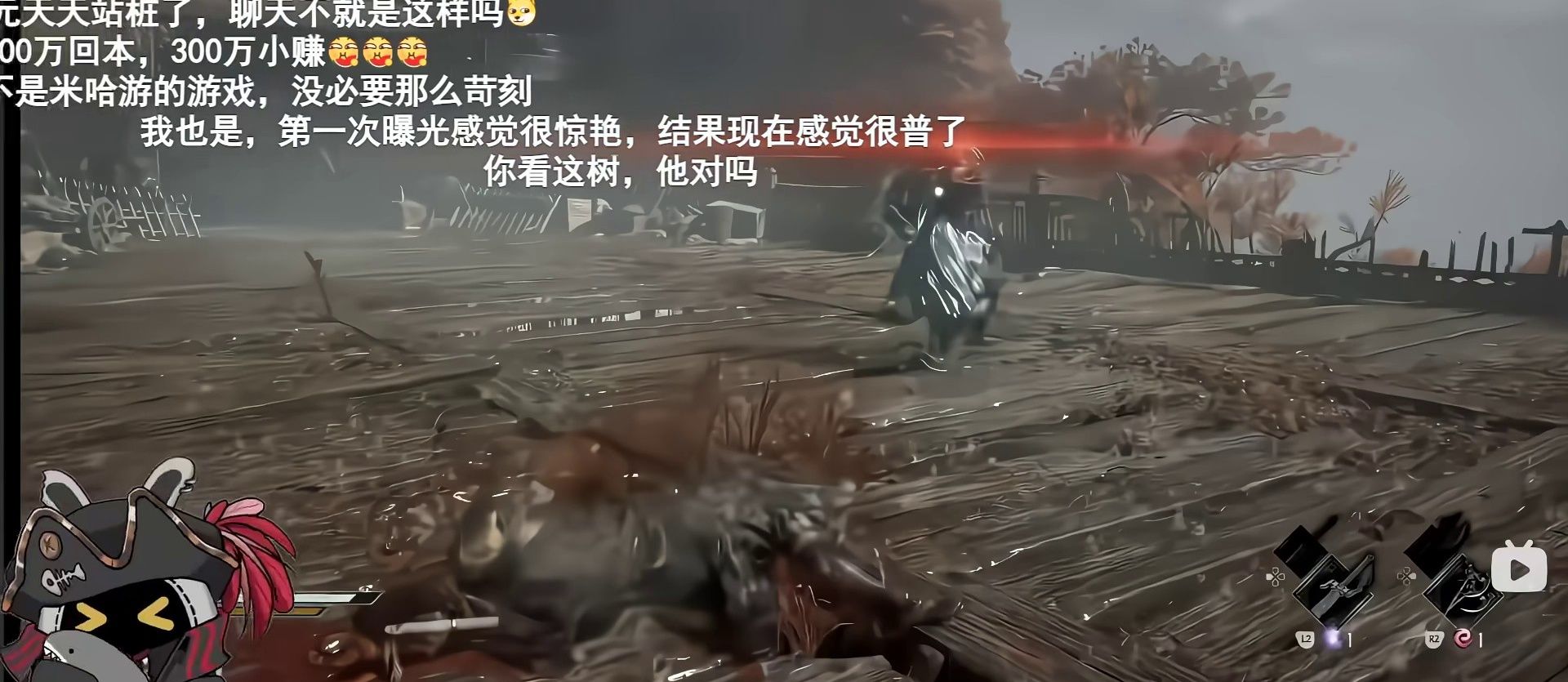
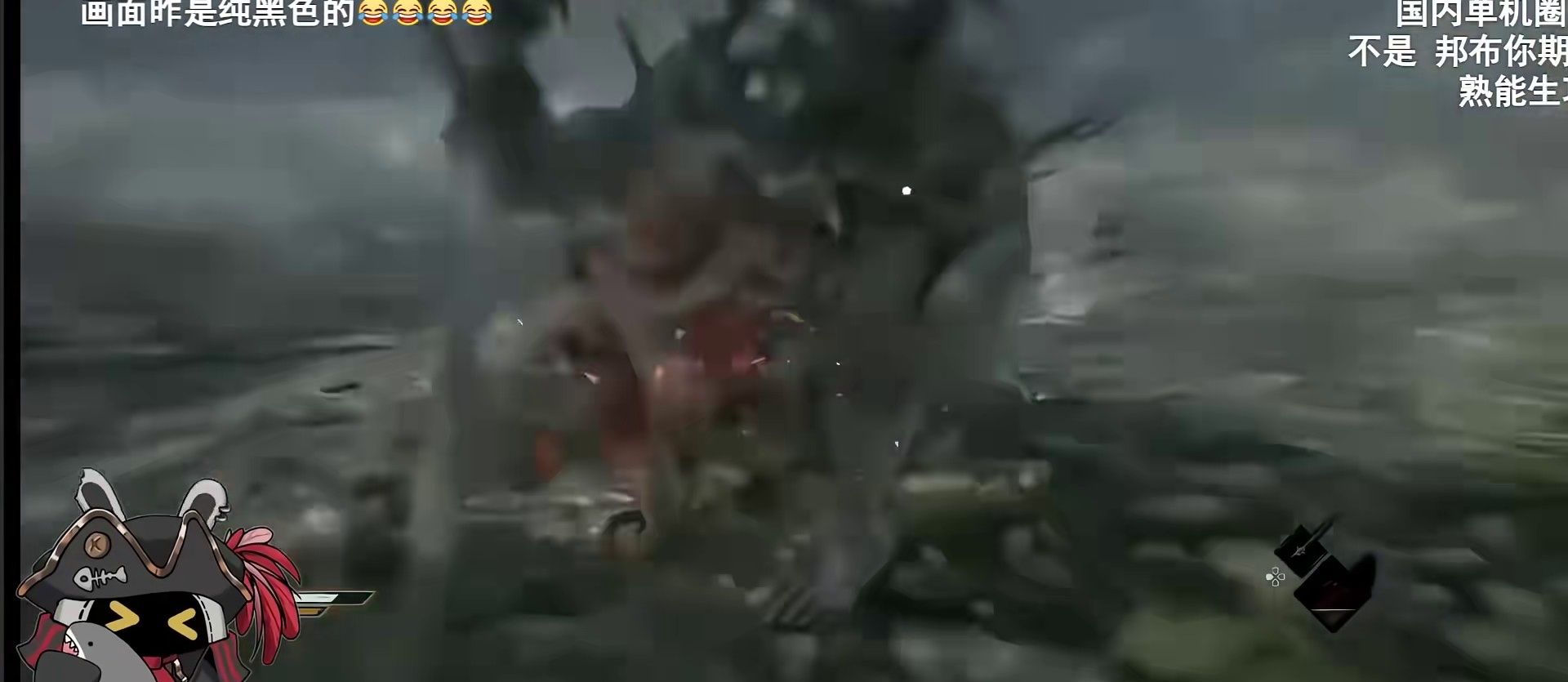
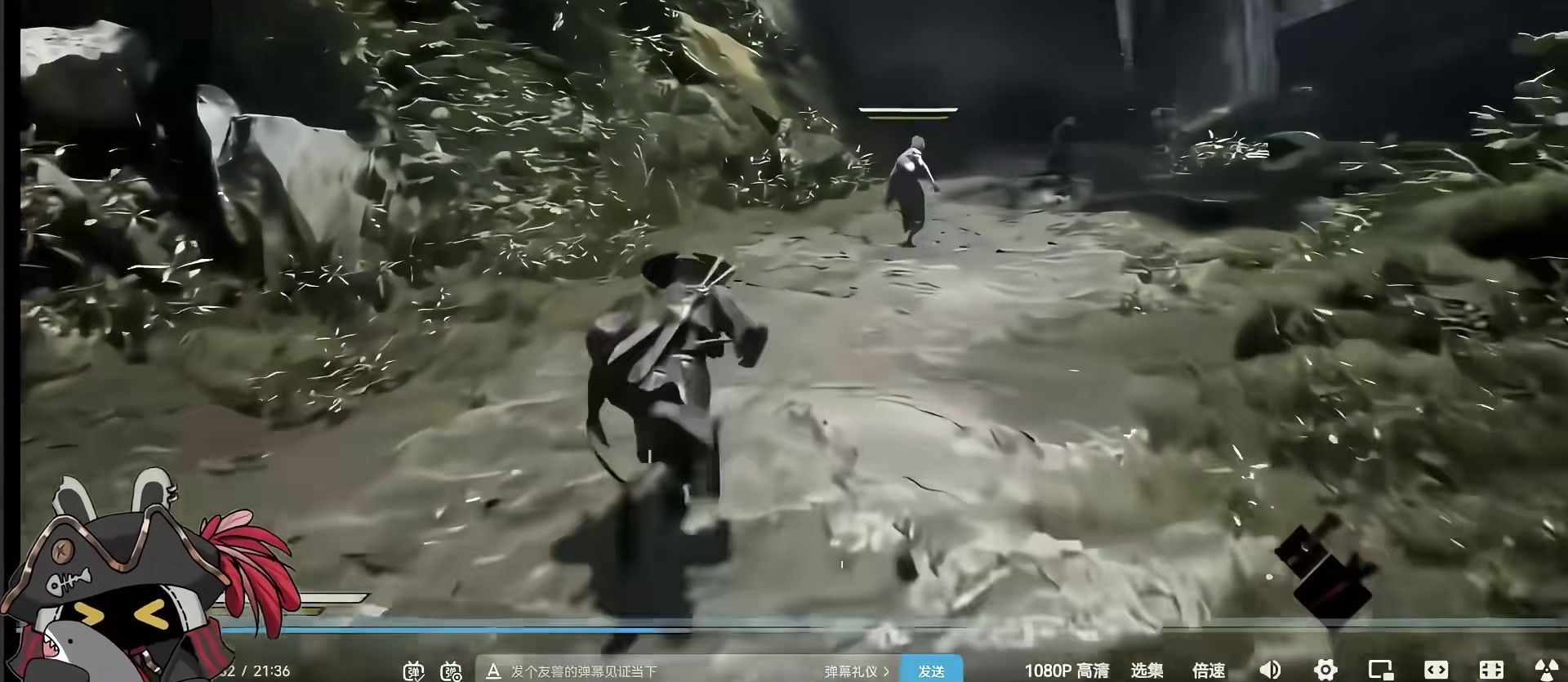
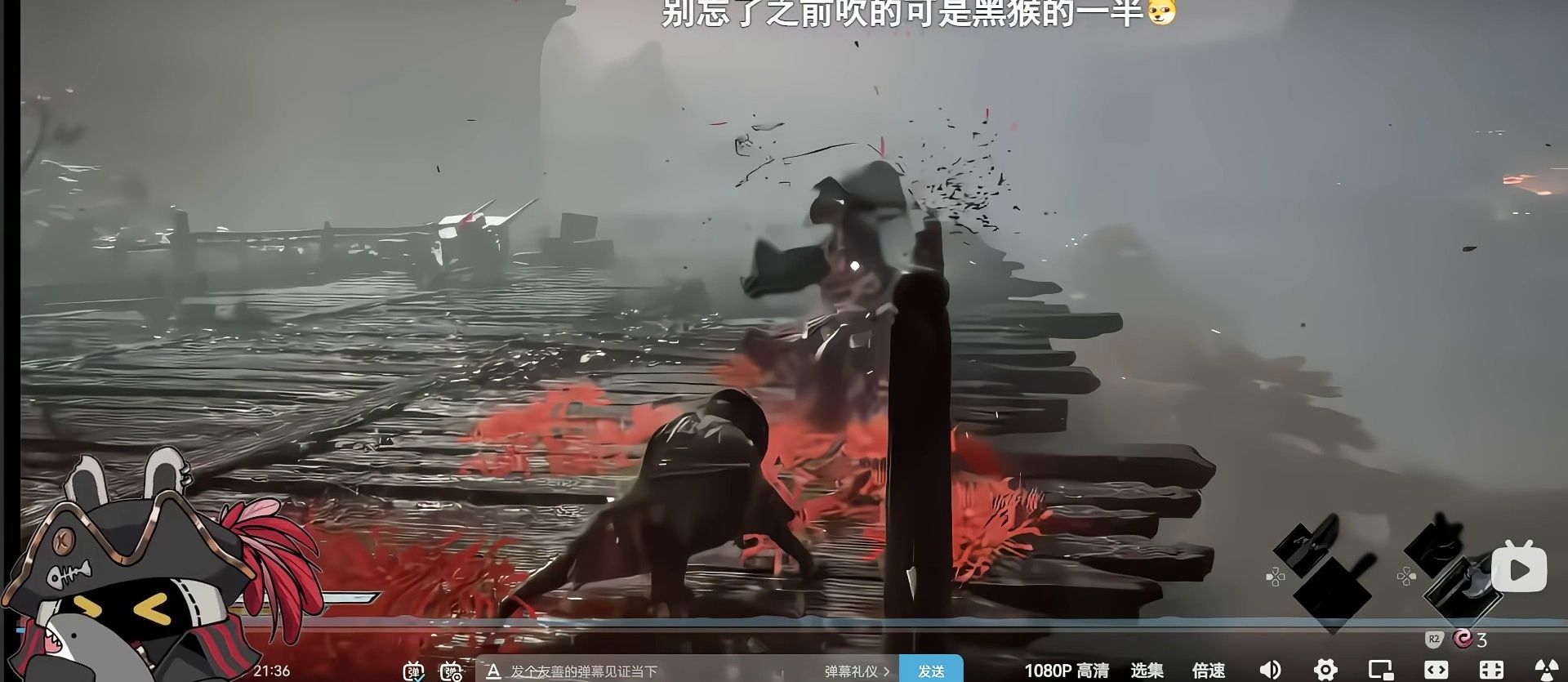
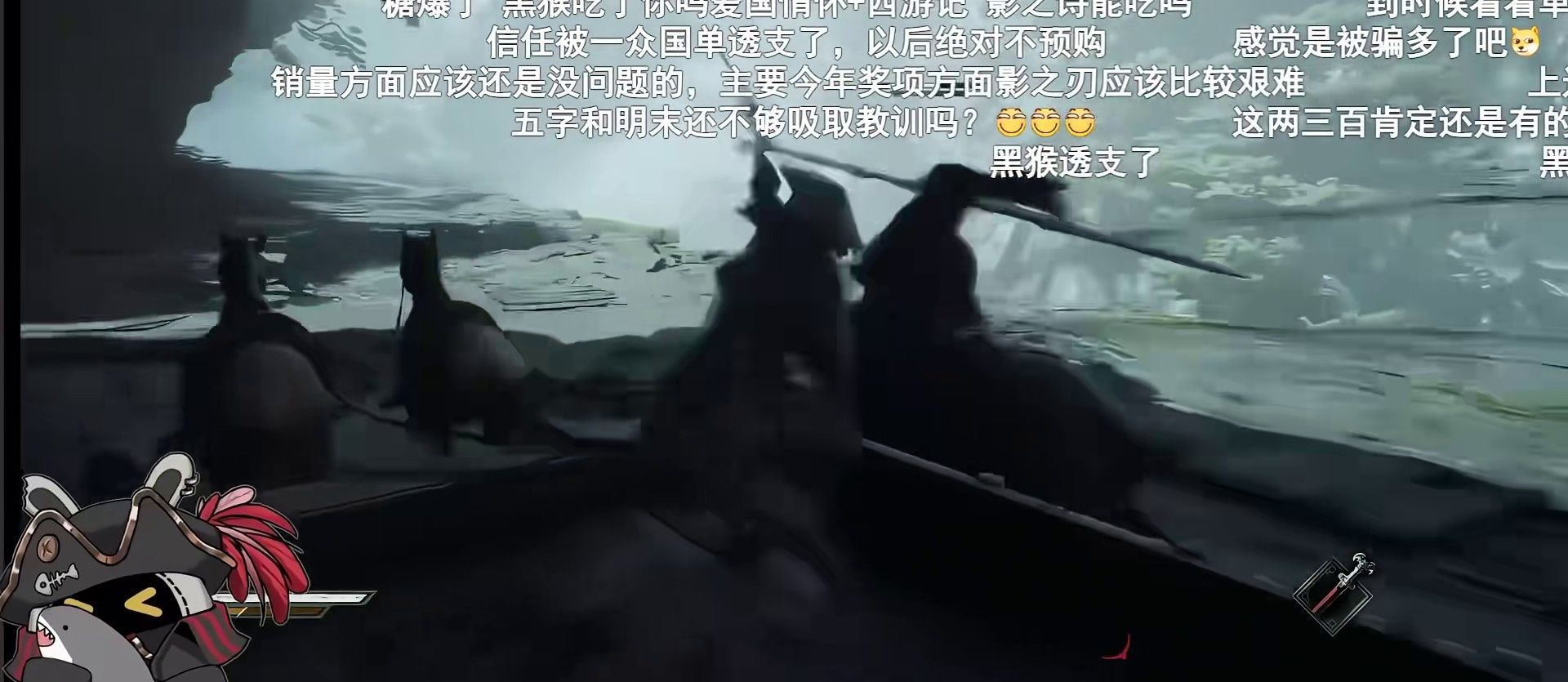
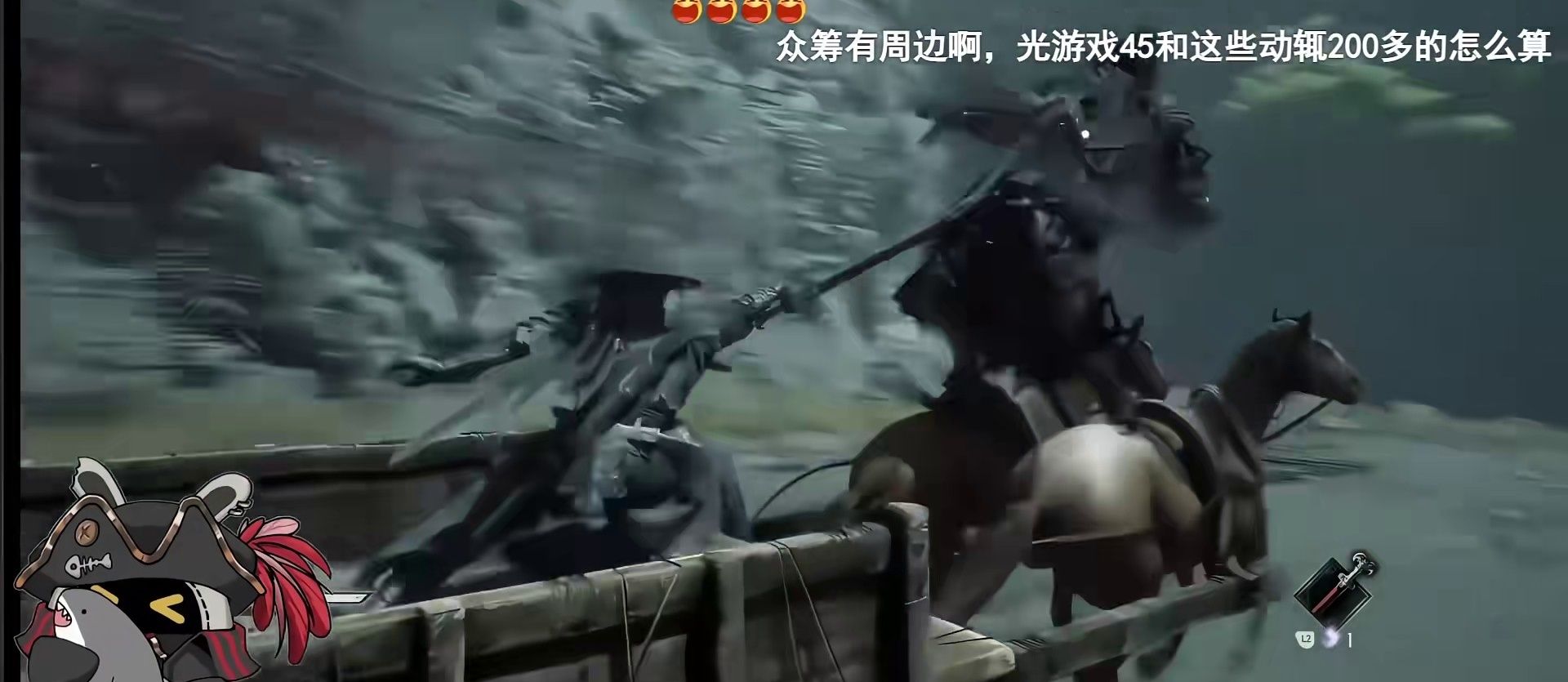
Judging from the demo presentation, Phantom Blade Zero's action language remains strongly stylized. Horseback exploration, the drinking mechanic, blade flashes, and bleeding effects all attempt to turn "wuxia" from mere visual packaging into an interactive experience. Details such as the sheer volume of bleeding, suppression moves, red-glow counterattacks, and clamping a blade with the feet show that the team has not abandoned the distinctiveness of the action system itself.
But the problem is equally obvious: this kind of expression has appeared far too often in action games in recent years. Horseback exploration, soulslike-style red glows, blade-and-spear suppression, heavy bleeding, masked enemies - each of these elements works on its own, yet combined they easily leave players with a sense of déjà vu. It is not that the game isn't trying hard enough - it's that audiences have simply seen too much of the same kind of expression.
When style becomes a familiar formula, what players remember is no longer "what it resembles," but "what new things it can still offer."
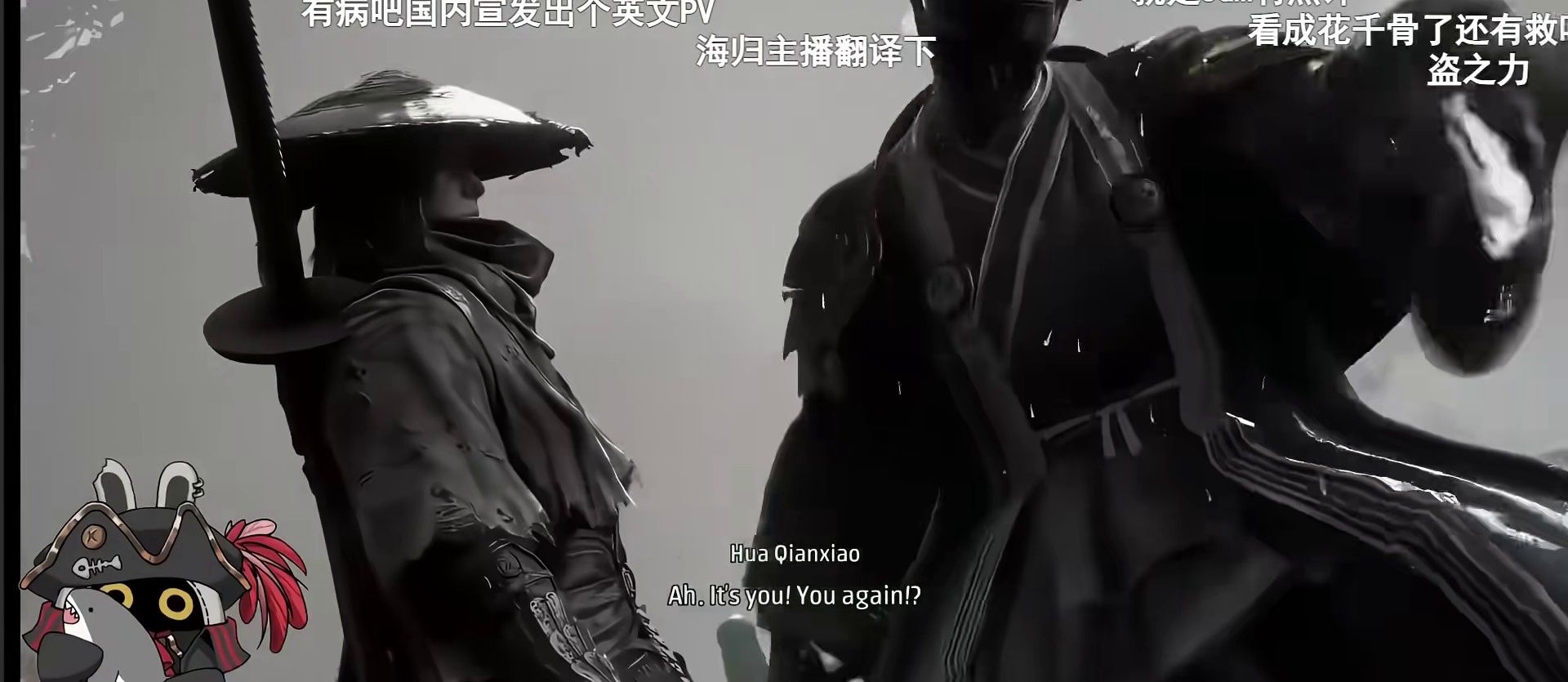
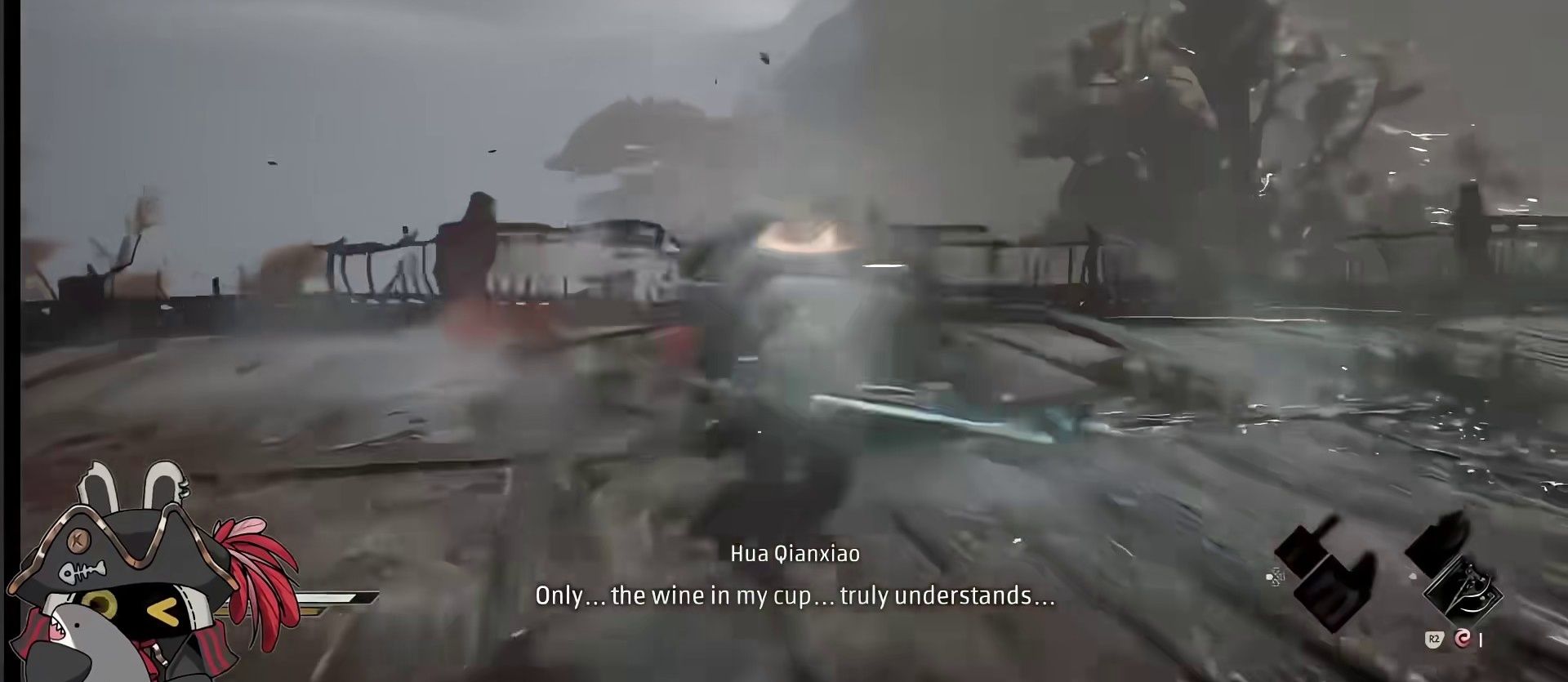
Masks, Art, and Lighting: Phantom Blade Zero's Visual Strengths Shouldn't Be Over-Mystified
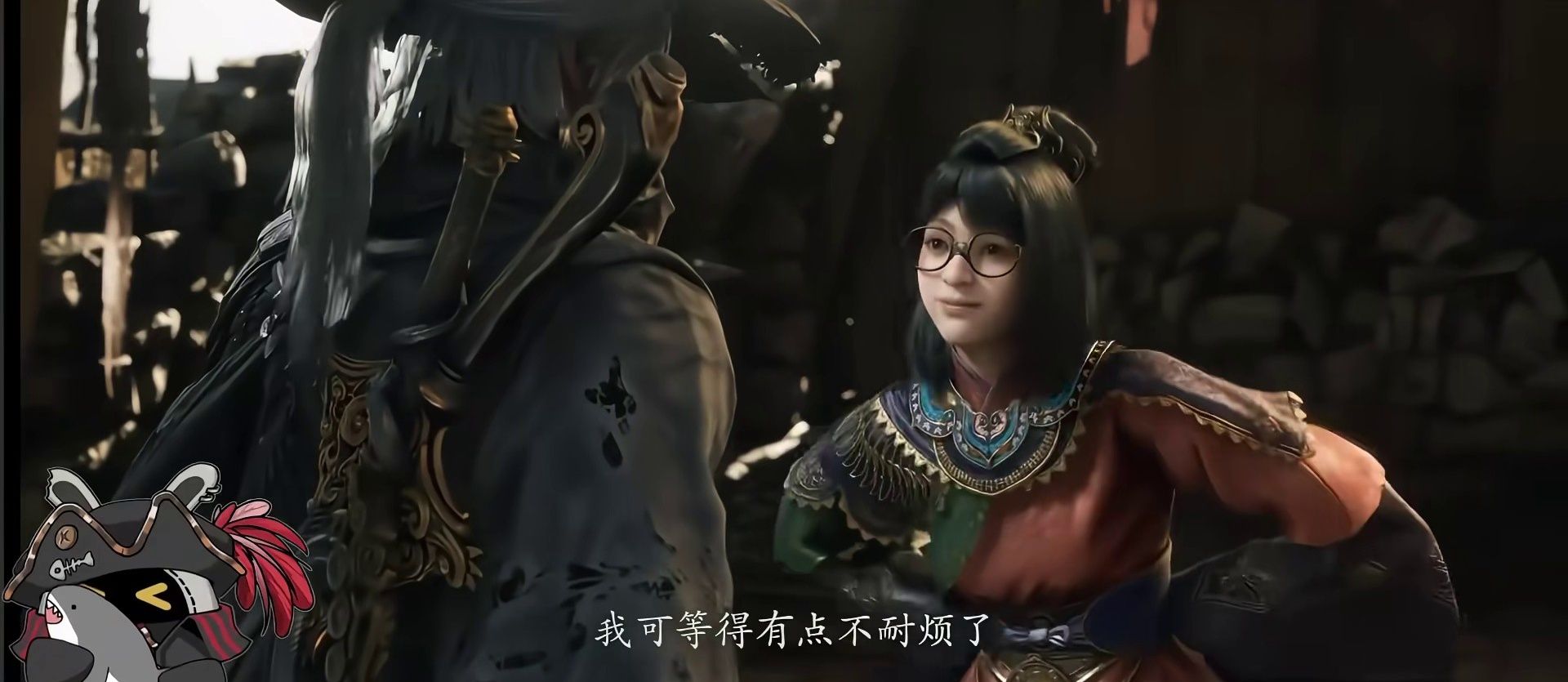
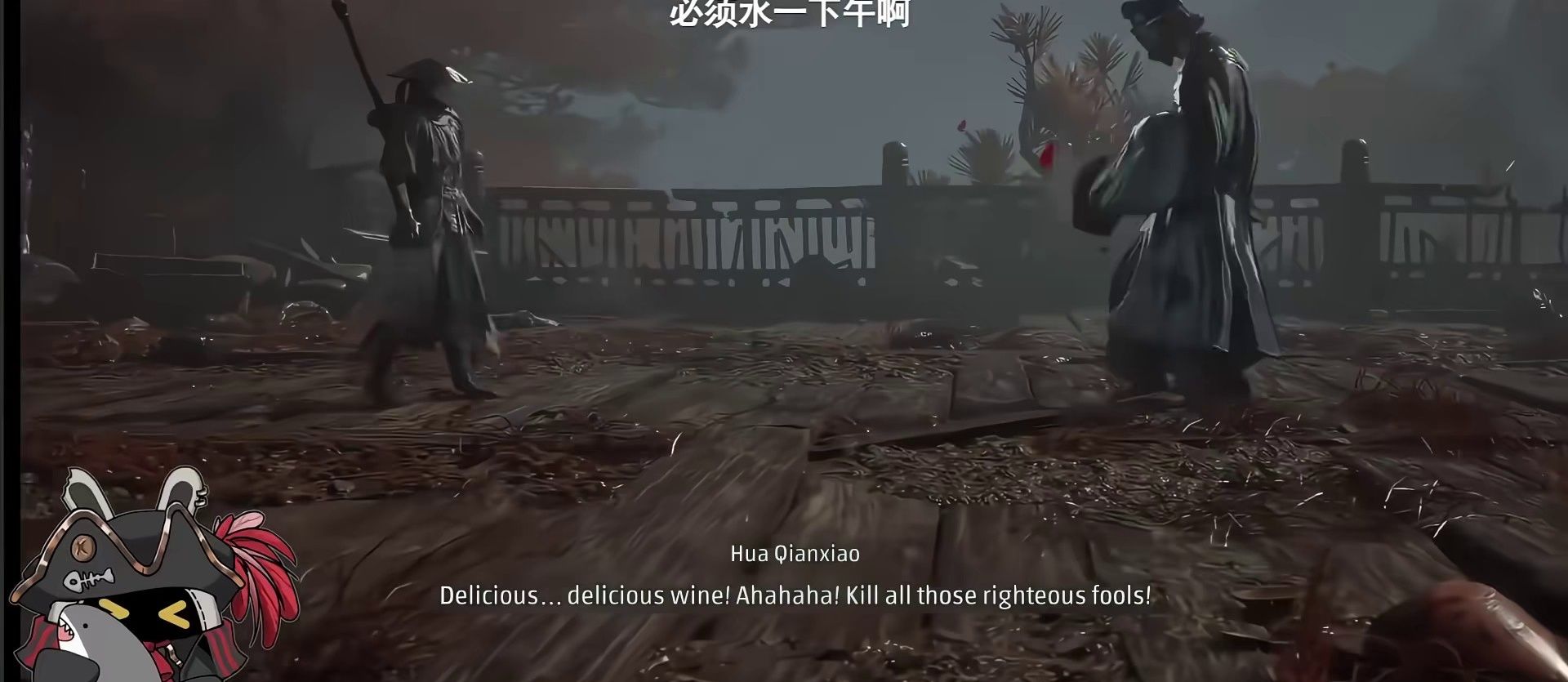
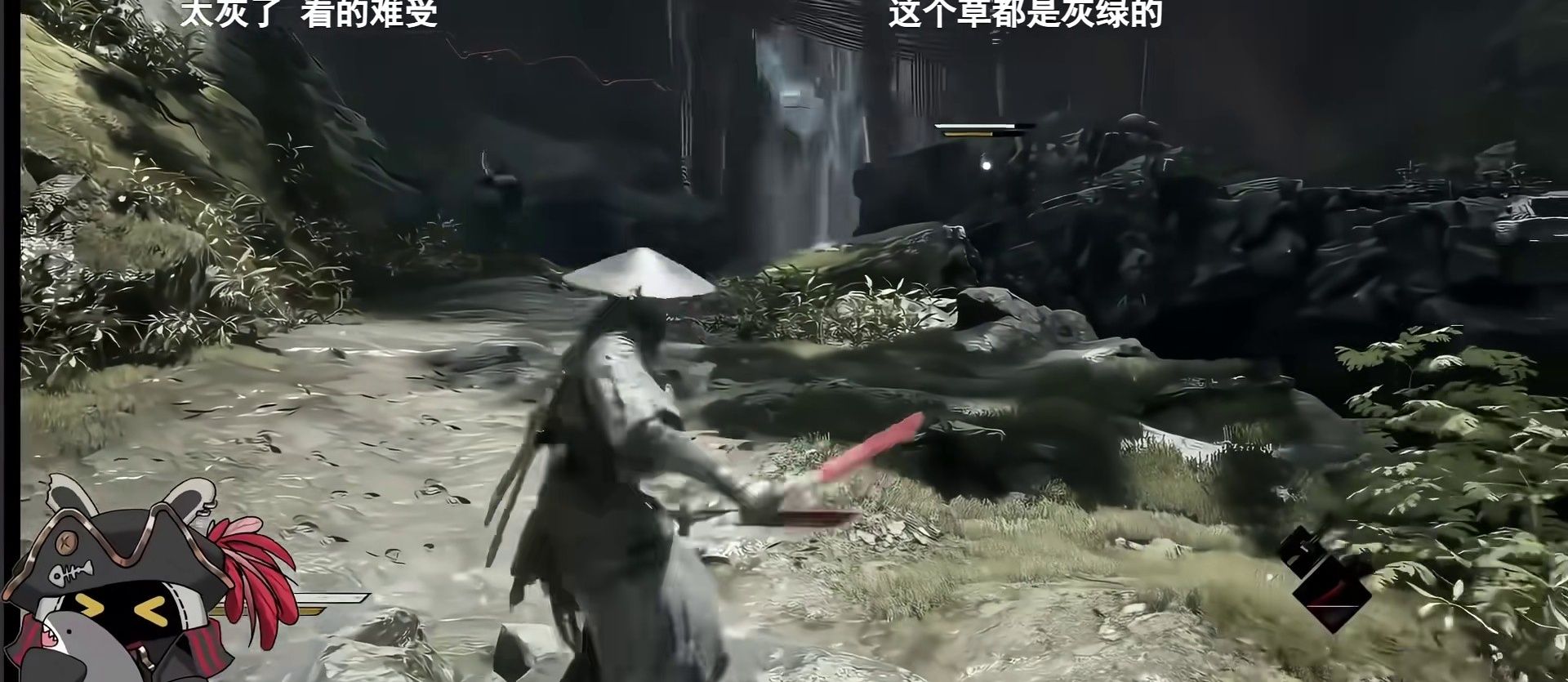
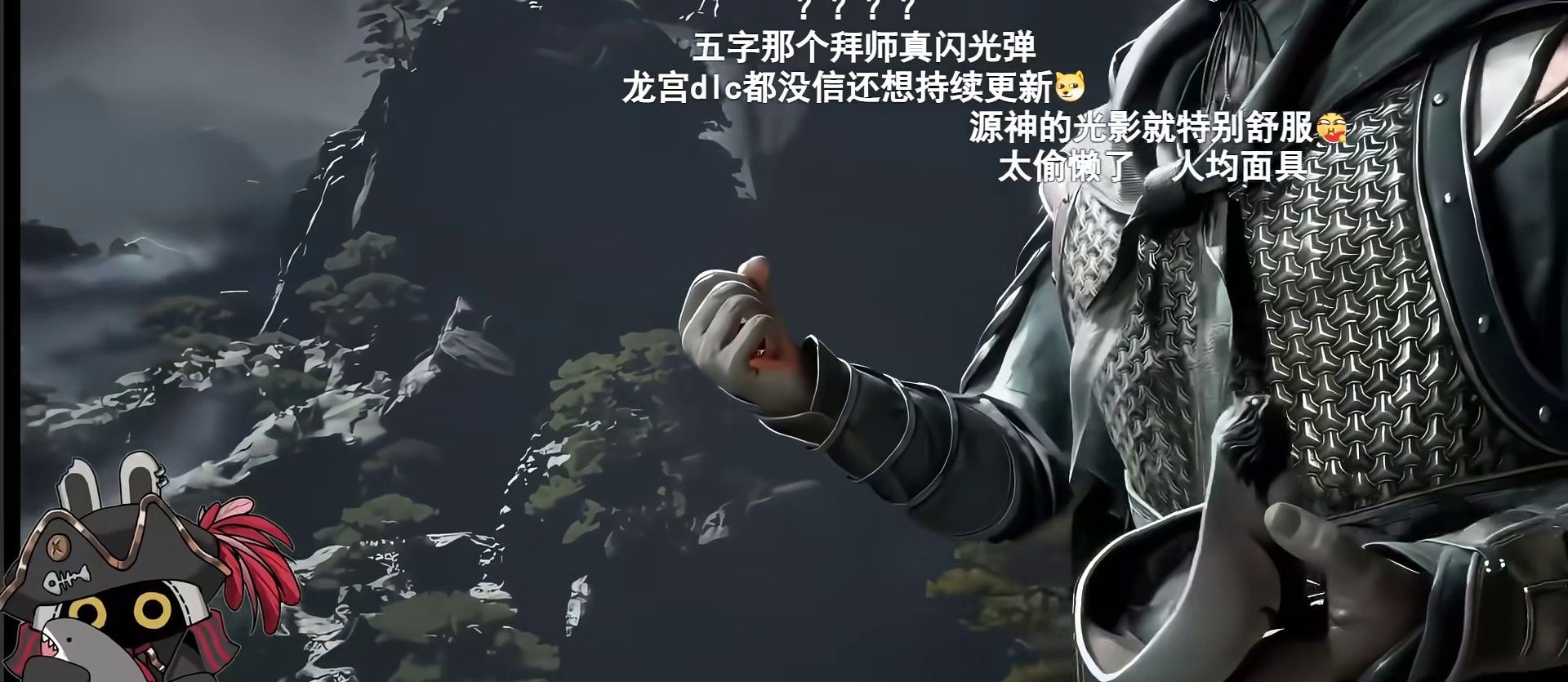
What gets discussed most about Phantom Blade Zero is still its art. Masked enemies, drinking scenes, damp environments, and cool-toned lighting together form the visual signature S-GAME has built up over the years. The aesthetic sensibility that Liang Qiwei and S-GAME accumulated across their previous works remains clearly visible in this new title.
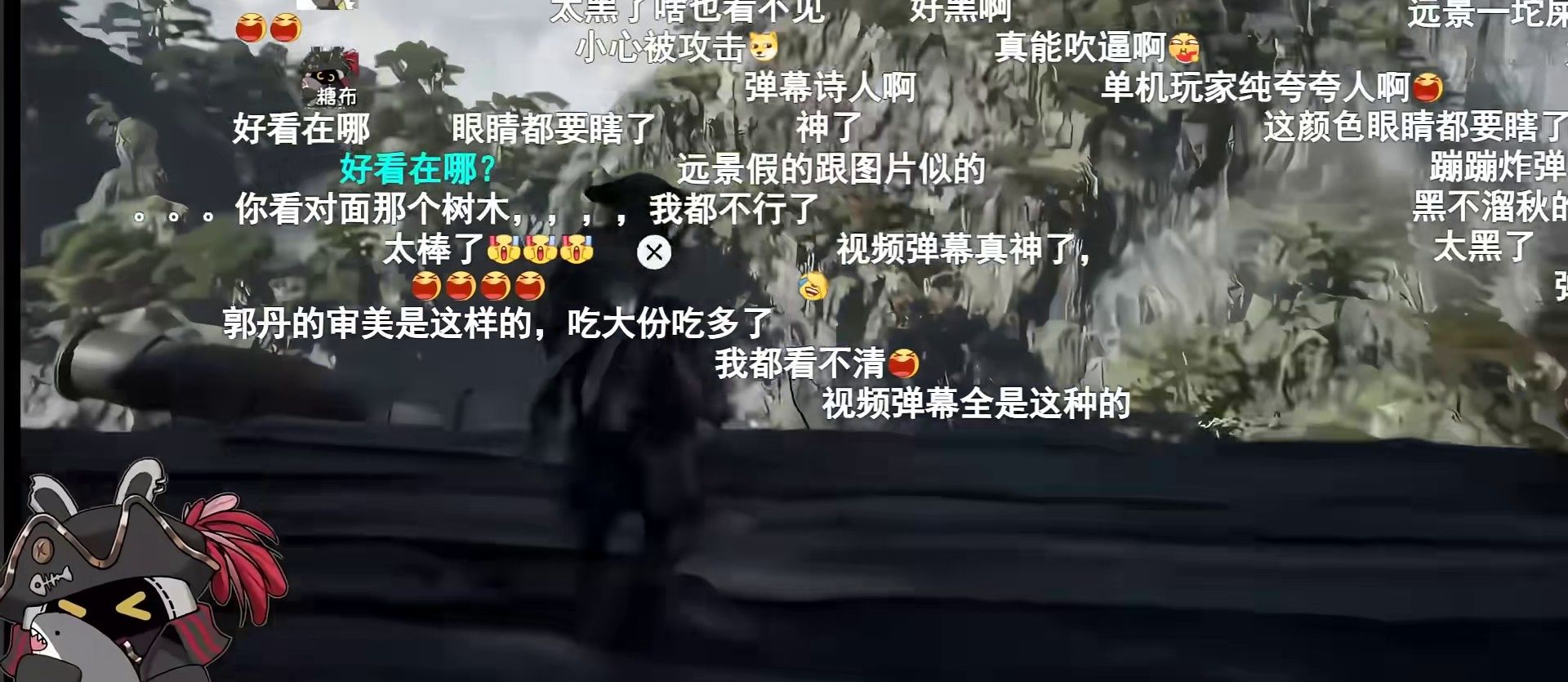
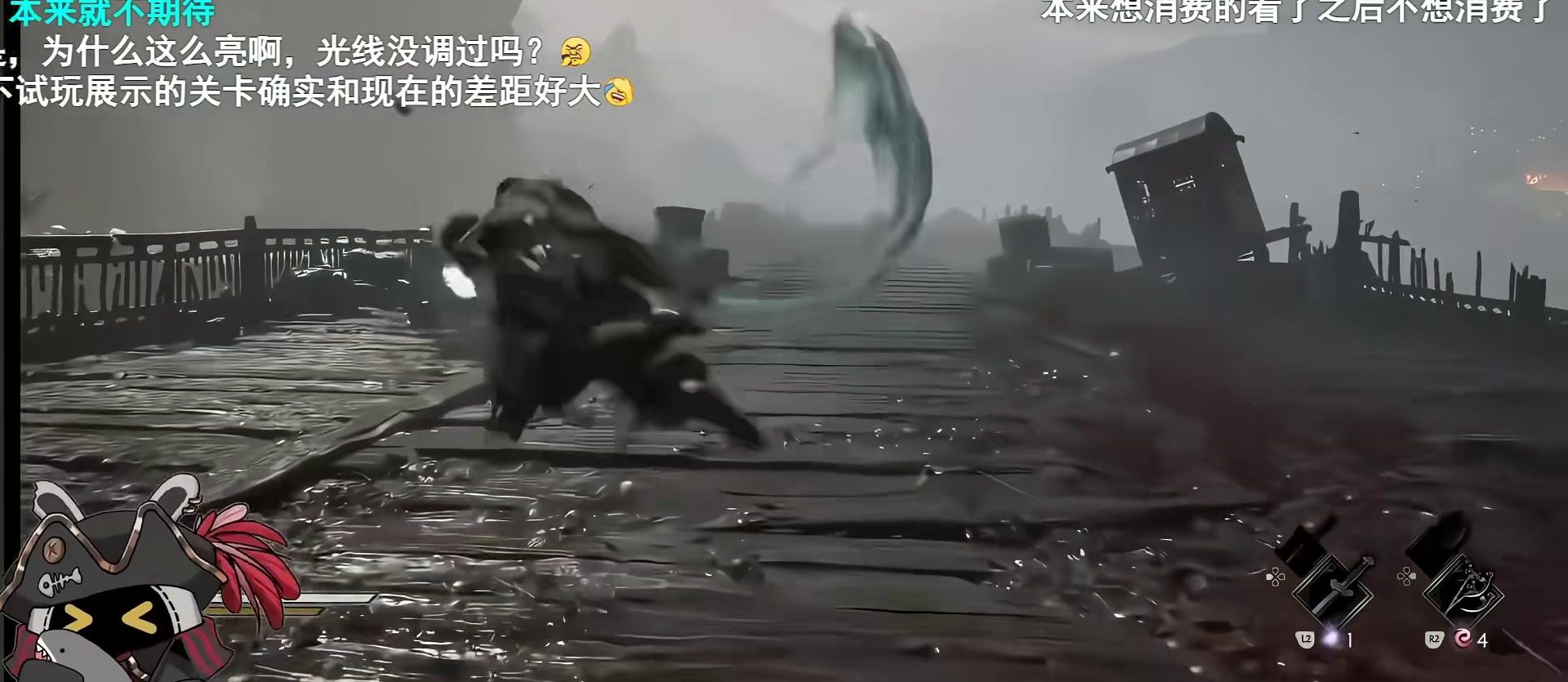
That said, players should also take a more level-headed view of the lighting and the Unreal Engine's technical presentation. Much of the so-called "realistic lighting" and "pitch-black atmosphere" is, at its core, simply the standard lighting and post-processing output of Unreal Engine. It certainly serves the oppressive feel of a wuxia world, but there's no need to package it as some mysterious technical barrier. Truly mature technical expression should serve readability, not manufacture a "can't see clearly" impression.
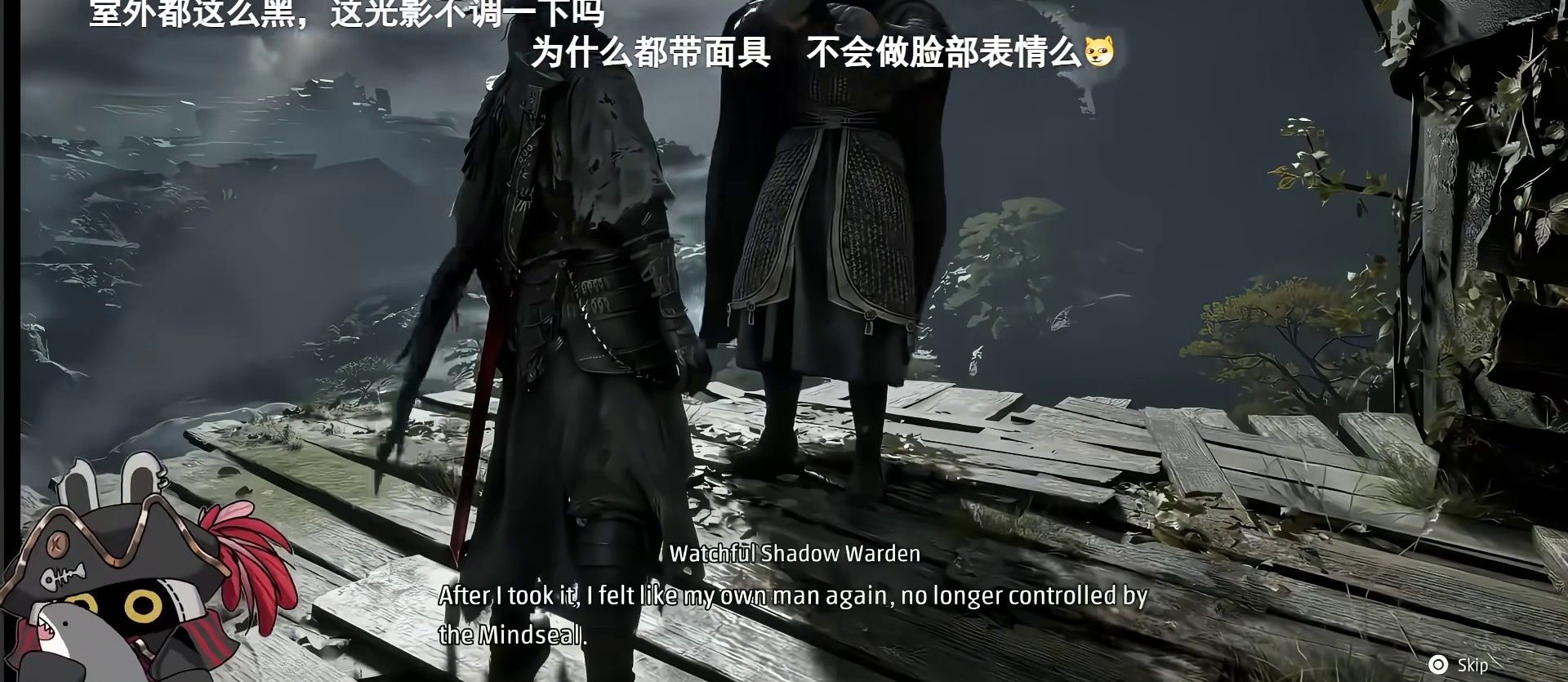
The mask design is also worth unpacking. On one hand, it genuinely reinforces the eerie, enigmatic quality of the wuxia world; on the other, it genuinely lowers the cost of facial capture and character performance. That's not a flaw - it's an industrial reality. Behind most art choices lie both aesthetic judgment and production trade-offs. Players needn't dismiss the game for this, but they shouldn't deify it either.
Good art isn't about "the darker, the classier." It's art that lets players grasp at a glance: what world this is, what enemy this is, and what this action is meant to convey.
The Fatigue of "Supporting Domestic Games": Players Are Willing to Buy, but No Longer Willing to Be Emotionally Blackmailed
Over the past few years, players of domestic single-player games have gone through a noticeable emotional shift. There was a time when "supporting domestic games" was a form of near-unconditional emotional mobilization; now, a growing number of players have come to read "support" as "paying a fair price for a competent product," rather than "paying up first and then making excuses for the dev team."
Some players mention that their Steam libraries have already accumulated a large number of domestic single-player and indie titles - they've bought everything from wuxia and xianxia to management sims and all sorts of niche genres. The problem isn't that they don't support domestic games; it's that over the past stretch of time, certain releases have genuinely eroded trust: insufficient polish, reskinned gameplay, overhyped marketing, and a post-launch experience that fell visibly short of expectations. As a result, the "domestic game" label has shifted from a bonus point to something that has to be proven.
At the same time, comparisons between free-to-play titles with ongoing updates and premium single-player games have become a sensitive subject. Players aren't unable to accept different business models - what they resent is using "free" and "continuously updated" to dilute the pressure on premium titles to deliver a properly finished product. Supporting domestic games isn't unconditional payment; it's the hope that a title lives up to expectations.
Players will still save a spot for domestic single-player games, but they won't save a "get-out-of-jail-free card" for them anymore.
Preorders, Wishlists, and the Black Myth: Wukong Benchmark: The Numbers Are Hot, but Conversion Isn't That Simple
When it comes to the commercial expectations surrounding Phantom Blade Zero, the most common point of comparison is Black Myth: Wukong. Wishlist counts, preorder volume, and pre-release buzz - these metrics do reflect market interest. But interest doesn't equal spending, preorders don't equal sales, and certainly not word of mouth.
Preorder figures currently cited in these discussions sit somewhere in the 300,000s, with optimistic estimates suggesting the number could approach 500,000 before release. That's not a bad result for a homegrown single-player title, but treating it as a direct proxy for final sales calls for caution. Single-player gamers' purchasing decisions have grown more rational: they check wishlists, watch demos, follow media hands-on previews, read first-wave user feedback, and weigh whether the development team has delivered on its promises in the past.
More noteworthy still is the gap between wishlists and preorders. If wishlist momentum is approaching 60 percent of what certain top-tier titles saw before release, while preorders sit at only about a third of that, it suggests players are still in a "wait-and-see support" phase. Wishlists represent interest, preorders represent impulse, and only post-launch word of mouth represents conversion. *What Phantom Blade Zero has right now is not guaranteed success, but a chance it has been given to prove itself.*
The numbers are hot, but players' money no longer follows their emotions.
Demo Flow and Level Quality: After the Awe, Formulaic Design Becomes the Biggest Risk
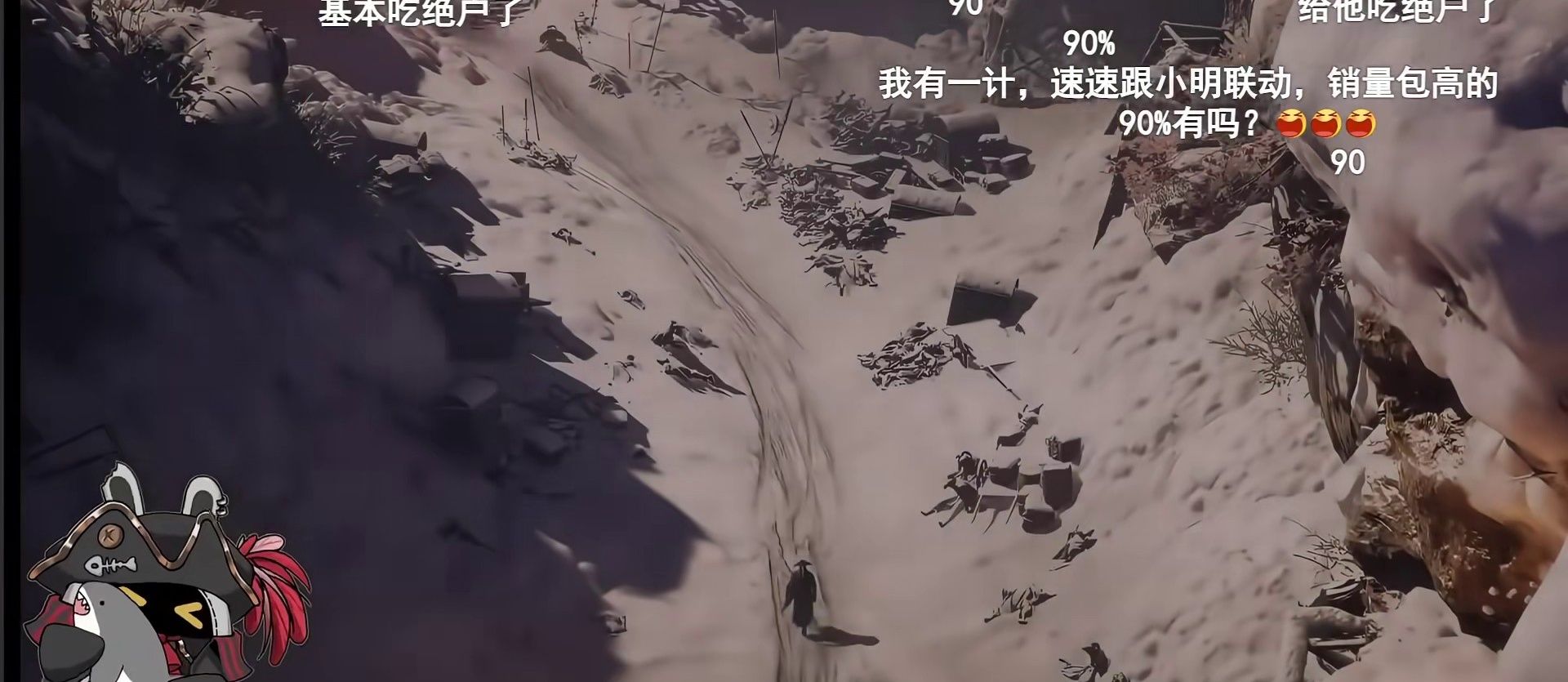
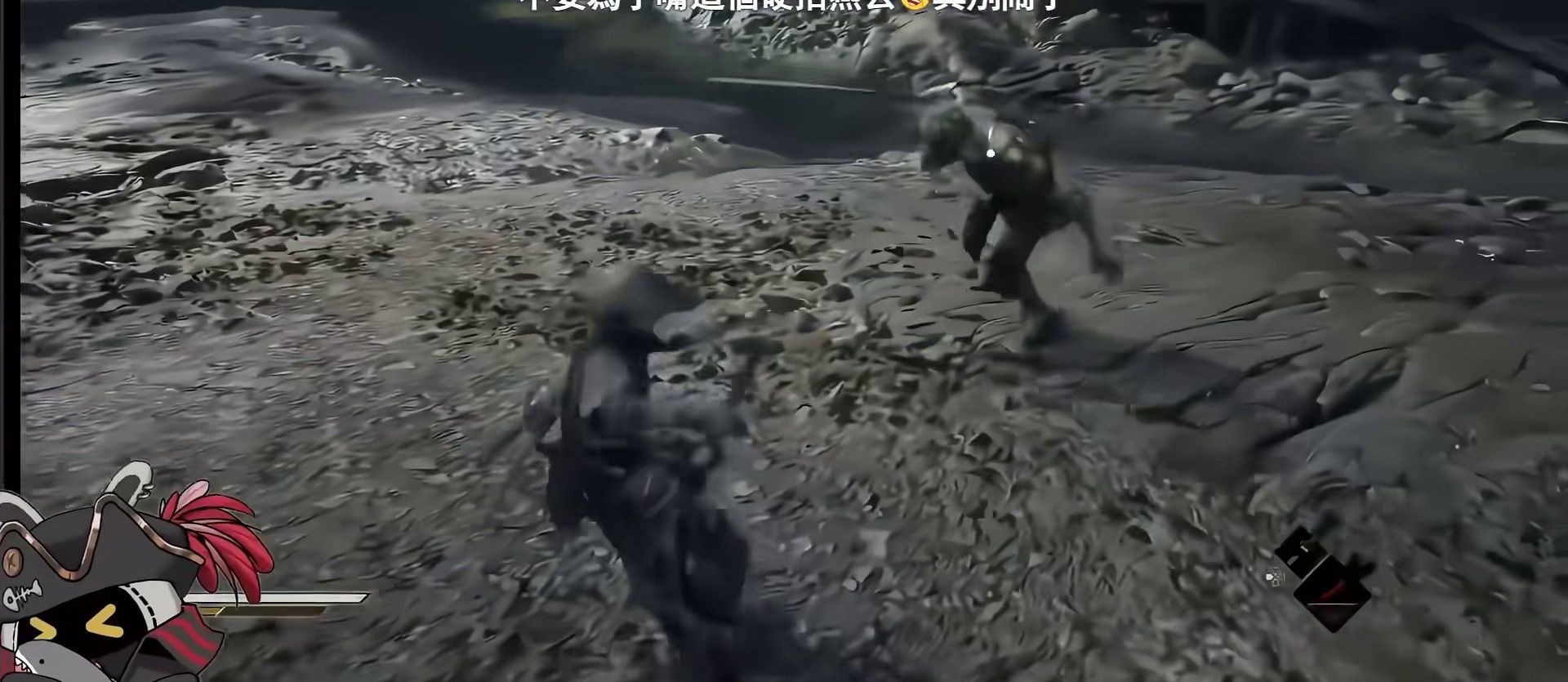
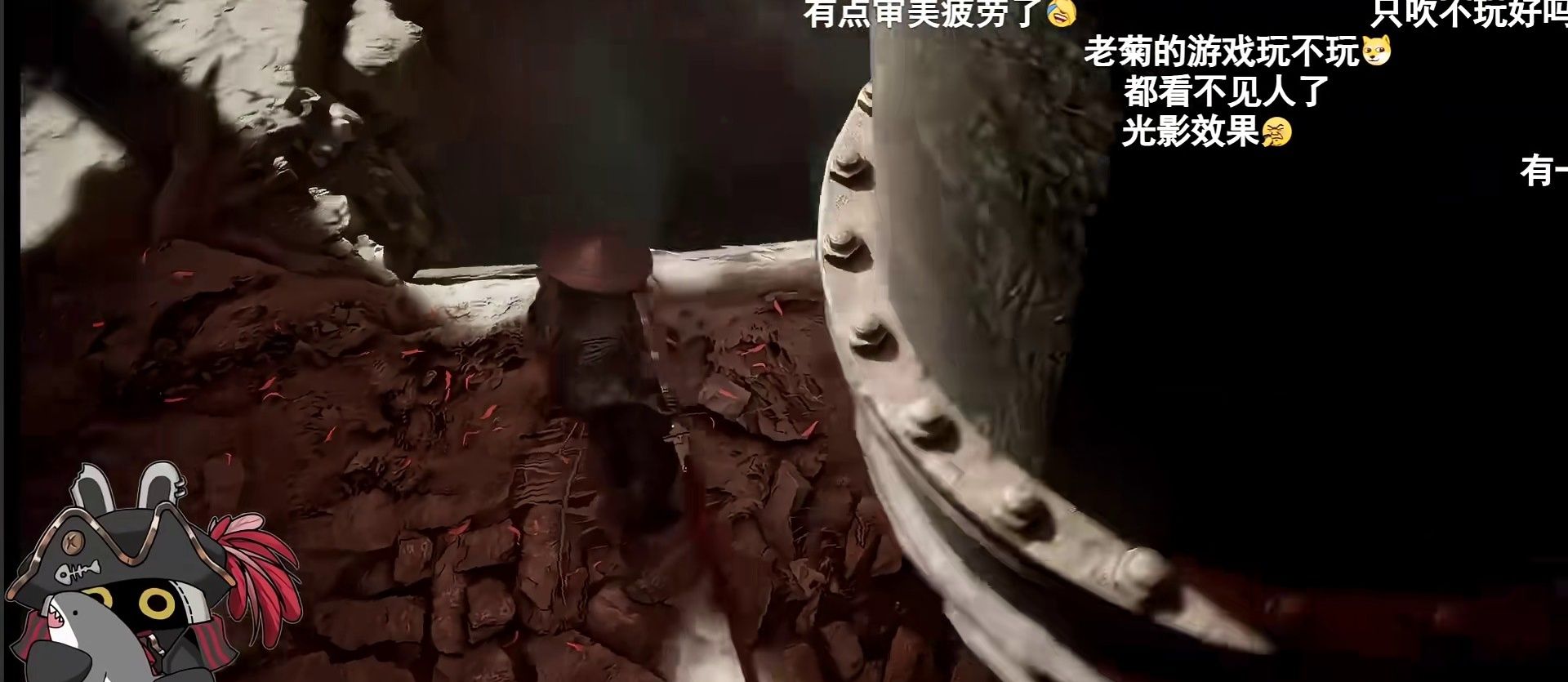
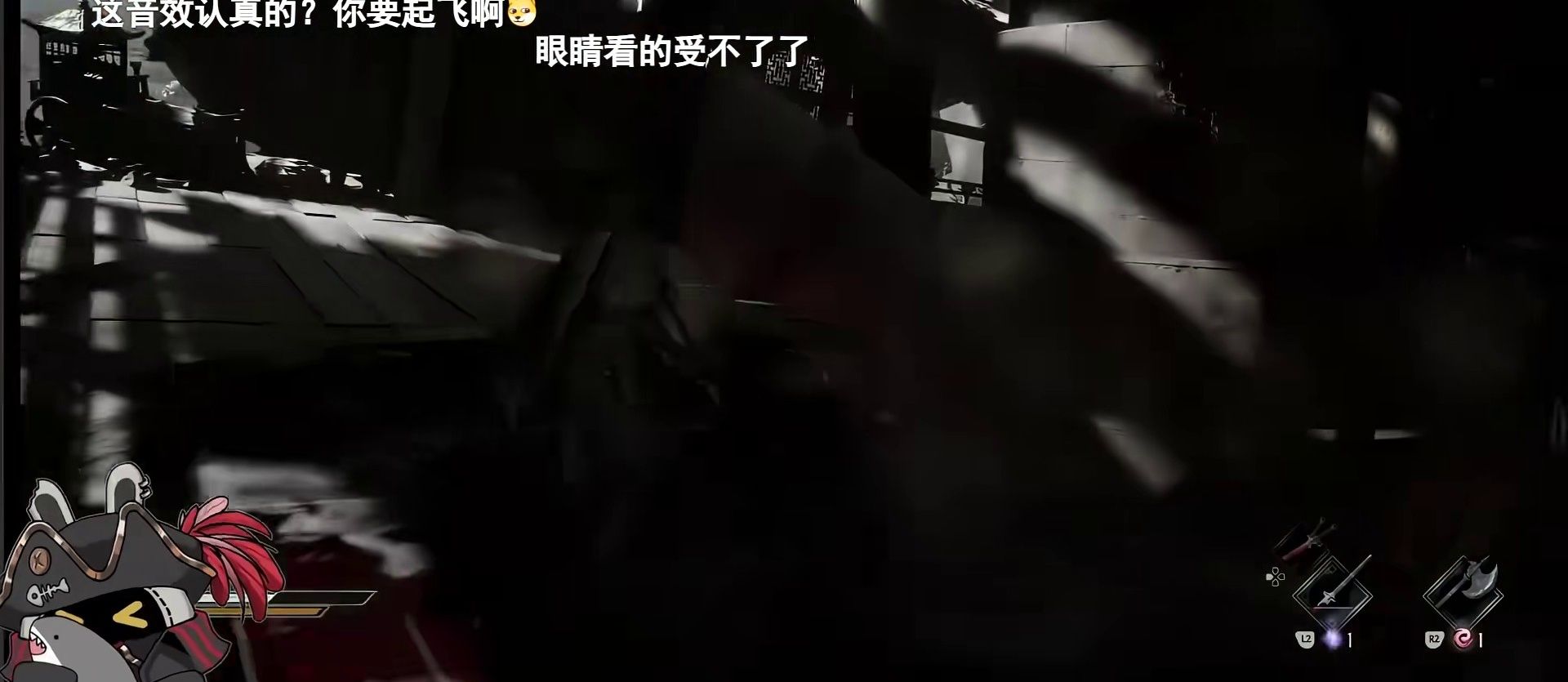
Judging from the content released so far, what players are most sensitive to isn't "whether there are highlights," but "whether those highlights are distinctive enough." Horseback riding, drinking, masks, bleed, the flash of blades - these elements have style, yet the flow itself shows a drift toward the formulaic: exploration, clearing enemies, elite fights, simple mechanisms, fixed camera angles, combat spectacle taking priority. It reads more like a competent action game showcase than a stunning demo capable of resetting expectations.
Some players feel that, compared with the earlier media hands-on build, this demo has taken a step down in production scale. Certain combat set pieces, camera choreography, and action details in earlier versions once led people to believe Phantom Blade Zero could push wuxia action to a new height of polish; the current content, by contrast, feels more like proof that "it's still being made" - without further proving that "it can do what no one else can."
Of course, formulaic doesn't mean failure. No enemy respawn after death, a lighter, streamlined flow, improved combat readability - details like these show the team is still tuning the experience. But if upcoming levels remain strictly linear, lacking clever map design, mechanical variety, and narrative tension, players could easily slide from "anticipation" into "cookie-cutter expectations." Tempering expectations isn't doom-mongering - it's about keeping players from sliding from awe straight into disappointment.
It's not that players can't accept ordinary - it's that they can't accept "ordinary packaged as revolution."
S-GAME and Liang Qiwei's Next Step: Turning "Style" into "Completeness" Is the Real Key
Phantom Blade Zero's real test isn't producing another visual highlight - it's turning those highlights into a complete experience. The distinctive art style, wuxia temperament, and imaginative action design that S-GAME and Liang Qiwei have built up over the years remain its most essential assets. But what players care about now is this: can those assets support a truly mature, large-scale single-player game?
Judged against the homegrown single-player market as a whole, sales of two to three million copies would already be enough to prove commercial success. But judged against player expectations, the team's ambition, and its position in the industry, only five million or more comes closer to a "guaranteed win." That's because Phantom Blade Zero carries not only the fate of S-GAME's own product, but also part of the pressure of whether homegrown action games can continue to prove themselves.
More crucially, players have already given homegrown single-player games chance after chance. From Black Myth to the many wuxia, xianxia, and indie titles in between, market sentiment has been through fervor, disappointment, renewed fervor, and a return to calm. If Phantom Blade Zero continues to rely on the "homegrown game" label, "wuxia nostalgia," and "visual spectacle" to drive purchases, and the final product still falls short on polish, it will only accelerate the erosion of trust. Once, maybe twice - but never a third time.
Phantom Blade Zero doesn't lack style, and it doesn't lack buzz; what it lacks is the final piece of proof that it can make good on that style with a complete experience.
Top Community Comments
- Mahou Shoujo Hannibal: I already paid my dues with Black Myth: Wukong, and my trust in homegrown single-player games got overdrawn in one go. As for this one, I'll wait until it actually launches before passing judgment. If it runs the same marketing playbook as Black Myth, then there's really no point in looking forward to homegrown single-player games anymore.
Interpretation: This comment pinpoints the core psychological shift among players right now: it's not that they don't support homegrown single-player games - it's that their trust account has been drained over and over. Players are willing to wait for the finished product, but they refuse to pay upfront for marketing narratives any longer.
- Hei Ze Hei Ze: Do Where Winds Meet players always talk like this?
Interpretation: On the surface this is a jab, but it actually reflects the friction between the fanbases of different titles. Fans of premium single-player games don't want their choice held up for easy comparison against continuously updated free-to-play titles, because the two differ completely in business model, update cadence, and monetization pressure.
- Shuimen Laoshi: @Rain on the Eve of Winter [Disdain]
Interpretation: A short burst of disdain like this often rings truer than pages of criticism. It represents the reflexive pushback some players feel toward "over-inflated expectations": until a title has proven itself, any rhetoric that elevates homegrown single-player games onto a pedestal will trigger a defensive reaction.
📌 One-Line Takeaway
Phantom Blade Zero isn't short on style, nor on buzz. What it truly needs to prove is that, after player trust has been worn down time and again, it can still deliver a complete, stable, and genuinely worth-paying-for experience - one that turns "expectations for homegrown games" back into "acclaim for homegrown games."