Platinum on the First Playthrough, 66 Days Left for NG+: The Trade-offs and Ambition in Liang Qiwei's Long Read on Phantom Blade Zero
With 50 days to go until its official launch on October 29, Phantom Blade Zero has just marked a meaningful date - the very day that was originally slated to be its release date.
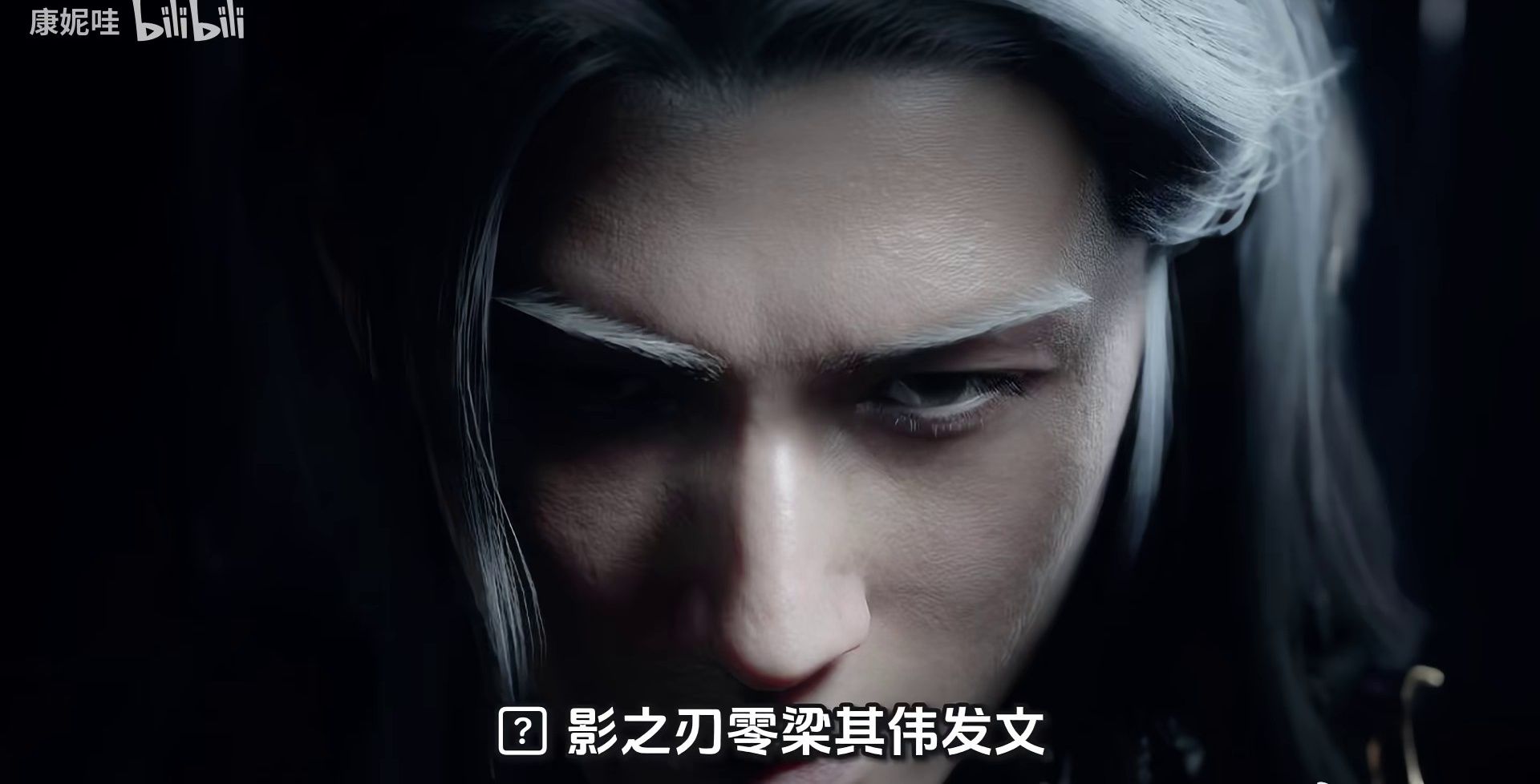
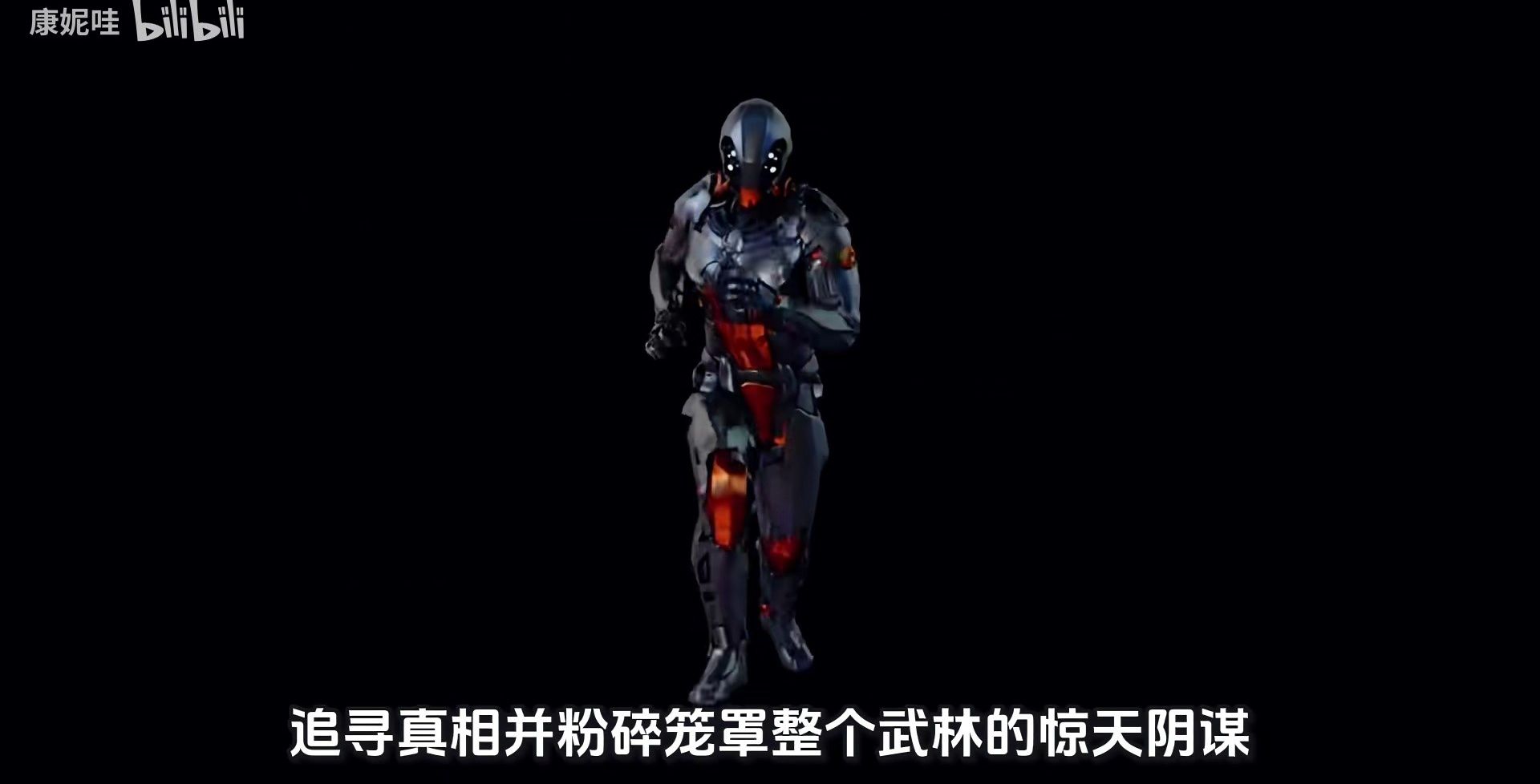
S-GAME founder Liang Qiwei (Soulframe) chose this day to publish a long-form post, dissecting in one go the three mysteries the outside world was most curious about: how trade-offs were struck in the difficulty mechanics, how the weapon progression system is built, and how the motion-capture actors were selected. This homegrown wuxia action game, developed and published by S-GAME, will release on both PC and PS5. Players will take on the role of Soul, a swordsman left with a gravely wounded heart, who spends his remaining 66 days of life walking a razor's edge as he investigates a shocking conspiracy that shrouds the entire martial arts world.
"Fleeing through the flash of blades and the storm of blood, pursuing the truth and crushing the shocking conspiracy that shrouds the entire martial arts world."
What makes this long-form post so compelling is its candor. Liang Qiwei never packaged Phantom Blade Zero as a hardcore totem that everyone would have to get on their knees to beat; instead, he repeatedly stressed one thing: This is a player-centric game - even a game co-created with its players. The floor belongs to everyone; the ceiling is reserved for those who opt in - this is the key to understanding the entire design.
Entrant Mode: The "Complicated Easy Mode"
The long-form post opens with a somewhat self-deprecating confession from Liang Qiwei: what he loves playing most is, of all things, the easiest Entrant mode and the most hardcore 66-day mode.
Since he needed to test quickly and gather feedback, he has cleared the game on Entrant more times than on Breaker or Heaven-Defier. In his telling, the Entrant experience is "unusually relaxed": freely exploring the world, triggering side quests, and taking down enemies through RPG progression rather than white-knuckled combat nerves. As he put it at last year's in-person hands-on event:
"Entrant lets any player without action-game experience easily play through this world, experience the story, explore the map, and still enjoy the fun of combat."

This isn't a watered-down concession to placate newcomers - it's a system that has been deliberately polished. Liang Qiwei calls it the "complicated easy mode": thanks to enemy AI and flexible animation design, enemies will close in and surround you, and every clash triggers combat choreography as spectacular as a wuxia film, ending in a satisfying execution or a crisp, decisive slash. In other words, even if you can't pull off move inputs or land a perfect parry, your on-screen self still comes across as a bona fide wuxia protagonist - the barrier to entry stays in the controls, while the cool factor belongs to everyone.

66-Day Mode: The "Other Game" Hidden Inside New Game Plus
If the Entrant difficulty is an invitation extended to everyone, then 66-Day Mode is a letter of challenge addressed only to the few.
Let's rewind to 2018. When Liang Qiwei first conceived Phantom Blade Zero, the game as a whole was originally envisioned exactly this way: a single, non-negotiable ultra-hard difficulty in which players would meet their end after 66 deaths; with every restart, your sharpened skills would carry you closer to the ending than the run before. But he soon realized that a Roguelike-style loop like this was simply too long - imagine sinking twenty or thirty hours into a run, only to die permanently because your days ran out. For most players, it would be a game that could never be finished, leaving nothing but endless frustration and torment.
Curiously, when he shared this concept with some streamers, what he was met with was eager anticipation:
"The remaining days keep dwindling with every death - the fewer that are left, the stronger the drama."

He could almost picture the scene: after dozens of hours live on stream, a streamer squares off against a formidable foe with only their final life remaining - just how electric would the chat get?
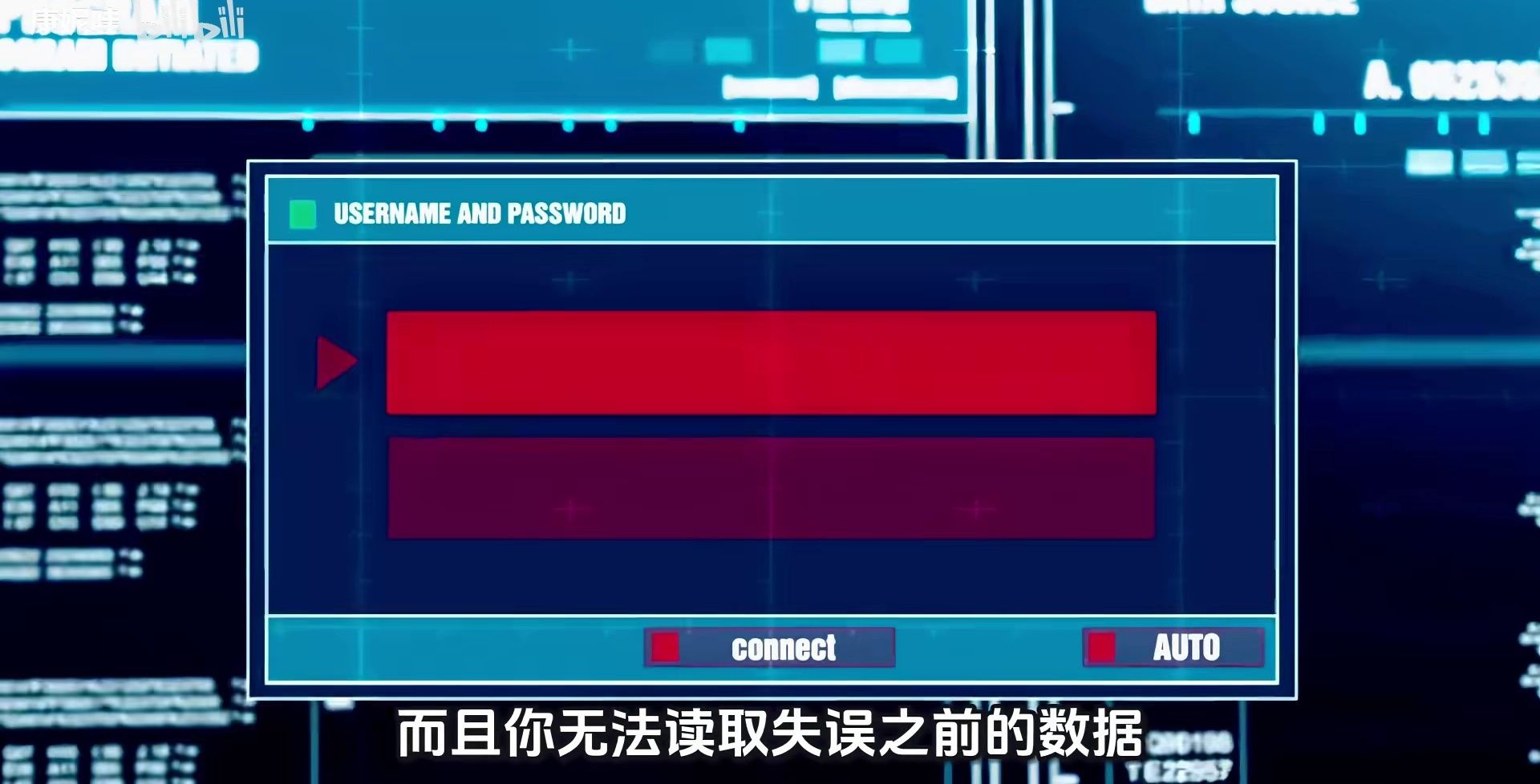
The final design was an elegant compromise: the first playthrough remains a traditional experience, with players choosing among three difficulties - Entrant, Breakthrough, and Heaven-Defying - where the remaining days carry only narrative weight and have no effect on progression; the 66-Day difficulty only unlocks in New Game Plus, with saves kept entirely separate from all other difficulties. And its rules border on brutal: the game autosaves the moment you touch a bell - there are no manual saves. Your playthrough records every mistake and every moment of regret in real time, and there is no loading back to a point before you erred.
"Just like life itself."
If you exhaust all your days, you'll arrive at a "jianghu of regrets" ending - after a short cutscene plays, that run's data becomes history forever, and the game will only calmly ask: would you like to start over? Worth noting: the number "66" forms a cruel echo of the protagonist's lore - that he has "only 66 days left to live." Here, difficulty is no longer just a number; it becomes an extension of the narrative itself.

Platinum in a Single Playthrough: Handing the Key to Challenge Back to the Player
The most "counterintuitive" aspect of the entire design is this: the 66-Day Mode has absolutely nothing to do with the achievement system.
Every achievement in Phantom Blade Zero can be earned on the first three difficulty levels - even if you play the entire game on Initiate, you can still unlock all achievements and bring home the Platinum trophy within a single playthrough. In other words, this is a game where anyone can earn the Platinum in one playthrough - regardless of whether you possess the skills and experience this genre typically demands - simply by throwing yourself into exploring its world.
The true honing of skill, the ultimate thrill of challenge - or that life-on-the-line experience that brings you closer to the protagonist "Soul" himself - is non-utilitarian by design; it is entirely the player's own choice. Liang Qiwei calls this "one of the countless difficult choices" made in Phantom Blade Zero.

Behind it lies a clear set of values: they want to make a game that anyone can pick up with ease - one where you can pull off breathtaking martial-arts moves without breaking a sweat and finish off powerful foes with boldly staged executions. Whether you want to casually enjoy the original worldbuilding and story, or dig deep into the combat's depth and push your limits, you will find a way to play that is truly your own.
"In the era of livestreaming and short-form video, those spectacular challenge runs will themselves become content that a far wider audience can appreciate."
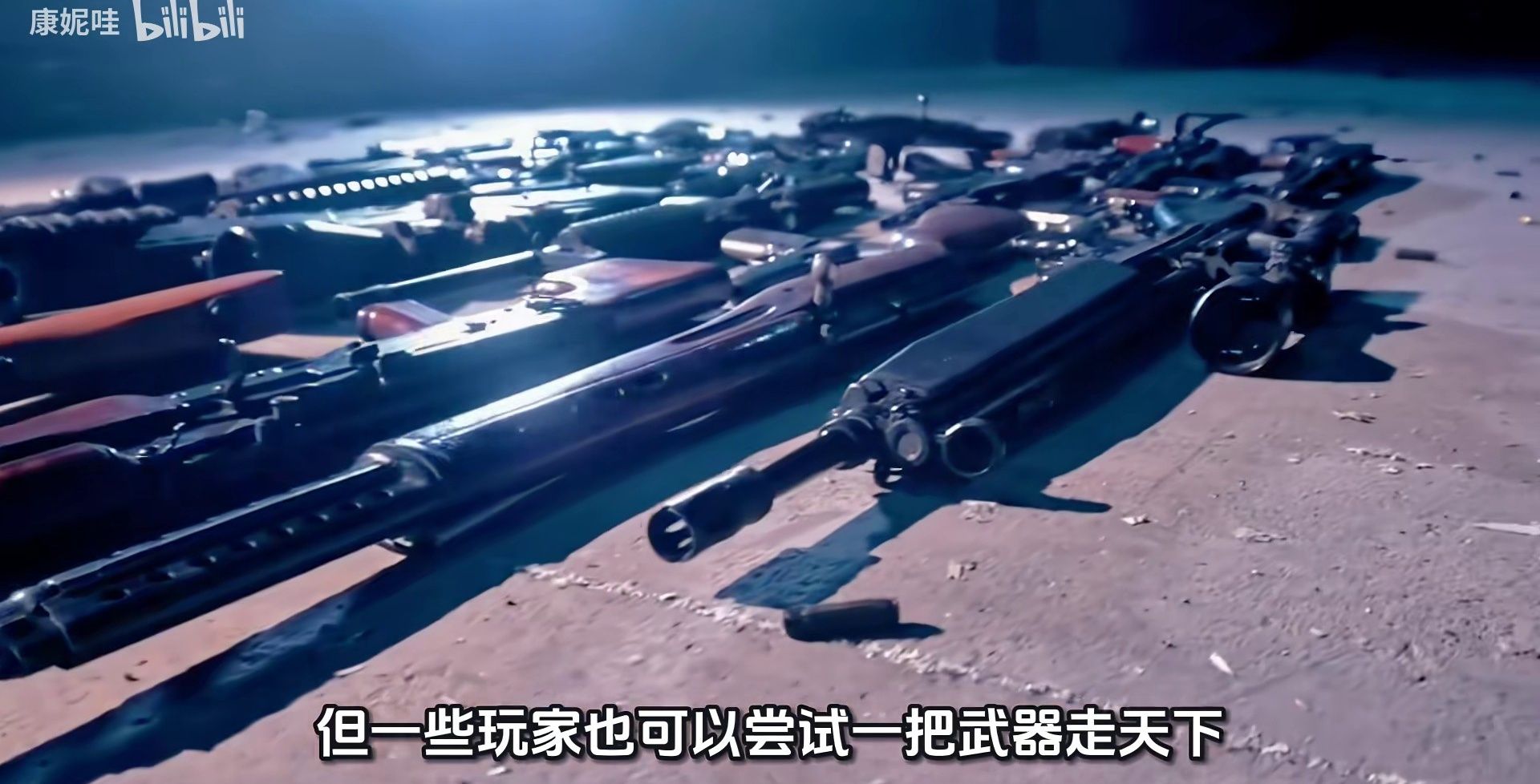
As for what drives multiple playthroughs - that, too, stems from no utilitarian goal. If you find yourself spontaneously wanting to keep playing, chances are there is only one simple reason: that pile of weapons you picked up in the late game - you still haven't had your fill of them.
Weapon Progression System: After Level 30, It's Practically a Different Weapon
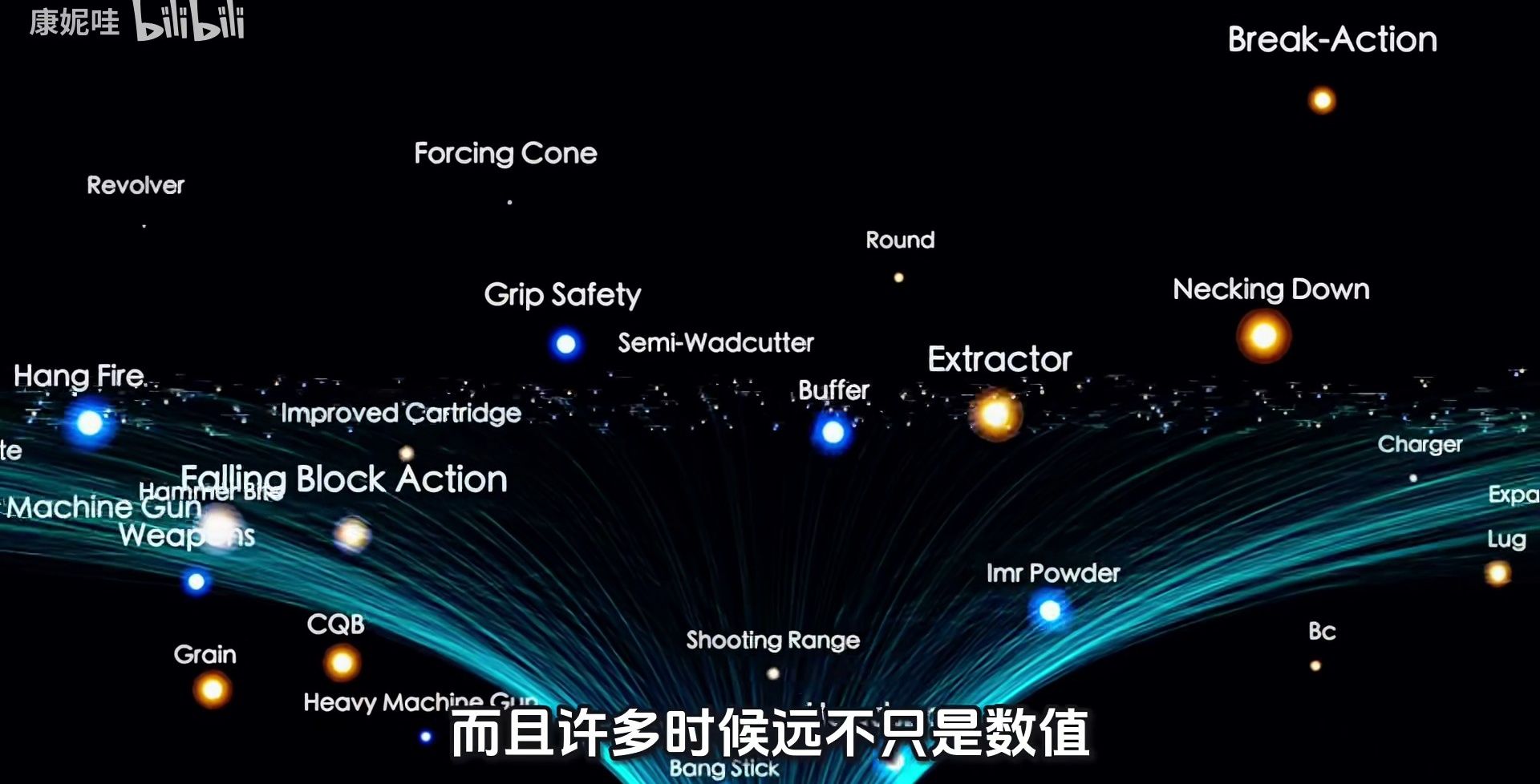
Phantom Blade Zero features a large arsenal of weapons, and if you study each one in depth, you'll discover that every weapon has its own progression system - one that, in many cases, goes far beyond mere stat differences. The same weapon at level 1 and at level 30 can differ dramatically in how it handles and how you approach combat, thanks to upgrades in certain traits.

Even more intriguing is the counter system: nearly every weapon holds an advantage over certain enemies, yet loses its edge in other situations. Switching weapons to match the enemy at hand is naturally the optimal play, but if you insist on "one weapon to rule them all" - even taking the weakest wooden sword through the entire game - the game leaves that path open for you as well.
Since many weapons come from boss drops, an inevitable awkwardness arises: weapons from late-game bosses have little room to shine in a first playthrough, and the weapons of the final boss and hidden bosses may even end up as mere collectibles. But Liang Qiwei made a point of stressing: these late-game weapons - they finished building every single one of them, one by one. By story design they are necessarily more powerful, often featuring more motion capture and more complex mechanics, and only in New Game+ can they be experienced to the fullest.
The example he gave was "White Shadow" - a slender miaodao (a traditional Chinese saber), obtained quite late in the game. Its true stage is New Game+.
The Actor Who Plays Soul: A Veteran Player from the Rain Blood Era
"Phantom Blade Zero is a player-centric game; in a sense, it is even a game co-created with its players."
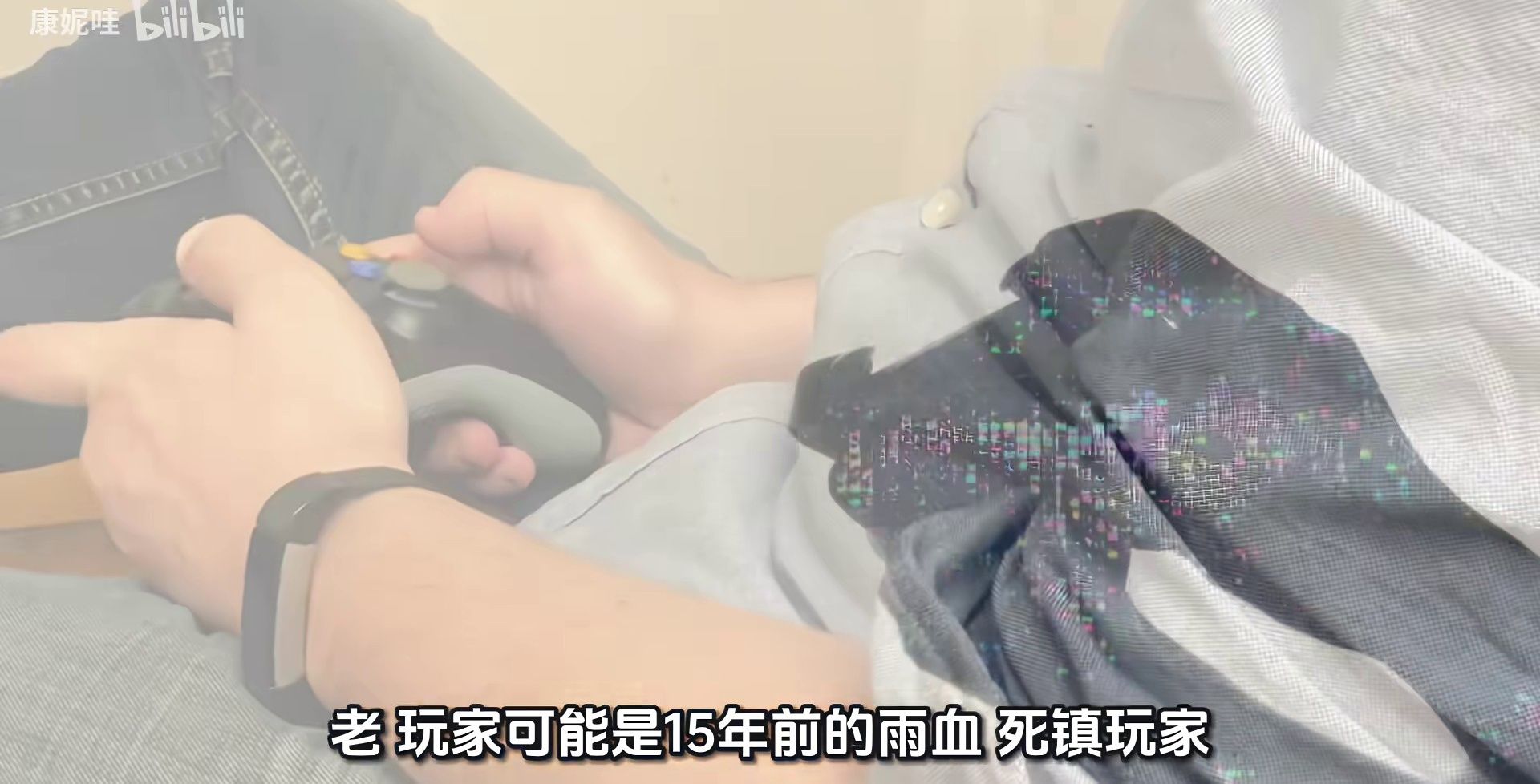
The most vivid footnote to this statement is hidden in the casting story. The motion-capture actor for the male protagonist Soul, Yu Cheng, is himself a veteran player from the Rain Blood era. Liang Qiwei felt his temperament was a perfect fit for playing Soul, while Yu Cheng's condition for accepting the role carried a touch of "actor's pride": he wanted to read the script first. After finishing it, he gladly signed on.

When it came to the character of Soul, there was ample room for interpretation: his face could be smudged with dirt, his clothes rendered tattered, using a weathered, travel-worn look to shape him into an authentic wuxia figure - the grime and wear, paradoxically, felt all the more "right."

Rather than a casting decision, this was closer to a recruitment: recruiting someone who genuinely understood this world. When the actor is himself a player, a layer of separation between character and lore simply never forms.
Casting Zuo Shang: After Passing on 20 Candidates, a Gen-Z College Student Showed Up
Casting the other male lead, Zuo Shang, meanwhile, had left Liang Qiwei stuck at a bottleneck. For a character of this type - especially with the white-haired look - one careless step and he would slide toward three familiar shadows: Alucard, Sephiroth, or Vergil.
"This might be a direction many people would appreciate - a 'well, maybe that works too' direction - but it's not what I had in mind."

Soul could be rescued with a dose of "grime," but Zuo Shang could not - the slightest slip and he'd become one of those "influencer face models" who, hair removed and set beside the pretty boys of other franchises, are impossible to tell apart. After passing on no fewer than 20 actors, one day Zhang Xince, a student at Shanghai University's Film Academy, came knocking, saying he wanted to try out for Zuo Shang. Liang Qiwei looked over the résumé: a student, born in the 2000s, with spoken-drama and stage-play experience. Since the Zuo Shang of the game is meticulous and deeply calculating, Liang had naturally assumed he should be looking for a more mature actor - yet the young man before him was several years younger than Yucheng, who plays Soul.

At the audition, Liang Qiwei asked whether he had heard of the series and why he wanted to play Zuo Shang. The young man pulled out his phone and showed him a highly built "Qingyu" account in Phantom Blade 3. He explained that he had noticed Zuo Shang's outfit in Phantom Blade Zero seemed to carry over the "Qingyu" design, and that watching that little 2D figure become such a concrete, intricate 3D robe made him want to put on those very clothes inside a "cyber world" and live out the fantasy - and, more than that, to take part, with his own hands, in giving Zuo Shang flesh and blood. In that moment, Liang Qiwei realized: a so-called "veteran player" might mean someone who played Rainblood 15 years ago - or someone who played the mobile game Phantom Blade 3 five years ago. He made the call on the spot.

In the subsequent scanning and performance sessions, he discovered that the photos on Zhang Xince's résumé had actually been retouched to look a little too sunny; yet the Zuo Shang played by this Gen-Z actor grew better and better with every take - even the white-haired form, which by rights should have read as sickly, frail, and cold-blooded, was performed with real flavor. And what had first given him that sense of kinship, perhaps, was still the label of "gamer" - playing games, or admiring those who do, hardly comes across as "prestigious" in certain settings, especially for a student at a film and television academy. So he made a wish:
"I hope that in the future, not just in our projects, playing a character in a major single-player game becomes an acting path that everyone envies."
The Kinship of Fellow Travelers: From Onimusha 3 to the Demo Event Floor
At the 2025 demo event, the facial-capture actors for Soul and Zuo Shang slipped into the crowd of players and beat the demo right alongside everyone else - the game brought many people closer together.

The veteran on the team who directed the CG opening cinematic of Onimusha 3 twenty years ago probably never imagined the game industry would grow to what it is today. And this cross-industry experience deepened the team's respect and trust in him even further.
"Implicit in this is a warm sense of kinship among fellow travelers."
From Rainblood to Phantom Blade: Executioners to Phantom Blade Zero, from player to actor and from actor back among the players - this twenty-year thread is precisely the true hidden throughline of Liang Qiwei's long essay: wuxia is not merely combat and spectacle, but a way for a community of fellow travelers to recognize one another. As for how the game ultimately turns out - see you in the jianghu in 50 days.


Top Community Comments
@Maozhuacao823 (7 likes):
"It seems everything is subject to the law of diminishing returns. Phantom Blade Zero has kept everyone hanging for so long that, in the end, the buzz really isn't what it used to be."
This comment lays bare the harsh side of long-term marketing. From the initial gameplay footage that stunned audiences, to information being drip-fed in batches and a release date adjusted time and again, the sense of novelty in public discourse does inevitably get diluted by time - the law of diminishing returns holds true for any blockbuster with a long development cycle, and the blame doesn't necessarily fall on the game itself.
Looked at from another angle, however, the hype curve during the promotional period is not the same thing as a product's value. What's interesting is that Liang Qiwei's long-form post is itself an exercise in "expectation management": he proactively told everyone that "you can earn the Platinum on your first playthrough," defusing the anxiety first, then putting the 66-Day Mode on the table as an abyss players may choose to leap into of their own accord. When a game promises its floor to every player and leaves its ceiling to each player's own choice, the rise and fall of buzz may truly not be what matters most - the real answer will be revealed on October 29.
📌 One-Line Takeaway
Phantom Blade Zero puts the Platinum trophy in the first playthrough and saves the 66 days of life hanging by a thread for the second - the floor belongs to every player, while the extreme is reserved for those who willingly keep the appointment. This is Liang Qiwei's wuxia answer.