The "Cut Content" List Liang Qiwei Personally Confirmed: What Exactly Is Missing from Phantom Blade Zero's Release Version?
1. A List of "Sacrifices" Says More Than the Game Itself
What a game ultimately keeps is often less telling than what it gave up.
Phantom Blade Zero is less than two weeks away from its October 29 release. Over the past year and more, producer Liang Qiwei has confirmed six trade-offs in a series of public interviews - some features were cut wholesale, others were scaled back, and still others were deliberately deprioritized. Today, from a developer's perspective, we break down this entire list in one go.
Part Two: The First Cut - Cutting Projects at the Company Level
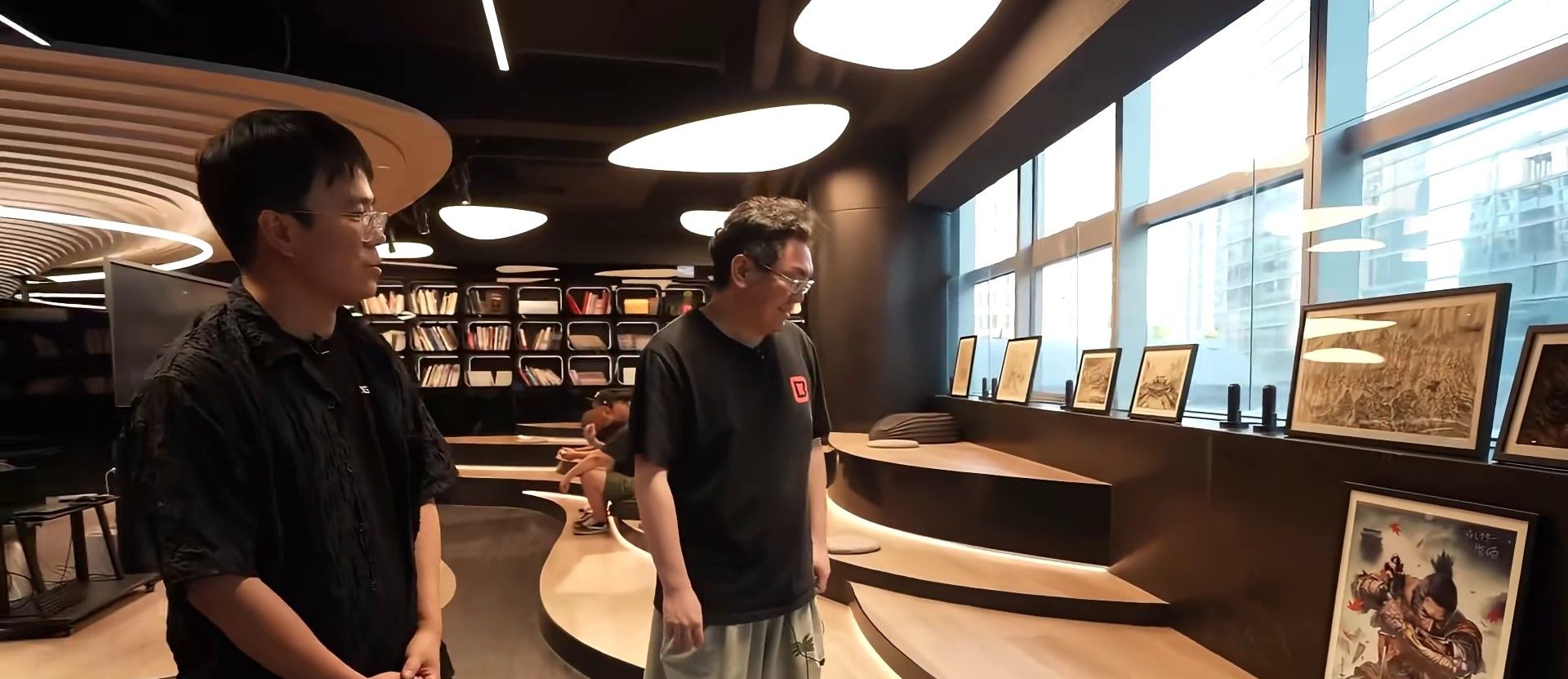
The first cut happened at the company level. In June 2025, Liang Qiwei stated in an interview that S-GAME had canceled all of its other new projects one by one, concentrating all of its energy and resources on Phantom Blade Zero.
According to an interview published by Sina Finance, the canceled projects included the sci-fi title "Guardians of the Stars", while only a small team remained attached to the Phantom Blade series to continue supporting veteran players. From a development management standpoint, this was a textbook case of scope reduction - running multiple projects in parallel typically means that personnel in key roles such as combat design, motion capture, and level design must be repeatedly split across teams. Consolidating the team onto a single project, in exchange, delivers certainty on the critical path.
3. The Second Cut: Level Design - Cutting Out the "Hellish Dungeon"
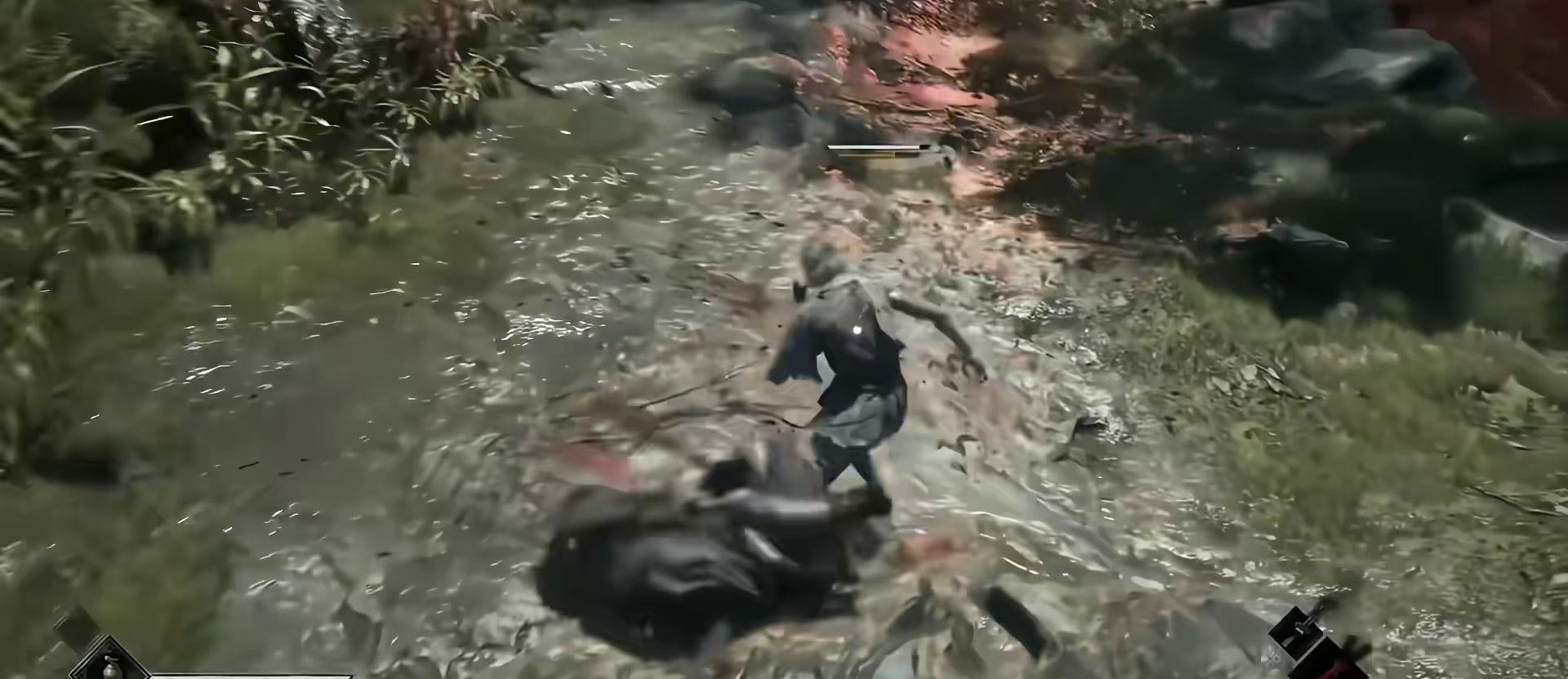
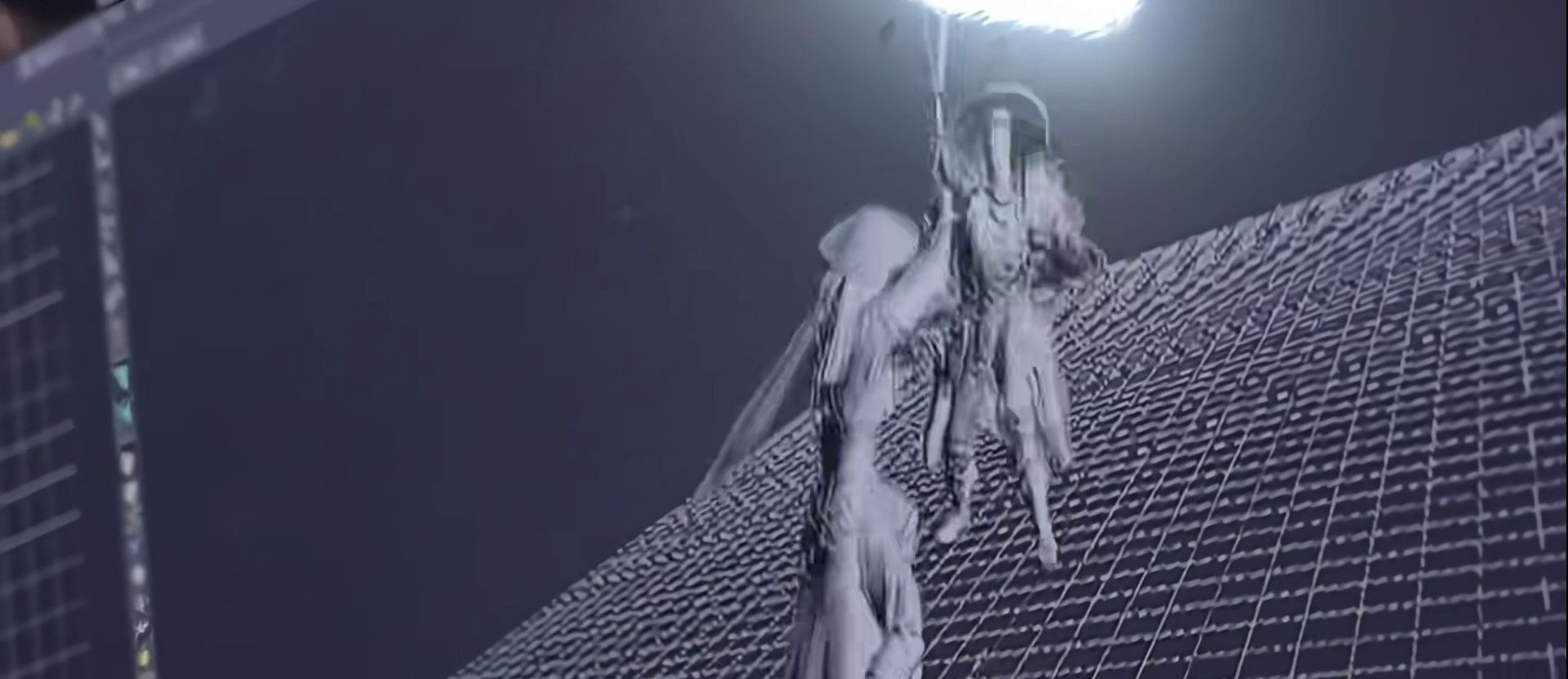
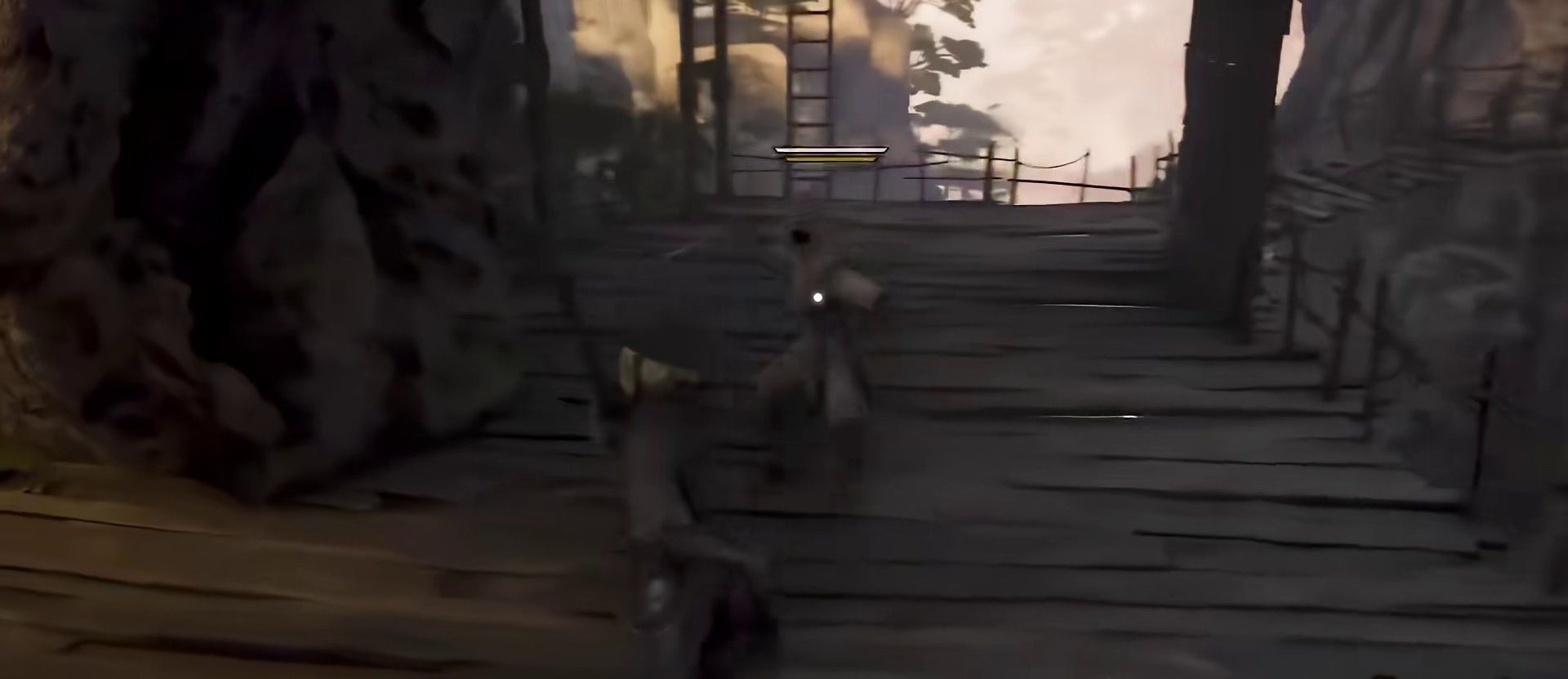
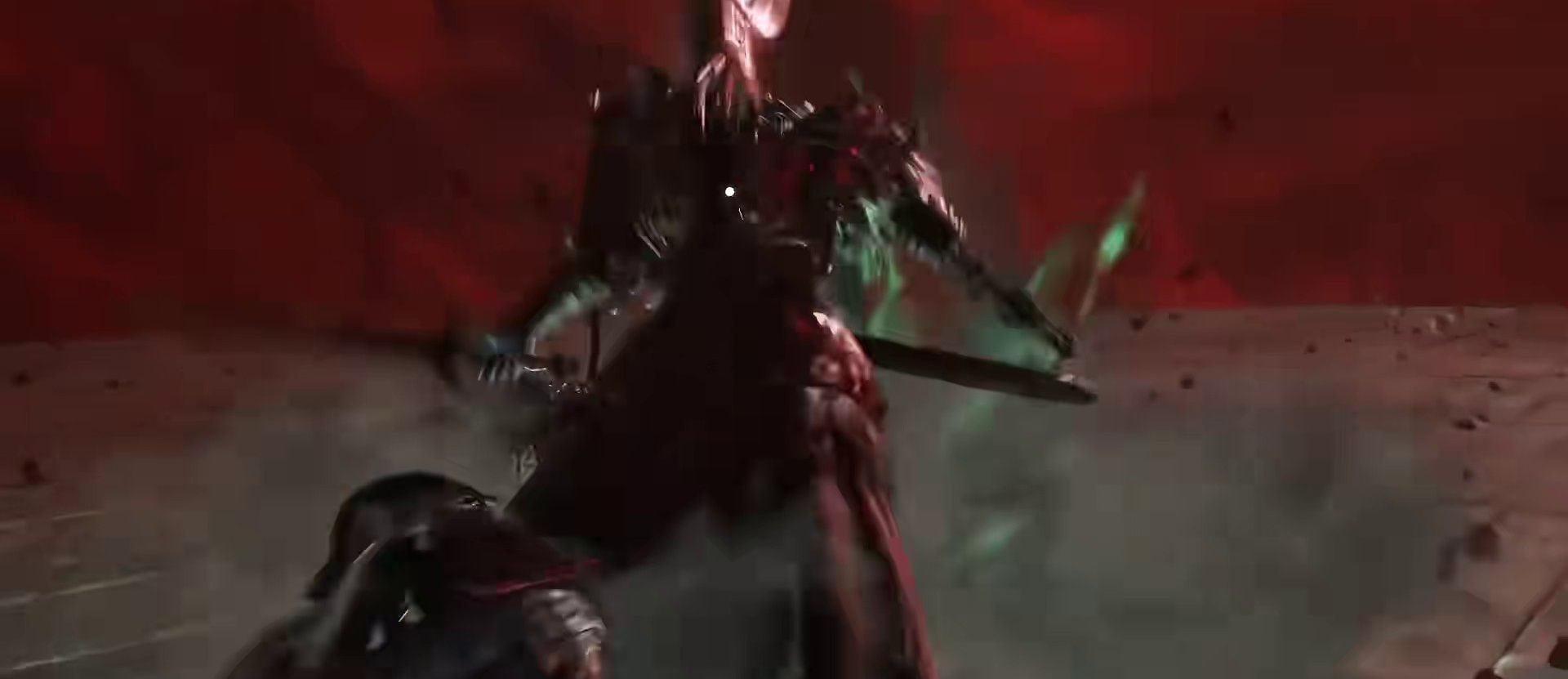
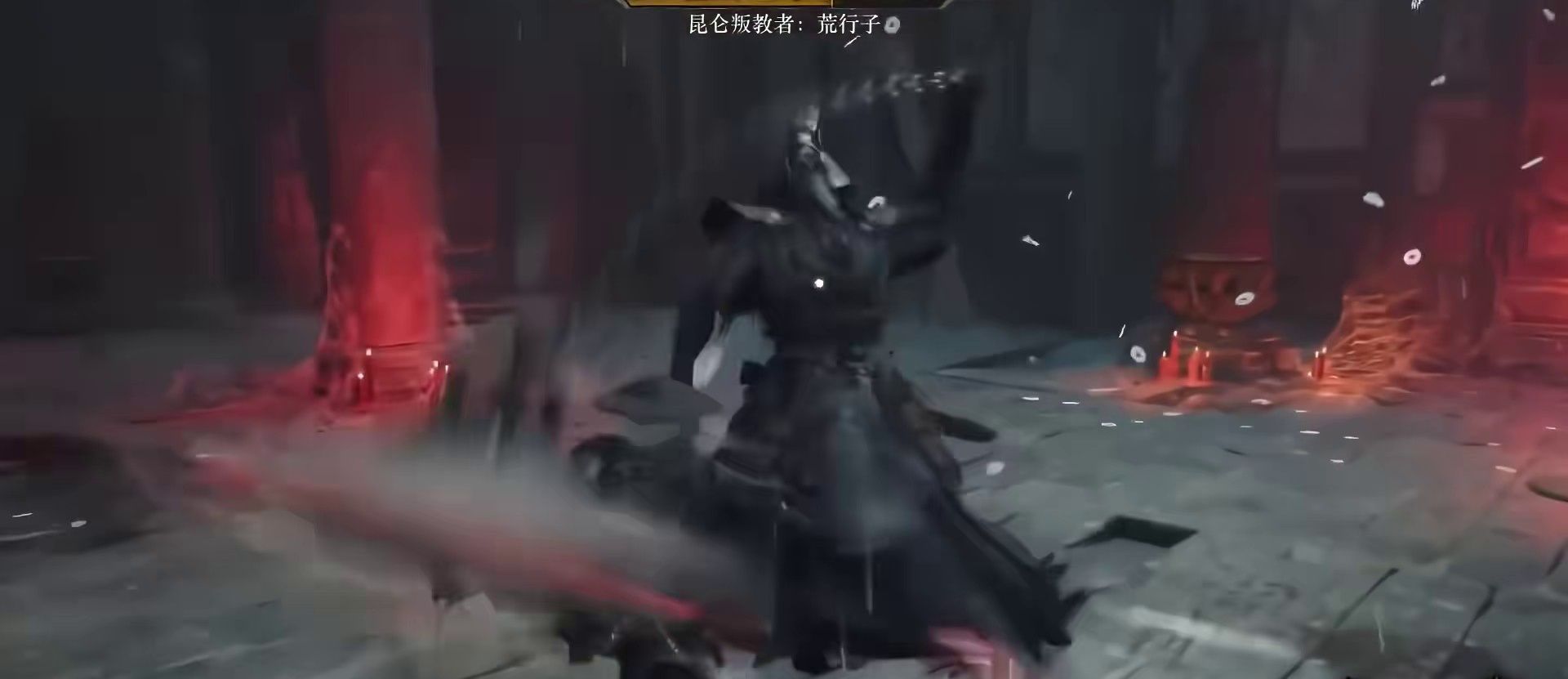
The second cut concerns level design. In July 2025, during an interview at a hands-on demo event, Liang Qiwei said: the level design does not pursue complex, maze-like layouts, and he explicitly mentioned that the "hellish dungeon" had been cut.
He also revealed that in May 2025, the team made a sweeping adjustment: levels where players might wander endlessly and get lost were cut entirely, so as not to disrupt the fluidity of the hero's exploration. "Fluidity" is a design pillar this game emphasizes time and again - in an earlier interview, he explained that fluidity isn't confined to combat animations, but also extends to game flow, exploration, and story. In level design, getting lost counts as a "navigation failure," one that directly breaks the pacing.
According to a 17173 roundup, what was cut were levels that were already finished - discarding content that had already entered production costs far more than scrapping something never started. This move makes one thing clear: the team ranked "fluidity" above the costs it had already sunk.
4. The Third Instance: Facial Animation - The Mask's "Practical Considerations"
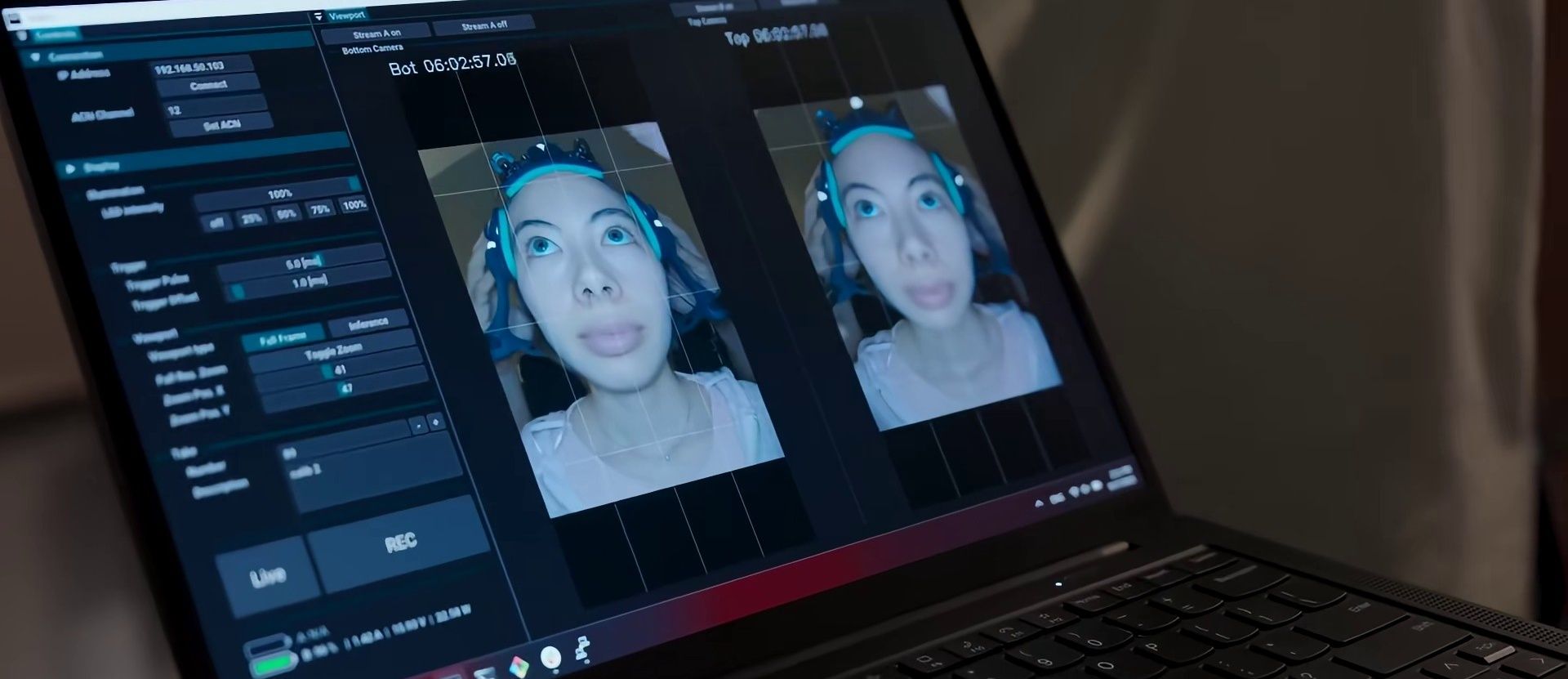
The third instance is facial animation. In August 2026, Liang Qiwei admitted in an interview ahead of preorders opening: beyond its symbolic meaning, the mask also involves practical considerations - it effectively cuts the production cost of facial animation, allowing the team to channel more resources into the action itself.
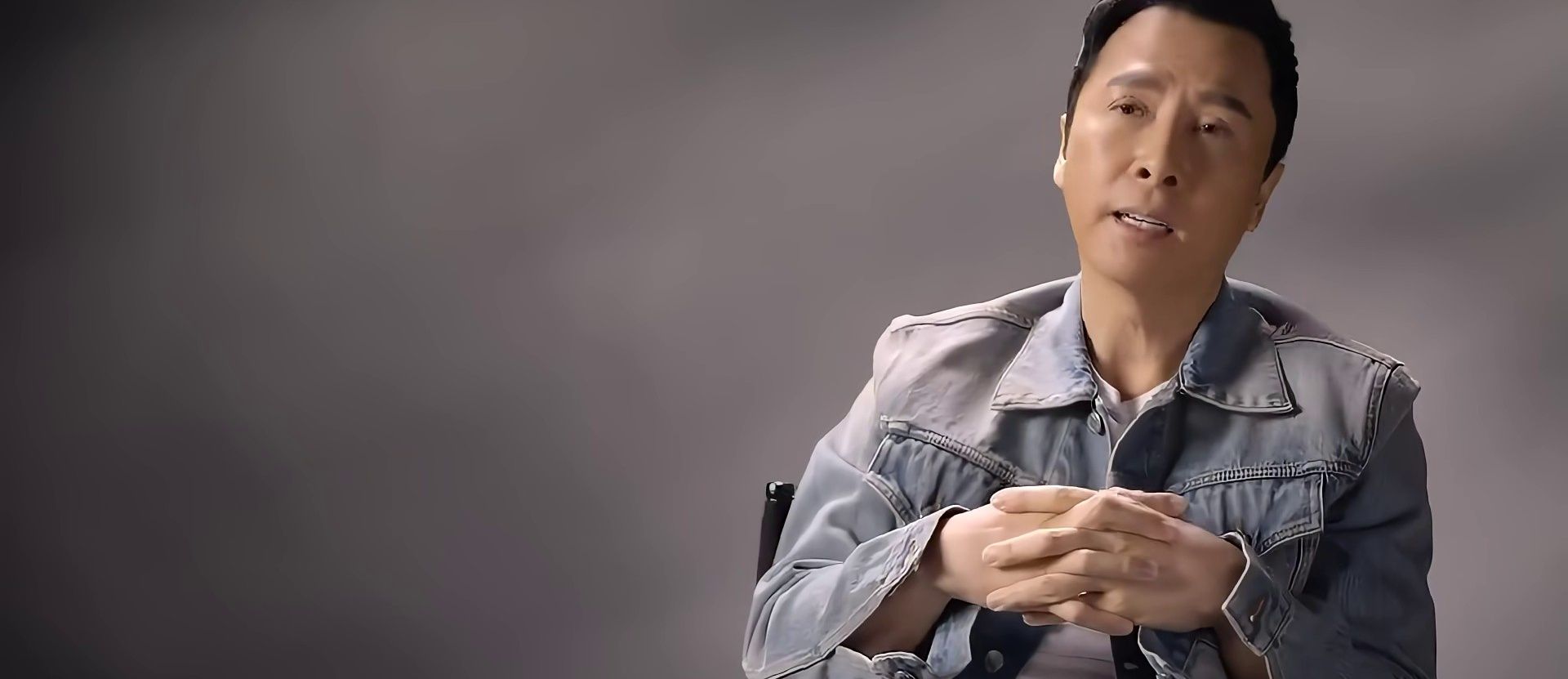
Facial animation requires facial performance capture and lip-syncing, which adds up to a considerable chunk of production time in a game packed with cutscenes. But one fact needs to be added: beneath the mask, facial performance is by no means absent. Liang Qiwei confirmed that the game was developed in deep collaboration with Donnie Yen's stunt team, and that the face beneath the mask is Donnie Yen's own face model.
My take: this isn't a case of "cutting it out" - it's about concentrating the facial-animation budget on one critical point of convergence.
V. The Fourth Difference: The Rewards of Defense - "Forcing" You to Attack
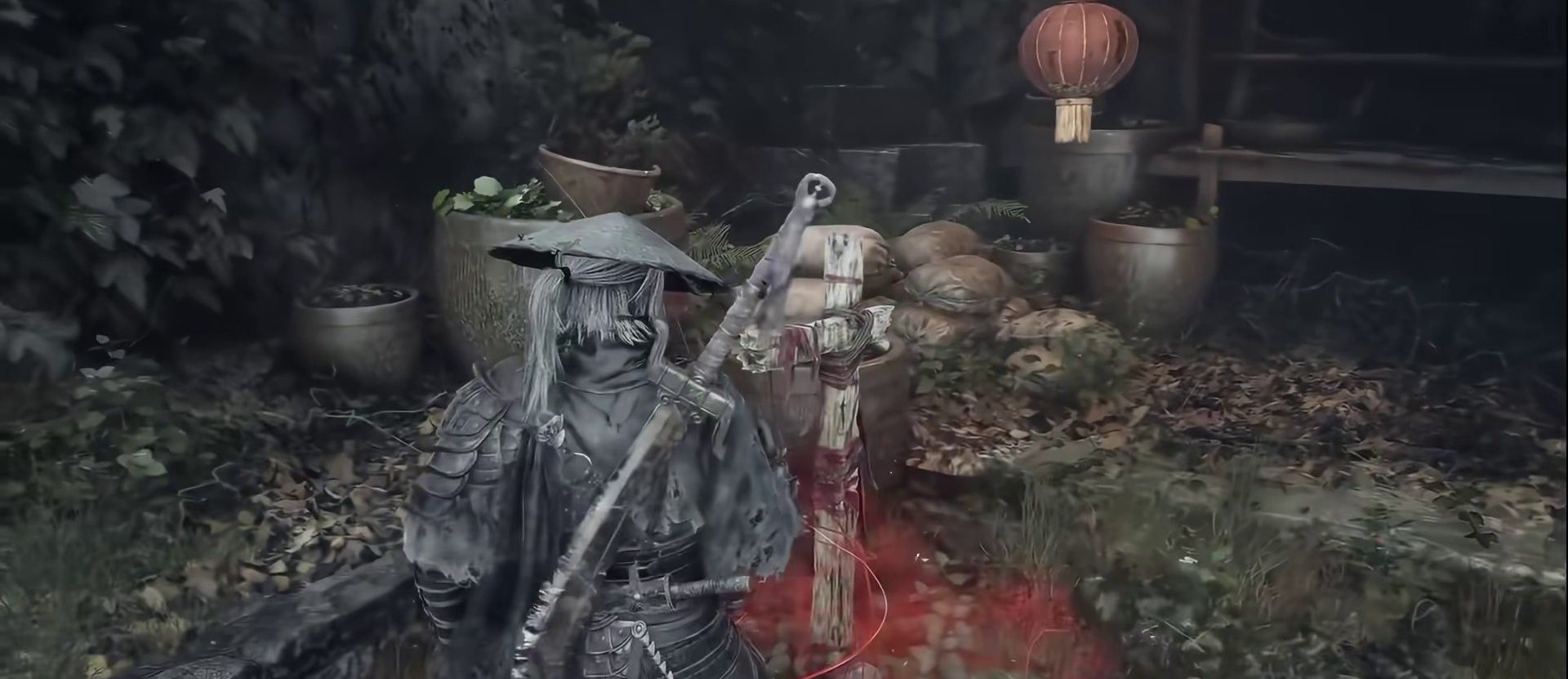
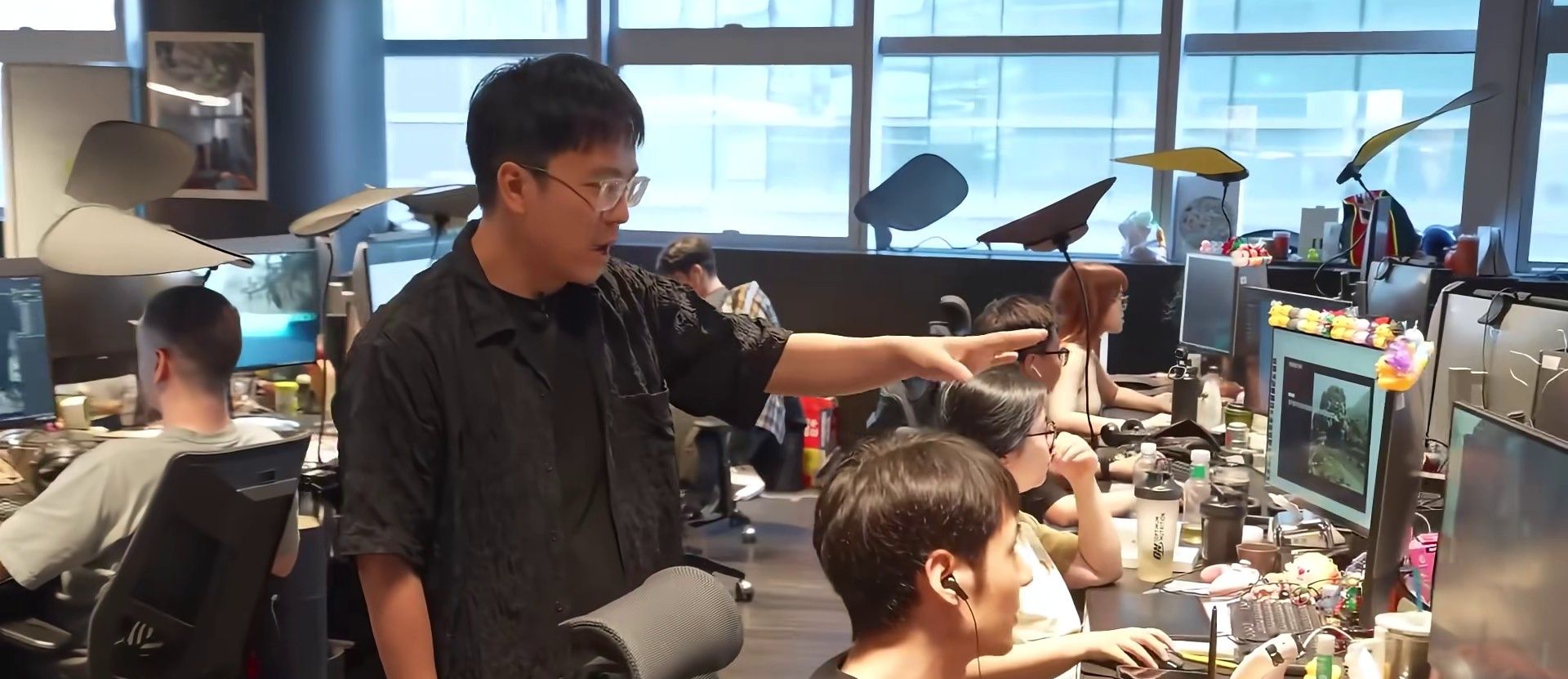
The fourth difference lies in the rewards of defense. In October this year, Liang Qiwei told the media: the low payoff of defensive parries is a deliberate choice by the team, designed to push players onto the offensive instead of letting them simply wait for enemies to make their move.
Compared with Sekiro, whose core loop revolves around parrying, this is a clear choice in the opposite direction - the rewards for defense are suppressed while the rewards for offense are amplified, shifting the entire combat system's center of gravity toward "aggression."
6. The Fifth Point: Late-Game Weapons and New Game+ - The "Content Reuse" Approach
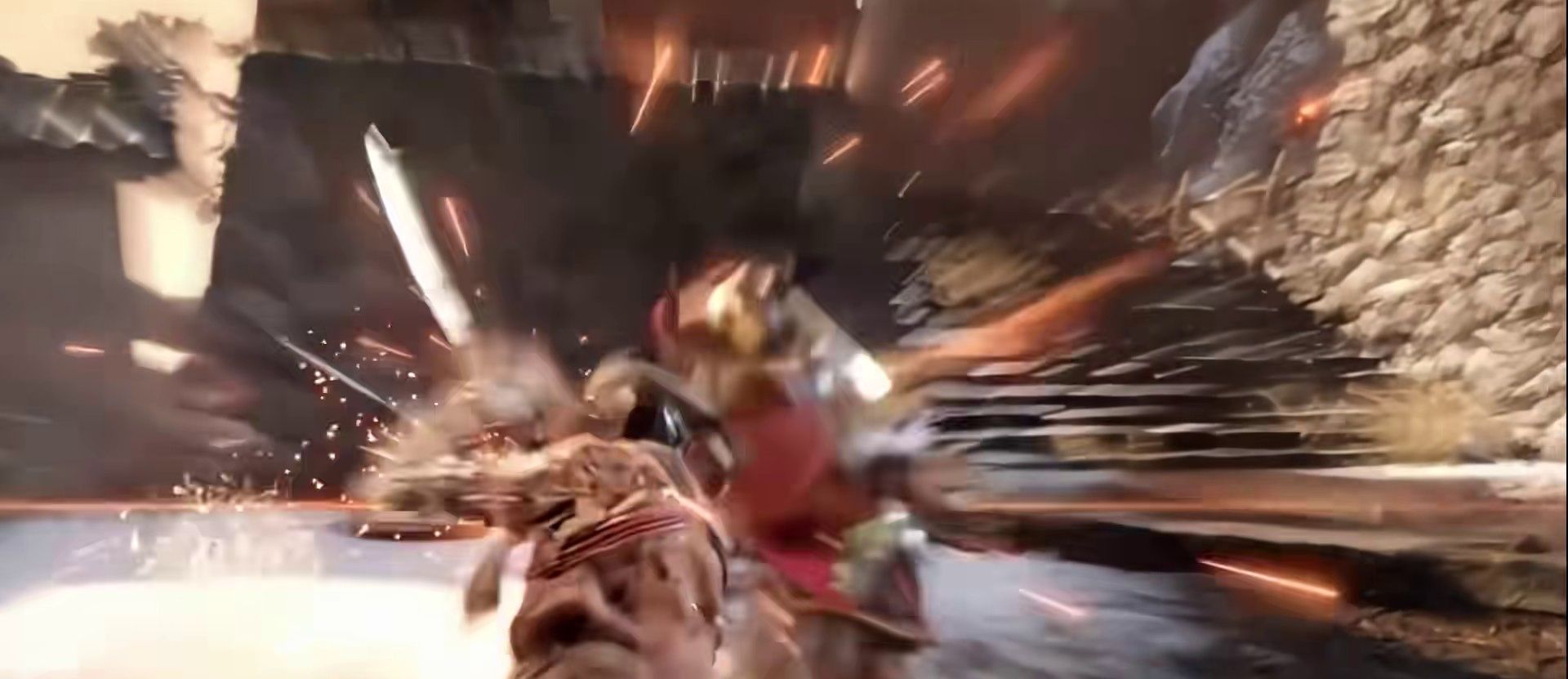
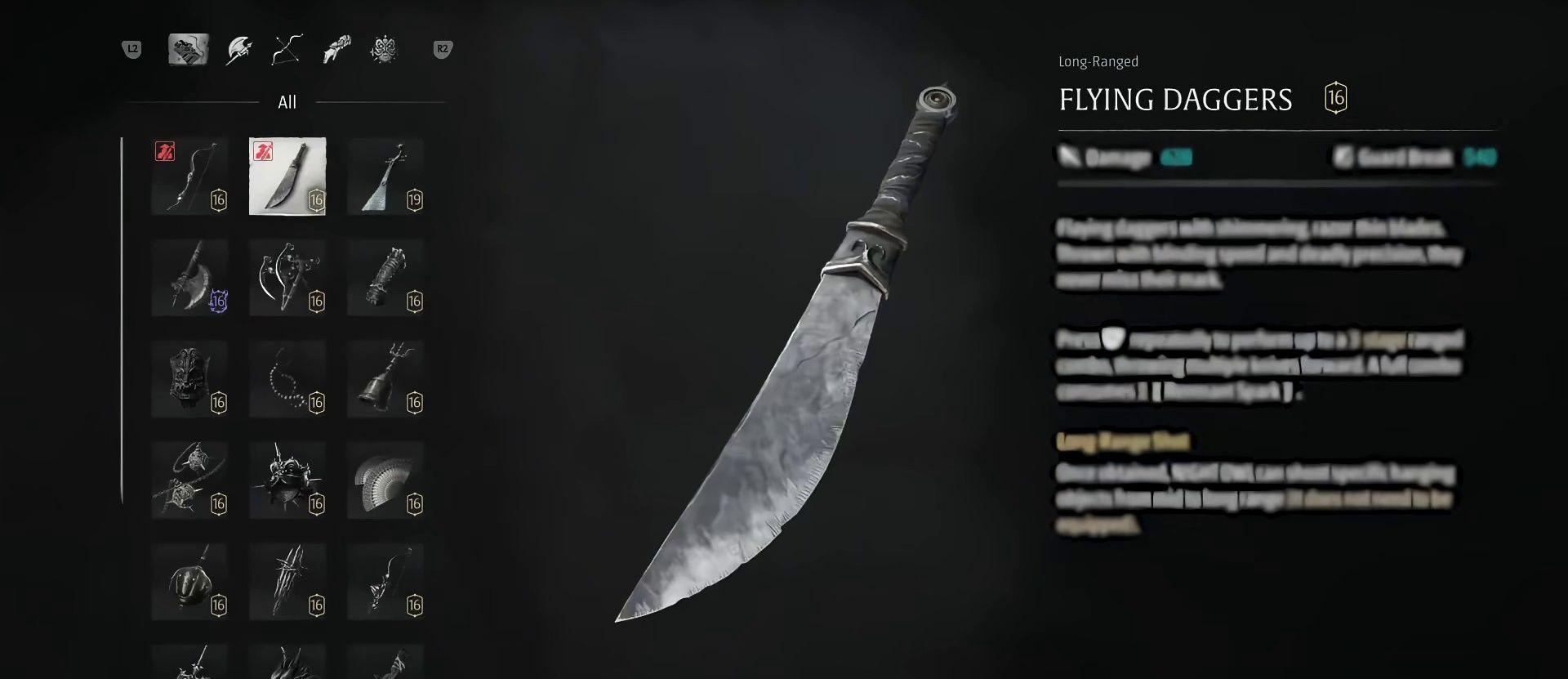
The fifth point concerns late-game weapons and New Game+. In an interview, Liang Qiwei stated that around 18 of the game's weapons come from the late game or the final boss, and even when obtained during the first playthrough, there is not enough room left to make full use of them - the final boss's weapons essentially end up as collector's items.
At the same time, the team will not lock a large amount of new content behind NG+ - the value of NG+ lies in carrying these weapons back into the early game. This is a content-reuse approach: rather than adding new story content, it changes the player's power level, letting the same set of levels deliver a fresh experience. From a cost perspective, this typically costs less than producing new story content.
7. The Sixth Change: The Positioning of the Highest Difficulty - From "Mandatory Rule" to "Optional"
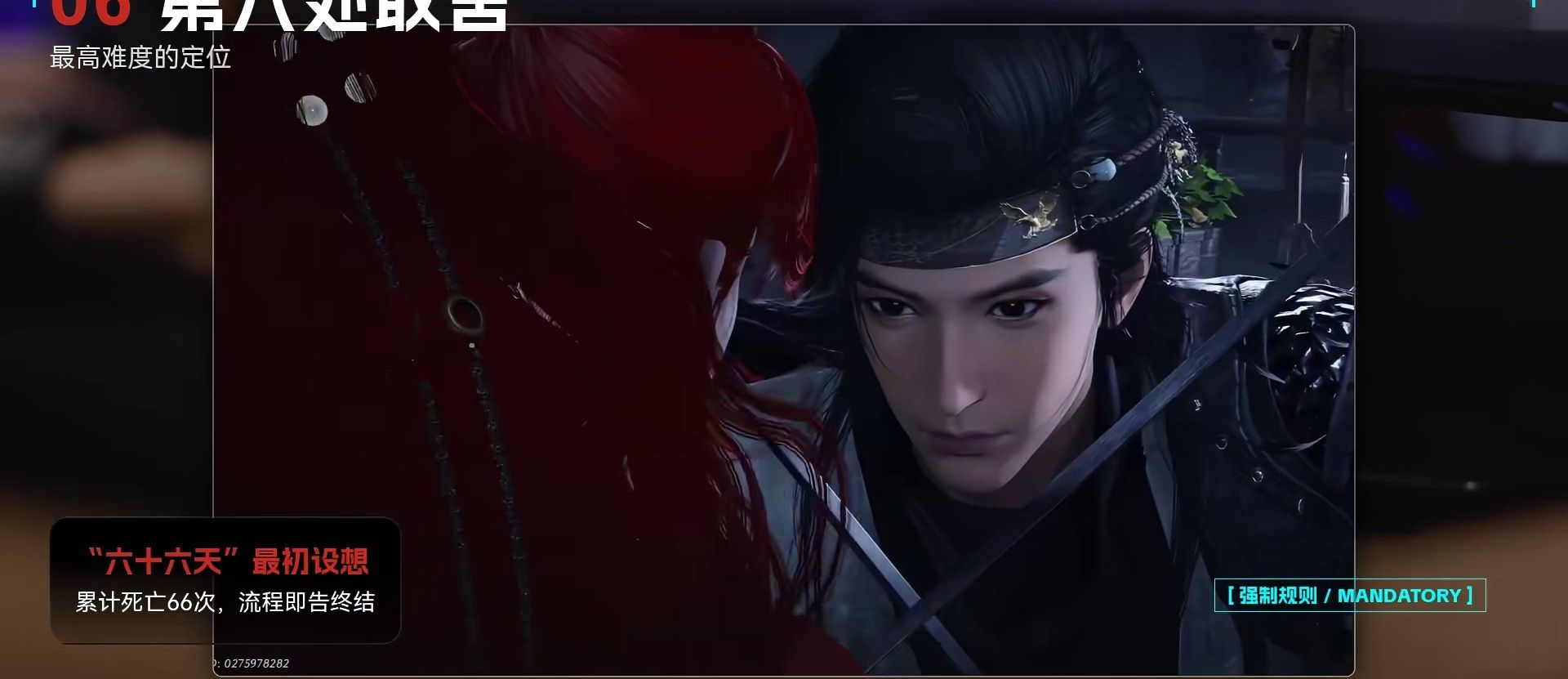
The sixth change concerns the positioning of the highest difficulty. In a personal blog post, Liang Qiwei revealed that back in 2018, the original vision for the "66 Days" was a non-selectable, mandatory rule - once a player had accumulated 66 deaths, the run would come to an end.
It was later reworked into an optional difficulty unlocked in New Game+, and it is not tied to any achievements. ITHome reported at the time that even on the easiest "Initiate" difficulty, players could still earn the Platinum trophy on the first playthrough. The reason for the change: most players might never manage to beat the game at all. A core rule was downgraded to an optional feature - a trade-off made over the completion rate.
8. Putting the Six Together, a Clear Rule Emerges
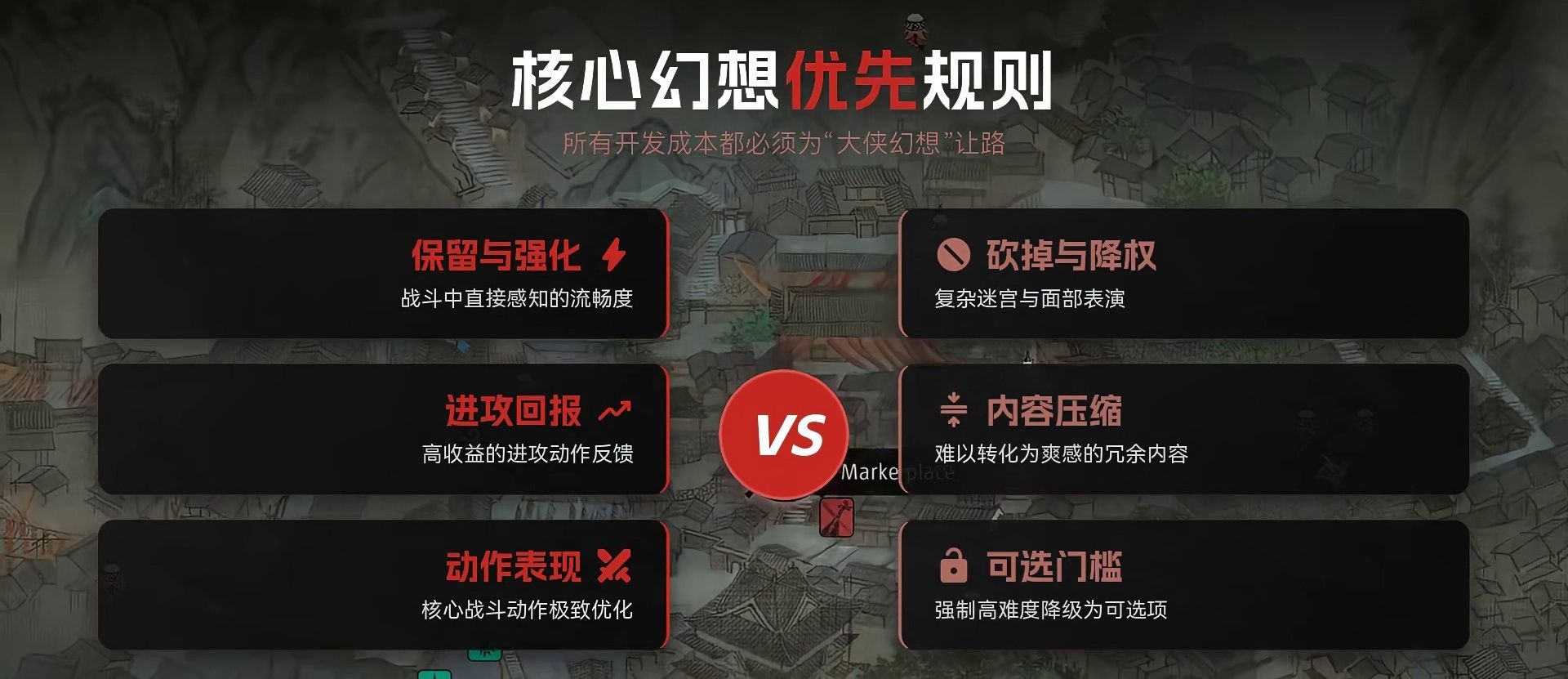
Putting the six together, a clear rule comes into view:
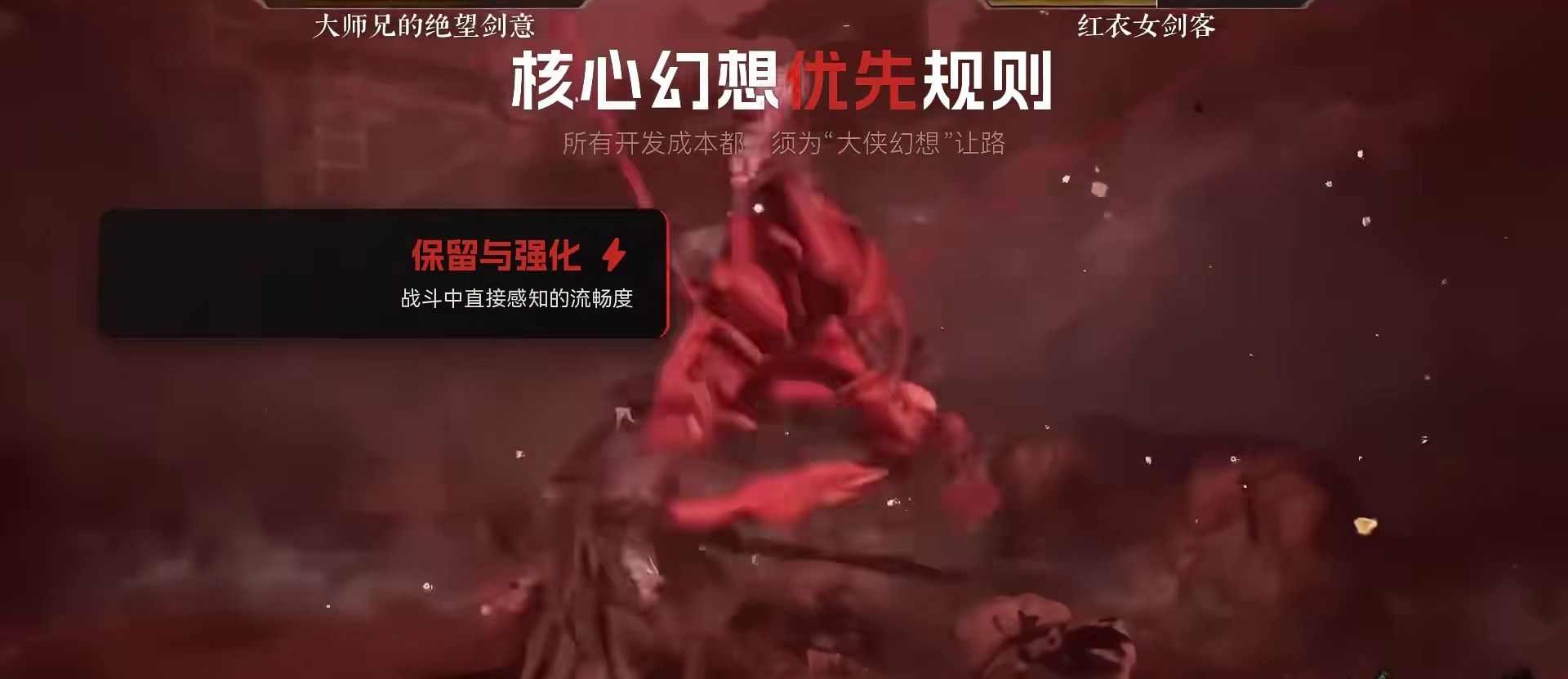
What was retained and reinforced were the parts of combat that players can directly perceive - fluidity, the payoff of aggression, and action presentation. What was cut, compressed, or deprioritized were the parts that require massive amounts of content yet are difficult to translate directly into combat satisfaction - complex mazes, facial performances, additional story content, and forced high barriers to entry.
It should be noted that this is my own judgment, not an official statement. But it aligns with what Liang Qiwei himself has identified as the core of the design: fulfilling the player's fantasy of becoming a great hero in a wuxia world. In game development, this is called "core fantasy first" - all costs must make way for that fantasy.
IX. A Testable Prediction
This brings me to a testable prediction: within two weeks of release, the focal point of player controversy will most likely land on "exploration and level depth," rather than on combat feel.
There are two reasons for this. First, the levels have been deliberately simplified - in an early interview, Liang Qiwei described the map as "a simplified soulslike hakoniwa." Second, media previews have heaped their praise squarely on the action. Performance and optimization fall outside the scope of this prediction - IGN already raised concerns about optimization in its preview, and that is a different category of problem.
Of course, this list admits another reading. According to a 17173 roundup, Liang Qiwei spoke of complex map design when the game was first revealed in 2023, yet the final version moved toward simplification - some players will see this as a downgrade, while some developers would call it an honest exercise in scope discipline within a limited budget.
The two views are not mutually exclusive. The real divide is this: are players paying for the complete ambition, or for the experience that was actually delivered?
Finally, one last question: of these six trade-offs, which one do you think is a downgrade, and which is a smart trade-off? Write your answer in the comments. After the October 29 release, I will go through this list item by item against the actual game.
Top Community Comments
Below are the most popular viewer comments (as of October 17, 2026):
🗨️ Who Goes There? 'Tis Wu Song (8 likes)
The hellish dungeon could just be moved into Heaven-Defier mode. You can't flat-out say overly hellish design is bad, and it would be a waste anyway since the level is already finished. Anyone who chooses to play Heaven-Defier mode already has the resolve for it.
- This comment offers a compromise: since the level is already done, rather than cutting it and letting all that work go to waste, why not place it in the "Heaven-Defier" (high-difficulty) mode? Players who actively opt into high difficulty already have the resolve to be put through "hellish" torment - save the most hardcore content for the most hardcore players, and both sides walk away happy.
🗨️ Kindness Within (7 likes)
Cutting the hellish dungeon is such a great call. I played Black Myth: Wukong on launch day - everything felt great early on, but that night I reached the Pagoda Realm and it completely put me off. Add in that hellish Miaoyin boss at launch, and I just ended my stream right there.
- This comment draws a comparison with the actual experience of Black Myth: Wukong's Pagoda Realm: once map design turns "hellish" enough to drive players away, it can instantly destroy all the goodwill built up beforehand. It's also a real-world footnote to why the Phantom Blade Zero team would rather cut a finished level than sacrifice that sense of "flow."
🗨️ Deep Autumn in the Mountains (2 likes)
Wuchang: Fallen Feathers is exactly that - at first they stuck to making their own game, but later public pressure forced them into one revision after another. The developers simply never thought it through. Look how sharp Old Liang is - he doesn't touch anything overly complicated.
- This comment places two paths side by side: Wuchang: Fallen Feathers being dragged into changes by public opinion, versus Soulframe Liang proactively choosing to cut back. The former lost its direction amid all the wavering; the latter figured out its "core fantasy" and executed with conviction. Cutting complex content may well be a hallmark of homegrown single-player games maturing.
📌 One-Sentence Summary
The six trade-offs in Phantom Blade Zero - cutting entire projects, cutting maze levels, cutting facial animation, lowering the payoff of defense, reusing content for New Game+, and downgrading the 66-day difficulty - are in fact a manifesto of "core fantasy first": pour the entire budget into the moment when players get to become a hero in a wuxia world, and let everything else make way for it.
This article was transcribed and polished from the Bilibili video "The 'Cut' List Liang Qiwei Personally Admitted: What Exactly Is Missing from Phantom Blade Zero at Release?" Images are screenshots from the video (subtitle watermarks removed); the content is for informational purposes only.