Why Does Every Boss in Phantom Blade Zero Wear a Mask? This Mask Aesthetic Hides the Deepest Tragedy of a Jianghu in Turmoil
In traditional wuxia games, films, and TV dramas, the "mask" is an overused symbol: whoever wears one is usually a mysterious figure who comes and goes without a trace, or a hidden master of peerless skill. Phantom Blade Zero, however, does the exact opposite - nearly every heavyweight boss whose name rings a bell wears a mask or helmet, and it's rare to see a big shot show their full face. The Sword Maniac and the Jinyiwei are both prime examples.
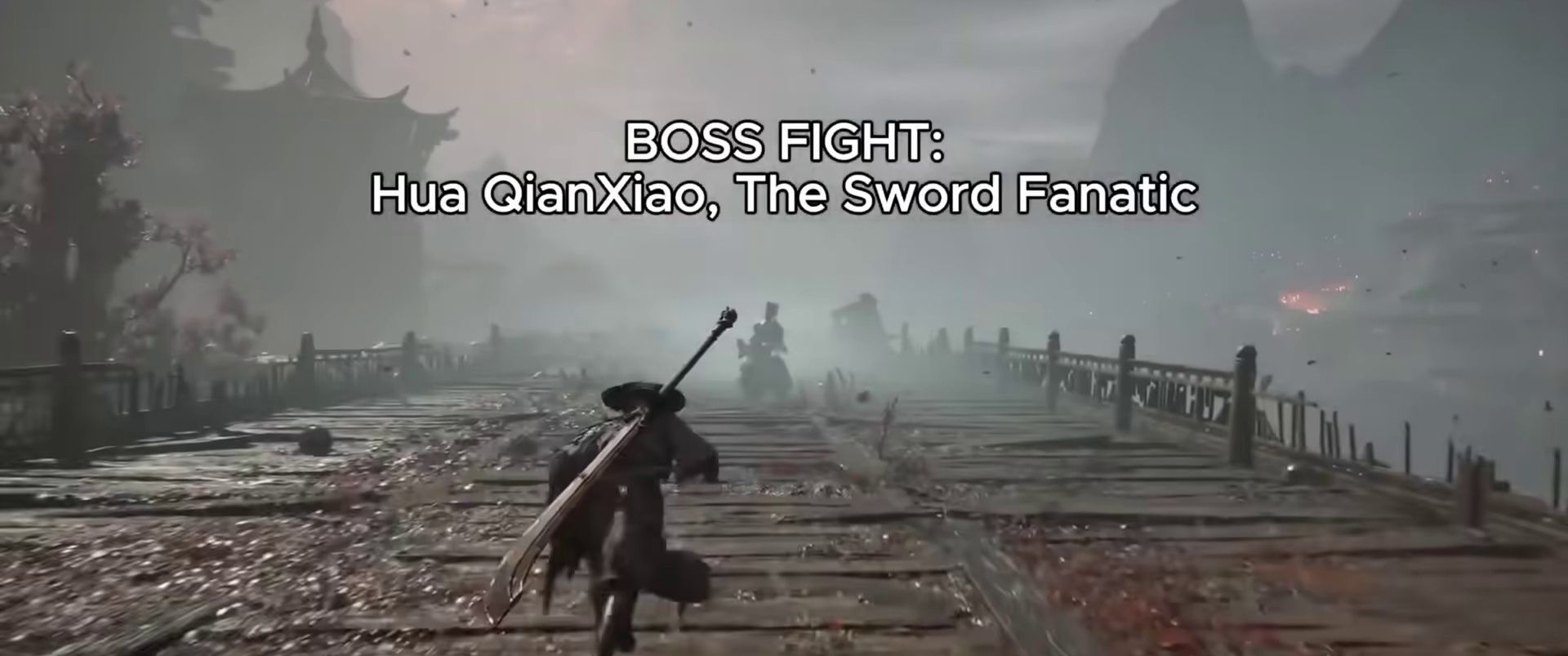
This has sparked plenty of voices online claiming that the developers are simply cutting costs. If that's what you think, you couldn't be more wrong. When we peel Phantom Blade Zero's mask system apart layer by layer from an art-design perspective, we discover that behind every single mask lies a microcosm of a character's fate - and the deepest tragic core of this jianghu in turmoil.
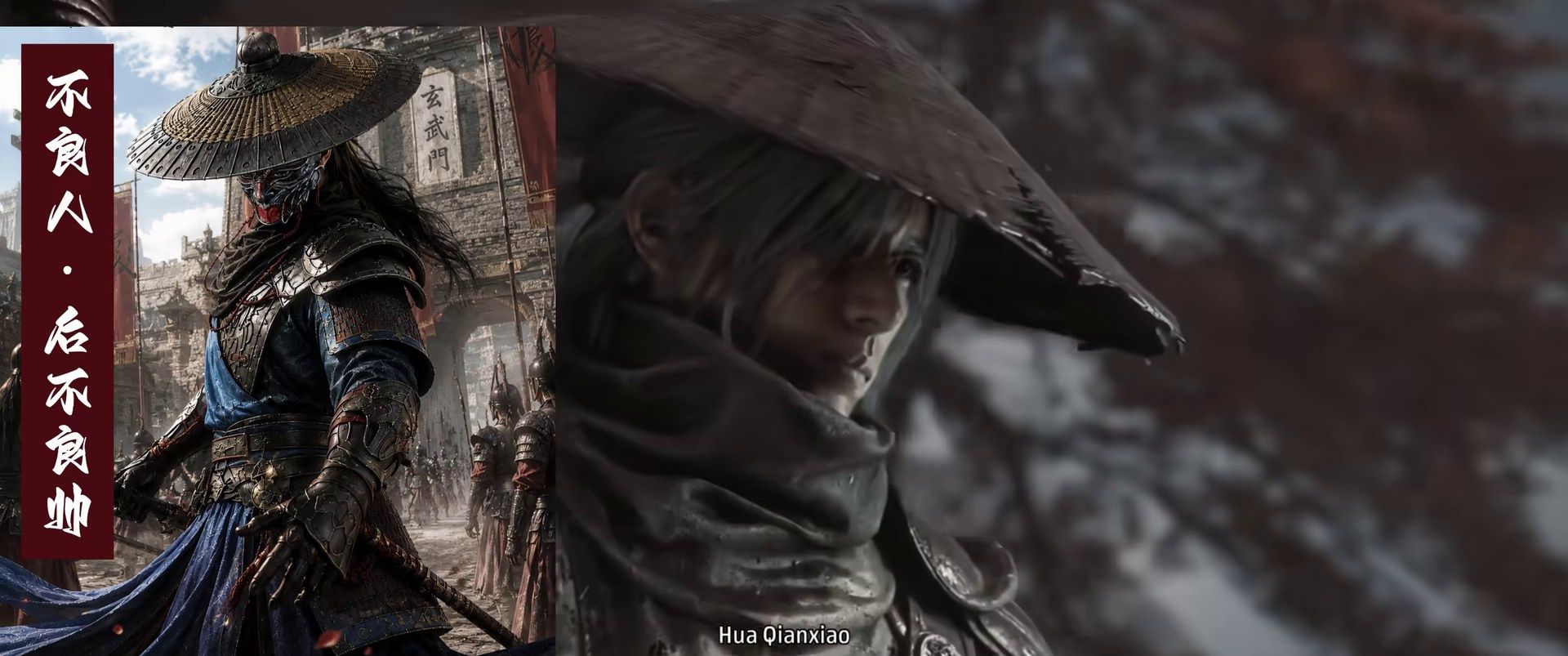
The Anomaly: Nearly Every Boss Worth Naming Wears a Mask
Let's put the "anomaly" on the table first. In traditional wuxia storytelling, a mask serves to disguise and conceal identity - going masked means "this person doesn't want to be recognized," a deliberate choice. In Phantom Blade Zero, however, masks have become almost standard issue for high-ranking bosses: the Sword Maniac drinks and dances wildly behind an outlandish mask, the Jinyiwei stand in silent formation beneath golden masks, and heavyweight characters who actually show their true faces can be counted on one hand.
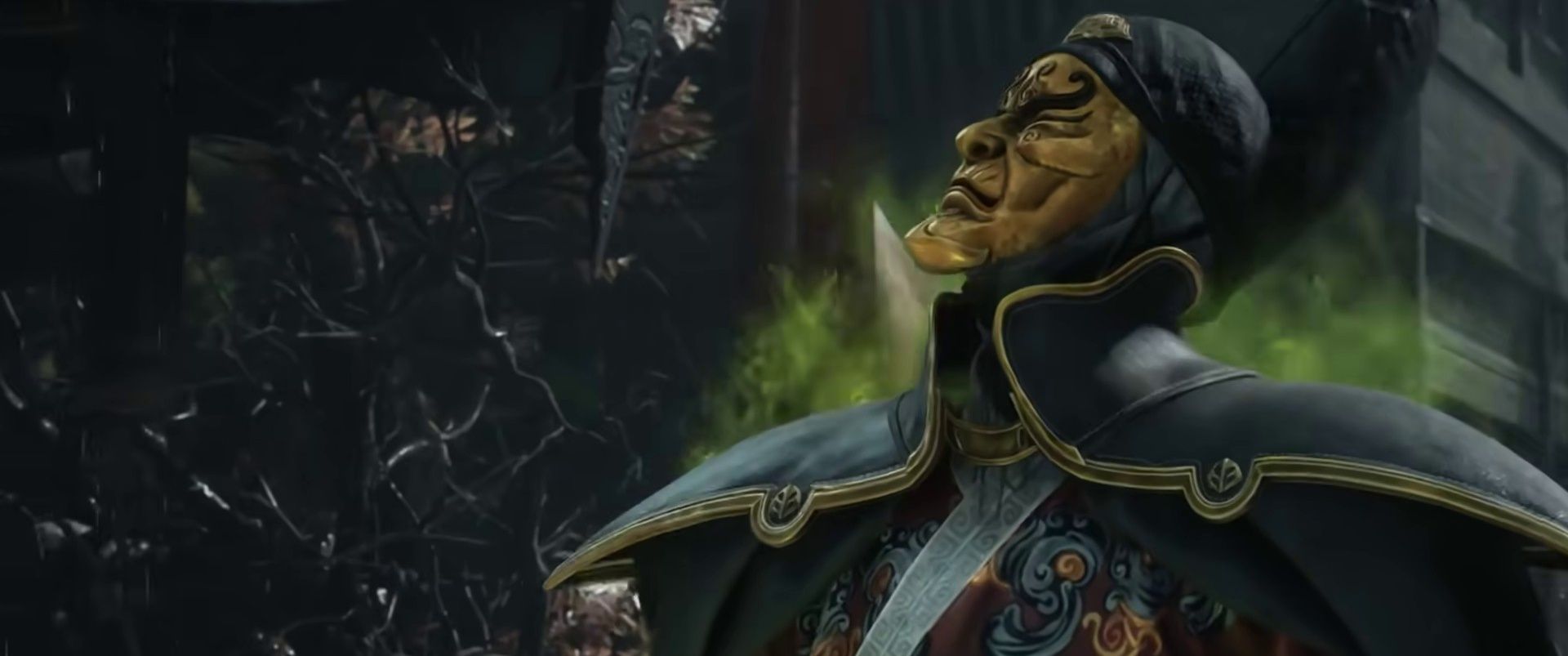
Some see this as taking the easy way out: no intricate facial modeling, no complex expression work - one mask hides a hundred flaws. But anyone with even a passing understanding of art production knows the truth is exactly the opposite: making every mask fit its character's identity, temperament, and narrative takes the art team every bit as much effort as sculpting a face. Liang Qiwei and his studio S-GAME are clearly not "covering up" - they're using masks to "speak."
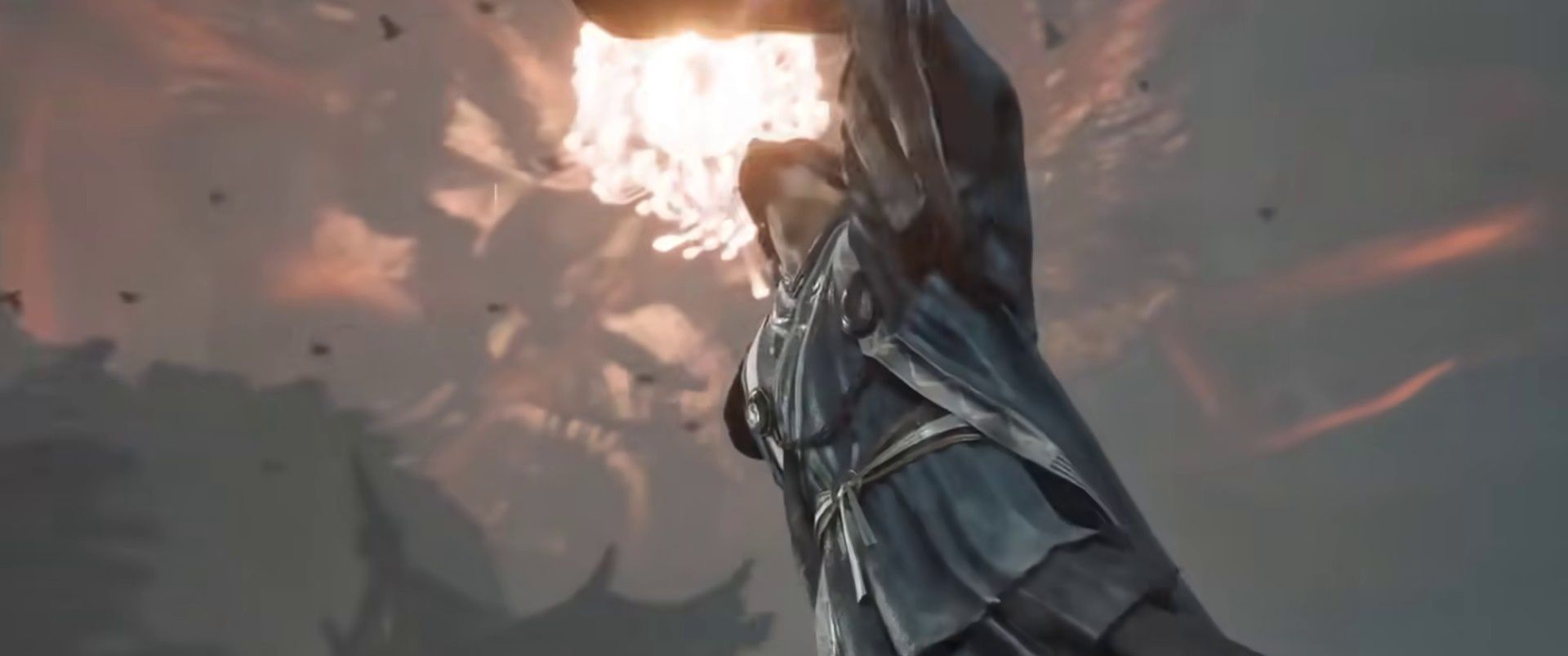
So what exactly is this mask system trying to express? Let's start from the most foundational layer of the lore.
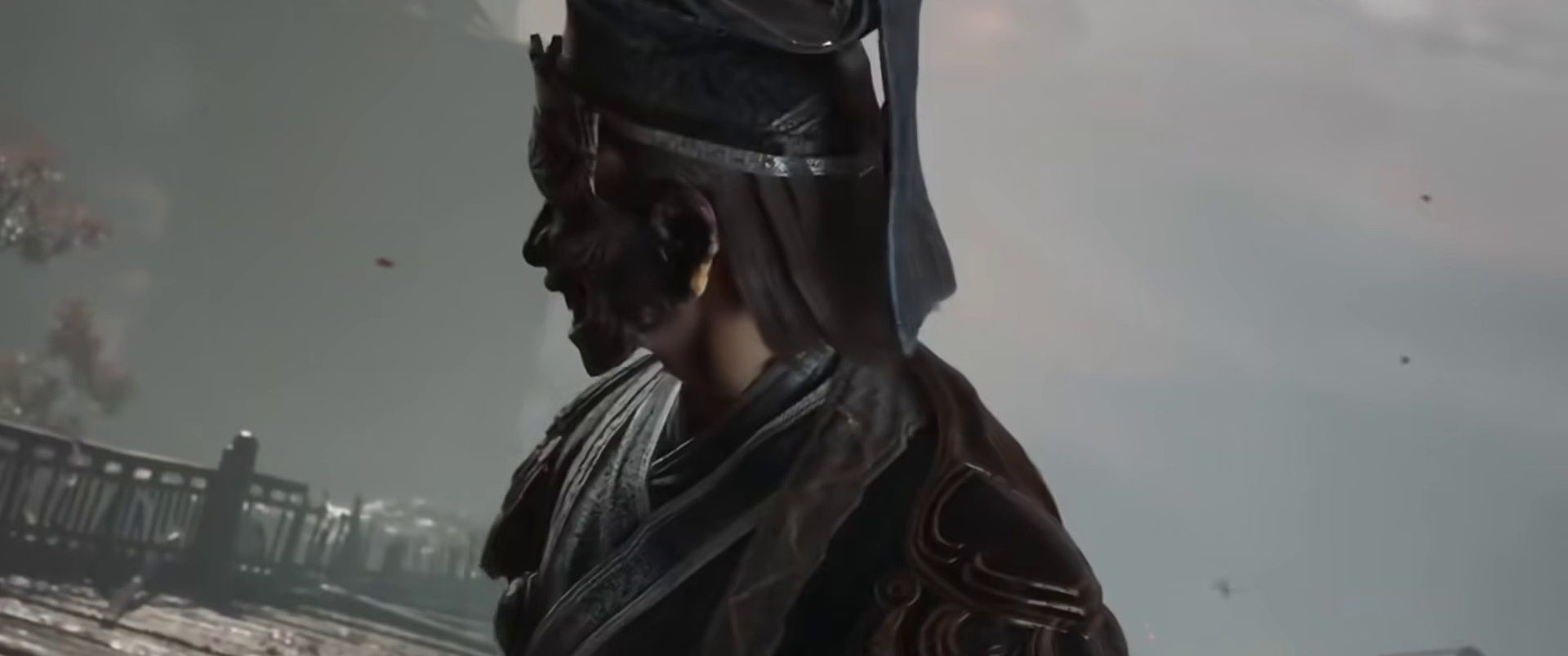
A Semantic Inversion: The Mask Isn't a Disguise - It's Imprisonment and Alienation
Anyone who loves wuxia knows that in traditional storytelling, the mask's role is disguise - concealing one's identity. But in Phantom Blade Zero, the mask points to three entirely different words: imprisonment, alienation, and self-isolation.
Why do I say that? Because the jianghu of Phantom Blade Zero is nothing like the traditional one of swift vengeance and fluttering sleeves. This is a chaotic age of flashing blades awash in killing intent, where no one is master of their own fate. To put it bluntly, it comes down to one word: grim.
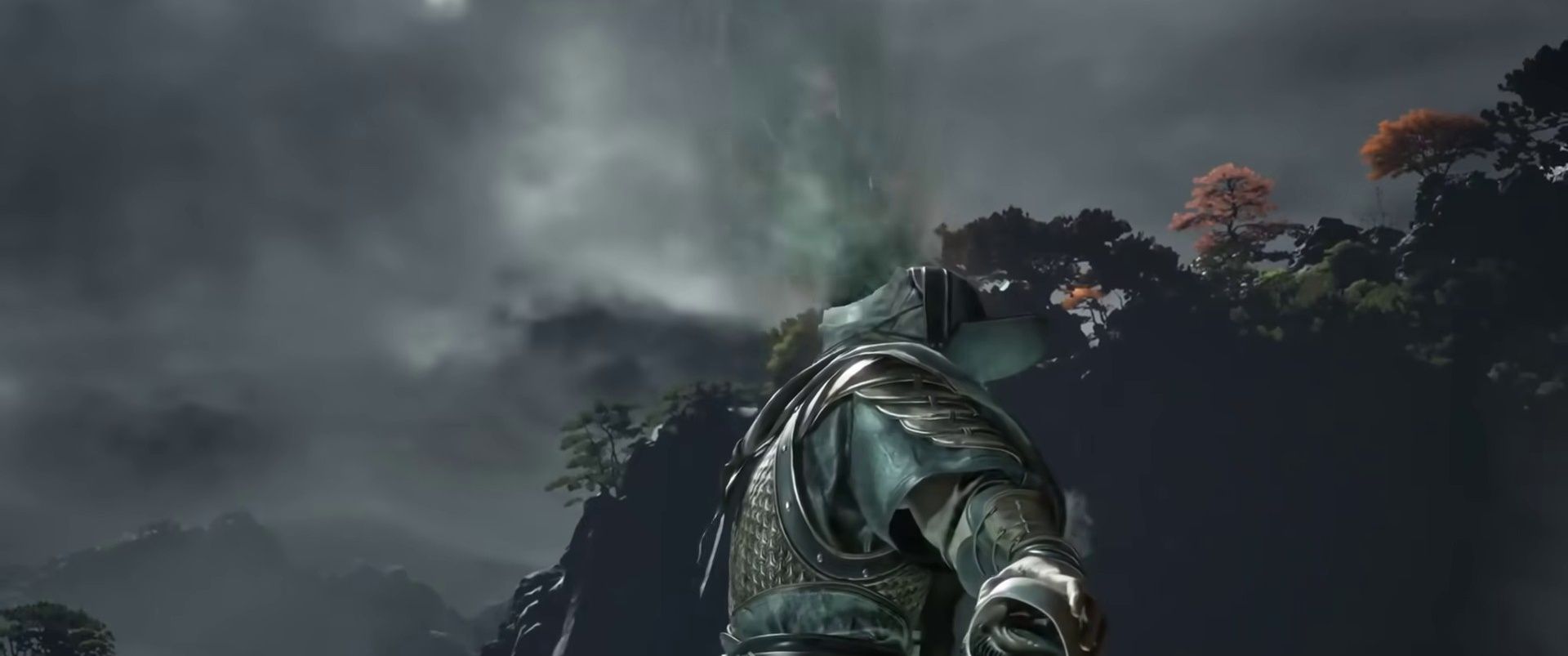
The developers actually planted this foreshadowing long ago -
Masks have never separated the good from the evil; they separate ordinary people from those devoured by the jianghu.
Anyone who ventures deep into the jianghu - swept up by power, trapped in obsession - is either warped by killing intent or shackled by its rules, slowly losing who they once were. The mask is the visual marker of that transformation: the sign of their shed humanity, of their assimilation into the jianghu.
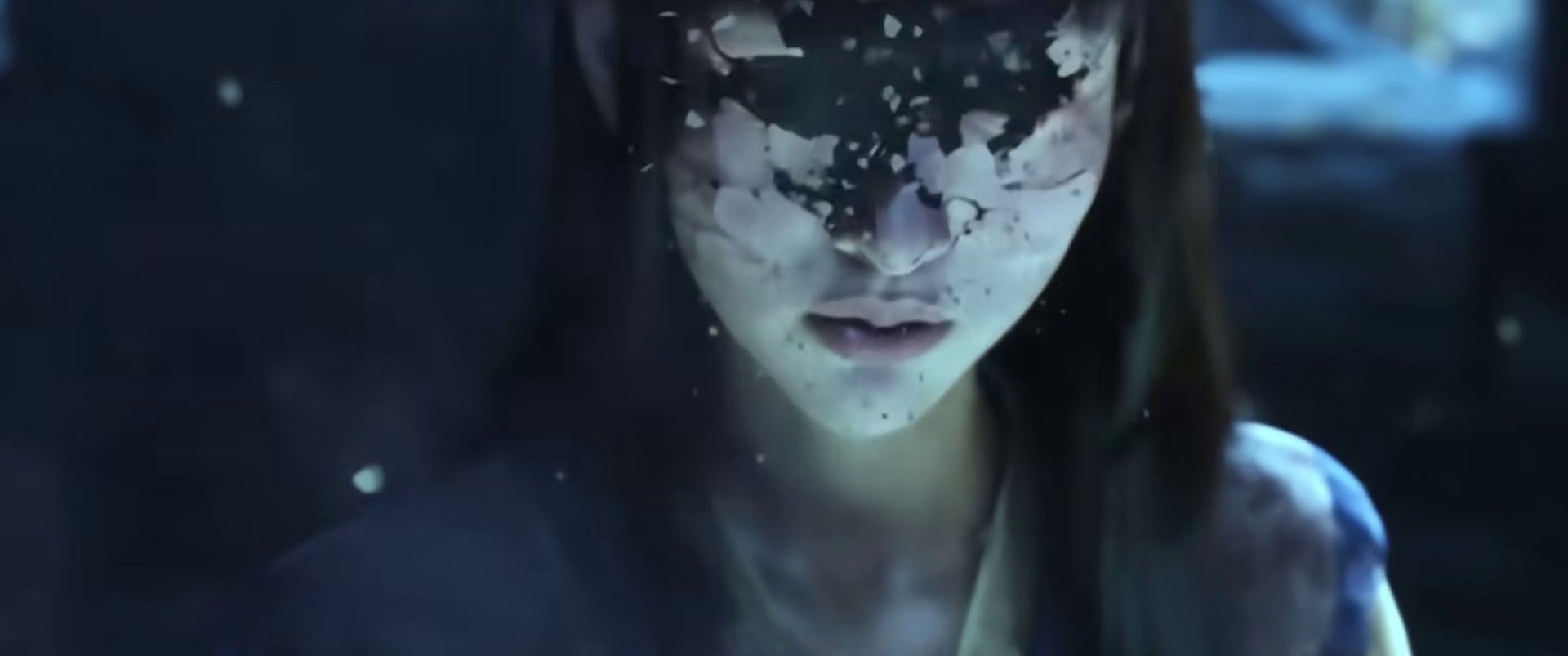
In other words, in the worldbuilding of Phantom Blade Zero, wearing a mask is not a character's choice - it is the "end result" of the jianghu remaking them. When you see a mask, what you're seeing isn't mystery. It's the hollow shell left behind after a person has been devoured by the jianghu, inch by inch.
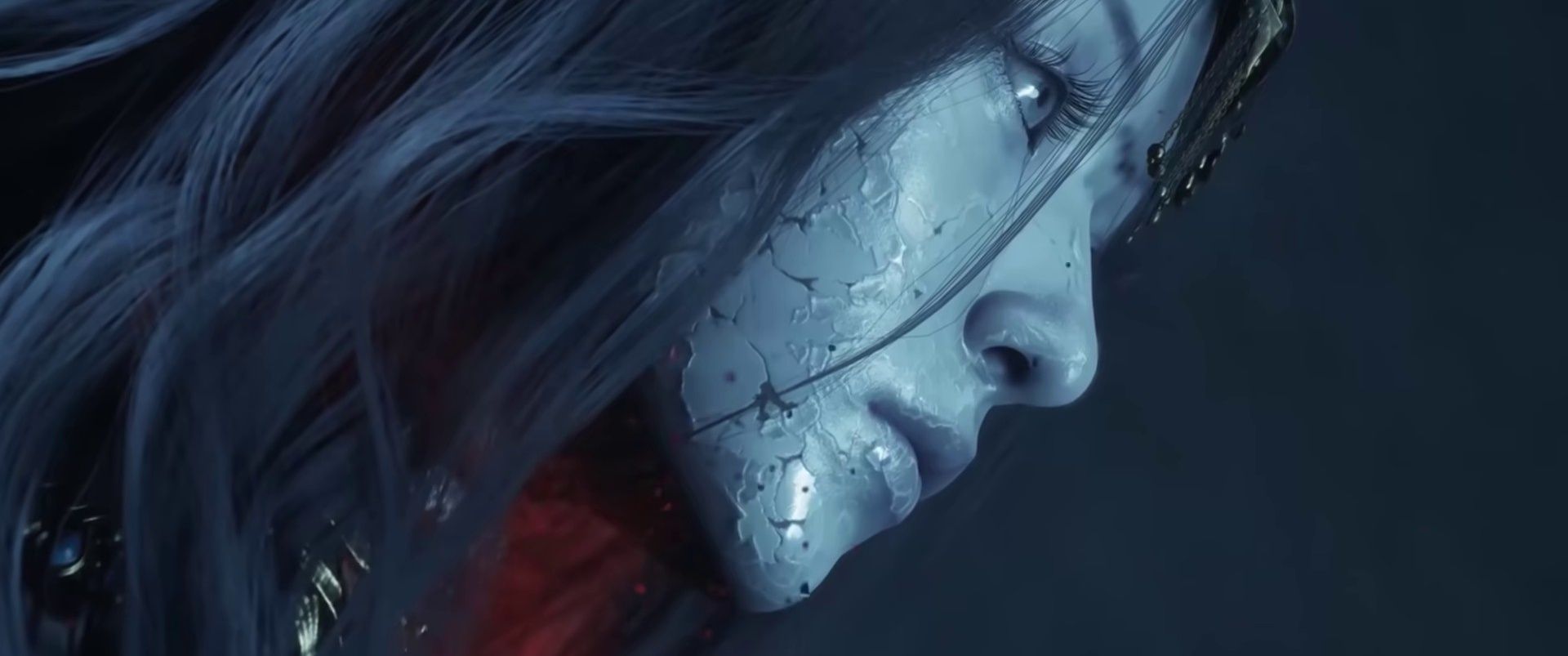
Protagonist Soul Wears No Mask: The Last True Face in a Chaotic World
Once you understand this layer of the setting, looking again at the protagonist Soul makes the development team's painstaking intent clear.
Soul never wears a mask from beginning to end - every scar is left exposed. This is precisely the game's greatest contrast: he is one of the few in this chaotic world who has kept his true nature, someone never assimilated by the jianghu. Others hide their faces behind masks; he bares his scars to the whole world. His face is still his own, and his pain is still his own.
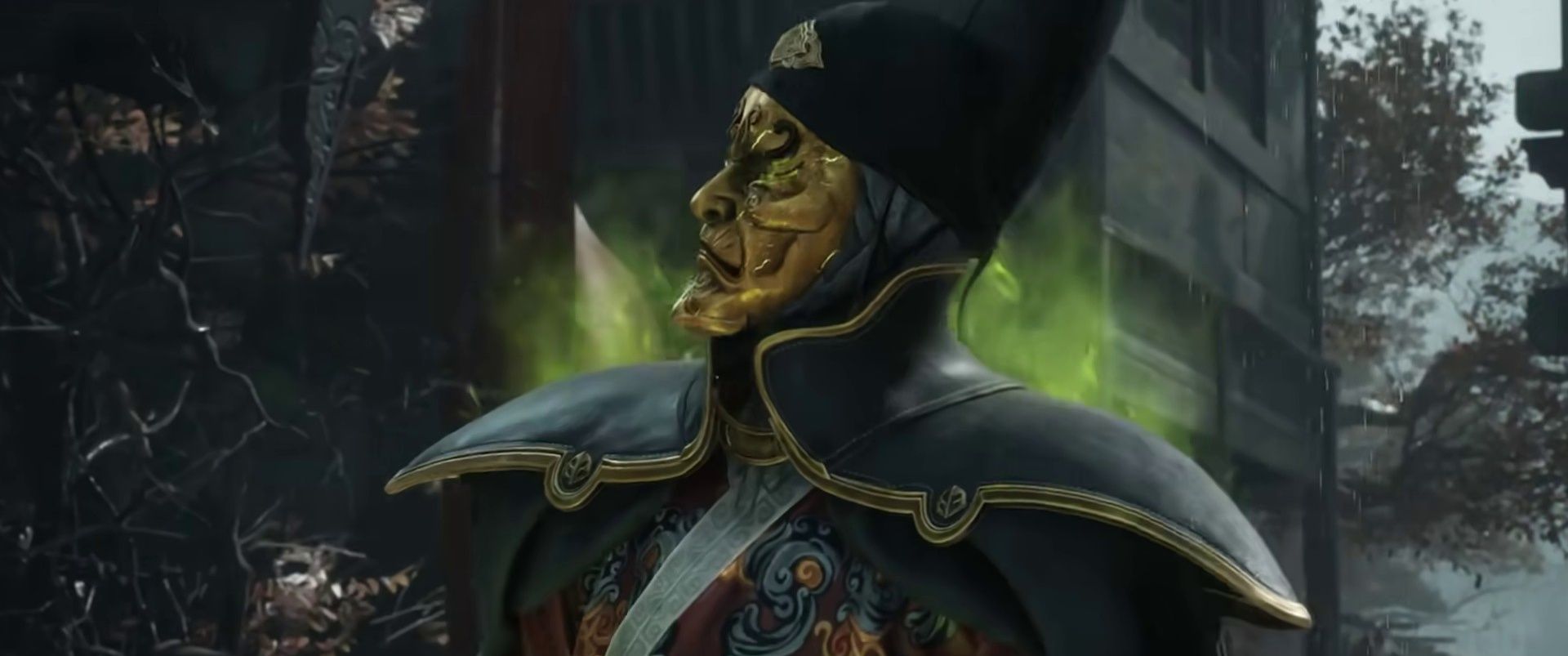
So when the bosses wear masks, it's not because the devs wanted to play mysterious, let alone because the studio was trying to save money - it's because:
Those who climb to the top of the jianghu no longer have any true face left to speak of.
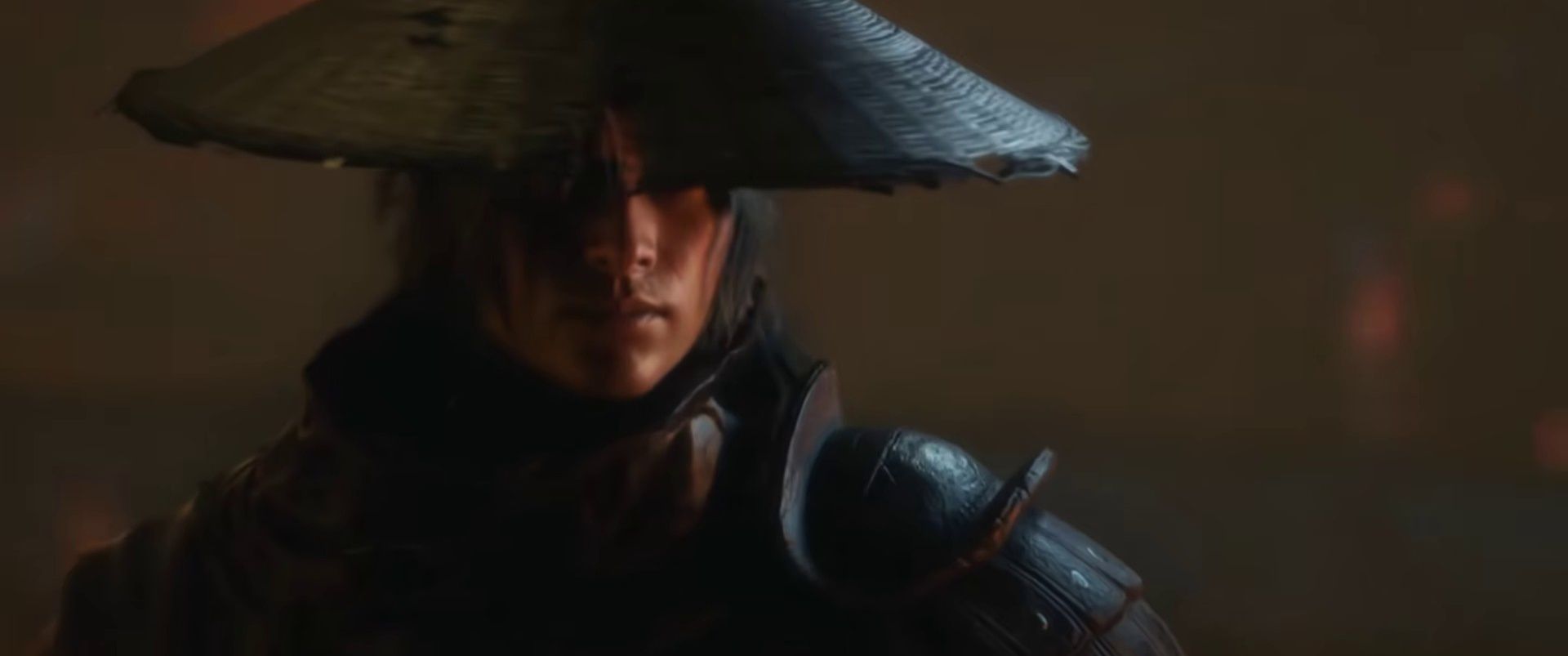
A single contrast between "mask on" and "mask off" makes the relationship between the protagonist and the entire jianghu crystal clear. That is the cleverness on the narrative level - and on the art level, this mask system holds even more details worth savoring.
Rejecting the Glitz: A Chinese Dark Aesthetic in the Style of Nuo Opera Masks
Let's start with the overall style. The masks worn by bosses such as the Sword Maniac and the Embroidered Uniform Guard look stylistically distinct at first glance, but in fact they all share a single, top-tier Chinese dark design language.
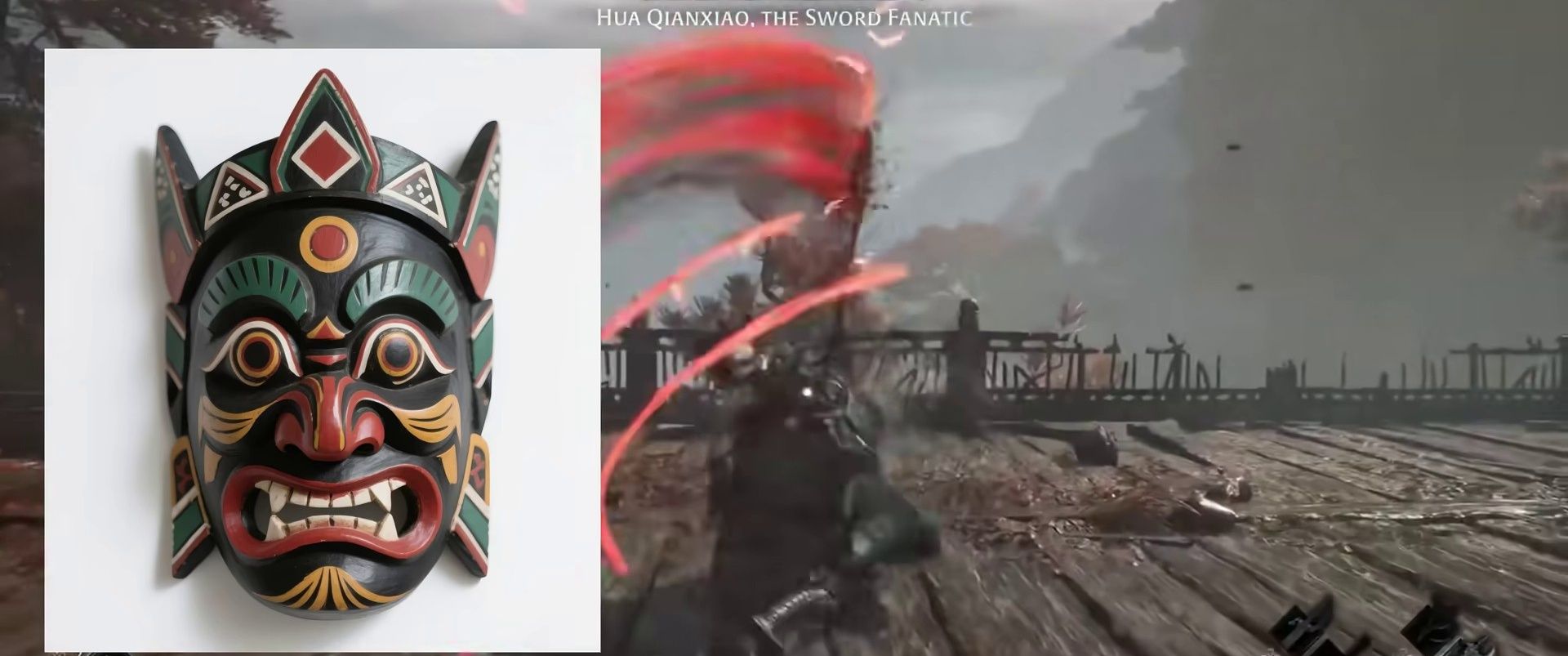
First: an aversion to flashiness. None of these masks carry the bedazzled, jewel-encrusted look of the trendy antique-style masks that flood social media; their overall forms are quite archaic and unadorned, in keeping with the aesthetic tradition of Chinese Nuo opera masks, and they exude an innate folk-ritual solemnity along with a martial, keep-your-distance menace. This art direction is remarkably sophisticated: rather than upstaging the characters' movements, the designs use their very shapes to build an oppressive, cold, forbidding aura.
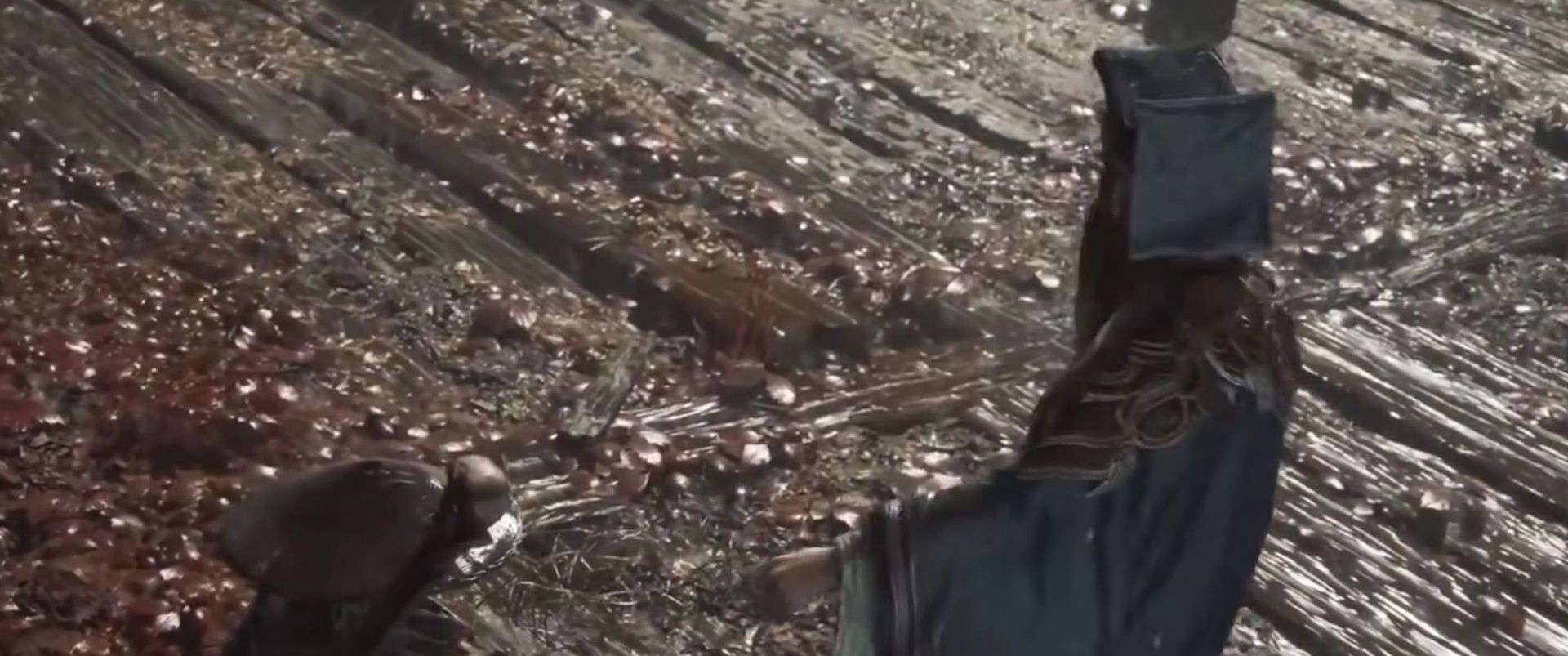
At the core of traditional Chinese Nuo opera masks are detachment, emptiness, and pathos - no exaggerated gore or glowing effects, yet an inherent, fatalistic sense of "keep away" that fits Phantom Blade Zero's Chinese-style dark tone perfectly.
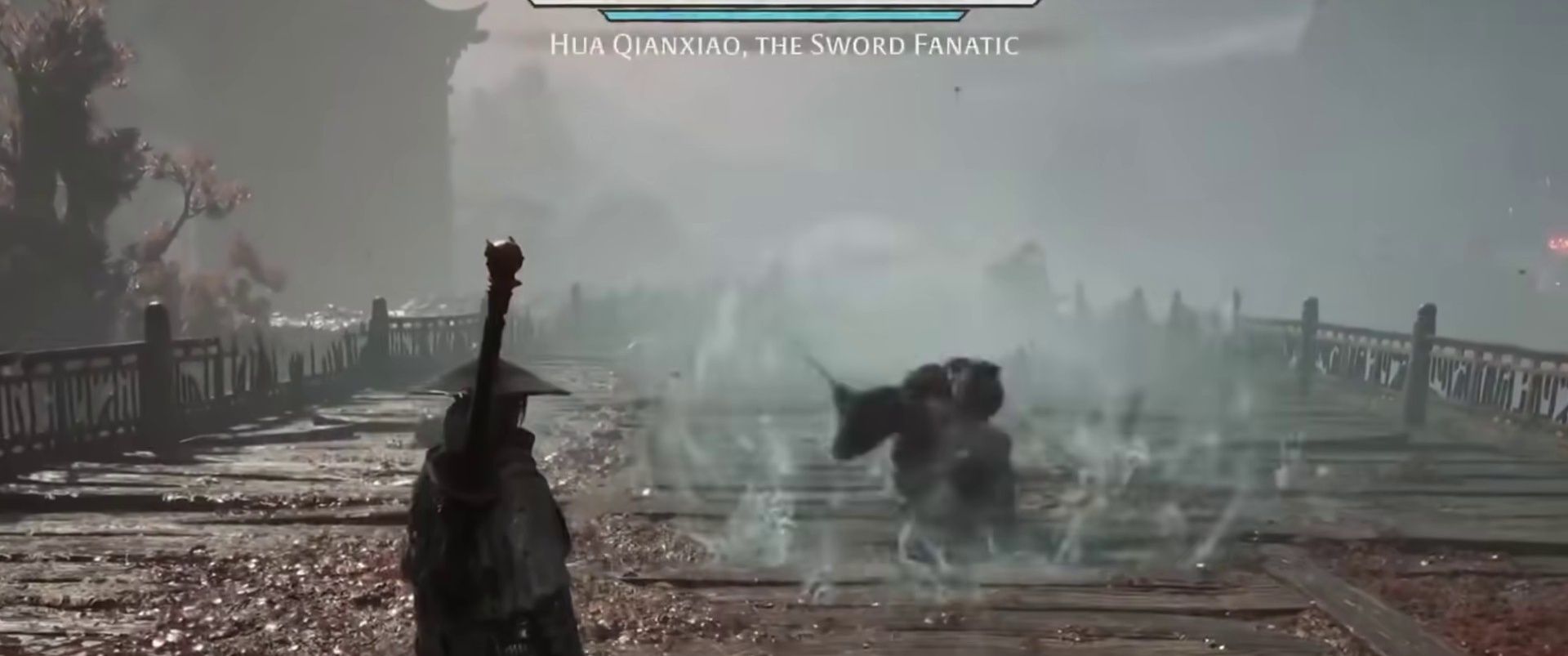
In other words, the "crudeness" and "bluntness" of these masks are entirely deliberate: they don't need to be pretty - they need to make your skin crawl.
Shackles Grown into the Flesh: The Mask Is the Face, and It Cannot Be Removed
The second detail is even more unsettling: the mask clings to the flesh, impossible to peel away.
Whether it's the Sword Maniac's mask or those worn by bosses like the Jinyiwei, none of these are simply props placed over the face - they seem to have grown together with skin and bone, as if the mask itself were their face.
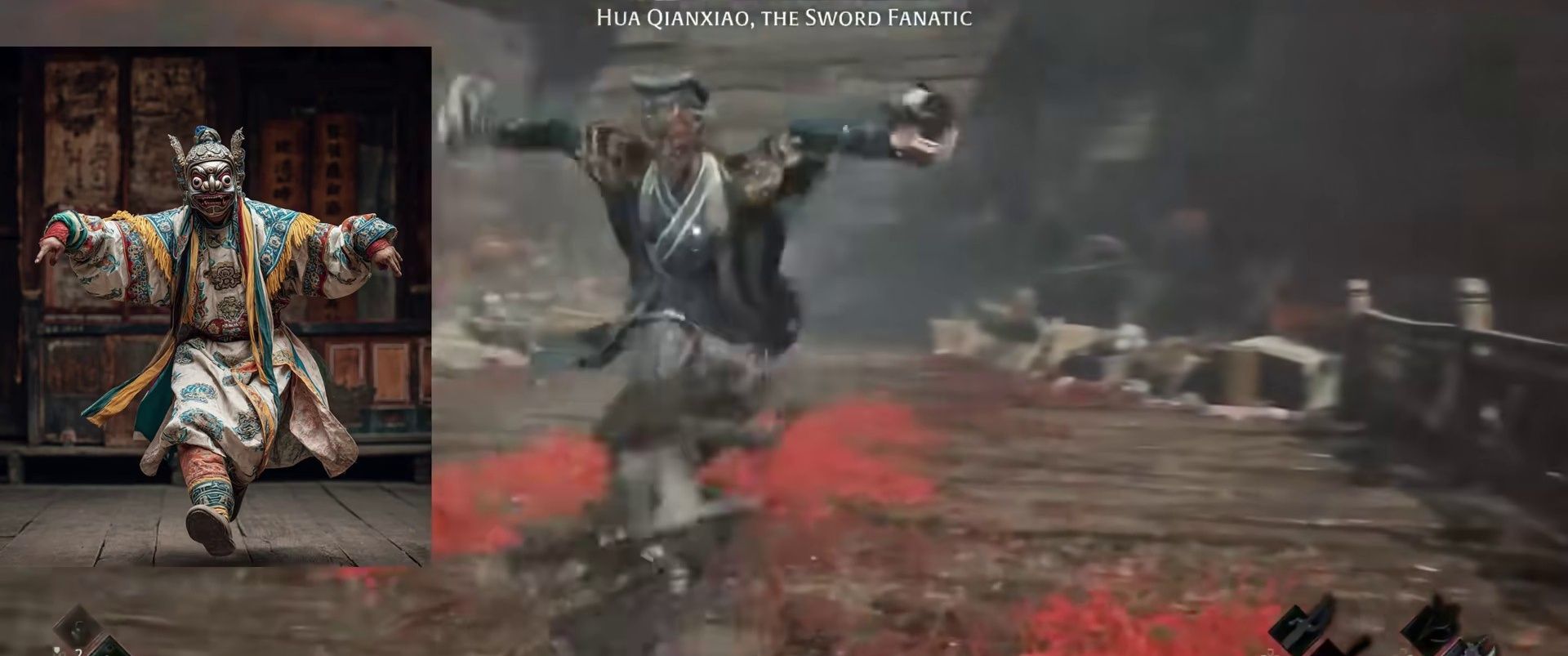
This design hints at one thing:
The mask is not an external object; it is a shackle grown into their very bodies.
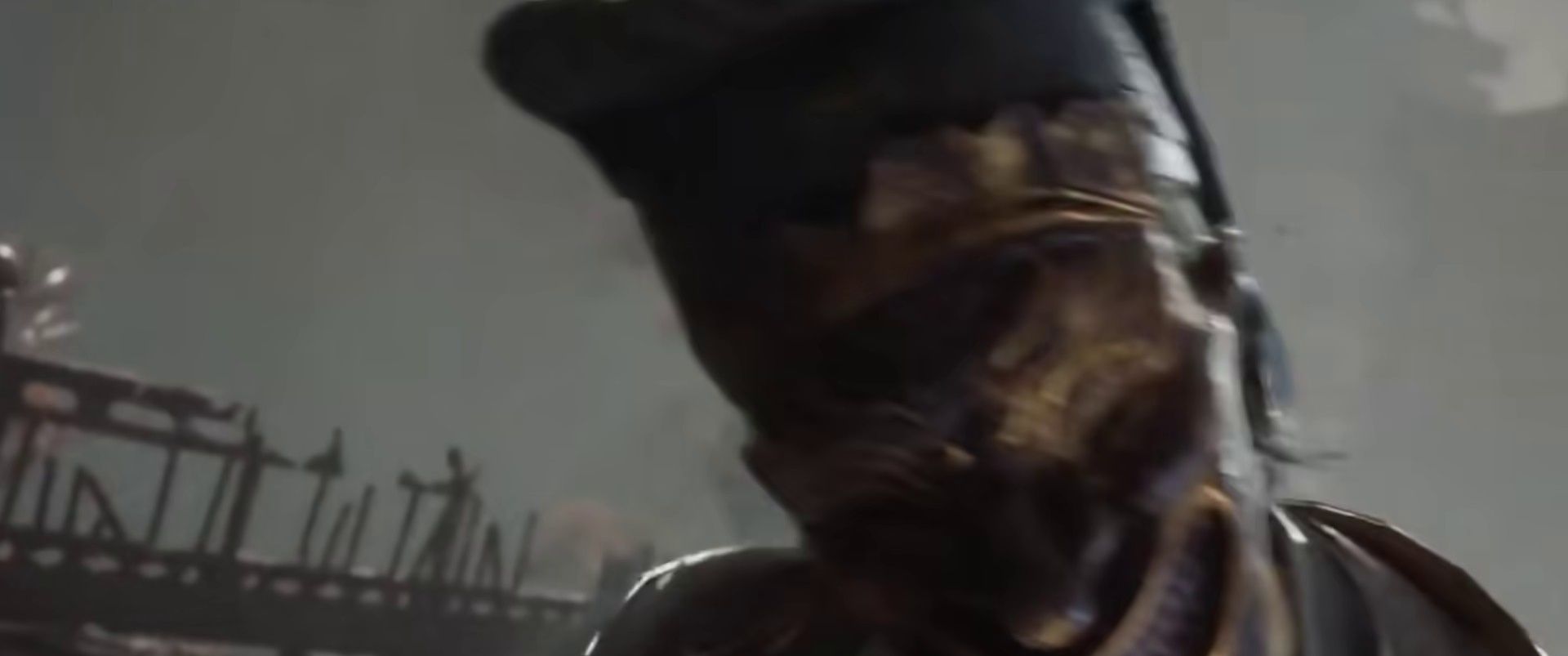
An ordinary disguise can be taken off, but their masks cannot - because these are no longer "something put on," but fate itself, warped by the jianghu and grown deep into flesh and blood. Once "the mask is the face" holds true, the road of "removing the mask to become yourself again" is blocked off entirely - at the most literal, physical level.
Sword Maniac: One Mask That Tells a Tragedy of Half-Madness and Half-Lucidity
How far does this aesthetic go when it lands on an actual character? Just look at the most iconic boss - Sword Maniac.
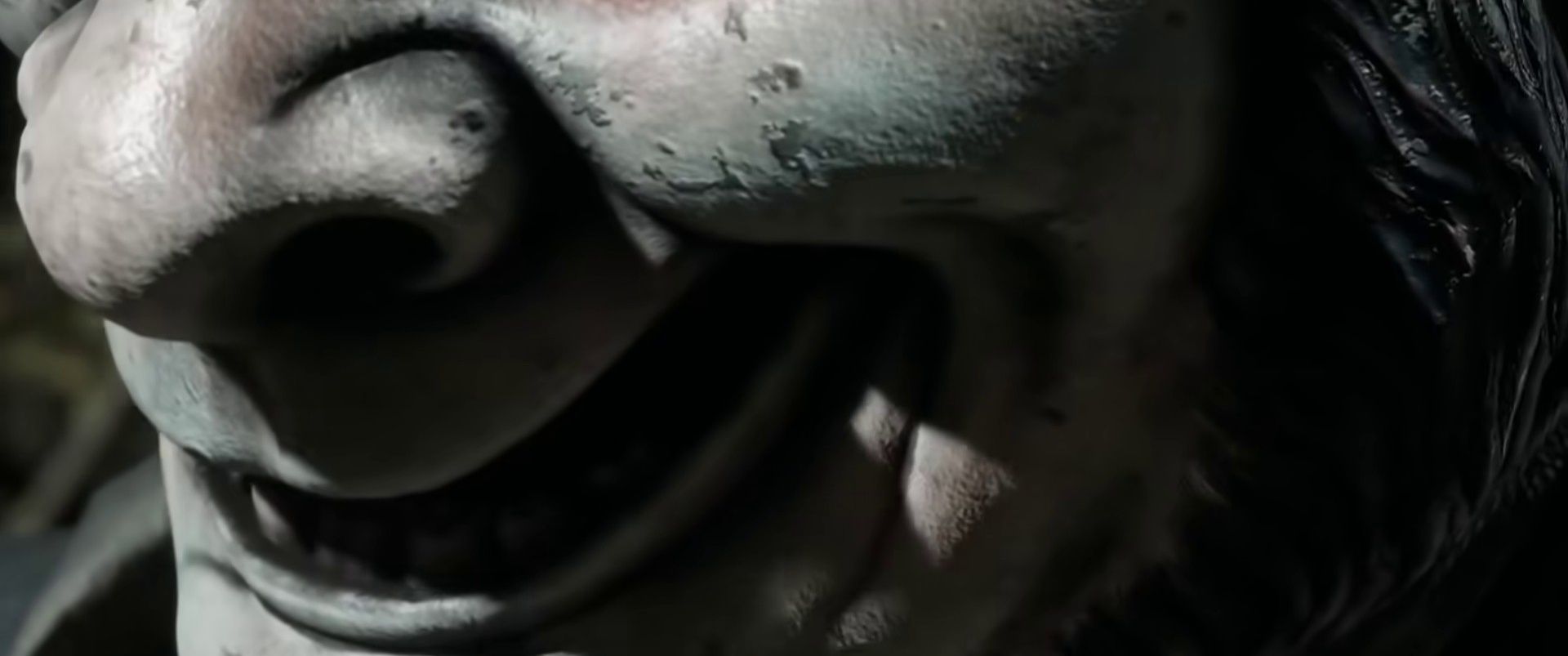
The details of his mask are exquisitely deliberate: an exaggerated, oversized mouth - made for drinking, for venting, for holding on to this warrior's final obsession. In its normal state, the rest of the mask is remarkably restrained; he looks like nothing more than a down-and-out swordsman adrift in the jianghu, seemingly without any menace.
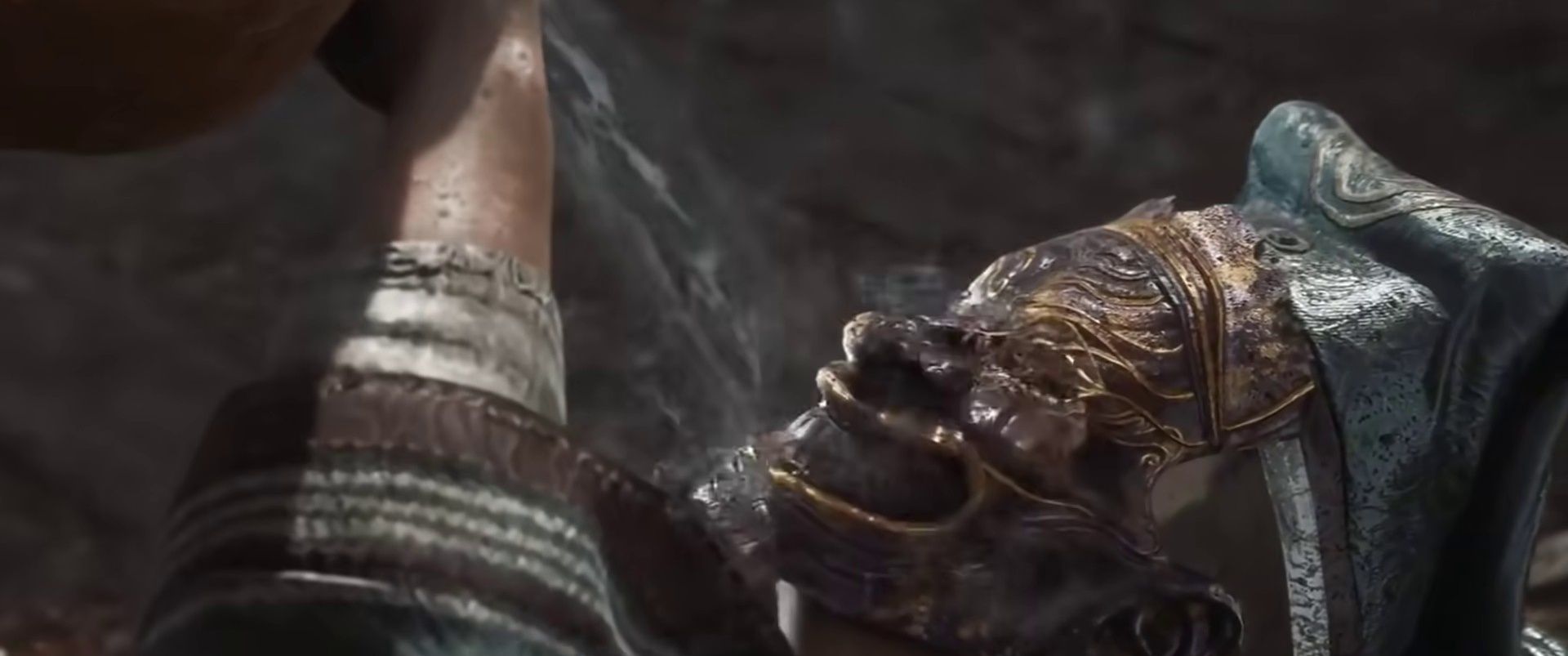
But the moment he drinks and begins to dance, the mask lights up with a cyan-and-red glow - the sign that Sword Maniac is teetering on the edge of madness, his killing intent warping into something else entirely.
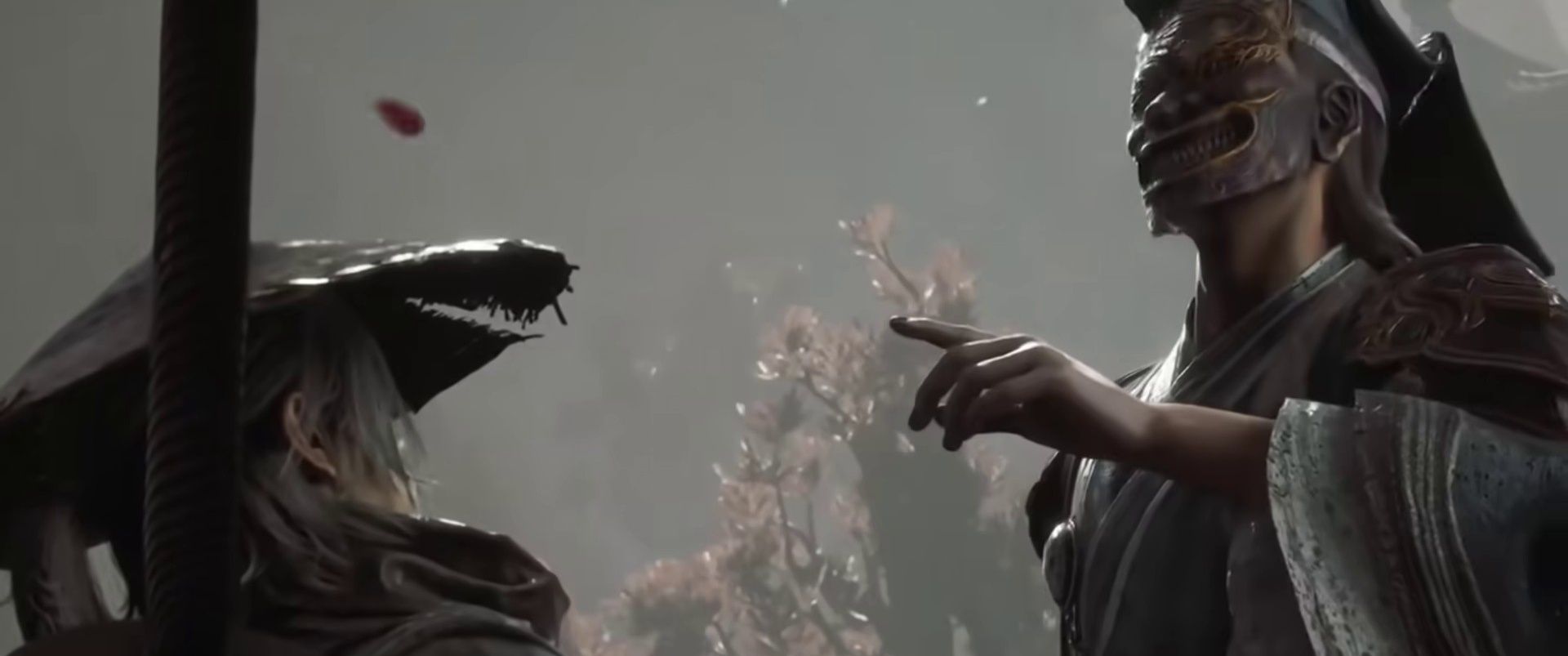
These details tell us wordlessly: he may once have been a righteous swordsman himself, but now, corroded by killing intent, he is endlessly pulled between lucidity and frenzy. He longs to break free of the jianghu, yet is too deeply mired in his own obsession to escape.
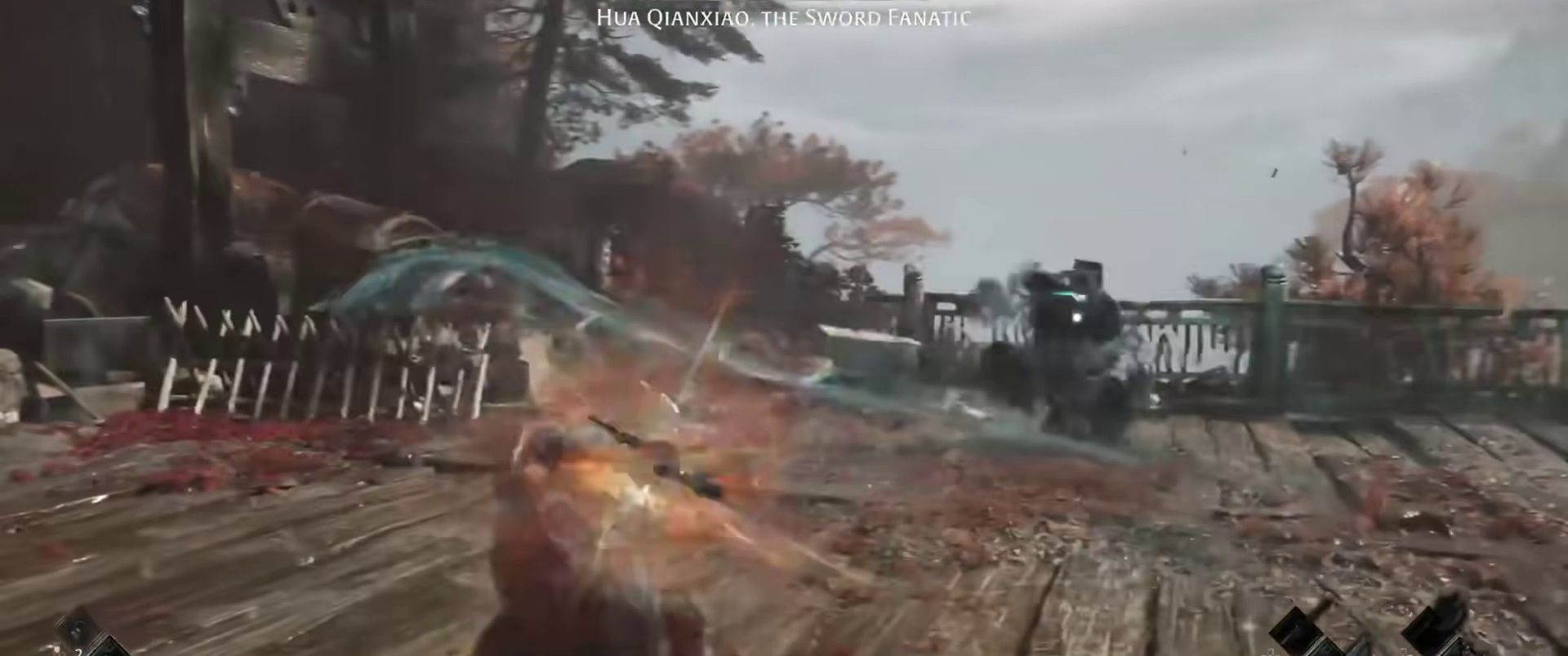
This is visual storytelling through art at its absolute finest:
Without a single line of dialogue, one mask tells the whole of a character's tragedy.
That exaggerated mouth on the mask is at once a drunkard's mouth and the last outlet he has left for pouring out his pain. Before players have even crossed blades with him, they have already watched his entire life unfold.
Jinyiwei: Borrowing the Emperor's Physiognomy to Craft Silent Oppression
If the Sword Maniac's mask tells a story of "tragedy," then the Jinyiwei's mask speaks of "authority."
Many players had previously remarked that the Jinyiwei's mask bears an uncanny resemblance to Zhu Yuanzhang's physiognomy, and some even seized on this to stir up controversy. But viewed from another angle, this may well be a subtle artistic masterstroke hidden by the development team.
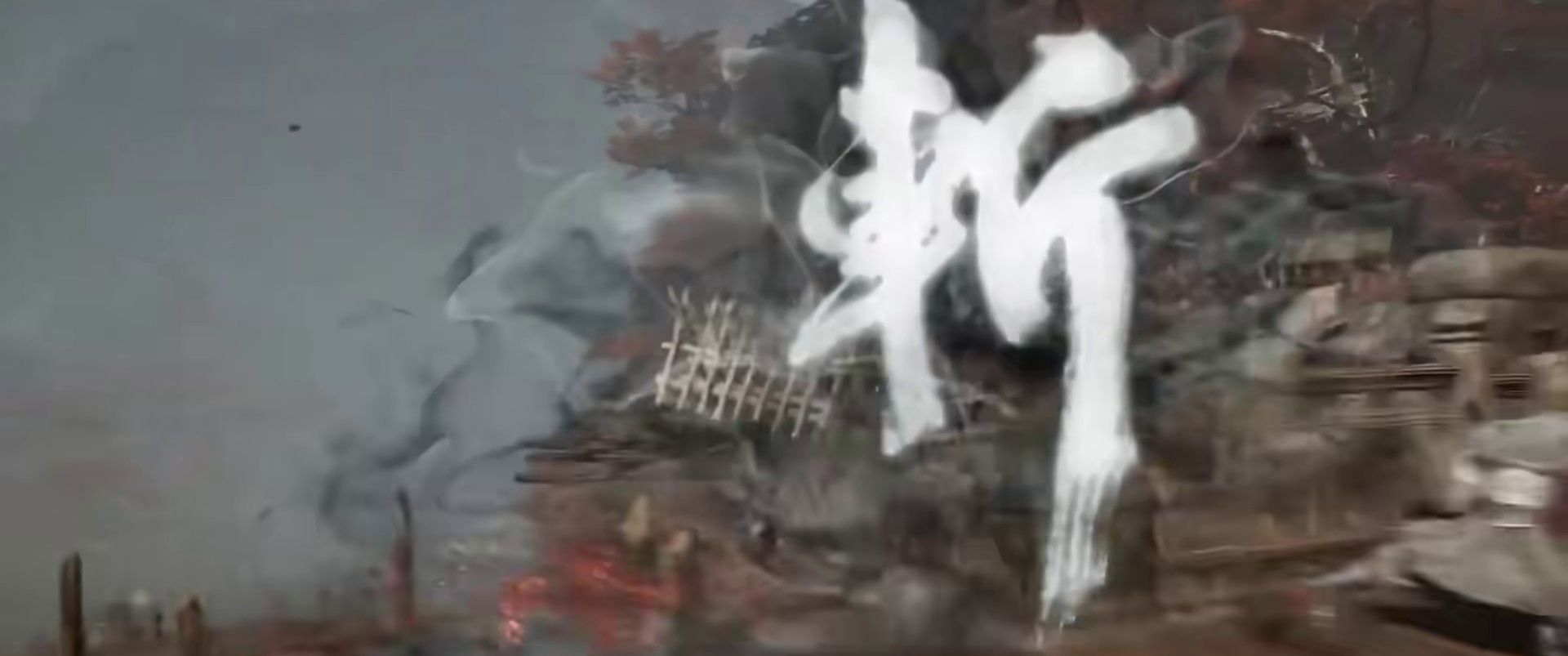
After all, the Jinyiwei was an institution personally established by Zhu Yuanzhang; and in physiognomic terms, Zhu Yuanzhang's features are the quintessential symbol of "imperial majesty." The design of this mask deliberately draws on those solemn, awe-commanding imperial facial features, endowing the Jinyiwei boss with an aura of absolute deterrence.
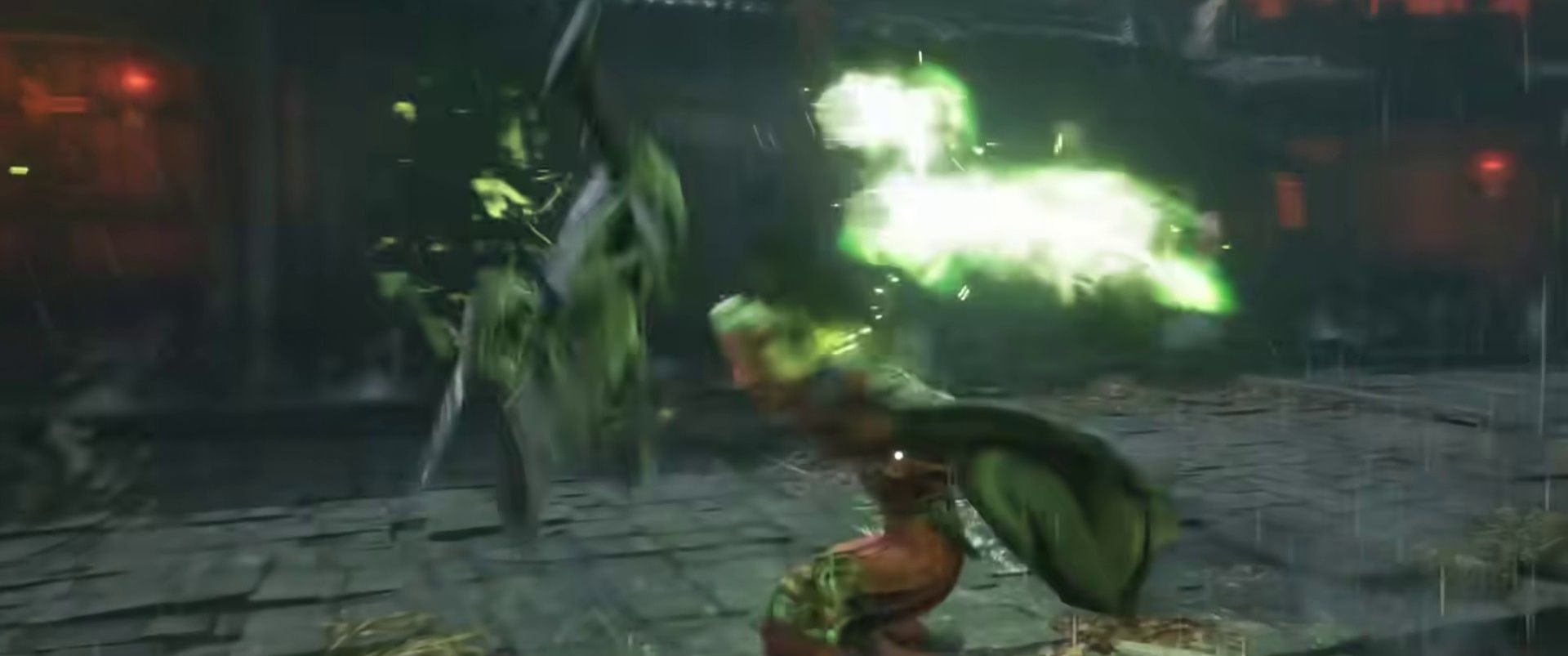
With nothing more than a matte-gold mask, it conjures an overwhelming, silent sense of oppression - commanding awe without anger, inspiring terror without killing. Translating a historical symbol into an artistic language: this is a textbook-level move.
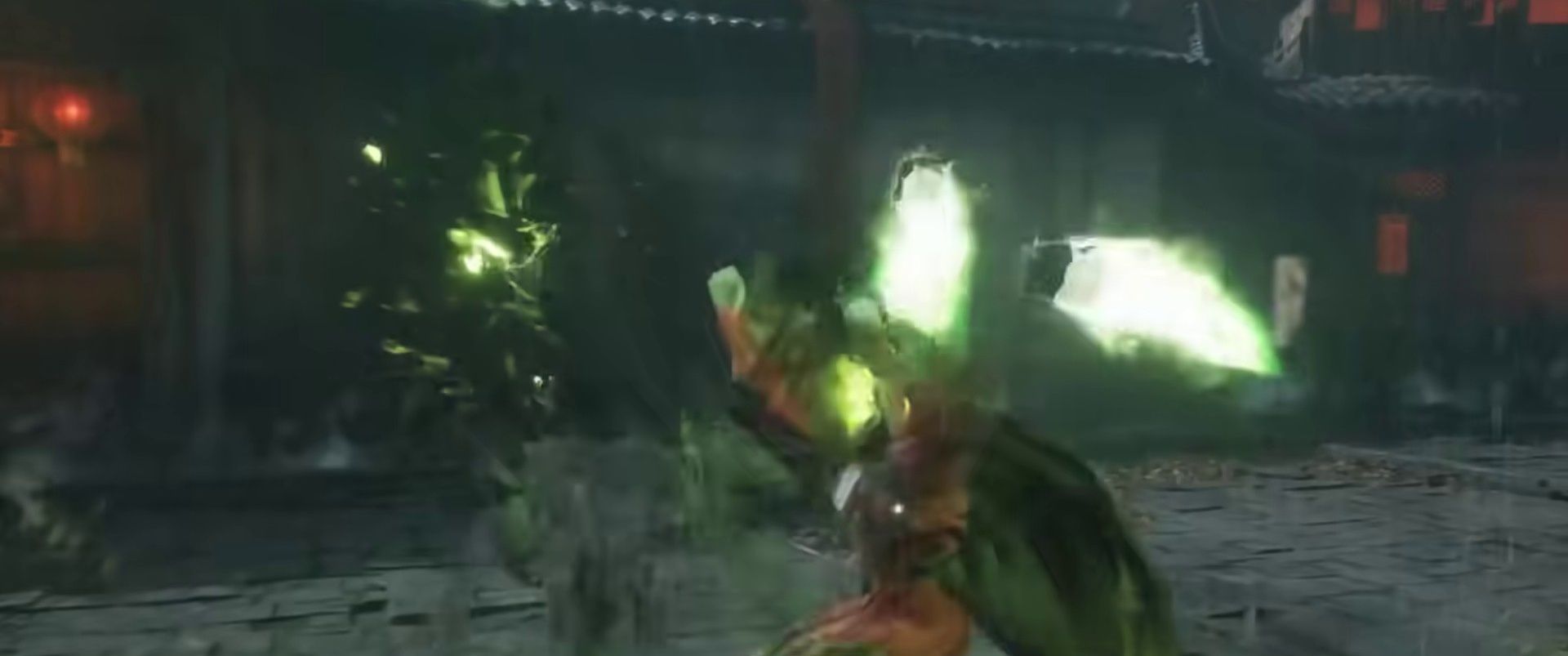
Behind the Masks: Not Cost-Cutting, but a Microcosm of Fate
To wrap things up: the masks in Phantom Blade Zero are by no means a money-saving shortcut - if anything, they may actually lengthen the production cycle. Every single mask has to be individually refined for its character, from visual design and materials to lighting effects and performance feedback, demanding no less effort than crafting a conventional face - often more.
Behind each mask in Phantom Blade Zero lies not only the microcosm of an individual character's fate, but a collective tragedy of lives no longer their own in a jianghu torn apart by chaos. Having gone through this breakdown, take another look at those masked Bosses in the game - chances are you'll walk away with a whole new layer of understanding of how mask aesthetics operate in games and film.
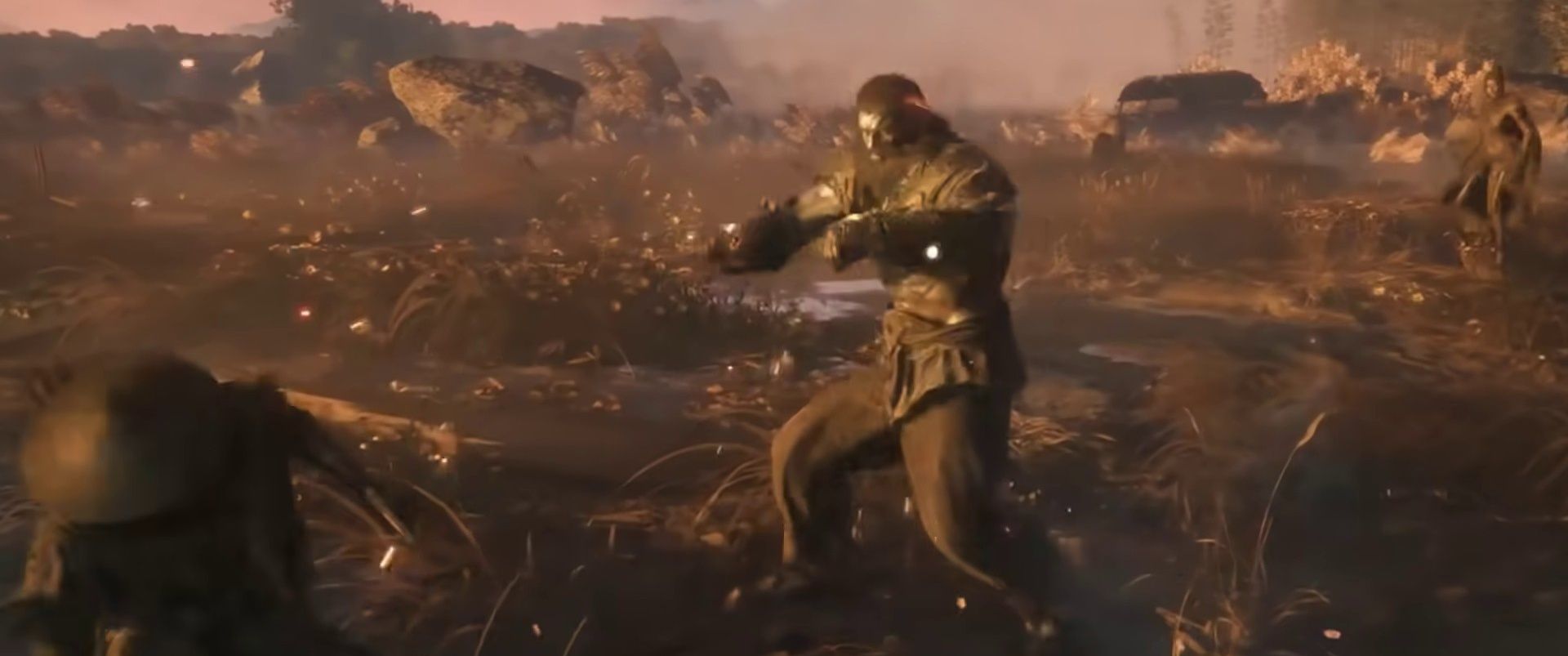
Top Community Comments
This reading of the "mask aesthetics" also drew valuable additions in the comments section. Several highly-upvoted comments happened to piece the topic into a more complete picture from three angles: production, lore, and methodology.
@Carl_1017 (12 likes) brought first-hand information from official interviews on the production side: S-GAME has in fact directly addressed the question of "why the masks" - this game's motion-capture demands are enormous, and with a limited budget, rather than making everything merely passable-to-good, it is better to polish what you do best to perfection and handle the secondary parts with clever, flaw-concealing workarounds. He also pointed out that, in the footage revealed so far, most of the masked or helmeted bosses are secondary characters; main-story boss fights have only flashed by in a few shots to date, and these major characters have all had facial models fitted. An even more hardcore detail: in the English trailer, both Zuo Shang and the elder sitting across from him have English lip-sync applied - by producing just two voice tracks, the team got the only two voiceovers, and their lip-syncs, exactly right. The money was truly spent where it counts.
The value of this comment lies in pinpointing a key insight: artistic expression and production trade-offs are not in conflict. The mask is both a narrative symbol and a resource-allocation strategy; "saving money" here is not cutting corners, but clear-headed priority management - concentrating a limited budget where it matters most is precisely a hallmark of industrial maturity.
@Mingwen_gg (6 likes) filled in the causal chain from the worldbuilding/lore side: the Council of Eleven once produced a batch of "strange masks" - the battered masks worn by monsters like the Blade Captain; later, "the Organization" defeated the Council of Eleven and mastered this technology, converting captured martial arts masters into "ghost agents" - ghost agents were themselves a case of putting waste to use, so naturally they were never given any decent masks. Today, Zuo Shang rules the Organization and, under an outward guise, cooperates with the righteous alliance to push the so-called "Dragon Body Modification" - in reality, killing-intent modification; the righteous-sect disciple with the shattered face in the demo is concrete proof of having undergone it.
In the context of this comment, the mask is no longer a mere artistic metaphor but a very real "product of modification": the "Strange Mask Uprising," technological inheritance, ghost-agent modification, killing-intent modification - each link interlocking with the next. The equation "mask = remade by the jianghu" has solidified from a visual symbol into a plot fact.
@Wuhao_Guozi (7 likes) offered the most well-rounded conclusion: the story setting of the "Strange Mask Uprising" most likely came first, spawning the setting in which killing-intent-modified enemies wear masks; when the series made the jump to 3D, this conveniently allowed the team to skip facial models and motion capture for most enemies, designing instead masks that matched each character's role. Saving money is one reason, but it is more about artistic expression - if the series had never had a mask setting and suddenly switched to everyone wearing masks, that would be purely about saving money.
This judgment is both measured and accurate: setting, art, and production are "in cahoots," not at odds. First comes narrative inevitability, then the urge for artistic expression, and finally - almost as a side effect - the production-capacity problem gets solved. Good design often works this way: it makes "cost-cutting" look like "artistic expression," while letting "artistic expression" withstand the scrutiny of "cost-cutting."
📌 One-Line Takeaway
Phantom Blade Zero puts unremovable masks on its bosses - on the surface, it looks like a clever production shortcut, but underneath lies a conspiracy between art and narrative: the mask is the visual brand of a jianghu that imprisons humanity and alienates the self, while the scarred yet utterly unhidden face of protagonist Soul stands as the last true face in this age of chaos.